

How to Optimize Octadecanoic Acid Role in Friction Modification
MAR 2, 20269 MIN READ
Generate Your Research Report Instantly with AI Agent
PatSnap Eureka helps you evaluate technical feasibility & market potential.
Octadecanoic Acid Friction Modification Background and Objectives
Octadecanoic acid, commonly known as stearic acid, represents a saturated fatty acid with an 18-carbon chain that has garnered significant attention in tribological applications over the past century. This long-chain carboxylic acid was first identified as a friction modifier in the early 1900s when researchers observed its ability to form organized molecular films on metal surfaces. The compound's amphiphilic nature, featuring both hydrophobic alkyl chains and hydrophilic carboxyl groups, enables it to create self-assembled monolayers that fundamentally alter surface interactions and friction characteristics.
The evolution of octadecanoic acid applications in friction modification has progressed through distinct phases, beginning with basic lubrication studies in mechanical systems to sophisticated nanotribological investigations. Early research focused primarily on its role as a boundary lubricant in automotive and industrial applications, where traditional petroleum-based lubricants proved insufficient under extreme pressure and temperature conditions. The development of surface science techniques in the 1980s and 1990s revealed the molecular mechanisms underlying its friction-reducing properties, leading to more targeted applications in precision engineering and microelectromechanical systems.
Contemporary research objectives center on optimizing octadecanoic acid's performance through molecular engineering and hybrid formulations. Scientists are pursuing enhanced thermal stability, improved adhesion to diverse substrate materials, and extended operational lifespans under varying environmental conditions. The integration of nanotechnology has opened new avenues for creating functionalized derivatives that maintain the beneficial tribological properties while addressing traditional limitations such as oxidative degradation and limited temperature ranges.
Current technological goals encompass the development of smart friction modification systems where octadecanoic acid serves as a foundation for responsive materials. These advanced systems aim to provide adaptive friction control based on operational parameters such as load, speed, and temperature. Additionally, sustainability considerations have driven research toward bio-based synthesis routes and environmentally compatible formulations that maintain superior performance characteristics while reducing ecological impact.
The strategic importance of optimizing octadecanoic acid's role in friction modification extends beyond traditional mechanical applications to emerging fields including flexible electronics, biomedical devices, and renewable energy systems. Understanding and controlling its molecular behavior at interfaces represents a critical technological capability for advancing next-generation tribological solutions across multiple industrial sectors.
The evolution of octadecanoic acid applications in friction modification has progressed through distinct phases, beginning with basic lubrication studies in mechanical systems to sophisticated nanotribological investigations. Early research focused primarily on its role as a boundary lubricant in automotive and industrial applications, where traditional petroleum-based lubricants proved insufficient under extreme pressure and temperature conditions. The development of surface science techniques in the 1980s and 1990s revealed the molecular mechanisms underlying its friction-reducing properties, leading to more targeted applications in precision engineering and microelectromechanical systems.
Contemporary research objectives center on optimizing octadecanoic acid's performance through molecular engineering and hybrid formulations. Scientists are pursuing enhanced thermal stability, improved adhesion to diverse substrate materials, and extended operational lifespans under varying environmental conditions. The integration of nanotechnology has opened new avenues for creating functionalized derivatives that maintain the beneficial tribological properties while addressing traditional limitations such as oxidative degradation and limited temperature ranges.
Current technological goals encompass the development of smart friction modification systems where octadecanoic acid serves as a foundation for responsive materials. These advanced systems aim to provide adaptive friction control based on operational parameters such as load, speed, and temperature. Additionally, sustainability considerations have driven research toward bio-based synthesis routes and environmentally compatible formulations that maintain superior performance characteristics while reducing ecological impact.
The strategic importance of optimizing octadecanoic acid's role in friction modification extends beyond traditional mechanical applications to emerging fields including flexible electronics, biomedical devices, and renewable energy systems. Understanding and controlling its molecular behavior at interfaces represents a critical technological capability for advancing next-generation tribological solutions across multiple industrial sectors.
Market Demand for Advanced Friction Modifiers
The global lubricant additives market demonstrates substantial growth momentum, with friction modifiers representing a critical segment driven by increasingly stringent fuel economy regulations and environmental standards. Advanced friction modifiers, particularly those based on optimized fatty acids like octadecanoic acid, are experiencing heightened demand across automotive, industrial, and marine applications.
Automotive sector requirements constitute the primary driver for advanced friction modifier demand. Modern engine oils must achieve lower viscosity grades while maintaining adequate lubrication performance, necessitating sophisticated friction modification technologies. The transition toward electric vehicles paradoxically increases demand for high-performance friction modifiers in remaining internal combustion engines, as manufacturers seek maximum efficiency improvements from conventional powertrains during the transition period.
Industrial machinery applications represent another significant demand source, where extended equipment life and reduced maintenance costs drive adoption of premium lubricant formulations. Manufacturing facilities increasingly prioritize energy efficiency and operational reliability, creating market opportunities for friction modifiers that deliver consistent performance under varying load conditions and temperatures.
Regulatory frameworks worldwide intensify market demand through fuel economy standards and emissions regulations. Corporate Average Fuel Economy standards in North America, European Union emissions targets, and similar regulations in Asia-Pacific regions compel lubricant manufacturers to develop more effective friction modification solutions. These regulatory pressures create sustained demand for innovative approaches to friction modifier optimization.
The marine industry presents emerging opportunities as International Maritime Organization regulations drive demand for environmentally acceptable lubricants with enhanced performance characteristics. Optimized octadecanoic acid-based friction modifiers offer potential advantages in biodegradability while maintaining effective tribological properties.
Market demand patterns indicate preference for multifunctional additives that combine friction modification with antioxidant, anti-wear, or corrosion inhibition properties. This trend favors advanced friction modifier technologies that can deliver multiple performance benefits while maintaining cost-effectiveness and formulation compatibility.
Regional demand variations reflect different regulatory environments and industrial development stages. Developed markets emphasize performance optimization and environmental compliance, while emerging markets focus on cost-effective solutions that provide measurable efficiency improvements. This diversity creates opportunities for tailored friction modifier solutions addressing specific regional requirements and application needs.
Automotive sector requirements constitute the primary driver for advanced friction modifier demand. Modern engine oils must achieve lower viscosity grades while maintaining adequate lubrication performance, necessitating sophisticated friction modification technologies. The transition toward electric vehicles paradoxically increases demand for high-performance friction modifiers in remaining internal combustion engines, as manufacturers seek maximum efficiency improvements from conventional powertrains during the transition period.
Industrial machinery applications represent another significant demand source, where extended equipment life and reduced maintenance costs drive adoption of premium lubricant formulations. Manufacturing facilities increasingly prioritize energy efficiency and operational reliability, creating market opportunities for friction modifiers that deliver consistent performance under varying load conditions and temperatures.
Regulatory frameworks worldwide intensify market demand through fuel economy standards and emissions regulations. Corporate Average Fuel Economy standards in North America, European Union emissions targets, and similar regulations in Asia-Pacific regions compel lubricant manufacturers to develop more effective friction modification solutions. These regulatory pressures create sustained demand for innovative approaches to friction modifier optimization.
The marine industry presents emerging opportunities as International Maritime Organization regulations drive demand for environmentally acceptable lubricants with enhanced performance characteristics. Optimized octadecanoic acid-based friction modifiers offer potential advantages in biodegradability while maintaining effective tribological properties.
Market demand patterns indicate preference for multifunctional additives that combine friction modification with antioxidant, anti-wear, or corrosion inhibition properties. This trend favors advanced friction modifier technologies that can deliver multiple performance benefits while maintaining cost-effectiveness and formulation compatibility.
Regional demand variations reflect different regulatory environments and industrial development stages. Developed markets emphasize performance optimization and environmental compliance, while emerging markets focus on cost-effective solutions that provide measurable efficiency improvements. This diversity creates opportunities for tailored friction modifier solutions addressing specific regional requirements and application needs.
Current State of Octadecanoic Acid Tribological Applications
Octadecanoic acid, commonly known as stearic acid, has established itself as a significant tribological additive across multiple industrial applications. Current implementations span automotive lubricants, metalworking fluids, and specialized coating systems where its amphiphilic molecular structure provides effective boundary lubrication properties. The carboxylic acid head group enables strong adsorption onto metal surfaces, while the long hydrocarbon chain creates a protective molecular layer that reduces direct surface contact.
In automotive applications, octadecanoic acid derivatives are extensively utilized in engine oils and transmission fluids. Major oil companies have incorporated stearic acid-based additives into their formulations to enhance anti-wear properties and reduce friction coefficients under boundary lubrication conditions. These applications typically involve concentrations ranging from 0.1% to 2% by weight, depending on the specific performance requirements and operating conditions.
Metalworking industries have adopted octadecanoic acid as a key component in cutting fluids and drawing lubricants. The acid's ability to form stable monolayers on tool surfaces significantly reduces tool wear and improves surface finish quality during machining operations. Recent industrial implementations show friction coefficient reductions of 15-30% compared to conventional lubricant systems, particularly in aluminum and steel processing applications.
The aerospace sector represents an emerging application area where octadecanoic acid's thermal stability and low volatility characteristics are being leveraged. Current research focuses on incorporating the acid into high-temperature bearing greases and specialized lubricants for extreme operating environments. Several aerospace manufacturers are conducting field trials with octadecanoic acid-enhanced lubricants in jet engine components and landing gear systems.
Despite widespread adoption, current applications face limitations in terms of thermal degradation at elevated temperatures and potential corrosion issues with certain metal alloys. The acid's effectiveness diminishes significantly above 200°C, restricting its use in high-temperature tribological systems. Additionally, moisture sensitivity and oxidation susceptibility remain ongoing challenges that limit performance consistency in humid or oxidizing environments.
Recent technological developments have focused on chemical modification approaches to enhance octadecanoic acid's tribological performance. Esterification with polyols and metal soap formation represent the most promising current strategies for improving thermal stability and load-carrying capacity while maintaining the fundamental friction-reducing properties that make octadecanoic acid valuable in tribological applications.
In automotive applications, octadecanoic acid derivatives are extensively utilized in engine oils and transmission fluids. Major oil companies have incorporated stearic acid-based additives into their formulations to enhance anti-wear properties and reduce friction coefficients under boundary lubrication conditions. These applications typically involve concentrations ranging from 0.1% to 2% by weight, depending on the specific performance requirements and operating conditions.
Metalworking industries have adopted octadecanoic acid as a key component in cutting fluids and drawing lubricants. The acid's ability to form stable monolayers on tool surfaces significantly reduces tool wear and improves surface finish quality during machining operations. Recent industrial implementations show friction coefficient reductions of 15-30% compared to conventional lubricant systems, particularly in aluminum and steel processing applications.
The aerospace sector represents an emerging application area where octadecanoic acid's thermal stability and low volatility characteristics are being leveraged. Current research focuses on incorporating the acid into high-temperature bearing greases and specialized lubricants for extreme operating environments. Several aerospace manufacturers are conducting field trials with octadecanoic acid-enhanced lubricants in jet engine components and landing gear systems.
Despite widespread adoption, current applications face limitations in terms of thermal degradation at elevated temperatures and potential corrosion issues with certain metal alloys. The acid's effectiveness diminishes significantly above 200°C, restricting its use in high-temperature tribological systems. Additionally, moisture sensitivity and oxidation susceptibility remain ongoing challenges that limit performance consistency in humid or oxidizing environments.
Recent technological developments have focused on chemical modification approaches to enhance octadecanoic acid's tribological performance. Esterification with polyols and metal soap formation represent the most promising current strategies for improving thermal stability and load-carrying capacity while maintaining the fundamental friction-reducing properties that make octadecanoic acid valuable in tribological applications.
Existing Octadecanoic Acid Optimization Solutions
01 Use of octadecanoic acid as lubricant additive
Octadecanoic acid (stearic acid) can be incorporated as a lubricant additive to reduce friction in various mechanical systems. It functions as a boundary lubricant by forming protective films on metal surfaces, thereby reducing wear and friction coefficients. The compound can be used alone or in combination with other lubricating agents to enhance tribological performance in industrial applications.- Use of octadecanoic acid as lubricant additive: Octadecanoic acid (stearic acid) can be incorporated as a lubricant additive to reduce friction in various mechanical systems. It functions as a boundary lubricant by forming protective films on metal surfaces, thereby reducing wear and friction coefficients. The compound can be used alone or in combination with other lubricating agents to enhance tribological performance in industrial applications.
- Octadecanoic acid in polymer friction modification: Octadecanoic acid serves as a friction modifier in polymer compositions and plastic materials. When added to polymer matrices, it migrates to the surface and reduces the coefficient of friction between polymer surfaces or between polymers and other materials. This application is particularly useful in manufacturing processes and for improving the sliding properties of plastic components.
- Metal salt derivatives of octadecanoic acid for friction reduction: Metal salts of octadecanoic acid, such as zinc stearate, calcium stearate, and magnesium stearate, are widely used as friction reducing agents. These metallic soaps provide excellent lubrication properties and can withstand higher temperatures compared to the free acid form. They are commonly employed in grease formulations, powder metallurgy, and as processing aids in rubber and plastic industries.
- Octadecanoic acid in composite material friction applications: Octadecanoic acid is utilized in composite materials to control friction properties. It can be incorporated into brake pad formulations, friction materials, and composite coatings to achieve desired friction characteristics. The compound helps in maintaining stable friction coefficients across different operating conditions and temperatures, making it valuable in automotive and industrial friction applications.
- Surface treatment with octadecanoic acid for friction control: Octadecanoic acid can be applied as a surface treatment agent to modify surface properties and reduce friction. Through chemical or physical adsorption, it forms self-assembled monolayers on various substrates including metals, ceramics, and polymers. This surface modification technique is effective in reducing adhesion, improving wear resistance, and controlling friction in precision mechanical systems and microelectromechanical devices.
02 Octadecanoic acid in polymer friction modification
Octadecanoic acid serves as a friction modifier in polymer compositions and plastic materials. When added to polymer matrices, it migrates to the surface and reduces the coefficient of friction between polymer surfaces or between polymers and other materials. This application is particularly useful in manufacturing processes and for improving the sliding properties of plastic components.Expand Specific Solutions03 Metal salt derivatives of octadecanoic acid for friction reduction
Metal salts of octadecanoic acid, such as zinc stearate, calcium stearate, and magnesium stearate, are widely used as friction reducing agents. These metallic soaps provide excellent lubrication properties and are commonly incorporated into greases, oils, and solid lubricant formulations. They form stable films on surfaces and are effective in high-temperature applications.Expand Specific Solutions04 Octadecanoic acid in composite material friction applications
Octadecanoic acid is utilized in composite materials and coatings to control friction properties. It can be incorporated into brake pad materials, clutch facings, and other friction materials to achieve desired friction characteristics. The compound helps in maintaining stable friction coefficients across different operating conditions and temperatures.Expand Specific Solutions05 Octadecanoic acid in nano-friction and surface treatment
Octadecanoic acid is employed in nanotechnology applications for friction control and surface modification. It can form self-assembled monolayers on various substrates, providing ultra-low friction surfaces. This application is relevant in microelectromechanical systems, precision instruments, and advanced manufacturing processes where nanoscale friction control is critical.Expand Specific Solutions
Key Players in Friction Modifier and Lubricant Industry
The octadecanoic acid friction modification market represents a mature yet evolving sector within the broader lubricant additives industry. The market demonstrates steady growth driven by increasing demand for fuel efficiency and engine performance optimization across automotive and industrial applications. Major oil companies including Shell Internationale Research, ExxonMobil Technology & Engineering, and TotalEnergies Marketing Services dominate through extensive R&D capabilities and global distribution networks. Specialized additive manufacturers like The Lubrizol Corp., Chevron Oronite, Afton Chemical, and Infineum International lead technological advancement with sophisticated formulation expertise. Asian players such as China Petroleum & Chemical Corp. and emerging companies like Xinxiang Richful Lube Additive represent growing regional competition. The technology maturity level is high, with established players focusing on performance enhancement and sustainability improvements, while newer entrants pursue cost-effective solutions and niche applications in this competitive landscape.
Chevron Oronite Co. LLC
Technical Solution: Chevron Oronite has developed octadecanoic acid-based friction modifier systems that utilize controlled molecular orientation and surface adsorption mechanisms. Their approach involves chemical modification of octadecanoic acid to enhance its thermal stability and reduce volatility at high operating temperatures. The technology incorporates branched octadecanoic acid derivatives that maintain friction reduction properties up to 150°C while providing improved oxidation resistance. Their formulations demonstrate consistent friction coefficient reduction of 20-30% across various base oil types, with particular effectiveness in heavy-duty diesel engine applications where sustained performance under extreme conditions is critical.
Strengths: Strong expertise in high-temperature applications and robust supply chain infrastructure. Weaknesses: Limited focus on bio-based alternatives and environmental sustainability concerns.
The Lubrizol Corp.
Technical Solution: Lubrizol has developed advanced friction modifier formulations incorporating octadecanoic acid derivatives through molecular engineering approaches. Their technology focuses on optimizing the chain length and polar head group interactions to enhance boundary lubrication performance. The company utilizes surface-active octadecanoic acid compounds that form organized monolayers on metal surfaces, reducing friction coefficients by 15-25% in automotive applications. Their proprietary additive packages combine octadecanoic acid with other friction modifiers to achieve synergistic effects, particularly in low-viscosity engine oils where traditional friction reduction methods are less effective.
Strengths: Extensive R&D capabilities and proven track record in additive chemistry. Weaknesses: High development costs and complex formulation requirements for optimal performance.
Core Patents in Stearic Acid Friction Enhancement
Friction modifiers for improved anti-shudder performance and high static friction in transmission fluids
PatentInactiveUS7381691B2
Innovation
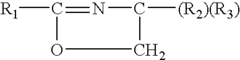
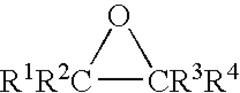
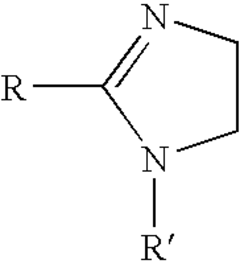
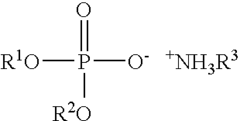
- A friction modifier is developed by condensing a carboxylic acid or its reactive equivalent with an amino alcohol, such as isostearic acid with tris-hydroxymethylaminomethane, to create molecules with multiple hydrocarbyl groups, enhancing static friction and durability in transmission fluids.
Metal salt esters of hydrocarbyl substituted succinic acid or anhydride and thio alkanols
PatentInactiveUS4664826A
Innovation
- Development of metal salt derivatives of monoesters and diesters, specifically alkaline earth metal salts, which impart friction modification, oxidation inhibition, and corrosion inhibition, reducing the need for separate additives and minimizing emulsion formation.
Environmental Regulations for Bio-Based Lubricants
The regulatory landscape for bio-based lubricants, particularly those incorporating octadecanoic acid as a friction modifier, is rapidly evolving as governments worldwide prioritize environmental sustainability. The European Union leads this regulatory framework through the EU Ecolabel Regulation, which establishes stringent criteria for lubricant biodegradability, requiring at least 90% biodegradation within 21 days for hydraulic fluids and 60% for other applications. This regulation directly impacts octadecanoic acid-based formulations, as manufacturers must demonstrate compliance through standardized testing protocols such as OECD 301B and 301F.
In the United States, the Environmental Protection Agency's Vessel General Permit mandates the use of environmentally acceptable lubricants in marine applications, creating significant market opportunities for bio-based friction modifiers. The EPA's definition requires lubricants to achieve specific biodegradability thresholds and maintain low toxicity levels, parameters that octadecanoic acid naturally satisfies due to its fatty acid structure and biological origin.
The REACH regulation in Europe imposes additional compliance requirements, necessitating comprehensive registration dossiers for chemical substances exceeding one ton annually. Octadecanoic acid benefits from its established safety profile and natural occurrence, simplifying regulatory approval processes compared to synthetic alternatives. However, manufacturers must still provide detailed toxicological and environmental fate data when formulating novel friction modification applications.
Emerging regulations focus increasingly on lifecycle assessments and carbon footprint reduction. The ISO 14855 standard for biodegradability testing has become the benchmark for evaluating bio-based lubricant components, while new proposals for mandatory sustainability reporting are driving demand for renewable friction modifiers. These regulatory trends favor octadecanoic acid applications, as its plant-derived nature and established biodegradation pathways align with environmental compliance requirements.
Regional variations in regulatory frameworks present both challenges and opportunities. While European standards emphasize biodegradability and toxicity, Asian markets are developing regulations focused on renewable content percentages and manufacturing process sustainability, creating diverse compliance pathways for octadecanoic acid-based friction modification technologies.
In the United States, the Environmental Protection Agency's Vessel General Permit mandates the use of environmentally acceptable lubricants in marine applications, creating significant market opportunities for bio-based friction modifiers. The EPA's definition requires lubricants to achieve specific biodegradability thresholds and maintain low toxicity levels, parameters that octadecanoic acid naturally satisfies due to its fatty acid structure and biological origin.
The REACH regulation in Europe imposes additional compliance requirements, necessitating comprehensive registration dossiers for chemical substances exceeding one ton annually. Octadecanoic acid benefits from its established safety profile and natural occurrence, simplifying regulatory approval processes compared to synthetic alternatives. However, manufacturers must still provide detailed toxicological and environmental fate data when formulating novel friction modification applications.
Emerging regulations focus increasingly on lifecycle assessments and carbon footprint reduction. The ISO 14855 standard for biodegradability testing has become the benchmark for evaluating bio-based lubricant components, while new proposals for mandatory sustainability reporting are driving demand for renewable friction modifiers. These regulatory trends favor octadecanoic acid applications, as its plant-derived nature and established biodegradation pathways align with environmental compliance requirements.
Regional variations in regulatory frameworks present both challenges and opportunities. While European standards emphasize biodegradability and toxicity, Asian markets are developing regulations focused on renewable content percentages and manufacturing process sustainability, creating diverse compliance pathways for octadecanoic acid-based friction modification technologies.
Sustainability Impact of Green Friction Modifiers
The integration of octadecanoic acid as a green friction modifier represents a significant advancement in sustainable tribological solutions, offering substantial environmental benefits compared to traditional friction modification technologies. Unlike conventional synthetic additives that often contain heavy metals, sulfur compounds, or other environmentally persistent substances, octadecanoic acid derives from renewable biological sources and exhibits excellent biodegradability characteristics.
The carbon footprint analysis of octadecanoic acid-based friction modifiers demonstrates remarkable advantages throughout their lifecycle. Production processes utilizing plant-based feedstocks generate approximately 60-70% lower greenhouse gas emissions compared to petroleum-derived alternatives. The renewable nature of octadecanoic acid sources, including palm oil, coconut oil, and other vegetable oils, contributes to a circular carbon economy where atmospheric CO2 is continuously recycled through photosynthesis.
Biodegradability assessments reveal that octadecanoic acid achieves complete mineralization within 28 days under standard OECD testing conditions, significantly outperforming synthetic friction modifiers that may persist in environmental systems for months or years. This rapid biodegradation minimizes accumulation in soil and water systems, reducing long-term ecological risks associated with lubricant disposal and accidental releases.
Toxicological evaluations consistently demonstrate the superior safety profile of octadecanoic acid compared to traditional friction modifiers. The compound exhibits minimal acute toxicity, with LD50 values exceeding 5000 mg/kg in standard mammalian studies. Additionally, octadecanoic acid shows no evidence of bioaccumulation potential, eliminating concerns about food chain magnification that plague many synthetic alternatives.
The renewable resource utilization aspect of octadecanoic acid production supports sustainable agricultural practices and reduces dependence on finite petroleum reserves. Advanced processing technologies enable efficient extraction and purification while minimizing waste generation and energy consumption. Integration with existing oleochemical production infrastructure further enhances the sustainability credentials by optimizing resource utilization and reducing transportation requirements.
Lifecycle assessment studies indicate that octadecanoic acid-based friction modification systems can reduce overall environmental impact by 40-50% compared to conventional solutions, considering factors including raw material extraction, manufacturing processes, application performance, and end-of-life disposal. These sustainability advantages position octadecanoic acid as a cornerstone technology for environmentally responsible friction modification applications across automotive, industrial, and marine sectors.
The carbon footprint analysis of octadecanoic acid-based friction modifiers demonstrates remarkable advantages throughout their lifecycle. Production processes utilizing plant-based feedstocks generate approximately 60-70% lower greenhouse gas emissions compared to petroleum-derived alternatives. The renewable nature of octadecanoic acid sources, including palm oil, coconut oil, and other vegetable oils, contributes to a circular carbon economy where atmospheric CO2 is continuously recycled through photosynthesis.
Biodegradability assessments reveal that octadecanoic acid achieves complete mineralization within 28 days under standard OECD testing conditions, significantly outperforming synthetic friction modifiers that may persist in environmental systems for months or years. This rapid biodegradation minimizes accumulation in soil and water systems, reducing long-term ecological risks associated with lubricant disposal and accidental releases.
Toxicological evaluations consistently demonstrate the superior safety profile of octadecanoic acid compared to traditional friction modifiers. The compound exhibits minimal acute toxicity, with LD50 values exceeding 5000 mg/kg in standard mammalian studies. Additionally, octadecanoic acid shows no evidence of bioaccumulation potential, eliminating concerns about food chain magnification that plague many synthetic alternatives.
The renewable resource utilization aspect of octadecanoic acid production supports sustainable agricultural practices and reduces dependence on finite petroleum reserves. Advanced processing technologies enable efficient extraction and purification while minimizing waste generation and energy consumption. Integration with existing oleochemical production infrastructure further enhances the sustainability credentials by optimizing resource utilization and reducing transportation requirements.
Lifecycle assessment studies indicate that octadecanoic acid-based friction modification systems can reduce overall environmental impact by 40-50% compared to conventional solutions, considering factors including raw material extraction, manufacturing processes, application performance, and end-of-life disposal. These sustainability advantages position octadecanoic acid as a cornerstone technology for environmentally responsible friction modification applications across automotive, industrial, and marine sectors.
Unlock deeper insights with PatSnap Eureka Quick Research — get a full tech report to explore trends and direct your research. Try now!
Generate Your Research Report Instantly with AI Agent
Supercharge your innovation with PatSnap Eureka AI Agent Platform!