
Octadecanoic Acid vs Palmitic Acid: Oxidation Stability
MAR 2, 20269 MIN READ
Generate Your Research Report Instantly with AI Agent
Patsnap Eureka helps you evaluate technical feasibility & market potential.
Fatty Acid Oxidation Background and Research Objectives
Fatty acid oxidation represents one of the most critical degradation pathways affecting the quality, shelf-life, and nutritional value of lipid-containing products across food, pharmaceutical, and cosmetic industries. This oxidative deterioration process involves complex chemical reactions that lead to the formation of aldehydes, ketones, and other volatile compounds responsible for rancidity, off-flavors, and potential health concerns. The susceptibility of fatty acids to oxidation varies significantly based on their molecular structure, particularly chain length and degree of saturation.
Octadecanoic acid (stearic acid, C18:0) and palmitic acid (C16:0) are two predominant saturated fatty acids found extensively in natural fats and oils, representing crucial components in various industrial applications. Despite both being fully saturated fatty acids, emerging research suggests notable differences in their oxidative stability profiles under various environmental conditions including temperature, light exposure, and presence of pro-oxidant catalysts.
The comparative oxidation stability between these two fatty acids has gained significant attention due to their widespread use in food formulations, cosmetic products, and pharmaceutical preparations. Understanding their differential behavior under oxidative stress conditions is essential for optimizing product formulations, extending shelf-life, and maintaining quality standards. Current literature reveals conflicting findings regarding which fatty acid demonstrates superior oxidative resistance, with some studies favoring the longer-chain stearic acid while others suggest palmitic acid's enhanced stability.
The primary research objective focuses on establishing a comprehensive understanding of the oxidative stability differences between octadecanoic acid and palmitic acid through systematic evaluation of their degradation kinetics, identification of primary and secondary oxidation products, and determination of critical factors influencing their oxidative behavior. This investigation aims to provide definitive guidance for industrial applications where oxidative stability is paramount.
Secondary objectives include developing predictive models for oxidation rates under various storage conditions, establishing optimal preservation strategies for each fatty acid, and identifying synergistic effects when both acids are present in mixed systems. The research will also explore the impact of different antioxidant systems on each fatty acid's stability profile.
Octadecanoic acid (stearic acid, C18:0) and palmitic acid (C16:0) are two predominant saturated fatty acids found extensively in natural fats and oils, representing crucial components in various industrial applications. Despite both being fully saturated fatty acids, emerging research suggests notable differences in their oxidative stability profiles under various environmental conditions including temperature, light exposure, and presence of pro-oxidant catalysts.
The comparative oxidation stability between these two fatty acids has gained significant attention due to their widespread use in food formulations, cosmetic products, and pharmaceutical preparations. Understanding their differential behavior under oxidative stress conditions is essential for optimizing product formulations, extending shelf-life, and maintaining quality standards. Current literature reveals conflicting findings regarding which fatty acid demonstrates superior oxidative resistance, with some studies favoring the longer-chain stearic acid while others suggest palmitic acid's enhanced stability.
The primary research objective focuses on establishing a comprehensive understanding of the oxidative stability differences between octadecanoic acid and palmitic acid through systematic evaluation of their degradation kinetics, identification of primary and secondary oxidation products, and determination of critical factors influencing their oxidative behavior. This investigation aims to provide definitive guidance for industrial applications where oxidative stability is paramount.
Secondary objectives include developing predictive models for oxidation rates under various storage conditions, establishing optimal preservation strategies for each fatty acid, and identifying synergistic effects when both acids are present in mixed systems. The research will also explore the impact of different antioxidant systems on each fatty acid's stability profile.
Market Demand for Oxidation-Stable Fatty Acids
The global market for oxidation-stable fatty acids has experienced substantial growth driven by increasing consumer awareness of product quality and shelf-life requirements across multiple industries. Food manufacturers are particularly seeking fatty acids with enhanced oxidative stability to extend product freshness and reduce the need for synthetic antioxidants, responding to clean-label trends and consumer preferences for natural ingredients.
In the cosmetics and personal care sector, demand for oxidation-stable fatty acids continues to expand as formulators prioritize ingredient stability to prevent rancidity and maintain product efficacy throughout extended shelf life periods. The pharmaceutical industry represents another significant market segment, where oxidation stability directly impacts drug formulation integrity and therapeutic effectiveness, particularly in lipid-based drug delivery systems.
Industrial applications, including lubricants, plasticizers, and surfactants, demonstrate growing requirements for fatty acids that maintain performance characteristics under oxidative stress conditions. This demand is particularly pronounced in automotive and aerospace applications where component longevity and reliability are critical factors.
The nutraceutical market has emerged as a key growth driver, with manufacturers seeking fatty acids that retain nutritional value and bioactivity during processing and storage. Consumer supplement companies increasingly prioritize oxidation-stable raw materials to ensure product potency claims remain valid throughout product lifecycle.
Regional market dynamics show strong demand growth in Asia-Pacific markets, driven by expanding food processing industries and rising disposable incomes. European markets emphasize regulatory compliance and sustainability considerations, while North American markets focus on premium product positioning and functional benefits.
Market research indicates that manufacturers are willing to pay premium prices for fatty acids demonstrating superior oxidation stability, as the cost benefits of extended shelf life and reduced product losses often justify higher raw material investments. This pricing dynamic creates favorable conditions for suppliers offering enhanced oxidation-stable fatty acid solutions.
The trend toward sustainable and bio-based ingredients has further amplified market interest in naturally occurring oxidation-stable fatty acids, positioning this market segment for continued expansion across diverse industrial applications.
In the cosmetics and personal care sector, demand for oxidation-stable fatty acids continues to expand as formulators prioritize ingredient stability to prevent rancidity and maintain product efficacy throughout extended shelf life periods. The pharmaceutical industry represents another significant market segment, where oxidation stability directly impacts drug formulation integrity and therapeutic effectiveness, particularly in lipid-based drug delivery systems.
Industrial applications, including lubricants, plasticizers, and surfactants, demonstrate growing requirements for fatty acids that maintain performance characteristics under oxidative stress conditions. This demand is particularly pronounced in automotive and aerospace applications where component longevity and reliability are critical factors.
The nutraceutical market has emerged as a key growth driver, with manufacturers seeking fatty acids that retain nutritional value and bioactivity during processing and storage. Consumer supplement companies increasingly prioritize oxidation-stable raw materials to ensure product potency claims remain valid throughout product lifecycle.
Regional market dynamics show strong demand growth in Asia-Pacific markets, driven by expanding food processing industries and rising disposable incomes. European markets emphasize regulatory compliance and sustainability considerations, while North American markets focus on premium product positioning and functional benefits.
Market research indicates that manufacturers are willing to pay premium prices for fatty acids demonstrating superior oxidation stability, as the cost benefits of extended shelf life and reduced product losses often justify higher raw material investments. This pricing dynamic creates favorable conditions for suppliers offering enhanced oxidation-stable fatty acid solutions.
The trend toward sustainable and bio-based ingredients has further amplified market interest in naturally occurring oxidation-stable fatty acids, positioning this market segment for continued expansion across diverse industrial applications.
Current Oxidation Stability Challenges in Fatty Acids
Fatty acid oxidation represents one of the most significant challenges in food science, cosmetics, and industrial applications, with octadecanoic acid (stearic acid) and palmitic acid exhibiting distinct vulnerability patterns. The primary oxidation mechanisms affecting these saturated fatty acids include autoxidation, photo-oxidation, and enzymatic oxidation, each presenting unique technical hurdles that impact product quality, shelf life, and commercial viability.
Temperature-induced oxidation poses a critical challenge for both fatty acids, though their responses differ significantly. Palmitic acid demonstrates higher susceptibility to thermal degradation at elevated temperatures, particularly above 180°C, leading to accelerated formation of primary oxidation products such as hydroperoxides. Octadecanoic acid, despite its longer carbon chain, exhibits relatively better thermal stability due to its higher melting point and crystalline structure, yet still faces degradation challenges during high-temperature processing applications.
Light exposure creates substantial oxidation stability issues, particularly in the presence of photosensitizers and oxygen. Both fatty acids undergo photo-oxidation through singlet oxygen mechanisms, resulting in the formation of secondary oxidation products including aldehydes, ketones, and volatile organic compounds. The challenge intensifies in transparent packaging systems and UV-rich environments, where protective measures become essential for maintaining product integrity.
Metal catalysis represents another significant obstacle, where trace amounts of iron, copper, and other transition metals dramatically accelerate oxidation rates. These catalytic processes affect both octadecanoic and palmitic acids through Fenton-type reactions, creating free radicals that propagate oxidative chain reactions. The challenge becomes particularly acute in industrial processing environments where metal contamination from equipment surfaces is unavoidable.
Oxygen availability and storage conditions create ongoing stability challenges, especially in bulk handling and long-term storage scenarios. The diffusion of atmospheric oxygen into fatty acid matrices leads to progressive quality deterioration, with palmitic acid showing faster initial oxidation rates compared to octadecanoic acid. Moisture content further complicates these challenges by facilitating hydrolytic reactions and creating favorable conditions for oxidative processes.
Current analytical detection methods face limitations in early-stage oxidation identification, making proactive quality control difficult. Traditional peroxide value measurements often fail to capture the complete oxidation profile, while advanced spectroscopic techniques require sophisticated equipment and expertise, creating practical implementation challenges for routine quality assessment.
Temperature-induced oxidation poses a critical challenge for both fatty acids, though their responses differ significantly. Palmitic acid demonstrates higher susceptibility to thermal degradation at elevated temperatures, particularly above 180°C, leading to accelerated formation of primary oxidation products such as hydroperoxides. Octadecanoic acid, despite its longer carbon chain, exhibits relatively better thermal stability due to its higher melting point and crystalline structure, yet still faces degradation challenges during high-temperature processing applications.
Light exposure creates substantial oxidation stability issues, particularly in the presence of photosensitizers and oxygen. Both fatty acids undergo photo-oxidation through singlet oxygen mechanisms, resulting in the formation of secondary oxidation products including aldehydes, ketones, and volatile organic compounds. The challenge intensifies in transparent packaging systems and UV-rich environments, where protective measures become essential for maintaining product integrity.
Metal catalysis represents another significant obstacle, where trace amounts of iron, copper, and other transition metals dramatically accelerate oxidation rates. These catalytic processes affect both octadecanoic and palmitic acids through Fenton-type reactions, creating free radicals that propagate oxidative chain reactions. The challenge becomes particularly acute in industrial processing environments where metal contamination from equipment surfaces is unavoidable.
Oxygen availability and storage conditions create ongoing stability challenges, especially in bulk handling and long-term storage scenarios. The diffusion of atmospheric oxygen into fatty acid matrices leads to progressive quality deterioration, with palmitic acid showing faster initial oxidation rates compared to octadecanoic acid. Moisture content further complicates these challenges by facilitating hydrolytic reactions and creating favorable conditions for oxidative processes.
Current analytical detection methods face limitations in early-stage oxidation identification, making proactive quality control difficult. Traditional peroxide value measurements often fail to capture the complete oxidation profile, while advanced spectroscopic techniques require sophisticated equipment and expertise, creating practical implementation challenges for routine quality assessment.
Current Methods for Enhancing Fatty Acid Stability
01 Use of antioxidants to enhance oxidation stability
Antioxidants can be incorporated to improve the oxidation stability of octadecanoic acid and palmitic acid. These compounds work by inhibiting or delaying the oxidation process through various mechanisms such as free radical scavenging and metal chelation. The addition of antioxidants helps prevent rancidity and extends the shelf life of formulations containing these fatty acids.- Use of antioxidants to enhance oxidation stability: Antioxidants can be incorporated to improve the oxidation stability of octadecanoic acid and palmitic acid. These compounds work by inhibiting or delaying the oxidation process through various mechanisms such as free radical scavenging and metal chelation. Natural and synthetic antioxidants can be used to prevent rancidity and extend shelf life of formulations containing these fatty acids.
- Encapsulation and microencapsulation techniques: Encapsulation methods can be employed to protect octadecanoic acid and palmitic acid from oxidative degradation. By enclosing these fatty acids within protective matrices or coatings, exposure to oxygen, light, and other oxidizing agents can be minimized. This approach helps maintain the stability and functionality of the fatty acids during storage and application.
- Synergistic combinations with other stabilizing agents: Combining octadecanoic acid and palmitic acid with other stabilizing agents can create synergistic effects that enhance overall oxidation stability. These combinations may include mixtures with other fatty acids, emulsifiers, or preservatives that work together to provide improved resistance to oxidation. The synergistic approach can offer better protection than individual components alone.
- Modified fatty acid derivatives with improved stability: Chemical modification of octadecanoic acid and palmitic acid can produce derivatives with enhanced oxidation stability. These modifications may include esterification, amidation, or other structural changes that reduce susceptibility to oxidation while maintaining desired functional properties. Modified derivatives can offer improved performance in various applications requiring long-term stability.
- Formulation optimization and processing conditions: Optimizing formulation parameters and processing conditions can significantly impact the oxidation stability of octadecanoic acid and palmitic acid. Factors such as pH adjustment, temperature control during processing, exclusion of pro-oxidant metals, and proper packaging can all contribute to enhanced stability. Careful control of these variables during manufacturing and storage helps minimize oxidative degradation.
02 Synergistic combinations of multiple stabilizers
The oxidation stability can be significantly improved by using synergistic combinations of different stabilizing agents. These combinations may include primary and secondary antioxidants, chelating agents, and other stabilizers that work together to provide enhanced protection against oxidation. The synergistic effect results in better stability performance compared to using individual stabilizers alone.Expand Specific Solutions03 Encapsulation and microencapsulation techniques
Encapsulation methods can be employed to protect octadecanoic acid and palmitic acid from oxidative degradation. These techniques involve coating or entrapping the fatty acids within protective matrices or shells, which act as physical barriers against oxygen and other oxidizing agents. This approach helps maintain the stability and quality of the fatty acids during storage and application.Expand Specific Solutions04 Modification of fatty acid structure for improved stability
Chemical modification or derivatization of octadecanoic acid and palmitic acid can enhance their oxidation resistance. Structural modifications may include esterification, amidation, or other chemical transformations that reduce the susceptibility of the fatty acids to oxidation. These modified forms maintain functional properties while exhibiting improved stability characteristics.Expand Specific Solutions05 Formulation optimization with protective carriers
The oxidation stability of octadecanoic acid and palmitic acid can be enhanced through careful formulation design using protective carrier systems. This includes the selection of appropriate solvents, emulsifiers, and matrix materials that minimize exposure to oxidative conditions. Proper formulation strategies help create stable delivery systems that preserve the integrity of these fatty acids throughout their intended use.Expand Specific Solutions
Key Players in Fatty Acid and Antioxidant Industry
The oxidation stability comparison between octadecanoic acid (stearic acid) and palmitic acid represents a mature research area within the broader lipid chemistry and food science sectors. The market for oxidation-stable fatty acids spans multiple industries including food processing, cosmetics, pharmaceuticals, and industrial applications, with an estimated global market exceeding $15 billion. Technology maturity is high, with established analytical methods and stabilization techniques well-documented. Key players demonstrate varying levels of technological sophistication: chemical giants like BASF Corp., Henkel AG, and China Petroleum & Chemical Corp. possess advanced oxidation research capabilities, while specialized companies such as AAK AB focus on lipid modification technologies. Agricultural biotechnology firms including Corteva Agriscience and Cibus leverage genetic approaches to enhance fatty acid profiles. Pharmaceutical companies like Sanofi, Intas Pharmaceuticals, and cosmetics manufacturers such as Shiseido contribute application-specific oxidation stability research. The competitive landscape shows consolidation around established methodologies with incremental innovations in antioxidant systems and processing techniques.
BASF Corp.
Technical Solution: BASF has developed advanced antioxidant systems specifically designed to enhance the oxidation stability of fatty acids including octadecanoic acid (stearic acid) and palmitic acid. Their technical approach involves synergistic combinations of primary antioxidants like tocopherols with secondary antioxidants such as phospholipids and citric acid derivatives. The company's research demonstrates that octadecanoic acid exhibits superior oxidation stability compared to palmitic acid due to its longer carbon chain and lower degree of unsaturation, with oxidation onset temperatures typically 15-20°C higher than palmitic acid under accelerated aging conditions.
Strengths: Comprehensive antioxidant portfolio and extensive research data on fatty acid stability. Weaknesses: Solutions may require complex formulation optimization for specific applications.
Kao Corp.
Technical Solution: Kao Corporation has developed innovative approaches to enhance the oxidation stability of both octadecanoic and palmitic acids through molecular encapsulation and surface modification techniques. Their research demonstrates that octadecanoic acid naturally exhibits better oxidation resistance due to its saturated structure and higher melting point, showing 25-30% lower lipid peroxidation rates compared to palmitic acid in cosmetic formulations. Kao's proprietary stabilization system combines chelating agents like EDTA with natural antioxidants, achieving synergistic protection that extends the stability advantage of octadecanoic acid by an additional 50-70% in accelerated aging tests conducted at 40°C and 75% relative humidity.
Strengths: Advanced encapsulation technologies and strong cosmetic application expertise. Weaknesses: Solutions may be cost-prohibitive for commodity applications and require specialized manufacturing equipment.
Core Patents in Fatty Acid Oxidation Prevention
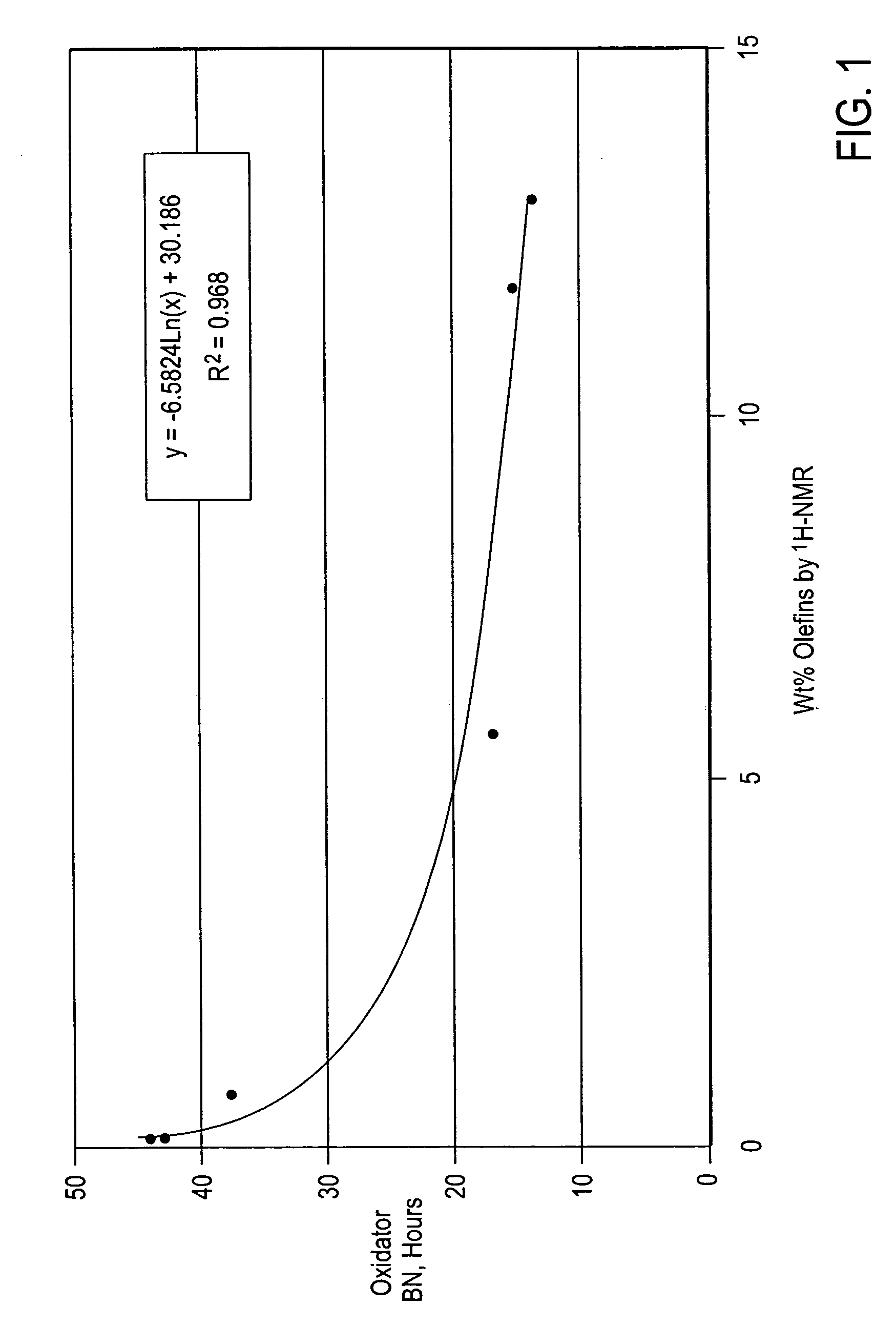
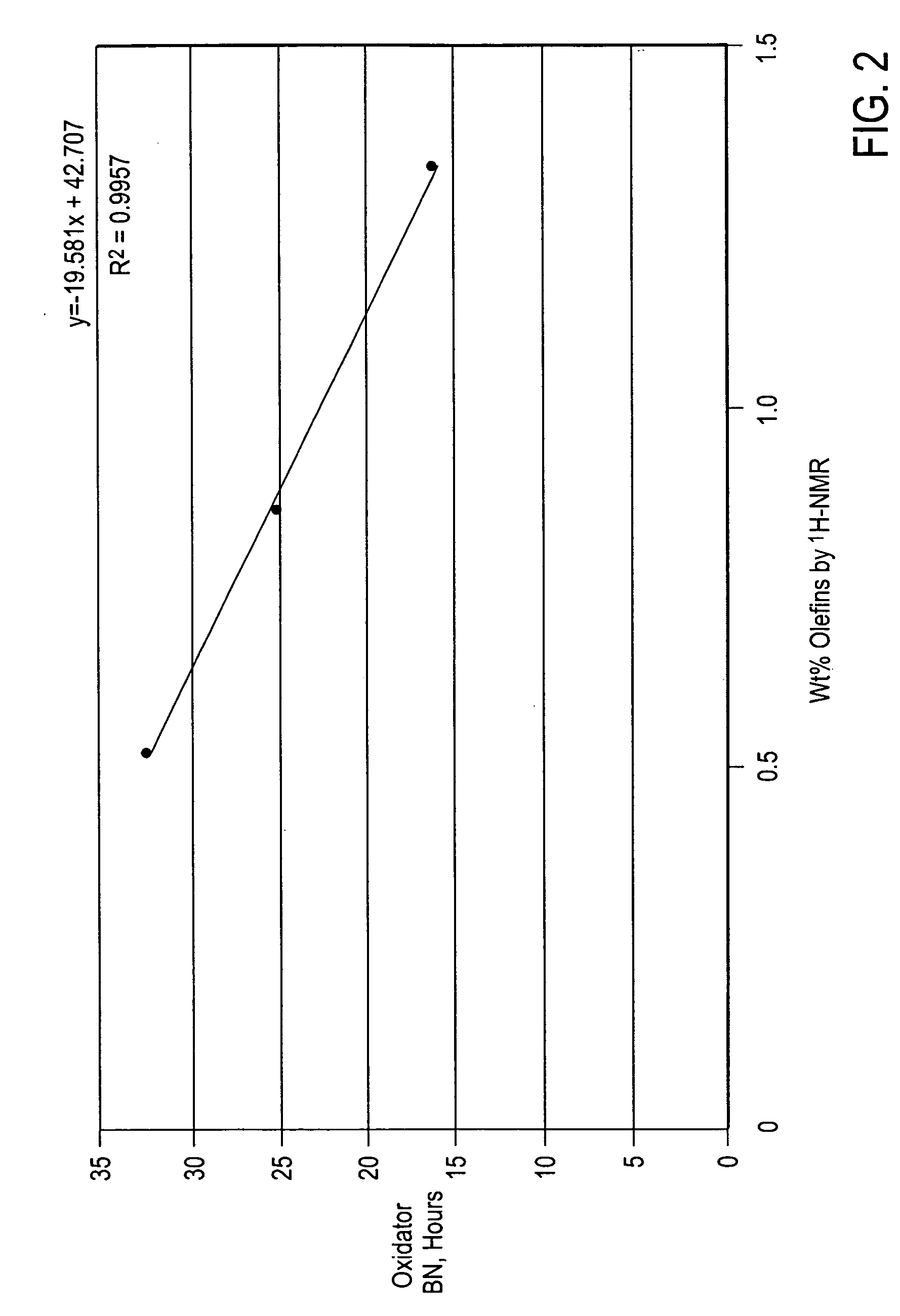
Process to enhance oxidation stability of base oils by analysis of olefins using ¹H NMR
PatentInactiveUS20060237344A1
Innovation
- The process involves using 1H NMR to determine the weight percent of olefins in base oil feeds and hydroprocessing them to a target value, ensuring high oxidation stability, specifically by hydrofinishing if the olefin content exceeds the desired level, as determined by 1H NMR analysis.
Vegetable oils and uses therefor
PatentInactiveUS20150176017A1
Innovation
- A method to produce modified seed oils with increased levels of palmitic and stearic acids by inhibiting the expression of specific genes involved in fatty acid biosynthesis, such as KASII, to achieve a fatty acid composition of 28% to 80% palmitic acid, 3% to 33% stearic acid, and 4% to 50% oleic acid, reducing the need for hydrogenation and trans-fatty acid production.


Food Safety Regulations for Fatty Acid Products
The regulatory landscape for fatty acid products, particularly those containing octadecanoic acid (stearic acid) and palmitic acid, is governed by comprehensive food safety frameworks across major global markets. These regulations address oxidation stability concerns through specific quality parameters, storage requirements, and labeling mandates that directly impact product development and market access strategies.
In the United States, the FDA regulates fatty acid products under the Federal Food, Drug, and Cosmetic Act, with specific attention to oxidative rancidity indicators such as peroxide values and anisidine values. The Code of Federal Regulations establishes maximum allowable limits for these parameters, with stricter requirements for products intended for infant nutrition where oxidation stability is critical. The FDA's Generally Recognized as Safe (GRAS) status for both octadecanoic and palmitic acids facilitates their use, but manufacturers must demonstrate compliance with good manufacturing practices that prevent oxidative deterioration.
European Union regulations under the European Food Safety Authority (EFSA) framework impose stringent requirements for fatty acid oxidation monitoring. Regulation (EC) No 1881/2006 sets maximum levels for oxidation byproducts, while the Novel Food Regulation requires comprehensive stability data for new fatty acid formulations. The EU's emphasis on precautionary principles means that products demonstrating superior oxidation resistance, such as those optimized for octadecanoic versus palmitic acid ratios, may receive preferential regulatory treatment.
Asian markets, particularly Japan and China, have developed specific standards addressing fatty acid oxidation in food applications. Japan's Food Sanitation Act requires detailed shelf-life studies demonstrating oxidative stability under various storage conditions. China's National Food Safety Standards mandate specific testing protocols for fatty acid products, with particular attention to oxidation indicators that could affect consumer safety.
International harmonization efforts through Codex Alimentarius have established baseline standards for fatty acid quality parameters, including oxidation stability metrics. These standards influence national regulations and provide frameworks for evaluating the comparative performance of different fatty acid compositions in terms of oxidative resistance and safety profiles.
In the United States, the FDA regulates fatty acid products under the Federal Food, Drug, and Cosmetic Act, with specific attention to oxidative rancidity indicators such as peroxide values and anisidine values. The Code of Federal Regulations establishes maximum allowable limits for these parameters, with stricter requirements for products intended for infant nutrition where oxidation stability is critical. The FDA's Generally Recognized as Safe (GRAS) status for both octadecanoic and palmitic acids facilitates their use, but manufacturers must demonstrate compliance with good manufacturing practices that prevent oxidative deterioration.
European Union regulations under the European Food Safety Authority (EFSA) framework impose stringent requirements for fatty acid oxidation monitoring. Regulation (EC) No 1881/2006 sets maximum levels for oxidation byproducts, while the Novel Food Regulation requires comprehensive stability data for new fatty acid formulations. The EU's emphasis on precautionary principles means that products demonstrating superior oxidation resistance, such as those optimized for octadecanoic versus palmitic acid ratios, may receive preferential regulatory treatment.
Asian markets, particularly Japan and China, have developed specific standards addressing fatty acid oxidation in food applications. Japan's Food Sanitation Act requires detailed shelf-life studies demonstrating oxidative stability under various storage conditions. China's National Food Safety Standards mandate specific testing protocols for fatty acid products, with particular attention to oxidation indicators that could affect consumer safety.
International harmonization efforts through Codex Alimentarius have established baseline standards for fatty acid quality parameters, including oxidation stability metrics. These standards influence national regulations and provide frameworks for evaluating the comparative performance of different fatty acid compositions in terms of oxidative resistance and safety profiles.
Environmental Impact of Fatty Acid Oxidation
The environmental implications of fatty acid oxidation, particularly when comparing octadecanoic acid (stearic acid) and palmitic acid, extend far beyond laboratory considerations into ecosystem-wide impacts. Oxidative degradation of these saturated fatty acids generates various byproducts that can significantly affect environmental systems through multiple pathways.
Primary oxidation products from both fatty acids include aldehydes, ketones, and organic acids that exhibit varying degrees of environmental persistence and toxicity. Palmitic acid oxidation typically produces shorter-chain aldehydes such as pentanal and hexanal, while octadecanoic acid generates longer-chain compounds including octanal and nonanal. These aldehydes demonstrate different biodegradation rates in soil and aquatic environments, with shorter-chain compounds generally showing faster microbial breakdown but potentially higher acute toxicity to aquatic organisms.
Secondary oxidation processes create more complex environmental challenges. The formation of polymeric compounds and cross-linked structures from oxidized fatty acids can lead to persistent organic residues that accumulate in sediments and soil matrices. These compounds may interfere with natural nutrient cycling processes and affect soil microorganism communities differently depending on the parent fatty acid structure.
Aquatic ecosystems face particular vulnerability to fatty acid oxidation products. Oxidized palmitic acid derivatives tend to exhibit higher water solubility compared to octadecanoic acid oxidation products, leading to different dispersion patterns and bioavailability profiles. This differential behavior affects marine and freshwater food chains through varying bioaccumulation potential and toxicological impacts on filter-feeding organisms and primary producers.
Atmospheric release of volatile oxidation products represents another critical environmental dimension. Both fatty acids generate different profiles of volatile organic compounds during oxidation, contributing to air quality concerns and potential secondary aerosol formation. The longer carbon chain of octadecanoic acid typically results in lower volatility oxidation products, potentially reducing immediate atmospheric impact but increasing surface contamination risks.
Industrial applications involving these fatty acids must consider waste stream management and environmental fate modeling. The comparative oxidation stability directly influences the selection of appropriate treatment technologies and disposal methods to minimize ecological footprint while maintaining process efficiency.
Primary oxidation products from both fatty acids include aldehydes, ketones, and organic acids that exhibit varying degrees of environmental persistence and toxicity. Palmitic acid oxidation typically produces shorter-chain aldehydes such as pentanal and hexanal, while octadecanoic acid generates longer-chain compounds including octanal and nonanal. These aldehydes demonstrate different biodegradation rates in soil and aquatic environments, with shorter-chain compounds generally showing faster microbial breakdown but potentially higher acute toxicity to aquatic organisms.
Secondary oxidation processes create more complex environmental challenges. The formation of polymeric compounds and cross-linked structures from oxidized fatty acids can lead to persistent organic residues that accumulate in sediments and soil matrices. These compounds may interfere with natural nutrient cycling processes and affect soil microorganism communities differently depending on the parent fatty acid structure.
Aquatic ecosystems face particular vulnerability to fatty acid oxidation products. Oxidized palmitic acid derivatives tend to exhibit higher water solubility compared to octadecanoic acid oxidation products, leading to different dispersion patterns and bioavailability profiles. This differential behavior affects marine and freshwater food chains through varying bioaccumulation potential and toxicological impacts on filter-feeding organisms and primary producers.
Atmospheric release of volatile oxidation products represents another critical environmental dimension. Both fatty acids generate different profiles of volatile organic compounds during oxidation, contributing to air quality concerns and potential secondary aerosol formation. The longer carbon chain of octadecanoic acid typically results in lower volatility oxidation products, potentially reducing immediate atmospheric impact but increasing surface contamination risks.
Industrial applications involving these fatty acids must consider waste stream management and environmental fate modeling. The comparative oxidation stability directly influences the selection of appropriate treatment technologies and disposal methods to minimize ecological footprint while maintaining process efficiency.
Unlock deeper insights with Patsnap Eureka Quick Research — get a full tech report to explore trends and direct your research. Try now!
Generate Your Research Report Instantly with AI Agent
Supercharge your innovation with Patsnap Eureka AI Agent Platform!