
How to Optimize Polyurethane Production Costs
FEB 26, 20269 MIN READ
Generate Your Research Report Instantly with AI Agent
Patsnap Eureka helps you evaluate technical feasibility & market potential.
Polyurethane Industry Background and Cost Optimization Goals
The polyurethane industry has experienced remarkable growth since its inception in the 1930s, evolving from a niche chemical innovation to a cornerstone of modern manufacturing. Initially developed by Otto Bayer and his team at IG Farben, polyurethane technology has expanded across diverse sectors including automotive, construction, furniture, footwear, and electronics. This versatile polymer family encompasses rigid and flexible foams, elastomers, coatings, adhesives, and sealants, making it indispensable to contemporary industrial applications.
The industry's evolution has been marked by continuous technological advancement and market expansion. From early applications in aircraft components during World War II to today's sophisticated formulations for energy-efficient building insulation and lightweight automotive parts, polyurethane has consistently adapted to meet emerging market demands. The global polyurethane market, valued at approximately $70 billion in 2023, continues to grow at a compound annual growth rate of 5-7%, driven by increasing demand from emerging economies and innovative applications in renewable energy sectors.
However, this growth trajectory faces significant challenges related to production economics. Raw material costs, particularly for key components like methylene diphenyl diisocyanate (MDI) and toluene diisocyanate (TDI), represent 60-70% of total production expenses. These costs are subject to volatile petroleum price fluctuations, supply chain disruptions, and geopolitical factors affecting chemical feedstock availability. Additionally, stringent environmental regulations and sustainability requirements are reshaping production methodologies, necessitating investments in cleaner technologies and bio-based alternatives.
The primary cost optimization goals within the polyurethane industry center on achieving sustainable profitability while maintaining product quality and regulatory compliance. Key objectives include reducing raw material dependency through alternative feedstock development, improving process efficiency to minimize energy consumption, and implementing circular economy principles through recycling and waste reduction initiatives. Advanced process control systems, catalyst optimization, and reaction engineering improvements represent critical pathways for achieving these cost reduction targets.
Furthermore, the industry aims to balance short-term cost pressures with long-term sustainability imperatives. This includes developing bio-based polyols from renewable sources, implementing carbon capture technologies, and creating closed-loop manufacturing systems. These initiatives, while requiring substantial initial investments, promise significant cost advantages and competitive differentiation in an increasingly environmentally conscious market landscape.
The industry's evolution has been marked by continuous technological advancement and market expansion. From early applications in aircraft components during World War II to today's sophisticated formulations for energy-efficient building insulation and lightweight automotive parts, polyurethane has consistently adapted to meet emerging market demands. The global polyurethane market, valued at approximately $70 billion in 2023, continues to grow at a compound annual growth rate of 5-7%, driven by increasing demand from emerging economies and innovative applications in renewable energy sectors.
However, this growth trajectory faces significant challenges related to production economics. Raw material costs, particularly for key components like methylene diphenyl diisocyanate (MDI) and toluene diisocyanate (TDI), represent 60-70% of total production expenses. These costs are subject to volatile petroleum price fluctuations, supply chain disruptions, and geopolitical factors affecting chemical feedstock availability. Additionally, stringent environmental regulations and sustainability requirements are reshaping production methodologies, necessitating investments in cleaner technologies and bio-based alternatives.
The primary cost optimization goals within the polyurethane industry center on achieving sustainable profitability while maintaining product quality and regulatory compliance. Key objectives include reducing raw material dependency through alternative feedstock development, improving process efficiency to minimize energy consumption, and implementing circular economy principles through recycling and waste reduction initiatives. Advanced process control systems, catalyst optimization, and reaction engineering improvements represent critical pathways for achieving these cost reduction targets.
Furthermore, the industry aims to balance short-term cost pressures with long-term sustainability imperatives. This includes developing bio-based polyols from renewable sources, implementing carbon capture technologies, and creating closed-loop manufacturing systems. These initiatives, while requiring substantial initial investments, promise significant cost advantages and competitive differentiation in an increasingly environmentally conscious market landscape.
Market Demand Analysis for Cost-Effective Polyurethane
The global polyurethane market demonstrates robust growth driven by diverse industrial applications and increasing demand for cost-effective solutions. Construction and building materials represent the largest consumption segment, where polyurethane foams serve as essential insulation materials. The automotive industry constitutes another major demand driver, utilizing polyurethane in seat cushions, interior components, and lightweight structural elements to meet fuel efficiency requirements.
Furniture and bedding sectors continue expanding their polyurethane consumption, particularly in emerging markets where rising living standards fuel demand for comfort products. The footwear industry relies heavily on polyurethane for sole manufacturing, benefiting from the material's durability and design flexibility. Additionally, packaging applications are growing as companies seek sustainable and protective materials for product transportation.
Regional demand patterns reveal significant variations in cost sensitivity and application preferences. Asia-Pacific markets, led by China and India, prioritize cost-effective polyurethane solutions to support rapid industrialization and infrastructure development. These regions demonstrate high price elasticity, making production cost optimization crucial for market penetration and volume growth.
European markets emphasize environmental compliance and energy efficiency, driving demand for bio-based and low-emission polyurethane formulations. While these markets may accept premium pricing for sustainable solutions, cost optimization remains essential for competitive positioning. North American demand focuses on performance characteristics and regulatory compliance, with cost-effectiveness serving as a key differentiator among suppliers.
The market increasingly demands polyurethane products that balance performance with affordability. End-users across industries seek suppliers capable of delivering consistent quality while maintaining competitive pricing structures. This trend intensifies pressure on manufacturers to optimize production costs without compromising product specifications or reliability.
Emerging applications in renewable energy, electronics, and medical devices create new market opportunities for specialized polyurethane grades. These niche segments often require customized formulations and may support higher margins, but still demand cost-conscious manufacturing approaches to achieve commercial viability and market adoption.
Supply chain disruptions and raw material price volatility have heightened customer awareness of cost structures, making transparent and stable pricing models increasingly important for long-term customer relationships and market share retention.
Furniture and bedding sectors continue expanding their polyurethane consumption, particularly in emerging markets where rising living standards fuel demand for comfort products. The footwear industry relies heavily on polyurethane for sole manufacturing, benefiting from the material's durability and design flexibility. Additionally, packaging applications are growing as companies seek sustainable and protective materials for product transportation.
Regional demand patterns reveal significant variations in cost sensitivity and application preferences. Asia-Pacific markets, led by China and India, prioritize cost-effective polyurethane solutions to support rapid industrialization and infrastructure development. These regions demonstrate high price elasticity, making production cost optimization crucial for market penetration and volume growth.
European markets emphasize environmental compliance and energy efficiency, driving demand for bio-based and low-emission polyurethane formulations. While these markets may accept premium pricing for sustainable solutions, cost optimization remains essential for competitive positioning. North American demand focuses on performance characteristics and regulatory compliance, with cost-effectiveness serving as a key differentiator among suppliers.
The market increasingly demands polyurethane products that balance performance with affordability. End-users across industries seek suppliers capable of delivering consistent quality while maintaining competitive pricing structures. This trend intensifies pressure on manufacturers to optimize production costs without compromising product specifications or reliability.
Emerging applications in renewable energy, electronics, and medical devices create new market opportunities for specialized polyurethane grades. These niche segments often require customized formulations and may support higher margins, but still demand cost-conscious manufacturing approaches to achieve commercial viability and market adoption.
Supply chain disruptions and raw material price volatility have heightened customer awareness of cost structures, making transparent and stable pricing models increasingly important for long-term customer relationships and market share retention.
Current Cost Challenges in Polyurethane Manufacturing
Polyurethane manufacturing faces significant cost pressures across multiple operational dimensions, with raw material expenses representing the most substantial challenge. Isocyanates, particularly MDI and TDI, constitute 40-60% of total production costs and exhibit high price volatility due to their petroleum-based origins. Polyol costs add another 20-30% to the expense structure, with specialty polyols commanding premium pricing that directly impacts profit margins.
Energy consumption presents another critical cost burden, as polyurethane production requires substantial heating for reaction processes and curing operations. Manufacturing facilities typically consume 15-25% of their operational budget on energy costs, with natural gas and electricity prices showing increasing volatility. Temperature control systems for maintaining optimal reaction conditions further amplify energy requirements, particularly in continuous production lines.
Labor costs have escalated significantly due to the specialized skills required for polyurethane processing and stringent safety protocols. Skilled technicians capable of managing complex chemical reactions and quality control processes command higher wages, while mandatory safety training and protective equipment add operational overhead. The industry faces particular challenges in regions with tight labor markets, where competition for qualified personnel drives compensation costs upward.
Equipment maintenance and replacement costs create substantial financial pressure, as polyurethane production involves highly corrosive chemicals that accelerate wear on processing equipment. Mixing heads, pumps, and reaction vessels require frequent maintenance or replacement, with specialized components often carrying premium pricing due to limited supplier options. Unplanned downtime from equipment failures can cost manufacturers thousands of dollars per hour in lost production.
Regulatory compliance costs continue to escalate as environmental and safety standards become more stringent. Waste treatment systems, emission control equipment, and comprehensive monitoring systems require significant capital investment and ongoing operational expenses. Documentation requirements for regulatory reporting add administrative overhead, while potential penalties for non-compliance create additional financial risk.
Quality control and testing expenses represent an often-overlooked cost center, as polyurethane applications demand consistent material properties. Advanced analytical equipment, regular calibration, and skilled quality assurance personnel contribute to operational costs, while product failures or recalls can result in substantial financial losses and damage to customer relationships.
Energy consumption presents another critical cost burden, as polyurethane production requires substantial heating for reaction processes and curing operations. Manufacturing facilities typically consume 15-25% of their operational budget on energy costs, with natural gas and electricity prices showing increasing volatility. Temperature control systems for maintaining optimal reaction conditions further amplify energy requirements, particularly in continuous production lines.
Labor costs have escalated significantly due to the specialized skills required for polyurethane processing and stringent safety protocols. Skilled technicians capable of managing complex chemical reactions and quality control processes command higher wages, while mandatory safety training and protective equipment add operational overhead. The industry faces particular challenges in regions with tight labor markets, where competition for qualified personnel drives compensation costs upward.
Equipment maintenance and replacement costs create substantial financial pressure, as polyurethane production involves highly corrosive chemicals that accelerate wear on processing equipment. Mixing heads, pumps, and reaction vessels require frequent maintenance or replacement, with specialized components often carrying premium pricing due to limited supplier options. Unplanned downtime from equipment failures can cost manufacturers thousands of dollars per hour in lost production.
Regulatory compliance costs continue to escalate as environmental and safety standards become more stringent. Waste treatment systems, emission control equipment, and comprehensive monitoring systems require significant capital investment and ongoing operational expenses. Documentation requirements for regulatory reporting add administrative overhead, while potential penalties for non-compliance create additional financial risk.
Quality control and testing expenses represent an often-overlooked cost center, as polyurethane applications demand consistent material properties. Advanced analytical equipment, regular calibration, and skilled quality assurance personnel contribute to operational costs, while product failures or recalls can result in substantial financial losses and damage to customer relationships.
Existing Cost Optimization Solutions in PU Production
01 Use of bio-based polyols to reduce raw material costs
Bio-based polyols derived from renewable resources such as vegetable oils, natural oils, or biomass can be used as alternatives to petroleum-based polyols in polyurethane production. These bio-based materials can help reduce dependency on fossil fuels and potentially lower raw material costs while maintaining or improving the properties of the final polyurethane product. The use of renewable feedstocks can also provide cost stability against petroleum price fluctuations.- Use of bio-based polyols to reduce raw material costs: Bio-based polyols derived from renewable resources such as vegetable oils, natural oils, or biomass can be used as alternatives to petroleum-based polyols in polyurethane production. These bio-based materials can help reduce dependency on fossil fuels and potentially lower raw material costs while maintaining or improving the properties of the final polyurethane product. The use of renewable feedstocks can also provide cost stability against petroleum price fluctuations.
- Optimization of catalyst systems for improved reaction efficiency: The development and use of more efficient catalyst systems can significantly reduce polyurethane production costs by accelerating reaction rates, lowering processing temperatures, and reducing energy consumption. Advanced catalysts can improve the conversion efficiency of raw materials, minimize waste generation, and shorten production cycle times. This optimization leads to reduced operational costs and improved overall process economics.
- Recycling and recovery of polyurethane waste materials: Implementation of recycling technologies and recovery processes for polyurethane waste can substantially reduce production costs by reclaiming valuable raw materials. Chemical recycling methods can break down polyurethane waste into its constituent polyols and isocyanates, which can be reused in new polyurethane production. Mechanical recycling and regrinding of polyurethane scrap can also provide cost-effective fillers or additives, reducing the need for virgin materials.
- Process intensification through continuous production methods: Transitioning from batch processing to continuous production methods can reduce polyurethane manufacturing costs through improved process control, reduced labor requirements, and better equipment utilization. Continuous processes enable more consistent product quality, minimize downtime between batches, and reduce energy consumption per unit of product. Advanced mixing and reaction technologies in continuous systems can also improve raw material conversion efficiency.
- Development of water-based polyurethane systems: Water-based or waterborne polyurethane systems can reduce production costs by eliminating or minimizing the use of expensive organic solvents. These systems reduce costs associated with solvent recovery, disposal, and environmental compliance. Water-based formulations also offer advantages in terms of reduced VOC emissions, lower fire hazards, and simplified processing equipment requirements, all contributing to overall cost reduction in polyurethane production.
02 Optimization of catalyst systems for improved reaction efficiency
The development and use of more efficient catalyst systems can significantly reduce polyurethane production costs by accelerating reaction rates, lowering processing temperatures, and reducing energy consumption. Advanced catalysts can improve the conversion efficiency of raw materials, minimize waste generation, and shorten production cycle times. This optimization leads to reduced operational costs and improved overall process economics.Expand Specific Solutions03 Recycling and recovery of polyurethane waste materials
Implementation of recycling technologies and recovery processes for polyurethane waste can substantially reduce production costs by reclaiming valuable raw materials. Chemical recycling methods can break down polyurethane waste into its constituent polyols and isocyanates, which can be reused in new polyurethane production. Mechanical recycling and regrinding processes can also convert scrap materials into usable products, reducing the need for virgin raw materials and disposal costs.Expand Specific Solutions04 Process intensification through continuous production methods
Transitioning from batch to continuous production processes can reduce polyurethane manufacturing costs through improved efficiency, reduced labor requirements, and better quality control. Continuous processing allows for better heat management, more consistent product quality, reduced equipment footprint, and lower energy consumption per unit of product. This approach can also minimize material waste and reduce inventory holding costs.Expand Specific Solutions05 Development of water-based polyurethane systems
Water-based or waterborne polyurethane systems can reduce production costs by eliminating or minimizing the use of expensive organic solvents. These systems reduce volatile organic compound emissions, lower environmental compliance costs, and decrease safety-related expenses associated with solvent handling and storage. Water-based formulations can also simplify production equipment requirements and reduce waste treatment costs while meeting increasingly stringent environmental regulations.Expand Specific Solutions
Major Players in Polyurethane Manufacturing Industry
The polyurethane production cost optimization landscape represents a mature industrial sector experiencing consolidation and technological advancement. The market demonstrates substantial scale with established chemical giants like BASF SE, Dow Global Technologies, and Covestro Deutschland AG dominating through integrated value chains and economies of scale. These industry leaders compete alongside specialized regional players such as Zhejiang Huafon New Materials and emerging Asian manufacturers like Jiangsu Hengli Chemical Fiber, indicating geographic diversification of production capabilities. Technology maturity varies significantly across the competitive field, with multinational corporations like DuPont de Nemours and Air Products & Chemicals leveraging advanced process technologies and R&D capabilities, while companies such as Liming Chemical Research & Design Institute and Korea University of Technology & Education contribute specialized research and innovation. The sector shows increasing focus on sustainable production methods and cost efficiency improvements, driven by both established players and newer entrants seeking competitive advantages through technological differentiation and operational optimization.
BASF Corp.
Technical Solution: BASF has developed integrated production processes that optimize polyurethane manufacturing through advanced catalyst systems and process intensification technologies. Their approach focuses on reducing energy consumption by up to 30% through heat integration and recycling systems. The company employs continuous manufacturing processes instead of batch production, which significantly reduces operational costs and improves yield efficiency. BASF's proprietary catalyst technology enables lower reaction temperatures and pressures, reducing energy requirements while maintaining product quality. They have also implemented digital twin technology for real-time process optimization and predictive maintenance, which minimizes downtime and maximizes equipment utilization rates.
Strengths: Global scale advantages, extensive R&D capabilities, integrated value chain from raw materials to finished products. Weaknesses: High capital investment requirements, complex technology transfer to smaller facilities.
Dow Global Technologies LLC
Technical Solution: Dow has pioneered the use of bio-based feedstocks and recycled materials in polyurethane production to reduce raw material costs while maintaining performance standards. Their VORANOLTM polyols technology incorporates up to 20% recycled content, significantly reducing feedstock expenses. The company has developed modular production systems that allow for flexible capacity utilization and reduced capital expenditure. Dow's advanced process control systems utilize machine learning algorithms to optimize reaction conditions in real-time, reducing waste generation by up to 25% and improving overall process efficiency. Their integrated supply chain management system coordinates raw material procurement and inventory management to minimize storage costs and ensure optimal production scheduling.
Strengths: Strong innovation in sustainable materials, excellent supply chain integration, robust digital process control systems. Weaknesses: Dependence on volatile raw material markets, high technology development costs.
Key Technologies for Polyurethane Production Efficiency
Method for producing polyols on the basis of renewable resources
PatentInactiveEP2451857A1
Innovation
- A process involving the oxidation of unsaturated natural fats with nitrous oxide to form ketonized fats, followed by reduction to hydroxy fats and subsequent reaction with alkylene oxides, eliminates the need for expensive catalysts and solvents, allowing for flexible adjustment of reaction parameters to produce polyols suitable for various polyurethane applications.
Elastomeric urethane composition
PatentInactiveUS7691480B1
Innovation
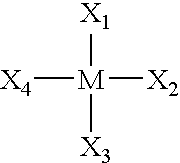
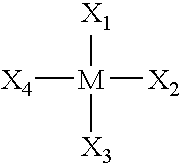
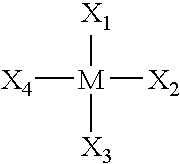
- An elastomeric urethane composition is developed that is substantially free of particulates, using a resin composition with a polyetherol and an isocyanate reacted in the presence of a catalyst selected from titanium, zirconium, or hafnium, which minimizes the need for expensive moisture scavengers and maintains reaction efficiency even in the presence of water and humidity.
Environmental Regulations Impact on PU Production Costs
Environmental regulations have emerged as a critical cost driver in polyurethane production, fundamentally reshaping the economic landscape of the industry. Regulatory frameworks across major manufacturing regions impose stringent requirements on emissions control, waste management, and chemical handling, directly translating into substantial operational expenditures for PU manufacturers.
The implementation of volatile organic compound (VOC) emission standards represents one of the most significant regulatory cost impacts. PU production processes inherently generate VOCs through isocyanate reactions and solvent usage, necessitating sophisticated emission control systems. These systems, including thermal oxidizers, scrubbers, and recovery units, require substantial capital investments ranging from $2-10 million per facility, depending on production capacity and local regulatory stringency.
Waste disposal regulations further compound production costs through mandatory treatment and disposal protocols for hazardous byproducts. The classification of certain PU manufacturing residues as hazardous waste under regulations like RCRA in the United States and similar frameworks in Europe requires specialized handling, treatment, and disposal methods. These compliance measures can increase waste management costs by 300-500% compared to conventional industrial waste disposal.
Chemical registration and safety compliance under frameworks such as REACH in Europe and TSCA in the United States impose additional financial burdens. Manufacturers must invest in extensive toxicological studies, safety data compilation, and ongoing monitoring programs. The cost of REACH registration alone can exceed $1 million for high-volume chemicals, while continuous compliance monitoring adds 2-4% to annual operational costs.
Regional variations in environmental standards create complex cost structures for global PU manufacturers. Facilities operating in jurisdictions with stricter environmental requirements face competitive disadvantages, with compliance costs potentially adding 8-15% to total production expenses. This regulatory disparity influences facility location decisions and supply chain optimization strategies.
The evolving nature of environmental regulations introduces uncertainty in long-term cost planning. Anticipated tightening of emission standards and expansion of chemical restriction lists require manufacturers to invest in future-proofing technologies, often before regulatory implementation, adding precautionary capital expenditures to current production costs.
The implementation of volatile organic compound (VOC) emission standards represents one of the most significant regulatory cost impacts. PU production processes inherently generate VOCs through isocyanate reactions and solvent usage, necessitating sophisticated emission control systems. These systems, including thermal oxidizers, scrubbers, and recovery units, require substantial capital investments ranging from $2-10 million per facility, depending on production capacity and local regulatory stringency.
Waste disposal regulations further compound production costs through mandatory treatment and disposal protocols for hazardous byproducts. The classification of certain PU manufacturing residues as hazardous waste under regulations like RCRA in the United States and similar frameworks in Europe requires specialized handling, treatment, and disposal methods. These compliance measures can increase waste management costs by 300-500% compared to conventional industrial waste disposal.
Chemical registration and safety compliance under frameworks such as REACH in Europe and TSCA in the United States impose additional financial burdens. Manufacturers must invest in extensive toxicological studies, safety data compilation, and ongoing monitoring programs. The cost of REACH registration alone can exceed $1 million for high-volume chemicals, while continuous compliance monitoring adds 2-4% to annual operational costs.
Regional variations in environmental standards create complex cost structures for global PU manufacturers. Facilities operating in jurisdictions with stricter environmental requirements face competitive disadvantages, with compliance costs potentially adding 8-15% to total production expenses. This regulatory disparity influences facility location decisions and supply chain optimization strategies.
The evolving nature of environmental regulations introduces uncertainty in long-term cost planning. Anticipated tightening of emission standards and expansion of chemical restriction lists require manufacturers to invest in future-proofing technologies, often before regulatory implementation, adding precautionary capital expenditures to current production costs.
Raw Material Supply Chain Optimization Strategies
Raw material costs typically account for 60-70% of total polyurethane production expenses, making supply chain optimization a critical factor in achieving cost competitiveness. The primary raw materials include polyols, isocyanates, catalysts, and various additives, each presenting unique procurement challenges and cost optimization opportunities.
Strategic supplier diversification represents a fundamental approach to reducing raw material costs while maintaining supply security. Leading polyurethane manufacturers typically maintain relationships with 3-5 suppliers for critical components like MDI and TDI isocyanates, enabling competitive bidding processes and reducing dependency risks. Geographic diversification across different regions helps mitigate transportation costs and currency fluctuation impacts, particularly important given the global nature of petrochemical supply chains.
Long-term contract negotiations with volume commitments offer substantial cost advantages compared to spot market purchases. Industry data indicates that annual contracts with minimum volume guarantees can reduce raw material costs by 8-15% compared to quarterly procurement cycles. These agreements also provide price stability and enable better production planning, reducing inventory carrying costs and minimizing supply disruptions.
Vertical integration strategies present opportunities for significant cost reduction, particularly for high-volume producers. Some manufacturers have invested in polyol production facilities or formed joint ventures with petrochemical companies to secure favorable pricing on key intermediates. This approach requires substantial capital investment but can yield 10-20% cost savings on integrated materials over 5-7 year periods.
Advanced procurement technologies and data analytics enable more sophisticated supply chain optimization. Real-time market intelligence platforms help identify optimal purchasing windows, while predictive analytics can forecast raw material price trends and optimize inventory levels. Digital procurement platforms facilitate automated bidding processes and supplier performance monitoring, reducing administrative costs and improving negotiation outcomes.
Collaborative procurement initiatives, including industry consortiums and group purchasing organizations, allow smaller manufacturers to achieve economies of scale typically available only to large producers. These arrangements can reduce procurement costs by 5-12% while providing access to premium suppliers and technical support services that might otherwise be unavailable to mid-sized operations.
Strategic supplier diversification represents a fundamental approach to reducing raw material costs while maintaining supply security. Leading polyurethane manufacturers typically maintain relationships with 3-5 suppliers for critical components like MDI and TDI isocyanates, enabling competitive bidding processes and reducing dependency risks. Geographic diversification across different regions helps mitigate transportation costs and currency fluctuation impacts, particularly important given the global nature of petrochemical supply chains.
Long-term contract negotiations with volume commitments offer substantial cost advantages compared to spot market purchases. Industry data indicates that annual contracts with minimum volume guarantees can reduce raw material costs by 8-15% compared to quarterly procurement cycles. These agreements also provide price stability and enable better production planning, reducing inventory carrying costs and minimizing supply disruptions.
Vertical integration strategies present opportunities for significant cost reduction, particularly for high-volume producers. Some manufacturers have invested in polyol production facilities or formed joint ventures with petrochemical companies to secure favorable pricing on key intermediates. This approach requires substantial capital investment but can yield 10-20% cost savings on integrated materials over 5-7 year periods.
Advanced procurement technologies and data analytics enable more sophisticated supply chain optimization. Real-time market intelligence platforms help identify optimal purchasing windows, while predictive analytics can forecast raw material price trends and optimize inventory levels. Digital procurement platforms facilitate automated bidding processes and supplier performance monitoring, reducing administrative costs and improving negotiation outcomes.
Collaborative procurement initiatives, including industry consortiums and group purchasing organizations, allow smaller manufacturers to achieve economies of scale typically available only to large producers. These arrangements can reduce procurement costs by 5-12% while providing access to premium suppliers and technical support services that might otherwise be unavailable to mid-sized operations.
Unlock deeper insights with Patsnap Eureka Quick Research — get a full tech report to explore trends and direct your research. Try now!
Generate Your Research Report Instantly with AI Agent
Supercharge your innovation with Patsnap Eureka AI Agent Platform!