
How to Optimize SCADA Systems for Data Redundancy
MAR 13, 20269 MIN READ
Generate Your Research Report Instantly with AI Agent
Patsnap Eureka helps you evaluate technical feasibility & market potential.
SCADA Data Redundancy Background and Objectives
SCADA (Supervisory Control and Data Acquisition) systems have evolved from simple monitoring tools in the 1960s to sophisticated industrial control platforms that form the backbone of critical infrastructure operations. Initially designed for basic telemetry and remote monitoring, modern SCADA systems now manage complex industrial processes across power generation, water treatment, oil and gas, manufacturing, and transportation sectors. The evolution has been driven by increasing demands for operational efficiency, regulatory compliance, and the need to minimize costly downtime in mission-critical environments.
The historical development of SCADA technology reveals a consistent trend toward greater integration, real-time capabilities, and enhanced data management. Early systems relied on proprietary protocols and isolated networks, but contemporary SCADA implementations increasingly incorporate open standards, cloud connectivity, and advanced analytics. This technological progression has simultaneously increased system capabilities while introducing new vulnerabilities, particularly regarding data integrity and availability.
Data redundancy has emerged as a fundamental requirement rather than an optional enhancement in modern SCADA deployments. The shift reflects growing recognition that single points of failure in data acquisition, storage, or transmission can cascade into operational disruptions with severe economic and safety consequences. Industries such as power generation and water treatment, where system failures can impact public safety and essential services, have been particularly influential in driving redundancy requirements.
Current technological objectives center on achieving seamless failover capabilities, maintaining data consistency across redundant systems, and ensuring real-time synchronization without performance degradation. The challenge extends beyond simple data duplication to encompass intelligent redundancy management that can adapt to varying operational conditions and failure scenarios.
The primary technical goals include implementing robust data replication mechanisms that maintain integrity during network disruptions, developing automated failover systems that minimize recovery time, and establishing comprehensive monitoring frameworks that can detect and respond to redundancy system failures. Additionally, organizations seek to optimize storage efficiency while maintaining multiple data copies, balance system performance with redundancy overhead, and ensure compliance with industry-specific reliability standards.
These objectives must be achieved while addressing the inherent complexity of integrating redundancy solutions with existing SCADA infrastructure, managing the increased computational and storage requirements, and maintaining system security across multiple data pathways. The ultimate goal is creating resilient SCADA systems that can sustain continuous operation despite component failures, network issues, or other disruptions that could compromise data availability.
The historical development of SCADA technology reveals a consistent trend toward greater integration, real-time capabilities, and enhanced data management. Early systems relied on proprietary protocols and isolated networks, but contemporary SCADA implementations increasingly incorporate open standards, cloud connectivity, and advanced analytics. This technological progression has simultaneously increased system capabilities while introducing new vulnerabilities, particularly regarding data integrity and availability.
Data redundancy has emerged as a fundamental requirement rather than an optional enhancement in modern SCADA deployments. The shift reflects growing recognition that single points of failure in data acquisition, storage, or transmission can cascade into operational disruptions with severe economic and safety consequences. Industries such as power generation and water treatment, where system failures can impact public safety and essential services, have been particularly influential in driving redundancy requirements.
Current technological objectives center on achieving seamless failover capabilities, maintaining data consistency across redundant systems, and ensuring real-time synchronization without performance degradation. The challenge extends beyond simple data duplication to encompass intelligent redundancy management that can adapt to varying operational conditions and failure scenarios.
The primary technical goals include implementing robust data replication mechanisms that maintain integrity during network disruptions, developing automated failover systems that minimize recovery time, and establishing comprehensive monitoring frameworks that can detect and respond to redundancy system failures. Additionally, organizations seek to optimize storage efficiency while maintaining multiple data copies, balance system performance with redundancy overhead, and ensure compliance with industry-specific reliability standards.
These objectives must be achieved while addressing the inherent complexity of integrating redundancy solutions with existing SCADA infrastructure, managing the increased computational and storage requirements, and maintaining system security across multiple data pathways. The ultimate goal is creating resilient SCADA systems that can sustain continuous operation despite component failures, network issues, or other disruptions that could compromise data availability.
Market Demand for Reliable SCADA Systems
The global SCADA systems market has experienced substantial growth driven by increasing industrial automation and the critical need for reliable monitoring and control systems across various sectors. Manufacturing industries, power generation facilities, water treatment plants, and oil and gas operations represent the primary demand drivers, where system downtime can result in significant financial losses and safety hazards.
Industrial facilities are increasingly recognizing that data redundancy is not merely a technical enhancement but a business necessity. The growing complexity of industrial processes and the interconnected nature of modern manufacturing systems have elevated the importance of continuous data availability. Organizations are seeking SCADA solutions that can maintain operational continuity even when primary data sources or communication channels fail.
The energy sector demonstrates particularly strong demand for redundant SCADA systems, as power grid operators require uninterrupted monitoring capabilities to prevent cascading failures and maintain grid stability. Similarly, water utilities are investing heavily in redundant systems to ensure continuous monitoring of water quality and distribution networks, driven by regulatory requirements and public safety concerns.
Manufacturing enterprises are increasingly adopting Industry 4.0 principles, which emphasize real-time data analytics and predictive maintenance. These initiatives require highly reliable data collection systems that can support advanced analytics without interruption. The demand extends beyond traditional redundancy to include intelligent failover mechanisms and seamless data synchronization across multiple systems.
Regulatory compliance requirements across industries are further amplifying market demand. Safety standards in chemical processing, pharmaceutical manufacturing, and nuclear facilities mandate redundant monitoring systems to ensure continuous oversight of critical parameters. These regulations are becoming more stringent globally, creating sustained demand for advanced SCADA redundancy solutions.
The market is also witnessing increased demand for cloud-based redundancy solutions, as organizations seek to leverage distributed infrastructure for enhanced reliability while reducing capital expenditure on physical backup systems. This trend is particularly pronounced among small to medium-sized enterprises that previously could not afford comprehensive redundancy implementations.
Industrial facilities are increasingly recognizing that data redundancy is not merely a technical enhancement but a business necessity. The growing complexity of industrial processes and the interconnected nature of modern manufacturing systems have elevated the importance of continuous data availability. Organizations are seeking SCADA solutions that can maintain operational continuity even when primary data sources or communication channels fail.
The energy sector demonstrates particularly strong demand for redundant SCADA systems, as power grid operators require uninterrupted monitoring capabilities to prevent cascading failures and maintain grid stability. Similarly, water utilities are investing heavily in redundant systems to ensure continuous monitoring of water quality and distribution networks, driven by regulatory requirements and public safety concerns.
Manufacturing enterprises are increasingly adopting Industry 4.0 principles, which emphasize real-time data analytics and predictive maintenance. These initiatives require highly reliable data collection systems that can support advanced analytics without interruption. The demand extends beyond traditional redundancy to include intelligent failover mechanisms and seamless data synchronization across multiple systems.
Regulatory compliance requirements across industries are further amplifying market demand. Safety standards in chemical processing, pharmaceutical manufacturing, and nuclear facilities mandate redundant monitoring systems to ensure continuous oversight of critical parameters. These regulations are becoming more stringent globally, creating sustained demand for advanced SCADA redundancy solutions.
The market is also witnessing increased demand for cloud-based redundancy solutions, as organizations seek to leverage distributed infrastructure for enhanced reliability while reducing capital expenditure on physical backup systems. This trend is particularly pronounced among small to medium-sized enterprises that previously could not afford comprehensive redundancy implementations.
Current SCADA Redundancy Challenges and Limitations
SCADA systems face significant data redundancy challenges that stem from their critical role in industrial operations where system failures can result in catastrophic consequences. Traditional SCADA architectures often struggle with single points of failure, particularly in data acquisition and storage components. Legacy systems frequently rely on centralized data servers that become bottlenecks, creating vulnerabilities where hardware failures or network disruptions can compromise entire operational visibility.
Network communication represents another major limitation in current SCADA redundancy implementations. Many existing systems utilize proprietary communication protocols that lack inherent redundancy mechanisms, making them susceptible to communication link failures. When primary communication paths fail, backup systems often require manual intervention or experience significant delays in activation, leading to potential data loss during critical operational periods.
Data synchronization across redundant systems presents complex technical challenges that current solutions inadequately address. Maintaining consistency between primary and backup data repositories while ensuring real-time performance creates computational overhead that can degrade system responsiveness. Many organizations struggle with latency issues when implementing hot-standby configurations, as continuous data replication consumes substantial network bandwidth and processing resources.
Geographic distribution of SCADA components introduces additional complexity to redundancy strategies. Remote terminal units and field devices often operate in harsh environments with limited connectivity options, making it difficult to implement comprehensive backup systems. Current solutions frequently lack sophisticated failover mechanisms that can seamlessly transition between geographically dispersed redundant components without operator intervention.
Integration challenges with existing infrastructure limit the effectiveness of redundancy upgrades in established SCADA environments. Many industrial facilities operate with mixed-vendor ecosystems where different manufacturers' equipment uses incompatible redundancy protocols. This heterogeneous environment complicates the implementation of unified redundancy strategies and often requires costly custom integration solutions.
Cost considerations significantly constrain redundancy implementations, particularly for smaller industrial operations. Full system redundancy requires substantial capital investment in duplicate hardware, software licenses, and specialized networking equipment. Many organizations struggle to justify the expense of comprehensive redundancy solutions, leading to partial implementations that may not provide adequate protection during critical failure scenarios.
Network communication represents another major limitation in current SCADA redundancy implementations. Many existing systems utilize proprietary communication protocols that lack inherent redundancy mechanisms, making them susceptible to communication link failures. When primary communication paths fail, backup systems often require manual intervention or experience significant delays in activation, leading to potential data loss during critical operational periods.
Data synchronization across redundant systems presents complex technical challenges that current solutions inadequately address. Maintaining consistency between primary and backup data repositories while ensuring real-time performance creates computational overhead that can degrade system responsiveness. Many organizations struggle with latency issues when implementing hot-standby configurations, as continuous data replication consumes substantial network bandwidth and processing resources.
Geographic distribution of SCADA components introduces additional complexity to redundancy strategies. Remote terminal units and field devices often operate in harsh environments with limited connectivity options, making it difficult to implement comprehensive backup systems. Current solutions frequently lack sophisticated failover mechanisms that can seamlessly transition between geographically dispersed redundant components without operator intervention.
Integration challenges with existing infrastructure limit the effectiveness of redundancy upgrades in established SCADA environments. Many industrial facilities operate with mixed-vendor ecosystems where different manufacturers' equipment uses incompatible redundancy protocols. This heterogeneous environment complicates the implementation of unified redundancy strategies and often requires costly custom integration solutions.
Cost considerations significantly constrain redundancy implementations, particularly for smaller industrial operations. Full system redundancy requires substantial capital investment in duplicate hardware, software licenses, and specialized networking equipment. Many organizations struggle to justify the expense of comprehensive redundancy solutions, leading to partial implementations that may not provide adequate protection during critical failure scenarios.
Existing SCADA Data Redundancy Solutions
01 Redundant server architecture for SCADA systems
Implementation of redundant server configurations in SCADA systems to ensure continuous operation and data availability. This approach involves deploying multiple servers that can take over operations in case of primary server failure, maintaining system reliability and preventing data loss. The redundant architecture includes synchronization mechanisms between servers to ensure data consistency across all nodes.- Redundant server architecture for SCADA systems: Implementation of redundant server configurations in SCADA systems to ensure continuous operation and data availability. This approach involves deploying multiple servers that can take over operations in case of primary server failure, maintaining system reliability and preventing data loss. The redundant architecture includes synchronization mechanisms between servers to ensure data consistency across all nodes.
- Data replication and synchronization mechanisms: Methods for replicating and synchronizing data across multiple storage locations in SCADA systems to prevent data loss and ensure data integrity. These mechanisms involve real-time or near-real-time data copying between primary and backup systems, with conflict resolution strategies to handle simultaneous updates. The synchronization processes ensure that all redundant systems maintain identical data states.
- Failover and recovery systems: Automated failover mechanisms that detect system failures and seamlessly switch operations to backup systems without interrupting SCADA operations. These systems include health monitoring, automatic detection of failures, and rapid transition protocols to maintain continuous service availability. Recovery procedures ensure that failed components can be restored and reintegrated into the system.
- Distributed data storage architecture: Implementation of distributed storage systems that spread SCADA data across multiple physical or virtual locations to enhance redundancy and accessibility. This architecture ensures that data remains available even if one or more storage nodes fail, using techniques such as data partitioning, distributed databases, and geographic distribution of storage resources.
- Backup and disaster recovery protocols: Comprehensive backup strategies and disaster recovery plans specifically designed for SCADA systems to protect against data loss from various failure scenarios. These protocols include scheduled backups, incremental and full backup procedures, off-site storage solutions, and tested recovery procedures to ensure rapid restoration of operations following catastrophic events.
02 Data replication and synchronization mechanisms
Methods for replicating and synchronizing data across multiple storage locations in SCADA systems to prevent data loss and ensure data integrity. These mechanisms involve real-time or near-real-time data copying between primary and backup systems, with automatic failover capabilities. The synchronization processes ensure that all redundant systems maintain identical data states for seamless transition during failures.Expand Specific Solutions03 Distributed database systems for industrial control
Implementation of distributed database architectures specifically designed for SCADA and industrial control systems to enhance data redundancy and availability. These systems distribute data across multiple geographic locations or network nodes, providing fault tolerance and improved access speeds. The distributed approach ensures that system operations can continue even if one or more database nodes become unavailable.Expand Specific Solutions04 Backup and recovery systems for critical infrastructure
Specialized backup and recovery solutions designed for SCADA systems managing critical infrastructure, ensuring rapid restoration of operations after system failures. These systems include automated backup scheduling, incremental and full backup capabilities, and quick recovery procedures. The solutions are optimized for industrial environments where downtime must be minimized and data integrity is paramount.Expand Specific Solutions05 Fault-tolerant communication protocols for data transmission
Development of robust communication protocols that ensure reliable data transmission in SCADA systems even under adverse conditions or partial system failures. These protocols include error detection and correction mechanisms, automatic rerouting of data through alternative paths, and redundant communication channels. The fault-tolerant design ensures continuous data flow between field devices and control centers.Expand Specific Solutions
Major SCADA System Vendors and Market Players
The SCADA data redundancy optimization market is in a mature growth phase, driven by increasing industrial digitalization and critical infrastructure protection needs. The market demonstrates substantial scale with diverse applications across power grids, manufacturing, and energy sectors. Technology maturity varies significantly among key players, with established leaders like Siemens AG, Hitachi Energy, and Huawei Technologies offering comprehensive enterprise-grade solutions with advanced redundancy architectures. Mid-tier players including NEC Corp., SUPCON Technology, and Guodian Nanjing Automation provide specialized regional solutions, while emerging companies like TMEIC Corp. and LSIS focus on niche applications. The competitive landscape shows convergence toward cloud-integrated redundancy systems, with traditional automation giants competing against technology innovators in delivering resilient, scalable SCADA infrastructures for mission-critical operations.
Siemens AG
Technical Solution: Siemens implements comprehensive data redundancy in SCADA systems through their SIMATIC WinCC platform, featuring dual-server configurations with automatic failover mechanisms. The system employs real-time data mirroring between primary and backup servers, ensuring continuous operation during hardware failures. Their redundancy architecture includes distributed I/O systems with multiple communication paths, redundant network infrastructure, and synchronized database replication. The platform supports hot-standby configurations where backup systems remain fully operational and ready for immediate switchover, minimizing downtime to less than one second during failover events.
Strengths: Proven industrial-grade reliability with extensive field deployment experience, seamless failover capabilities, and comprehensive integration with existing automation systems. Weaknesses: High implementation costs and complexity in configuration and maintenance requirements.
Hitachi Energy Ltd.
Technical Solution: Hitachi Energy's SCADA redundancy solution centers on their MicroSCADA Pro platform, implementing N+1 redundancy architecture with load balancing capabilities. The system features automatic data synchronization between multiple server nodes, ensuring data consistency across all redundant components. Their approach includes geographically distributed backup systems for disaster recovery, with real-time data replication over wide area networks. The platform incorporates intelligent switching algorithms that monitor system health and automatically redirect operations to backup systems when anomalies are detected, maintaining operational continuity for critical power grid applications.
Strengths: Excellent scalability for large power grid applications, robust disaster recovery capabilities, and strong integration with energy management systems. Weaknesses: Limited flexibility for non-energy sector applications and requires specialized expertise for optimal configuration.
Core Technologies in SCADA Redundancy Design
SCADA redundant system based on PRP networking
PatentPendingCN119652736A
Innovation
- The dual-network redundant system is built using full-process PRP technology. By embedding the discarding algorithm in the switch, verifying and discarding redundant packets, it ensures that the system automatically switches to another network when a single network fails, achieving seamless communication, and generating warning messages when the packet comparison results are inconsistent or when the data packet comparison results are not received for a long time.


Data synchronization component of network relation database nodes of SCADA (Supervisory Control and Data Acquisition) system
PatentActiveCN102360357A
Innovation
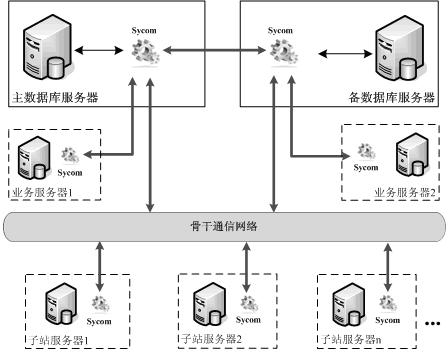
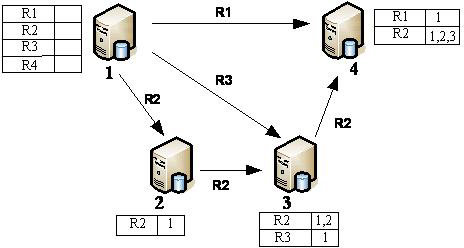
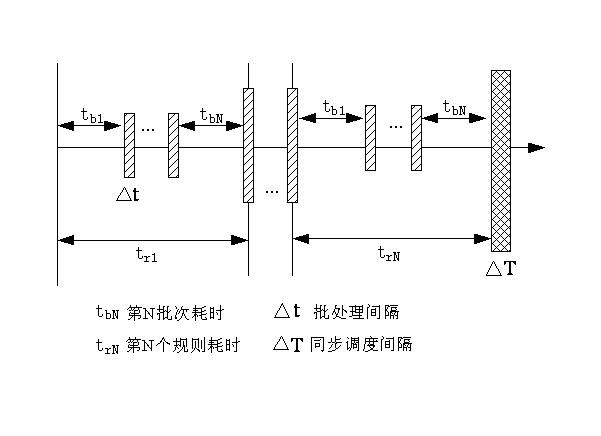
- Designed a new synchronization component Sycom to support data synchronization across relational database platforms. It uses interface configuration to set data sources, data endpoints and filtering conditions to achieve network data interaction between multiple nodes and reduce the coupling between the system and components. , simplifying the configuration process.

Cybersecurity Standards for SCADA Systems
SCADA systems operating in critical infrastructure environments face increasingly sophisticated cyber threats, necessitating robust cybersecurity frameworks to protect data redundancy mechanisms. The implementation of comprehensive security standards becomes paramount when optimizing these systems for reliable data backup and recovery operations.
The IEC 62443 series represents the cornerstone of industrial cybersecurity standards for SCADA environments. This framework provides a systematic approach to securing industrial automation and control systems, establishing security levels that directly impact data redundancy implementations. The standard defines four security levels ranging from basic protection against casual violations to advanced defense against sophisticated attacks by skilled adversaries with extensive resources.
NIST Cybersecurity Framework offers complementary guidance specifically relevant to SCADA data redundancy optimization. The framework's five core functions - Identify, Protect, Detect, Respond, and Recover - align closely with redundancy requirements. The "Protect" function emphasizes data security through encryption and access controls, while the "Recover" function directly addresses backup and restoration procedures essential for redundant data systems.
NERC CIP standards govern cybersecurity for bulk electric systems, establishing mandatory requirements for data protection and system redundancy. These standards mandate specific controls for data backup, recovery testing, and secure communication channels between redundant systems. Compliance requires documented procedures for maintaining data integrity across geographically distributed backup sites.
ISO 27001 provides the foundational information security management framework applicable to SCADA data redundancy. The standard's risk-based approach ensures that redundancy mechanisms address identified vulnerabilities while maintaining operational continuity. Key controls include secure data transmission protocols, encrypted storage requirements, and regular security assessments of backup systems.
Implementation challenges arise when balancing security requirements with operational efficiency in redundant SCADA architectures. Standards often require additional authentication layers and encryption protocols that can introduce latency in real-time data synchronization between primary and backup systems. Organizations must carefully evaluate trade-offs between security compliance and system performance to maintain effective data redundancy while meeting regulatory obligations.
The IEC 62443 series represents the cornerstone of industrial cybersecurity standards for SCADA environments. This framework provides a systematic approach to securing industrial automation and control systems, establishing security levels that directly impact data redundancy implementations. The standard defines four security levels ranging from basic protection against casual violations to advanced defense against sophisticated attacks by skilled adversaries with extensive resources.
NIST Cybersecurity Framework offers complementary guidance specifically relevant to SCADA data redundancy optimization. The framework's five core functions - Identify, Protect, Detect, Respond, and Recover - align closely with redundancy requirements. The "Protect" function emphasizes data security through encryption and access controls, while the "Recover" function directly addresses backup and restoration procedures essential for redundant data systems.
NERC CIP standards govern cybersecurity for bulk electric systems, establishing mandatory requirements for data protection and system redundancy. These standards mandate specific controls for data backup, recovery testing, and secure communication channels between redundant systems. Compliance requires documented procedures for maintaining data integrity across geographically distributed backup sites.
ISO 27001 provides the foundational information security management framework applicable to SCADA data redundancy. The standard's risk-based approach ensures that redundancy mechanisms address identified vulnerabilities while maintaining operational continuity. Key controls include secure data transmission protocols, encrypted storage requirements, and regular security assessments of backup systems.
Implementation challenges arise when balancing security requirements with operational efficiency in redundant SCADA architectures. Standards often require additional authentication layers and encryption protocols that can introduce latency in real-time data synchronization between primary and backup systems. Organizations must carefully evaluate trade-offs between security compliance and system performance to maintain effective data redundancy while meeting regulatory obligations.
Critical Infrastructure Protection Requirements
Critical infrastructure protection requirements for SCADA systems encompass a comprehensive framework of security standards, regulatory compliance measures, and operational protocols designed to safeguard essential services from cyber threats and physical disruptions. These requirements are established by national security agencies, industry regulators, and international standards organizations to ensure the resilience of power grids, water treatment facilities, transportation networks, and other vital infrastructure components.
The regulatory landscape mandates adherence to frameworks such as NERC CIP for electric utilities, NIST Cybersecurity Framework for federal agencies, and IEC 62443 for industrial automation systems. These standards require implementation of multi-layered security architectures, including network segmentation, access controls, encryption protocols, and continuous monitoring capabilities. Organizations must demonstrate compliance through regular audits, vulnerability assessments, and incident response procedures.
Physical security requirements encompass facility hardening measures, environmental controls, and personnel screening protocols. Critical SCADA installations must implement redundant power systems, climate control mechanisms, and secure communication pathways to maintain operational continuity during adverse conditions. Geographic distribution of control centers and backup facilities ensures system availability even during localized disasters or targeted attacks.
Cybersecurity mandates focus on protecting against advanced persistent threats, ransomware attacks, and state-sponsored intrusions. Requirements include deployment of industrial firewalls, intrusion detection systems, and secure remote access solutions. Regular security updates, patch management protocols, and employee training programs form essential components of comprehensive protection strategies.
Business continuity requirements establish minimum recovery time objectives and recovery point objectives for critical operations. Organizations must maintain detailed disaster recovery plans, conduct regular drills, and establish mutual aid agreements with neighboring utilities. These requirements ensure rapid restoration of services following disruptions while maintaining public safety and economic stability.
Compliance verification involves third-party assessments, penetration testing, and continuous monitoring programs that validate the effectiveness of implemented security measures across all operational domains.
The regulatory landscape mandates adherence to frameworks such as NERC CIP for electric utilities, NIST Cybersecurity Framework for federal agencies, and IEC 62443 for industrial automation systems. These standards require implementation of multi-layered security architectures, including network segmentation, access controls, encryption protocols, and continuous monitoring capabilities. Organizations must demonstrate compliance through regular audits, vulnerability assessments, and incident response procedures.
Physical security requirements encompass facility hardening measures, environmental controls, and personnel screening protocols. Critical SCADA installations must implement redundant power systems, climate control mechanisms, and secure communication pathways to maintain operational continuity during adverse conditions. Geographic distribution of control centers and backup facilities ensures system availability even during localized disasters or targeted attacks.
Cybersecurity mandates focus on protecting against advanced persistent threats, ransomware attacks, and state-sponsored intrusions. Requirements include deployment of industrial firewalls, intrusion detection systems, and secure remote access solutions. Regular security updates, patch management protocols, and employee training programs form essential components of comprehensive protection strategies.
Business continuity requirements establish minimum recovery time objectives and recovery point objectives for critical operations. Organizations must maintain detailed disaster recovery plans, conduct regular drills, and establish mutual aid agreements with neighboring utilities. These requirements ensure rapid restoration of services following disruptions while maintaining public safety and economic stability.
Compliance verification involves third-party assessments, penetration testing, and continuous monitoring programs that validate the effectiveness of implemented security measures across all operational domains.
Unlock deeper insights with Patsnap Eureka Quick Research — get a full tech report to explore trends and direct your research. Try now!
Generate Your Research Report Instantly with AI Agent
Supercharge your innovation with Patsnap Eureka AI Agent Platform!