How to Predict Load Variability in Cell-to-Chassis Responses
APR 11, 20269 MIN READ
Generate Your Research Report Instantly with AI Agent
Patsnap Eureka helps you evaluate technical feasibility & market potential.
Cell-to-Chassis Load Prediction Background and Objectives
The automotive industry has undergone a fundamental transformation in recent decades, with vehicle electrification emerging as a dominant paradigm shift. This evolution has introduced unprecedented complexity in vehicle structural dynamics, particularly in the interaction between battery cells and chassis systems. Traditional internal combustion engine vehicles presented relatively predictable load patterns, but electric vehicles introduce new challenges through battery pack integration, weight distribution variations, and dynamic load fluctuations that directly impact structural integrity and performance.
Cell-to-chassis load prediction represents a critical frontier in automotive engineering, addressing the complex mechanical interactions between individual battery cells and the vehicle's structural framework. As battery technology advances and energy density requirements increase, understanding these load transfer mechanisms becomes essential for ensuring vehicle safety, durability, and optimal performance. The challenge extends beyond static load analysis to encompass dynamic scenarios including acceleration, braking, cornering, and thermal expansion effects.
The evolution of this field traces back to early electric vehicle development in the 1990s, when simple battery configurations required minimal structural consideration. However, modern electric vehicles incorporate sophisticated battery architectures with hundreds of individual cells, creating intricate load distribution patterns that vary significantly based on operational conditions, environmental factors, and aging characteristics. This complexity has driven the need for advanced predictive methodologies.
Current technological objectives focus on developing comprehensive predictive models that can accurately forecast load variability across diverse operating conditions. These models must account for multiple variables including cell chemistry variations, thermal effects, mechanical degradation, and dynamic loading scenarios. The primary goal involves creating robust prediction algorithms that enable proactive design optimization and real-time monitoring capabilities.
The strategic importance of this technology extends beyond immediate engineering applications to encompass broader industry implications including regulatory compliance, insurance considerations, and consumer safety assurance. Successful load prediction methodologies will enable manufacturers to optimize structural designs, reduce material usage while maintaining safety margins, and develop predictive maintenance strategies that enhance vehicle lifecycle management and operational reliability.
Cell-to-chassis load prediction represents a critical frontier in automotive engineering, addressing the complex mechanical interactions between individual battery cells and the vehicle's structural framework. As battery technology advances and energy density requirements increase, understanding these load transfer mechanisms becomes essential for ensuring vehicle safety, durability, and optimal performance. The challenge extends beyond static load analysis to encompass dynamic scenarios including acceleration, braking, cornering, and thermal expansion effects.
The evolution of this field traces back to early electric vehicle development in the 1990s, when simple battery configurations required minimal structural consideration. However, modern electric vehicles incorporate sophisticated battery architectures with hundreds of individual cells, creating intricate load distribution patterns that vary significantly based on operational conditions, environmental factors, and aging characteristics. This complexity has driven the need for advanced predictive methodologies.
Current technological objectives focus on developing comprehensive predictive models that can accurately forecast load variability across diverse operating conditions. These models must account for multiple variables including cell chemistry variations, thermal effects, mechanical degradation, and dynamic loading scenarios. The primary goal involves creating robust prediction algorithms that enable proactive design optimization and real-time monitoring capabilities.
The strategic importance of this technology extends beyond immediate engineering applications to encompass broader industry implications including regulatory compliance, insurance considerations, and consumer safety assurance. Successful load prediction methodologies will enable manufacturers to optimize structural designs, reduce material usage while maintaining safety margins, and develop predictive maintenance strategies that enhance vehicle lifecycle management and operational reliability.
Market Demand for Predictive Load Analysis Systems
The automotive industry is experiencing unprecedented demand for predictive load analysis systems, driven by the accelerating shift toward electric vehicles and the increasing complexity of vehicle structures. As manufacturers strive to optimize battery performance, enhance safety standards, and reduce development costs, the ability to predict load variability in cell-to-chassis responses has become a critical competitive advantage. This demand is particularly pronounced among electric vehicle manufacturers who must ensure optimal battery integration while maintaining structural integrity under various operating conditions.
Traditional testing methods, which rely heavily on physical prototyping and extensive laboratory testing, are proving inadequate for modern vehicle development cycles. The industry requires solutions that can accurately predict how battery cells will respond to chassis-induced loads across different driving scenarios, environmental conditions, and vehicle configurations. This need has created a substantial market opportunity for advanced predictive modeling systems that can simulate complex interactions between battery systems and vehicle structures.
The market demand extends beyond original equipment manufacturers to include battery suppliers, automotive testing laboratories, and engineering consulting firms. Battery manufacturers are particularly interested in systems that can predict how their products will perform when integrated into various vehicle platforms, enabling them to optimize cell designs for specific applications. Similarly, chassis manufacturers require tools to understand how their structural designs will affect battery performance and safety.
Regulatory pressures are further amplifying market demand, as safety standards for electric vehicles become increasingly stringent. Predictive load analysis systems enable manufacturers to demonstrate compliance with safety regulations more efficiently while reducing the risk of costly recalls or safety incidents. The ability to predict and mitigate potential failure modes before physical testing significantly reduces development risks and associated costs.
The emergence of autonomous vehicles and advanced driver assistance systems has introduced additional complexity to load prediction requirements. These systems must account for new usage patterns, different weight distributions, and novel failure scenarios that traditional vehicles do not encounter. Consequently, there is growing demand for more sophisticated predictive models that can handle these emerging challenges.
Market growth is also driven by the increasing adoption of digital twin technologies and simulation-based design processes across the automotive industry. Companies are seeking integrated solutions that can seamlessly connect with existing computer-aided engineering workflows while providing accurate predictions of cell-to-chassis interactions throughout the vehicle lifecycle.
Traditional testing methods, which rely heavily on physical prototyping and extensive laboratory testing, are proving inadequate for modern vehicle development cycles. The industry requires solutions that can accurately predict how battery cells will respond to chassis-induced loads across different driving scenarios, environmental conditions, and vehicle configurations. This need has created a substantial market opportunity for advanced predictive modeling systems that can simulate complex interactions between battery systems and vehicle structures.
The market demand extends beyond original equipment manufacturers to include battery suppliers, automotive testing laboratories, and engineering consulting firms. Battery manufacturers are particularly interested in systems that can predict how their products will perform when integrated into various vehicle platforms, enabling them to optimize cell designs for specific applications. Similarly, chassis manufacturers require tools to understand how their structural designs will affect battery performance and safety.
Regulatory pressures are further amplifying market demand, as safety standards for electric vehicles become increasingly stringent. Predictive load analysis systems enable manufacturers to demonstrate compliance with safety regulations more efficiently while reducing the risk of costly recalls or safety incidents. The ability to predict and mitigate potential failure modes before physical testing significantly reduces development risks and associated costs.
The emergence of autonomous vehicles and advanced driver assistance systems has introduced additional complexity to load prediction requirements. These systems must account for new usage patterns, different weight distributions, and novel failure scenarios that traditional vehicles do not encounter. Consequently, there is growing demand for more sophisticated predictive models that can handle these emerging challenges.
Market growth is also driven by the increasing adoption of digital twin technologies and simulation-based design processes across the automotive industry. Companies are seeking integrated solutions that can seamlessly connect with existing computer-aided engineering workflows while providing accurate predictions of cell-to-chassis interactions throughout the vehicle lifecycle.
Current State of Load Variability Prediction Methods
The current landscape of load variability prediction methods in cell-to-chassis responses encompasses several established approaches, each with distinct capabilities and limitations. Traditional finite element analysis (FEA) remains the predominant method, utilizing detailed geometric models and material properties to simulate structural responses under various loading conditions. These deterministic approaches provide high-fidelity predictions but struggle to account for inherent uncertainties in manufacturing tolerances, material properties, and operational conditions.
Probabilistic methods have gained significant traction in recent years, incorporating Monte Carlo simulations and Latin hypercube sampling to quantify uncertainty propagation through structural systems. These approaches enable engineers to assess the statistical distribution of responses rather than single-point estimates, providing valuable insights into reliability and robustness. However, computational costs remain prohibitive for complex multi-scale models requiring thousands of simulation runs.
Machine learning techniques are emerging as promising alternatives, particularly for real-time prediction scenarios. Neural networks, support vector machines, and ensemble methods have demonstrated effectiveness in capturing nonlinear relationships between input parameters and load responses. These data-driven approaches excel in pattern recognition but require extensive training datasets and may lack physical interpretability, limiting their application in safety-critical automotive systems.
Hybrid methodologies combining physics-based models with statistical learning are showing considerable promise. These approaches leverage the physical understanding embedded in FEA while utilizing machine learning to capture model uncertainties and calibrate predictions against experimental data. Gaussian process regression and Bayesian updating techniques are particularly effective in this context, enabling continuous model refinement as new data becomes available.
Current industrial practice predominantly relies on safety factor approaches, applying conservative margins to deterministic predictions to account for variability. While simple to implement, these methods often result in over-conservative designs that compromise performance and efficiency. Advanced uncertainty quantification methods are gradually being adopted by leading automotive manufacturers, though widespread implementation remains limited by computational resources and validation requirements.
The integration of sensor data and digital twin technologies represents an emerging frontier, enabling real-time model updating and adaptive prediction capabilities. These approaches promise to revolutionize load variability prediction by incorporating actual operational conditions and aging effects into predictive models.
Probabilistic methods have gained significant traction in recent years, incorporating Monte Carlo simulations and Latin hypercube sampling to quantify uncertainty propagation through structural systems. These approaches enable engineers to assess the statistical distribution of responses rather than single-point estimates, providing valuable insights into reliability and robustness. However, computational costs remain prohibitive for complex multi-scale models requiring thousands of simulation runs.
Machine learning techniques are emerging as promising alternatives, particularly for real-time prediction scenarios. Neural networks, support vector machines, and ensemble methods have demonstrated effectiveness in capturing nonlinear relationships between input parameters and load responses. These data-driven approaches excel in pattern recognition but require extensive training datasets and may lack physical interpretability, limiting their application in safety-critical automotive systems.
Hybrid methodologies combining physics-based models with statistical learning are showing considerable promise. These approaches leverage the physical understanding embedded in FEA while utilizing machine learning to capture model uncertainties and calibrate predictions against experimental data. Gaussian process regression and Bayesian updating techniques are particularly effective in this context, enabling continuous model refinement as new data becomes available.
Current industrial practice predominantly relies on safety factor approaches, applying conservative margins to deterministic predictions to account for variability. While simple to implement, these methods often result in over-conservative designs that compromise performance and efficiency. Advanced uncertainty quantification methods are gradually being adopted by leading automotive manufacturers, though widespread implementation remains limited by computational resources and validation requirements.
The integration of sensor data and digital twin technologies represents an emerging frontier, enabling real-time model updating and adaptive prediction capabilities. These approaches promise to revolutionize load variability prediction by incorporating actual operational conditions and aging effects into predictive models.
Existing Load Variability Prediction Solutions
01 Battery cell mounting and isolation systems for load distribution
Battery cells can be mounted to the chassis using isolation systems that distribute mechanical loads and vibrations. These systems typically incorporate elastic materials, damping elements, or compliant interfaces between the cell modules and the chassis structure. The mounting arrangements help absorb shocks and reduce stress concentrations on individual cells while maintaining structural integrity during dynamic loading conditions.- Battery cell mounting and isolation systems for load distribution: Battery cells can be mounted to the chassis using specialized mounting systems that incorporate isolation elements to manage load variability. These systems utilize compliant materials, damping elements, or flexible mounting structures that allow controlled movement between the cell and chassis while maintaining structural integrity. The isolation mechanisms help distribute dynamic loads more evenly across the battery pack and prevent stress concentration at mounting points during vehicle operation under varying load conditions.
- Structural reinforcement and load path optimization in cell-to-chassis integration: The chassis structure can be reinforced with optimized load paths to better accommodate variable loads from battery cells. This involves strategic placement of structural members, cross-bracing, and load-bearing frames that create multiple load transfer paths between cells and chassis. The design ensures that loads are distributed through the strongest structural elements and prevents localized deformation or failure under dynamic loading conditions such as acceleration, braking, and cornering.
- Adaptive fastening and connection systems for variable load management: Advanced fastening systems can be employed to connect battery cells to the chassis with adaptive load response characteristics. These systems may include spring-loaded fasteners, elastomeric bushings, or multi-stage clamping mechanisms that adjust their stiffness or damping properties based on load magnitude and direction. The adaptive nature of these connections helps maintain secure attachment while accommodating thermal expansion, vibration, and impact loads that vary during vehicle operation.
- Load monitoring and active response control systems: Sensor-based monitoring systems can be integrated into the cell-to-chassis interface to detect load variations in real-time and trigger active response mechanisms. These systems utilize strain gauges, accelerometers, or pressure sensors to measure forces and accelerations at critical mounting points. The collected data can be processed to adjust active suspension components, modify battery pack positioning, or alert the vehicle control system to optimize driving dynamics and protect the battery cells from excessive loads.
- Thermal management integration for load-induced stress mitigation: Thermal management systems can be integrated with cell mounting structures to address load variability caused by temperature-induced expansion and contraction. These systems incorporate cooling channels, heat spreaders, or phase change materials within the mounting interface to maintain uniform temperature distribution across cells and chassis connection points. By controlling thermal gradients, these designs reduce thermally-induced mechanical stresses that compound with operational loads, improving the durability and reliability of the cell-to-chassis connection under variable loading conditions.
02 Structural reinforcement and load path optimization in battery chassis
The chassis structure can be designed with reinforced members and optimized load paths to better handle forces transmitted from battery cells. This includes the use of cross-members, support frames, and strategically positioned structural elements that distribute loads across multiple points. The design ensures that variable loads from cell expansion, thermal effects, and external impacts are managed without compromising the integrity of either the cells or the chassis.Expand Specific Solutions03 Thermal management integration for load-induced thermal variations
Thermal management systems can be integrated into the cell-to-chassis interface to address load variability caused by temperature changes. These systems may include cooling plates, thermal interface materials, or heat dissipation structures that maintain uniform temperature distribution. By managing thermal expansion and contraction, these solutions reduce mechanical stress variations between cells and chassis components.Expand Specific Solutions04 Adjustable compression and retention mechanisms
Compression systems with adjustable or adaptive retention mechanisms can accommodate load variations throughout the battery lifecycle. These mechanisms may include spring-loaded assemblies, adjustable clamps, or pressure distribution plates that maintain consistent contact pressure despite cell swelling or dimensional changes. The systems ensure reliable electrical connections and mechanical stability under varying load conditions.Expand Specific Solutions05 Monitoring and sensing systems for load response detection
Sensor systems can be implemented to monitor mechanical loads, pressures, and deformations at the cell-to-chassis interface. These systems detect variations in load distribution and provide feedback for active management or diagnostic purposes. The monitoring capabilities enable real-time assessment of structural integrity and can trigger protective measures when load thresholds are exceeded.Expand Specific Solutions
Key Players in Automotive Simulation and Testing Industry
The cell-to-chassis load variability prediction field represents an emerging technology area within the rapidly expanding electric vehicle and energy storage markets, currently valued at hundreds of billions globally. The industry is in a growth-to-maturity transition phase, driven by increasing EV adoption and stringent safety requirements. Technology maturity varies significantly across market segments, with established battery manufacturers like LG Energy Solution, Contemporary Amperex Technology (CATL), Samsung SDI, and LG Chem leading commercial applications, while automotive OEMs including Mercedes-Benz Group and Renault integrate these solutions into vehicle platforms. Research institutions such as Tsinghua University, Beihang University, and Central South University are advancing fundamental understanding of load prediction methodologies. The competitive landscape shows strong collaboration between academic institutions and industry players, with Chinese companies and universities particularly active in battery system research, while European and Korean manufacturers focus on commercial implementation and automotive integration.
LG Energy Solution Ltd.
Technical Solution: LG Energy Solution employs advanced finite element analysis (FEA) combined with machine learning algorithms to predict load variability in cell-to-chassis responses. Their approach integrates multi-physics simulation models that account for thermal, mechanical, and electrical interactions within battery systems. The company utilizes digital twin technology to create virtual representations of battery packs, enabling real-time monitoring and prediction of structural responses under various loading conditions. Their predictive models incorporate statistical analysis of manufacturing tolerances, material property variations, and operational parameters to forecast how individual cell variations propagate through the chassis structure. This comprehensive approach allows for optimization of battery pack design and improved safety margins in automotive applications.
Strengths: Industry-leading experience in battery manufacturing with extensive real-world data collection capabilities. Weaknesses: High computational requirements for complex multi-physics simulations may limit real-time applications.
Contemporary Amperex Technology Co., Ltd.
Technical Solution: CATL has developed a comprehensive load variability prediction system that combines experimental testing with advanced computational modeling. Their methodology employs probabilistic analysis techniques to characterize the uncertainty in cell-to-chassis load transfer mechanisms. The company uses high-fidelity structural dynamics models coupled with stochastic analysis to predict how manufacturing variations and operational conditions affect the mechanical response of battery systems. Their approach includes extensive validation through accelerated testing protocols and real-world vehicle data collection. CATL's predictive framework incorporates machine learning algorithms trained on large datasets of cell performance variations to forecast structural responses and optimize battery pack integration with vehicle chassis systems.
Strengths: Massive production scale provides extensive datasets for model validation and continuous improvement of prediction accuracy. Weaknesses: Focus primarily on standard automotive applications may limit adaptability to specialized vehicle configurations.
Core Innovations in Cell-to-Chassis Response Modeling
Power supply system and fuel cell backup power system thereof
PatentInactiveUS20120169127A1
Innovation
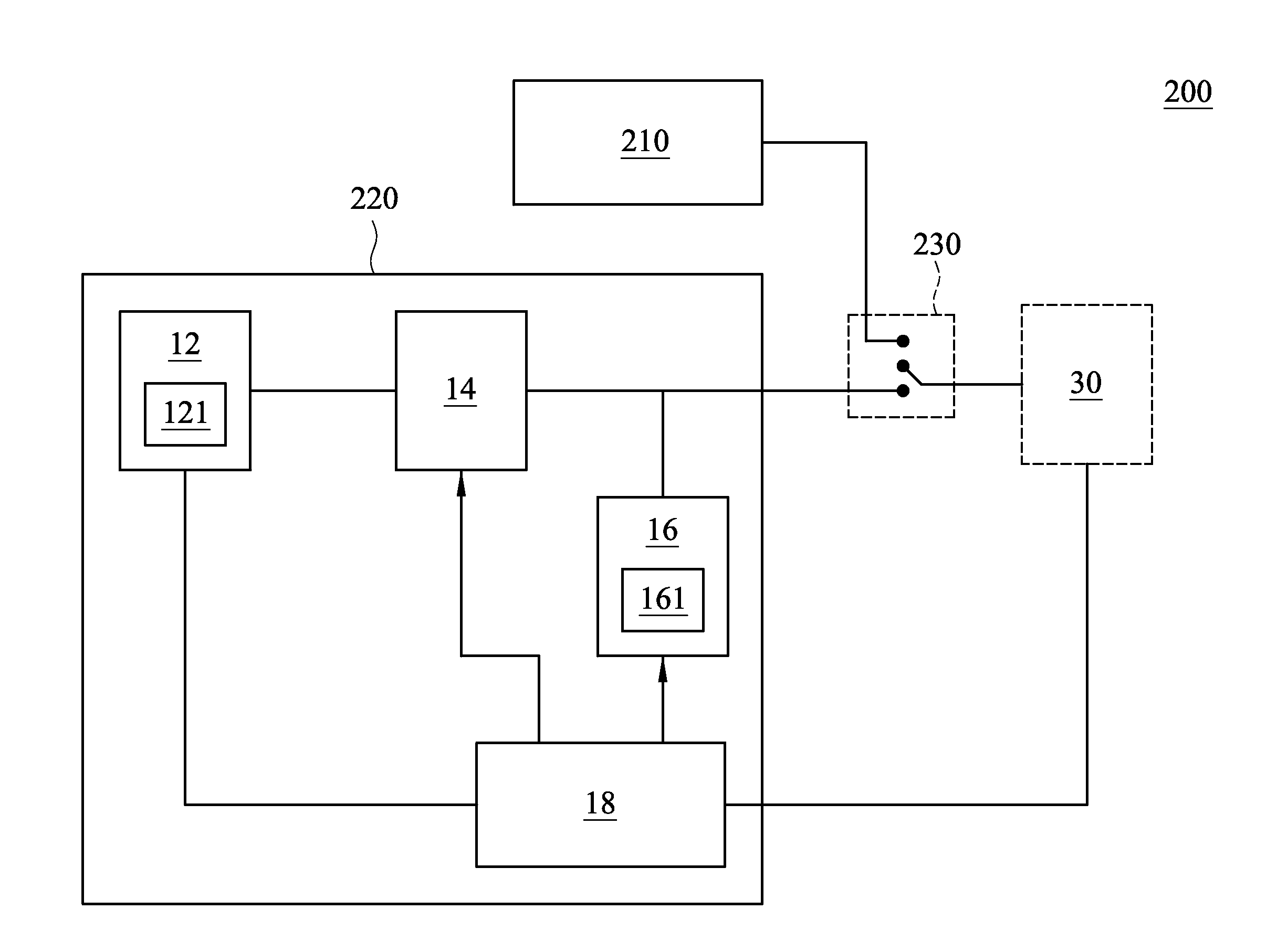
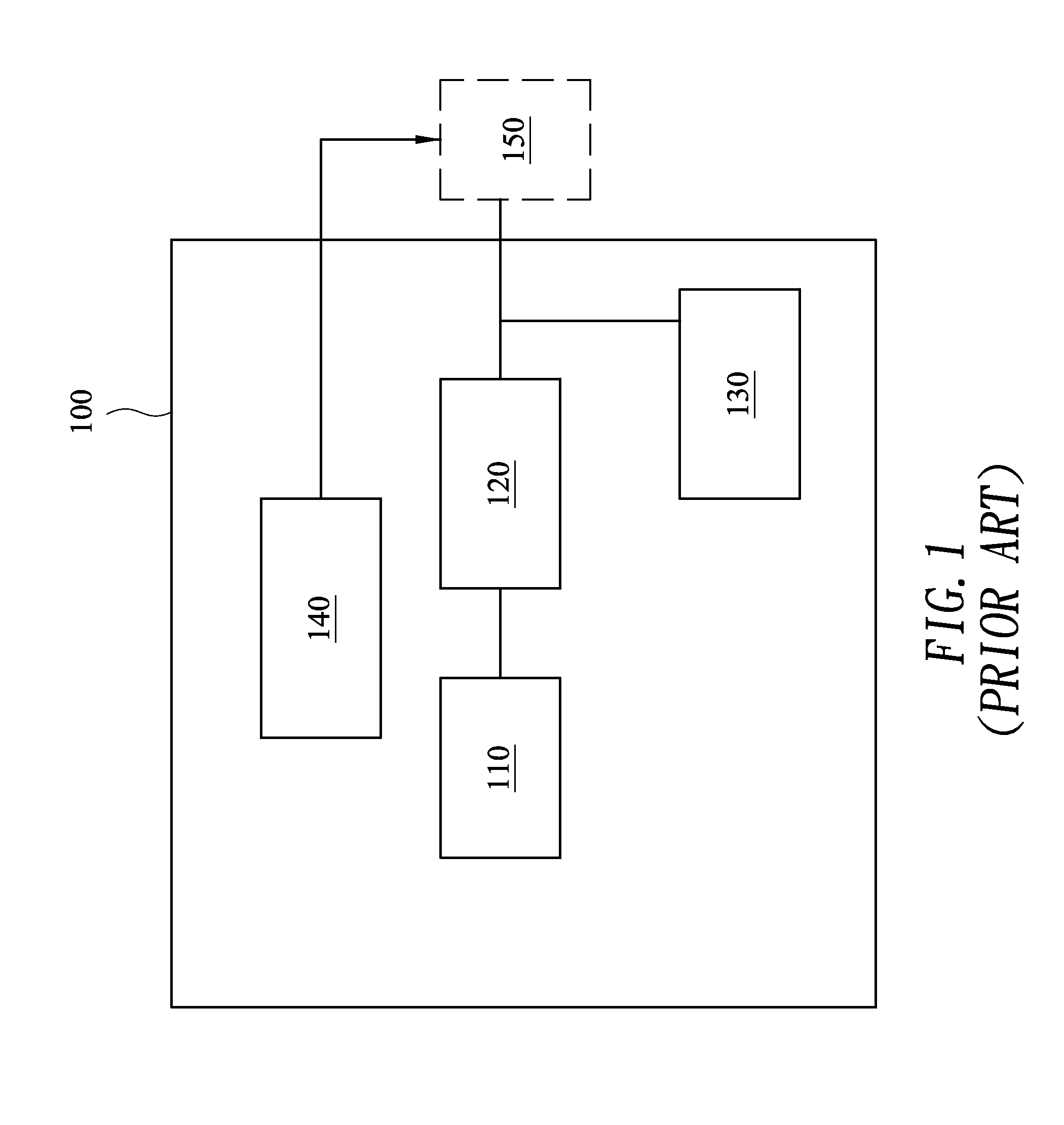
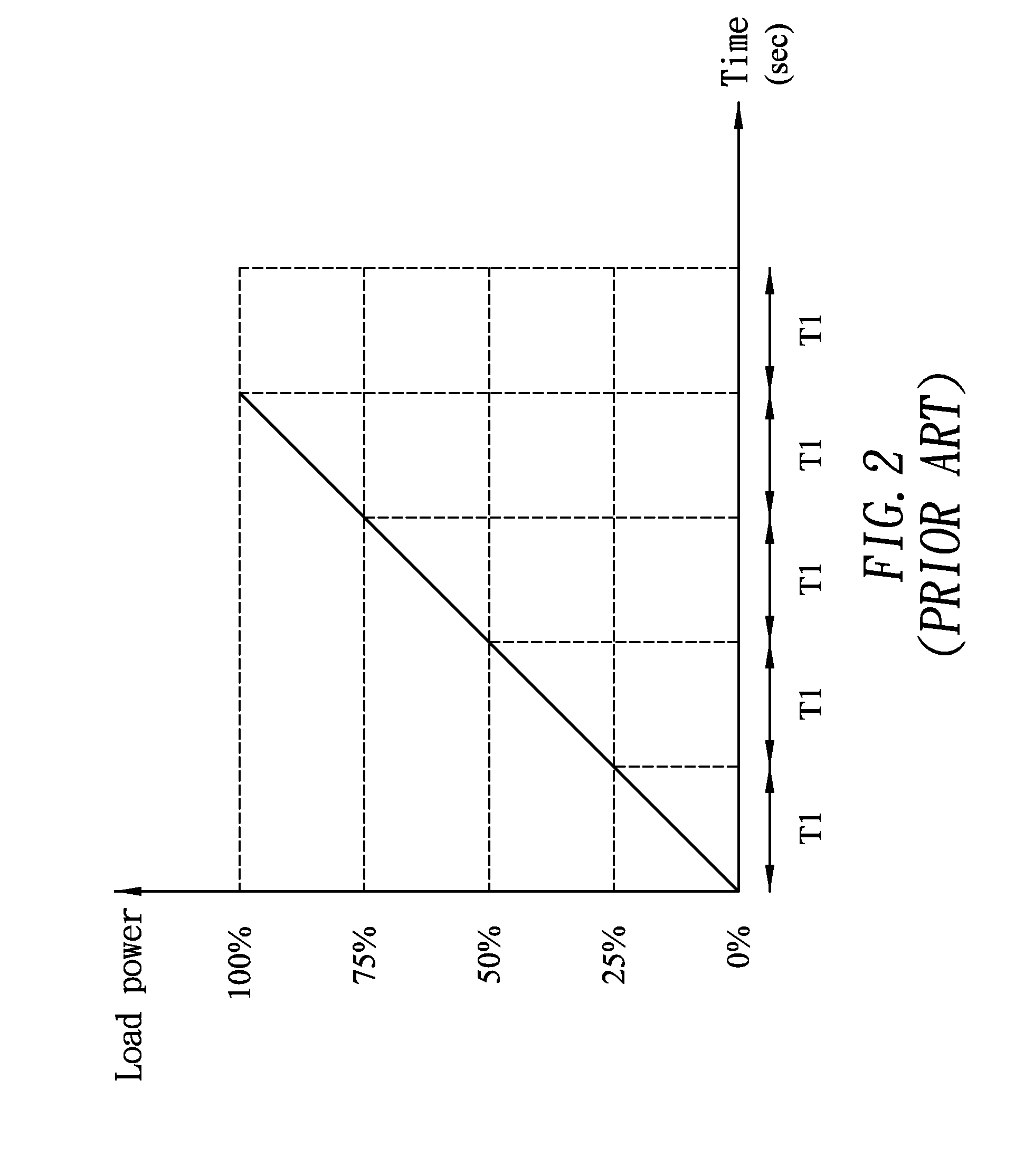
- A power supply system with a fuel cell backup system that includes a controller to adjust the output ratio between the fuel cell system and a battery in a stepwise manner to match load power requirements, preventing repeated loading and unloading of the fuel cell stack and reformer.

Safety Standards for Automotive Structural Testing
The automotive industry operates under a comprehensive framework of safety standards that govern structural testing methodologies, particularly for evaluating cell-to-chassis load variability and response characteristics. These standards establish the foundation for predicting and validating structural performance under various loading conditions.
International standards such as ISO 26262 for functional safety and ECE R94 for frontal impact protection provide the regulatory backbone for automotive structural testing. These frameworks mandate specific testing protocols that address load distribution patterns between battery cells and chassis structures, ensuring consistent evaluation methodologies across different vehicle platforms and manufacturers.
The Federal Motor Vehicle Safety Standards (FMVSS) in North America and the European New Car Assessment Programme (Euro NCAP) establish rigorous testing requirements for structural integrity assessment. These standards specifically address the need for predictive modeling capabilities in load variability scenarios, requiring manufacturers to demonstrate comprehensive understanding of force transmission pathways between cellular components and chassis frameworks.
Testing protocols under these safety standards encompass both static and dynamic loading conditions, with particular emphasis on crash scenarios where load variability becomes critical for occupant protection. The standards mandate the use of validated simulation models that can accurately predict structural responses across a range of loading conditions, from normal operational loads to extreme impact scenarios.
Compliance requirements extend beyond basic structural testing to include validation of predictive models used for load variability assessment. Standards specify minimum accuracy thresholds for computational models, requiring correlation with physical test data within defined tolerance ranges. This ensures that predictive capabilities meet safety-critical performance requirements.
Recent updates to automotive safety standards have incorporated provisions for electric vehicle architectures, addressing the unique challenges of battery cell integration with traditional chassis structures. These evolving standards recognize the complexity of load transfer mechanisms in modern vehicle designs and establish new benchmarks for predictive accuracy in multi-component structural systems.
The certification process under these safety standards requires comprehensive documentation of testing methodologies, model validation procedures, and predictive accuracy assessments, ensuring that load variability predictions meet established safety criteria throughout the vehicle development lifecycle.
International standards such as ISO 26262 for functional safety and ECE R94 for frontal impact protection provide the regulatory backbone for automotive structural testing. These frameworks mandate specific testing protocols that address load distribution patterns between battery cells and chassis structures, ensuring consistent evaluation methodologies across different vehicle platforms and manufacturers.
The Federal Motor Vehicle Safety Standards (FMVSS) in North America and the European New Car Assessment Programme (Euro NCAP) establish rigorous testing requirements for structural integrity assessment. These standards specifically address the need for predictive modeling capabilities in load variability scenarios, requiring manufacturers to demonstrate comprehensive understanding of force transmission pathways between cellular components and chassis frameworks.
Testing protocols under these safety standards encompass both static and dynamic loading conditions, with particular emphasis on crash scenarios where load variability becomes critical for occupant protection. The standards mandate the use of validated simulation models that can accurately predict structural responses across a range of loading conditions, from normal operational loads to extreme impact scenarios.
Compliance requirements extend beyond basic structural testing to include validation of predictive models used for load variability assessment. Standards specify minimum accuracy thresholds for computational models, requiring correlation with physical test data within defined tolerance ranges. This ensures that predictive capabilities meet safety-critical performance requirements.
Recent updates to automotive safety standards have incorporated provisions for electric vehicle architectures, addressing the unique challenges of battery cell integration with traditional chassis structures. These evolving standards recognize the complexity of load transfer mechanisms in modern vehicle designs and establish new benchmarks for predictive accuracy in multi-component structural systems.
The certification process under these safety standards requires comprehensive documentation of testing methodologies, model validation procedures, and predictive accuracy assessments, ensuring that load variability predictions meet established safety criteria throughout the vehicle development lifecycle.
Multi-Scale Modeling Integration Challenges
The integration of multi-scale modeling approaches for predicting load variability in cell-to-chassis responses presents significant computational and methodological challenges that require sophisticated coordination between different modeling domains. The primary challenge lies in establishing seamless data transfer protocols between microscale material models, mesoscale component simulations, and macroscale system-level analyses while maintaining computational efficiency and accuracy across all scales.
Temporal synchronization represents a critical bottleneck in multi-scale integration, as different modeling scales operate on vastly different time constants. Cell-level electrochemical processes occur on millisecond timescales, while chassis structural responses may span seconds or minutes. Developing adaptive time-stepping algorithms that can efficiently bridge these temporal gaps without compromising solution accuracy remains an ongoing challenge requiring advanced numerical methods and parallel computing architectures.
Spatial coupling between scales introduces additional complexity, particularly in managing the transition zones where different modeling approaches overlap. The challenge intensifies when attempting to capture localized phenomena such as thermal hotspots or mechanical stress concentrations that originate at the cell level but propagate through the entire chassis structure. Current integration methods often struggle with maintaining conservation laws and physical consistency across scale boundaries.
Computational resource allocation presents another significant hurdle, as multi-scale simulations demand substantial processing power and memory resources. Balancing the fidelity requirements of each scale while maintaining reasonable computational costs requires sophisticated load balancing strategies and efficient parallel processing implementations. The challenge is further complicated by the need for real-time or near-real-time predictions in certain applications.
Data validation and uncertainty quantification across multiple scales pose additional integration challenges. Each modeling scale introduces its own sources of uncertainty, and propagating these uncertainties through the integrated system while maintaining meaningful confidence intervals requires advanced statistical methods and validation frameworks that are still under development in the research community.
Temporal synchronization represents a critical bottleneck in multi-scale integration, as different modeling scales operate on vastly different time constants. Cell-level electrochemical processes occur on millisecond timescales, while chassis structural responses may span seconds or minutes. Developing adaptive time-stepping algorithms that can efficiently bridge these temporal gaps without compromising solution accuracy remains an ongoing challenge requiring advanced numerical methods and parallel computing architectures.
Spatial coupling between scales introduces additional complexity, particularly in managing the transition zones where different modeling approaches overlap. The challenge intensifies when attempting to capture localized phenomena such as thermal hotspots or mechanical stress concentrations that originate at the cell level but propagate through the entire chassis structure. Current integration methods often struggle with maintaining conservation laws and physical consistency across scale boundaries.
Computational resource allocation presents another significant hurdle, as multi-scale simulations demand substantial processing power and memory resources. Balancing the fidelity requirements of each scale while maintaining reasonable computational costs requires sophisticated load balancing strategies and efficient parallel processing implementations. The challenge is further complicated by the need for real-time or near-real-time predictions in certain applications.
Data validation and uncertainty quantification across multiple scales pose additional integration challenges. Each modeling scale introduces its own sources of uncertainty, and propagating these uncertainties through the integrated system while maintaining meaningful confidence intervals requires advanced statistical methods and validation frameworks that are still under development in the research community.
Unlock deeper insights with Patsnap Eureka Quick Research — get a full tech report to explore trends and direct your research. Try now!
Generate Your Research Report Instantly with AI Agent
Supercharge your innovation with Patsnap Eureka AI Agent Platform!