

How to Predict Valve Life Using Usage Data
MAR 8, 20269 MIN READ
Generate Your Research Report Instantly with AI Agent
PatSnap Eureka helps you evaluate technical feasibility & market potential.
Valve Life Prediction Technology Background and Objectives
Valve life prediction technology has emerged as a critical component of modern industrial asset management, driven by the increasing complexity of industrial processes and the growing emphasis on operational efficiency. Traditional maintenance approaches, which relied heavily on scheduled replacements and reactive repairs, have proven inadequate in addressing the dynamic operational demands of contemporary industrial facilities. The evolution from time-based to condition-based maintenance strategies has created a fundamental shift toward data-driven predictive methodologies.
The historical development of valve life prediction can be traced back to early reliability engineering principles established in the aerospace and nuclear industries during the 1960s. Initial approaches focused on statistical failure analysis and mean time between failures calculations. However, these methods lacked the granular insights necessary for accurate individual asset predictions. The advent of digital sensors and data acquisition systems in the 1980s marked a pivotal transition, enabling real-time monitoring of valve performance parameters.
Modern valve life prediction technology leverages advanced analytics, machine learning algorithms, and Internet of Things capabilities to process vast amounts of operational data. This technological convergence has transformed valve maintenance from a reactive discipline into a proactive science, where predictive models can forecast remaining useful life with unprecedented accuracy.
The primary objective of valve life prediction technology centers on maximizing asset utilization while minimizing unplanned downtime and maintenance costs. By analyzing usage patterns, operational stresses, and environmental conditions, these systems aim to provide precise forecasts of valve degradation trajectories. This enables maintenance teams to optimize replacement schedules, reduce inventory costs, and prevent catastrophic failures that could compromise safety and production continuity.
Secondary objectives include enhancing overall equipment effectiveness through improved maintenance planning, reducing total cost of ownership, and supporting regulatory compliance requirements. The technology also seeks to establish standardized methodologies for valve performance assessment across diverse industrial applications, from oil and gas processing to pharmaceutical manufacturing.
Contemporary research focuses on developing hybrid prediction models that combine physics-based degradation mechanisms with data-driven machine learning approaches, creating more robust and interpretable forecasting capabilities for complex industrial environments.
The historical development of valve life prediction can be traced back to early reliability engineering principles established in the aerospace and nuclear industries during the 1960s. Initial approaches focused on statistical failure analysis and mean time between failures calculations. However, these methods lacked the granular insights necessary for accurate individual asset predictions. The advent of digital sensors and data acquisition systems in the 1980s marked a pivotal transition, enabling real-time monitoring of valve performance parameters.
Modern valve life prediction technology leverages advanced analytics, machine learning algorithms, and Internet of Things capabilities to process vast amounts of operational data. This technological convergence has transformed valve maintenance from a reactive discipline into a proactive science, where predictive models can forecast remaining useful life with unprecedented accuracy.
The primary objective of valve life prediction technology centers on maximizing asset utilization while minimizing unplanned downtime and maintenance costs. By analyzing usage patterns, operational stresses, and environmental conditions, these systems aim to provide precise forecasts of valve degradation trajectories. This enables maintenance teams to optimize replacement schedules, reduce inventory costs, and prevent catastrophic failures that could compromise safety and production continuity.
Secondary objectives include enhancing overall equipment effectiveness through improved maintenance planning, reducing total cost of ownership, and supporting regulatory compliance requirements. The technology also seeks to establish standardized methodologies for valve performance assessment across diverse industrial applications, from oil and gas processing to pharmaceutical manufacturing.
Contemporary research focuses on developing hybrid prediction models that combine physics-based degradation mechanisms with data-driven machine learning approaches, creating more robust and interpretable forecasting capabilities for complex industrial environments.
Market Demand for Predictive Valve Maintenance Solutions
The global industrial maintenance market is experiencing a fundamental shift toward predictive maintenance strategies, driven by the increasing adoption of Industrial Internet of Things (IIoT) technologies and the growing emphasis on operational efficiency. Valve maintenance represents a critical component of this transformation, as valve failures can result in significant operational disruptions, safety hazards, and environmental incidents across various industries.
Manufacturing sectors, particularly oil and gas, chemical processing, power generation, and water treatment facilities, demonstrate the highest demand for predictive valve maintenance solutions. These industries operate extensive valve networks where unplanned failures can cascade into costly production shutdowns. The complexity and criticality of valve operations in these sectors create substantial market opportunities for advanced predictive maintenance technologies.
The demand is further amplified by stringent regulatory requirements and safety standards that mandate proactive maintenance approaches. Industries handling hazardous materials or operating under strict environmental regulations increasingly require sophisticated monitoring systems to ensure compliance and prevent catastrophic failures. This regulatory pressure creates a sustained market pull for predictive valve maintenance solutions.
Economic factors significantly influence market demand patterns. Organizations are increasingly recognizing that predictive maintenance strategies can reduce total maintenance costs by optimizing replacement schedules and minimizing emergency repairs. The ability to predict valve life using usage data enables more efficient inventory management, better resource allocation, and improved maintenance planning, directly impacting operational profitability.
Technological maturity in sensor technologies, data analytics, and machine learning has reached a point where predictive valve maintenance solutions are becoming more accessible and cost-effective. The convergence of affordable sensing technologies with advanced analytics platforms has lowered the barrier to entry for many organizations previously unable to implement such systems.
Market demand also varies significantly by geographical regions, with developed industrial economies showing higher adoption rates due to established infrastructure and greater emphasis on operational optimization. Emerging markets demonstrate growing interest as industrial modernization efforts accelerate and awareness of predictive maintenance benefits increases.
The market exhibits strong growth potential as organizations transition from reactive and preventive maintenance models to predictive approaches, creating substantial opportunities for innovative solutions that can accurately predict valve life using operational usage data.
Manufacturing sectors, particularly oil and gas, chemical processing, power generation, and water treatment facilities, demonstrate the highest demand for predictive valve maintenance solutions. These industries operate extensive valve networks where unplanned failures can cascade into costly production shutdowns. The complexity and criticality of valve operations in these sectors create substantial market opportunities for advanced predictive maintenance technologies.
The demand is further amplified by stringent regulatory requirements and safety standards that mandate proactive maintenance approaches. Industries handling hazardous materials or operating under strict environmental regulations increasingly require sophisticated monitoring systems to ensure compliance and prevent catastrophic failures. This regulatory pressure creates a sustained market pull for predictive valve maintenance solutions.
Economic factors significantly influence market demand patterns. Organizations are increasingly recognizing that predictive maintenance strategies can reduce total maintenance costs by optimizing replacement schedules and minimizing emergency repairs. The ability to predict valve life using usage data enables more efficient inventory management, better resource allocation, and improved maintenance planning, directly impacting operational profitability.
Technological maturity in sensor technologies, data analytics, and machine learning has reached a point where predictive valve maintenance solutions are becoming more accessible and cost-effective. The convergence of affordable sensing technologies with advanced analytics platforms has lowered the barrier to entry for many organizations previously unable to implement such systems.
Market demand also varies significantly by geographical regions, with developed industrial economies showing higher adoption rates due to established infrastructure and greater emphasis on operational optimization. Emerging markets demonstrate growing interest as industrial modernization efforts accelerate and awareness of predictive maintenance benefits increases.
The market exhibits strong growth potential as organizations transition from reactive and preventive maintenance models to predictive approaches, creating substantial opportunities for innovative solutions that can accurately predict valve life using operational usage data.
Current State and Challenges in Valve Prognostics
Valve prognostics technology has experienced significant advancement over the past two decades, evolving from traditional time-based maintenance schedules to sophisticated condition-based monitoring systems. The field has progressed through reactive maintenance approaches to predictive analytics, leveraging sensor technologies, data acquisition systems, and machine learning algorithms to forecast valve degradation patterns and remaining useful life.
Current valve prognostics implementations primarily rely on vibration analysis, acoustic emission monitoring, temperature sensing, and pressure differential measurements. These approaches have demonstrated varying degrees of success across different industrial applications, with oil and gas, chemical processing, and power generation sectors leading adoption efforts. However, the technology landscape remains fragmented, with solutions often tailored to specific valve types and operating environments.
The primary technical challenge lies in establishing accurate degradation models that can account for the complex interplay of operational variables affecting valve performance. Traditional physics-based models struggle to capture the nonlinear relationships between usage parameters such as cycling frequency, pressure differentials, temperature fluctuations, and fluid characteristics. Additionally, the heterogeneous nature of valve designs, materials, and operating conditions makes it difficult to develop universally applicable prognostic algorithms.
Data quality and availability represent another significant obstacle in valve life prediction. Many industrial facilities lack comprehensive historical failure data, making it challenging to train robust machine learning models. Sensor integration costs and the need for retrofitting existing valve installations create economic barriers to widespread adoption. Furthermore, the long operational lifespans of industrial valves, often spanning decades, complicate the validation of prognostic models and limit the availability of complete lifecycle datasets.
Internationally, valve prognostics development is concentrated in regions with mature industrial infrastructure. North American and European markets lead in research and implementation, driven by stringent safety regulations and aging industrial assets. Asian markets, particularly Japan and South Korea, focus on advanced sensor technologies and IoT integration. However, standardization efforts remain limited, resulting in proprietary solutions that hinder technology transfer and scalability across different industrial sectors and geographical regions.
Current valve prognostics implementations primarily rely on vibration analysis, acoustic emission monitoring, temperature sensing, and pressure differential measurements. These approaches have demonstrated varying degrees of success across different industrial applications, with oil and gas, chemical processing, and power generation sectors leading adoption efforts. However, the technology landscape remains fragmented, with solutions often tailored to specific valve types and operating environments.
The primary technical challenge lies in establishing accurate degradation models that can account for the complex interplay of operational variables affecting valve performance. Traditional physics-based models struggle to capture the nonlinear relationships between usage parameters such as cycling frequency, pressure differentials, temperature fluctuations, and fluid characteristics. Additionally, the heterogeneous nature of valve designs, materials, and operating conditions makes it difficult to develop universally applicable prognostic algorithms.
Data quality and availability represent another significant obstacle in valve life prediction. Many industrial facilities lack comprehensive historical failure data, making it challenging to train robust machine learning models. Sensor integration costs and the need for retrofitting existing valve installations create economic barriers to widespread adoption. Furthermore, the long operational lifespans of industrial valves, often spanning decades, complicate the validation of prognostic models and limit the availability of complete lifecycle datasets.
Internationally, valve prognostics development is concentrated in regions with mature industrial infrastructure. North American and European markets lead in research and implementation, driven by stringent safety regulations and aging industrial assets. Asian markets, particularly Japan and South Korea, focus on advanced sensor technologies and IoT integration. However, standardization efforts remain limited, resulting in proprietary solutions that hinder technology transfer and scalability across different industrial sectors and geographical regions.
Existing Data-Driven Valve Life Prediction Methods
01 Material selection and coating technologies for valve components
The service life of valves can be significantly extended through the use of advanced materials and surface coating technologies. Specialized alloys, wear-resistant materials, and protective coatings can reduce corrosion, erosion, and mechanical wear on valve components. These materials are selected based on the operating environment, including temperature, pressure, and media characteristics. Surface treatments such as hard coatings and thermal spray processes provide additional protection to critical valve parts, thereby improving durability and operational lifespan.- Material selection and coating technologies for valve components: The service life of valves can be significantly extended through the use of advanced materials and surface coating technologies. Specialized alloys, wear-resistant materials, and protective coatings can reduce corrosion, erosion, and mechanical wear on valve components. These materials are selected based on the operating environment and fluid characteristics to enhance durability and resistance to degradation over time.
- Structural design improvements for enhanced durability: Optimizing the structural design of valves can improve their operational lifespan by reducing stress concentrations and improving flow characteristics. Design modifications may include improved sealing mechanisms, reinforced body structures, and optimized internal geometries that minimize turbulence and wear. These structural enhancements help valves withstand repeated cycling and harsh operating conditions.
- Sealing technology and leakage prevention: Advanced sealing technologies play a crucial role in extending valve life by preventing leakage and maintaining operational integrity. Innovations in seal materials, configurations, and installation methods can significantly reduce wear on sealing surfaces and maintain tight shut-off over extended periods. Proper sealing also prevents contamination and fluid loss, which can accelerate valve degradation.
- Monitoring and predictive maintenance systems: Implementation of monitoring systems and predictive maintenance technologies enables early detection of valve degradation and optimal maintenance scheduling. These systems may include sensors for detecting wear, vibration analysis, and performance monitoring that provide real-time data on valve condition. By identifying potential failures before they occur, maintenance can be performed proactively to extend valve service life.
- Operating condition optimization and control: Controlling and optimizing operating conditions such as pressure, temperature, flow rate, and cycling frequency can significantly impact valve longevity. Proper valve sizing, installation practices, and operational parameters help minimize stress and wear on valve components. Additionally, implementing control strategies that reduce unnecessary actuation and avoid extreme operating conditions can extend the functional life of valves.
02 Structural design optimization for enhanced durability
Optimizing the structural design of valves is crucial for extending their operational life. This includes improvements in sealing mechanisms, flow path geometry, and stress distribution across valve components. Enhanced designs minimize wear points, reduce turbulence-induced damage, and ensure uniform load distribution. Innovative structural configurations can also facilitate easier maintenance and component replacement, contributing to longer service intervals and reduced downtime.Expand Specific Solutions03 Sealing technology and leakage prevention
Advanced sealing technologies play a vital role in extending valve life by preventing leakage and maintaining operational integrity. Improved seal designs, including multi-layer seals, flexible sealing elements, and self-adjusting mechanisms, can accommodate thermal expansion, pressure variations, and wear over time. These technologies reduce the frequency of maintenance interventions and prevent premature failure due to seal degradation, thereby significantly extending the functional lifespan of valves.Expand Specific Solutions04 Monitoring and predictive maintenance systems
Implementation of monitoring systems and predictive maintenance technologies can substantially extend valve service life by enabling early detection of potential failures. Sensors and diagnostic tools can track parameters such as temperature, pressure, vibration, and flow characteristics to identify abnormal operating conditions. Data analysis and predictive algorithms allow for timely maintenance interventions before critical failures occur, optimizing maintenance schedules and preventing catastrophic valve failures that could shorten operational life.Expand Specific Solutions05 Operating condition control and environmental adaptation
Controlling operating conditions and adapting valve designs to specific environmental factors are essential for maximizing valve longevity. This includes managing flow velocities, pressure fluctuations, temperature extremes, and corrosive media exposure. Valves designed with consideration for specific application environments, including provisions for thermal management, pressure relief, and contamination resistance, demonstrate extended service life. Proper installation, commissioning, and adherence to recommended operating parameters further contribute to achieving optimal valve lifespan.Expand Specific Solutions
Key Players in Valve Prognostics and IoT Analytics
The valve life prediction technology market represents an emerging sector within the broader industrial IoT and predictive maintenance landscape, currently in its early growth phase with significant expansion potential driven by increasing digitalization across manufacturing and energy sectors. The market demonstrates substantial scale opportunities, particularly in oil and gas, power generation, and process industries where valve failures can result in costly downtime and safety risks. Technology maturity varies considerably across market participants, with established industrial giants like General Electric Company, Toshiba Corp., and Robert Bosch GmbH leveraging their extensive sensor networks and data analytics capabilities to develop sophisticated predictive models. Traditional valve manufacturers such as Fisher Controls International LLC, KITZ Corp., and Bürkert Werke GmbH are integrating smart monitoring technologies into their products, while specialized companies like Futuremain focus exclusively on predictive maintenance solutions. Academic institutions including Harbin Engineering University, Beihang University, and Zhejiang University contribute fundamental research in materials science and failure analysis. The competitive landscape shows a convergence of hardware expertise, data science capabilities, and domain knowledge, with technology leaders establishing comprehensive platforms that combine real-time monitoring, machine learning algorithms, and industry-specific failure models to deliver actionable insights for valve lifecycle management.
Fisher Controls International LLC
Technical Solution: Fisher Controls specializes in intelligent valve diagnostics through their FIELDVUE digital valve controllers and ValveLink software suite. Their predictive maintenance approach leverages partial stroke testing, signature analysis, and continuous monitoring of valve performance metrics. The system collects data on valve travel characteristics, actuator air consumption, and response times to build comprehensive performance profiles. Fisher's diagnostic algorithms analyze trends in valve friction, seat leakage, and packing performance to predict remaining useful life. Their solution includes automated data logging capabilities that track operational cycles, process conditions, and maintenance history to establish baseline performance patterns and detect deviations that indicate potential failure modes.
Strengths: Industry-leading valve expertise, specialized diagnostic algorithms, comprehensive field data collection. Weaknesses: Limited to Fisher valve systems, requires specialized training for optimal utilization.
General Electric Company
Technical Solution: GE has developed advanced predictive analytics solutions for valve life prediction using Industrial Internet of Things (IIoT) platforms. Their approach combines real-time sensor data collection with machine learning algorithms to monitor valve performance parameters including pressure differentials, temperature variations, and actuator response times. The system utilizes digital twin technology to create virtual models of valve systems, enabling continuous comparison between expected and actual performance. GE's Predix platform processes historical usage data, operational cycles, and environmental conditions to generate predictive maintenance schedules. Their solution incorporates failure mode analysis and statistical modeling to identify early warning indicators of valve degradation, helping operators optimize maintenance intervals and prevent unexpected failures.
Strengths: Comprehensive IIoT platform integration, proven digital twin technology, extensive industrial experience. Weaknesses: High implementation costs, complex system integration requirements.
Core Machine Learning Algorithms for Valve Degradation
Electric gate valve remaining service life prediction method and system
PatentActiveCN111507046A
Innovation
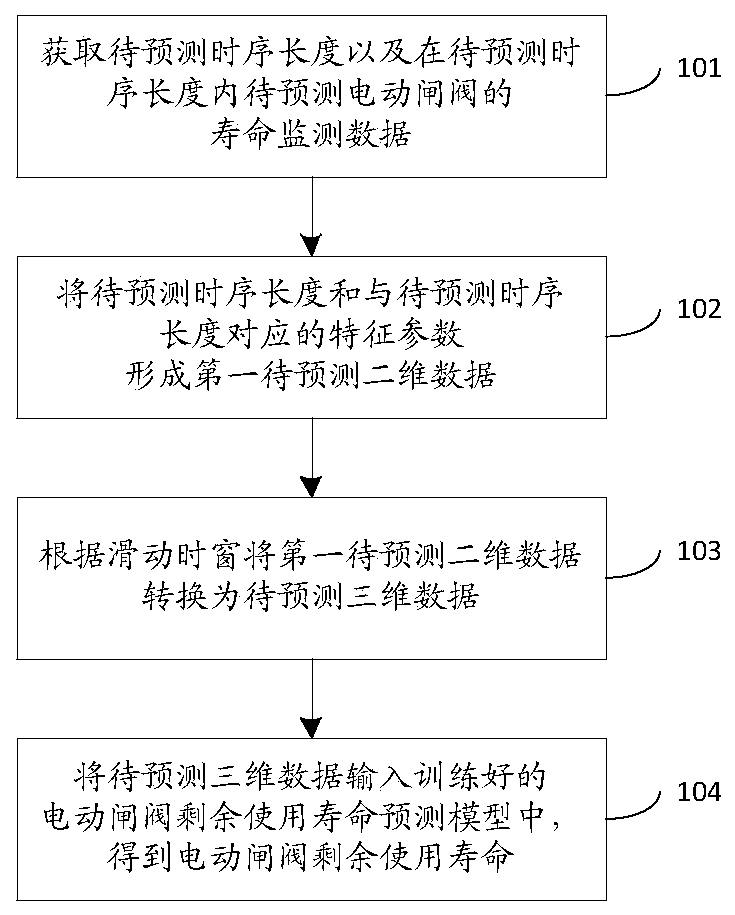
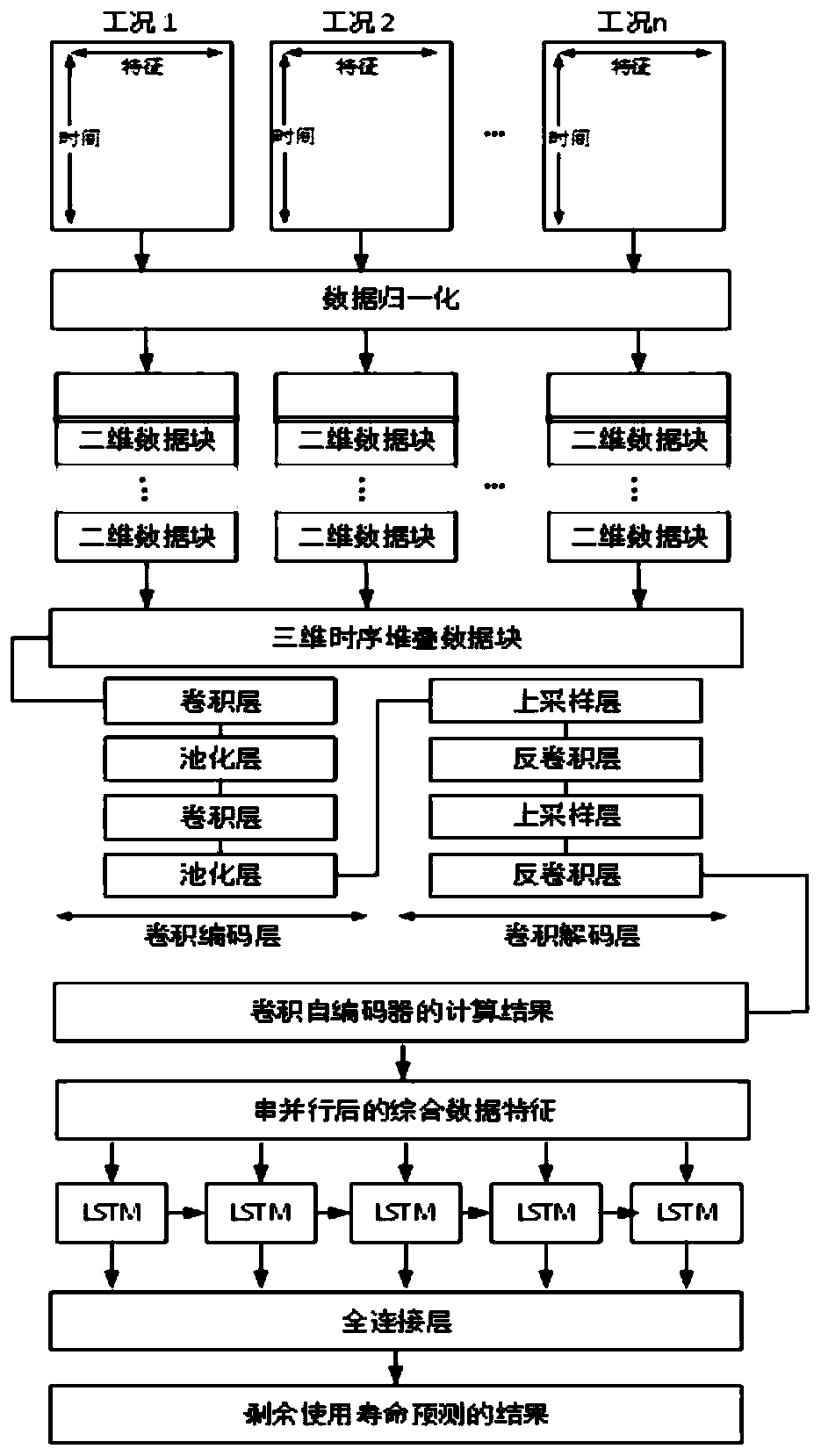
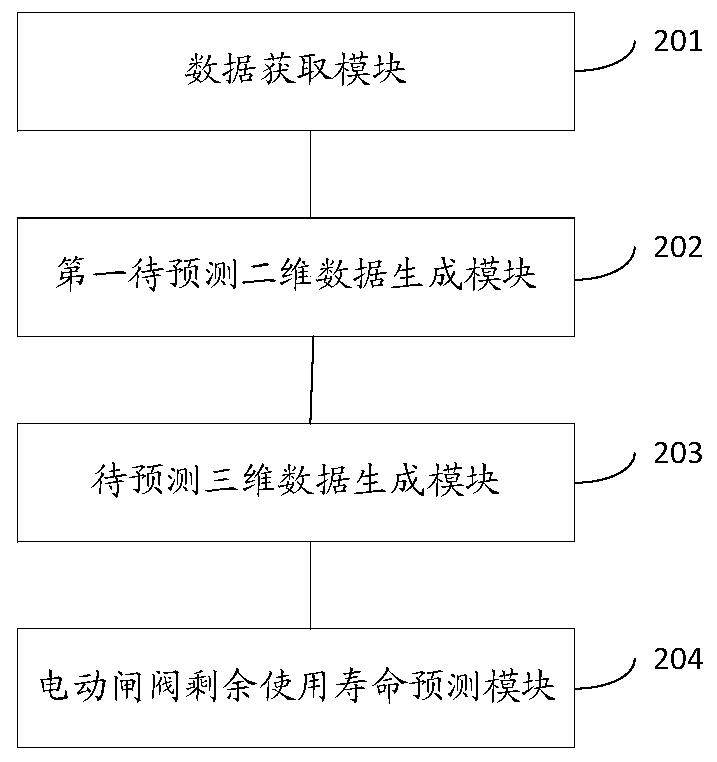
- By acquiring the life monitoring data of the electric gate valve, two-dimensional data is formed and converted into three-dimensional data. The convolutional autoencoding model and the long-short-term memory network model are used for prediction, which fully reflects the temporal characteristics of the degradation process.

Valve remaining life estimation method and system thereof
PatentWO2018209564A1
Innovation
- Uses average valve actuation force data across multiple cycles as the primary parameter for remaining life estimation, providing more stable and reliable predictions compared to single-point measurements.
- Establishes a model-based approach that correlates calculated average actuation force values with valve actuation force limits to predict remaining operational life.
- Integrates with smart valve systems and digital field bus communication to enable real-time monitoring and life estimation within existing plant control infrastructure.


Industrial Safety Standards for Valve Monitoring Systems
Industrial safety standards for valve monitoring systems represent a critical framework that governs the implementation and operation of predictive maintenance technologies in high-risk industrial environments. These standards establish mandatory requirements for data collection, processing, and decision-making protocols that directly impact valve life prediction methodologies.
The International Electrotechnical Commission (IEC) 61508 standard serves as the foundational framework for functional safety in industrial automation systems, including valve monitoring applications. This standard defines Safety Integrity Levels (SIL) ranging from SIL 1 to SIL 4, with each level specifying acceptable failure rates and reliability requirements for safety-critical valve operations. For valve life prediction systems, compliance with SIL 2 or higher is typically required in process industries handling hazardous materials.
The American Petroleum Institute (API) 579-1 standard provides comprehensive guidelines for fitness-for-service assessments of pressure-containing equipment, including valves. This standard establishes protocols for data validation, uncertainty quantification, and risk-based inspection intervals that must be integrated into predictive algorithms. The standard mandates specific data quality requirements and statistical confidence levels for life prediction models.
ISO 13849 addresses safety-related control systems and establishes Performance Levels (PL) that complement SIL requirements. For valve monitoring systems, this standard defines mandatory diagnostic coverage requirements, fault detection capabilities, and fail-safe operational modes. The standard requires continuous monitoring of sensor integrity and data transmission reliability, ensuring that usage data feeding into prediction models maintains specified accuracy levels.
The ASME Boiler and Pressure Vessel Code Section XI provides regulatory requirements for in-service inspection and testing of valves in nuclear and high-pressure applications. This code establishes minimum inspection frequencies, acceptance criteria, and documentation requirements that influence the design of predictive monitoring systems. Compliance requires integration of real-time monitoring data with scheduled inspection results to validate prediction accuracy.
Industry-specific standards such as NORSOK Z-008 for the offshore petroleum industry and EEMUA Publication 183 for emergency shutdown valves establish additional requirements for environmental conditions, cybersecurity protocols, and data retention policies. These standards mandate specific alarm thresholds, response times, and operator notification procedures that must be incorporated into valve life prediction systems to ensure regulatory compliance and operational safety.
The International Electrotechnical Commission (IEC) 61508 standard serves as the foundational framework for functional safety in industrial automation systems, including valve monitoring applications. This standard defines Safety Integrity Levels (SIL) ranging from SIL 1 to SIL 4, with each level specifying acceptable failure rates and reliability requirements for safety-critical valve operations. For valve life prediction systems, compliance with SIL 2 or higher is typically required in process industries handling hazardous materials.
The American Petroleum Institute (API) 579-1 standard provides comprehensive guidelines for fitness-for-service assessments of pressure-containing equipment, including valves. This standard establishes protocols for data validation, uncertainty quantification, and risk-based inspection intervals that must be integrated into predictive algorithms. The standard mandates specific data quality requirements and statistical confidence levels for life prediction models.
ISO 13849 addresses safety-related control systems and establishes Performance Levels (PL) that complement SIL requirements. For valve monitoring systems, this standard defines mandatory diagnostic coverage requirements, fault detection capabilities, and fail-safe operational modes. The standard requires continuous monitoring of sensor integrity and data transmission reliability, ensuring that usage data feeding into prediction models maintains specified accuracy levels.
The ASME Boiler and Pressure Vessel Code Section XI provides regulatory requirements for in-service inspection and testing of valves in nuclear and high-pressure applications. This code establishes minimum inspection frequencies, acceptance criteria, and documentation requirements that influence the design of predictive monitoring systems. Compliance requires integration of real-time monitoring data with scheduled inspection results to validate prediction accuracy.
Industry-specific standards such as NORSOK Z-008 for the offshore petroleum industry and EEMUA Publication 183 for emergency shutdown valves establish additional requirements for environmental conditions, cybersecurity protocols, and data retention policies. These standards mandate specific alarm thresholds, response times, and operator notification procedures that must be incorporated into valve life prediction systems to ensure regulatory compliance and operational safety.
Data Privacy and Security in Industrial IoT Applications
Data privacy and security represent critical considerations when implementing valve life prediction systems within industrial IoT environments. The collection and transmission of operational data from industrial valves creates multiple vulnerability points that require comprehensive protection strategies. Sensitive operational parameters, maintenance schedules, and performance metrics must be safeguarded against unauthorized access while maintaining system functionality.
Industrial valve monitoring systems typically generate continuous data streams containing pressure readings, temperature variations, cycle counts, and operational patterns. This information, while essential for accurate life prediction algorithms, can reveal proprietary operational procedures, production capacities, and strategic business intelligence. Unauthorized access to such data could compromise competitive advantages and expose critical infrastructure vulnerabilities.
Encryption protocols play a fundamental role in securing data transmission between valve sensors and central prediction systems. Advanced encryption standards must be implemented at both device and network levels to prevent interception during data transfer. Edge computing architectures can minimize data exposure by processing sensitive information locally before transmitting only aggregated insights to cloud-based prediction platforms.
Access control mechanisms require careful design to balance security with operational efficiency. Multi-factor authentication systems, role-based permissions, and time-limited access tokens help ensure that only authorized personnel can access valve performance data and prediction results. Regular security audits and penetration testing become essential to identify potential vulnerabilities in these complex industrial networks.
Data anonymization techniques offer additional protection layers by removing identifying characteristics from valve operational datasets while preserving their analytical value. Differential privacy methods can be applied to prediction model training data, ensuring individual valve performance patterns cannot be reverse-engineered from aggregated datasets.
Compliance with industrial cybersecurity frameworks such as IEC 62443 and NIST guidelines becomes mandatory when implementing valve life prediction systems. These standards provide structured approaches to risk assessment, security architecture design, and incident response procedures specifically tailored for industrial control environments.
Industrial valve monitoring systems typically generate continuous data streams containing pressure readings, temperature variations, cycle counts, and operational patterns. This information, while essential for accurate life prediction algorithms, can reveal proprietary operational procedures, production capacities, and strategic business intelligence. Unauthorized access to such data could compromise competitive advantages and expose critical infrastructure vulnerabilities.
Encryption protocols play a fundamental role in securing data transmission between valve sensors and central prediction systems. Advanced encryption standards must be implemented at both device and network levels to prevent interception during data transfer. Edge computing architectures can minimize data exposure by processing sensitive information locally before transmitting only aggregated insights to cloud-based prediction platforms.
Access control mechanisms require careful design to balance security with operational efficiency. Multi-factor authentication systems, role-based permissions, and time-limited access tokens help ensure that only authorized personnel can access valve performance data and prediction results. Regular security audits and penetration testing become essential to identify potential vulnerabilities in these complex industrial networks.
Data anonymization techniques offer additional protection layers by removing identifying characteristics from valve operational datasets while preserving their analytical value. Differential privacy methods can be applied to prediction model training data, ensuring individual valve performance patterns cannot be reverse-engineered from aggregated datasets.
Compliance with industrial cybersecurity frameworks such as IEC 62443 and NIST guidelines becomes mandatory when implementing valve life prediction systems. These standards provide structured approaches to risk assessment, security architecture design, and incident response procedures specifically tailored for industrial control environments.
Unlock deeper insights with PatSnap Eureka Quick Research — get a full tech report to explore trends and direct your research. Try now!
Generate Your Research Report Instantly with AI Agent
Supercharge your innovation with PatSnap Eureka AI Agent Platform!