

How to Reduce Back Diffusion Using High Selectivity Membranes
JUN 9, 20269 MIN READ
Generate Your Research Report Instantly with AI Agent
PatSnap Eureka helps you evaluate technical feasibility & market potential.
Membrane Separation Technology Background and Objectives
Membrane separation technology has emerged as a cornerstone of modern industrial processes, fundamentally transforming how industries approach molecular-level separations. This technology leverages selective permeability principles to achieve precise separation of components based on size, charge, or chemical affinity. The evolution from simple filtration concepts to sophisticated membrane systems represents decades of materials science advancement and engineering innovation.
The historical development of membrane technology traces back to the 1960s when reverse osmosis membranes first demonstrated commercial viability for desalination applications. Since then, the field has expanded exponentially, encompassing ultrafiltration, nanofiltration, pervaporation, and gas separation membranes. Each advancement has brought enhanced selectivity, improved flux rates, and greater operational stability under demanding industrial conditions.
Back diffusion represents a critical challenge that undermines membrane separation efficiency across multiple applications. This phenomenon occurs when separated components migrate back through the membrane against the intended separation direction, effectively reducing the purity of the desired product stream. The issue becomes particularly pronounced in applications requiring high-purity outputs, such as pharmaceutical manufacturing, semiconductor processing, and advanced chemical synthesis.
Current technological objectives focus on developing high-selectivity membranes that can effectively minimize back diffusion while maintaining acceptable permeation rates. The primary goal involves achieving molecular-level discrimination capabilities that prevent unwanted reverse transport while preserving the driving force for forward separation. This requires precise control over membrane microstructure, surface chemistry, and transport mechanisms.
Advanced membrane designs now incorporate novel materials including metal-organic frameworks, mixed-matrix composites, and biomimetic structures that offer unprecedented selectivity ratios. These innovations aim to create tortuous pathways that favor forward transport while creating energy barriers for reverse diffusion. The integration of surface modifications and interfacial engineering techniques further enhances discrimination capabilities.
The ultimate objective extends beyond simple back diffusion reduction to encompass comprehensive process optimization. This includes developing membranes with self-healing properties, fouling resistance, and adaptive selectivity that responds to changing feed compositions. Future targets involve creating intelligent membrane systems that can dynamically adjust their separation characteristics based on real-time process conditions, thereby maintaining optimal performance across varying operational parameters.
The historical development of membrane technology traces back to the 1960s when reverse osmosis membranes first demonstrated commercial viability for desalination applications. Since then, the field has expanded exponentially, encompassing ultrafiltration, nanofiltration, pervaporation, and gas separation membranes. Each advancement has brought enhanced selectivity, improved flux rates, and greater operational stability under demanding industrial conditions.
Back diffusion represents a critical challenge that undermines membrane separation efficiency across multiple applications. This phenomenon occurs when separated components migrate back through the membrane against the intended separation direction, effectively reducing the purity of the desired product stream. The issue becomes particularly pronounced in applications requiring high-purity outputs, such as pharmaceutical manufacturing, semiconductor processing, and advanced chemical synthesis.
Current technological objectives focus on developing high-selectivity membranes that can effectively minimize back diffusion while maintaining acceptable permeation rates. The primary goal involves achieving molecular-level discrimination capabilities that prevent unwanted reverse transport while preserving the driving force for forward separation. This requires precise control over membrane microstructure, surface chemistry, and transport mechanisms.
Advanced membrane designs now incorporate novel materials including metal-organic frameworks, mixed-matrix composites, and biomimetic structures that offer unprecedented selectivity ratios. These innovations aim to create tortuous pathways that favor forward transport while creating energy barriers for reverse diffusion. The integration of surface modifications and interfacial engineering techniques further enhances discrimination capabilities.
The ultimate objective extends beyond simple back diffusion reduction to encompass comprehensive process optimization. This includes developing membranes with self-healing properties, fouling resistance, and adaptive selectivity that responds to changing feed compositions. Future targets involve creating intelligent membrane systems that can dynamically adjust their separation characteristics based on real-time process conditions, thereby maintaining optimal performance across varying operational parameters.
Market Demand for High Selectivity Membrane Applications
The global membrane separation market has experienced substantial growth driven by increasing environmental regulations and the need for more efficient separation processes across multiple industries. Water treatment applications represent the largest segment, where high selectivity membranes are essential for addressing back diffusion challenges in reverse osmosis, nanofiltration, and ultrafiltration systems. Municipal water treatment facilities and industrial wastewater management require membranes that maintain consistent performance while minimizing contaminant breakthrough.
Chemical and petrochemical industries demonstrate significant demand for high selectivity membranes to reduce back diffusion in gas separation applications. These sectors require precise separation of hydrogen, carbon dioxide, and various hydrocarbon streams where even minimal back diffusion can compromise product purity and process efficiency. The push toward cleaner production methods and stricter emission standards has intensified the need for advanced membrane technologies.
Pharmaceutical and biotechnology sectors present rapidly expanding market opportunities for high selectivity membranes. These industries require ultra-pure separation processes where back diffusion can contaminate valuable products or compromise sterility. Applications include protein purification, vaccine production, and active pharmaceutical ingredient isolation, where membrane selectivity directly impacts product quality and regulatory compliance.
Food and beverage processing industries increasingly adopt membrane technologies for concentration, purification, and separation processes. High selectivity membranes help maintain product integrity while preventing unwanted component migration that could affect taste, nutritional value, or shelf life. Dairy processing, juice concentration, and protein extraction represent key application areas driving market demand.
Energy sector applications, particularly in fuel cells and battery technologies, require membranes with exceptional selectivity to prevent crossover phenomena that reduce efficiency and lifespan. The growing emphasis on renewable energy storage and hydrogen economy development has created new market segments demanding advanced membrane solutions.
The semiconductor and electronics industries require ultra-high purity water and chemical processing, where even trace levels of back diffusion can cause defects in manufacturing processes. As device miniaturization continues, the demand for increasingly selective membranes grows correspondingly.
Market growth is further accelerated by environmental sustainability initiatives and circular economy principles, where membrane technologies enable resource recovery and waste minimization. Industries are increasingly recognizing that investing in high selectivity membranes provides long-term operational benefits through improved process efficiency and reduced environmental impact.
Chemical and petrochemical industries demonstrate significant demand for high selectivity membranes to reduce back diffusion in gas separation applications. These sectors require precise separation of hydrogen, carbon dioxide, and various hydrocarbon streams where even minimal back diffusion can compromise product purity and process efficiency. The push toward cleaner production methods and stricter emission standards has intensified the need for advanced membrane technologies.
Pharmaceutical and biotechnology sectors present rapidly expanding market opportunities for high selectivity membranes. These industries require ultra-pure separation processes where back diffusion can contaminate valuable products or compromise sterility. Applications include protein purification, vaccine production, and active pharmaceutical ingredient isolation, where membrane selectivity directly impacts product quality and regulatory compliance.
Food and beverage processing industries increasingly adopt membrane technologies for concentration, purification, and separation processes. High selectivity membranes help maintain product integrity while preventing unwanted component migration that could affect taste, nutritional value, or shelf life. Dairy processing, juice concentration, and protein extraction represent key application areas driving market demand.
Energy sector applications, particularly in fuel cells and battery technologies, require membranes with exceptional selectivity to prevent crossover phenomena that reduce efficiency and lifespan. The growing emphasis on renewable energy storage and hydrogen economy development has created new market segments demanding advanced membrane solutions.
The semiconductor and electronics industries require ultra-high purity water and chemical processing, where even trace levels of back diffusion can cause defects in manufacturing processes. As device miniaturization continues, the demand for increasingly selective membranes grows correspondingly.
Market growth is further accelerated by environmental sustainability initiatives and circular economy principles, where membrane technologies enable resource recovery and waste minimization. Industries are increasingly recognizing that investing in high selectivity membranes provides long-term operational benefits through improved process efficiency and reduced environmental impact.
Current State and Challenges in Back Diffusion Control
Back diffusion represents a significant challenge in membrane-based separation processes, where target molecules migrate from the permeate side back to the feed side, reducing overall separation efficiency. This phenomenon is particularly problematic in applications such as gas separation, water treatment, and pharmaceutical purification, where maintaining high purity levels is critical for process economics and product quality.
Current membrane technologies face substantial limitations in controlling back diffusion due to inherent material properties and operational constraints. Traditional polymeric membranes often exhibit trade-offs between selectivity and permeability, making it difficult to achieve both high throughput and effective back diffusion prevention. The molecular-level interactions between membrane materials and target species create complex transport mechanisms that are not fully understood or controlled.
The primary technical challenges include membrane material design limitations, where existing polymers lack the precise molecular architecture needed for optimal selectivity. Pore size distribution irregularities in conventional membranes create pathways for unwanted reverse transport, while surface chemistry modifications often compromise mechanical stability. Additionally, operating pressure differentials required for efficient forward transport can inadvertently promote back diffusion under certain conditions.
Geographical distribution of advanced membrane research shows concentration in North America, Europe, and East Asia, with leading institutions focusing on different aspects of the problem. North American research emphasizes novel polymer synthesis and surface functionalization, while European efforts concentrate on inorganic and hybrid membrane development. Asian research centers are advancing manufacturing scalability and cost-effective production methods.
Manufacturing constraints present additional challenges, as producing membranes with consistent high selectivity at industrial scales remains technically demanding and economically challenging. Quality control measures for detecting and quantifying back diffusion are often inadequate, leading to performance variations in commercial applications. The lack of standardized testing protocols across different membrane types further complicates comparative assessments and technology selection.
Fundamental understanding gaps persist regarding the relationship between membrane microstructure and back diffusion behavior. Predictive models for membrane performance under varying operational conditions remain limited, hindering rational design approaches. These knowledge gaps represent critical barriers to developing next-generation high-selectivity membranes capable of effectively minimizing back diffusion while maintaining practical operational characteristics.
Current membrane technologies face substantial limitations in controlling back diffusion due to inherent material properties and operational constraints. Traditional polymeric membranes often exhibit trade-offs between selectivity and permeability, making it difficult to achieve both high throughput and effective back diffusion prevention. The molecular-level interactions between membrane materials and target species create complex transport mechanisms that are not fully understood or controlled.
The primary technical challenges include membrane material design limitations, where existing polymers lack the precise molecular architecture needed for optimal selectivity. Pore size distribution irregularities in conventional membranes create pathways for unwanted reverse transport, while surface chemistry modifications often compromise mechanical stability. Additionally, operating pressure differentials required for efficient forward transport can inadvertently promote back diffusion under certain conditions.
Geographical distribution of advanced membrane research shows concentration in North America, Europe, and East Asia, with leading institutions focusing on different aspects of the problem. North American research emphasizes novel polymer synthesis and surface functionalization, while European efforts concentrate on inorganic and hybrid membrane development. Asian research centers are advancing manufacturing scalability and cost-effective production methods.
Manufacturing constraints present additional challenges, as producing membranes with consistent high selectivity at industrial scales remains technically demanding and economically challenging. Quality control measures for detecting and quantifying back diffusion are often inadequate, leading to performance variations in commercial applications. The lack of standardized testing protocols across different membrane types further complicates comparative assessments and technology selection.
Fundamental understanding gaps persist regarding the relationship between membrane microstructure and back diffusion behavior. Predictive models for membrane performance under varying operational conditions remain limited, hindering rational design approaches. These knowledge gaps represent critical barriers to developing next-generation high-selectivity membranes capable of effectively minimizing back diffusion while maintaining practical operational characteristics.
Existing Solutions for Back Diffusion Reduction
01 Membrane material composition and structure optimization
High selectivity membranes utilize specific material compositions and structural designs to minimize back diffusion. These membranes incorporate specialized polymeric materials, composite structures, and engineered pore architectures that create preferential pathways for target molecules while restricting reverse flow. The optimization of membrane thickness, porosity, and surface chemistry plays a crucial role in achieving enhanced selectivity and reduced back diffusion phenomena.- Membrane material composition and structure optimization: High selectivity membranes utilize specific material compositions and structural designs to minimize back diffusion. These membranes incorporate specialized polymeric materials, composite structures, and engineered pore architectures that create preferential pathways for target molecules while restricting reverse flow. The optimization of membrane thickness, porosity, and surface chemistry plays a crucial role in achieving enhanced selectivity and reduced back diffusion phenomena.
- Surface modification and coating technologies: Advanced surface modification techniques are employed to create selective barriers that prevent back diffusion while maintaining forward permeability. These modifications include the application of thin selective layers, chemical grafting of functional groups, and the development of asymmetric membrane structures. The surface treatments create molecular-level selectivity that effectively blocks unwanted reverse transport while preserving desired separation performance.
- Pressure and concentration gradient management: Controlling pressure differentials and concentration gradients across membrane systems is essential for minimizing back diffusion effects. This involves the implementation of staged separation processes, optimized operating conditions, and dynamic pressure control systems. The management of these gradients ensures unidirectional mass transfer and prevents the reverse migration of separated components.
- Multi-layer and composite membrane architectures: Complex multi-layered membrane structures are designed to create multiple selective barriers that collectively prevent back diffusion. These architectures combine different membrane materials with complementary properties, creating synergistic effects that enhance overall selectivity. The layered approach allows for the optimization of each layer for specific separation requirements while maintaining structural integrity and performance stability.
- Process integration and system design approaches: Comprehensive system design strategies incorporate membrane modules with supporting equipment to minimize back diffusion through process optimization. These approaches include the integration of sweep gas systems, recirculation loops, and staged separation configurations. The holistic design considers both membrane properties and process parameters to achieve maximum separation efficiency while preventing reverse mass transfer phenomena.
02 Surface modification and coating technologies
Surface modification techniques are employed to create selective barriers that prevent back diffusion while maintaining forward permeability. These approaches include the application of thin selective coatings, surface grafting of functional groups, and the creation of gradient structures. The modified surfaces exhibit enhanced discrimination between different molecular species, effectively reducing unwanted reverse transport while preserving desired separation performance.Expand Specific Solutions03 Asymmetric membrane architecture design
Asymmetric membrane designs feature distinct structural layers with varying properties to control directional transport and minimize back diffusion. These architectures typically consist of a thin selective layer supported by a more porous substrate, creating a gradient in transport properties. The design principles focus on optimizing the interface between layers and controlling the transition zones to achieve maximum selectivity while preventing reverse molecular transport.Expand Specific Solutions04 Electrostatic and chemical gradient control
Implementation of electrostatic fields and chemical gradients within membrane structures provides active control over molecular transport direction and selectivity. These systems utilize charged functional groups, pH gradients, or applied electric fields to create driving forces that favor forward transport while creating energy barriers for back diffusion. The approach enables dynamic control of selectivity and can be tuned for specific separation requirements.Expand Specific Solutions05 Multi-layer and composite membrane systems
Multi-layer composite membrane systems combine different membrane materials and structures in series to achieve enhanced selectivity and reduced back diffusion. These systems leverage the complementary properties of different membrane types, creating cascaded separation stages that progressively increase selectivity. The integration of multiple selective barriers with optimized spacing and interface design results in superior performance compared to single-layer membranes.Expand Specific Solutions
Key Players in Advanced Membrane Manufacturing Industry
The high selectivity membrane technology for reducing back diffusion represents a mature industrial sector experiencing steady growth driven by increasing demand for efficient separation processes across multiple industries. The market demonstrates substantial scale with applications spanning semiconductor manufacturing, water treatment, gas separation, and electronic materials processing. Technology maturity varies significantly among market participants, with established leaders like UOP LLC and Veolia Water Solutions & Technologies Support SAS offering proven industrial-scale solutions, while companies such as Georgia Tech Research Corp. and Fraunhofer-Gesellschaft eV drive fundamental research and innovation. Japanese technology giants including Tokyo Electron Ltd., ULVAC Inc., and Mitsubishi Electric Corp. have achieved high technical sophistication in semiconductor and vacuum applications. The competitive landscape features diverse specialization areas, from BASF Coatings GmbH's chemical expertise to AGC Glass Europe SA's materials science capabilities, indicating a fragmented but technologically advanced market with multiple pathways for membrane selectivity enhancement and back diffusion mitigation solutions.
UOP LLC
Technical Solution: UOP LLC develops advanced membrane separation technologies with high selectivity ratios to minimize back diffusion in gas separation processes. Their proprietary hollow fiber membrane systems utilize selective permeation barriers that create differential transport rates for target molecules versus unwanted species. The company's membrane materials feature engineered pore structures and surface chemistries that enhance selectivity coefficients, typically achieving separation factors above 50:1 for key gas pairs. Their anti-back diffusion designs incorporate multi-layer membrane architectures with gradient selectivity profiles, allowing preferential transport of desired components while blocking reverse migration of separated species through optimized pressure differentials and flow configurations.
Strengths: Industry-leading selectivity ratios and proven commercial scale deployment in petrochemical applications. Weaknesses: High capital costs and limited applicability to certain molecular size ranges.
Tokyo Electron Ltd.
Technical Solution: Tokyo Electron develops precision membrane-based separation systems for semiconductor manufacturing processes, utilizing ultra-high selectivity membranes to prevent back diffusion of contaminants and process gases. Their technology employs molecularly precise membrane structures with controlled pore architectures that achieve exceptional selectivity for critical semiconductor gases and vapors. The company's anti-back diffusion approach incorporates multi-stage membrane cascades with optimized pressure ratios and temperature control to maintain unidirectional mass transport. Their systems feature real-time process monitoring and automated pressure management to prevent reverse contamination in cleanroom environments where even trace back diffusion can compromise product quality.
Strengths: Ultra-high purity requirements expertise and precision process control capabilities for semiconductor applications. Weaknesses: High cost and complexity, limited to specialized semiconductor manufacturing environments.
Core Innovations in High Selectivity Membrane Design
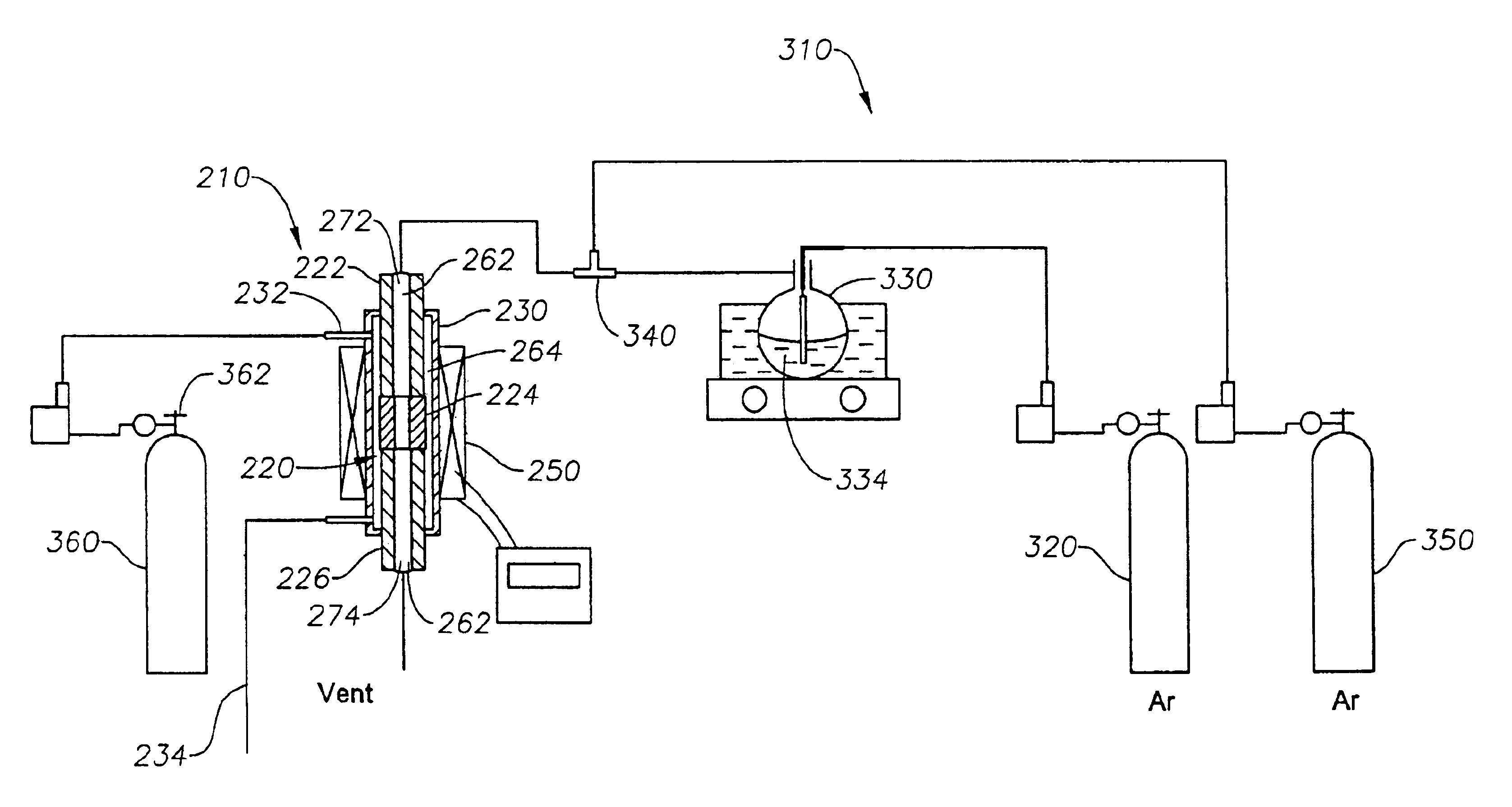
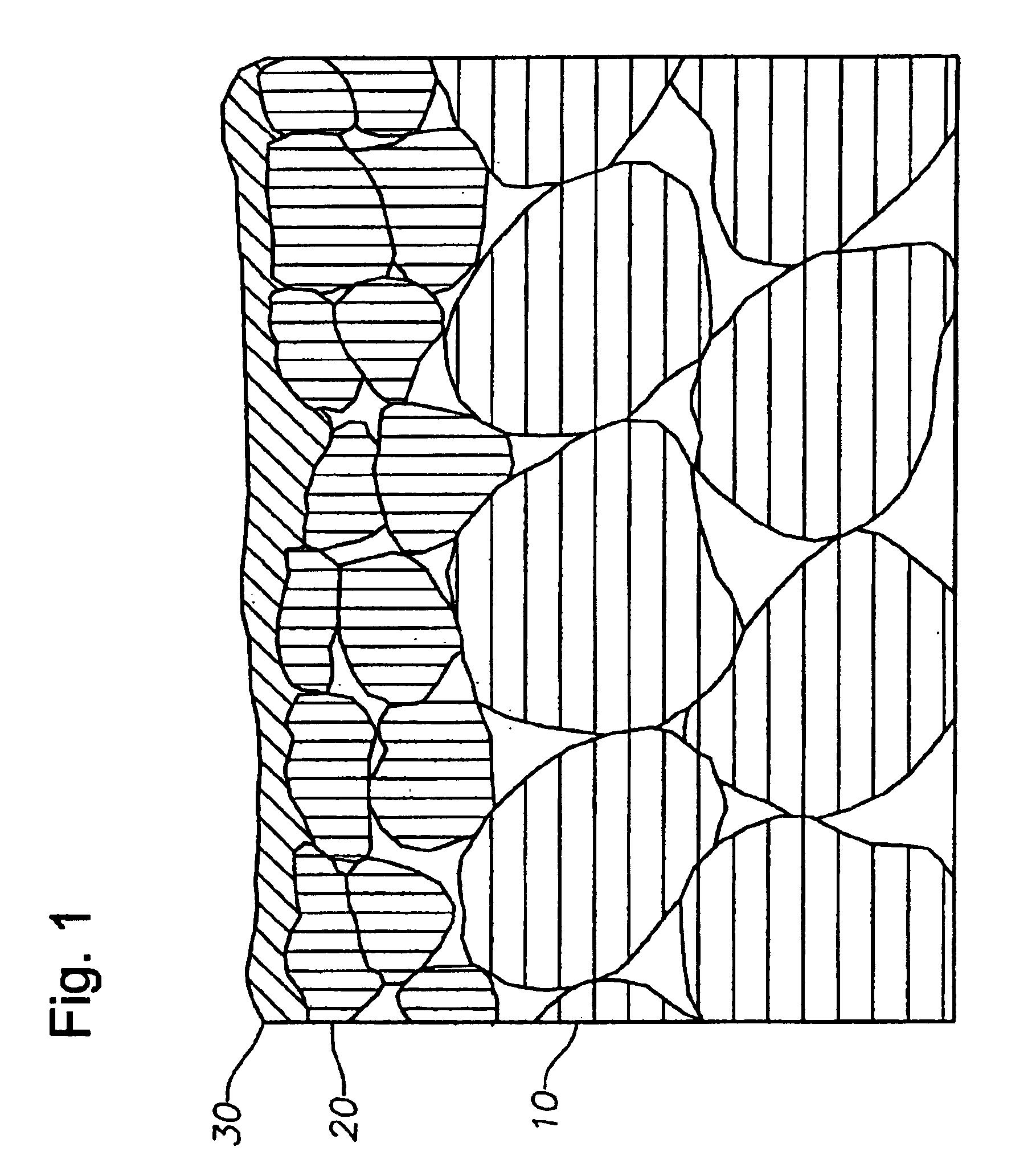
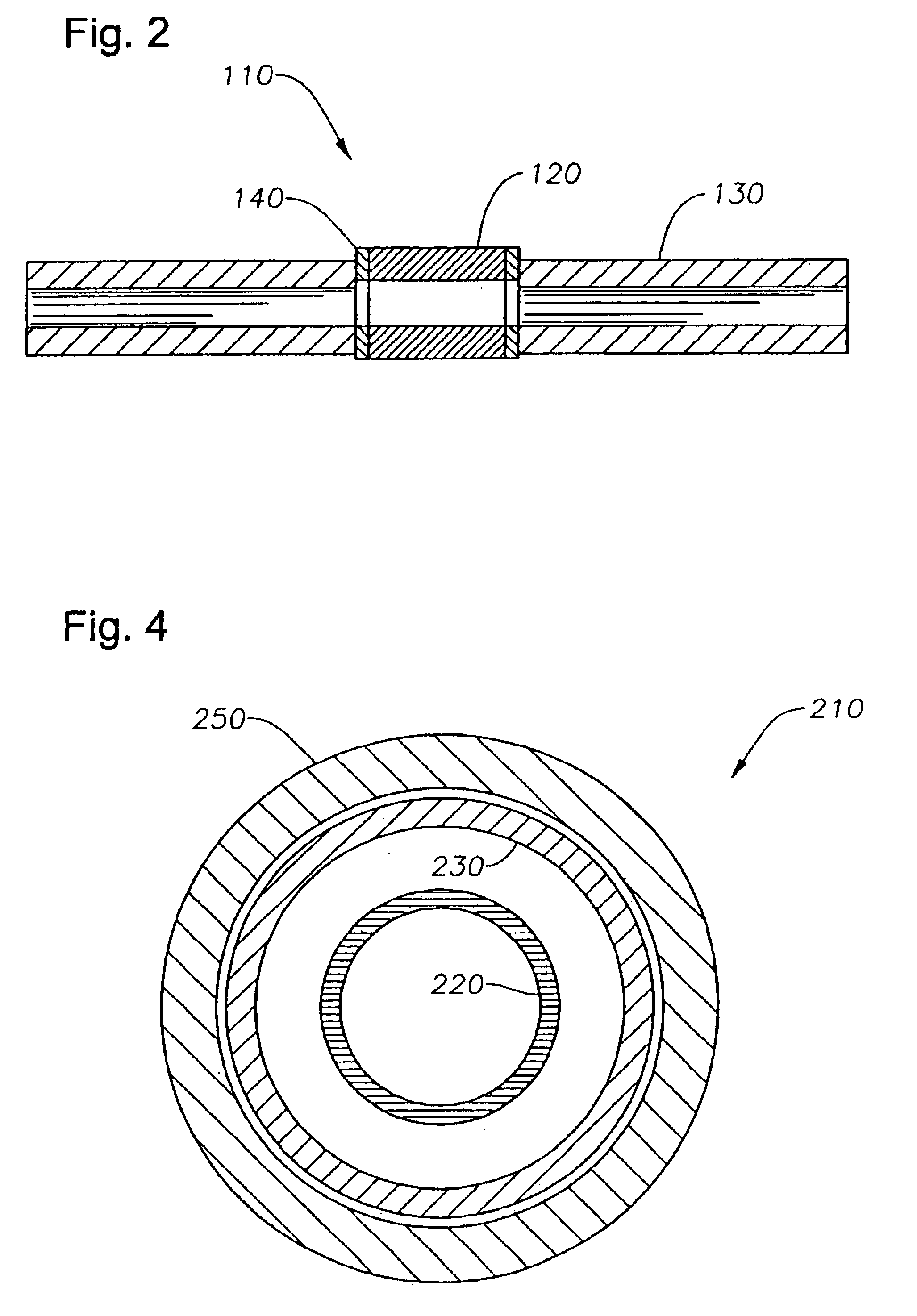
Hydrogen-selective silica-based membrane
PatentInactiveUS6854602B2
Innovation
- The development of permselective asymmetric membranes with a porous surface layer and substrate, deposited using chemical vapor deposition (CVD) with low CVD reactant gas concentrations, achieving high permeance and permselectivity for hydrogen while minimizing moisture susceptibility.

Environment control system utilizing an electrochemical cell
PatentActiveUS20240035173A1
Innovation
- An environment control system utilizing electrochemical cells, such as oxygen depletion and increase electrolyzer cells, coupled with dehumidification and humidification devices, to independently control oxygen concentration and humidity within enclosures, employing ionomer membranes and advanced configurations to optimize proton transport and moisture management.


Environmental Regulations for Membrane Process Applications
Environmental regulations governing membrane process applications have become increasingly stringent worldwide, particularly as membrane technologies gain broader adoption in water treatment, chemical separation, and industrial processing. These regulatory frameworks directly impact the implementation of high selectivity membranes designed to reduce back diffusion, as they establish performance standards, safety requirements, and environmental compliance criteria that must be met before commercial deployment.
The regulatory landscape varies significantly across different regions and applications. In the United States, the Environmental Protection Agency (EPA) oversees membrane-based water treatment systems through the Safe Drinking Water Act, establishing specific guidelines for membrane integrity, rejection rates, and monitoring protocols. European Union regulations under the Water Framework Directive and REACH (Registration, Evaluation, Authorization and Restriction of Chemicals) impose additional requirements on membrane materials and their environmental impact throughout the product lifecycle.
For industrial applications involving high selectivity membranes, regulations focus heavily on preventing environmental contamination through back diffusion phenomena. The Clean Air Act and Clean Water Act in the US, along with corresponding international standards, mandate specific performance thresholds for separation efficiency and containment of hazardous substances. These regulations often require demonstration of membrane selectivity ratios exceeding 1000:1 for critical separations and continuous monitoring of permeate quality to detect any signs of back diffusion.
Emerging regulations are increasingly addressing the environmental fate of membrane materials themselves. New guidelines require comprehensive lifecycle assessments for membrane manufacturing, operation, and disposal. This includes evaluation of polymer degradation products, potential microplastic generation, and end-of-life recycling protocols. Manufacturers must now provide detailed documentation of membrane composition, expected service life, and environmental impact assessments.
Compliance with these evolving regulatory requirements necessitates robust quality assurance programs, regular performance validation, and comprehensive documentation systems. Companies developing high selectivity membranes must integrate regulatory considerations into their design process from the earliest stages, ensuring that solutions for back diffusion reduction align with current and anticipated environmental standards while maintaining commercial viability.
The regulatory landscape varies significantly across different regions and applications. In the United States, the Environmental Protection Agency (EPA) oversees membrane-based water treatment systems through the Safe Drinking Water Act, establishing specific guidelines for membrane integrity, rejection rates, and monitoring protocols. European Union regulations under the Water Framework Directive and REACH (Registration, Evaluation, Authorization and Restriction of Chemicals) impose additional requirements on membrane materials and their environmental impact throughout the product lifecycle.
For industrial applications involving high selectivity membranes, regulations focus heavily on preventing environmental contamination through back diffusion phenomena. The Clean Air Act and Clean Water Act in the US, along with corresponding international standards, mandate specific performance thresholds for separation efficiency and containment of hazardous substances. These regulations often require demonstration of membrane selectivity ratios exceeding 1000:1 for critical separations and continuous monitoring of permeate quality to detect any signs of back diffusion.
Emerging regulations are increasingly addressing the environmental fate of membrane materials themselves. New guidelines require comprehensive lifecycle assessments for membrane manufacturing, operation, and disposal. This includes evaluation of polymer degradation products, potential microplastic generation, and end-of-life recycling protocols. Manufacturers must now provide detailed documentation of membrane composition, expected service life, and environmental impact assessments.
Compliance with these evolving regulatory requirements necessitates robust quality assurance programs, regular performance validation, and comprehensive documentation systems. Companies developing high selectivity membranes must integrate regulatory considerations into their design process from the earliest stages, ensuring that solutions for back diffusion reduction align with current and anticipated environmental standards while maintaining commercial viability.
Economic Feasibility of High Performance Membrane Systems
The economic feasibility of high-performance membrane systems for reducing back diffusion represents a critical factor in determining widespread industrial adoption. Initial capital expenditure analysis reveals that high selectivity membranes typically command premium pricing compared to conventional separation technologies, with costs ranging from 15-40% higher depending on membrane material and manufacturing complexity. However, this upfront investment must be evaluated against long-term operational benefits and performance improvements.
Operating cost advantages emerge through several key mechanisms. High selectivity membranes demonstrate superior separation efficiency, reducing energy consumption by 20-35% compared to traditional systems through lower pressure requirements and reduced recycle streams. The enhanced selectivity minimizes product loss due to back diffusion, directly improving yield and reducing raw material costs. Additionally, these systems often require fewer processing stages, simplifying plant design and reducing auxiliary equipment needs.
Return on investment calculations indicate favorable economics for applications with high-value products or stringent purity requirements. In pharmaceutical and specialty chemical applications, the improved product recovery and reduced contamination risks can justify premium membrane costs within 18-24 months. For commodity applications, payback periods extend to 3-4 years but remain attractive given typical equipment lifecycles of 10-15 years.
Market analysis suggests declining membrane costs as manufacturing scales increase and new materials enter commercial production. Advanced polymer chemistries and novel fabrication techniques are driving cost reductions of 8-12% annually while simultaneously improving performance metrics. This trend enhances the economic attractiveness of high-performance membrane systems across broader application ranges.
Total cost of ownership assessments must incorporate maintenance requirements, membrane replacement frequency, and system reliability. High selectivity membranes often demonstrate extended operational lifespans due to reduced fouling and chemical degradation, offsetting higher initial costs through reduced replacement frequency and improved system uptime.
Operating cost advantages emerge through several key mechanisms. High selectivity membranes demonstrate superior separation efficiency, reducing energy consumption by 20-35% compared to traditional systems through lower pressure requirements and reduced recycle streams. The enhanced selectivity minimizes product loss due to back diffusion, directly improving yield and reducing raw material costs. Additionally, these systems often require fewer processing stages, simplifying plant design and reducing auxiliary equipment needs.
Return on investment calculations indicate favorable economics for applications with high-value products or stringent purity requirements. In pharmaceutical and specialty chemical applications, the improved product recovery and reduced contamination risks can justify premium membrane costs within 18-24 months. For commodity applications, payback periods extend to 3-4 years but remain attractive given typical equipment lifecycles of 10-15 years.
Market analysis suggests declining membrane costs as manufacturing scales increase and new materials enter commercial production. Advanced polymer chemistries and novel fabrication techniques are driving cost reductions of 8-12% annually while simultaneously improving performance metrics. This trend enhances the economic attractiveness of high-performance membrane systems across broader application ranges.
Total cost of ownership assessments must incorporate maintenance requirements, membrane replacement frequency, and system reliability. High selectivity membranes often demonstrate extended operational lifespans due to reduced fouling and chemical degradation, offsetting higher initial costs through reduced replacement frequency and improved system uptime.
Unlock deeper insights with PatSnap Eureka Quick Research — get a full tech report to explore trends and direct your research. Try now!
Generate Your Research Report Instantly with AI Agent
Supercharge your innovation with PatSnap Eureka AI Agent Platform!