

Optimize Microporous Membranes for High Filter Precision
JUN 9, 202610 MIN READ
Generate Your Research Report Instantly with AI Agent
PatSnap Eureka helps you evaluate technical feasibility & market potential.
Microporous Membrane Technology Background and Precision Goals
Microporous membrane technology has emerged as a critical component in modern filtration systems, with its origins tracing back to the 1960s when synthetic polymer membranes were first developed for industrial applications. The technology has evolved from simple cellulose-based filters to sophisticated engineered materials capable of achieving sub-micron precision. Early developments focused primarily on basic separation processes, but contemporary applications demand unprecedented levels of filtration accuracy across diverse industries including pharmaceuticals, biotechnology, electronics manufacturing, and water treatment.
The fundamental principle underlying microporous membranes involves the creation of precisely controlled pore structures that enable selective separation based on molecular size, shape, and chemical properties. These membranes typically feature pore diameters ranging from 0.1 to 10 micrometers, with the most advanced systems achieving filtration precision at the nanometer scale. The technology has progressed through several evolutionary phases, from asymmetric membranes to composite structures incorporating multiple functional layers.
Current precision goals in microporous membrane optimization center on achieving consistent pore size distribution with minimal deviation, typically targeting coefficients of variation below 10% for critical applications. The industry standard for high-precision filtration now demands membranes capable of absolute retention ratings, meaning 100% rejection of particles above specified size thresholds. Advanced applications in semiconductor manufacturing require even stricter specifications, with some processes demanding particle retention efficiency exceeding 99.9999% for contaminants larger than 0.02 micrometers.
The technological trajectory has been driven by increasing demands for sterile filtration in pharmaceutical manufacturing, where membrane integrity directly impacts product safety and regulatory compliance. Similarly, the electronics industry's push toward smaller device geometries has necessitated ultra-clean manufacturing environments, placing extraordinary demands on filtration precision. These applications have established new benchmarks for membrane performance, including enhanced chemical compatibility, thermal stability, and mechanical durability while maintaining exceptional filtration accuracy.
Contemporary research focuses on developing next-generation membranes that combine multiple separation mechanisms, including size exclusion, electrostatic interactions, and surface chemistry modifications. The integration of nanotechnology has opened new possibilities for creating membranes with precisely engineered surface properties and pore architectures, enabling unprecedented control over filtration selectivity and efficiency.
The fundamental principle underlying microporous membranes involves the creation of precisely controlled pore structures that enable selective separation based on molecular size, shape, and chemical properties. These membranes typically feature pore diameters ranging from 0.1 to 10 micrometers, with the most advanced systems achieving filtration precision at the nanometer scale. The technology has progressed through several evolutionary phases, from asymmetric membranes to composite structures incorporating multiple functional layers.
Current precision goals in microporous membrane optimization center on achieving consistent pore size distribution with minimal deviation, typically targeting coefficients of variation below 10% for critical applications. The industry standard for high-precision filtration now demands membranes capable of absolute retention ratings, meaning 100% rejection of particles above specified size thresholds. Advanced applications in semiconductor manufacturing require even stricter specifications, with some processes demanding particle retention efficiency exceeding 99.9999% for contaminants larger than 0.02 micrometers.
The technological trajectory has been driven by increasing demands for sterile filtration in pharmaceutical manufacturing, where membrane integrity directly impacts product safety and regulatory compliance. Similarly, the electronics industry's push toward smaller device geometries has necessitated ultra-clean manufacturing environments, placing extraordinary demands on filtration precision. These applications have established new benchmarks for membrane performance, including enhanced chemical compatibility, thermal stability, and mechanical durability while maintaining exceptional filtration accuracy.
Contemporary research focuses on developing next-generation membranes that combine multiple separation mechanisms, including size exclusion, electrostatic interactions, and surface chemistry modifications. The integration of nanotechnology has opened new possibilities for creating membranes with precisely engineered surface properties and pore architectures, enabling unprecedented control over filtration selectivity and efficiency.
Market Demand for High-Precision Filtration Applications
The global demand for high-precision filtration applications has experienced unprecedented growth across multiple industrial sectors, driven by increasingly stringent quality standards and regulatory requirements. Pharmaceutical manufacturing represents one of the most critical market segments, where microporous membranes must achieve sterile filtration with absolute retention ratings to ensure drug safety and efficacy. The biotechnology industry similarly demands ultra-precise filtration for cell culture media, protein purification, and vaccine production processes.
Water treatment applications constitute another substantial market driver, particularly in semiconductor manufacturing where ultrapure water requirements necessitate filtration precision at the nanometer scale. Municipal water treatment facilities increasingly adopt advanced membrane technologies to remove emerging contaminants and meet evolving drinking water standards. Industrial process water applications across chemical, food, and beverage industries further expand market opportunities.
The semiconductor and electronics manufacturing sectors present rapidly growing demand for high-precision filtration solutions. Critical process steps including photoresist filtration, chemical mechanical planarization, and cleanroom air filtration require membranes capable of removing particles smaller than traditional filtration technologies can address. Advanced packaging technologies and miniaturization trends continuously push precision requirements to new levels.
Healthcare applications beyond pharmaceutical manufacturing drive significant market expansion. Medical device sterilization, laboratory diagnostics, and point-of-care testing devices increasingly rely on microporous membranes for reliable separation and purification processes. The growing emphasis on personalized medicine and decentralized healthcare delivery creates new application scenarios requiring portable, high-performance filtration solutions.
Environmental monitoring and remediation applications represent emerging market opportunities. Air quality monitoring systems, industrial emission control, and contaminated site remediation projects require specialized filtration technologies capable of capturing specific molecular species with high selectivity and efficiency.
Market growth is further accelerated by regulatory pressures across industries. Pharmaceutical regulations continue tightening validation requirements for filtration processes, while environmental regulations drive adoption of advanced treatment technologies. Food safety standards increasingly mandate precise filtration for beverage clarification and ingredient purification processes.
The convergence of multiple technological trends creates additional market momentum. Nanotechnology applications, advanced materials processing, and emerging energy storage technologies all require filtration solutions that exceed current performance capabilities, establishing clear market pull for optimized microporous membrane technologies.
Water treatment applications constitute another substantial market driver, particularly in semiconductor manufacturing where ultrapure water requirements necessitate filtration precision at the nanometer scale. Municipal water treatment facilities increasingly adopt advanced membrane technologies to remove emerging contaminants and meet evolving drinking water standards. Industrial process water applications across chemical, food, and beverage industries further expand market opportunities.
The semiconductor and electronics manufacturing sectors present rapidly growing demand for high-precision filtration solutions. Critical process steps including photoresist filtration, chemical mechanical planarization, and cleanroom air filtration require membranes capable of removing particles smaller than traditional filtration technologies can address. Advanced packaging technologies and miniaturization trends continuously push precision requirements to new levels.
Healthcare applications beyond pharmaceutical manufacturing drive significant market expansion. Medical device sterilization, laboratory diagnostics, and point-of-care testing devices increasingly rely on microporous membranes for reliable separation and purification processes. The growing emphasis on personalized medicine and decentralized healthcare delivery creates new application scenarios requiring portable, high-performance filtration solutions.
Environmental monitoring and remediation applications represent emerging market opportunities. Air quality monitoring systems, industrial emission control, and contaminated site remediation projects require specialized filtration technologies capable of capturing specific molecular species with high selectivity and efficiency.
Market growth is further accelerated by regulatory pressures across industries. Pharmaceutical regulations continue tightening validation requirements for filtration processes, while environmental regulations drive adoption of advanced treatment technologies. Food safety standards increasingly mandate precise filtration for beverage clarification and ingredient purification processes.
The convergence of multiple technological trends creates additional market momentum. Nanotechnology applications, advanced materials processing, and emerging energy storage technologies all require filtration solutions that exceed current performance capabilities, establishing clear market pull for optimized microporous membrane technologies.
Current State and Challenges in Microporous Membrane Performance
Microporous membranes have achieved significant technological maturity in recent decades, with pore sizes ranging from 0.1 to 10 micrometers enabling precise separation applications across water treatment, pharmaceutical processing, and biotechnology sectors. Current manufacturing techniques including phase inversion, track-etching, and electrospinning have established reliable production pathways for various membrane materials such as polyvinylidene fluoride, polyethersulfone, and ceramic composites.
Despite these advances, contemporary microporous membranes face substantial performance limitations that constrain their filtration precision capabilities. Pore size distribution remains a critical challenge, with most commercial membranes exhibiting coefficient of variation values exceeding 20-30%, leading to inconsistent filtration outcomes and reduced selectivity for target particles or molecules.
Membrane fouling represents another significant obstacle, particularly in high-precision applications where even minor pore blockage can dramatically impact separation efficiency. Current anti-fouling strategies, including surface modification and hydrophilic coatings, provide only temporary solutions and often compromise mechanical integrity or chemical compatibility.
The trade-off between permeability and selectivity continues to limit optimal performance. Achieving higher filtration precision typically requires smaller or more uniform pores, which inevitably reduces flux rates and increases operational costs. This fundamental constraint affects economic viability in large-scale applications where both precision and throughput are essential.
Manufacturing scalability poses additional challenges for high-precision microporous membranes. Laboratory-scale production methods that achieve superior pore uniformity often cannot be economically translated to industrial manufacturing, creating a gap between research achievements and commercial availability.
Mechanical stability under varying operational conditions remains problematic, with many high-precision membranes exhibiting reduced performance under pressure fluctuations, temperature variations, or chemical exposure. This limitation restricts their application in demanding industrial environments where consistent performance is crucial.
Current characterization methods also present challenges, as traditional techniques like bubble point testing or mercury intrusion porosimetry provide limited information about actual filtration performance under operational conditions. This measurement gap complicates quality control and performance optimization efforts.
The integration of microporous membranes into existing filtration systems often requires significant infrastructure modifications, increasing implementation costs and complexity. Compatibility issues with standard housing designs, sealing mechanisms, and cleaning protocols further complicate adoption in established industrial processes.
Despite these advances, contemporary microporous membranes face substantial performance limitations that constrain their filtration precision capabilities. Pore size distribution remains a critical challenge, with most commercial membranes exhibiting coefficient of variation values exceeding 20-30%, leading to inconsistent filtration outcomes and reduced selectivity for target particles or molecules.
Membrane fouling represents another significant obstacle, particularly in high-precision applications where even minor pore blockage can dramatically impact separation efficiency. Current anti-fouling strategies, including surface modification and hydrophilic coatings, provide only temporary solutions and often compromise mechanical integrity or chemical compatibility.
The trade-off between permeability and selectivity continues to limit optimal performance. Achieving higher filtration precision typically requires smaller or more uniform pores, which inevitably reduces flux rates and increases operational costs. This fundamental constraint affects economic viability in large-scale applications where both precision and throughput are essential.
Manufacturing scalability poses additional challenges for high-precision microporous membranes. Laboratory-scale production methods that achieve superior pore uniformity often cannot be economically translated to industrial manufacturing, creating a gap between research achievements and commercial availability.
Mechanical stability under varying operational conditions remains problematic, with many high-precision membranes exhibiting reduced performance under pressure fluctuations, temperature variations, or chemical exposure. This limitation restricts their application in demanding industrial environments where consistent performance is crucial.
Current characterization methods also present challenges, as traditional techniques like bubble point testing or mercury intrusion porosimetry provide limited information about actual filtration performance under operational conditions. This measurement gap complicates quality control and performance optimization efforts.
The integration of microporous membranes into existing filtration systems often requires significant infrastructure modifications, increasing implementation costs and complexity. Compatibility issues with standard housing designs, sealing mechanisms, and cleaning protocols further complicate adoption in established industrial processes.
Existing Solutions for Enhancing Membrane Filter Precision
01 Membrane structure and pore size control
The precision of microporous membrane filters is fundamentally determined by the control of pore size distribution and membrane structure. Advanced manufacturing techniques allow for precise control of pore dimensions at the microscale level, ensuring consistent filtration performance. The membrane structure can be optimized through various methods including phase inversion, stretching, and template-based approaches to achieve uniform pore distribution and enhanced filtration accuracy.- Membrane structure and pore size control: Microporous membranes achieve precise filtration through controlled pore size distribution and membrane structure design. The membrane structure can be optimized through various manufacturing processes to create uniform pore sizes that enable accurate separation of particles based on size exclusion principles. Advanced manufacturing techniques allow for the creation of membranes with specific pore geometries and interconnected pore networks that enhance filtration precision.
- Surface modification and functionalization: Surface treatment and chemical modification of microporous membranes can significantly improve their filtration precision and selectivity. Various surface functionalization techniques can be employed to alter the membrane's surface properties, including hydrophilicity, charge characteristics, and chemical affinity. These modifications enable enhanced particle capture efficiency and improved separation performance for specific applications.
- Multi-layer membrane systems: Multi-layered membrane configurations enhance filtration precision by combining different membrane types or pore sizes in a single filtration system. These systems can provide graduated filtration where larger particles are removed in initial layers while finer particles are captured in subsequent layers. The layered approach allows for optimized flow rates while maintaining high precision filtration performance.
- Membrane testing and characterization methods: Precise measurement and characterization of membrane performance is essential for ensuring filtration accuracy. Various testing methodologies are employed to evaluate pore size distribution, bubble point, flow rate, and particle retention efficiency. Advanced characterization techniques enable quality control and validation of membrane performance specifications for critical filtration applications.
- Application-specific membrane design: Microporous membranes can be specifically designed and optimized for particular filtration applications requiring high precision. Different applications may require unique membrane properties such as chemical compatibility, temperature resistance, or specific particle size cutoffs. Customized membrane formulations and manufacturing processes enable the development of specialized filtration solutions for demanding precision applications.
02 Surface modification and functionalization
Surface treatment and chemical modification of microporous membranes significantly enhance their filtration precision and selectivity. Various functionalization techniques can be applied to modify surface properties, improve particle retention, and reduce fouling. These modifications help achieve better separation efficiency and maintain consistent performance over extended use periods.Expand Specific Solutions03 Multi-layer membrane configurations
Advanced microporous filter designs utilize multi-layer membrane structures to achieve superior filtration precision. These configurations combine different membrane layers with varying pore sizes and properties to create gradient filtration systems. The layered approach allows for progressive particle separation and enhanced overall filtration efficiency while maintaining high throughput rates.Expand Specific Solutions04 Precision measurement and testing methods
Accurate assessment of microporous membrane filter precision requires sophisticated measurement and testing methodologies. Various techniques are employed to characterize pore size distribution, bubble point testing, and particle retention efficiency. These methods ensure quality control and validate the filtration performance of microporous membranes across different applications.Expand Specific Solutions05 Manufacturing process optimization
The precision of microporous membrane filters is heavily dependent on optimized manufacturing processes that control polymer composition, processing conditions, and post-treatment procedures. Advanced production techniques ensure reproducible membrane properties and consistent filtration performance. Process parameters such as temperature, pressure, and solvent systems are carefully controlled to achieve desired pore characteristics and membrane integrity.Expand Specific Solutions
Key Players in Microporous Membrane and Filtration Industry
The microporous membrane optimization market is experiencing robust growth driven by increasing demand for high-precision filtration across healthcare, energy storage, and industrial applications. The industry has reached a mature development stage with established players like Celgard LLC, 3M Innovative Properties, and Asahi Kasei demonstrating advanced manufacturing capabilities in polyolefin and specialty membrane technologies. Market leaders including FUJIFILM Corp., Teijin Ltd., and Sartorius Stedim Biotech have achieved significant technological maturity through proprietary dry-stretch processes and multi-layer membrane architectures. The competitive landscape spans from specialized membrane manufacturers like EMD Millipore Corp. and Sumitomo Electric Fine Polymer to diversified technology companies, with emerging Chinese players such as Shenzhen Senior Technology and Beijing Sino Membrane Technology rapidly advancing their technical capabilities and market presence.
Celgard LLC
Technical Solution: Celgard develops microporous membranes primarily for battery separator applications using dry-process stretching technology. Their approach involves creating controlled microporous structures in polyethylene and polypropylene films through precise mechanical stretching and annealing processes. The company achieves pore sizes of 0.03-0.1 micrometers with porosity levels of 35-45%, optimized for ionic conductivity while maintaining mechanical integrity. Their technology includes shutdown functionality where pores close at elevated temperatures for safety applications. Manufacturing processes incorporate advanced web handling and quality control systems for consistent membrane properties.
Strengths: Proven scalability for high-volume production and strong expertise in polymer processing. Weaknesses: Technology primarily optimized for battery applications with limited diversification into other filtration markets.
Teijin Ltd.
Technical Solution: Teijin develops microporous membranes using advanced polymer engineering and precision manufacturing technologies for various industrial applications. Their approach combines proprietary polymer chemistry with controlled phase separation techniques to create uniform pore structures ranging from 0.1 to 5 micrometers. The company utilizes multi-step stretching processes and thermal treatment to optimize pore morphology and mechanical properties. Their technology includes surface functionalization methods to enhance selectivity and anti-fouling characteristics. Manufacturing processes incorporate advanced quality control systems and real-time monitoring to ensure consistent membrane performance across different production scales.
Strengths: Diversified application portfolio and strong materials science expertise with established manufacturing capabilities. Weaknesses: Less specialized focus on ultra-high precision filtration compared to dedicated membrane companies.
Core Innovations in Microporous Structure Optimization
Microporous filter membrane, method of making microporous filter membrane and separator employing microporous filter membranes
PatentInactiveUS7442303B2
Innovation
- A monolithic polymeric filter membrane with a thin filter layer and a thicker support layer, featuring precision-shaped pores and a porous support structure, allowing for high porosity without fragility, and the ability to be flexible and robust, suitable for various filtration applications, including the Autopheresis-C® device.
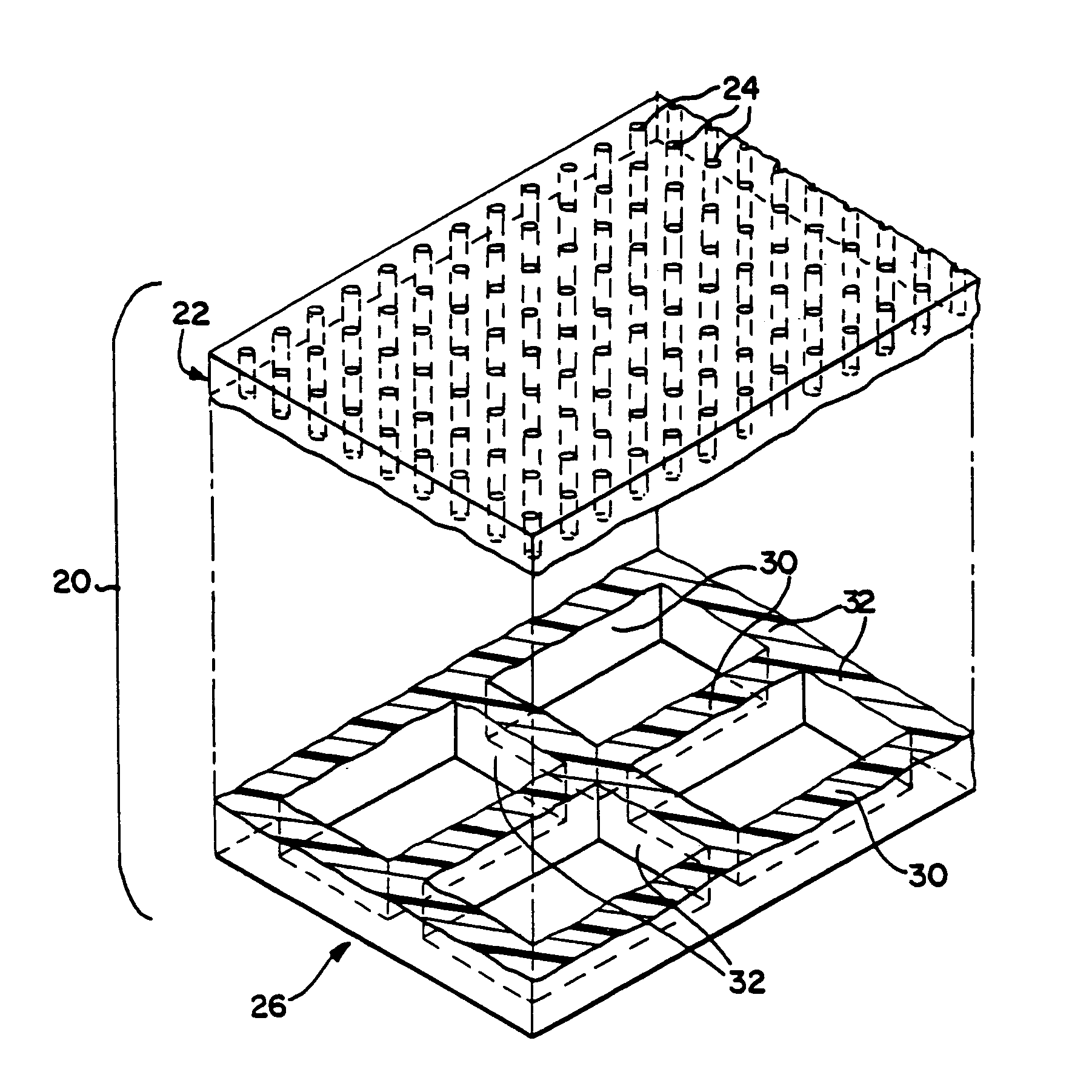
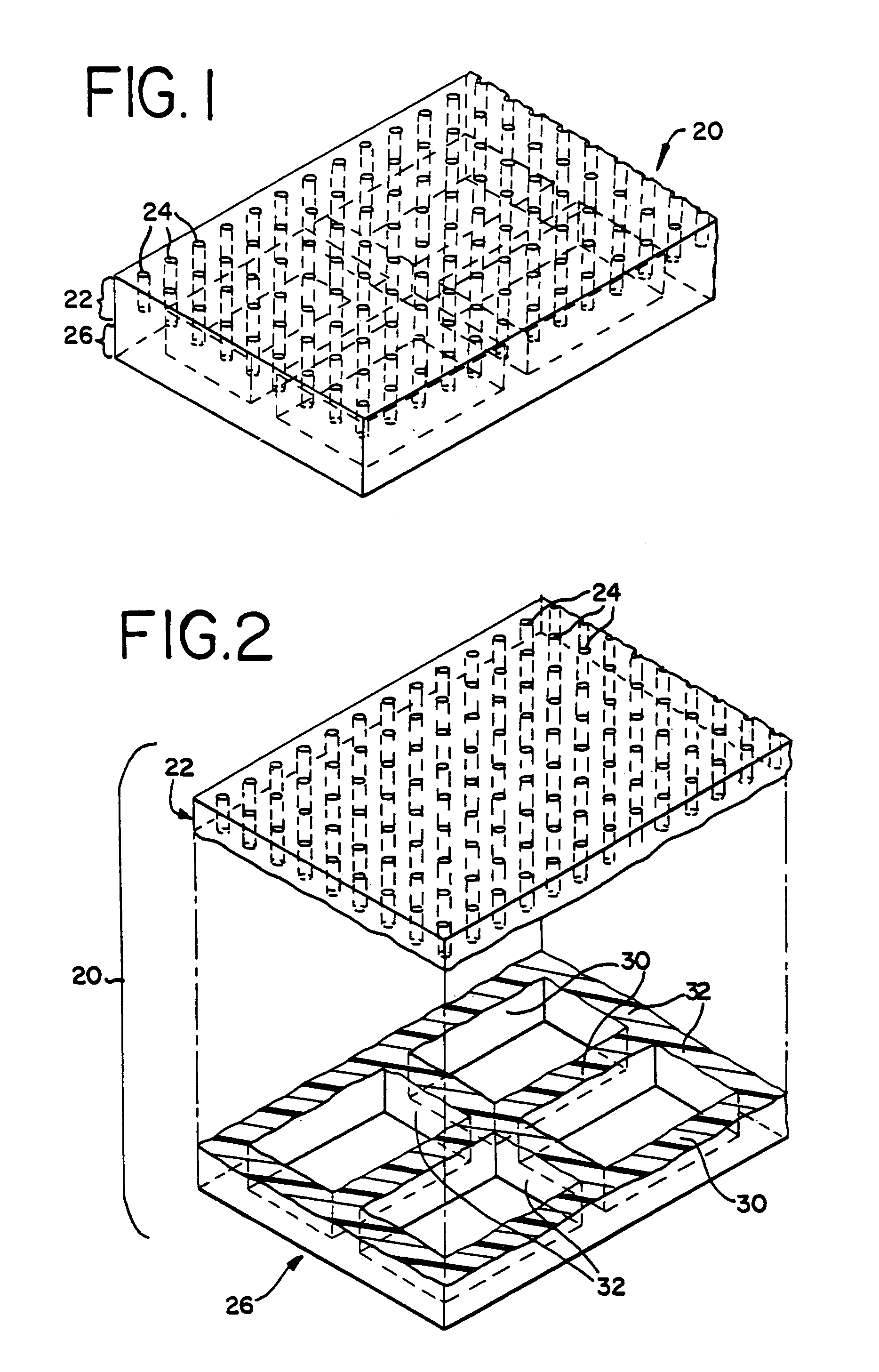
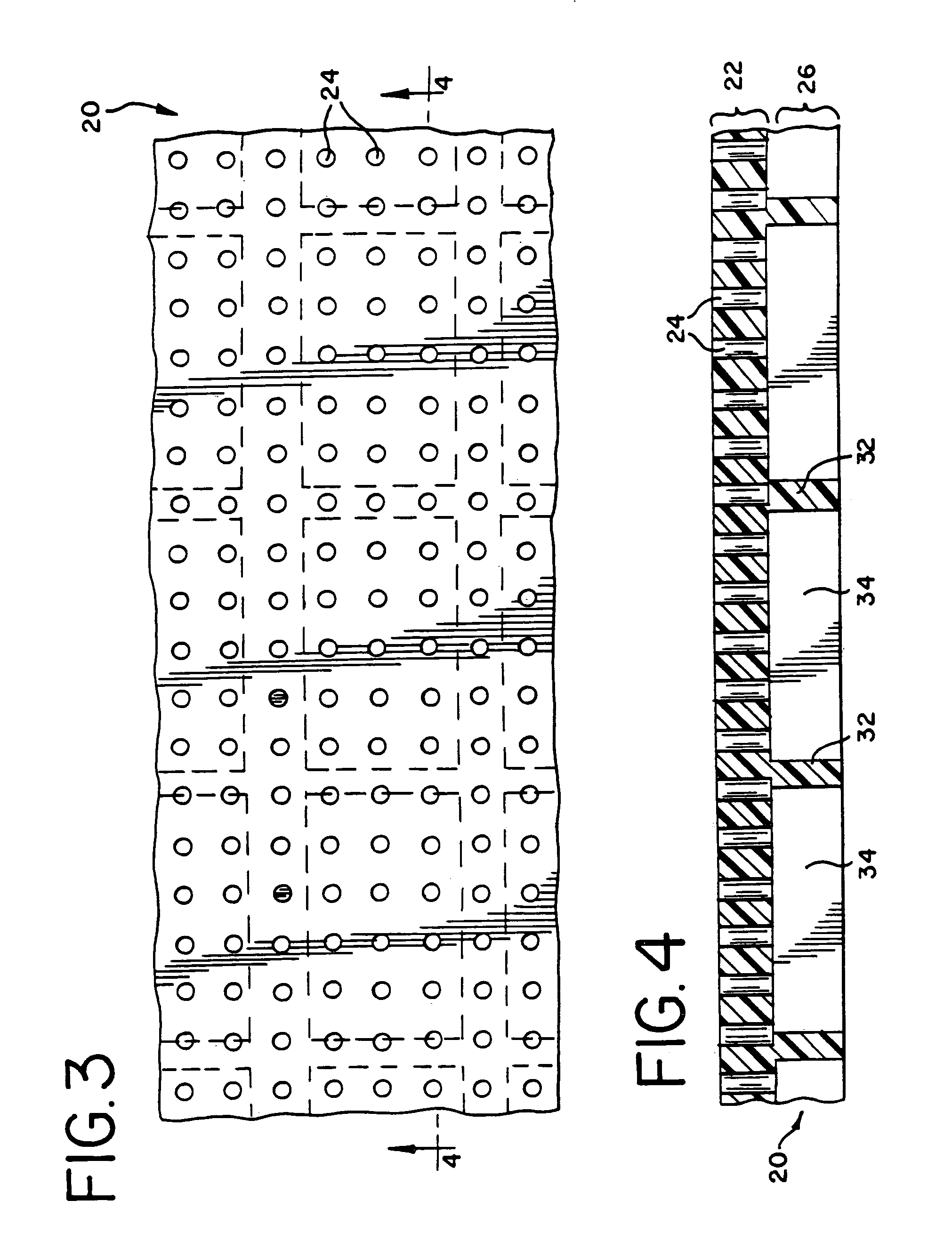

Membranes with precision Nanopores and Method for Manufacture Thereof
PatentPendingUS20250262598A1
Innovation
- Precision nanopore membranes (PNMs) with straight, perpendicular nanopores directly connecting membrane surfaces, allowing for reduced membrane thickness and lower operating pressures, enhancing permeability and selectivity.


Environmental Impact Assessment of Membrane Production
The production of microporous membranes for high-precision filtration applications presents significant environmental considerations that must be carefully evaluated throughout the manufacturing lifecycle. Traditional membrane fabrication processes often rely on organic solvents, particularly N-methyl-2-pyrrolidone (NMP) and dimethylformamide (DMF), which pose substantial environmental risks due to their toxicity and persistence in ecosystems. These solvents are essential for polymer dissolution and phase inversion processes but require extensive treatment and recovery systems to minimize environmental discharge.
Energy consumption represents another critical environmental factor in membrane production. The manufacturing process typically involves multiple energy-intensive steps, including polymer synthesis, solution preparation, casting, phase inversion, and post-treatment procedures. Thermal treatment processes for membrane stabilization and pore structure optimization can consume significant amounts of energy, contributing to carbon footprint concerns. Advanced membrane materials, such as ceramic or mixed-matrix membranes, often require high-temperature sintering processes that further increase energy demands.
Water usage and wastewater generation constitute major environmental challenges in membrane manufacturing. The production process generates substantial volumes of contaminated water containing residual solvents, unreacted monomers, and processing aids. Treatment of this wastewater requires sophisticated purification systems to meet environmental discharge standards. Additionally, the washing and cleaning steps necessary for achieving high filter precision generate additional wastewater streams that must be properly managed.
Raw material sourcing and chemical consumption patterns significantly influence the overall environmental impact. The production of high-performance polymers often involves petroleum-based feedstocks and complex chemical synthesis routes that generate various byproducts and emissions. Specialty additives used to enhance membrane performance, such as pore-forming agents and surface modifiers, may introduce additional environmental concerns related to their production and disposal.
Waste generation and end-of-life considerations present ongoing environmental challenges. Manufacturing defects and quality control processes generate membrane waste that requires appropriate disposal or recycling methods. The durability and recyclability of microporous membranes vary significantly depending on material composition and cross-linking density, affecting long-term environmental sustainability.
Emerging green manufacturing approaches are being developed to address these environmental concerns, including solvent-free fabrication methods, bio-based polymer alternatives, and closed-loop production systems that minimize waste generation and resource consumption while maintaining the high precision requirements essential for advanced filtration applications.
Energy consumption represents another critical environmental factor in membrane production. The manufacturing process typically involves multiple energy-intensive steps, including polymer synthesis, solution preparation, casting, phase inversion, and post-treatment procedures. Thermal treatment processes for membrane stabilization and pore structure optimization can consume significant amounts of energy, contributing to carbon footprint concerns. Advanced membrane materials, such as ceramic or mixed-matrix membranes, often require high-temperature sintering processes that further increase energy demands.
Water usage and wastewater generation constitute major environmental challenges in membrane manufacturing. The production process generates substantial volumes of contaminated water containing residual solvents, unreacted monomers, and processing aids. Treatment of this wastewater requires sophisticated purification systems to meet environmental discharge standards. Additionally, the washing and cleaning steps necessary for achieving high filter precision generate additional wastewater streams that must be properly managed.
Raw material sourcing and chemical consumption patterns significantly influence the overall environmental impact. The production of high-performance polymers often involves petroleum-based feedstocks and complex chemical synthesis routes that generate various byproducts and emissions. Specialty additives used to enhance membrane performance, such as pore-forming agents and surface modifiers, may introduce additional environmental concerns related to their production and disposal.
Waste generation and end-of-life considerations present ongoing environmental challenges. Manufacturing defects and quality control processes generate membrane waste that requires appropriate disposal or recycling methods. The durability and recyclability of microporous membranes vary significantly depending on material composition and cross-linking density, affecting long-term environmental sustainability.
Emerging green manufacturing approaches are being developed to address these environmental concerns, including solvent-free fabrication methods, bio-based polymer alternatives, and closed-loop production systems that minimize waste generation and resource consumption while maintaining the high precision requirements essential for advanced filtration applications.
Quality Standards and Testing Protocols for Filter Precision
The establishment of comprehensive quality standards for microporous membrane filter precision requires adherence to multiple international frameworks. ISO 13408 series provides fundamental guidelines for sterile filtration validation, while ASTM F316 defines standard test methods for pore size characteristics. The pharmaceutical industry relies heavily on FDA guidance documents, particularly those addressing sterilizing grade filters with 0.2 μm retention capabilities. European Pharmacopoeia standards complement these requirements by establishing specific criteria for bacterial retention and integrity testing protocols.
Pore size distribution testing represents the cornerstone of filter precision evaluation. Bubble point testing, conducted according to ASTM F316, measures the largest pore diameter by determining the pressure required to displace wetting liquid from membrane pores. Mercury intrusion porosimetry offers detailed pore size distribution analysis across the entire membrane structure, providing critical data for precision optimization. Liquid-liquid displacement porometry enables accurate measurement of through-pore characteristics, essential for understanding filtration performance under operational conditions.
Bacterial challenge testing validates the biological retention capabilities of microporous membranes. The standard protocol employs Brevundimonas diminuta at concentrations exceeding 10^7 CFU per square centimeter of membrane surface. This testing must demonstrate complete retention without breakthrough, confirming the membrane's sterilizing grade classification. Additional challenges using smaller organisms like bacteriophages provide enhanced validation for critical applications requiring absolute sterility assurance.
Integrity testing protocols ensure membrane performance throughout operational lifecycles. Forward flow testing measures the volumetric flow rate of gas through wetted membranes at specified pressures, indicating overall membrane integrity. Diffusion flow testing provides more sensitive detection of membrane defects by measuring gas diffusion rates through water-wetted membranes. These non-destructive tests enable real-time monitoring of membrane condition during filtration processes.
Physical characterization testing encompasses mechanical strength evaluation, including tensile strength, elongation at break, and burst pressure measurements. Thickness uniformity testing ensures consistent membrane structure across the entire surface area. Surface roughness analysis correlates with particle retention efficiency and membrane fouling characteristics. Chemical compatibility testing validates membrane stability under various pH conditions, temperature ranges, and solvent exposures typical of intended applications.
Standardized testing environments require controlled temperature and humidity conditions, typically maintained at 23±2°C and 50±5% relative humidity. Calibrated instrumentation with traceable standards ensures measurement accuracy and reproducibility. Documentation protocols must include detailed test procedures, acceptance criteria, and statistical analysis methods for quality assurance compliance across manufacturing batches.
Pore size distribution testing represents the cornerstone of filter precision evaluation. Bubble point testing, conducted according to ASTM F316, measures the largest pore diameter by determining the pressure required to displace wetting liquid from membrane pores. Mercury intrusion porosimetry offers detailed pore size distribution analysis across the entire membrane structure, providing critical data for precision optimization. Liquid-liquid displacement porometry enables accurate measurement of through-pore characteristics, essential for understanding filtration performance under operational conditions.
Bacterial challenge testing validates the biological retention capabilities of microporous membranes. The standard protocol employs Brevundimonas diminuta at concentrations exceeding 10^7 CFU per square centimeter of membrane surface. This testing must demonstrate complete retention without breakthrough, confirming the membrane's sterilizing grade classification. Additional challenges using smaller organisms like bacteriophages provide enhanced validation for critical applications requiring absolute sterility assurance.
Integrity testing protocols ensure membrane performance throughout operational lifecycles. Forward flow testing measures the volumetric flow rate of gas through wetted membranes at specified pressures, indicating overall membrane integrity. Diffusion flow testing provides more sensitive detection of membrane defects by measuring gas diffusion rates through water-wetted membranes. These non-destructive tests enable real-time monitoring of membrane condition during filtration processes.
Physical characterization testing encompasses mechanical strength evaluation, including tensile strength, elongation at break, and burst pressure measurements. Thickness uniformity testing ensures consistent membrane structure across the entire surface area. Surface roughness analysis correlates with particle retention efficiency and membrane fouling characteristics. Chemical compatibility testing validates membrane stability under various pH conditions, temperature ranges, and solvent exposures typical of intended applications.
Standardized testing environments require controlled temperature and humidity conditions, typically maintained at 23±2°C and 50±5% relative humidity. Calibrated instrumentation with traceable standards ensures measurement accuracy and reproducibility. Documentation protocols must include detailed test procedures, acceptance criteria, and statistical analysis methods for quality assurance compliance across manufacturing batches.
Unlock deeper insights with PatSnap Eureka Quick Research — get a full tech report to explore trends and direct your research. Try now!
Generate Your Research Report Instantly with AI Agent
Supercharge your innovation with PatSnap Eureka AI Agent Platform!