How to Secure Synchronous Generators from Overloading
JAN 7, 20269 MIN READ
Generate Your Research Report Instantly with AI Agent
Patsnap Eureka helps you evaluate technical feasibility & market potential.
Synchronous Generator Protection Background and Objectives
Synchronous generators serve as the backbone of modern electrical power systems, converting mechanical energy into electrical energy for industrial facilities, power plants, and distributed generation systems. These machines operate at a constant speed synchronized with the grid frequency, making them indispensable for maintaining power system stability. However, their continuous operation under varying load conditions exposes them to significant risks, particularly overloading scenarios that can lead to catastrophic failures, extended downtime, and substantial economic losses.
The evolution of synchronous generator protection has paralleled the growth of electrical power systems over the past century. Early protection schemes relied on simple thermal overload relays and fuses, which provided basic safeguarding but lacked the sophistication to address complex fault conditions. As power systems expanded and became more interconnected, the need for advanced protection mechanisms became evident. The transition from electromechanical relays to solid-state devices in the 1970s marked a significant milestone, followed by the introduction of microprocessor-based protection systems in the 1990s that enabled real-time monitoring and adaptive protection strategies.
Overloading occurs when a generator operates beyond its rated capacity for extended periods, resulting in excessive heating of stator windings, rotor components, and associated cooling systems. This thermal stress accelerates insulation degradation, reduces operational lifespan, and increases the probability of sudden failures. The challenge intensifies in modern power systems where renewable energy integration, load fluctuations, and grid instability create unpredictable operating conditions that traditional protection schemes struggle to address effectively.
The primary objective of contemporary synchronous generator protection is to establish comprehensive safeguarding mechanisms that detect incipient overload conditions before they escalate into critical failures. This involves implementing multi-layered protection strategies that monitor electrical parameters, thermal conditions, and mechanical stresses in real-time. Advanced protection systems aim to balance operational flexibility with equipment safety, enabling generators to handle transient overloads while preventing sustained operation beyond safe thermal limits.
Furthermore, the integration of digital technologies and artificial intelligence into protection systems represents the current frontier in generator protection research. These innovations seek to enhance predictive capabilities, reduce false tripping incidents, and optimize generator utilization while maintaining robust protection against overloading conditions across diverse operating scenarios.
The evolution of synchronous generator protection has paralleled the growth of electrical power systems over the past century. Early protection schemes relied on simple thermal overload relays and fuses, which provided basic safeguarding but lacked the sophistication to address complex fault conditions. As power systems expanded and became more interconnected, the need for advanced protection mechanisms became evident. The transition from electromechanical relays to solid-state devices in the 1970s marked a significant milestone, followed by the introduction of microprocessor-based protection systems in the 1990s that enabled real-time monitoring and adaptive protection strategies.
Overloading occurs when a generator operates beyond its rated capacity for extended periods, resulting in excessive heating of stator windings, rotor components, and associated cooling systems. This thermal stress accelerates insulation degradation, reduces operational lifespan, and increases the probability of sudden failures. The challenge intensifies in modern power systems where renewable energy integration, load fluctuations, and grid instability create unpredictable operating conditions that traditional protection schemes struggle to address effectively.
The primary objective of contemporary synchronous generator protection is to establish comprehensive safeguarding mechanisms that detect incipient overload conditions before they escalate into critical failures. This involves implementing multi-layered protection strategies that monitor electrical parameters, thermal conditions, and mechanical stresses in real-time. Advanced protection systems aim to balance operational flexibility with equipment safety, enabling generators to handle transient overloads while preventing sustained operation beyond safe thermal limits.
Furthermore, the integration of digital technologies and artificial intelligence into protection systems represents the current frontier in generator protection research. These innovations seek to enhance predictive capabilities, reduce false tripping incidents, and optimize generator utilization while maintaining robust protection against overloading conditions across diverse operating scenarios.
Market Demand for Generator Overload Protection Systems
The global demand for generator overload protection systems is experiencing sustained growth driven by the expansion of power generation infrastructure and the increasing complexity of electrical grids. Industrial sectors including manufacturing, oil and gas, mining, and data centers represent primary market segments where synchronous generators operate continuously under varying load conditions. These facilities require robust protection mechanisms to prevent equipment damage, minimize downtime, and ensure operational continuity. The rising adoption of distributed generation systems and the integration of renewable energy sources into existing grids have further amplified the need for advanced overload protection solutions capable of handling dynamic load fluctuations.
Emerging markets in Asia-Pacific and the Middle East are witnessing accelerated infrastructure development, particularly in power generation and heavy industries, creating substantial demand for generator protection technologies. Aging power infrastructure in developed regions such as North America and Europe necessitates modernization efforts, driving replacement and upgrade cycles for outdated protection systems. Regulatory frameworks mandating enhanced grid reliability and equipment safety standards are compelling operators to invest in sophisticated monitoring and protection technologies.
The market is increasingly favoring intelligent protection systems that integrate real-time monitoring, predictive analytics, and automated response capabilities. End users are seeking solutions that not only prevent overload conditions but also provide diagnostic insights and enable proactive maintenance strategies. The shift toward digitalization in power systems has created opportunities for protection systems incorporating IoT connectivity, cloud-based analytics, and machine learning algorithms for anomaly detection.
Small and medium-sized power generation facilities represent an underserved market segment with growing awareness of overload risks and their financial implications. The total cost of ownership considerations, including equipment longevity and maintenance expenses, are influencing purchasing decisions toward comprehensive protection solutions. Market demand is also shaped by the increasing frequency of extreme weather events and grid instability, which elevate the risk of abnormal operating conditions requiring enhanced protective measures.
Emerging markets in Asia-Pacific and the Middle East are witnessing accelerated infrastructure development, particularly in power generation and heavy industries, creating substantial demand for generator protection technologies. Aging power infrastructure in developed regions such as North America and Europe necessitates modernization efforts, driving replacement and upgrade cycles for outdated protection systems. Regulatory frameworks mandating enhanced grid reliability and equipment safety standards are compelling operators to invest in sophisticated monitoring and protection technologies.
The market is increasingly favoring intelligent protection systems that integrate real-time monitoring, predictive analytics, and automated response capabilities. End users are seeking solutions that not only prevent overload conditions but also provide diagnostic insights and enable proactive maintenance strategies. The shift toward digitalization in power systems has created opportunities for protection systems incorporating IoT connectivity, cloud-based analytics, and machine learning algorithms for anomaly detection.
Small and medium-sized power generation facilities represent an underserved market segment with growing awareness of overload risks and their financial implications. The total cost of ownership considerations, including equipment longevity and maintenance expenses, are influencing purchasing decisions toward comprehensive protection solutions. Market demand is also shaped by the increasing frequency of extreme weather events and grid instability, which elevate the risk of abnormal operating conditions requiring enhanced protective measures.
Current Overload Challenges in Synchronous Generators
Synchronous generators face multiple overload challenges that can compromise their operational integrity and longevity. Thermal overload represents the most prevalent concern, occurring when excessive current flow generates heat beyond the cooling system's capacity to dissipate. This condition primarily affects stator windings, where prolonged exposure to elevated temperatures accelerates insulation degradation and increases the risk of catastrophic failure. The thermal time constant of large generators typically ranges from several minutes to hours, making rapid detection and response critical.
Mechanical overload presents another significant challenge, manifesting when the prime mover delivers torque exceeding the generator's rated capacity. This condition induces excessive mechanical stress on shaft components, bearings, and coupling systems, potentially leading to torsional vibrations and structural fatigue. The dynamic nature of grid disturbances can cause sudden torque fluctuations that challenge the mechanical integrity of the entire drive train.
Electrical overload scenarios emerge from various grid conditions, including sudden load increases, fault conditions, and asymmetrical loading. These situations create unbalanced magnetic forces within the generator, producing additional heating in specific winding sections and rotor components. The challenge intensifies when considering that modern power systems demand increased flexibility, requiring generators to operate across wider loading ranges and respond rapidly to grid frequency variations.
Transient overload conditions pose particularly complex challenges. Short-circuit faults can generate currents exceeding ten times the rated value within milliseconds, creating enormous electromagnetic forces that stress both electrical and mechanical components simultaneously. The cumulative effect of repeated transient events, even when individually within acceptable limits, can progressively degrade generator components through thermal cycling and mechanical fatigue.
Current protection systems often struggle with distinguishing between permissible temporary overloads and dangerous sustained conditions. The coordination between thermal capacity, mechanical limits, and electrical protection settings requires sophisticated monitoring and control strategies. Additionally, aging infrastructure and the integration of renewable energy sources introduce new overload patterns that traditional protection schemes may not adequately address, necessitating advanced solutions for comprehensive generator protection.
Mechanical overload presents another significant challenge, manifesting when the prime mover delivers torque exceeding the generator's rated capacity. This condition induces excessive mechanical stress on shaft components, bearings, and coupling systems, potentially leading to torsional vibrations and structural fatigue. The dynamic nature of grid disturbances can cause sudden torque fluctuations that challenge the mechanical integrity of the entire drive train.
Electrical overload scenarios emerge from various grid conditions, including sudden load increases, fault conditions, and asymmetrical loading. These situations create unbalanced magnetic forces within the generator, producing additional heating in specific winding sections and rotor components. The challenge intensifies when considering that modern power systems demand increased flexibility, requiring generators to operate across wider loading ranges and respond rapidly to grid frequency variations.
Transient overload conditions pose particularly complex challenges. Short-circuit faults can generate currents exceeding ten times the rated value within milliseconds, creating enormous electromagnetic forces that stress both electrical and mechanical components simultaneously. The cumulative effect of repeated transient events, even when individually within acceptable limits, can progressively degrade generator components through thermal cycling and mechanical fatigue.
Current protection systems often struggle with distinguishing between permissible temporary overloads and dangerous sustained conditions. The coordination between thermal capacity, mechanical limits, and electrical protection settings requires sophisticated monitoring and control strategies. Additionally, aging infrastructure and the integration of renewable energy sources introduce new overload patterns that traditional protection schemes may not adequately address, necessitating advanced solutions for comprehensive generator protection.
Existing Overload Protection Solutions for Synchronous Generators
01 Overload protection circuits and devices for synchronous generators
Protection circuits and devices are designed to detect overload conditions in synchronous generators and take corrective actions. These systems monitor parameters such as current, voltage, and temperature to identify when the generator is operating beyond its rated capacity. Upon detection of overload conditions, the protection system can trigger alarms, reduce load, or disconnect the generator to prevent damage. Such protection mechanisms are essential for maintaining generator reliability and preventing catastrophic failures.- Overload protection circuits and devices for synchronous generators: Protection circuits and devices are designed to detect overload conditions in synchronous generators and take corrective actions. These systems monitor parameters such as current, voltage, and temperature to identify when the generator is operating beyond its rated capacity. Upon detection of overload conditions, the protection system can trigger alarms, reduce load, or disconnect the generator to prevent damage. Such protection mechanisms are essential for maintaining the reliability and longevity of synchronous generators in various applications.
- Control systems for managing generator load distribution: Advanced control systems are employed to manage and distribute loads across synchronous generators to prevent overloading. These systems utilize real-time monitoring and intelligent algorithms to balance power distribution among multiple generators or adjust the load dynamically based on operating conditions. The control mechanisms can automatically redistribute loads when one generator approaches its capacity limit, ensuring optimal performance and preventing overload situations. This approach is particularly useful in power plants and distributed generation systems.
- Cooling and thermal management systems for overload conditions: Enhanced cooling and thermal management systems are implemented to handle the increased heat generation during overload conditions in synchronous generators. These systems include improved ventilation designs, advanced cooling fans, heat exchangers, and temperature monitoring devices. By efficiently dissipating heat generated during temporary overload situations, these thermal management solutions allow generators to operate safely at higher loads for limited periods without sustaining damage. The cooling systems can be automatically activated or intensified when overload conditions are detected.
- Structural reinforcement and design improvements for handling overloads: Structural modifications and design enhancements are incorporated into synchronous generators to improve their ability to withstand overload conditions. These improvements include reinforced rotor and stator structures, enhanced winding insulation, upgraded bearing systems, and strengthened mechanical components. The design modifications allow generators to handle short-term overloads without mechanical failure or excessive wear. Such structural enhancements are particularly important for generators used in applications where temporary overload conditions are expected or unavoidable.
- Monitoring and diagnostic systems for overload detection: Sophisticated monitoring and diagnostic systems are integrated into synchronous generators to continuously assess operating conditions and detect potential overload situations. These systems employ sensors to measure electrical parameters, mechanical vibrations, temperature variations, and other critical indicators. Advanced data processing and analysis techniques, including predictive algorithms, enable early detection of overload conditions before they cause damage. The diagnostic systems can provide real-time alerts to operators and automatically log data for maintenance planning and performance optimization.
02 Cooling systems for overload management in synchronous generators
Enhanced cooling systems are implemented to manage heat generated during overload conditions in synchronous generators. These systems may include improved ventilation designs, liquid cooling circuits, or advanced heat dissipation structures. Effective cooling allows generators to handle temporary overload conditions without sustaining damage to windings or other critical components. The cooling systems help extend the operational life of generators and improve their overload capacity.Expand Specific Solutions03 Control systems for load balancing and overload prevention
Advanced control systems are employed to balance loads and prevent overload conditions in synchronous generators. These systems utilize real-time monitoring and intelligent algorithms to distribute loads evenly and adjust generator output accordingly. The control systems can predict potential overload situations and take preemptive measures such as load shedding or activating auxiliary power sources. Such systems enhance the operational efficiency and safety of synchronous generators in various applications.Expand Specific Solutions04 Structural reinforcement and design improvements for overload tolerance
Structural modifications and design enhancements are implemented to improve the overload tolerance of synchronous generators. These improvements may include reinforced rotor and stator designs, upgraded insulation materials, and optimized winding configurations. The enhanced structural integrity allows generators to withstand higher mechanical and thermal stresses during overload conditions. Such design improvements contribute to increased reliability and extended service life under demanding operational conditions.Expand Specific Solutions05 Monitoring and diagnostic systems for overload detection
Comprehensive monitoring and diagnostic systems are integrated into synchronous generators to detect and analyze overload conditions. These systems continuously measure operational parameters and use data analytics to identify abnormal operating conditions. The diagnostic capabilities enable early detection of potential overload situations, allowing operators to take corrective actions before damage occurs. Advanced monitoring systems may also provide predictive maintenance insights to optimize generator performance and prevent unexpected failures.Expand Specific Solutions
Key Players in Generator Protection Equipment Market
The synchronous generator overload protection market is experiencing steady growth driven by increasing power generation capacity and grid modernization initiatives globally. The industry is transitioning from mature electromechanical protection systems toward advanced digital and intelligent solutions, with market expansion fueled by renewable energy integration and industrial automation demands. Technology maturity varies significantly across players: established manufacturers like Siemens AG, Schneider Electric IT Corp., and Mitsubishi Electric Corp. offer comprehensive digital protection portfolios with proven track records, while Schweitzer Engineering Laboratories pioneered digital relay technology. Power generation specialists including Cummins Generator Technologies Ltd., Generac Power Systems, and Wärtsilä Finland Oy integrate protection systems into their generator offerings. State-owned enterprises such as State Grid Corp. of China and Korea Electric Power Corp. drive large-scale grid protection deployments. Component suppliers like OMRON Corp. and Fuji Electric Co. provide sensing and control elements, while engineering firms including FEV Group GmbH and Powerchina Chengdu Engineering Corp. deliver customized protection solutions, reflecting a competitive landscape spanning equipment manufacturers, utilities, and specialized technology providers.
Mitsubishi Electric Corp.
Technical Solution: Mitsubishi Electric provides integrated generator protection solutions through their MELPRO-D series digital relays combined with supervisory control systems. The overload protection strategy utilizes continuous monitoring of three-phase currents with thermal accumulation algorithms that account for cooling time constants specific to generator design. The system implements adaptive protection settings that adjust based on ambient temperature and cooling system status. Key features include stator thermal overload protection with I²t calculation, negative sequence overcurrent protection with K-factor compensation for rotor heating, and real-time capability curve monitoring that displays operating margin relative to generator capability limits. The solution integrates with their EcoWebServerIII platform for visualization and trending of loading patterns to support operational decision-making[3][9].
Strengths: Excellent integration with Mitsubishi automation systems; user-friendly interface; reliable performance in industrial applications. Weaknesses: Less flexible when integrating with third-party systems; limited advanced analytics compared to specialized vendors.
State Grid Corp. of China
Technical Solution: State Grid Corporation implements generator overload protection through standardized protection schemes deployed across their extensive power generation network. Their technical specifications require multi-stage overload protection including definite-time overcurrent protection, inverse-time thermal overload protection based on generator thermal capacity curves, and negative sequence current protection to limit rotor heating during unbalanced conditions. The protection philosophy incorporates coordination with upstream and downstream protective devices to ensure selective tripping. Advanced implementations include wide-area monitoring systems that aggregate data from multiple generating stations to optimize loading across the network and prevent localized overloading. The system utilizes IEC 61850 communication standards for interoperability and includes automatic generation control (AGC) functions that redistribute load when individual generators approach thermal limits[1][10].
Strengths: Proven reliability across large-scale power systems; standardized approach ensures consistency; strong integration with grid management systems. Weaknesses: Primarily focused on utility-scale applications; less adaptable to specialized industrial requirements; documentation primarily in Chinese.
Core Technologies in Overload Detection and Prevention
Apparatus and method for protecting synchronous generators against off-nominal frequency deviation and alternating forces excitation
PatentInactiveEP1320165B1
Innovation
- A linked electrical relay system that compares actual frequency and forcing signals with predetermined ranges and levels, alarming or tripping the generator to prevent damage from simultaneous occurrences of off-nominal frequency and alternating forces excitation.


Apparatus and method for providing protection for a synchronous electrical generator in a power system
PatentActiveUS7710693B2
Innovation
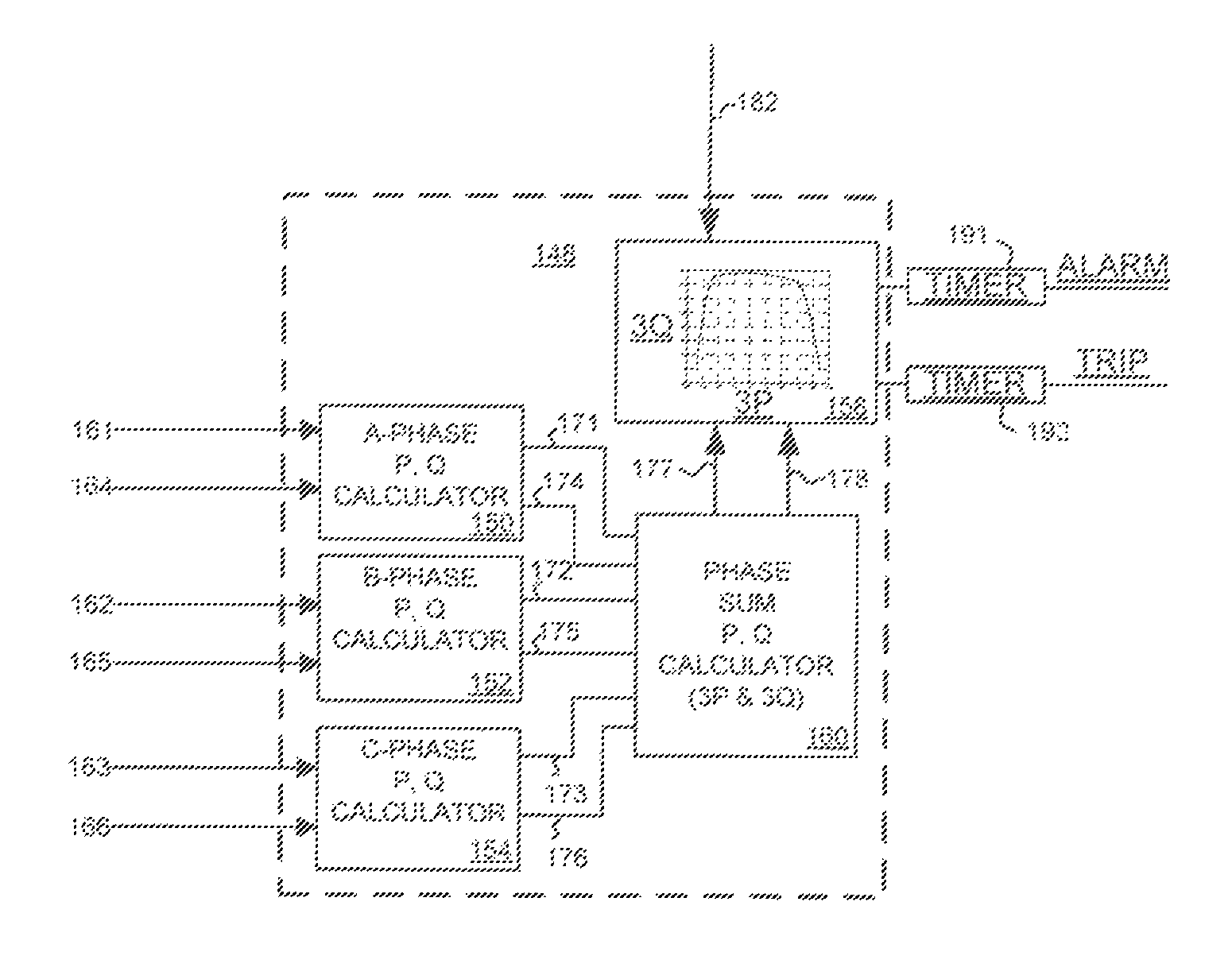
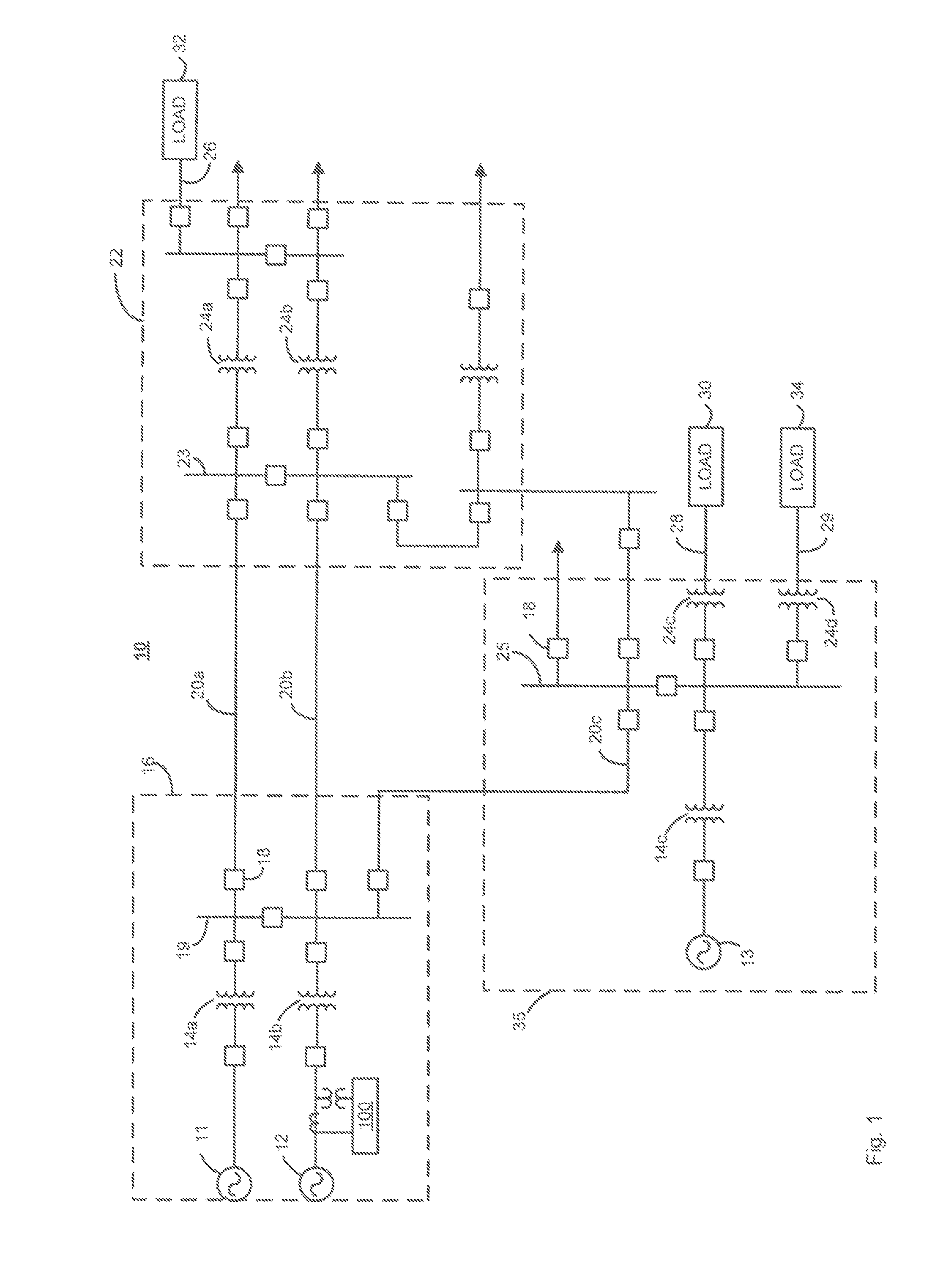
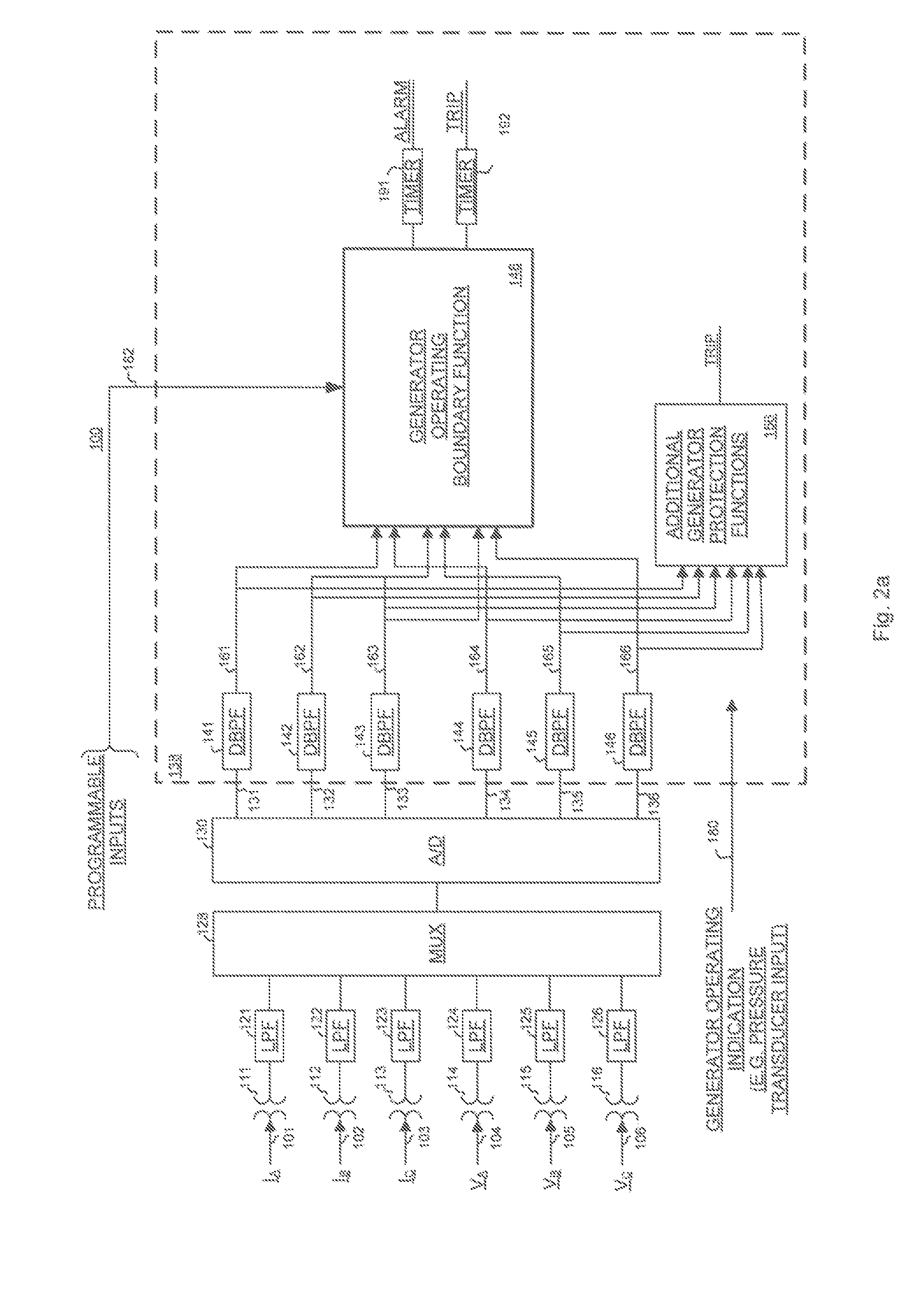
- A method and apparatus that derive and utilize generator safe operating boundary data expressions, such as quadratic equations, circle equations, or look-up tables, based on power system data to provide protection for synchronous generators, allowing for real-time comparison of active and reactive power values with predefined limits to prevent operational hazards.

Grid Code and Safety Standards for Generator Protection
Generator protection against overloading is fundamentally governed by a comprehensive framework of grid codes and safety standards established by international and regional regulatory bodies. These standards define the operational boundaries, protection requirements, and compliance criteria that synchronous generators must meet to ensure safe and reliable grid integration. The IEEE C37 series, IEC 60255 standards, and regional grid codes such as NERC reliability standards in North America and the European Network Code Requirements for Generators provide the foundational regulatory landscape for generator protection systems.
Grid codes typically specify mandatory protection functions including thermal overload protection, stator overcurrent protection, and rotor overload protection with defined time-current characteristics. These codes establish clear thresholds for permissible loading conditions, requiring generators to operate within specified capability curves that account for factors such as power factor, cooling system performance, and ambient temperature variations. Compliance with these standards necessitates the implementation of multi-stage protection schemes with coordinated time delays to distinguish between transient overloads and sustained fault conditions.
Safety standards mandate specific requirements for protection relay settings, redundancy levels, and fail-safe mechanisms. For instance, IEC 61850 defines communication protocols for digital protection systems, enabling real-time monitoring and coordinated response to overload conditions. Modern grid codes increasingly emphasize dynamic capability requirements, obligating generators to provide short-term overload capacity during grid disturbances while maintaining long-term thermal limits.
Certification and periodic testing procedures are integral components of these standards, requiring documented evidence of protection system performance through commissioning tests and routine maintenance protocols. Regulatory frameworks also define reporting obligations for protection system operations and mandate post-event analysis to continuously improve protection strategies. The harmonization of national grid codes with international standards remains an ongoing challenge, particularly for cross-border power systems where generators must simultaneously comply with multiple jurisdictional requirements.
Grid codes typically specify mandatory protection functions including thermal overload protection, stator overcurrent protection, and rotor overload protection with defined time-current characteristics. These codes establish clear thresholds for permissible loading conditions, requiring generators to operate within specified capability curves that account for factors such as power factor, cooling system performance, and ambient temperature variations. Compliance with these standards necessitates the implementation of multi-stage protection schemes with coordinated time delays to distinguish between transient overloads and sustained fault conditions.
Safety standards mandate specific requirements for protection relay settings, redundancy levels, and fail-safe mechanisms. For instance, IEC 61850 defines communication protocols for digital protection systems, enabling real-time monitoring and coordinated response to overload conditions. Modern grid codes increasingly emphasize dynamic capability requirements, obligating generators to provide short-term overload capacity during grid disturbances while maintaining long-term thermal limits.
Certification and periodic testing procedures are integral components of these standards, requiring documented evidence of protection system performance through commissioning tests and routine maintenance protocols. Regulatory frameworks also define reporting obligations for protection system operations and mandate post-event analysis to continuously improve protection strategies. The harmonization of national grid codes with international standards remains an ongoing challenge, particularly for cross-border power systems where generators must simultaneously comply with multiple jurisdictional requirements.
Predictive Maintenance and Smart Monitoring Systems
Predictive maintenance and smart monitoring systems represent a transformative approach to preventing synchronous generator overloading through advanced data analytics and real-time surveillance capabilities. These systems leverage the integration of Internet of Things sensors, artificial intelligence algorithms, and cloud-based platforms to continuously assess generator operating conditions and predict potential overload scenarios before they materialize. By collecting and analyzing vast amounts of operational data including electrical parameters, thermal signatures, vibration patterns, and load profiles, these intelligent systems can identify subtle anomalies that precede overload conditions, enabling proactive intervention rather than reactive responses.
The implementation of machine learning models within monitoring frameworks has significantly enhanced the accuracy of load forecasting and anomaly detection. These algorithms process historical operational data to establish baseline performance patterns and can detect deviations that indicate emerging stress conditions or degradation trends. Advanced neural networks and deep learning architectures are particularly effective in recognizing complex relationships between multiple operational variables, providing early warnings when generator loading approaches critical thresholds or when cooling system efficiency begins to decline.
Modern smart monitoring platforms incorporate digital twin technology, creating virtual replicas of physical generators that simulate real-time behavior under various operating scenarios. This capability allows operators to test different load management strategies and predict system responses without risking actual equipment. The digital twin continuously updates based on sensor feedback, ensuring that predictions remain accurate as equipment ages and operating conditions evolve.
Edge computing integration has become increasingly important in these systems, enabling local data processing and immediate decision-making without relying solely on cloud connectivity. This architecture ensures that critical protective actions can be initiated within milliseconds when dangerous conditions are detected, while still maintaining comprehensive data logging for long-term trend analysis and maintenance planning. The combination of edge and cloud computing creates a robust framework that balances response speed with analytical depth, ultimately providing comprehensive protection against generator overloading while optimizing operational efficiency and extending equipment lifespan.
The implementation of machine learning models within monitoring frameworks has significantly enhanced the accuracy of load forecasting and anomaly detection. These algorithms process historical operational data to establish baseline performance patterns and can detect deviations that indicate emerging stress conditions or degradation trends. Advanced neural networks and deep learning architectures are particularly effective in recognizing complex relationships between multiple operational variables, providing early warnings when generator loading approaches critical thresholds or when cooling system efficiency begins to decline.
Modern smart monitoring platforms incorporate digital twin technology, creating virtual replicas of physical generators that simulate real-time behavior under various operating scenarios. This capability allows operators to test different load management strategies and predict system responses without risking actual equipment. The digital twin continuously updates based on sensor feedback, ensuring that predictions remain accurate as equipment ages and operating conditions evolve.
Edge computing integration has become increasingly important in these systems, enabling local data processing and immediate decision-making without relying solely on cloud connectivity. This architecture ensures that critical protective actions can be initiated within milliseconds when dangerous conditions are detected, while still maintaining comprehensive data logging for long-term trend analysis and maintenance planning. The combination of edge and cloud computing creates a robust framework that balances response speed with analytical depth, ultimately providing comprehensive protection against generator overloading while optimizing operational efficiency and extending equipment lifespan.
Unlock deeper insights with Patsnap Eureka Quick Research — get a full tech report to explore trends and direct your research. Try now!
Generate Your Research Report Instantly with AI Agent
Supercharge your innovation with Patsnap Eureka AI Agent Platform!