How to Use SCADA Data for Long-Term Planning
MAR 13, 20269 MIN READ
Generate Your Research Report Instantly with AI Agent
PatSnap Eureka helps you evaluate technical feasibility & market potential.
SCADA Technology Background and Planning Objectives
SCADA (Supervisory Control and Data Acquisition) systems have evolved from simple monitoring tools into sophisticated data collection and control platforms that form the backbone of modern industrial operations. Originally developed in the 1960s for utility companies to monitor electrical grids, SCADA technology has expanded across manufacturing, oil and gas, water treatment, transportation, and telecommunications sectors. The system's core function involves real-time data acquisition from remote terminal units and programmable logic controllers, enabling centralized monitoring and control of distributed industrial processes.
The technological evolution of SCADA has been marked by significant milestones, transitioning from proprietary hardware-based systems to open, network-enabled platforms. Early SCADA implementations relied on dedicated communication lines and custom protocols, limiting scalability and interoperability. The integration of internet protocols, wireless communications, and cloud computing has transformed SCADA into a comprehensive Industrial Internet of Things platform capable of handling massive data volumes from thousands of sensors and devices.
Modern SCADA systems generate unprecedented amounts of operational data, including process variables, equipment status, alarm conditions, and performance metrics. This data wealth presents both opportunities and challenges for organizations seeking to leverage historical information for strategic planning purposes. The shift from reactive maintenance to predictive analytics represents a fundamental change in how industrial organizations approach asset management and operational optimization.
The primary objective of utilizing SCADA data for long-term planning centers on transforming operational intelligence into strategic business value. Organizations aim to extract actionable insights from historical performance data to optimize asset lifecycle management, predict equipment failures, and improve overall operational efficiency. This involves developing sophisticated analytics capabilities that can identify patterns, trends, and correlations within complex datasets spanning multiple years of operations.
Strategic planning objectives include establishing data-driven maintenance schedules, optimizing capital expenditure decisions, and enhancing regulatory compliance through comprehensive historical documentation. The integration of SCADA data with enterprise resource planning systems enables organizations to align operational performance with business objectives, supporting informed decision-making processes that extend beyond immediate operational concerns to encompass long-term strategic positioning and competitive advantage development.
The technological evolution of SCADA has been marked by significant milestones, transitioning from proprietary hardware-based systems to open, network-enabled platforms. Early SCADA implementations relied on dedicated communication lines and custom protocols, limiting scalability and interoperability. The integration of internet protocols, wireless communications, and cloud computing has transformed SCADA into a comprehensive Industrial Internet of Things platform capable of handling massive data volumes from thousands of sensors and devices.
Modern SCADA systems generate unprecedented amounts of operational data, including process variables, equipment status, alarm conditions, and performance metrics. This data wealth presents both opportunities and challenges for organizations seeking to leverage historical information for strategic planning purposes. The shift from reactive maintenance to predictive analytics represents a fundamental change in how industrial organizations approach asset management and operational optimization.
The primary objective of utilizing SCADA data for long-term planning centers on transforming operational intelligence into strategic business value. Organizations aim to extract actionable insights from historical performance data to optimize asset lifecycle management, predict equipment failures, and improve overall operational efficiency. This involves developing sophisticated analytics capabilities that can identify patterns, trends, and correlations within complex datasets spanning multiple years of operations.
Strategic planning objectives include establishing data-driven maintenance schedules, optimizing capital expenditure decisions, and enhancing regulatory compliance through comprehensive historical documentation. The integration of SCADA data with enterprise resource planning systems enables organizations to align operational performance with business objectives, supporting informed decision-making processes that extend beyond immediate operational concerns to encompass long-term strategic positioning and competitive advantage development.
Market Demand for SCADA-Based Long-Term Planning Solutions
The global market for SCADA-based long-term planning solutions is experiencing robust growth driven by increasing industrial automation and the critical need for predictive maintenance across multiple sectors. Manufacturing industries, particularly in automotive, pharmaceuticals, and food processing, are actively seeking advanced analytics platforms that can transform historical SCADA data into actionable long-term strategic insights. These organizations recognize that traditional reactive maintenance approaches are insufficient for maintaining competitive advantage in today's data-driven economy.
Energy and utilities sectors represent the largest market segment for SCADA-based planning solutions. Power generation companies, water treatment facilities, and oil and gas operators require sophisticated forecasting capabilities to optimize asset lifecycle management and predict infrastructure replacement needs. The aging infrastructure in developed markets creates substantial demand for solutions that can extend equipment lifespan through data-driven maintenance scheduling and capacity planning.
Smart city initiatives and infrastructure modernization programs are generating significant market opportunities. Municipal governments and public utilities are investing in integrated SCADA systems that support long-term urban planning, resource allocation, and service delivery optimization. These applications require advanced data analytics capabilities that can process years of operational data to inform policy decisions and infrastructure investments.
The transportation sector, including railways, airports, and port facilities, demonstrates growing adoption of SCADA-based planning tools. These organizations need comprehensive asset management solutions that can predict maintenance requirements, optimize operational efficiency, and support strategic expansion planning based on historical performance data and usage patterns.
Market demand is particularly strong for cloud-based solutions that offer scalability and integration capabilities with existing enterprise systems. Organizations seek platforms that can seamlessly connect SCADA data with business intelligence tools, enabling cross-functional teams to collaborate on long-term planning initiatives. The emphasis on sustainability and regulatory compliance further drives demand for solutions that can demonstrate environmental impact reduction and operational efficiency improvements through data-driven planning approaches.
Energy and utilities sectors represent the largest market segment for SCADA-based planning solutions. Power generation companies, water treatment facilities, and oil and gas operators require sophisticated forecasting capabilities to optimize asset lifecycle management and predict infrastructure replacement needs. The aging infrastructure in developed markets creates substantial demand for solutions that can extend equipment lifespan through data-driven maintenance scheduling and capacity planning.
Smart city initiatives and infrastructure modernization programs are generating significant market opportunities. Municipal governments and public utilities are investing in integrated SCADA systems that support long-term urban planning, resource allocation, and service delivery optimization. These applications require advanced data analytics capabilities that can process years of operational data to inform policy decisions and infrastructure investments.
The transportation sector, including railways, airports, and port facilities, demonstrates growing adoption of SCADA-based planning tools. These organizations need comprehensive asset management solutions that can predict maintenance requirements, optimize operational efficiency, and support strategic expansion planning based on historical performance data and usage patterns.
Market demand is particularly strong for cloud-based solutions that offer scalability and integration capabilities with existing enterprise systems. Organizations seek platforms that can seamlessly connect SCADA data with business intelligence tools, enabling cross-functional teams to collaborate on long-term planning initiatives. The emphasis on sustainability and regulatory compliance further drives demand for solutions that can demonstrate environmental impact reduction and operational efficiency improvements through data-driven planning approaches.
Current SCADA Data Analytics Capabilities and Challenges
Current SCADA systems demonstrate significant capabilities in real-time data collection and monitoring across industrial operations. Modern SCADA platforms can process thousands of data points per second, capturing critical parameters such as temperature, pressure, flow rates, and equipment status. These systems excel at immediate alarm generation, trend visualization, and basic statistical analysis for operational control purposes.
The analytical capabilities of contemporary SCADA systems include historical data trending, basic correlation analysis, and threshold-based alerting mechanisms. Many platforms integrate with advanced analytics engines that support predictive maintenance algorithms and performance optimization models. Data visualization tools within SCADA environments enable operators to identify patterns and anomalies through dashboards and graphical interfaces.
However, significant challenges persist in leveraging SCADA data for strategic planning applications. Data quality issues represent a primary obstacle, as sensor drift, calibration errors, and communication failures can compromise analytical accuracy. The heterogeneous nature of SCADA networks often results in data silos, where information from different subsystems remains isolated and difficult to integrate comprehensively.
Scalability limitations pose another critical challenge, particularly as industrial facilities expand their monitoring capabilities. Legacy SCADA architectures frequently struggle with the volume and velocity of data generated by modern IoT-enabled devices. Storage constraints and processing limitations can restrict the depth of historical analysis required for long-term planning initiatives.
The complexity of translating operational data into strategic insights remains a fundamental barrier. While SCADA systems excel at capturing what happened, they often lack sophisticated analytical frameworks to determine why events occurred or predict future scenarios. This gap between data collection and actionable intelligence limits the effectiveness of long-term planning efforts.
Cybersecurity concerns increasingly impact SCADA data analytics capabilities, as organizations must balance accessibility for analysis with protection against potential threats. Security protocols can restrict data sharing and limit integration with external analytical platforms, constraining the scope of possible insights.
Integration challenges with enterprise systems further complicate the analytical landscape. SCADA data often exists in formats incompatible with business intelligence tools, requiring complex transformation processes that can introduce delays and potential errors in strategic planning workflows.
The analytical capabilities of contemporary SCADA systems include historical data trending, basic correlation analysis, and threshold-based alerting mechanisms. Many platforms integrate with advanced analytics engines that support predictive maintenance algorithms and performance optimization models. Data visualization tools within SCADA environments enable operators to identify patterns and anomalies through dashboards and graphical interfaces.
However, significant challenges persist in leveraging SCADA data for strategic planning applications. Data quality issues represent a primary obstacle, as sensor drift, calibration errors, and communication failures can compromise analytical accuracy. The heterogeneous nature of SCADA networks often results in data silos, where information from different subsystems remains isolated and difficult to integrate comprehensively.
Scalability limitations pose another critical challenge, particularly as industrial facilities expand their monitoring capabilities. Legacy SCADA architectures frequently struggle with the volume and velocity of data generated by modern IoT-enabled devices. Storage constraints and processing limitations can restrict the depth of historical analysis required for long-term planning initiatives.
The complexity of translating operational data into strategic insights remains a fundamental barrier. While SCADA systems excel at capturing what happened, they often lack sophisticated analytical frameworks to determine why events occurred or predict future scenarios. This gap between data collection and actionable intelligence limits the effectiveness of long-term planning efforts.
Cybersecurity concerns increasingly impact SCADA data analytics capabilities, as organizations must balance accessibility for analysis with protection against potential threats. Security protocols can restrict data sharing and limit integration with external analytical platforms, constraining the scope of possible insights.
Integration challenges with enterprise systems further complicate the analytical landscape. SCADA data often exists in formats incompatible with business intelligence tools, requiring complex transformation processes that can introduce delays and potential errors in strategic planning workflows.
Current SCADA Data Integration and Analysis Methods
01 SCADA data collection and monitoring systems
Systems and methods for collecting, monitoring, and managing data from supervisory control and data acquisition (SCADA) systems. These solutions enable real-time data acquisition from industrial control systems, sensors, and field devices to monitor operational parameters and system performance. The collected data can be processed and analyzed to provide insights into system operations and facilitate decision-making processes.- SCADA data collection and monitoring systems: Systems and methods for collecting, monitoring, and managing data from supervisory control and data acquisition (SCADA) systems. These solutions enable real-time data acquisition from industrial control systems, sensors, and field devices to monitor operational parameters and system performance. The collected data can be processed and analyzed to provide insights into system operations and facilitate decision-making processes.
- SCADA data security and protection mechanisms: Technologies focused on securing SCADA data and protecting industrial control systems from unauthorized access, cyber threats, and data breaches. These solutions implement authentication protocols, encryption methods, and access control mechanisms to ensure the integrity and confidentiality of critical infrastructure data. Security measures are designed to prevent malicious attacks and maintain system reliability.
- SCADA data communication and transmission protocols: Methods and systems for transmitting SCADA data between control centers, remote terminal units, and field devices using various communication protocols and network architectures. These technologies enable efficient data exchange across distributed industrial systems, supporting both wired and wireless communication channels. The protocols ensure reliable and timely delivery of control commands and status information.
- SCADA data analysis and visualization tools: Software applications and platforms for analyzing, processing, and visualizing SCADA data to support operational decision-making and system optimization. These tools provide graphical interfaces, dashboards, and reporting capabilities that transform raw data into actionable insights. Advanced analytics features enable trend analysis, anomaly detection, and predictive maintenance capabilities.
- SCADA data storage and management infrastructure: Database systems and storage architectures designed specifically for managing large volumes of SCADA data with high availability and performance requirements. These solutions provide efficient data organization, retrieval mechanisms, and historical data archiving capabilities. The infrastructure supports long-term data retention for compliance, audit trails, and historical analysis purposes.
02 SCADA data security and protection mechanisms
Technologies focused on securing SCADA data and protecting industrial control systems from unauthorized access, cyber threats, and data breaches. These solutions implement authentication protocols, encryption methods, and access control mechanisms to ensure the integrity and confidentiality of critical infrastructure data. Security measures are designed to prevent malicious attacks and maintain system reliability.Expand Specific Solutions03 SCADA data communication and transmission protocols
Methods and systems for transmitting SCADA data between control centers, remote terminal units, and field devices using various communication protocols and network architectures. These technologies enable efficient data exchange across distributed control systems, supporting both wired and wireless communication channels. The protocols ensure reliable and timely delivery of control commands and status information.Expand Specific Solutions04 SCADA data analysis and visualization tools
Software applications and platforms for analyzing, processing, and visualizing SCADA data to support operational decision-making and system optimization. These tools provide graphical interfaces, dashboards, and reporting capabilities that transform raw data into actionable insights. Advanced analytics features enable trend analysis, anomaly detection, and predictive maintenance capabilities.Expand Specific Solutions05 SCADA data storage and management infrastructure
Database systems and storage architectures designed specifically for managing large volumes of SCADA data with high availability and performance requirements. These solutions provide efficient data storage, retrieval, and archiving capabilities while maintaining data integrity and supporting historical data analysis. The infrastructure supports scalable storage solutions that can handle continuous data streams from multiple sources.Expand Specific Solutions
Major SCADA Vendors and Industrial Automation Players
The SCADA data utilization for long-term planning market is experiencing rapid growth as industries increasingly recognize the value of operational data for strategic decision-making. The competitive landscape spans multiple sectors including energy, transportation, and industrial automation, with technology maturity varying significantly across applications. Established infrastructure giants like State Grid Corp. of China, China Oil & Gas Pipeline Network Corp., and Siemens AG demonstrate advanced implementation capabilities, while specialized automation providers such as Schneider Electric Systems USA and Guodian Nanjing Automation offer targeted solutions. Emerging players like Beijing Tianze Zhiyun Technology and ENN Digital Energy Technology are driving innovation in AI-powered analytics and digital transformation. The market shows strong consolidation around major utility operators and technology integrators, with academic institutions like Tianjin University and research institutes contributing to technological advancement, indicating a maturing ecosystem ready for widespread enterprise adoption.
China Oil & Gas Pipeline Network Corp.
Technical Solution: China Oil & Gas Pipeline Network Corporation utilizes SCADA data for comprehensive pipeline infrastructure planning and optimization across their extensive network. Their methodology involves analyzing historical flow rates, pressure data, and equipment performance metrics to support long-term capacity planning, maintenance scheduling, and network expansion strategies. The company employs advanced data analytics to identify optimal pipeline routes, predict equipment replacement needs, and optimize operational efficiency over extended planning horizons. Their SCADA-based planning system integrates geological data, environmental factors, and market demand forecasts to support strategic decisions regarding pipeline construction, compression station placement, and system reliability improvements for China's national pipeline network.
Strengths: Specialized expertise in pipeline SCADA systems with comprehensive national infrastructure management experience. Weaknesses: Limited international presence and solutions primarily focused on oil and gas sector applications.
Schneider Electric Systems USA, Inc.
Technical Solution: Schneider Electric leverages their EcoStruxure platform to transform SCADA data into strategic planning insights through advanced data analytics and AI-driven forecasting models. Their solution combines real-time operational data with historical trends to support long-term infrastructure planning, energy efficiency optimization, and sustainability initiatives. The platform utilizes cloud-based analytics to process large volumes of SCADA data, enabling predictive modeling for equipment replacement cycles, load forecasting, and grid modernization planning. Schneider's approach includes digital twin technology that simulates various planning scenarios based on historical SCADA performance data, helping organizations make informed decisions about future investments and operational strategies.
Strengths: Strong focus on sustainability and energy management with comprehensive IoT integration capabilities. Weaknesses: Dependency on cloud infrastructure may raise data security concerns for critical infrastructure applications.
Core Technologies in SCADA Predictive Analytics
Method of operating an electric power system, predictive system, supervisory control and data acquisition system, and electric power system
PatentWO2025061250A1
Innovation
- The implementation of a method that utilizes a Supervisory Control and Data Acquisition (SCADA) system with redundant control and protection subsystems, allowing for seamless operation during maintenance by switching to a backup subsystem, combined with a predictive system that performs asset health assessments to proactively schedule maintenance.


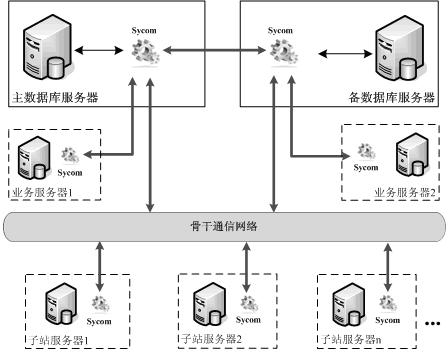
Data synchronization component of network relation database nodes of SCADA (Supervisory Control and Data Acquisition) system
PatentActiveCN102360357A
Innovation
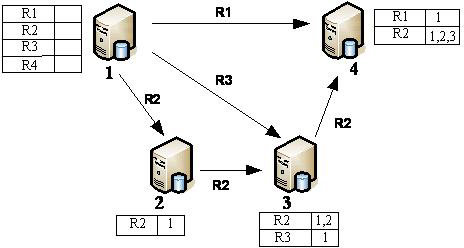
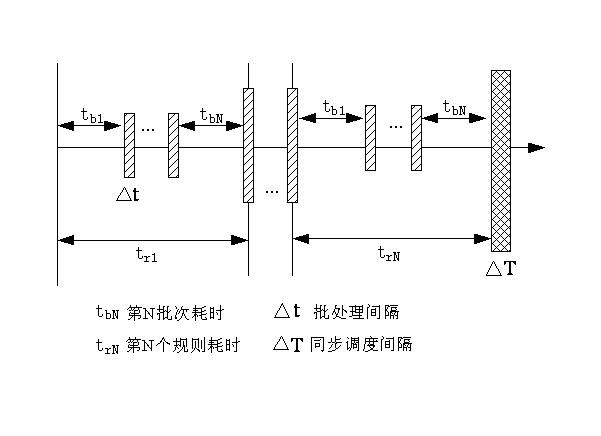
- Designed a new synchronization component Sycom to support data synchronization across relational database platforms. It uses interface configuration to set data sources, data endpoints and filtering conditions to achieve network data interaction between multiple nodes and reduce the coupling between the system and components. , simplifying the configuration process.

Industrial Data Security and Compliance Framework
Industrial data security and compliance frameworks have become critical components in SCADA-based long-term planning systems, as organizations increasingly rely on operational technology data for strategic decision-making. The convergence of information technology and operational technology creates new vulnerabilities that require comprehensive security architectures to protect sensitive industrial data while maintaining regulatory compliance.
The foundation of industrial data security in SCADA environments rests on multi-layered defense strategies that encompass network segmentation, access control mechanisms, and real-time monitoring systems. These frameworks must address the unique characteristics of industrial networks, including legacy systems with limited security capabilities, real-time communication requirements, and the critical nature of continuous operations that cannot tolerate security-related downtime.
Regulatory compliance requirements vary significantly across industries and geographical regions, with frameworks such as NERC CIP for electrical utilities, FDA 21 CFR Part 11 for pharmaceutical manufacturing, and ISO 27001 for general industrial applications. These standards mandate specific data integrity measures, audit trails, and access controls that directly impact how SCADA data can be collected, processed, and utilized for long-term planning purposes.
Data encryption and secure communication protocols form the technical backbone of compliance frameworks, ensuring that historical and real-time SCADA data maintains integrity throughout its lifecycle. Advanced encryption standards, secure key management systems, and authenticated communication channels protect against data tampering and unauthorized access while preserving the analytical value of industrial datasets for strategic planning applications.
Identity and access management systems specifically designed for industrial environments provide granular control over data access permissions, ensuring that only authorized personnel can access sensitive operational data used in long-term planning models. These systems must integrate with existing enterprise security infrastructure while accommodating the unique requirements of industrial control systems and operational workflows.
Audit and compliance monitoring capabilities enable organizations to demonstrate adherence to regulatory requirements while maintaining comprehensive records of data access, modification, and usage patterns. These systems generate detailed logs that support both security investigations and compliance reporting, creating transparency in how SCADA data is utilized for strategic planning purposes while protecting against potential security breaches or regulatory violations.
The foundation of industrial data security in SCADA environments rests on multi-layered defense strategies that encompass network segmentation, access control mechanisms, and real-time monitoring systems. These frameworks must address the unique characteristics of industrial networks, including legacy systems with limited security capabilities, real-time communication requirements, and the critical nature of continuous operations that cannot tolerate security-related downtime.
Regulatory compliance requirements vary significantly across industries and geographical regions, with frameworks such as NERC CIP for electrical utilities, FDA 21 CFR Part 11 for pharmaceutical manufacturing, and ISO 27001 for general industrial applications. These standards mandate specific data integrity measures, audit trails, and access controls that directly impact how SCADA data can be collected, processed, and utilized for long-term planning purposes.
Data encryption and secure communication protocols form the technical backbone of compliance frameworks, ensuring that historical and real-time SCADA data maintains integrity throughout its lifecycle. Advanced encryption standards, secure key management systems, and authenticated communication channels protect against data tampering and unauthorized access while preserving the analytical value of industrial datasets for strategic planning applications.
Identity and access management systems specifically designed for industrial environments provide granular control over data access permissions, ensuring that only authorized personnel can access sensitive operational data used in long-term planning models. These systems must integrate with existing enterprise security infrastructure while accommodating the unique requirements of industrial control systems and operational workflows.
Audit and compliance monitoring capabilities enable organizations to demonstrate adherence to regulatory requirements while maintaining comprehensive records of data access, modification, and usage patterns. These systems generate detailed logs that support both security investigations and compliance reporting, creating transparency in how SCADA data is utilized for strategic planning purposes while protecting against potential security breaches or regulatory violations.
SCADA System Interoperability Standards
SCADA system interoperability standards play a crucial role in enabling effective long-term planning by ensuring seamless data exchange across diverse industrial control systems. The foundation of interoperability lies in standardized communication protocols that allow different SCADA components from various manufacturers to communicate effectively, creating a unified data ecosystem essential for comprehensive planning analysis.
The IEC 61850 standard has emerged as a cornerstone for power system automation, providing a common data model and communication services that enable utilities to integrate equipment from multiple vendors. This standard facilitates the creation of standardized data formats that support long-term asset management and grid planning initiatives. Similarly, the IEC 61968 and IEC 61970 standards define common information models for distribution and transmission system operations, ensuring consistent data representation across enterprise systems.
OPC UA (Open Platform Communications Unified Architecture) represents another critical interoperability framework, offering secure, reliable, and platform-independent data exchange capabilities. Its semantic modeling approach enables rich data contextualization, which is essential for advanced analytics and predictive modeling in long-term planning scenarios. The standard's built-in security features and scalability make it particularly suitable for modern industrial IoT environments.
Protocol translation and middleware solutions have become increasingly important as organizations seek to integrate legacy SCADA systems with modern planning tools. These solutions enable real-time data mapping between proprietary protocols and standardized formats, ensuring that historical data remains accessible for trend analysis and forecasting applications.
The adoption of cloud-native interoperability standards, including RESTful APIs and message queuing protocols like MQTT, is transforming how SCADA data is shared across organizational boundaries. These standards enable utilities and industrial operators to leverage external data sources and third-party analytics platforms for enhanced planning capabilities.
Emerging standards such as the Smart Grid Interoperability Panel's framework are addressing the growing complexity of multi-domain data integration, encompassing not only traditional SCADA systems but also advanced metering infrastructure, distributed energy resources, and demand response systems. This comprehensive approach to interoperability is essential for supporting sophisticated long-term planning models that consider multiple operational variables and stakeholder requirements.
The IEC 61850 standard has emerged as a cornerstone for power system automation, providing a common data model and communication services that enable utilities to integrate equipment from multiple vendors. This standard facilitates the creation of standardized data formats that support long-term asset management and grid planning initiatives. Similarly, the IEC 61968 and IEC 61970 standards define common information models for distribution and transmission system operations, ensuring consistent data representation across enterprise systems.
OPC UA (Open Platform Communications Unified Architecture) represents another critical interoperability framework, offering secure, reliable, and platform-independent data exchange capabilities. Its semantic modeling approach enables rich data contextualization, which is essential for advanced analytics and predictive modeling in long-term planning scenarios. The standard's built-in security features and scalability make it particularly suitable for modern industrial IoT environments.
Protocol translation and middleware solutions have become increasingly important as organizations seek to integrate legacy SCADA systems with modern planning tools. These solutions enable real-time data mapping between proprietary protocols and standardized formats, ensuring that historical data remains accessible for trend analysis and forecasting applications.
The adoption of cloud-native interoperability standards, including RESTful APIs and message queuing protocols like MQTT, is transforming how SCADA data is shared across organizational boundaries. These standards enable utilities and industrial operators to leverage external data sources and third-party analytics platforms for enhanced planning capabilities.
Emerging standards such as the Smart Grid Interoperability Panel's framework are addressing the growing complexity of multi-domain data integration, encompassing not only traditional SCADA systems but also advanced metering infrastructure, distributed energy resources, and demand response systems. This comprehensive approach to interoperability is essential for supporting sophisticated long-term planning models that consider multiple operational variables and stakeholder requirements.
Unlock deeper insights with PatSnap Eureka Quick Research — get a full tech report to explore trends and direct your research. Try now!
Generate Your Research Report Instantly with AI Agent
Supercharge your innovation with PatSnap Eureka AI Agent Platform!