

Hybrid Solutions for Dual Functionality in Drainages
FEB 28, 20269 MIN READ
Generate Your Research Report Instantly with AI Agent
Patsnap Eureka helps you evaluate technical feasibility & market potential.
Hybrid Drainage Technology Background and Objectives
Hybrid drainage technology represents a paradigm shift in water management infrastructure, emerging from the convergence of traditional drainage engineering and advanced multifunctional design principles. This technological approach addresses the growing complexity of urban water challenges by integrating multiple operational capabilities within single drainage systems. The evolution stems from decades of research in hydraulic engineering, materials science, and environmental management, where conventional single-purpose drainage solutions have proven inadequate for modern urban environments.
The development trajectory of hybrid drainage systems traces back to early sustainable urban drainage systems (SUDS) concepts in the 1990s, which initially focused on stormwater management and environmental protection. However, the integration of dual functionality represents a more recent advancement, driven by increasing urbanization pressures and climate change impacts. This evolution has been accelerated by breakthroughs in smart materials, sensor technologies, and adaptive control systems that enable real-time functionality switching.
Current technological trends indicate a strong movement toward intelligent infrastructure that can dynamically respond to varying environmental conditions. Hybrid drainage solutions embody this trend by incorporating adaptive mechanisms that allow systems to transition between different operational modes based on real-time requirements. The integration of Internet of Things (IoT) technologies and artificial intelligence has further enhanced the sophistication of these systems, enabling predictive functionality and autonomous operation.
The primary technical objectives of hybrid drainage technology center on achieving optimal resource utilization while maintaining system reliability across multiple operational scenarios. Key goals include maximizing water treatment efficiency during normal flow conditions while ensuring adequate flood protection during extreme weather events. Additionally, these systems aim to integrate water quality improvement functions with traditional conveyance capabilities, creating comprehensive water management solutions.
Performance optimization represents another critical objective, focusing on minimizing energy consumption while maximizing system throughput across different operational modes. This involves developing advanced control algorithms that can seamlessly coordinate between drainage functions and secondary capabilities such as water harvesting, treatment, or energy generation. The technology also targets enhanced system longevity through adaptive operation that reduces wear and maintenance requirements.
Environmental sustainability objectives drive the integration of green infrastructure elements with conventional drainage components, creating hybrid systems that provide ecological benefits alongside traditional drainage functions. These objectives include carbon footprint reduction, biodiversity enhancement, and urban heat island mitigation, positioning hybrid drainage technology as a cornerstone of sustainable urban development strategies.
The development trajectory of hybrid drainage systems traces back to early sustainable urban drainage systems (SUDS) concepts in the 1990s, which initially focused on stormwater management and environmental protection. However, the integration of dual functionality represents a more recent advancement, driven by increasing urbanization pressures and climate change impacts. This evolution has been accelerated by breakthroughs in smart materials, sensor technologies, and adaptive control systems that enable real-time functionality switching.
Current technological trends indicate a strong movement toward intelligent infrastructure that can dynamically respond to varying environmental conditions. Hybrid drainage solutions embody this trend by incorporating adaptive mechanisms that allow systems to transition between different operational modes based on real-time requirements. The integration of Internet of Things (IoT) technologies and artificial intelligence has further enhanced the sophistication of these systems, enabling predictive functionality and autonomous operation.
The primary technical objectives of hybrid drainage technology center on achieving optimal resource utilization while maintaining system reliability across multiple operational scenarios. Key goals include maximizing water treatment efficiency during normal flow conditions while ensuring adequate flood protection during extreme weather events. Additionally, these systems aim to integrate water quality improvement functions with traditional conveyance capabilities, creating comprehensive water management solutions.
Performance optimization represents another critical objective, focusing on minimizing energy consumption while maximizing system throughput across different operational modes. This involves developing advanced control algorithms that can seamlessly coordinate between drainage functions and secondary capabilities such as water harvesting, treatment, or energy generation. The technology also targets enhanced system longevity through adaptive operation that reduces wear and maintenance requirements.
Environmental sustainability objectives drive the integration of green infrastructure elements with conventional drainage components, creating hybrid systems that provide ecological benefits alongside traditional drainage functions. These objectives include carbon footprint reduction, biodiversity enhancement, and urban heat island mitigation, positioning hybrid drainage technology as a cornerstone of sustainable urban development strategies.
Market Demand for Dual-Function Drainage Systems
The global drainage infrastructure market is experiencing unprecedented growth driven by rapid urbanization, climate change impacts, and evolving regulatory frameworks. Traditional single-function drainage systems are increasingly inadequate to address the complex challenges of modern urban environments, creating substantial demand for innovative dual-function solutions that can simultaneously manage stormwater runoff and provide additional environmental or economic benefits.
Urban flooding has become a critical concern for municipalities worldwide, with extreme weather events occurring more frequently and intensely. Cities are seeking drainage systems that not only handle peak water flows but also contribute to water quality improvement, groundwater recharge, or urban heat island mitigation. This shift represents a fundamental change from reactive flood management to proactive, multifunctional infrastructure planning.
The construction and infrastructure sectors are driving significant demand for hybrid drainage solutions across multiple applications. Commercial and residential developments increasingly require systems that meet stringent environmental standards while optimizing space utilization. Industrial facilities need drainage solutions that can handle contaminated runoff while providing treatment capabilities, reducing long-term operational costs and regulatory compliance burdens.
Municipal water management authorities represent the largest market segment, with growing budgets allocated to sustainable infrastructure projects. These organizations are prioritizing systems that deliver measurable returns on investment through reduced maintenance costs, improved environmental performance, and enhanced community resilience. The integration of smart monitoring technologies with dual-function drainage systems is creating additional value propositions for end users.
Regulatory pressures are accelerating market adoption, particularly in regions with strict stormwater management requirements. Green building certification programs and environmental impact assessments increasingly favor projects incorporating multifunctional drainage solutions. This regulatory environment is creating sustained demand across both new construction and infrastructure retrofit projects.
The market potential extends beyond traditional drainage applications into emerging sectors such as green infrastructure development, sustainable urban planning, and climate adaptation initiatives. Transportation infrastructure, including highways and airports, represents a growing market segment requiring drainage systems that can handle de-icing chemicals while providing environmental protection.
Urban flooding has become a critical concern for municipalities worldwide, with extreme weather events occurring more frequently and intensely. Cities are seeking drainage systems that not only handle peak water flows but also contribute to water quality improvement, groundwater recharge, or urban heat island mitigation. This shift represents a fundamental change from reactive flood management to proactive, multifunctional infrastructure planning.
The construction and infrastructure sectors are driving significant demand for hybrid drainage solutions across multiple applications. Commercial and residential developments increasingly require systems that meet stringent environmental standards while optimizing space utilization. Industrial facilities need drainage solutions that can handle contaminated runoff while providing treatment capabilities, reducing long-term operational costs and regulatory compliance burdens.
Municipal water management authorities represent the largest market segment, with growing budgets allocated to sustainable infrastructure projects. These organizations are prioritizing systems that deliver measurable returns on investment through reduced maintenance costs, improved environmental performance, and enhanced community resilience. The integration of smart monitoring technologies with dual-function drainage systems is creating additional value propositions for end users.
Regulatory pressures are accelerating market adoption, particularly in regions with strict stormwater management requirements. Green building certification programs and environmental impact assessments increasingly favor projects incorporating multifunctional drainage solutions. This regulatory environment is creating sustained demand across both new construction and infrastructure retrofit projects.
The market potential extends beyond traditional drainage applications into emerging sectors such as green infrastructure development, sustainable urban planning, and climate adaptation initiatives. Transportation infrastructure, including highways and airports, represents a growing market segment requiring drainage systems that can handle de-icing chemicals while providing environmental protection.
Current State and Challenges of Hybrid Drainage Solutions
Hybrid drainage solutions represent an emerging paradigm in water management infrastructure, combining traditional drainage mechanisms with innovative technologies to achieve dual functionality. Currently, the global market demonstrates significant fragmentation in implementation approaches, with developed nations leading in advanced hybrid systems while developing regions rely predominantly on conventional single-purpose drainage infrastructure. The technology landscape encompasses various integration models, including smart sensor networks combined with traditional storm drains, green infrastructure merged with conventional piping systems, and modular designs that accommodate both flood management and water quality treatment.
The technological maturity varies considerably across different hybrid approaches. Surface-level integration solutions, such as permeable pavements with embedded monitoring systems, have achieved commercial viability and widespread deployment in urban environments. However, more sophisticated subsurface hybrid systems that integrate real-time flow control with water treatment capabilities remain in pilot phases across most markets. Geographic distribution shows concentrated development in North America and Northern Europe, where regulatory frameworks and funding mechanisms support advanced drainage innovations.
Current implementation faces substantial technical barriers, particularly in system integration complexity. The challenge of harmonizing different operational parameters between traditional drainage components and modern technological additions creates significant engineering obstacles. Compatibility issues arise when retrofitting existing infrastructure with smart monitoring capabilities, often requiring extensive modifications that increase project costs exponentially. Additionally, the lack of standardized protocols for hybrid system design leads to inconsistent performance outcomes across different installations.
Maintenance and operational challenges represent another critical constraint. Hybrid systems require specialized expertise that combines traditional civil engineering knowledge with modern sensor technology and data analytics capabilities. Many municipal organizations lack the technical workforce necessary to maintain these complex systems effectively. Furthermore, the integration of multiple technologies increases potential failure points, creating reliability concerns that limit widespread adoption.
Economic barriers significantly impede market penetration. Initial capital investments for hybrid drainage solutions typically exceed conventional alternatives by 40-60%, creating budget constraints for many municipalities. The return on investment calculations become complex due to the dual functionality benefits, making financial justification challenging for decision-makers accustomed to single-purpose infrastructure investments. Additionally, the absence of established performance benchmarks complicates cost-benefit analyses for potential adopters.
Regulatory frameworks present additional implementation challenges. Current drainage standards and building codes often lack provisions for hybrid systems, creating approval delays and compliance uncertainties. The multi-functional nature of these solutions frequently requires coordination between different regulatory bodies, each with distinct approval processes and technical requirements. This regulatory complexity particularly affects large-scale urban deployments where multiple jurisdictions may be involved.
The technological maturity varies considerably across different hybrid approaches. Surface-level integration solutions, such as permeable pavements with embedded monitoring systems, have achieved commercial viability and widespread deployment in urban environments. However, more sophisticated subsurface hybrid systems that integrate real-time flow control with water treatment capabilities remain in pilot phases across most markets. Geographic distribution shows concentrated development in North America and Northern Europe, where regulatory frameworks and funding mechanisms support advanced drainage innovations.
Current implementation faces substantial technical barriers, particularly in system integration complexity. The challenge of harmonizing different operational parameters between traditional drainage components and modern technological additions creates significant engineering obstacles. Compatibility issues arise when retrofitting existing infrastructure with smart monitoring capabilities, often requiring extensive modifications that increase project costs exponentially. Additionally, the lack of standardized protocols for hybrid system design leads to inconsistent performance outcomes across different installations.
Maintenance and operational challenges represent another critical constraint. Hybrid systems require specialized expertise that combines traditional civil engineering knowledge with modern sensor technology and data analytics capabilities. Many municipal organizations lack the technical workforce necessary to maintain these complex systems effectively. Furthermore, the integration of multiple technologies increases potential failure points, creating reliability concerns that limit widespread adoption.
Economic barriers significantly impede market penetration. Initial capital investments for hybrid drainage solutions typically exceed conventional alternatives by 40-60%, creating budget constraints for many municipalities. The return on investment calculations become complex due to the dual functionality benefits, making financial justification challenging for decision-makers accustomed to single-purpose infrastructure investments. Additionally, the absence of established performance benchmarks complicates cost-benefit analyses for potential adopters.
Regulatory frameworks present additional implementation challenges. Current drainage standards and building codes often lack provisions for hybrid systems, creating approval delays and compliance uncertainties. The multi-functional nature of these solutions frequently requires coordination between different regulatory bodies, each with distinct approval processes and technical requirements. This regulatory complexity particularly affects large-scale urban deployments where multiple jurisdictions may be involved.
Existing Hybrid Solutions for Dual Drainage Functionality
01 Combination of self-tanning and sun protection agents
Hybrid formulations that combine self-tanning agents with UV protection ingredients provide dual functionality by delivering both cosmetic tanning effects and sun protection. These formulations allow users to achieve a tanned appearance while simultaneously protecting the skin from harmful UV radiation. The integration of both functionalities in a single product enhances user convenience and compliance with sun protection practices.- Combination of self-tanning and sun protection agents: Hybrid formulations that combine self-tanning agents with UV protection ingredients provide dual functionality by delivering both cosmetic tanning effects and sun protection. These formulations allow users to achieve a desired tan while simultaneously protecting the skin from harmful UV radiation. The integration of both functionalities in a single product enhances user convenience and compliance with sun protection practices.
- Multi-functional cosmetic compositions with enhanced delivery systems: Advanced delivery systems enable hybrid cosmetic products to perform multiple functions simultaneously. These systems can incorporate various active ingredients that work synergistically to provide benefits such as moisturization, anti-aging effects, and sun protection in addition to tanning. The use of specialized carriers and encapsulation technologies ensures optimal penetration and sustained release of active components.
- Dual-action formulations combining immediate and gradual tanning effects: Innovative formulations that provide both instant color and progressive tanning effects offer users immediate cosmetic benefits while building longer-lasting results. These products typically combine temporary colorants with self-tanning agents that develop over time, ensuring continuous coverage and natural-looking results. This dual-action approach addresses consumer demand for immediate gratification and sustained tanning benefits.
- Hybrid products with skin care and tanning benefits: Formulations that integrate skin care actives with tanning agents provide comprehensive skin treatment while delivering cosmetic tanning effects. These products may include ingredients for hydration, anti-aging, skin brightening, or other dermatological benefits alongside tanning components. The combination addresses multiple consumer needs in a single application, improving overall skin health while achieving desired aesthetic outcomes.
- Synergistic combinations of natural and synthetic tanning agents: Hybrid formulations that blend natural plant-based tanning accelerators with synthetic self-tanning compounds create enhanced tanning effects with improved safety profiles. These combinations leverage the benefits of both ingredient types to achieve more natural-looking, longer-lasting tans with reduced side effects. The synergistic approach optimizes efficacy while addressing consumer preferences for natural ingredients.
02 Multi-functional cosmetic compositions with enhanced skin benefits
Advanced formulations that incorporate multiple active ingredients to provide both immediate cosmetic effects and long-term skin care benefits. These hybrid solutions may include moisturizing agents, anti-aging compounds, and protective elements that work synergistically to improve skin appearance while maintaining skin health. The dual functionality addresses both aesthetic and therapeutic needs in a single application.Expand Specific Solutions03 Integrated delivery systems for sustained release
Innovative delivery mechanisms that enable controlled release of multiple active ingredients over extended periods. These systems utilize advanced encapsulation or carrier technologies to ensure that both tanning agents and protective compounds are delivered effectively to the skin. The dual-release functionality optimizes the timing and efficacy of each component for maximum benefit.Expand Specific Solutions04 Photostable formulations with dual protection mechanisms
Formulations designed to maintain stability under UV exposure while providing both chemical and physical protection barriers. These hybrid solutions incorporate photostable ingredients that resist degradation from sunlight while offering protection through multiple mechanisms. The dual approach ensures consistent performance throughout sun exposure periods.Expand Specific Solutions05 Synergistic combinations for enhanced efficacy
Formulations that leverage synergistic interactions between different classes of active ingredients to achieve superior results compared to individual components. These hybrid solutions optimize the ratio and combination of tanning accelerators, UV filters, and skin conditioning agents to maximize both the tanning effect and protective benefits. The synergistic approach enhances overall product performance and user satisfaction.Expand Specific Solutions
Key Players in Hybrid Drainage System Industry
The hybrid solutions for dual functionality in drainages market represents an emerging sector within the broader water management industry, currently in its early growth phase with significant expansion potential driven by increasing urbanization and climate resilience demands. The market encompasses diverse players ranging from established drainage specialists like ACO Severin Ahlmann and WILO SE to comprehensive engineering firms such as Beijing Municipal Engineering Design and Research Institute. Technology maturity varies considerably across the competitive landscape, with German companies like VAG GmbH and Sita Bauelemente demonstrating advanced technical capabilities, while Chinese entities including Chongqing University and various municipal engineering institutes contribute substantial research and development efforts. Japanese corporations such as Ebara Corp. and KITZ Corp. bring sophisticated pump and valve technologies, indicating a fragmented but rapidly evolving competitive environment where traditional drainage solutions are being enhanced with smart, multifunctional capabilities.
ACO Severin Ahlmann GmbH & Co. KG
Technical Solution: ACO develops innovative hybrid drainage solutions that combine traditional surface water management with integrated stormwater treatment capabilities. Their systems feature modular designs incorporating both linear drainage channels and subsurface infiltration components, enabling dual functionality for water collection and groundwater recharge. The company's hybrid approach integrates permeable materials with conventional drainage infrastructure, allowing for simultaneous water conveyance and filtration. Their solutions are particularly effective in urban environments where space constraints require multifunctional drainage systems that can handle both routine water management and extreme weather events.
Strengths: Proven modular design flexibility and strong European market presence with established distribution networks. Weaknesses: Higher initial installation costs compared to conventional single-function drainage systems.
Ebara Corp.
Technical Solution: Ebara develops hybrid pumping systems that combine centrifugal and submersible pump technologies for versatile drainage applications. Their dual-functionality approach allows systems to operate in both continuous low-flow conditions and high-capacity emergency drainage scenarios. The company's hybrid solutions integrate variable frequency drives with multiple pump configurations, enabling automatic switching between operational modes based on demand. Their systems are designed to handle both clean water drainage and wastewater applications, providing flexibility for mixed-use drainage infrastructure in urban and industrial settings.
Strengths: Robust mechanical engineering expertise and proven reliability in harsh operating conditions. Weaknesses: Limited smart technology integration compared to newer market entrants and higher energy consumption in certain operational modes.
Core Innovations in Dual-Function Drainage Patents
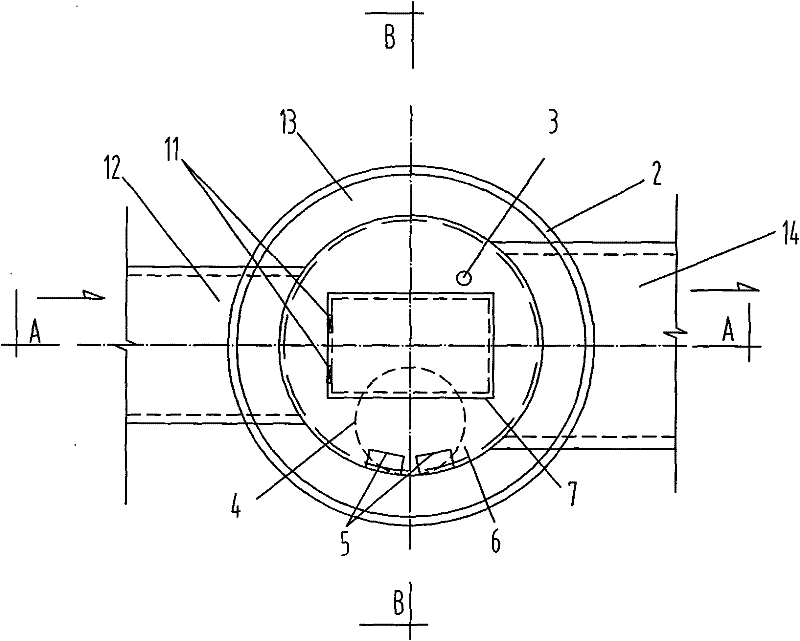
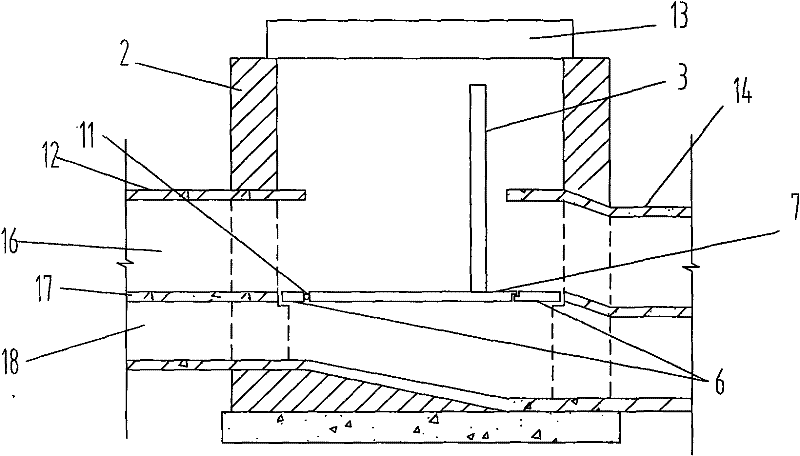
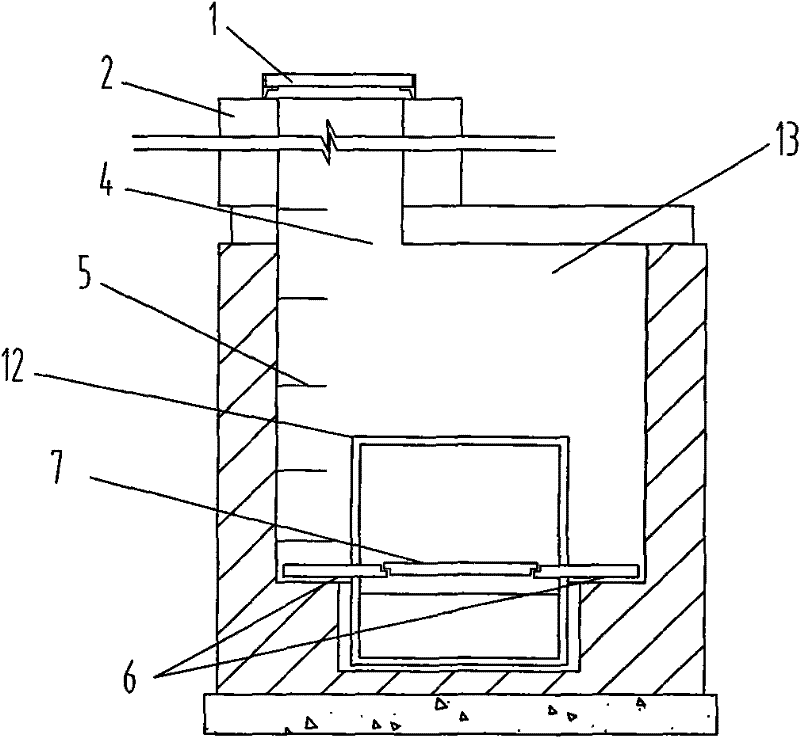
Drainage system used in cities, towns and communities
PatentActiveCN101666116B
Innovation
- A double-layer rainwater and sewage composite drainage inspection well and a co-line split-type double-layer drainage pipe channel are used. The inspection well is divided into upper and lower layers through an intermediate movable interlayer, which are used for rainwater and sewage pipes respectively. A interception structure is set up to achieve the initial ground runoff. Intercept flow, reduce the number of inspection wells and save investment.

Dual channel drainage seal for channeling water seepage and mitigating radon gas admittance in a basement or subterranean area
PatentActiveUS20220333370A1
Innovation
- A dual channel drainage seal that is installed above the slab, featuring a lower channel to divert radon gas and water seepage to a sump, and an upper channel to collect sidewall seepage, fabricated from polyvinylchloride material, which effectively channels radon gas away and directs water to a discharge conduit.


Environmental Regulations for Drainage Systems
Environmental regulations governing drainage systems have become increasingly stringent worldwide, driven by growing concerns over water quality protection, flood management, and ecosystem preservation. These regulatory frameworks directly impact the development and implementation of hybrid solutions for dual functionality in drainages, establishing mandatory standards for both water conveyance and treatment capabilities.
The Clean Water Act in the United States serves as a foundational regulatory framework, requiring drainage systems to meet specific discharge standards and implement best management practices. Similar legislation exists globally, including the European Union's Water Framework Directive and various national water protection acts, all emphasizing the need for integrated approaches that combine traditional drainage functions with environmental protection measures.
Stormwater management regulations have evolved to mandate dual-purpose infrastructure that can handle both routine drainage and water quality improvement. The National Pollutant Discharge Elimination System (NPDES) permits require municipalities and industrial facilities to implement systems capable of removing pollutants while maintaining effective drainage capacity. These requirements have accelerated the adoption of hybrid solutions that integrate green infrastructure with conventional gray infrastructure.
Recent regulatory trends emphasize performance-based standards rather than prescriptive design requirements, allowing greater flexibility in implementing innovative hybrid solutions. Regulations now focus on measurable outcomes such as pollutant removal efficiency, peak flow reduction, and groundwater recharge rates, enabling the deployment of creative dual-functionality approaches that meet environmental objectives through diverse technological pathways.
Compliance monitoring requirements have become more sophisticated, mandating real-time data collection and reporting systems for drainage performance metrics. These regulatory demands drive the integration of smart monitoring technologies within hybrid drainage solutions, ensuring continuous verification of both hydraulic performance and environmental compliance parameters.
The regulatory landscape continues evolving toward more comprehensive watershed-based approaches, requiring drainage systems to demonstrate regional environmental benefits beyond local site compliance. This shift promotes the development of interconnected hybrid solutions that provide cumulative environmental improvements across broader geographic areas while maintaining essential drainage functionality.
The Clean Water Act in the United States serves as a foundational regulatory framework, requiring drainage systems to meet specific discharge standards and implement best management practices. Similar legislation exists globally, including the European Union's Water Framework Directive and various national water protection acts, all emphasizing the need for integrated approaches that combine traditional drainage functions with environmental protection measures.
Stormwater management regulations have evolved to mandate dual-purpose infrastructure that can handle both routine drainage and water quality improvement. The National Pollutant Discharge Elimination System (NPDES) permits require municipalities and industrial facilities to implement systems capable of removing pollutants while maintaining effective drainage capacity. These requirements have accelerated the adoption of hybrid solutions that integrate green infrastructure with conventional gray infrastructure.
Recent regulatory trends emphasize performance-based standards rather than prescriptive design requirements, allowing greater flexibility in implementing innovative hybrid solutions. Regulations now focus on measurable outcomes such as pollutant removal efficiency, peak flow reduction, and groundwater recharge rates, enabling the deployment of creative dual-functionality approaches that meet environmental objectives through diverse technological pathways.
Compliance monitoring requirements have become more sophisticated, mandating real-time data collection and reporting systems for drainage performance metrics. These regulatory demands drive the integration of smart monitoring technologies within hybrid drainage solutions, ensuring continuous verification of both hydraulic performance and environmental compliance parameters.
The regulatory landscape continues evolving toward more comprehensive watershed-based approaches, requiring drainage systems to demonstrate regional environmental benefits beyond local site compliance. This shift promotes the development of interconnected hybrid solutions that provide cumulative environmental improvements across broader geographic areas while maintaining essential drainage functionality.
Cost-Benefit Analysis of Hybrid Drainage Implementation
The economic evaluation of hybrid drainage systems requires comprehensive analysis of both initial capital expenditure and long-term operational benefits. Traditional drainage infrastructure typically involves lower upfront costs but limited functionality, while hybrid solutions demand higher initial investment ranging from 40-60% above conventional systems. This premium stems from advanced materials, integrated sensors, smart control mechanisms, and dual-purpose infrastructure components that enable both stormwater management and secondary functions such as energy generation or water treatment.
Implementation costs vary significantly based on system complexity and geographic location. Urban retrofitting projects generally incur 25-30% higher expenses compared to greenfield installations due to existing infrastructure constraints and construction logistics. The integration of renewable energy components, such as micro-hydroelectric generators or solar panels, adds approximately 15-20% to baseline costs but creates revenue streams that offset initial investments over 8-12 year periods.
Operational benefits manifest through multiple channels, including reduced maintenance requirements, enhanced system efficiency, and revenue generation from dual functionalities. Hybrid systems demonstrate 30-40% lower maintenance costs compared to traditional drainage due to self-monitoring capabilities and predictive maintenance protocols. Smart sensors enable proactive intervention, reducing emergency repairs by up to 50% and extending infrastructure lifespan by 20-25%.
The economic value proposition strengthens when considering avoided costs from flood damage prevention and improved urban resilience. Hybrid drainage systems provide superior flood mitigation, potentially preventing millions in property damage during extreme weather events. Insurance premium reductions for protected areas can reach 10-15%, creating additional financial benefits for property owners and municipalities.
Return on investment calculations indicate break-even points typically occurring within 10-15 years for comprehensive hybrid implementations. Revenue diversification through energy generation, water recycling, or carbon credit programs accelerates payback periods. Municipal case studies demonstrate internal rates of return ranging from 8-12%, making hybrid drainage economically viable for long-term infrastructure planning while delivering enhanced environmental and social benefits beyond traditional cost-benefit metrics.
Implementation costs vary significantly based on system complexity and geographic location. Urban retrofitting projects generally incur 25-30% higher expenses compared to greenfield installations due to existing infrastructure constraints and construction logistics. The integration of renewable energy components, such as micro-hydroelectric generators or solar panels, adds approximately 15-20% to baseline costs but creates revenue streams that offset initial investments over 8-12 year periods.
Operational benefits manifest through multiple channels, including reduced maintenance requirements, enhanced system efficiency, and revenue generation from dual functionalities. Hybrid systems demonstrate 30-40% lower maintenance costs compared to traditional drainage due to self-monitoring capabilities and predictive maintenance protocols. Smart sensors enable proactive intervention, reducing emergency repairs by up to 50% and extending infrastructure lifespan by 20-25%.
The economic value proposition strengthens when considering avoided costs from flood damage prevention and improved urban resilience. Hybrid drainage systems provide superior flood mitigation, potentially preventing millions in property damage during extreme weather events. Insurance premium reductions for protected areas can reach 10-15%, creating additional financial benefits for property owners and municipalities.
Return on investment calculations indicate break-even points typically occurring within 10-15 years for comprehensive hybrid implementations. Revenue diversification through energy generation, water recycling, or carbon credit programs accelerates payback periods. Municipal case studies demonstrate internal rates of return ranging from 8-12%, making hybrid drainage economically viable for long-term infrastructure planning while delivering enhanced environmental and social benefits beyond traditional cost-benefit metrics.
Unlock deeper insights with Patsnap Eureka Quick Research — get a full tech report to explore trends and direct your research. Try now!
Generate Your Research Report Instantly with AI Agent
Supercharge your innovation with Patsnap Eureka AI Agent Platform!