

Implementing Green Technologies with Power-over-Fiber
APR 20, 20269 MIN READ
Generate Your Research Report Instantly with AI Agent
PatSnap Eureka helps you evaluate technical feasibility & market potential.
Green Power-over-Fiber Technology Background and Objectives
Power-over-Fiber (PoF) technology represents a revolutionary approach to power transmission that combines optical fiber communication with electrical power delivery through the same medium. This technology emerged from the growing need to provide power to remote electronic devices while maintaining electrical isolation and immunity to electromagnetic interference. The fundamental principle involves converting electrical energy to optical energy at the transmitting end, transmitting it through optical fibers, and converting it back to electrical energy at the receiving end using photovoltaic cells.
The evolution of PoF technology has been driven by increasing demands for sustainable and efficient power solutions in telecommunications, industrial automation, and remote sensing applications. Traditional copper-based power transmission systems face limitations in harsh environments, long-distance applications, and situations requiring electrical isolation. PoF technology addresses these challenges while offering additional benefits such as reduced weight, enhanced safety, and improved reliability in explosive or high-voltage environments.
Green Power-over-Fiber technology specifically focuses on integrating renewable energy sources and energy-efficient components into the PoF ecosystem. This approach aims to minimize environmental impact while maximizing energy conversion efficiency throughout the entire power transmission chain. The technology leverages advances in high-efficiency laser diodes, optimized optical fiber designs, and advanced photovoltaic conversion systems to achieve sustainable power delivery solutions.
The primary objectives of implementing green technologies with Power-over-Fiber include achieving higher overall system efficiency, typically targeting conversion efficiencies above 20% for practical applications. Another critical objective involves reducing the carbon footprint of remote power systems by integrating renewable energy sources such as solar panels or wind generators as primary power inputs for PoF transmitters.
System reliability and longevity represent additional key objectives, with green PoF implementations designed to operate continuously for extended periods with minimal maintenance requirements. This includes developing robust optical components that can withstand environmental stresses while maintaining consistent performance over operational lifespans exceeding 20 years.
Cost-effectiveness remains a fundamental objective, as green PoF solutions must demonstrate economic viability compared to traditional power transmission methods. This involves optimizing component costs, reducing installation complexity, and minimizing operational expenses through improved energy efficiency and reduced maintenance requirements.
The technology also aims to enable new applications in remote monitoring, distributed sensor networks, and off-grid communication systems where traditional power infrastructure is impractical or environmentally disruptive. These applications particularly benefit from the inherent safety and environmental compatibility of optical power transmission systems.
The evolution of PoF technology has been driven by increasing demands for sustainable and efficient power solutions in telecommunications, industrial automation, and remote sensing applications. Traditional copper-based power transmission systems face limitations in harsh environments, long-distance applications, and situations requiring electrical isolation. PoF technology addresses these challenges while offering additional benefits such as reduced weight, enhanced safety, and improved reliability in explosive or high-voltage environments.
Green Power-over-Fiber technology specifically focuses on integrating renewable energy sources and energy-efficient components into the PoF ecosystem. This approach aims to minimize environmental impact while maximizing energy conversion efficiency throughout the entire power transmission chain. The technology leverages advances in high-efficiency laser diodes, optimized optical fiber designs, and advanced photovoltaic conversion systems to achieve sustainable power delivery solutions.
The primary objectives of implementing green technologies with Power-over-Fiber include achieving higher overall system efficiency, typically targeting conversion efficiencies above 20% for practical applications. Another critical objective involves reducing the carbon footprint of remote power systems by integrating renewable energy sources such as solar panels or wind generators as primary power inputs for PoF transmitters.
System reliability and longevity represent additional key objectives, with green PoF implementations designed to operate continuously for extended periods with minimal maintenance requirements. This includes developing robust optical components that can withstand environmental stresses while maintaining consistent performance over operational lifespans exceeding 20 years.
Cost-effectiveness remains a fundamental objective, as green PoF solutions must demonstrate economic viability compared to traditional power transmission methods. This involves optimizing component costs, reducing installation complexity, and minimizing operational expenses through improved energy efficiency and reduced maintenance requirements.
The technology also aims to enable new applications in remote monitoring, distributed sensor networks, and off-grid communication systems where traditional power infrastructure is impractical or environmentally disruptive. These applications particularly benefit from the inherent safety and environmental compatibility of optical power transmission systems.
Market Demand for Sustainable Fiber-Optic Power Solutions
The global shift toward sustainable energy solutions has created substantial market demand for environmentally friendly power transmission technologies. Power-over-Fiber systems represent a critical intersection of telecommunications infrastructure and green energy initiatives, addressing growing concerns about electromagnetic interference, electrical safety, and energy efficiency in modern installations.
Traditional copper-based power delivery systems face increasing scrutiny due to their inherent limitations in hazardous environments and their susceptibility to electromagnetic interference. Industries operating in explosive atmospheres, medical facilities requiring precise instrumentation, and renewable energy installations in remote locations are actively seeking alternatives that eliminate these risks while maintaining reliable power transmission capabilities.
The telecommunications sector demonstrates particularly strong demand for sustainable fiber-optic power solutions, driven by the expansion of 5G networks and edge computing infrastructure. Network operators require power delivery systems that can operate efficiently in space-constrained environments while minimizing heat generation and reducing overall system complexity. The ability to transmit both data and power through a single fiber connection offers significant advantages in terms of installation costs and maintenance requirements.
Industrial automation and smart manufacturing facilities represent another significant market segment driving demand for these technologies. Manufacturing environments increasingly require power solutions that can operate reliably in the presence of heavy electromagnetic interference while supporting the growing deployment of IoT sensors and monitoring equipment. The galvanic isolation provided by fiber-optic power transmission eliminates ground loop issues and enhances system reliability.
The renewable energy sector shows growing interest in fiber-optic power solutions for monitoring and control applications in solar farms and wind installations. These environments often require power delivery to remote sensing equipment where traditional electrical connections may be impractical or unsafe due to lightning risks or corrosive conditions.
Market drivers include stringent environmental regulations, increasing focus on energy efficiency, and the need for reliable power delivery in challenging operational environments. The convergence of sustainability mandates with technological advancement creates favorable conditions for widespread adoption of green fiber-optic power technologies across multiple industry verticals.
Traditional copper-based power delivery systems face increasing scrutiny due to their inherent limitations in hazardous environments and their susceptibility to electromagnetic interference. Industries operating in explosive atmospheres, medical facilities requiring precise instrumentation, and renewable energy installations in remote locations are actively seeking alternatives that eliminate these risks while maintaining reliable power transmission capabilities.
The telecommunications sector demonstrates particularly strong demand for sustainable fiber-optic power solutions, driven by the expansion of 5G networks and edge computing infrastructure. Network operators require power delivery systems that can operate efficiently in space-constrained environments while minimizing heat generation and reducing overall system complexity. The ability to transmit both data and power through a single fiber connection offers significant advantages in terms of installation costs and maintenance requirements.
Industrial automation and smart manufacturing facilities represent another significant market segment driving demand for these technologies. Manufacturing environments increasingly require power solutions that can operate reliably in the presence of heavy electromagnetic interference while supporting the growing deployment of IoT sensors and monitoring equipment. The galvanic isolation provided by fiber-optic power transmission eliminates ground loop issues and enhances system reliability.
The renewable energy sector shows growing interest in fiber-optic power solutions for monitoring and control applications in solar farms and wind installations. These environments often require power delivery to remote sensing equipment where traditional electrical connections may be impractical or unsafe due to lightning risks or corrosive conditions.
Market drivers include stringent environmental regulations, increasing focus on energy efficiency, and the need for reliable power delivery in challenging operational environments. The convergence of sustainability mandates with technological advancement creates favorable conditions for widespread adoption of green fiber-optic power technologies across multiple industry verticals.
Current State and Challenges of Green PoF Implementation
Power-over-Fiber (PoF) technology has emerged as a promising solution for green energy applications, combining optical power transmission with data communication capabilities. Currently, the technology demonstrates significant potential in reducing electromagnetic interference and enabling power delivery to remote or hazardous locations where traditional electrical systems face limitations. Several commercial implementations exist in telecommunications infrastructure, medical devices, and industrial sensing applications, with power delivery capabilities ranging from milliwatts to several watts.
The global PoF market has witnessed steady growth, particularly in regions with strong renewable energy initiatives such as Europe, North America, and parts of Asia. Leading technology providers including Optacore, Lumentum, and PowerLight Technologies have developed various PoF solutions targeting different power requirements and application scenarios. Research institutions and universities worldwide are actively investigating advanced photovoltaic conversion techniques and improved fiber optic designs to enhance overall system efficiency.
Despite technological advances, several critical challenges impede widespread adoption of green PoF implementations. Power conversion efficiency remains a primary concern, with current photovoltaic cells achieving only 20-40% efficiency in converting optical energy to electrical power. This limitation significantly impacts the economic viability of PoF systems compared to conventional electrical power transmission methods, particularly for high-power applications requiring substantial energy delivery.
System reliability and long-term stability present additional obstacles. Photovoltaic converters experience degradation over time due to thermal cycling and optical stress, potentially reducing system lifespan and increasing maintenance requirements. Environmental factors such as temperature fluctuations, humidity, and dust accumulation can further compromise performance, necessitating robust protective measures and regular maintenance protocols.
Cost considerations continue to challenge commercial deployment. High-quality optical fibers, specialized laser sources, and efficient photovoltaic converters contribute to elevated initial investment costs. Manufacturing scalability remains limited, preventing economies of scale that could reduce component prices and make PoF technology more competitive with traditional power delivery systems.
Technical standardization represents another significant hurdle. The absence of comprehensive industry standards for PoF systems creates compatibility issues between different manufacturers' components and complicates system integration efforts. Safety regulations and certification processes for optical power transmission systems are still evolving, creating uncertainty for potential adopters and slowing market penetration.
Integration complexity with existing infrastructure poses practical implementation challenges. Many potential applications require seamless integration with legacy electrical systems, demanding sophisticated interface solutions and potentially extensive system modifications. Additionally, the limited power capacity of current PoF systems restricts their applicability to low-power devices and specialized applications, preventing broader adoption in mainstream power distribution networks.
The global PoF market has witnessed steady growth, particularly in regions with strong renewable energy initiatives such as Europe, North America, and parts of Asia. Leading technology providers including Optacore, Lumentum, and PowerLight Technologies have developed various PoF solutions targeting different power requirements and application scenarios. Research institutions and universities worldwide are actively investigating advanced photovoltaic conversion techniques and improved fiber optic designs to enhance overall system efficiency.
Despite technological advances, several critical challenges impede widespread adoption of green PoF implementations. Power conversion efficiency remains a primary concern, with current photovoltaic cells achieving only 20-40% efficiency in converting optical energy to electrical power. This limitation significantly impacts the economic viability of PoF systems compared to conventional electrical power transmission methods, particularly for high-power applications requiring substantial energy delivery.
System reliability and long-term stability present additional obstacles. Photovoltaic converters experience degradation over time due to thermal cycling and optical stress, potentially reducing system lifespan and increasing maintenance requirements. Environmental factors such as temperature fluctuations, humidity, and dust accumulation can further compromise performance, necessitating robust protective measures and regular maintenance protocols.
Cost considerations continue to challenge commercial deployment. High-quality optical fibers, specialized laser sources, and efficient photovoltaic converters contribute to elevated initial investment costs. Manufacturing scalability remains limited, preventing economies of scale that could reduce component prices and make PoF technology more competitive with traditional power delivery systems.
Technical standardization represents another significant hurdle. The absence of comprehensive industry standards for PoF systems creates compatibility issues between different manufacturers' components and complicates system integration efforts. Safety regulations and certification processes for optical power transmission systems are still evolving, creating uncertainty for potential adopters and slowing market penetration.
Integration complexity with existing infrastructure poses practical implementation challenges. Many potential applications require seamless integration with legacy electrical systems, demanding sophisticated interface solutions and potentially extensive system modifications. Additionally, the limited power capacity of current PoF systems restricts their applicability to low-power devices and specialized applications, preventing broader adoption in mainstream power distribution networks.
Current Green Power-over-Fiber Technical Solutions
01 Power-over-Fiber transmission systems and apparatus
Power-over-Fiber technology enables the transmission of electrical power through optical fibers by converting electrical energy to optical energy at the transmitting end and converting it back at the receiving end. These systems typically include laser diodes or light sources for power transmission, photovoltaic cells or photodetectors for power reception, and optical fibers as the transmission medium. The technology provides advantages such as electromagnetic interference immunity, electrical isolation, and the ability to deliver power to remote or hazardous locations.- Power-over-Fiber transmission systems and apparatus: Power-over-Fiber technology enables the transmission of electrical power through optical fibers by converting electrical energy to optical energy at the transmitting end and back to electrical energy at the receiving end. These systems typically include laser diodes or light-emitting devices that convert electrical power into optical signals, optical fibers for transmission, and photovoltaic cells or photodetectors at the receiving end to convert the optical power back to electrical power. This technology is particularly useful for powering remote devices in electrically hazardous environments or where electromagnetic interference must be avoided.
- Photovoltaic conversion devices for Power-over-Fiber systems: Specialized photovoltaic conversion devices are designed to efficiently convert optical power transmitted through fibers into electrical power. These devices often incorporate multiple photovoltaic cells arranged in series or parallel configurations to optimize voltage and current output. Advanced designs may include optical concentrators, anti-reflection coatings, and thermal management systems to maximize conversion efficiency. The photovoltaic converters are optimized for specific wavelengths of light used in the fiber optic transmission to achieve higher power conversion rates.
- Optical fiber coupling and power delivery optimization: Efficient coupling of optical power into and out of fibers is critical for Power-over-Fiber systems. Technologies in this area focus on optical coupling mechanisms, fiber connectors, and alignment systems that minimize power loss during transmission. Methods include the use of specialized fiber types, beam shaping optics, and coupling lenses to maximize power transfer efficiency. Some approaches involve multi-mode fibers or fiber bundles to increase the total power transmission capacity while maintaining acceptable coupling efficiency.
- Power management and regulation circuits for fiber-powered devices: Power management systems are essential for regulating and conditioning the electrical power generated from optical signals in Power-over-Fiber applications. These circuits include voltage regulators, power converters, energy storage elements, and control systems that ensure stable power delivery to end devices. Advanced implementations may feature maximum power point tracking algorithms, battery charging circuits, and intelligent power distribution networks. The power management systems are designed to handle variations in received optical power and provide consistent electrical output despite fluctuations in the optical transmission.
- Applications and integration of Power-over-Fiber in communication systems: Power-over-Fiber technology is integrated into various communication and sensing systems where simultaneous data transmission and power delivery are required. Applications include fiber optic sensors, remote monitoring systems, telecommunications equipment, and industrial control systems. The technology enables the powering of active optical components, signal amplifiers, and remote electronic devices through the same fiber used for data communication. Integration approaches often combine wavelength division multiplexing techniques to separate power transmission wavelengths from data communication wavelengths, allowing both functions to operate simultaneously without interference.
02 Photovoltaic conversion devices for Power-over-Fiber
Specialized photovoltaic conversion devices are designed to efficiently convert optical power transmitted through fibers into electrical power. These devices include optimized photodetector arrays, photovoltaic cells with enhanced conversion efficiency, and multi-junction solar cells adapted for specific wavelengths used in power transmission. The conversion efficiency and power handling capabilities of these devices are critical factors in determining the overall system performance.Expand Specific Solutions03 Optical coupling and fiber connection methods
Efficient optical coupling between light sources, optical fibers, and receiving devices is essential for Power-over-Fiber systems. Various coupling mechanisms, connector designs, and alignment techniques are employed to minimize power loss during transmission. These include specialized fiber optic connectors, lens systems for beam focusing, and alignment structures that ensure optimal power transfer between components.Expand Specific Solutions04 Power management and control circuits
Power-over-Fiber systems incorporate sophisticated power management circuits to regulate the converted electrical power for end-use applications. These circuits include voltage regulators, power conditioning units, maximum power point tracking systems, and control mechanisms that optimize power delivery based on load requirements. The circuits ensure stable power output despite variations in optical input power and load conditions.Expand Specific Solutions05 Applications in remote sensing and hazardous environments
Power-over-Fiber technology finds applications in environments where traditional electrical power delivery is impractical or dangerous. These include explosive atmospheres, high electromagnetic interference zones, medical equipment requiring electrical isolation, and remote sensing applications. The technology enables powering of sensors, communication devices, and monitoring equipment in locations where conventional power cables pose safety risks or operational challenges.Expand Specific Solutions
Major Players in Green PoF and Sustainable Photonics
The Power-over-Fiber technology market is in an emerging growth stage, characterized by increasing demand for remote power delivery solutions in telecommunications and industrial applications. The market remains relatively niche but shows significant expansion potential, driven by the proliferation of 5G networks and IoT deployments requiring power in remote locations. Technology maturity varies considerably across market players, with established telecommunications giants like Huawei Technologies, ZTE Corp., and NTT leading in infrastructure integration capabilities. Component manufacturers such as Corning and Furukawa Electric provide critical fiber optic foundations, while specialized companies like LaserMotive focus on laser-based power transmission innovations. Academic institutions including Tianjin University and Beijing University of Posts & Telecommunications contribute fundamental research advancements. The competitive landscape features a mix of mature telecommunications infrastructure providers, emerging specialized technology companies, and research institutions, indicating the technology is transitioning from laboratory development toward commercial viability with varying degrees of technical readiness across different application domains.
Huawei Technologies Co., Ltd.
Technical Solution: Huawei has developed comprehensive Power-over-Fiber solutions that integrate renewable energy sources with fiber optic power transmission systems. Their technology focuses on remote powering of 5G base stations and IoT devices using solar-powered fiber networks, achieving power transmission efficiency of up to 85% over distances exceeding 10 kilometers. The company's green PoF implementation includes intelligent power management algorithms that optimize energy consumption based on real-time demand, reducing overall carbon footprint by approximately 40% compared to traditional copper-based power systems. Their solution incorporates advanced photovoltaic conversion techniques and energy harvesting capabilities for sustainable network infrastructure deployment.
Strengths: High transmission efficiency, extensive R&D capabilities, integrated 5G infrastructure expertise. Weaknesses: Limited market penetration in Western regions, regulatory constraints in some markets.
International Business Machines Corp.
Technical Solution: IBM's green Power-over-Fiber technology leverages their quantum dot photovoltaic research to create highly efficient fiber-optic power transmission systems for data centers and edge computing applications. Their solution integrates AI-driven power optimization algorithms that can reduce data center energy consumption by up to 30% while maintaining 99.9% uptime reliability. The technology utilizes wavelength division multiplexing to simultaneously transmit data and power through single fiber cables, supporting renewable energy integration through smart grid connectivity. IBM's implementation includes carbon footprint tracking and automated sustainability reporting features that help enterprises meet environmental compliance requirements.
Strengths: Advanced AI integration, strong enterprise market presence, comprehensive sustainability analytics. Weaknesses: Higher implementation costs, complex system integration requirements.
Core Green PoF Patents and Innovation Analysis
Power-over-fiber system and method for operating a power-over-fiber system
PatentActiveUS20210409116A1
Innovation
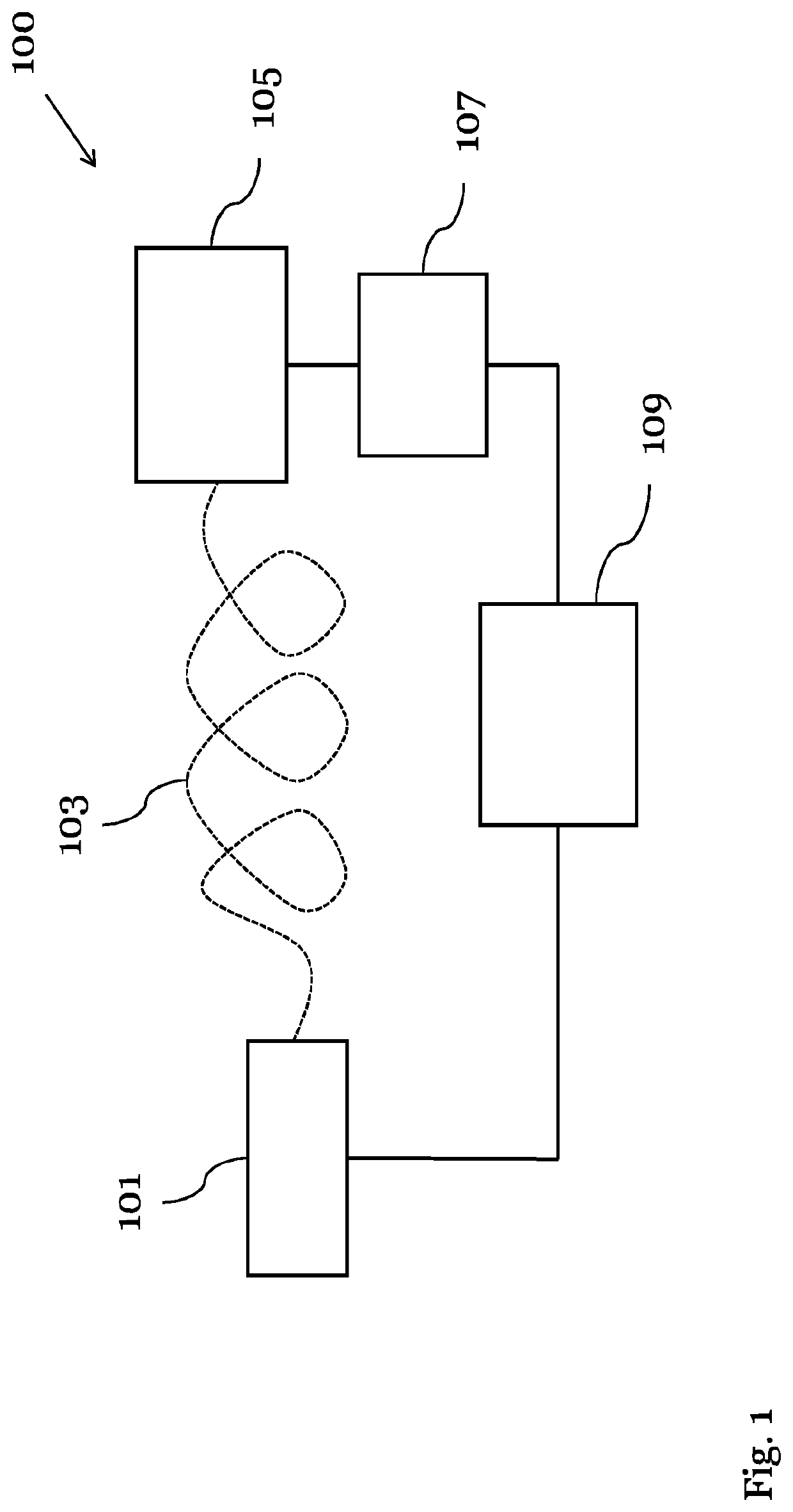
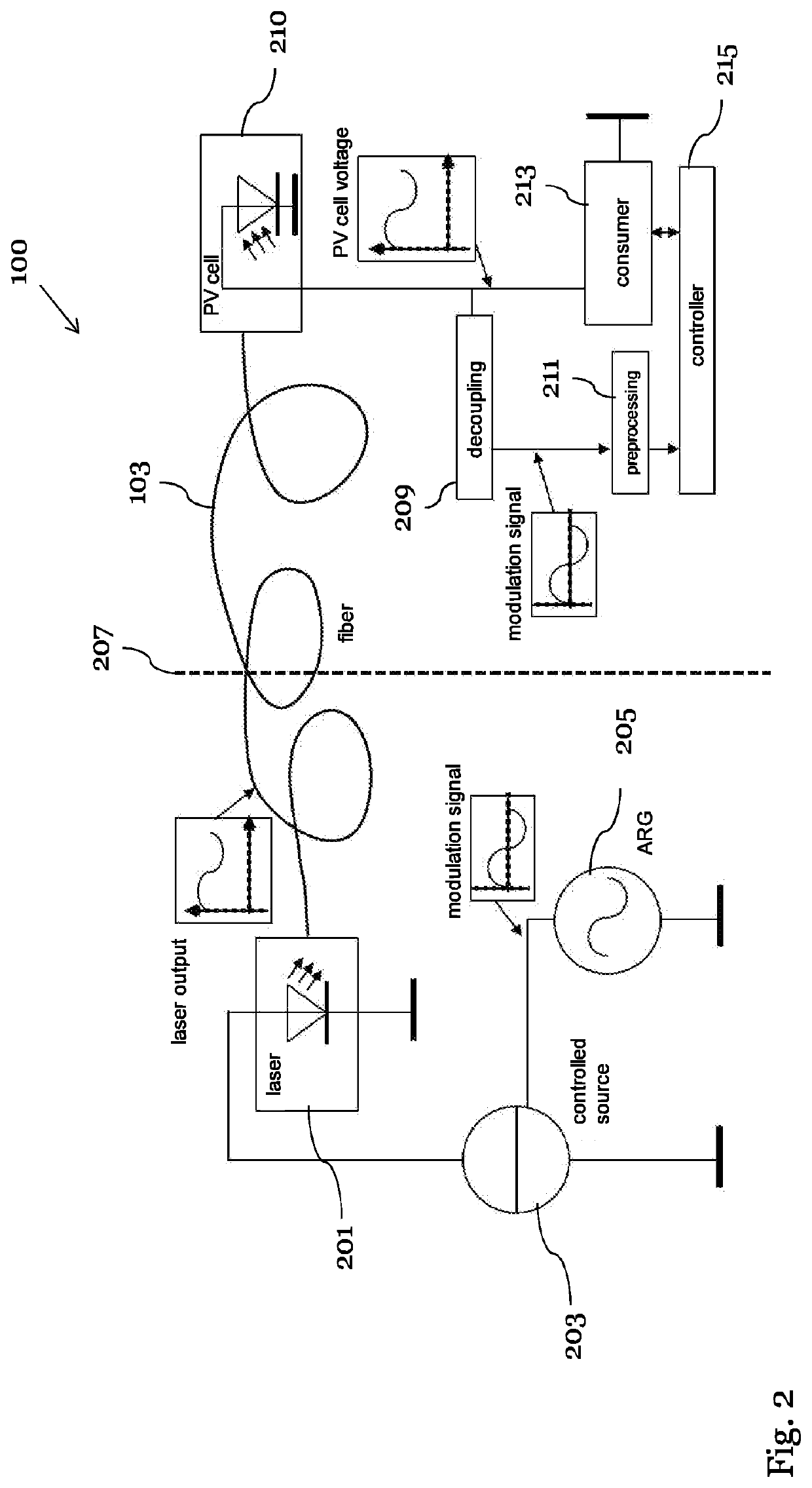
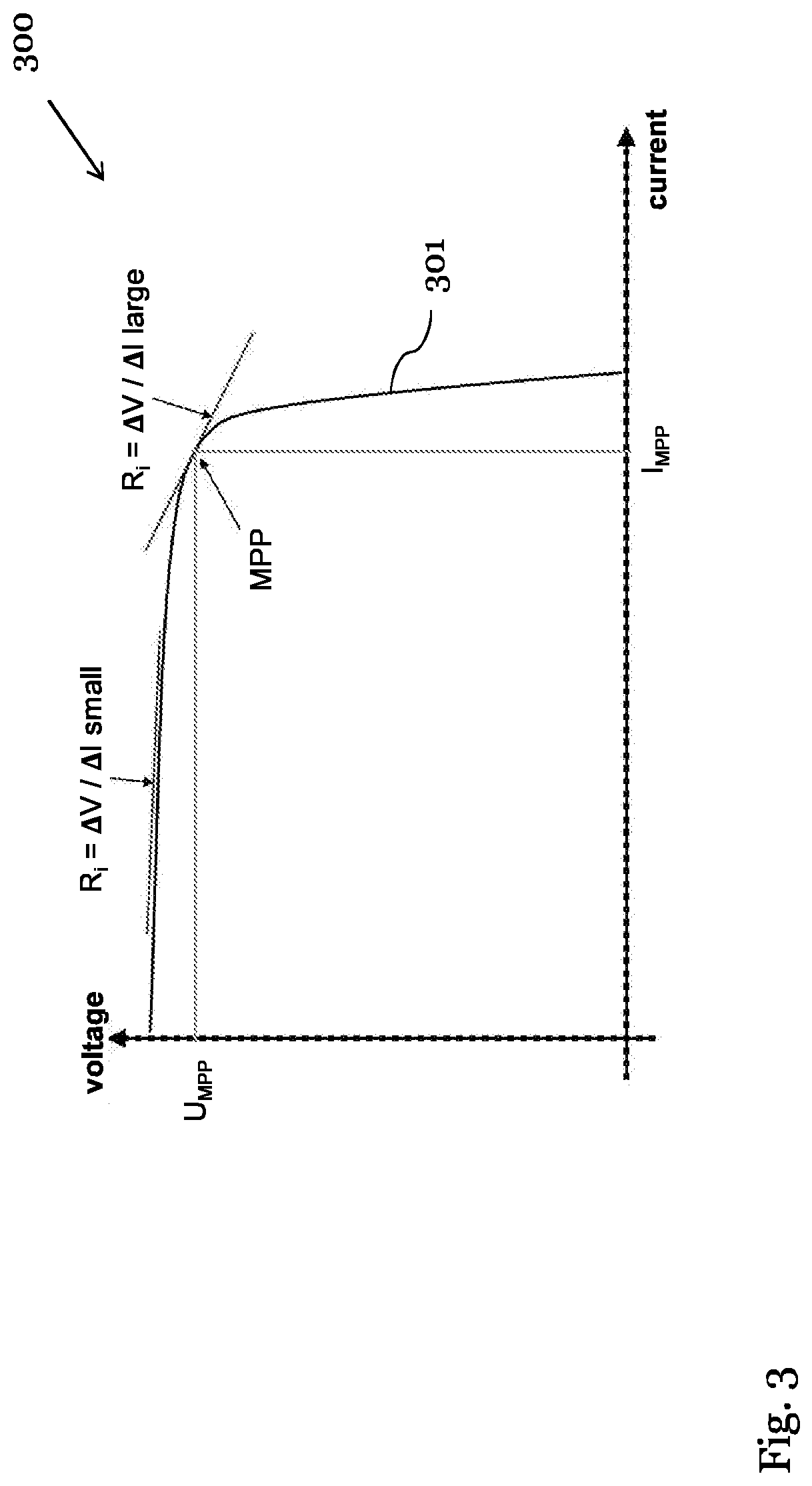
- A PoF system comprising an optical source with intensity modulation, an optical fiber, an optical sink for electrical signal conversion, a detection unit to analyze the electrical signal's characteristics, and a control unit to adjust the optical source's output based on detected inefficiencies, ensuring stable energy supply by compensating for reduced conversion efficiency.

High power and data over optical fiber
PatentWO2025096835A1
Innovation
- A Power over Fiber (PoF) system that uses a PoF transmitter to convert electrical power to optical power, encode data into light signals, and transmit them through an optical fiber cable to a PoF receiver, which converts the optical power back to electrical power and decodes the data.


Environmental Regulations for Green Fiber Technologies
The regulatory landscape for green fiber technologies, particularly Power-over-Fiber (PoF) systems, is evolving rapidly as governments worldwide recognize the critical role of sustainable telecommunications infrastructure in achieving climate goals. Current environmental regulations primarily focus on energy efficiency standards, material sustainability requirements, and electromagnetic compatibility guidelines that directly impact PoF implementation strategies.
Energy efficiency regulations form the cornerstone of environmental compliance for green fiber technologies. The European Union's Energy Efficiency Directive mandates that telecommunications equipment, including PoF systems, meet stringent power consumption thresholds. These regulations require PoF implementations to demonstrate measurable improvements in power delivery efficiency compared to traditional copper-based systems, typically achieving at least 15-20% better energy performance metrics.
Material composition and lifecycle management regulations are increasingly stringent across major markets. The Restriction of Hazardous Substances (RoHS) directive and similar regulations in North America and Asia-Pacific regions impose strict limitations on toxic materials used in fiber optic components and power conversion systems. PoF technologies must comply with lead-free soldering requirements, mercury restrictions, and cadmium limitations while maintaining operational reliability and performance standards.
Electromagnetic interference and safety regulations present unique challenges for PoF systems. The Federal Communications Commission's electromagnetic compatibility standards and equivalent international regulations require comprehensive testing protocols for optical power transmission systems. These regulations ensure that PoF implementations do not interfere with existing communication networks while maintaining safe operational parameters for both equipment and personnel.
Emerging carbon footprint regulations are reshaping the regulatory environment for green fiber technologies. Several jurisdictions are implementing mandatory carbon accounting requirements for telecommunications infrastructure projects, compelling organizations to quantify and report the environmental impact of PoF deployments. These regulations often include lifecycle assessment requirements, covering manufacturing, installation, operation, and end-of-life disposal phases.
Compliance frameworks are becoming increasingly complex as regulators introduce performance-based standards rather than prescriptive technical requirements. This shift enables greater innovation flexibility for PoF implementations while maintaining environmental protection objectives. Organizations must navigate multiple regulatory jurisdictions simultaneously, as cross-border telecommunications projects often involve compliance with varying national and regional environmental standards.
Energy efficiency regulations form the cornerstone of environmental compliance for green fiber technologies. The European Union's Energy Efficiency Directive mandates that telecommunications equipment, including PoF systems, meet stringent power consumption thresholds. These regulations require PoF implementations to demonstrate measurable improvements in power delivery efficiency compared to traditional copper-based systems, typically achieving at least 15-20% better energy performance metrics.
Material composition and lifecycle management regulations are increasingly stringent across major markets. The Restriction of Hazardous Substances (RoHS) directive and similar regulations in North America and Asia-Pacific regions impose strict limitations on toxic materials used in fiber optic components and power conversion systems. PoF technologies must comply with lead-free soldering requirements, mercury restrictions, and cadmium limitations while maintaining operational reliability and performance standards.
Electromagnetic interference and safety regulations present unique challenges for PoF systems. The Federal Communications Commission's electromagnetic compatibility standards and equivalent international regulations require comprehensive testing protocols for optical power transmission systems. These regulations ensure that PoF implementations do not interfere with existing communication networks while maintaining safe operational parameters for both equipment and personnel.
Emerging carbon footprint regulations are reshaping the regulatory environment for green fiber technologies. Several jurisdictions are implementing mandatory carbon accounting requirements for telecommunications infrastructure projects, compelling organizations to quantify and report the environmental impact of PoF deployments. These regulations often include lifecycle assessment requirements, covering manufacturing, installation, operation, and end-of-life disposal phases.
Compliance frameworks are becoming increasingly complex as regulators introduce performance-based standards rather than prescriptive technical requirements. This shift enables greater innovation flexibility for PoF implementations while maintaining environmental protection objectives. Organizations must navigate multiple regulatory jurisdictions simultaneously, as cross-border telecommunications projects often involve compliance with varying national and regional environmental standards.
Carbon Footprint Assessment of PoF Systems
The carbon footprint assessment of Power-over-Fiber (PoF) systems represents a critical evaluation framework for understanding the environmental impact of this emerging green technology. Unlike traditional copper-based power delivery systems, PoF technology demonstrates significantly reduced carbon emissions throughout its operational lifecycle, primarily due to the elimination of electromagnetic interference and enhanced energy conversion efficiency.
Comprehensive lifecycle assessment studies indicate that PoF systems generate approximately 40-60% lower carbon emissions compared to conventional Power-over-Ethernet (PoE) solutions. This reduction stems from multiple factors, including the inherent efficiency of optical power transmission, reduced heat generation, and minimized energy losses during long-distance power delivery. The optical fiber infrastructure itself contributes to lower manufacturing carbon footprints due to the abundance of silica-based materials and reduced mining requirements for rare earth elements.
Manufacturing phase assessments reveal that PoF components, particularly photovoltaic cells and laser diodes, require initial carbon investments that are typically offset within 18-24 months of operation. The production of optical fibers generates substantially lower carbon emissions per meter compared to copper cables, with studies showing a 70% reduction in manufacturing-related CO2 equivalent emissions.
Operational carbon footprint analysis demonstrates the superior performance of PoF systems in remote and distributed applications. The technology eliminates the need for local AC-DC conversion equipment, reducing standby power consumption by up to 85% in typical sensor network deployments. This efficiency translates to measurable carbon footprint reductions, particularly in large-scale Internet of Things implementations and remote monitoring systems.
End-of-life carbon impact assessments favor PoF technology due to the recyclability of optical components and the absence of heavy metals commonly found in traditional power systems. The glass-based fiber infrastructure can be recycled with minimal energy requirements, while photovoltaic cells retain value for secondary applications, further reducing the overall carbon footprint of the technology lifecycle.
Comprehensive lifecycle assessment studies indicate that PoF systems generate approximately 40-60% lower carbon emissions compared to conventional Power-over-Ethernet (PoE) solutions. This reduction stems from multiple factors, including the inherent efficiency of optical power transmission, reduced heat generation, and minimized energy losses during long-distance power delivery. The optical fiber infrastructure itself contributes to lower manufacturing carbon footprints due to the abundance of silica-based materials and reduced mining requirements for rare earth elements.
Manufacturing phase assessments reveal that PoF components, particularly photovoltaic cells and laser diodes, require initial carbon investments that are typically offset within 18-24 months of operation. The production of optical fibers generates substantially lower carbon emissions per meter compared to copper cables, with studies showing a 70% reduction in manufacturing-related CO2 equivalent emissions.
Operational carbon footprint analysis demonstrates the superior performance of PoF systems in remote and distributed applications. The technology eliminates the need for local AC-DC conversion equipment, reducing standby power consumption by up to 85% in typical sensor network deployments. This efficiency translates to measurable carbon footprint reductions, particularly in large-scale Internet of Things implementations and remote monitoring systems.
End-of-life carbon impact assessments favor PoF technology due to the recyclability of optical components and the absence of heavy metals commonly found in traditional power systems. The glass-based fiber infrastructure can be recycled with minimal energy requirements, while photovoltaic cells retain value for secondary applications, further reducing the overall carbon footprint of the technology lifecycle.
Unlock deeper insights with PatSnap Eureka Quick Research — get a full tech report to explore trends and direct your research. Try now!
Generate Your Research Report Instantly with AI Agent
Supercharge your innovation with PatSnap Eureka AI Agent Platform!