
Improving Anchor Bolt Corrosion Prevention Techniques
FEB 12, 20269 MIN READ
Generate Your Research Report Instantly with AI Agent
Patsnap Eureka helps you evaluate technical feasibility & market potential.
Anchor Bolt Corrosion Background and Prevention Goals
Anchor bolts serve as critical structural elements in construction and infrastructure projects, providing essential connections between concrete foundations and steel structures, equipment, and machinery. These fastening systems are ubiquitous across diverse applications including high-rise buildings, bridges, industrial facilities, power plants, and offshore structures. The integrity of anchor bolt connections directly impacts structural safety, operational reliability, and long-term performance of engineered systems.
The corrosion of anchor bolts represents one of the most significant challenges in structural engineering and maintenance. When exposed to environmental factors such as moisture, chlorides, sulfates, and varying pH conditions, anchor bolts undergo electrochemical degradation that compromises their load-bearing capacity and structural integrity. This deterioration process is particularly accelerated in marine environments, industrial settings with chemical exposure, and regions with harsh weather conditions.
Historical analysis reveals that anchor bolt corrosion has been responsible for numerous structural failures and costly maintenance interventions. The economic impact extends beyond immediate repair costs to include downtime, safety risks, and potential catastrophic failures. Traditional approaches to corrosion prevention have shown limited effectiveness over extended service periods, highlighting the urgent need for advanced protection strategies.
The evolution of anchor bolt corrosion prevention has progressed through several distinct phases. Early methods relied primarily on basic galvanization and paint coatings, which provided limited protection duration. Subsequent developments introduced cathodic protection systems and improved coating technologies, yet challenges persisted in achieving long-term durability and cost-effectiveness.
Contemporary prevention goals focus on developing comprehensive protection systems that address multiple corrosion mechanisms simultaneously. Primary objectives include extending service life to match structural design periods of 50-100 years, reducing maintenance requirements, and ensuring consistent performance across diverse environmental conditions. Advanced material science approaches seek to integrate corrosion resistance at the molecular level through innovative alloy compositions and surface treatments.
Emerging prevention strategies emphasize smart monitoring systems that provide real-time corrosion assessment and predictive maintenance capabilities. These technologies aim to transform reactive maintenance approaches into proactive management systems, optimizing both performance and lifecycle costs while ensuring structural safety throughout the intended service period.
The corrosion of anchor bolts represents one of the most significant challenges in structural engineering and maintenance. When exposed to environmental factors such as moisture, chlorides, sulfates, and varying pH conditions, anchor bolts undergo electrochemical degradation that compromises their load-bearing capacity and structural integrity. This deterioration process is particularly accelerated in marine environments, industrial settings with chemical exposure, and regions with harsh weather conditions.
Historical analysis reveals that anchor bolt corrosion has been responsible for numerous structural failures and costly maintenance interventions. The economic impact extends beyond immediate repair costs to include downtime, safety risks, and potential catastrophic failures. Traditional approaches to corrosion prevention have shown limited effectiveness over extended service periods, highlighting the urgent need for advanced protection strategies.
The evolution of anchor bolt corrosion prevention has progressed through several distinct phases. Early methods relied primarily on basic galvanization and paint coatings, which provided limited protection duration. Subsequent developments introduced cathodic protection systems and improved coating technologies, yet challenges persisted in achieving long-term durability and cost-effectiveness.
Contemporary prevention goals focus on developing comprehensive protection systems that address multiple corrosion mechanisms simultaneously. Primary objectives include extending service life to match structural design periods of 50-100 years, reducing maintenance requirements, and ensuring consistent performance across diverse environmental conditions. Advanced material science approaches seek to integrate corrosion resistance at the molecular level through innovative alloy compositions and surface treatments.
Emerging prevention strategies emphasize smart monitoring systems that provide real-time corrosion assessment and predictive maintenance capabilities. These technologies aim to transform reactive maintenance approaches into proactive management systems, optimizing both performance and lifecycle costs while ensuring structural safety throughout the intended service period.
Market Demand for Durable Anchor Bolt Solutions
The global construction industry's increasing emphasis on structural longevity and safety has created substantial demand for enhanced anchor bolt corrosion prevention solutions. Infrastructure projects worldwide face mounting pressure to extend service life while reducing maintenance costs, driving the need for more durable fastening systems. Traditional anchor bolts often fail prematurely due to corrosion, leading to costly repairs, structural compromises, and safety concerns that have heightened market awareness of superior protection technologies.
Marine and coastal construction sectors represent particularly high-demand segments for advanced corrosion-resistant anchor bolts. Offshore wind farms, port facilities, and coastal infrastructure projects require fastening solutions capable of withstanding harsh saltwater environments for decades. The renewable energy sector's rapid expansion has intensified this demand, as wind turbine foundations and solar panel mounting systems require anchor bolts with exceptional corrosion resistance to ensure long-term operational reliability.
Industrial facilities processing chemicals, petrochemicals, and other corrosive substances constitute another significant market segment. These environments expose anchor bolts to aggressive chemical atmospheres that accelerate corrosion processes, creating urgent demand for specialized protection techniques. Power generation facilities, water treatment plants, and manufacturing complexes increasingly specify enhanced corrosion prevention requirements in their procurement processes.
The transportation infrastructure sector demonstrates growing market appetite for durable anchor bolt solutions. Bridge construction, tunnel projects, and highway infrastructure investments prioritize longevity to minimize lifecycle costs and service disruptions. Government agencies and private developers increasingly recognize that investing in superior corrosion prevention technologies delivers substantial long-term economic benefits compared to frequent replacement cycles.
Emerging market trends indicate strong preference for integrated corrosion prevention approaches rather than standalone solutions. Customers seek comprehensive systems combining advanced coatings, cathodic protection, and material innovations to maximize protection effectiveness. This holistic approach reflects growing sophistication in procurement decisions and deeper understanding of corrosion mechanisms among end users.
Regional demand patterns show particular strength in developing economies investing heavily in infrastructure development. These markets often prioritize solutions offering optimal balance between initial cost and long-term performance, creating opportunities for innovative corrosion prevention technologies that demonstrate clear value propositions through reduced maintenance requirements and extended service intervals.
Marine and coastal construction sectors represent particularly high-demand segments for advanced corrosion-resistant anchor bolts. Offshore wind farms, port facilities, and coastal infrastructure projects require fastening solutions capable of withstanding harsh saltwater environments for decades. The renewable energy sector's rapid expansion has intensified this demand, as wind turbine foundations and solar panel mounting systems require anchor bolts with exceptional corrosion resistance to ensure long-term operational reliability.
Industrial facilities processing chemicals, petrochemicals, and other corrosive substances constitute another significant market segment. These environments expose anchor bolts to aggressive chemical atmospheres that accelerate corrosion processes, creating urgent demand for specialized protection techniques. Power generation facilities, water treatment plants, and manufacturing complexes increasingly specify enhanced corrosion prevention requirements in their procurement processes.
The transportation infrastructure sector demonstrates growing market appetite for durable anchor bolt solutions. Bridge construction, tunnel projects, and highway infrastructure investments prioritize longevity to minimize lifecycle costs and service disruptions. Government agencies and private developers increasingly recognize that investing in superior corrosion prevention technologies delivers substantial long-term economic benefits compared to frequent replacement cycles.
Emerging market trends indicate strong preference for integrated corrosion prevention approaches rather than standalone solutions. Customers seek comprehensive systems combining advanced coatings, cathodic protection, and material innovations to maximize protection effectiveness. This holistic approach reflects growing sophistication in procurement decisions and deeper understanding of corrosion mechanisms among end users.
Regional demand patterns show particular strength in developing economies investing heavily in infrastructure development. These markets often prioritize solutions offering optimal balance between initial cost and long-term performance, creating opportunities for innovative corrosion prevention technologies that demonstrate clear value propositions through reduced maintenance requirements and extended service intervals.
Current Corrosion Issues and Technical Challenges
Anchor bolt corrosion represents one of the most critical structural integrity challenges in modern construction and infrastructure maintenance. The phenomenon occurs when metallic anchor bolts undergo electrochemical degradation due to exposure to moisture, oxygen, and various environmental contaminants. This process is particularly accelerated in marine environments, industrial facilities, and regions with high humidity or aggressive atmospheric conditions.
The primary corrosion mechanisms affecting anchor bolts include uniform corrosion, pitting corrosion, and stress corrosion cracking. Uniform corrosion leads to gradual material loss across the bolt surface, while pitting creates localized deep cavities that can severely compromise structural integrity. Stress corrosion cracking combines mechanical stress with corrosive environments, resulting in crack propagation that can lead to sudden bolt failure without visible warning signs.
Current technical challenges stem from the complex interaction between multiple degradation factors. Galvanic corrosion occurs when anchor bolts are in contact with dissimilar metals, creating electrochemical cells that accelerate deterioration. Crevice corrosion develops in confined spaces where oxygen depletion creates aggressive local environments, particularly problematic in bolt-to-substrate interfaces where inspection access is limited.
Environmental factors significantly compound these challenges. Chloride ion penetration from deicing salts or marine exposure creates highly corrosive conditions that can penetrate traditional protective coatings. Temperature cycling causes expansion and contraction that can crack protective barriers, while carbonation of surrounding concrete reduces alkalinity, eliminating the natural passivation layer that typically protects embedded steel components.
Detection and monitoring present substantial technical hurdles. Traditional visual inspection methods are inadequate for identifying subsurface corrosion or early-stage degradation. Non-destructive testing techniques face limitations in accessing embedded portions of anchor systems, while the heterogeneous nature of corrosion makes accurate assessment of remaining service life extremely challenging.
Existing protective measures demonstrate varying degrees of effectiveness and limitations. Hot-dip galvanizing provides excellent initial protection but can be compromised by mechanical damage during installation. Organic coatings offer versatility but may degrade under UV exposure or mechanical stress. Cathodic protection systems require ongoing maintenance and can be difficult to implement in existing structures, while stainless steel alternatives involve significantly higher material costs that limit widespread adoption.
The primary corrosion mechanisms affecting anchor bolts include uniform corrosion, pitting corrosion, and stress corrosion cracking. Uniform corrosion leads to gradual material loss across the bolt surface, while pitting creates localized deep cavities that can severely compromise structural integrity. Stress corrosion cracking combines mechanical stress with corrosive environments, resulting in crack propagation that can lead to sudden bolt failure without visible warning signs.
Current technical challenges stem from the complex interaction between multiple degradation factors. Galvanic corrosion occurs when anchor bolts are in contact with dissimilar metals, creating electrochemical cells that accelerate deterioration. Crevice corrosion develops in confined spaces where oxygen depletion creates aggressive local environments, particularly problematic in bolt-to-substrate interfaces where inspection access is limited.
Environmental factors significantly compound these challenges. Chloride ion penetration from deicing salts or marine exposure creates highly corrosive conditions that can penetrate traditional protective coatings. Temperature cycling causes expansion and contraction that can crack protective barriers, while carbonation of surrounding concrete reduces alkalinity, eliminating the natural passivation layer that typically protects embedded steel components.
Detection and monitoring present substantial technical hurdles. Traditional visual inspection methods are inadequate for identifying subsurface corrosion or early-stage degradation. Non-destructive testing techniques face limitations in accessing embedded portions of anchor systems, while the heterogeneous nature of corrosion makes accurate assessment of remaining service life extremely challenging.
Existing protective measures demonstrate varying degrees of effectiveness and limitations. Hot-dip galvanizing provides excellent initial protection but can be compromised by mechanical damage during installation. Organic coatings offer versatility but may degrade under UV exposure or mechanical stress. Cathodic protection systems require ongoing maintenance and can be difficult to implement in existing structures, while stainless steel alternatives involve significantly higher material costs that limit widespread adoption.
Existing Corrosion Prevention Solutions for Anchor Bolts
01 Protective coating and covering structures for anchor bolts
Various protective coating methods and covering structures can be applied to anchor bolts to prevent corrosion. These include applying anti-corrosion coatings, using protective sleeves or caps, and implementing sealing structures that isolate the anchor bolt from corrosive environments. The protective layers can be made from materials such as plastics, rubber, or specialized anti-corrosion compounds that create a barrier against moisture, chemicals, and other corrosive agents.- Protective coating and covering structures for anchor bolts: Various protective coating materials and covering structures can be applied to anchor bolts to prevent corrosion. These include polymer coatings, epoxy resins, and specialized protective sleeves or caps that create a barrier between the bolt surface and corrosive environmental elements. The protective layers can be applied during manufacturing or installation to extend the service life of anchor bolts in harsh conditions.
- Corrosion-resistant anchor bolt materials and alloy compositions: The use of corrosion-resistant materials such as stainless steel, galvanized steel, or special alloy compositions can significantly improve the durability of anchor bolts. These materials inherently resist oxidation and chemical degradation, making them suitable for marine environments, chemical plants, and other corrosive settings. Material selection based on environmental conditions is a fundamental approach to corrosion prevention.
- Sealing and waterproofing systems for anchor bolt installations: Implementing sealing and waterproofing systems around anchor bolt installations prevents moisture ingress, which is a primary cause of corrosion. These systems may include rubber gaskets, sealant compounds, waterproof membranes, or grout materials that fill gaps and create watertight seals. Proper sealing during installation is critical for preventing water and contaminants from reaching the bolt surface.
- Cathodic protection methods for anchor bolts: Cathodic protection techniques can be employed to prevent corrosion of anchor bolts by making them the cathode in an electrochemical cell. This can be achieved through sacrificial anode systems or impressed current methods that counteract the natural corrosion process. These electrochemical protection methods are particularly effective for anchor bolts in underground or submerged applications where traditional coatings may be insufficient.
- Structural design improvements and isolation techniques: Innovative structural designs that incorporate isolation techniques can minimize corrosion by reducing direct contact between anchor bolts and corrosive elements. These designs may include drainage systems to prevent water accumulation, ventilation features to reduce moisture buildup, or physical barriers that separate the bolt from corrosive substances. Design modifications that consider environmental exposure and facilitate inspection and maintenance can significantly enhance corrosion resistance.
02 Waterproof and sealing mechanisms for anchor bolt assemblies
Waterproof and sealing mechanisms are designed to prevent water and moisture infiltration into anchor bolt connections. These mechanisms typically involve the use of sealing rings, gaskets, waterproof membranes, or specialized sealing compounds that are installed around the anchor bolt interface. The sealing structures effectively block the entry of water and corrosive substances, thereby extending the service life of the anchor bolts in humid or wet environments.Expand Specific Solutions03 Corrosion-resistant materials and surface treatments
The use of corrosion-resistant materials and surface treatment technologies can significantly enhance the anti-corrosion performance of anchor bolts. This includes manufacturing anchor bolts from stainless steel, galvanized steel, or other corrosion-resistant alloys. Surface treatments such as hot-dip galvanizing, electroplating, phosphating, or applying specialized anti-corrosion coatings can provide additional protection layers that resist oxidation and chemical attack.Expand Specific Solutions04 Detachable and replaceable protective devices
Detachable and replaceable protective devices offer flexible corrosion prevention solutions for anchor bolts. These devices include removable protective caps, sleeves, or covers that can be easily installed and replaced when damaged or degraded. The detachable design allows for convenient inspection, maintenance, and replacement of protective components without requiring complete anchor bolt replacement, making long-term corrosion management more practical and cost-effective.Expand Specific Solutions05 Integrated anti-corrosion anchor bolt systems
Integrated anti-corrosion anchor bolt systems combine multiple corrosion prevention features into a unified design. These systems may incorporate built-in drainage channels, ventilation structures, sacrificial anodes, or cathodic protection elements. The integrated approach addresses corrosion from multiple angles, including moisture management, electrochemical protection, and physical barriers, providing comprehensive and long-lasting corrosion resistance for anchor bolt installations in challenging environments.Expand Specific Solutions
Key Players in Anchor Bolt and Corrosion Protection Industry
The anchor bolt corrosion prevention technology sector is experiencing significant growth driven by infrastructure aging and increased focus on structural integrity across multiple industries. The market demonstrates substantial potential, particularly in power transmission, construction, and industrial applications, with companies like State Grid Corp. of China and Siemens AG leading large-scale infrastructure deployments. Technology maturity varies considerably across the competitive landscape, with established players such as BASF Coatings GmbH and Nitto Denko Corp. offering advanced coating solutions, while specialized firms like Deha Ankersysteme GmbH focus on anchor-specific innovations. The sector shows strong development momentum with diverse approaches ranging from chemical treatments by TotalEnergies to mechanical solutions from General Electric Company, indicating a maturing but still evolving technological ecosystem with significant opportunities for breakthrough innovations.
BASF Coatings GmbH
Technical Solution: BASF develops advanced anti-corrosion coating systems specifically designed for anchor bolt applications. Their technology includes zinc-rich primers, epoxy-based intermediate coats, and polyurethane topcoats that provide multi-layer protection against environmental factors. The company's coating solutions incorporate nanotechnology additives that enhance barrier properties and self-healing capabilities. Their systems demonstrate superior adhesion to steel substrates and maintain protective properties under cyclic loading conditions typical in anchor bolt applications. BASF's coatings are formulated to withstand harsh marine environments, chemical exposure, and temperature variations while maintaining long-term durability and performance standards required for critical infrastructure applications.
Strengths: Industry-leading chemical expertise and comprehensive coating portfolio with proven long-term performance. Weaknesses: Higher initial cost compared to conventional protection methods and requires specialized application procedures.
Nitto Denko Corp.
Technical Solution: Nitto Denko develops advanced adhesive tape and film technologies for anchor bolt corrosion protection applications. Their solutions include high-performance butyl rubber tapes with superior conformability and sealing properties that provide moisture barriers around anchor bolt connections. The company's technology incorporates corrosion inhibiting compounds within the adhesive matrix that actively prevent electrochemical corrosion processes. Their products feature excellent adhesion to various substrates including steel, concrete, and existing coatings, with long-term weatherability under UV exposure and temperature cycling. Nitto Denko's systems are designed for easy application and maintenance, offering cost-effective protection solutions particularly suitable for retrofit applications and field repairs.
Strengths: Innovative adhesive technology with easy application and excellent conformability to complex geometries. Weaknesses: Limited effectiveness in high-temperature applications and potential degradation under extreme mechanical stress conditions.
Core Innovations in Anti-Corrosion Technologies
Anchor bolt assembly having a corrosion resistant bushing
PatentInactiveUS7520102B1
Innovation
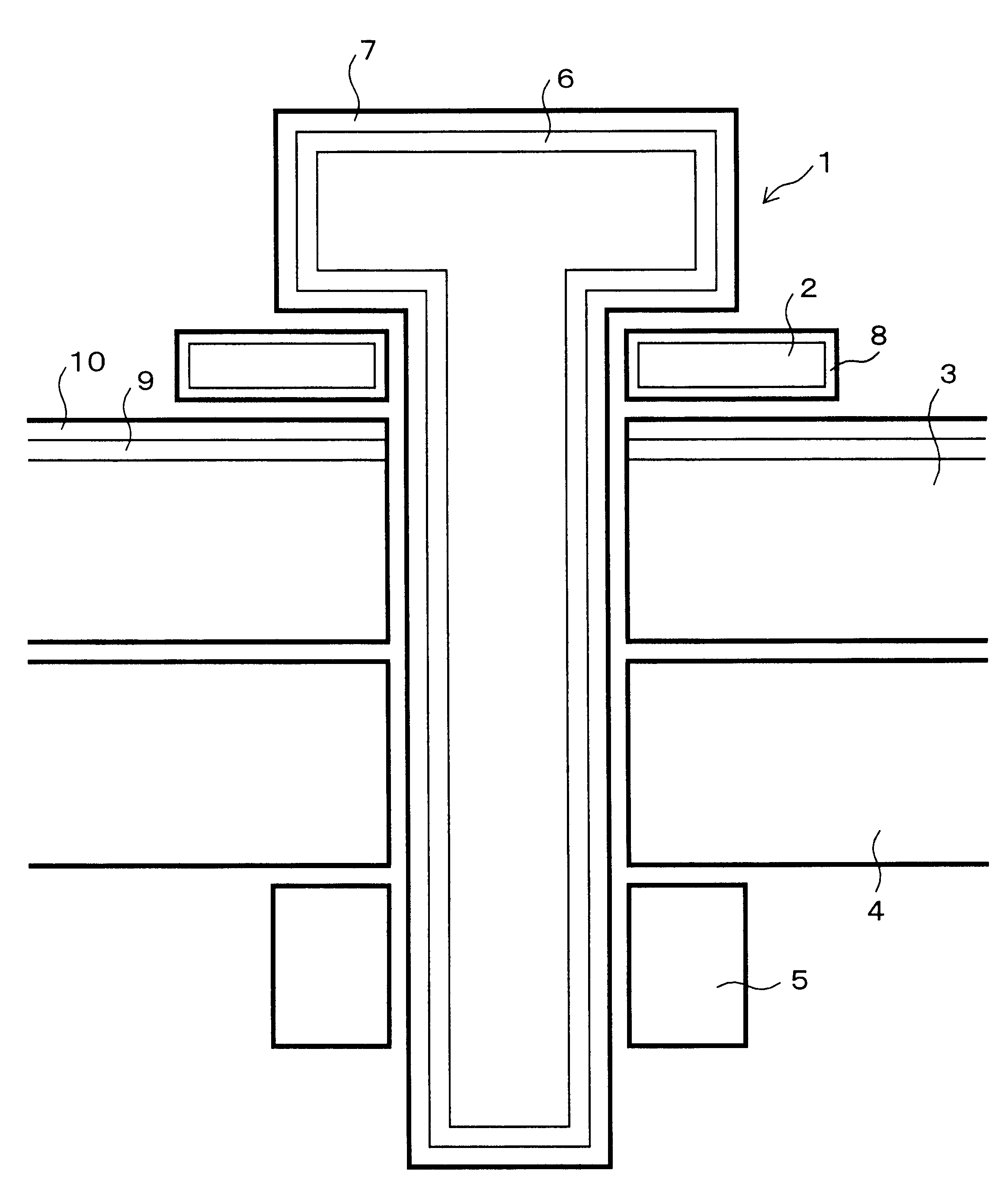
- An anchor bolt assembly that includes a corrosion-resistant polymeric bushing surrounding the anchor bolt to create an impervious barrier between the metal components and the treated wood sill, preventing chemical contact and corrosion.


Bolt structure for use with a magnesium alloy member for tightening magnesium alloy members with each other or with a heterogenenous material
PatentInactiveUS6979161B2
Innovation
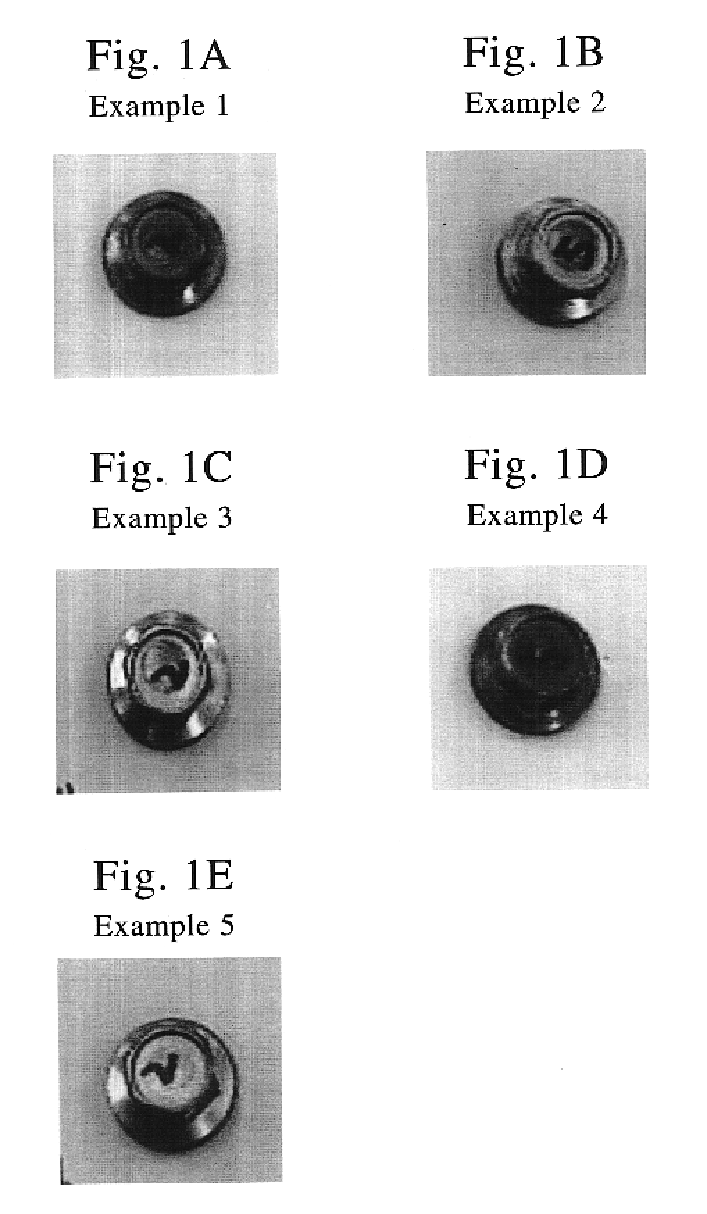
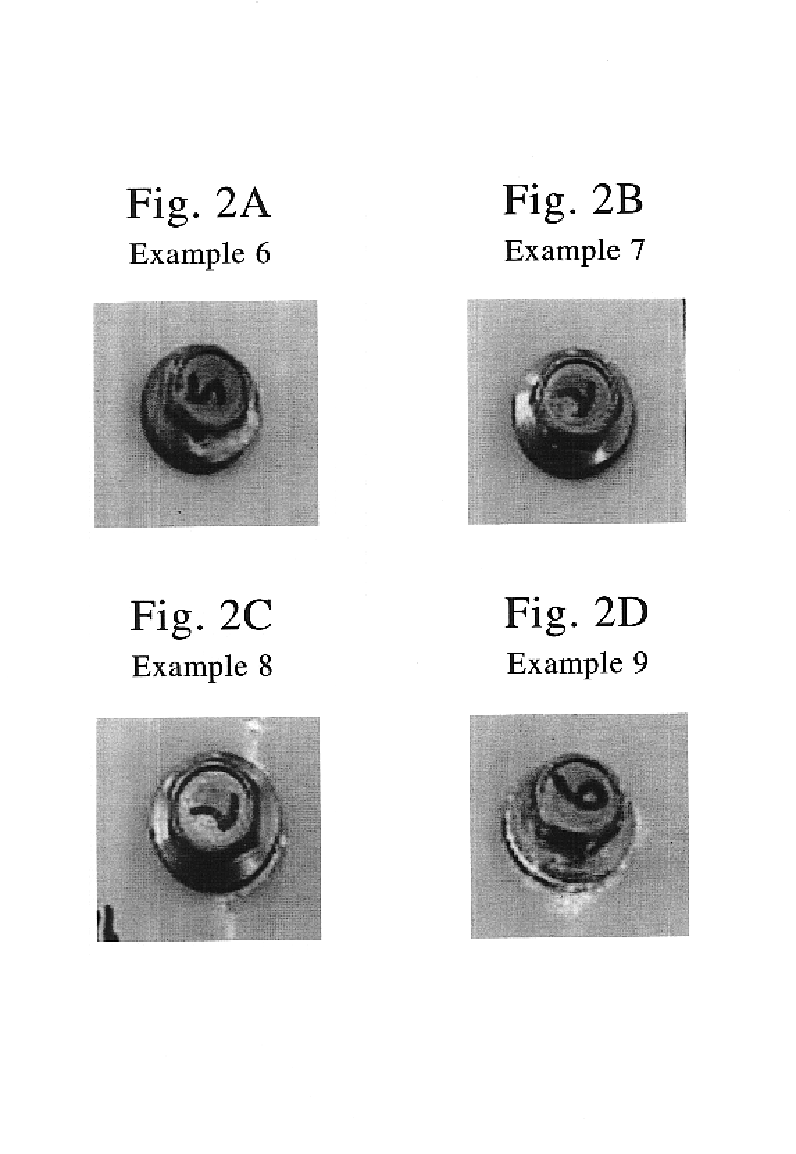
- A bolt tightening structure for magnesium alloy members that includes a cationic electrodeposition coating with a film thickness of 15 μm or more on the magnesium alloy surface, followed by a powder coating of 40 to 150 μm, zinc-nickel plating, and cosmer treatment on the bolt, along with an alumite-treated aluminum washer between the bolt head and magnesium alloy member to prevent electrolytic corrosion.

Environmental Impact Assessment of Corrosion Prevention
The environmental implications of anchor bolt corrosion prevention techniques represent a critical consideration in sustainable infrastructure development. Traditional corrosion prevention methods, while effective in extending structural lifespan, often introduce significant environmental challenges that require comprehensive assessment and mitigation strategies.
Conventional galvanizing processes, widely employed for anchor bolt protection, generate substantial environmental concerns through zinc emissions and energy-intensive manufacturing procedures. The hot-dip galvanizing process releases zinc particulates into the atmosphere and produces zinc-rich wastewater that requires specialized treatment before discharge. Additionally, the high-temperature requirements of galvanizing operations contribute to increased carbon emissions and energy consumption patterns.
Chemical coating systems present complex environmental trade-offs in corrosion prevention applications. Epoxy-based protective coatings contain volatile organic compounds that contribute to air quality degradation during application and curing phases. Polyurethane and acrylic coating systems similarly release harmful vapors, while their production processes involve petroleum-derived raw materials with associated carbon footprints. The disposal of coating waste and contaminated application equipment further compounds environmental impact concerns.
Emerging bio-based corrosion inhibitors demonstrate promising environmental advantages over traditional chemical alternatives. Plant-derived inhibitors, including extracts from agricultural waste products, offer biodegradable protection mechanisms with reduced toxicity profiles. These sustainable alternatives minimize soil and groundwater contamination risks while supporting circular economy principles through waste material utilization.
Cathodic protection systems present unique environmental considerations related to electrical energy consumption and electrode material selection. Impressed current systems require continuous power supply, contributing to operational carbon footprints, while sacrificial anode systems generate metallic corrosion byproducts that may affect surrounding soil chemistry. The environmental impact varies significantly based on power source sustainability and anode material composition.
Life cycle assessment methodologies reveal that environmental optimization requires balancing immediate protection effectiveness against long-term ecological consequences. Extended service life achieved through effective corrosion prevention reduces replacement frequency and associated manufacturing impacts, potentially offsetting initial environmental costs. Comprehensive environmental impact evaluation must therefore consider both direct application effects and indirect benefits from enhanced structural durability and reduced maintenance requirements.
Conventional galvanizing processes, widely employed for anchor bolt protection, generate substantial environmental concerns through zinc emissions and energy-intensive manufacturing procedures. The hot-dip galvanizing process releases zinc particulates into the atmosphere and produces zinc-rich wastewater that requires specialized treatment before discharge. Additionally, the high-temperature requirements of galvanizing operations contribute to increased carbon emissions and energy consumption patterns.
Chemical coating systems present complex environmental trade-offs in corrosion prevention applications. Epoxy-based protective coatings contain volatile organic compounds that contribute to air quality degradation during application and curing phases. Polyurethane and acrylic coating systems similarly release harmful vapors, while their production processes involve petroleum-derived raw materials with associated carbon footprints. The disposal of coating waste and contaminated application equipment further compounds environmental impact concerns.
Emerging bio-based corrosion inhibitors demonstrate promising environmental advantages over traditional chemical alternatives. Plant-derived inhibitors, including extracts from agricultural waste products, offer biodegradable protection mechanisms with reduced toxicity profiles. These sustainable alternatives minimize soil and groundwater contamination risks while supporting circular economy principles through waste material utilization.
Cathodic protection systems present unique environmental considerations related to electrical energy consumption and electrode material selection. Impressed current systems require continuous power supply, contributing to operational carbon footprints, while sacrificial anode systems generate metallic corrosion byproducts that may affect surrounding soil chemistry. The environmental impact varies significantly based on power source sustainability and anode material composition.
Life cycle assessment methodologies reveal that environmental optimization requires balancing immediate protection effectiveness against long-term ecological consequences. Extended service life achieved through effective corrosion prevention reduces replacement frequency and associated manufacturing impacts, potentially offsetting initial environmental costs. Comprehensive environmental impact evaluation must therefore consider both direct application effects and indirect benefits from enhanced structural durability and reduced maintenance requirements.
Industry Standards and Compliance for Anchor Bolt Systems
The regulatory landscape for anchor bolt systems encompasses multiple international and national standards that establish comprehensive requirements for corrosion prevention. The International Organization for Standardization (ISO) provides foundational guidelines through ISO 898 series for mechanical properties of fasteners, while ISO 4042 specifically addresses electroplated coatings on threaded fasteners. These standards define minimum coating thickness, adhesion requirements, and corrosion resistance testing protocols that directly impact anchor bolt longevity.
American Society for Testing and Materials (ASTM) standards play a crucial role in North American markets, with ASTM A325 and A449 establishing specifications for structural bolts including corrosion protection requirements. ASTM B633 provides detailed electroplating specifications, mandating specific zinc coating thicknesses and chromate conversion treatments. The standard requires minimum coating weights of 300-800 mg/dm² depending on service conditions, with enhanced requirements for marine and industrial environments.
European standards, particularly EN 14399 series, establish stringent requirements for high-strength structural bolting assemblies used in preloading applications. These standards mandate hot-dip galvanizing conforming to EN ISO 1461 for severe corrosion environments, requiring minimum coating thicknesses of 45-85 micrometers. The standards also specify acceptance criteria for coating uniformity and adhesion testing procedures.
Building codes and construction standards significantly influence anchor bolt corrosion prevention requirements. The International Building Code (IBC) references ASTM and AISC standards for structural connections, while regional codes may impose additional requirements based on local environmental conditions. Seismic design codes often mandate enhanced corrosion protection for critical structural elements, recognizing that anchor bolt failure can compromise overall structural integrity.
Industry-specific compliance requirements vary considerably across sectors. Offshore and marine applications must comply with NACE International standards, particularly NACE SP0176 for corrosion control of steel fixed offshore platforms. These standards require comprehensive corrosion management systems including cathodic protection, barrier coatings, and regular inspection protocols. Nuclear industry applications follow NRC guidelines and ASME codes that mandate extensive material traceability and long-term performance validation.
Quality assurance and testing protocols form integral components of compliance frameworks. Standards typically require batch testing of coating thickness, adhesion strength, and salt spray resistance. Documentation requirements include material certificates, coating inspection reports, and long-term performance monitoring data. Non-compliance can result in project delays, liability issues, and potential structural failures, making adherence to established standards essential for successful anchor bolt system implementation.
American Society for Testing and Materials (ASTM) standards play a crucial role in North American markets, with ASTM A325 and A449 establishing specifications for structural bolts including corrosion protection requirements. ASTM B633 provides detailed electroplating specifications, mandating specific zinc coating thicknesses and chromate conversion treatments. The standard requires minimum coating weights of 300-800 mg/dm² depending on service conditions, with enhanced requirements for marine and industrial environments.
European standards, particularly EN 14399 series, establish stringent requirements for high-strength structural bolting assemblies used in preloading applications. These standards mandate hot-dip galvanizing conforming to EN ISO 1461 for severe corrosion environments, requiring minimum coating thicknesses of 45-85 micrometers. The standards also specify acceptance criteria for coating uniformity and adhesion testing procedures.
Building codes and construction standards significantly influence anchor bolt corrosion prevention requirements. The International Building Code (IBC) references ASTM and AISC standards for structural connections, while regional codes may impose additional requirements based on local environmental conditions. Seismic design codes often mandate enhanced corrosion protection for critical structural elements, recognizing that anchor bolt failure can compromise overall structural integrity.
Industry-specific compliance requirements vary considerably across sectors. Offshore and marine applications must comply with NACE International standards, particularly NACE SP0176 for corrosion control of steel fixed offshore platforms. These standards require comprehensive corrosion management systems including cathodic protection, barrier coatings, and regular inspection protocols. Nuclear industry applications follow NRC guidelines and ASME codes that mandate extensive material traceability and long-term performance validation.
Quality assurance and testing protocols form integral components of compliance frameworks. Standards typically require batch testing of coating thickness, adhesion strength, and salt spray resistance. Documentation requirements include material certificates, coating inspection reports, and long-term performance monitoring data. Non-compliance can result in project delays, liability issues, and potential structural failures, making adherence to established standards essential for successful anchor bolt system implementation.
Unlock deeper insights with Patsnap Eureka Quick Research — get a full tech report to explore trends and direct your research. Try now!
Generate Your Research Report Instantly with AI Agent
Supercharge your innovation with Patsnap Eureka AI Agent Platform!