

Improving Bioelectrochemical System Yield Using Redox Mediators
APR 29, 20269 MIN READ
Generate Your Research Report Instantly with AI Agent
PatSnap Eureka helps you evaluate technical feasibility & market potential.
Bioelectrochemical System Background and Yield Enhancement Goals
Bioelectrochemical systems represent a revolutionary convergence of biological processes and electrochemical engineering, emerging from decades of research into microbial fuel cells and bioelectrochemical reactors. These systems harness the metabolic activities of electroactive microorganisms to facilitate electron transfer processes, enabling applications ranging from wastewater treatment and energy recovery to biosensing and bioremediation.
The fundamental principle underlying bioelectrochemical systems involves the utilization of microorganisms as biocatalysts to drive electrochemical reactions. Electroactive bacteria, such as Geobacter and Shewanella species, possess the unique ability to transfer electrons generated from organic substrate oxidation to external electron acceptors, including electrodes. This extracellular electron transfer mechanism forms the cornerstone of bioelectrochemical system functionality.
Historical development of bioelectrochemical systems traces back to the early 20th century when researchers first observed electrical phenomena in biological systems. However, significant technological advancement occurred in the 1980s and 1990s with the identification of electroactive microorganisms and the development of practical microbial fuel cell configurations. The field has since evolved to encompass diverse applications including microbial electrolysis cells, bioelectrochemical sensors, and microbial desalination cells.
Current technological evolution focuses on addressing fundamental limitations that constrain system performance, particularly low power densities, limited electron transfer rates, and suboptimal energy conversion efficiencies. These challenges have driven research toward innovative approaches for enhancing bioelectrochemical system yield through various strategies including electrode material optimization, reactor design improvements, and microbial community engineering.
The integration of redox mediators represents a promising technological pathway for overcoming electron transfer bottlenecks that limit bioelectrochemical system performance. Redox mediators function as electron shuttles, facilitating enhanced electron transfer between microorganisms and electrodes by providing alternative pathways that bypass natural limitations of direct electron transfer mechanisms.
Primary yield enhancement goals encompass achieving higher power densities, improved coulombic efficiencies, enhanced substrate conversion rates, and increased overall system stability. These objectives require addressing multiple technical challenges including optimizing redox mediator selection, concentration, and regeneration mechanisms while maintaining system economic viability and environmental compatibility. Success in these areas would enable broader commercial deployment of bioelectrochemical systems across various industrial applications.
The fundamental principle underlying bioelectrochemical systems involves the utilization of microorganisms as biocatalysts to drive electrochemical reactions. Electroactive bacteria, such as Geobacter and Shewanella species, possess the unique ability to transfer electrons generated from organic substrate oxidation to external electron acceptors, including electrodes. This extracellular electron transfer mechanism forms the cornerstone of bioelectrochemical system functionality.
Historical development of bioelectrochemical systems traces back to the early 20th century when researchers first observed electrical phenomena in biological systems. However, significant technological advancement occurred in the 1980s and 1990s with the identification of electroactive microorganisms and the development of practical microbial fuel cell configurations. The field has since evolved to encompass diverse applications including microbial electrolysis cells, bioelectrochemical sensors, and microbial desalination cells.
Current technological evolution focuses on addressing fundamental limitations that constrain system performance, particularly low power densities, limited electron transfer rates, and suboptimal energy conversion efficiencies. These challenges have driven research toward innovative approaches for enhancing bioelectrochemical system yield through various strategies including electrode material optimization, reactor design improvements, and microbial community engineering.
The integration of redox mediators represents a promising technological pathway for overcoming electron transfer bottlenecks that limit bioelectrochemical system performance. Redox mediators function as electron shuttles, facilitating enhanced electron transfer between microorganisms and electrodes by providing alternative pathways that bypass natural limitations of direct electron transfer mechanisms.
Primary yield enhancement goals encompass achieving higher power densities, improved coulombic efficiencies, enhanced substrate conversion rates, and increased overall system stability. These objectives require addressing multiple technical challenges including optimizing redox mediator selection, concentration, and regeneration mechanisms while maintaining system economic viability and environmental compatibility. Success in these areas would enable broader commercial deployment of bioelectrochemical systems across various industrial applications.
Market Demand for High-Efficiency Bioelectrochemical Systems
The global bioelectrochemical systems market is experiencing unprecedented growth driven by increasing environmental regulations and the urgent need for sustainable energy solutions. Industries across wastewater treatment, renewable energy generation, and environmental remediation are actively seeking high-efficiency alternatives to conventional technologies that can simultaneously address pollution control and energy recovery challenges.
Municipal wastewater treatment facilities represent the largest market segment, where bioelectrochemical systems offer dual benefits of organic matter removal and electricity generation. The technology addresses critical operational cost concerns while meeting increasingly stringent discharge standards. Industrial sectors including food processing, pharmaceutical manufacturing, and chemical production are demonstrating strong interest in systems that can treat complex organic waste streams while generating valuable byproducts.
The renewable energy sector is driving significant demand for bioelectrochemical systems as complementary technologies to solar and wind power. These systems provide consistent baseload power generation from organic waste materials, addressing intermittency challenges inherent in other renewable technologies. Energy companies are particularly interested in systems that can operate continuously regardless of weather conditions while utilizing readily available feedstock materials.
Agricultural and rural communities present emerging market opportunities where bioelectrochemical systems can process agricultural waste, livestock manure, and crop residues while generating electricity for local consumption. This application addresses both waste management challenges and energy access issues in remote locations where grid connectivity remains limited or unreliable.
Market demand is increasingly focused on system efficiency improvements, with end users requiring higher power densities, improved coulombic efficiency, and enhanced long-term stability. Current commercial systems face adoption barriers due to relatively low power output and high capital costs compared to conventional alternatives. Users specifically demand systems capable of achieving higher current densities while maintaining stable performance over extended operational periods.
The integration of redox mediators represents a critical market requirement for achieving commercially viable efficiency levels. End users are seeking systems that can overcome electron transfer limitations and achieve the performance benchmarks necessary for widespread commercial deployment across diverse industrial applications.
Municipal wastewater treatment facilities represent the largest market segment, where bioelectrochemical systems offer dual benefits of organic matter removal and electricity generation. The technology addresses critical operational cost concerns while meeting increasingly stringent discharge standards. Industrial sectors including food processing, pharmaceutical manufacturing, and chemical production are demonstrating strong interest in systems that can treat complex organic waste streams while generating valuable byproducts.
The renewable energy sector is driving significant demand for bioelectrochemical systems as complementary technologies to solar and wind power. These systems provide consistent baseload power generation from organic waste materials, addressing intermittency challenges inherent in other renewable technologies. Energy companies are particularly interested in systems that can operate continuously regardless of weather conditions while utilizing readily available feedstock materials.
Agricultural and rural communities present emerging market opportunities where bioelectrochemical systems can process agricultural waste, livestock manure, and crop residues while generating electricity for local consumption. This application addresses both waste management challenges and energy access issues in remote locations where grid connectivity remains limited or unreliable.
Market demand is increasingly focused on system efficiency improvements, with end users requiring higher power densities, improved coulombic efficiency, and enhanced long-term stability. Current commercial systems face adoption barriers due to relatively low power output and high capital costs compared to conventional alternatives. Users specifically demand systems capable of achieving higher current densities while maintaining stable performance over extended operational periods.
The integration of redox mediators represents a critical market requirement for achieving commercially viable efficiency levels. End users are seeking systems that can overcome electron transfer limitations and achieve the performance benchmarks necessary for widespread commercial deployment across diverse industrial applications.
Current BES Performance Limitations and Redox Mediator Challenges
Bioelectrochemical systems face significant performance limitations that constrain their commercial viability and widespread adoption. The most critical limitation is low current density, typically ranging from 0.1 to 10 A/m², which is substantially lower than conventional electrochemical systems. This limitation stems from inefficient electron transfer between microorganisms and electrode surfaces, creating a bottleneck in the overall energy conversion process.
Power output represents another major constraint, with most BES configurations achieving power densities below 5 W/m². This low power generation capability limits practical applications and makes BES technology economically uncompetitive compared to traditional energy conversion methods. The internal resistance of BES systems, often exceeding 100 Ω, contributes significantly to these power limitations by causing substantial voltage losses during operation.
Electron transfer efficiency remains problematic due to the inherent biological barriers in microbial metabolism. Direct electron transfer between microorganisms and electrodes is limited by the availability of cytochromes and other electron transfer proteins on bacterial cell surfaces. Additionally, biofilm formation, while necessary for stable operation, can create diffusion limitations that impede substrate access and product removal.
Redox mediators, despite their potential to enhance electron transfer, present their own set of challenges. Toxicity concerns arise with many synthetic mediators, as compounds like methylene blue and neutral red can inhibit microbial growth at concentrations required for effective electron shuttling. This toxicity creates a narrow operational window that limits mediator effectiveness.
Stability issues plague both natural and synthetic redox mediators. Many mediators undergo irreversible chemical transformations under BES operating conditions, leading to gradual performance degradation. The reducing environment in BES can cause mediator precipitation or chemical modification, reducing their electron shuttling capacity over time.
Cost considerations significantly impact mediator selection and system economics. Effective synthetic mediators often require expensive synthesis processes or rare materials, while natural mediators may need continuous replenishment due to biodegradation. The economic burden of mediator replacement can offset the performance benefits they provide.
Selectivity challenges emerge when mediators interact with non-target organisms or interfere with desired metabolic pathways. Some mediators can short-circuit electron flow or promote unwanted side reactions, reducing overall system efficiency. Additionally, mediator recovery and recycling remain technically challenging, contributing to operational costs and environmental concerns.
Power output represents another major constraint, with most BES configurations achieving power densities below 5 W/m². This low power generation capability limits practical applications and makes BES technology economically uncompetitive compared to traditional energy conversion methods. The internal resistance of BES systems, often exceeding 100 Ω, contributes significantly to these power limitations by causing substantial voltage losses during operation.
Electron transfer efficiency remains problematic due to the inherent biological barriers in microbial metabolism. Direct electron transfer between microorganisms and electrodes is limited by the availability of cytochromes and other electron transfer proteins on bacterial cell surfaces. Additionally, biofilm formation, while necessary for stable operation, can create diffusion limitations that impede substrate access and product removal.
Redox mediators, despite their potential to enhance electron transfer, present their own set of challenges. Toxicity concerns arise with many synthetic mediators, as compounds like methylene blue and neutral red can inhibit microbial growth at concentrations required for effective electron shuttling. This toxicity creates a narrow operational window that limits mediator effectiveness.
Stability issues plague both natural and synthetic redox mediators. Many mediators undergo irreversible chemical transformations under BES operating conditions, leading to gradual performance degradation. The reducing environment in BES can cause mediator precipitation or chemical modification, reducing their electron shuttling capacity over time.
Cost considerations significantly impact mediator selection and system economics. Effective synthetic mediators often require expensive synthesis processes or rare materials, while natural mediators may need continuous replenishment due to biodegradation. The economic burden of mediator replacement can offset the performance benefits they provide.
Selectivity challenges emerge when mediators interact with non-target organisms or interfere with desired metabolic pathways. Some mediators can short-circuit electron flow or promote unwanted side reactions, reducing overall system efficiency. Additionally, mediator recovery and recycling remain technically challenging, contributing to operational costs and environmental concerns.
Current Redox Mediator Solutions for BES Yield Improvement
01 Electrode optimization and configuration for enhanced bioelectrochemical performance
Various electrode materials, configurations, and surface modifications can be employed to improve the efficiency of bioelectrochemical systems. This includes the use of specialized electrode materials with enhanced conductivity, surface area optimization, and electrode spacing arrangements that facilitate better electron transfer between microorganisms and the electrode surface, ultimately leading to increased system yield.- Electrode optimization and configuration for enhanced bioelectrochemical performance: Various electrode materials, configurations, and surface modifications are employed to improve the efficiency of bioelectrochemical systems. These include specialized electrode coatings, three-dimensional electrode structures, and novel electrode arrangements that facilitate better electron transfer between microorganisms and the electrode surface. The optimization of electrode spacing, surface area, and material properties directly impacts the overall system yield.
- Microbial community engineering and biocatalyst enhancement: The selection, modification, and optimization of microbial communities or specific microorganisms used as biocatalysts in bioelectrochemical systems significantly affects yield performance. This includes genetic engineering approaches, selective enrichment of electroactive bacteria, and the development of mixed microbial consortiums that can efficiently convert substrates while generating electrical current or producing desired chemical products.
- System design and reactor configuration optimization: The physical design and operational parameters of bioelectrochemical reactors play a crucial role in maximizing yield. This encompasses reactor geometry, flow patterns, membrane selection, compartment separation, and overall system architecture. Different reactor designs such as single-chamber, dual-chamber, or multi-chamber configurations are optimized to enhance mass transfer, reduce internal resistance, and improve overall system efficiency.
- Process control and operational parameter optimization: The control of operational parameters such as pH, temperature, substrate concentration, hydraulic retention time, and electrical load management is essential for maximizing bioelectrochemical system yield. Advanced monitoring and control systems, automated feedback mechanisms, and real-time optimization strategies are implemented to maintain optimal conditions throughout the operational cycle.
- Substrate utilization and metabolic pathway enhancement: The efficient utilization of various substrates and the optimization of metabolic pathways within bioelectrochemical systems directly influence yield outcomes. This includes the development of systems capable of processing complex organic matter, industrial wastewater, or specific chemical compounds while simultaneously generating electricity or producing valuable chemicals. Enhanced substrate conversion rates and improved metabolic efficiency are key factors in yield optimization.
02 Microbial community enhancement and biofilm development
The selection and cultivation of specific microbial communities, along with optimized biofilm formation techniques, play a crucial role in improving bioelectrochemical system performance. Methods include the use of enriched microbial cultures, biofilm growth promoters, and controlled environmental conditions that support the development of electroactive bacteria capable of efficient electron transfer.Expand Specific Solutions03 System design and reactor configuration optimization
Advanced reactor designs and system configurations can significantly impact the overall yield of bioelectrochemical systems. This encompasses innovations in reactor geometry, flow patterns, separation mechanisms, and integrated system components that optimize mass transfer, reduce internal resistance, and improve overall system efficiency through better design principles.Expand Specific Solutions04 Process control and operational parameter optimization
Systematic control of operational parameters such as pH, temperature, substrate concentration, and hydraulic retention time is essential for maximizing bioelectrochemical system yield. Advanced monitoring and control systems enable real-time optimization of these parameters to maintain optimal conditions for microbial activity and electron transfer efficiency.Expand Specific Solutions05 Substrate utilization and metabolic pathway enhancement
Optimization of substrate types, concentrations, and feeding strategies, along with enhancement of microbial metabolic pathways, contributes to improved system yield. This includes the use of various organic substrates, co-substrates, and metabolic enhancers that promote efficient substrate conversion and electron generation in bioelectrochemical processes.Expand Specific Solutions
Key Players in Bioelectrochemical and Redox Mediator Industry
The bioelectrochemical system (BES) field utilizing redox mediators is in an emerging growth stage, characterized by significant research activity but limited commercial deployment. The market remains nascent with substantial potential, driven by applications in biosensors, energy storage, and environmental remediation. Technology maturity varies considerably across applications, with glucose monitoring representing the most advanced segment, evidenced by established players like Abbott Diabetes Care, AgaMatrix, Ascensia Diabetes Care, and i-SENS who have successfully commercialized electrochemical biosensors. Industrial applications show moderate development through companies like BASF Corp., ENEOS Corp., and UBE Corp. exploring chemical process integration. The competitive landscape is heavily research-driven, with leading institutions including Swiss Federal Institute of Technology, Korea Advanced Institute of Science & Technology, Rice University, and various Chinese universities conducting fundamental research. This academic dominance indicates the technology is still transitioning from laboratory to commercial viability, with significant opportunities for breakthrough innovations in redox mediator design and system optimization.
BASF Corp.
Technical Solution: BASF has developed advanced redox mediator systems for bioelectrochemical applications, focusing on synthetic quinone derivatives and ferrocene-based compounds that enhance electron transfer efficiency in microbial fuel cells. Their proprietary mediator formulations demonstrate improved stability under varying pH conditions and extended operational lifespans. The company's approach integrates chemical engineering expertise with biotechnology to optimize mediator concentration and delivery mechanisms, resulting in enhanced power density and substrate conversion rates in bioelectrochemical systems.
Strengths: Strong chemical synthesis capabilities and industrial scale-up expertise. Weaknesses: High development costs and potential environmental concerns with synthetic mediators.
Toyota Central R&D Labs, Inc.
Technical Solution: Toyota has developed innovative redox mediator technologies for bioelectrochemical systems with applications in automotive fuel cell integration. Their research focuses on hybrid organic-inorganic mediators that can function effectively in variable temperature conditions typical of vehicle environments. The company has pioneered the use of modified porphyrin compounds and metal-organic frameworks as electron shuttles, achieving significant improvements in current density and system durability. Their approach emphasizes cost-effective mediator recycling and regeneration mechanisms.
Strengths: Automotive integration expertise and robust system design capabilities. Weaknesses: Limited focus on non-automotive bioelectrochemical applications.
Core Redox Mediator Innovations and Patent Analysis
Method for the electrochemical control of the photosynthetic metabolism of purple non-sulfur bacteria and redox mediators thereof
PatentPendingUS20230331604A1
Innovation
- The method involves using fat-soluble redox mediators with a more negative equilibrium potential than cytoplasmic thioredoxins to alter the oxidation state of disulfide bonds, promoting photosynthetic gene expression over respiratory genes through electrochemical control in an electrochemical cell, combined with light irradiation, allowing for efficient carbon assimilation regardless of oxygen presence.


Immobilized redox mediators for the treatment of contaminated waters and gas emissions
PatentInactiveUS8147701B2
Innovation
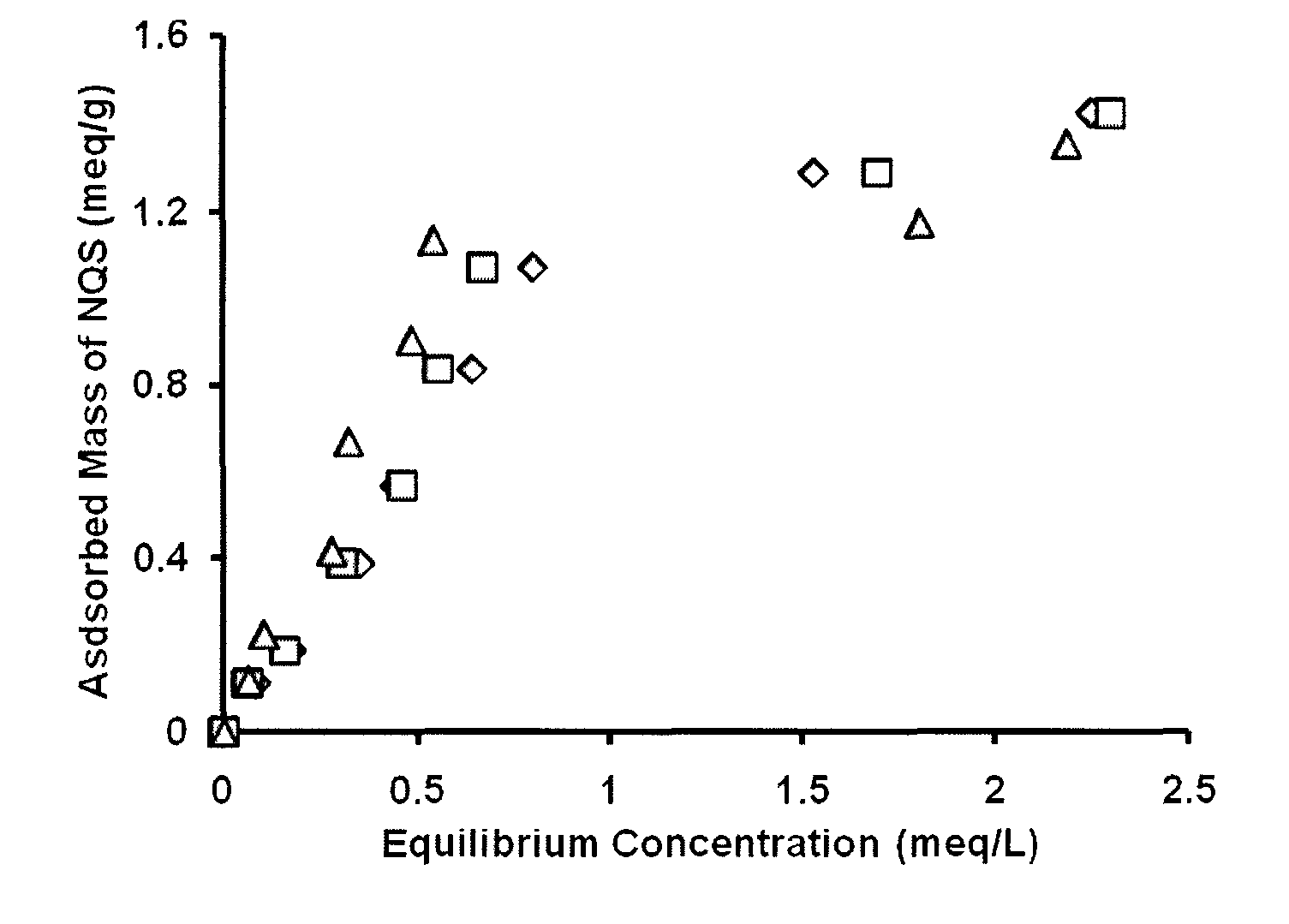
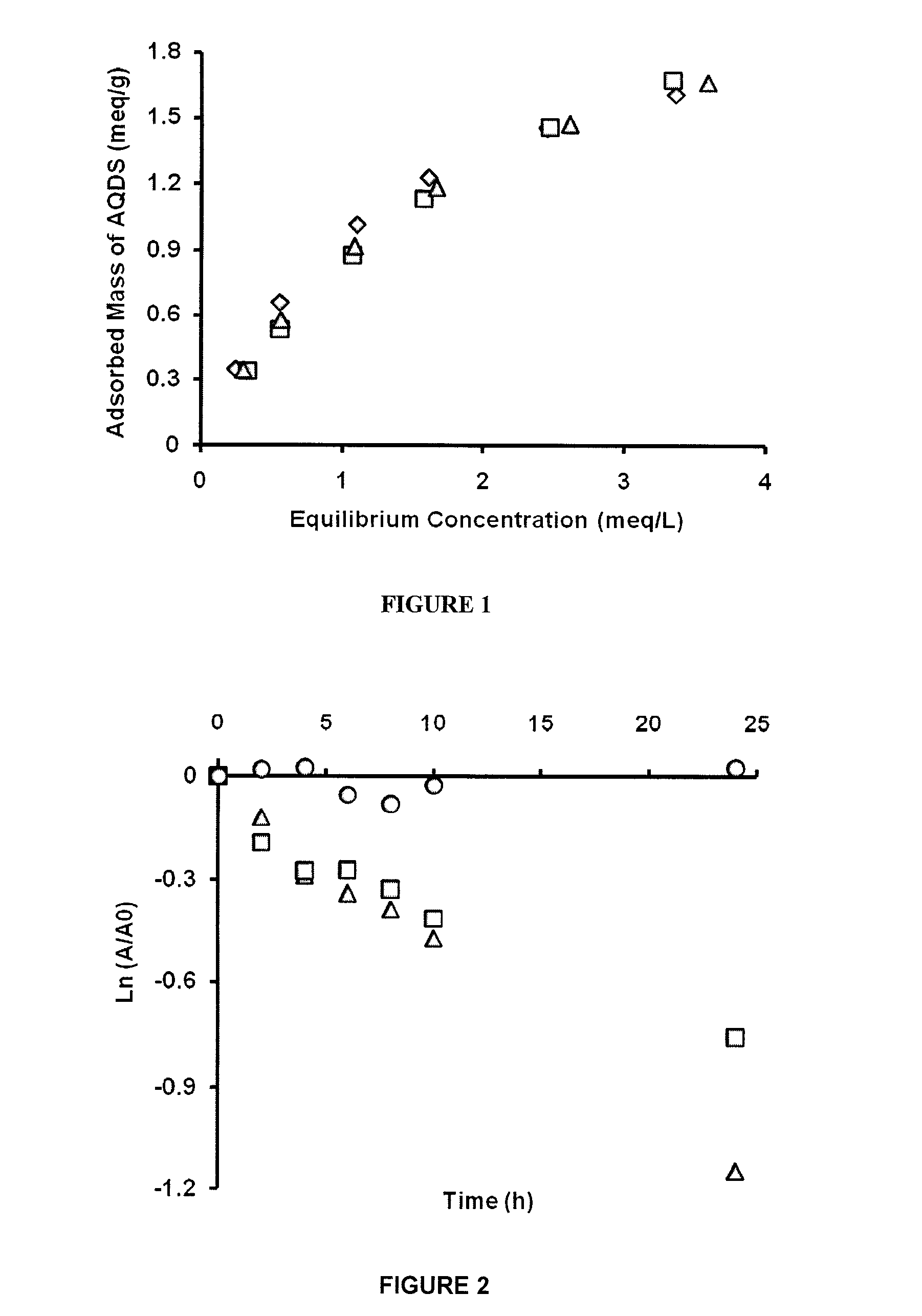
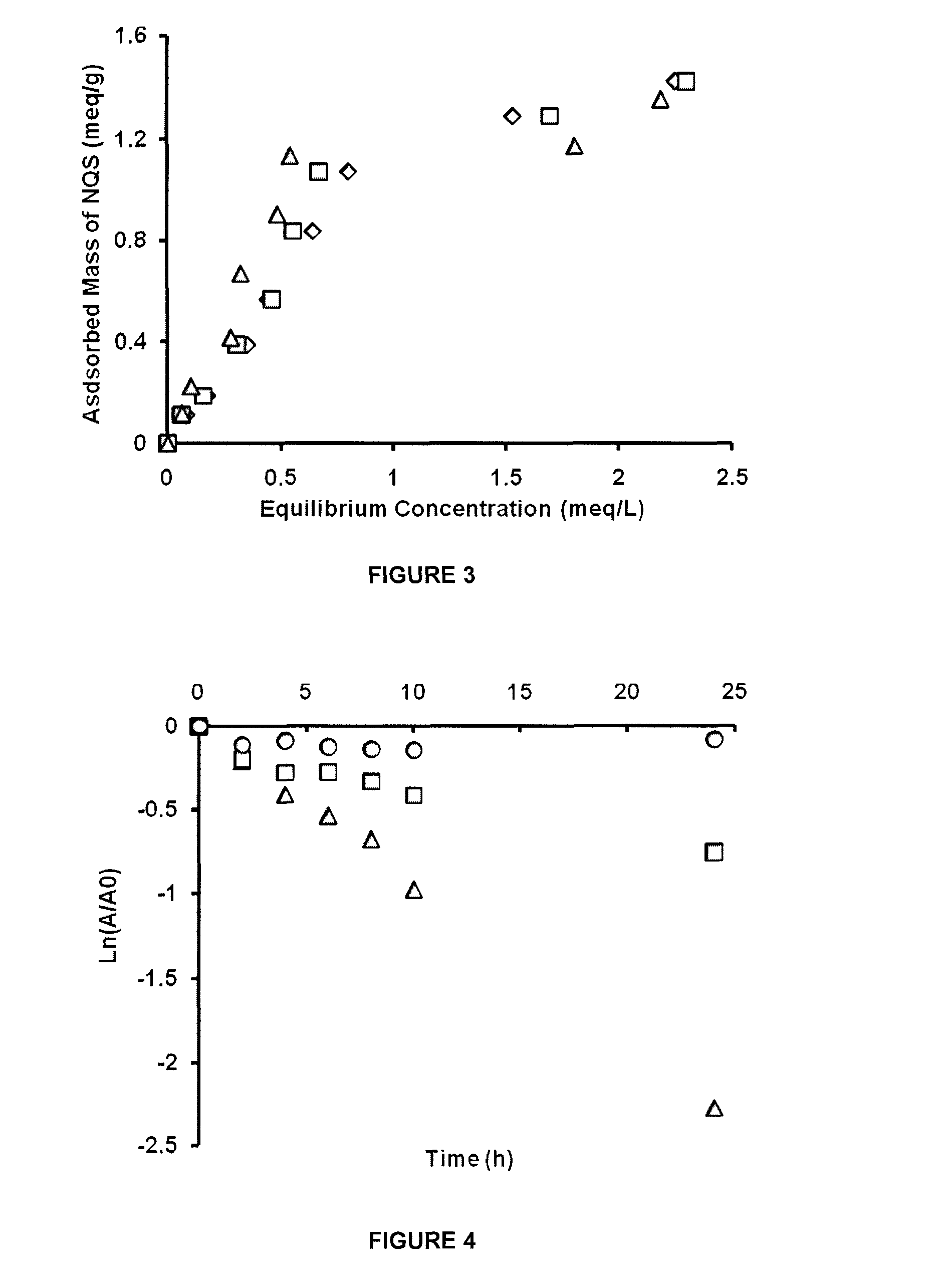
- Immobilization of quinoid redox mediators on ion exchange resins, which are selected for their physical-chemical properties and stability, allowing stable attraction and retention of redox active groups, reducing mass transfer limitations and wash-out, and enabling effective electron transfer to pollutants.

Environmental Regulations for Bioelectrochemical Applications
The regulatory landscape for bioelectrochemical systems (BES) utilizing redox mediators is evolving rapidly as these technologies transition from laboratory research to commercial applications. Current environmental regulations primarily focus on traditional wastewater treatment and energy generation systems, creating regulatory gaps that need to be addressed for BES deployment.
In the United States, the Environmental Protection Agency (EPA) regulates bioelectrochemical applications under multiple frameworks including the Clean Water Act for wastewater treatment applications and the Toxic Substances Control Act (TSCA) for chemical mediators used in these systems. The FDA also maintains oversight when BES technologies are applied in food processing or pharmaceutical manufacturing contexts.
European Union regulations are more comprehensive, with the REACH regulation requiring extensive safety data for redox mediators before commercial use. The EU's Waste Framework Directive and Water Framework Directive establish strict performance standards for biological treatment systems, which directly impact BES implementation. Additionally, the European Medicines Agency provides guidance for pharmaceutical applications of bioelectrochemical processes.
Redox mediator safety represents a critical regulatory concern. Synthetic mediators like methylene blue and neutral red require toxicity assessments and environmental fate studies. Regulatory agencies are particularly focused on mediator persistence, bioaccumulation potential, and ecotoxicity effects. Natural mediators such as riboflavin and humic substances generally face fewer regulatory hurdles but still require documentation of purity and source materials.
Emerging regulatory trends indicate increased scrutiny of microbial safety in BES applications. The containment of genetically modified organisms used in some advanced systems requires compliance with biosafety regulations. Additionally, regulations are evolving to address the disposal and recycling of spent mediators and electrode materials.
International harmonization efforts are underway through organizations like the International Organization for Standardization (ISO) to develop unified testing protocols and safety standards. These initiatives aim to streamline regulatory approval processes while maintaining environmental protection standards across different jurisdictions.
In the United States, the Environmental Protection Agency (EPA) regulates bioelectrochemical applications under multiple frameworks including the Clean Water Act for wastewater treatment applications and the Toxic Substances Control Act (TSCA) for chemical mediators used in these systems. The FDA also maintains oversight when BES technologies are applied in food processing or pharmaceutical manufacturing contexts.
European Union regulations are more comprehensive, with the REACH regulation requiring extensive safety data for redox mediators before commercial use. The EU's Waste Framework Directive and Water Framework Directive establish strict performance standards for biological treatment systems, which directly impact BES implementation. Additionally, the European Medicines Agency provides guidance for pharmaceutical applications of bioelectrochemical processes.
Redox mediator safety represents a critical regulatory concern. Synthetic mediators like methylene blue and neutral red require toxicity assessments and environmental fate studies. Regulatory agencies are particularly focused on mediator persistence, bioaccumulation potential, and ecotoxicity effects. Natural mediators such as riboflavin and humic substances generally face fewer regulatory hurdles but still require documentation of purity and source materials.
Emerging regulatory trends indicate increased scrutiny of microbial safety in BES applications. The containment of genetically modified organisms used in some advanced systems requires compliance with biosafety regulations. Additionally, regulations are evolving to address the disposal and recycling of spent mediators and electrode materials.
International harmonization efforts are underway through organizations like the International Organization for Standardization (ISO) to develop unified testing protocols and safety standards. These initiatives aim to streamline regulatory approval processes while maintaining environmental protection standards across different jurisdictions.
Economic Feasibility of Redox Mediator Implementation
The economic feasibility of implementing redox mediators in bioelectrochemical systems represents a critical factor determining the commercial viability of this technology. Current cost analysis indicates that redox mediator expenses can account for 15-30% of total operational costs in laboratory-scale systems, with synthetic mediators like methylene blue and neutral red commanding prices ranging from $50-200 per kilogram depending on purity requirements.
Manufacturing costs for redox mediators vary significantly based on production scale and chemical complexity. Natural mediators such as riboflavin and humic acid derivatives offer cost advantages, typically priced 40-60% lower than synthetic alternatives. However, their performance consistency and long-term stability present trade-offs that must be evaluated against cost savings. Large-scale production could potentially reduce mediator costs by 30-50% through economies of scale and optimized synthesis processes.
The economic impact extends beyond direct material costs to include system maintenance and mediator replacement frequencies. Degradation rates of common mediators range from 2-8% per operational cycle, necessitating continuous replenishment that affects long-term operational economics. Advanced mediator recovery and recycling systems could reduce replacement costs by up to 70%, though initial capital investment for recovery infrastructure adds $50,000-150,000 to system deployment costs.
Return on investment calculations for mediator-enhanced bioelectrochemical systems show break-even points typically occurring within 3-5 years for industrial applications, assuming 20-40% yield improvements. Energy production costs can be reduced from $0.15-0.25 per kWh to $0.08-0.15 per kWh with optimized mediator implementation. Wastewater treatment applications demonstrate even more favorable economics, with treatment cost reductions of 25-35% offsetting mediator expenses within 18-24 months.
Market adoption barriers include high initial investment requirements and uncertain regulatory frameworks for novel mediator compounds. However, government incentives for renewable energy technologies and carbon reduction initiatives are creating favorable economic conditions. Cost-benefit analyses suggest that mediator implementation becomes economically attractive when system capacities exceed 100 kW or treatment volumes surpass 1000 cubic meters daily.
Manufacturing costs for redox mediators vary significantly based on production scale and chemical complexity. Natural mediators such as riboflavin and humic acid derivatives offer cost advantages, typically priced 40-60% lower than synthetic alternatives. However, their performance consistency and long-term stability present trade-offs that must be evaluated against cost savings. Large-scale production could potentially reduce mediator costs by 30-50% through economies of scale and optimized synthesis processes.
The economic impact extends beyond direct material costs to include system maintenance and mediator replacement frequencies. Degradation rates of common mediators range from 2-8% per operational cycle, necessitating continuous replenishment that affects long-term operational economics. Advanced mediator recovery and recycling systems could reduce replacement costs by up to 70%, though initial capital investment for recovery infrastructure adds $50,000-150,000 to system deployment costs.
Return on investment calculations for mediator-enhanced bioelectrochemical systems show break-even points typically occurring within 3-5 years for industrial applications, assuming 20-40% yield improvements. Energy production costs can be reduced from $0.15-0.25 per kWh to $0.08-0.15 per kWh with optimized mediator implementation. Wastewater treatment applications demonstrate even more favorable economics, with treatment cost reductions of 25-35% offsetting mediator expenses within 18-24 months.
Market adoption barriers include high initial investment requirements and uncertain regulatory frameworks for novel mediator compounds. However, government incentives for renewable energy technologies and carbon reduction initiatives are creating favorable economic conditions. Cost-benefit analyses suggest that mediator implementation becomes economically attractive when system capacities exceed 100 kW or treatment volumes surpass 1000 cubic meters daily.
Unlock deeper insights with PatSnap Eureka Quick Research — get a full tech report to explore trends and direct your research. Try now!
Generate Your Research Report Instantly with AI Agent
Supercharge your innovation with PatSnap Eureka AI Agent Platform!