

Improving Density Control in Analog Signals for Efficient Data Use
MAR 31, 20269 MIN READ
Generate Your Research Report Instantly with AI Agent
PatSnap Eureka helps you evaluate technical feasibility & market potential.
Analog Signal Density Control Background and Objectives
Analog signal processing has undergone significant evolution since the early days of electronic communications, transitioning from purely hardware-based solutions to sophisticated digital-analog hybrid systems. The fundamental challenge of managing signal density while preserving information integrity has remained a persistent concern throughout this technological progression. Traditional analog systems often suffered from inefficient bandwidth utilization and suboptimal data representation, leading to increased costs and reduced system performance.
The concept of density control in analog signals encompasses the strategic management of information content per unit bandwidth, aiming to maximize data throughput while maintaining signal quality. This approach has gained particular relevance in modern applications where spectrum efficiency and power consumption are critical factors. The evolution from basic amplitude modulation techniques to advanced compression algorithms demonstrates the industry's continuous pursuit of more efficient signal utilization methods.
Contemporary technological demands have intensified the need for sophisticated density control mechanisms. The proliferation of Internet of Things devices, autonomous systems, and real-time communication networks has created unprecedented requirements for efficient analog signal processing. These applications demand not only high data rates but also adaptive signal management capabilities that can respond to varying channel conditions and power constraints.
The primary objective of improving density control in analog signals centers on developing methodologies that can dynamically optimize information encoding based on real-time system requirements. This involves creating adaptive algorithms that can assess signal characteristics, channel conditions, and application-specific needs to determine optimal density parameters. The goal extends beyond simple compression to encompass intelligent signal shaping that preserves critical information while eliminating redundant data components.
Another crucial objective involves establishing standardized frameworks for density control implementation across diverse analog systems. This standardization effort aims to ensure interoperability between different platforms while maintaining flexibility for application-specific optimizations. The framework should accommodate various signal types, from low-frequency sensor data to high-bandwidth communication signals, providing scalable solutions for different operational contexts.
The ultimate technological target encompasses the development of self-learning density control systems that can continuously improve their performance through operational experience. These systems should demonstrate measurable improvements in bandwidth efficiency, power consumption, and data integrity compared to conventional approaches, while maintaining compatibility with existing infrastructure and regulatory requirements.
The concept of density control in analog signals encompasses the strategic management of information content per unit bandwidth, aiming to maximize data throughput while maintaining signal quality. This approach has gained particular relevance in modern applications where spectrum efficiency and power consumption are critical factors. The evolution from basic amplitude modulation techniques to advanced compression algorithms demonstrates the industry's continuous pursuit of more efficient signal utilization methods.
Contemporary technological demands have intensified the need for sophisticated density control mechanisms. The proliferation of Internet of Things devices, autonomous systems, and real-time communication networks has created unprecedented requirements for efficient analog signal processing. These applications demand not only high data rates but also adaptive signal management capabilities that can respond to varying channel conditions and power constraints.
The primary objective of improving density control in analog signals centers on developing methodologies that can dynamically optimize information encoding based on real-time system requirements. This involves creating adaptive algorithms that can assess signal characteristics, channel conditions, and application-specific needs to determine optimal density parameters. The goal extends beyond simple compression to encompass intelligent signal shaping that preserves critical information while eliminating redundant data components.
Another crucial objective involves establishing standardized frameworks for density control implementation across diverse analog systems. This standardization effort aims to ensure interoperability between different platforms while maintaining flexibility for application-specific optimizations. The framework should accommodate various signal types, from low-frequency sensor data to high-bandwidth communication signals, providing scalable solutions for different operational contexts.
The ultimate technological target encompasses the development of self-learning density control systems that can continuously improve their performance through operational experience. These systems should demonstrate measurable improvements in bandwidth efficiency, power consumption, and data integrity compared to conventional approaches, while maintaining compatibility with existing infrastructure and regulatory requirements.
Market Demand for Efficient Analog Data Processing
The global market for efficient analog data processing technologies is experiencing unprecedented growth driven by the exponential increase in data generation across multiple industries. Traditional analog signal processing methods are increasingly inadequate for handling the volume and complexity of modern data streams, creating substantial demand for advanced density control solutions that can optimize data utilization while maintaining signal integrity.
Industrial automation represents one of the most significant demand drivers, where manufacturing facilities require real-time processing of analog sensor data from thousands of monitoring points. The need for improved density control in these environments stems from the challenge of extracting meaningful information from high-frequency analog signals while minimizing storage and transmission overhead. Companies are actively seeking solutions that can intelligently compress analog data without losing critical operational insights.
The telecommunications sector presents another major market opportunity, particularly with the ongoing deployment of advanced wireless networks. Network infrastructure providers face mounting pressure to process increasingly dense analog signal patterns efficiently, as spectrum utilization becomes more critical. The demand for sophisticated density control mechanisms has intensified as operators strive to maximize channel capacity while ensuring reliable signal quality across diverse communication protocols.
Healthcare and medical device markets are driving significant demand for analog data processing improvements, especially in continuous patient monitoring systems. Medical facilities generate vast amounts of analog physiological data that must be processed, stored, and analyzed efficiently. The market requires solutions that can maintain diagnostic accuracy while reducing data storage costs and enabling real-time analysis capabilities.
Automotive and aerospace industries are emerging as high-growth segments, where advanced driver assistance systems and autonomous vehicle technologies depend heavily on efficient analog signal processing. These applications demand sophisticated density control mechanisms to handle multiple sensor inputs simultaneously while ensuring rapid response times for safety-critical decisions.
The market demand is further amplified by regulatory requirements across various sectors that mandate long-term data retention while imposing constraints on storage infrastructure costs. Organizations are increasingly recognizing that improved analog signal density control directly translates to reduced operational expenses and enhanced system performance, creating a compelling business case for technology adoption.
Industrial automation represents one of the most significant demand drivers, where manufacturing facilities require real-time processing of analog sensor data from thousands of monitoring points. The need for improved density control in these environments stems from the challenge of extracting meaningful information from high-frequency analog signals while minimizing storage and transmission overhead. Companies are actively seeking solutions that can intelligently compress analog data without losing critical operational insights.
The telecommunications sector presents another major market opportunity, particularly with the ongoing deployment of advanced wireless networks. Network infrastructure providers face mounting pressure to process increasingly dense analog signal patterns efficiently, as spectrum utilization becomes more critical. The demand for sophisticated density control mechanisms has intensified as operators strive to maximize channel capacity while ensuring reliable signal quality across diverse communication protocols.
Healthcare and medical device markets are driving significant demand for analog data processing improvements, especially in continuous patient monitoring systems. Medical facilities generate vast amounts of analog physiological data that must be processed, stored, and analyzed efficiently. The market requires solutions that can maintain diagnostic accuracy while reducing data storage costs and enabling real-time analysis capabilities.
Automotive and aerospace industries are emerging as high-growth segments, where advanced driver assistance systems and autonomous vehicle technologies depend heavily on efficient analog signal processing. These applications demand sophisticated density control mechanisms to handle multiple sensor inputs simultaneously while ensuring rapid response times for safety-critical decisions.
The market demand is further amplified by regulatory requirements across various sectors that mandate long-term data retention while imposing constraints on storage infrastructure costs. Organizations are increasingly recognizing that improved analog signal density control directly translates to reduced operational expenses and enhanced system performance, creating a compelling business case for technology adoption.
Current Challenges in Analog Signal Density Management
Analog signal density management faces significant technical barriers that impede optimal data utilization across various applications. The fundamental challenge lies in the inherent trade-off between signal fidelity and data compression efficiency. Traditional analog-to-digital conversion processes often result in either excessive data redundancy or critical information loss, creating bottlenecks in storage and transmission systems.
Dynamic range limitations present another critical obstacle in density control implementations. Conventional systems struggle to maintain signal integrity when dealing with wide amplitude variations, particularly in applications requiring real-time processing. This constraint becomes more pronounced in multi-channel environments where cross-channel interference and varying signal characteristics demand adaptive density management approaches.
Computational complexity represents a major technical hurdle in developing efficient density control algorithms. Current methods require substantial processing power to analyze signal characteristics and determine optimal compression ratios in real-time. The computational overhead often negates the benefits of improved data efficiency, especially in resource-constrained embedded systems and mobile applications.
Noise resilience poses significant challenges for accurate density assessment and control mechanisms. Environmental interference, thermal noise, and quantization errors can severely impact the reliability of density measurements, leading to suboptimal compression decisions. Existing noise mitigation techniques often introduce additional latency and computational burden, further complicating real-time implementation requirements.
Standardization gaps across different industry sectors create interoperability issues that limit widespread adoption of advanced density control techniques. The absence of unified protocols and measurement standards results in fragmented solutions that cannot effectively communicate or share optimized density parameters between different systems and vendors.
Hardware limitations in current analog front-end designs restrict the implementation of sophisticated density control mechanisms. Legacy systems lack the necessary flexibility to adapt sampling rates and resolution dynamically, while newer programmable solutions often suffer from power consumption and cost constraints that limit their practical deployment in commercial applications.
Dynamic range limitations present another critical obstacle in density control implementations. Conventional systems struggle to maintain signal integrity when dealing with wide amplitude variations, particularly in applications requiring real-time processing. This constraint becomes more pronounced in multi-channel environments where cross-channel interference and varying signal characteristics demand adaptive density management approaches.
Computational complexity represents a major technical hurdle in developing efficient density control algorithms. Current methods require substantial processing power to analyze signal characteristics and determine optimal compression ratios in real-time. The computational overhead often negates the benefits of improved data efficiency, especially in resource-constrained embedded systems and mobile applications.
Noise resilience poses significant challenges for accurate density assessment and control mechanisms. Environmental interference, thermal noise, and quantization errors can severely impact the reliability of density measurements, leading to suboptimal compression decisions. Existing noise mitigation techniques often introduce additional latency and computational burden, further complicating real-time implementation requirements.
Standardization gaps across different industry sectors create interoperability issues that limit widespread adoption of advanced density control techniques. The absence of unified protocols and measurement standards results in fragmented solutions that cannot effectively communicate or share optimized density parameters between different systems and vendors.
Hardware limitations in current analog front-end designs restrict the implementation of sophisticated density control mechanisms. Legacy systems lack the necessary flexibility to adapt sampling rates and resolution dynamically, while newer programmable solutions often suffer from power consumption and cost constraints that limit their practical deployment in commercial applications.
Existing Density Control Solutions for Analog Systems
01 Analog signal density modulation and control circuits
Methods and circuits for controlling the density of analog signals through modulation techniques. These approaches involve adjusting signal amplitude, frequency, or pulse width to achieve desired density levels. The control mechanisms can include feedback loops, comparators, and variable gain amplifiers to maintain consistent signal density across varying conditions.- Analog signal density modulation through voltage-controlled oscillators: This approach involves using voltage-controlled oscillators (VCOs) to modulate the density of analog signals. The VCO frequency is adjusted based on the input signal amplitude, allowing for dynamic control of signal density. This technique is particularly useful in communication systems where signal compression or expansion is required. The method enables precise control over the temporal density of analog waveforms by varying oscillator parameters in response to control voltages.
- Pulse density modulation for analog signal representation: Pulse density modulation (PDM) techniques convert analog signals into a series of pulses where the density of pulses represents the analog signal amplitude. This method provides an alternative to traditional pulse width modulation and offers advantages in terms of noise immunity and digital processing compatibility. The pulse density can be dynamically adjusted to accurately represent varying analog signal levels, making it suitable for audio processing and sensor signal conditioning applications.
- Adaptive sampling rate control for signal density management: This technique involves dynamically adjusting the sampling rate of analog-to-digital converters based on signal characteristics to optimize signal density. By monitoring signal activity and complexity, the system can increase sampling density during periods of rapid signal change and reduce it during stable periods. This adaptive approach optimizes data storage and transmission bandwidth while maintaining signal fidelity. The method is particularly effective in applications where signal characteristics vary significantly over time.
- Frequency domain density control using spectral analysis: This approach utilizes spectral analysis techniques to control the density of analog signals in the frequency domain. By analyzing the frequency content of signals, the system can selectively enhance or suppress specific frequency components to achieve desired signal density characteristics. This method employs filtering and frequency transformation techniques to redistribute signal energy across the spectrum. The approach is valuable in applications requiring spectral shaping and bandwidth optimization.
- Analog signal compression through density reduction algorithms: This technique implements algorithms that reduce analog signal density while preserving essential signal information. The methods involve identifying and removing redundant signal components or applying predictive coding to reduce the amount of data needed to represent the signal. These compression approaches can be implemented in both analog and digital domains, offering flexibility in system design. The technique is particularly useful in transmission systems where bandwidth is limited and efficient signal representation is critical.
02 Digital-to-analog conversion with density control
Techniques for controlling signal density during digital-to-analog conversion processes. These methods involve precision control of conversion parameters, sampling rates, and output signal characteristics to achieve specific density requirements. The approaches may include multi-bit converters, delta-sigma modulation, and calibration circuits to ensure accurate density representation in the analog domain.Expand Specific Solutions03 Automatic gain control for signal density management
Systems employing automatic gain control mechanisms to regulate analog signal density. These implementations use dynamic adjustment of amplification levels based on input signal characteristics and desired output density. The control systems may incorporate peak detection, averaging circuits, and adaptive algorithms to maintain optimal signal density under varying operating conditions.Expand Specific Solutions04 Pulse density modulation techniques
Methods utilizing pulse density modulation to control analog signal representation. These techniques convert analog signals into pulse streams where the density of pulses corresponds to signal amplitude. The approaches include sigma-delta modulation, pulse width modulation variants, and noise shaping techniques to achieve high-resolution density control with reduced quantization effects.Expand Specific Solutions05 Optical and imaging signal density control
Specialized methods for controlling density in optical and imaging analog signals. These techniques address density management in applications such as image processing, optical communications, and display systems. The approaches may involve intensity modulation, spatial filtering, and dynamic range compression to achieve desired density characteristics in optical analog signals.Expand Specific Solutions
Key Players in Analog Signal Processing Industry
The analog signal density control technology market is experiencing rapid growth driven by increasing demand for efficient data processing in IoT, 5G, and edge computing applications. The industry is in an expansion phase with significant market opportunities, as data-intensive applications require more sophisticated signal processing capabilities. Technology maturity varies considerably across market players, with established semiconductor giants like Qualcomm, Samsung Electronics, and Huawei Technologies leading in advanced signal processing solutions and holding extensive patent portfolios. Traditional players such as Analog Devices International, Infineon Technologies, and Skyworks Solutions demonstrate strong technical foundations in analog circuit design. Emerging specialists like Polyn Technology are pioneering neuromorphic approaches to analog signal processing, while telecommunications leaders including NTT Docomo, Ericsson, and Nokia of America focus on infrastructure applications. The competitive landscape shows a mix of mature technologies from established players and innovative approaches from newer entrants, indicating a dynamic market with opportunities for both incremental improvements and breakthrough innovations.
Huawei Technologies Co., Ltd.
Technical Solution: Huawei's density control technology centers on their advanced baseband processing solutions and software-defined radio (SDR) platforms that enable dynamic optimization of analog signal density in telecommunications infrastructure. Their approach utilizes intelligent resource allocation algorithms that can adaptively adjust signal parameters including amplitude, phase, and frequency characteristics to maximize information density while maintaining signal integrity. The company's 5G base station solutions incorporate advanced beamforming techniques and massive MIMO technologies that spatially multiplex signals to achieve higher effective density utilization. Their proprietary signal processing algorithms implement real-time density monitoring and control mechanisms that can detect and compensate for signal degradation, ensuring optimal data utilization efficiency across varying network conditions and user demands in both urban and rural deployment scenarios.
Strengths: Comprehensive telecommunications infrastructure expertise, strong software-defined radio capabilities, extensive 5G technology portfolio. Weaknesses: Limited market access in some regions due to geopolitical restrictions, primarily focused on telecommunications rather than broader analog applications.
QUALCOMM, Inc.
Technical Solution: Qualcomm's approach to density control in analog signals focuses on advanced modulation techniques and signal compression algorithms integrated into their wireless communication chipsets. Their proprietary envelope tracking technology dynamically adjusts power amplifier supply voltage based on signal envelope characteristics, enabling more efficient utilization of signal density while reducing power consumption. The company's advanced DSP algorithms implement adaptive modulation schemes that optimize constellation density based on channel conditions, maximizing data throughput per unit bandwidth. Their 5G and Wi-Fi chipsets incorporate machine learning-based signal processing that can predict and pre-compensate for signal density variations, ensuring consistent data transmission efficiency across varying environmental conditions and interference scenarios.
Strengths: Leading wireless communication expertise, strong integration of AI/ML in signal processing, extensive patent portfolio. Weaknesses: Primarily focused on wireless applications, limited presence in industrial analog signal processing markets.
Core Patents in Analog Signal Density Optimization
Data quantity reduction method used in the conversion of an analog electrical signal into a digital signal, and a device to carry out the method
PatentInactiveEP0216137A3
Innovation
- Adapting the sampling frequency based on the input level of the analog signal, using a variable sampling frequency that decreases with high input levels and increases with low input levels, eliminating the need to store sampling frequency information and optimizing data storage by varying the clock frequency of the analog/digital converter.

Method and apparatus for the digitization of and for the data compression of analog signals
PatentInactiveUS7979273B2
Innovation
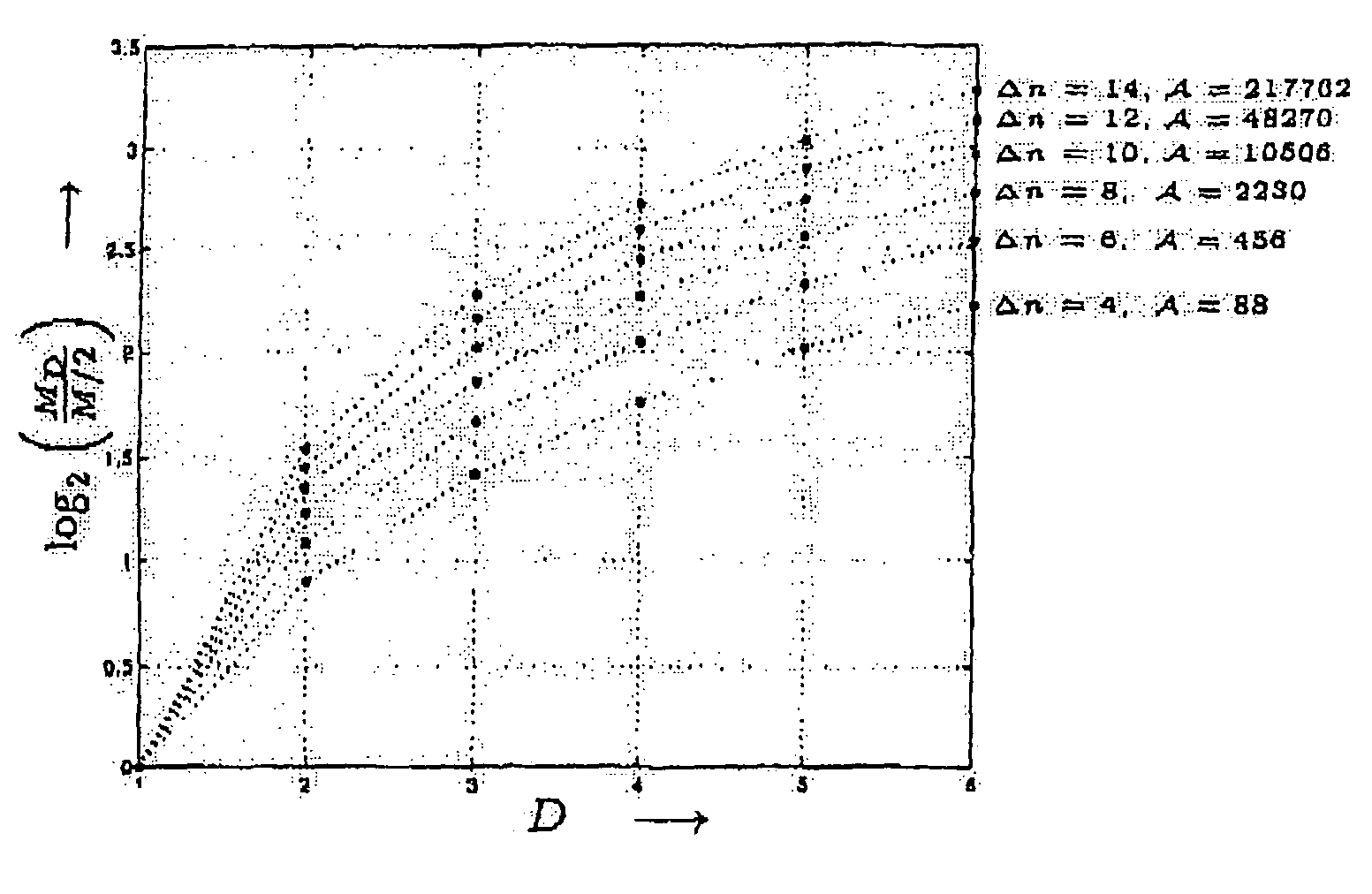
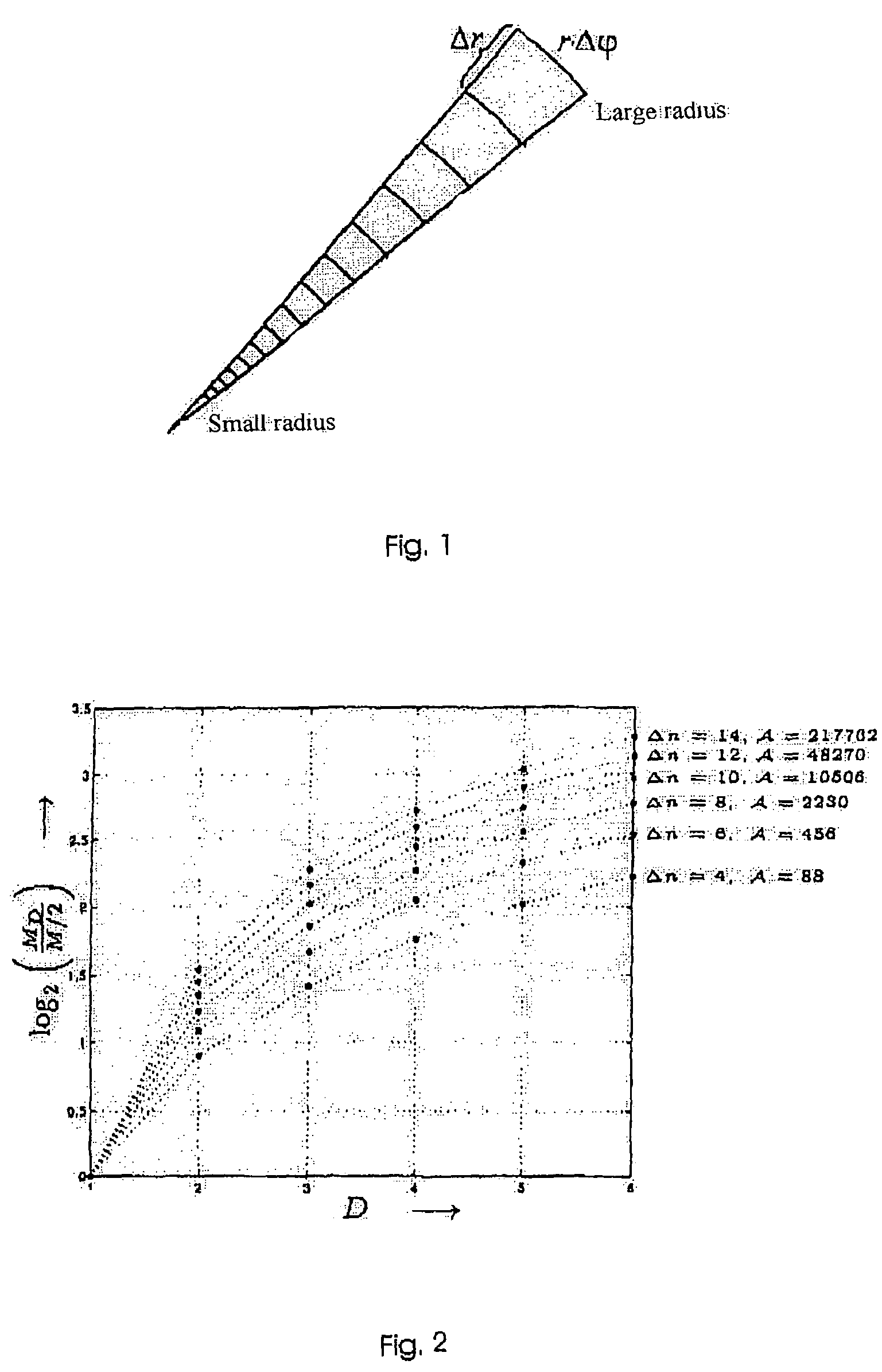
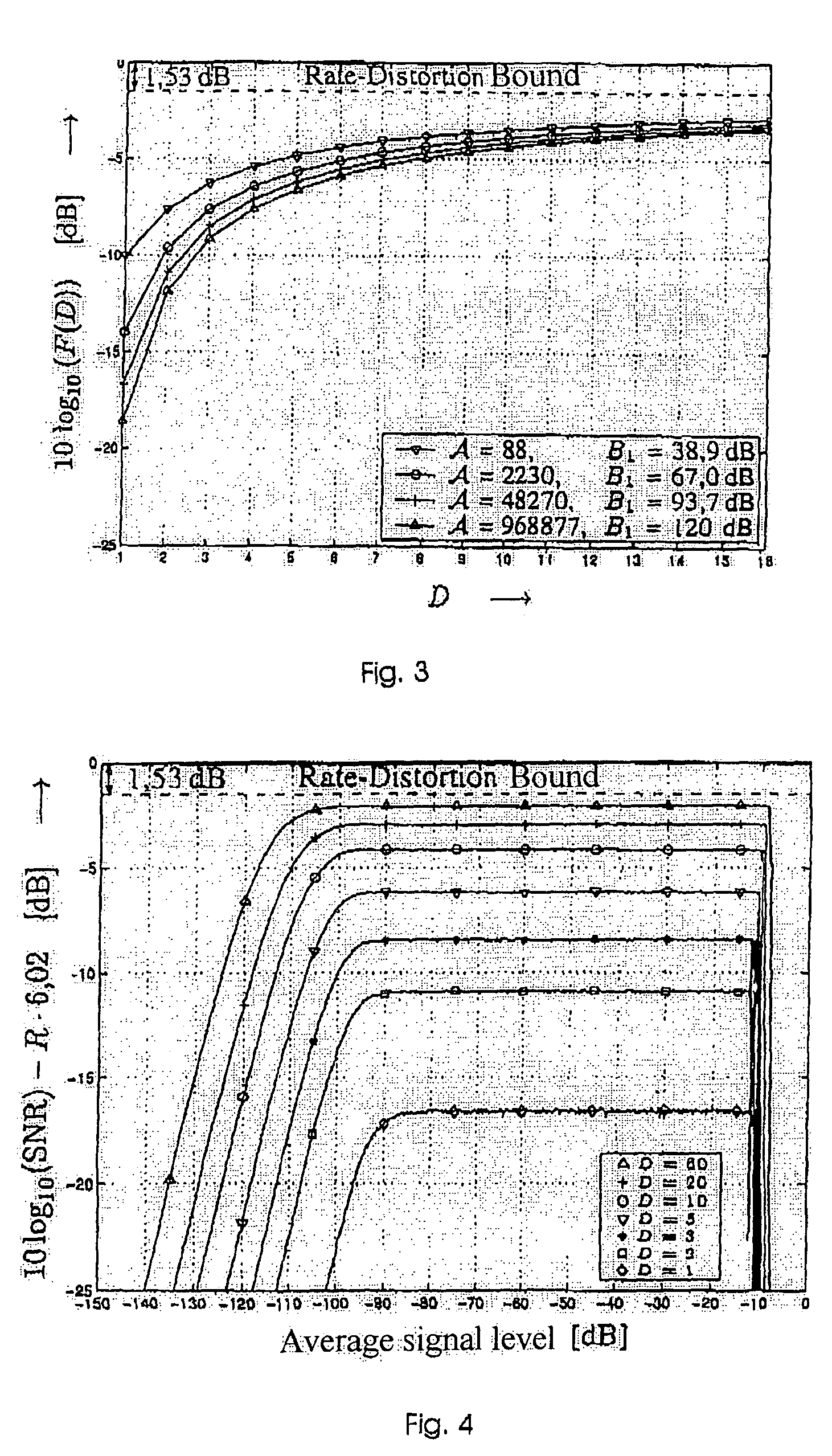
- A method involving D-dimensional spherical logarithmic quantization of analog signals, combined with differential pulse code modulation (DPCM), which transforms signals from the time domain to the spherical domain and uses logarithmic quantization to achieve low data rates with high dynamic range and signal/noise ratios, while minimizing signal delay.

Power Efficiency Standards for Analog Processing
Power efficiency standards for analog processing have become increasingly critical as the demand for high-density signal processing grows across telecommunications, automotive, and IoT applications. Current industry standards primarily focus on establishing maximum power consumption thresholds while maintaining signal integrity, with IEEE 802.3 and ITU-T recommendations serving as foundational benchmarks for analog front-end designs.
The establishment of power efficiency metrics specifically addresses the challenge of density control in analog signals, where traditional approaches often sacrifice power optimization for signal fidelity. Modern standards emphasize the power-per-bit efficiency ratio, typically measured in milliwatts per megabit per second, as a key performance indicator for analog processing systems handling dense signal environments.
Regulatory frameworks have evolved to incorporate dynamic power scaling requirements, mandating that analog processing units demonstrate adaptive power consumption based on signal density variations. The Energy Star program and similar initiatives now include specific criteria for analog signal processors, requiring minimum efficiency ratings of 85% under varying load conditions.
International standardization bodies are developing comprehensive guidelines that address power consumption during peak density operations. These standards define acceptable power envelope limits while processing high-density analog signals, ensuring that efficiency gains do not compromise the fundamental signal processing capabilities required for accurate data extraction and transmission.
Emerging standards also focus on standby power consumption and idle state management, recognizing that analog processing systems frequently operate in variable density environments. The specifications mandate maximum standby power limits of less than 1% of operational power consumption, while maintaining rapid response capabilities for sudden density increases in incoming analog signals.
Future standard developments are incorporating machine learning-based power management protocols, where analog processing systems can predict signal density patterns and preemptively adjust power allocation. These adaptive standards represent a significant shift toward intelligent power efficiency management in analog signal processing applications.
The establishment of power efficiency metrics specifically addresses the challenge of density control in analog signals, where traditional approaches often sacrifice power optimization for signal fidelity. Modern standards emphasize the power-per-bit efficiency ratio, typically measured in milliwatts per megabit per second, as a key performance indicator for analog processing systems handling dense signal environments.
Regulatory frameworks have evolved to incorporate dynamic power scaling requirements, mandating that analog processing units demonstrate adaptive power consumption based on signal density variations. The Energy Star program and similar initiatives now include specific criteria for analog signal processors, requiring minimum efficiency ratings of 85% under varying load conditions.
International standardization bodies are developing comprehensive guidelines that address power consumption during peak density operations. These standards define acceptable power envelope limits while processing high-density analog signals, ensuring that efficiency gains do not compromise the fundamental signal processing capabilities required for accurate data extraction and transmission.
Emerging standards also focus on standby power consumption and idle state management, recognizing that analog processing systems frequently operate in variable density environments. The specifications mandate maximum standby power limits of less than 1% of operational power consumption, while maintaining rapid response capabilities for sudden density increases in incoming analog signals.
Future standard developments are incorporating machine learning-based power management protocols, where analog processing systems can predict signal density patterns and preemptively adjust power allocation. These adaptive standards represent a significant shift toward intelligent power efficiency management in analog signal processing applications.
Real-time Implementation Challenges and Solutions
Real-time implementation of density control in analog signals presents significant computational and hardware challenges that must be addressed for practical deployment. The primary bottleneck lies in the processing latency requirements, where density estimation algorithms must operate within microsecond timeframes to maintain signal integrity. Traditional density estimation methods, such as kernel density estimation or histogram-based approaches, often exceed acceptable latency thresholds when processing high-frequency analog signals.
Memory bandwidth limitations constitute another critical challenge in real-time systems. Continuous density monitoring requires substantial buffer memory to store signal samples and intermediate processing results. Modern implementations face constraints when dealing with multi-channel systems where simultaneous density control across multiple analog streams demands parallel processing capabilities that strain available memory resources.
Hardware acceleration emerges as the most viable solution for overcoming computational bottlenecks. Field-Programmable Gate Arrays (FPGAs) and dedicated Digital Signal Processors (DSPs) offer parallel processing architectures specifically designed for real-time signal processing. These platforms enable custom pipeline implementations where density estimation, control algorithm execution, and signal adjustment operations occur simultaneously across different processing stages.
Adaptive sampling techniques provide an effective approach to reduce computational overhead while maintaining density control accuracy. By dynamically adjusting sampling rates based on signal characteristics and density variation patterns, systems can allocate processing resources more efficiently. This approach proves particularly effective in scenarios where signal density changes are predictable or follow established patterns.
Edge computing architectures offer promising solutions for distributed density control systems. By implementing localized processing nodes closer to signal sources, overall system latency decreases significantly while reducing bandwidth requirements for centralized processing. This distributed approach enables scalable implementations across large-scale analog signal networks.
Software optimization strategies focus on algorithm refinement and efficient memory management. Circular buffer implementations, optimized mathematical libraries, and parallel processing frameworks help maximize performance on standard computing platforms. These solutions prove essential for cost-sensitive applications where specialized hardware deployment may not be economically viable.
Memory bandwidth limitations constitute another critical challenge in real-time systems. Continuous density monitoring requires substantial buffer memory to store signal samples and intermediate processing results. Modern implementations face constraints when dealing with multi-channel systems where simultaneous density control across multiple analog streams demands parallel processing capabilities that strain available memory resources.
Hardware acceleration emerges as the most viable solution for overcoming computational bottlenecks. Field-Programmable Gate Arrays (FPGAs) and dedicated Digital Signal Processors (DSPs) offer parallel processing architectures specifically designed for real-time signal processing. These platforms enable custom pipeline implementations where density estimation, control algorithm execution, and signal adjustment operations occur simultaneously across different processing stages.
Adaptive sampling techniques provide an effective approach to reduce computational overhead while maintaining density control accuracy. By dynamically adjusting sampling rates based on signal characteristics and density variation patterns, systems can allocate processing resources more efficiently. This approach proves particularly effective in scenarios where signal density changes are predictable or follow established patterns.
Edge computing architectures offer promising solutions for distributed density control systems. By implementing localized processing nodes closer to signal sources, overall system latency decreases significantly while reducing bandwidth requirements for centralized processing. This distributed approach enables scalable implementations across large-scale analog signal networks.
Software optimization strategies focus on algorithm refinement and efficient memory management. Circular buffer implementations, optimized mathematical libraries, and parallel processing frameworks help maximize performance on standard computing platforms. These solutions prove essential for cost-sensitive applications where specialized hardware deployment may not be economically viable.
Unlock deeper insights with PatSnap Eureka Quick Research — get a full tech report to explore trends and direct your research. Try now!
Generate Your Research Report Instantly with AI Agent
Supercharge your innovation with PatSnap Eureka AI Agent Platform!