

Improving Interference Mitigation in Dense Telemetry Networks
APR 3, 20269 MIN READ
Generate Your Research Report Instantly with AI Agent
PatSnap Eureka helps you evaluate technical feasibility & market potential.
Dense Telemetry Network Interference Background and Objectives
Dense telemetry networks have emerged as critical infrastructure components across multiple industries, driven by the exponential growth of Internet of Things (IoT) deployments, industrial automation systems, and smart city initiatives. These networks facilitate real-time data collection from numerous sensors, monitoring devices, and control systems operating within confined geographical areas or frequency bands. The proliferation of wireless communication technologies, including 5G, Wi-Fi 6, and various proprietary protocols, has enabled unprecedented connectivity density but simultaneously introduced complex interference challenges.
The historical evolution of telemetry systems began with simple point-to-point communications in aerospace and industrial applications during the mid-20th century. Early systems operated with sufficient frequency separation and geographic isolation to minimize interference concerns. However, the transition toward dense deployment scenarios emerged in the 2000s with the advent of wireless sensor networks and machine-to-machine communications. The subsequent decade witnessed explosive growth in device density, with modern installations potentially hosting thousands of transmitting devices within square kilometer areas.
Current interference challenges in dense telemetry networks manifest through multiple mechanisms including co-channel interference, adjacent channel interference, and intermodulation distortion. These phenomena result in degraded signal quality, increased packet loss rates, reduced network throughput, and compromised system reliability. The problem is particularly acute in unlicensed spectrum bands where multiple technologies compete for limited frequency resources without centralized coordination.
The primary technical objectives for improving interference mitigation encompass several key areas. Signal processing enhancement aims to develop advanced algorithms capable of distinguishing desired signals from interference sources while maintaining computational efficiency suitable for resource-constrained devices. Spectrum management optimization seeks to implement intelligent frequency allocation and dynamic spectrum access techniques that adapt to real-time interference conditions.
Network architecture improvements focus on developing interference-aware routing protocols, adaptive power control mechanisms, and coordinated transmission scheduling algorithms. These solutions must balance interference reduction with maintaining network coverage, minimizing latency, and preserving energy efficiency in battery-powered devices.
The ultimate goal involves creating robust, scalable telemetry networks capable of supporting high device densities while maintaining reliable communication performance. Success in this domain will enable next-generation applications including autonomous vehicle coordination, smart manufacturing systems, and comprehensive environmental monitoring networks that require simultaneous operation of numerous telemetry devices within shared spectrum resources.
The historical evolution of telemetry systems began with simple point-to-point communications in aerospace and industrial applications during the mid-20th century. Early systems operated with sufficient frequency separation and geographic isolation to minimize interference concerns. However, the transition toward dense deployment scenarios emerged in the 2000s with the advent of wireless sensor networks and machine-to-machine communications. The subsequent decade witnessed explosive growth in device density, with modern installations potentially hosting thousands of transmitting devices within square kilometer areas.
Current interference challenges in dense telemetry networks manifest through multiple mechanisms including co-channel interference, adjacent channel interference, and intermodulation distortion. These phenomena result in degraded signal quality, increased packet loss rates, reduced network throughput, and compromised system reliability. The problem is particularly acute in unlicensed spectrum bands where multiple technologies compete for limited frequency resources without centralized coordination.
The primary technical objectives for improving interference mitigation encompass several key areas. Signal processing enhancement aims to develop advanced algorithms capable of distinguishing desired signals from interference sources while maintaining computational efficiency suitable for resource-constrained devices. Spectrum management optimization seeks to implement intelligent frequency allocation and dynamic spectrum access techniques that adapt to real-time interference conditions.
Network architecture improvements focus on developing interference-aware routing protocols, adaptive power control mechanisms, and coordinated transmission scheduling algorithms. These solutions must balance interference reduction with maintaining network coverage, minimizing latency, and preserving energy efficiency in battery-powered devices.
The ultimate goal involves creating robust, scalable telemetry networks capable of supporting high device densities while maintaining reliable communication performance. Success in this domain will enable next-generation applications including autonomous vehicle coordination, smart manufacturing systems, and comprehensive environmental monitoring networks that require simultaneous operation of numerous telemetry devices within shared spectrum resources.
Market Demand for Reliable Dense Telemetry Systems
The proliferation of Internet of Things devices, autonomous systems, and smart infrastructure has created an unprecedented demand for reliable dense telemetry networks across multiple industries. Manufacturing facilities increasingly rely on thousands of sensors to monitor production lines, equipment health, and environmental conditions in real-time. These industrial environments require continuous data transmission from densely packed sensors, where interference can lead to production delays, quality issues, or safety hazards.
Smart city initiatives represent another significant market driver, with municipalities deploying extensive sensor networks for traffic management, environmental monitoring, air quality assessment, and public safety systems. The reliability of these telemetry systems directly impacts urban efficiency and citizen services, making interference mitigation a critical requirement for system vendors and city planners.
The aerospace and defense sectors demonstrate particularly stringent requirements for interference-free telemetry systems. Aircraft health monitoring, satellite communications, and military surveillance applications cannot tolerate data loss or corruption due to interference. These applications often involve hundreds of sensors operating in confined spaces, creating challenging electromagnetic environments that demand advanced interference mitigation solutions.
Healthcare facilities increasingly depend on dense networks of medical telemetry devices for patient monitoring, asset tracking, and environmental control systems. Hospital environments present unique challenges with life-critical applications where interference could compromise patient safety. The growing adoption of wireless medical devices and remote patient monitoring systems continues to expand this market segment.
Energy sector applications, including smart grid infrastructure, wind farms, and oil refineries, require robust telemetry networks operating in electromagnetically harsh environments. These installations often span large geographical areas with thousands of monitoring points, where interference can mask critical operational data or trigger false alarms.
The automotive industry's transition toward connected and autonomous vehicles has created substantial demand for reliable vehicle-to-vehicle and vehicle-to-infrastructure communication systems. Dense urban traffic scenarios require interference-resistant telemetry solutions to ensure safety-critical information exchange between numerous vehicles and roadside infrastructure simultaneously.
Market research indicates strong growth trajectories across these sectors, driven by digital transformation initiatives and regulatory requirements for enhanced monitoring and reporting capabilities. Organizations increasingly recognize that unreliable telemetry data can result in operational inefficiencies, compliance violations, and safety risks, creating substantial willingness to invest in advanced interference mitigation technologies.
Smart city initiatives represent another significant market driver, with municipalities deploying extensive sensor networks for traffic management, environmental monitoring, air quality assessment, and public safety systems. The reliability of these telemetry systems directly impacts urban efficiency and citizen services, making interference mitigation a critical requirement for system vendors and city planners.
The aerospace and defense sectors demonstrate particularly stringent requirements for interference-free telemetry systems. Aircraft health monitoring, satellite communications, and military surveillance applications cannot tolerate data loss or corruption due to interference. These applications often involve hundreds of sensors operating in confined spaces, creating challenging electromagnetic environments that demand advanced interference mitigation solutions.
Healthcare facilities increasingly depend on dense networks of medical telemetry devices for patient monitoring, asset tracking, and environmental control systems. Hospital environments present unique challenges with life-critical applications where interference could compromise patient safety. The growing adoption of wireless medical devices and remote patient monitoring systems continues to expand this market segment.
Energy sector applications, including smart grid infrastructure, wind farms, and oil refineries, require robust telemetry networks operating in electromagnetically harsh environments. These installations often span large geographical areas with thousands of monitoring points, where interference can mask critical operational data or trigger false alarms.
The automotive industry's transition toward connected and autonomous vehicles has created substantial demand for reliable vehicle-to-vehicle and vehicle-to-infrastructure communication systems. Dense urban traffic scenarios require interference-resistant telemetry solutions to ensure safety-critical information exchange between numerous vehicles and roadside infrastructure simultaneously.
Market research indicates strong growth trajectories across these sectors, driven by digital transformation initiatives and regulatory requirements for enhanced monitoring and reporting capabilities. Organizations increasingly recognize that unreliable telemetry data can result in operational inefficiencies, compliance violations, and safety risks, creating substantial willingness to invest in advanced interference mitigation technologies.
Current Interference Issues in Dense Telemetry Deployments
Dense telemetry networks face significant interference challenges that fundamentally limit their operational effectiveness and data transmission reliability. The proliferation of wireless devices and the increasing density of telemetry deployments have created a complex electromagnetic environment where multiple systems compete for limited spectrum resources, resulting in degraded performance across entire network infrastructures.
Co-channel interference represents the most prevalent issue in dense telemetry environments, occurring when multiple transmitters operate on identical or overlapping frequency bands within close proximity. This phenomenon is particularly acute in industrial facilities, smart city deployments, and IoT ecosystems where hundreds or thousands of sensors transmit simultaneously. The interference manifests as signal degradation, increased bit error rates, and reduced communication range, directly impacting data quality and system reliability.
Adjacent channel interference poses another critical challenge, arising from imperfect filtering and spectral leakage between neighboring frequency bands. In dense deployments, the cumulative effect of multiple adjacent transmitters creates a noise floor that significantly reduces the signal-to-interference-plus-noise ratio (SINR), leading to frequent retransmissions and increased power consumption across the network.
Intermodulation distortion becomes increasingly problematic as network density grows, particularly when high-power transmitters operate in close proximity to sensitive receivers. The nonlinear mixing of multiple signals generates spurious frequencies that can fall within the operating bands of other telemetry systems, creating unpredictable interference patterns that are difficult to characterize and mitigate.
Near-far effects compound these challenges in heterogeneous telemetry networks where devices operate at varying power levels and distances from receivers. Strong signals from nearby transmitters can overwhelm weaker signals from distant devices, effectively blocking communication channels and creating coverage gaps that compromise network connectivity and data collection reliability.
Temporal interference patterns add another layer of complexity, as the dynamic nature of telemetry traffic creates time-varying interference conditions. Burst transmissions, synchronized reporting schedules, and network protocol overhead can lead to collision-prone scenarios where multiple devices attempt simultaneous access to shared communication resources, resulting in packet loss and degraded throughput performance.
Co-channel interference represents the most prevalent issue in dense telemetry environments, occurring when multiple transmitters operate on identical or overlapping frequency bands within close proximity. This phenomenon is particularly acute in industrial facilities, smart city deployments, and IoT ecosystems where hundreds or thousands of sensors transmit simultaneously. The interference manifests as signal degradation, increased bit error rates, and reduced communication range, directly impacting data quality and system reliability.
Adjacent channel interference poses another critical challenge, arising from imperfect filtering and spectral leakage between neighboring frequency bands. In dense deployments, the cumulative effect of multiple adjacent transmitters creates a noise floor that significantly reduces the signal-to-interference-plus-noise ratio (SINR), leading to frequent retransmissions and increased power consumption across the network.
Intermodulation distortion becomes increasingly problematic as network density grows, particularly when high-power transmitters operate in close proximity to sensitive receivers. The nonlinear mixing of multiple signals generates spurious frequencies that can fall within the operating bands of other telemetry systems, creating unpredictable interference patterns that are difficult to characterize and mitigate.
Near-far effects compound these challenges in heterogeneous telemetry networks where devices operate at varying power levels and distances from receivers. Strong signals from nearby transmitters can overwhelm weaker signals from distant devices, effectively blocking communication channels and creating coverage gaps that compromise network connectivity and data collection reliability.
Temporal interference patterns add another layer of complexity, as the dynamic nature of telemetry traffic creates time-varying interference conditions. Burst transmissions, synchronized reporting schedules, and network protocol overhead can lead to collision-prone scenarios where multiple devices attempt simultaneous access to shared communication resources, resulting in packet loss and degraded throughput performance.
Existing Interference Mitigation Solutions for Telemetry
01 Interference detection and mitigation in wireless telemetry systems
Methods and systems for detecting and mitigating interference in telemetry networks involve monitoring signal quality, identifying interference sources, and implementing adaptive techniques to reduce interference effects. These approaches include signal processing algorithms, frequency hopping, and power control mechanisms to maintain reliable communication in the presence of interference. The systems can automatically detect degraded performance and switch to alternative channels or adjust transmission parameters to minimize interference impact.- Frequency hopping and dynamic channel allocation techniques: Telemetry networks can employ frequency hopping spread spectrum (FHSS) or dynamic channel allocation methods to mitigate interference. These techniques involve rapidly switching transmission frequencies or dynamically selecting less congested channels based on real-time spectrum analysis. By avoiding fixed frequency assignments and adapting to the interference environment, these methods significantly reduce the impact of co-channel interference and improve communication reliability in crowded spectrum conditions.
- Interference detection and signal processing algorithms: Advanced signal processing techniques can be implemented to detect and characterize interference in telemetry networks. These methods include spectral analysis, correlation-based detection, and machine learning algorithms that identify interference patterns. Once detected, the system can apply adaptive filtering, interference cancellation, or signal reconstruction techniques to extract the desired telemetry data from the corrupted signal, thereby maintaining data integrity even in high-interference environments.
- Time-division multiplexing and synchronized transmission protocols: Implementing time-division multiplexing (TDM) and synchronized transmission protocols allows multiple telemetry devices to share the same frequency band without interference. By assigning specific time slots to different transmitters and ensuring precise synchronization, devices can transmit sequentially rather than simultaneously. This approach eliminates collision-based interference and is particularly effective in networks with a known number of telemetry sources operating in close proximity.
- Power control and spatial diversity techniques: Adaptive power control mechanisms adjust transmission power levels based on link quality and interference conditions, reducing unnecessary interference to neighboring devices while maintaining adequate signal strength. Spatial diversity techniques, including multiple antenna systems and beamforming, can direct transmission energy toward intended receivers and away from interference sources. These methods improve signal-to-interference ratios and enhance overall network capacity in dense telemetry deployments.
- Cognitive radio and spectrum sensing approaches: Cognitive radio technology enables telemetry networks to intelligently sense the spectrum environment and opportunistically utilize available frequency bands. Through continuous spectrum monitoring and database-assisted approaches, devices can identify and avoid occupied or interfered channels. This adaptive spectrum access capability allows telemetry systems to coexist with other wireless services and dynamically reconfigure their operating parameters to minimize interference while maximizing throughput and reliability.
02 Frequency management and channel allocation for telemetry networks
Techniques for managing frequency spectrum and allocating channels in telemetry systems to avoid interference include dynamic frequency selection, cognitive radio approaches, and intelligent channel assignment algorithms. These methods analyze the radio frequency environment, identify available channels with minimal interference, and optimize frequency usage across multiple telemetry devices. The systems can coordinate transmissions among multiple devices to prevent co-channel interference and improve overall network performance.Expand Specific Solutions03 Multi-antenna and beamforming technologies for interference reduction
Advanced antenna systems and beamforming techniques are employed to reduce interference in telemetry networks by directing signal transmission and reception in specific directions. These technologies include MIMO systems, adaptive antenna arrays, and spatial filtering methods that can suppress interfering signals while enhancing desired telemetry signals. The systems dynamically adjust antenna patterns based on the interference environment to maintain robust communication links.Expand Specific Solutions04 Time-division and synchronization methods for interference avoidance
Time-division multiplexing and synchronization protocols are utilized to coordinate transmissions among multiple telemetry devices and prevent simultaneous transmissions that cause interference. These approaches include time-slot allocation, scheduled transmission windows, and precise timing synchronization mechanisms. The systems ensure that telemetry devices transmit at designated times, reducing collision probability and improving spectrum efficiency in dense deployment scenarios.Expand Specific Solutions05 Coding and modulation schemes for interference resilience
Advanced coding and modulation techniques are implemented to enhance telemetry signal robustness against interference, including error correction codes, spread spectrum modulation, and adaptive modulation schemes. These methods improve signal-to-interference ratio and enable reliable data transmission even in challenging interference conditions. The systems can dynamically adjust coding rates and modulation parameters based on measured interference levels to optimize throughput and reliability.Expand Specific Solutions
Key Players in Telemetry and Wireless Communication Industry
The interference mitigation in dense telemetry networks sector represents a rapidly evolving market driven by increasing IoT deployments and 5G infrastructure expansion. The industry is in a growth phase with significant market potential as network densification creates complex interference challenges. Technology maturity varies considerably across market players, with established telecommunications giants like Huawei Technologies, ZTE Corp., Ericsson, and Qualcomm leading advanced interference mitigation solutions through sophisticated algorithms and hardware implementations. Samsung Electronics, Intel Corp., and Texas Instruments contribute robust semiconductor solutions enabling interference suppression. Academic institutions including Xidian University, Beijing University of Posts & Telecommunications, and Northwestern Polytechnical University drive fundamental research innovations. The competitive landscape shows a clear division between mature commercial solutions from industry leaders and emerging technologies from research institutions, indicating a dynamic ecosystem where established players maintain technological advantages while academic research continues pushing innovation boundaries.
ZTE Corp.
Technical Solution: ZTE has implemented comprehensive interference management solutions for dense telemetry networks through their advanced network optimization platform. Their approach combines intelligent frequency planning with dynamic interference avoidance algorithms, utilizing machine learning techniques to predict and prevent interference patterns. The solution includes coordinated beamforming technologies and advanced signal processing capabilities that can adapt to changing network conditions in real-time. ZTE's interference mitigation framework incorporates multi-dimensional resource allocation strategies and can achieve significant performance improvements in dense deployment scenarios through optimized scheduling and power management algorithms.
Strengths: Cost-effective solutions with good performance in medium-scale deployments, strong focus on emerging market requirements. Weaknesses: Limited global market presence and concerns about technology transfer restrictions in some regions.
Telefonaktiebolaget LM Ericsson
Technical Solution: Ericsson's interference mitigation solution focuses on network-level coordination and intelligent resource management for dense telemetry deployments. Their approach combines advanced antenna technologies with sophisticated interference cancellation algorithms, utilizing coordinated scheduling and power control mechanisms. The solution includes adaptive modulation and coding schemes that dynamically adjust based on interference conditions, along with inter-cell interference coordination (ICIC) techniques. Ericsson's platform incorporates AI-driven optimization algorithms that can reduce interference levels by approximately 35% while maintaining quality of service requirements for critical telemetry applications.
Strengths: Strong network infrastructure expertise and proven scalability in carrier-grade deployments, excellent integration with existing cellular networks. Weaknesses: Limited flexibility for specialized telemetry applications and higher licensing costs.
Core Patents in Dense Network Interference Suppression
Method and apparatus for interference mitigation for a MU-MIMO wireless communication network
PatentWO2019220126A9
Innovation
- The method involves forming a first receive beam and additional beams offset by a predetermined angle to increase the probability of interference falling into nulls, allowing for rapid selection of the best data stream with minimal interference, and combining data streams based on forward error correction to generate a decoded data stream.


Apparatus and methods for interference mitigation and coordination in a wireless network
PatentInactiveUS20110170424A1
Innovation
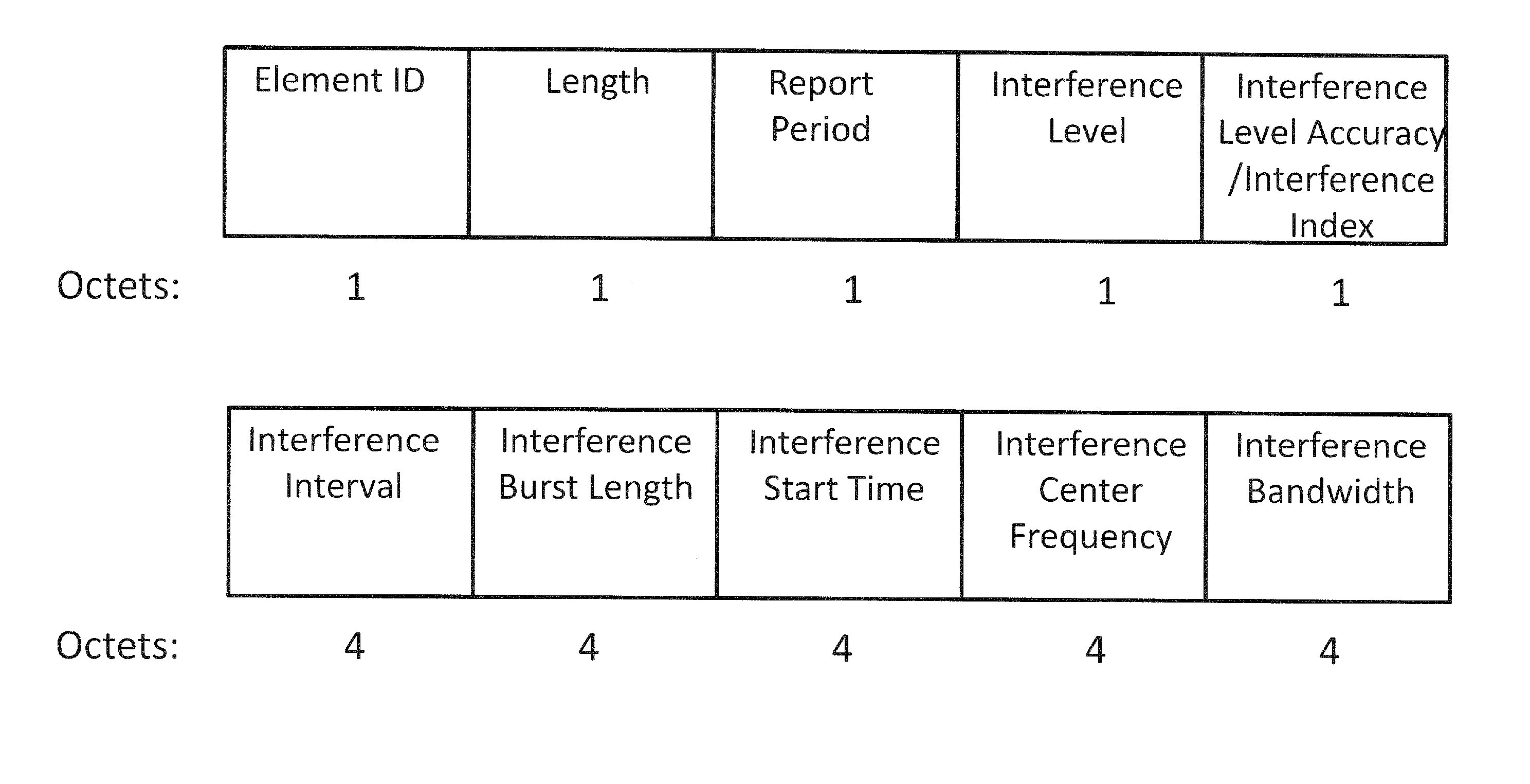
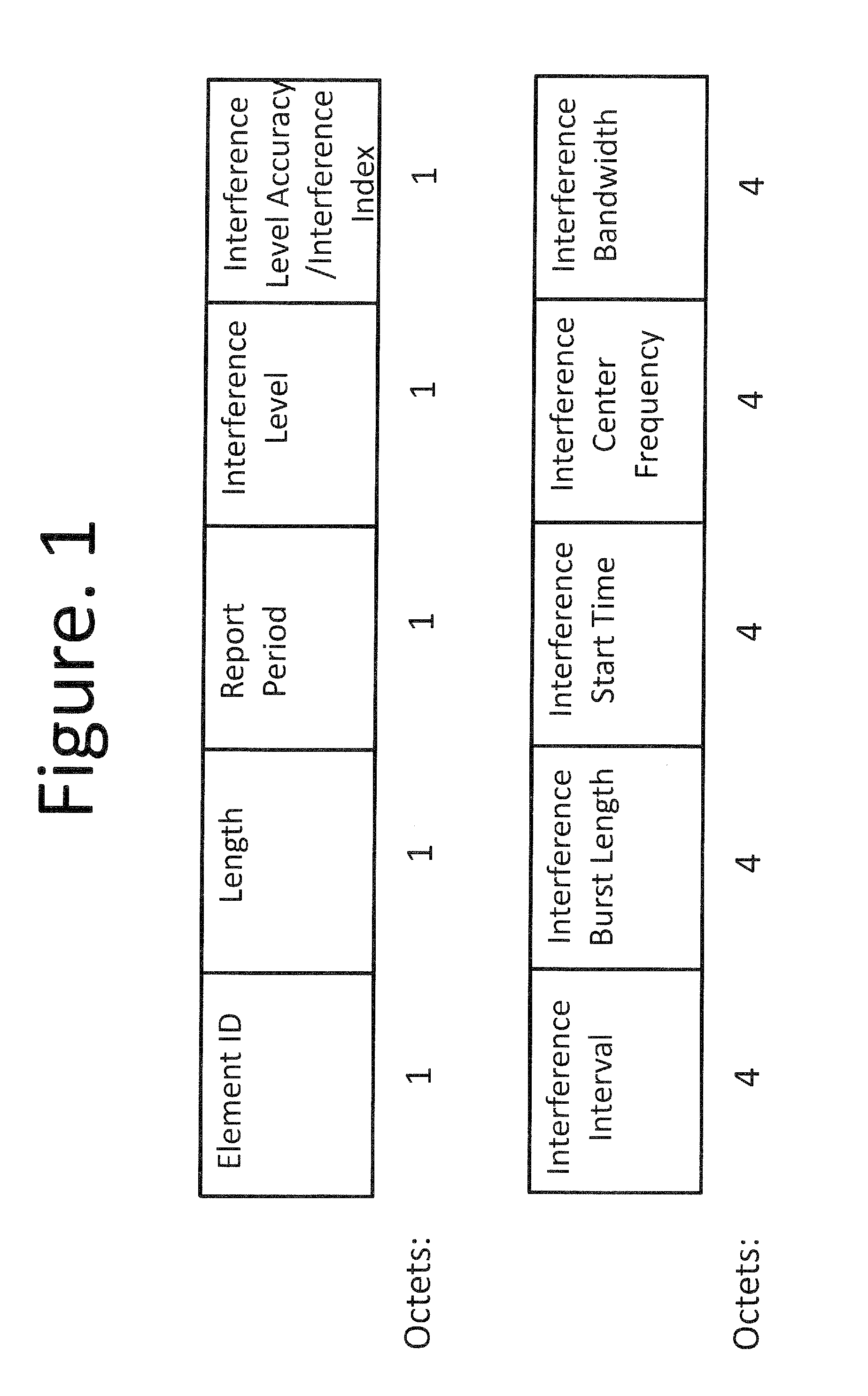
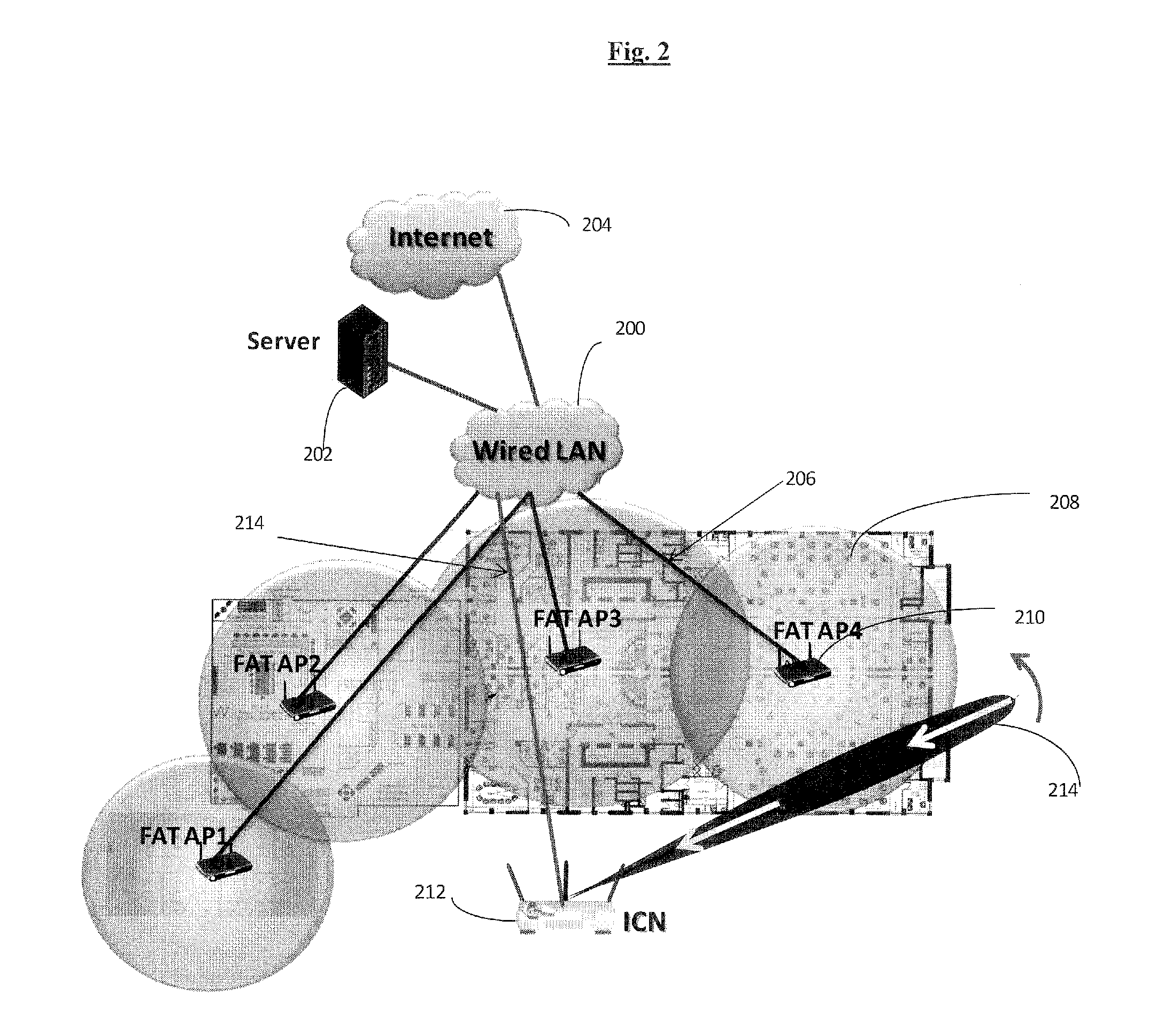
- A centralized surveillance apparatus, the Interference Controller Node (ICN), continuously scans the RF environment and reports interference to a centralized network facility, enabling coordinated interference mitigation strategies and optimized algorithms for both intra-cell and inter-cell interference, using a dedicated node to reduce the burden on access points and improve network management.

Spectrum Regulatory Framework for Telemetry Networks
The spectrum regulatory framework for telemetry networks represents a critical foundation for addressing interference challenges in dense operational environments. Current regulatory structures primarily operate under traditional spectrum allocation models that were designed for less congested communication scenarios, creating significant gaps when applied to modern high-density telemetry deployments.
International spectrum governance is primarily coordinated through the International Telecommunication Union (ITU), which establishes global frequency allocation tables and coordination procedures. However, these frameworks often lack the granular flexibility required for dynamic telemetry network operations. Regional regulatory bodies such as the Federal Communications Commission (FCC) in the United States and the European Communications Committee (ECC) provide more specific guidelines, yet their approaches vary significantly across jurisdictions, creating compliance complexities for multinational telemetry operations.
The existing regulatory paradigm typically employs static frequency assignments and geographic coordination zones, which prove inadequate for modern telemetry networks that require dynamic spectrum access and real-time interference mitigation. Current regulations often mandate fixed guard bands and power limitations that, while preventing interference in traditional scenarios, may be overly conservative for advanced telemetry systems equipped with sophisticated interference mitigation capabilities.
Emerging regulatory trends indicate a shift toward more flexible spectrum management approaches, including dynamic spectrum access (DSA) frameworks and cognitive radio regulations. Several regulatory authorities are exploring database-driven spectrum sharing mechanisms that could enable more efficient spectrum utilization in telemetry applications. These developments include provisions for secondary spectrum access, real-time coordination databases, and performance-based interference protection criteria.
The regulatory landscape also encompasses technical standards development through organizations such as the Institute of Electrical and Electronics Engineers (IEEE) and the European Telecommunications Standards Institute (ETSI). These bodies are actively developing standards that bridge regulatory requirements with technical implementation, particularly focusing on interference mitigation protocols and spectrum sensing capabilities that align with evolving regulatory frameworks for dense telemetry network operations.
International spectrum governance is primarily coordinated through the International Telecommunication Union (ITU), which establishes global frequency allocation tables and coordination procedures. However, these frameworks often lack the granular flexibility required for dynamic telemetry network operations. Regional regulatory bodies such as the Federal Communications Commission (FCC) in the United States and the European Communications Committee (ECC) provide more specific guidelines, yet their approaches vary significantly across jurisdictions, creating compliance complexities for multinational telemetry operations.
The existing regulatory paradigm typically employs static frequency assignments and geographic coordination zones, which prove inadequate for modern telemetry networks that require dynamic spectrum access and real-time interference mitigation. Current regulations often mandate fixed guard bands and power limitations that, while preventing interference in traditional scenarios, may be overly conservative for advanced telemetry systems equipped with sophisticated interference mitigation capabilities.
Emerging regulatory trends indicate a shift toward more flexible spectrum management approaches, including dynamic spectrum access (DSA) frameworks and cognitive radio regulations. Several regulatory authorities are exploring database-driven spectrum sharing mechanisms that could enable more efficient spectrum utilization in telemetry applications. These developments include provisions for secondary spectrum access, real-time coordination databases, and performance-based interference protection criteria.
The regulatory landscape also encompasses technical standards development through organizations such as the Institute of Electrical and Electronics Engineers (IEEE) and the European Telecommunications Standards Institute (ETSI). These bodies are actively developing standards that bridge regulatory requirements with technical implementation, particularly focusing on interference mitigation protocols and spectrum sensing capabilities that align with evolving regulatory frameworks for dense telemetry network operations.
Network Security Considerations in Dense Telemetry Systems
Dense telemetry networks face significant security vulnerabilities that require comprehensive protection strategies beyond traditional interference mitigation approaches. The proliferation of interconnected sensors and data collection devices creates multiple attack vectors that malicious actors can exploit to compromise system integrity, data confidentiality, and operational availability.
Authentication mechanisms represent the first line of defense in dense telemetry environments. Implementing robust device authentication protocols ensures that only authorized sensors and collection nodes can participate in network communications. Multi-factor authentication systems, including cryptographic certificates and hardware-based security modules, provide enhanced protection against unauthorized access attempts and device spoofing attacks.
Data encryption protocols are essential for protecting sensitive telemetry information during transmission and storage phases. Advanced encryption standards, including AES-256 and elliptic curve cryptography, offer strong protection while maintaining acceptable performance levels in resource-constrained environments. End-to-end encryption ensures data integrity from sensor nodes to central processing facilities, preventing interception and manipulation by unauthorized parties.
Network segmentation strategies help contain potential security breaches and limit the scope of successful attacks. Implementing virtual local area networks and software-defined networking approaches allows administrators to isolate critical telemetry streams from less sensitive data flows. This compartmentalization reduces the risk of lateral movement by attackers and enables more granular access control policies.
Intrusion detection systems specifically designed for telemetry networks can identify anomalous behavior patterns that may indicate security compromises. Machine learning algorithms can analyze traffic patterns, data transmission frequencies, and device behavior to detect potential threats in real-time. These systems must account for the unique characteristics of telemetry data, including periodic transmission patterns and sensor-specific communication protocols.
Regular security auditing and vulnerability assessments ensure that protection measures remain effective against evolving threat landscapes. Automated scanning tools and penetration testing methodologies help identify potential weaknesses in network configurations, device firmware, and communication protocols. Continuous monitoring capabilities enable rapid response to emerging security incidents and minimize potential damage from successful attacks.
Authentication mechanisms represent the first line of defense in dense telemetry environments. Implementing robust device authentication protocols ensures that only authorized sensors and collection nodes can participate in network communications. Multi-factor authentication systems, including cryptographic certificates and hardware-based security modules, provide enhanced protection against unauthorized access attempts and device spoofing attacks.
Data encryption protocols are essential for protecting sensitive telemetry information during transmission and storage phases. Advanced encryption standards, including AES-256 and elliptic curve cryptography, offer strong protection while maintaining acceptable performance levels in resource-constrained environments. End-to-end encryption ensures data integrity from sensor nodes to central processing facilities, preventing interception and manipulation by unauthorized parties.
Network segmentation strategies help contain potential security breaches and limit the scope of successful attacks. Implementing virtual local area networks and software-defined networking approaches allows administrators to isolate critical telemetry streams from less sensitive data flows. This compartmentalization reduces the risk of lateral movement by attackers and enables more granular access control policies.
Intrusion detection systems specifically designed for telemetry networks can identify anomalous behavior patterns that may indicate security compromises. Machine learning algorithms can analyze traffic patterns, data transmission frequencies, and device behavior to detect potential threats in real-time. These systems must account for the unique characteristics of telemetry data, including periodic transmission patterns and sensor-specific communication protocols.
Regular security auditing and vulnerability assessments ensure that protection measures remain effective against evolving threat landscapes. Automated scanning tools and penetration testing methodologies help identify potential weaknesses in network configurations, device firmware, and communication protocols. Continuous monitoring capabilities enable rapid response to emerging security incidents and minimize potential damage from successful attacks.
Unlock deeper insights with PatSnap Eureka Quick Research — get a full tech report to explore trends and direct your research. Try now!
Generate Your Research Report Instantly with AI Agent
Supercharge your innovation with PatSnap Eureka AI Agent Platform!