Improving Photonic Tensor Core Signal Precision for Autonomous Drones
MAY 11, 20269 MIN READ
Generate Your Research Report Instantly with AI Agent
PatSnap Eureka helps you evaluate technical feasibility & market potential.
Photonic Tensor Core Evolution and Precision Goals
Photonic tensor cores represent a revolutionary convergence of optical computing and artificial intelligence acceleration, emerging from decades of parallel development in photonics and neural network processing. The foundational concept traces back to early optical computing research in the 1980s, where scientists explored light-based information processing for its inherent parallelism and speed advantages. However, the practical realization of photonic tensor cores only became feasible with advances in silicon photonics, integrated optical circuits, and the explosive growth of AI workloads requiring massive parallel computation.
The evolution of photonic tensor cores has been driven by the fundamental limitations of electronic processors in handling the computational demands of modern neural networks. Traditional electronic tensor processing units, while powerful, face significant challenges in power consumption, heat dissipation, and bandwidth limitations when processing the matrix multiplications central to AI inference and training. Photonic approaches leverage the natural properties of light, including wavelength division multiplexing and optical interference, to perform these operations with potentially superior energy efficiency and speed.
Recent technological milestones have demonstrated the viability of photonic neural network accelerators, with research institutions and companies achieving proof-of-concept implementations capable of performing matrix-vector multiplications optically. These systems utilize various approaches, including Mach-Zehnder interferometer arrays, microring resonator networks, and diffractive optical elements to encode and process neural network weights and activations in the optical domain.
For autonomous drone applications, the precision requirements are particularly stringent due to real-time decision-making demands and safety-critical operations. Current photonic tensor cores face significant precision challenges, typically operating with limited bit depths compared to their electronic counterparts. The primary precision goals center on achieving at least 8-bit equivalent accuracy for inference tasks while maintaining the speed and power advantages of optical processing.
The target precision objectives include minimizing optical signal degradation through improved waveguide design, reducing crosstalk between optical channels, and developing advanced analog-to-digital conversion interfaces that preserve signal fidelity. Additionally, compensation algorithms for optical component variations and environmental factors represent crucial development areas for achieving the reliability standards required for autonomous drone deployment.
Future precision enhancement goals focus on hybrid photonic-electronic architectures that combine the parallel processing advantages of optics with the precision and programmability of digital electronics, potentially enabling photonic tensor cores to meet the exacting requirements of autonomous navigation, object recognition, and real-time path planning in drone applications.
The evolution of photonic tensor cores has been driven by the fundamental limitations of electronic processors in handling the computational demands of modern neural networks. Traditional electronic tensor processing units, while powerful, face significant challenges in power consumption, heat dissipation, and bandwidth limitations when processing the matrix multiplications central to AI inference and training. Photonic approaches leverage the natural properties of light, including wavelength division multiplexing and optical interference, to perform these operations with potentially superior energy efficiency and speed.
Recent technological milestones have demonstrated the viability of photonic neural network accelerators, with research institutions and companies achieving proof-of-concept implementations capable of performing matrix-vector multiplications optically. These systems utilize various approaches, including Mach-Zehnder interferometer arrays, microring resonator networks, and diffractive optical elements to encode and process neural network weights and activations in the optical domain.
For autonomous drone applications, the precision requirements are particularly stringent due to real-time decision-making demands and safety-critical operations. Current photonic tensor cores face significant precision challenges, typically operating with limited bit depths compared to their electronic counterparts. The primary precision goals center on achieving at least 8-bit equivalent accuracy for inference tasks while maintaining the speed and power advantages of optical processing.
The target precision objectives include minimizing optical signal degradation through improved waveguide design, reducing crosstalk between optical channels, and developing advanced analog-to-digital conversion interfaces that preserve signal fidelity. Additionally, compensation algorithms for optical component variations and environmental factors represent crucial development areas for achieving the reliability standards required for autonomous drone deployment.
Future precision enhancement goals focus on hybrid photonic-electronic architectures that combine the parallel processing advantages of optics with the precision and programmability of digital electronics, potentially enabling photonic tensor cores to meet the exacting requirements of autonomous navigation, object recognition, and real-time path planning in drone applications.
Autonomous Drone Market Demand for Enhanced Computing
The autonomous drone market is experiencing unprecedented growth driven by the increasing demand for sophisticated computing capabilities that can handle complex real-time operations. Commercial applications spanning logistics, agriculture, surveillance, and emergency response require drones equipped with advanced processing systems capable of simultaneous data collection, analysis, and decision-making. These applications demand computing architectures that can process vast amounts of sensor data while maintaining energy efficiency and operational reliability in challenging environments.
Current market dynamics reveal a significant gap between existing computational capabilities and the requirements for next-generation autonomous operations. Traditional electronic processors face limitations in power consumption, heat generation, and processing speed when handling the massive parallel computations required for real-time image processing, obstacle avoidance, and autonomous navigation. This computational bottleneck has become a critical constraint limiting the deployment of fully autonomous drone systems in commercial and industrial applications.
The emergence of artificial intelligence and machine learning algorithms in drone operations has intensified the demand for specialized computing hardware. Modern autonomous drones must execute complex neural network inference tasks for object recognition, path planning, and environmental mapping while maintaining real-time responsiveness. These AI workloads require tensor processing capabilities that can efficiently handle matrix operations and parallel computations with high precision and minimal latency.
Photonic computing technologies present a transformative solution to address these computational challenges. The integration of photonic tensor cores offers the potential for dramatically improved processing speeds, reduced power consumption, and enhanced parallel processing capabilities compared to conventional electronic systems. However, the precision of photonic signal processing remains a critical factor determining the reliability and accuracy of autonomous drone operations.
Market research indicates that industries are actively seeking drone platforms capable of handling increasingly complex autonomous tasks. Agricultural applications require precise crop monitoring and automated pesticide application, while logistics companies demand reliable package delivery systems operating in urban environments. These applications cannot tolerate computational errors or imprecise signal processing, as they directly impact operational safety and mission success.
The competitive landscape shows that companies investing in advanced computing architectures for autonomous drones are positioning themselves for significant market advantages. Organizations that can deliver reliable, high-precision photonic computing solutions will likely capture substantial market share in the rapidly expanding autonomous drone sector, where computational performance directly translates to operational capabilities and commercial viability.
Current market dynamics reveal a significant gap between existing computational capabilities and the requirements for next-generation autonomous operations. Traditional electronic processors face limitations in power consumption, heat generation, and processing speed when handling the massive parallel computations required for real-time image processing, obstacle avoidance, and autonomous navigation. This computational bottleneck has become a critical constraint limiting the deployment of fully autonomous drone systems in commercial and industrial applications.
The emergence of artificial intelligence and machine learning algorithms in drone operations has intensified the demand for specialized computing hardware. Modern autonomous drones must execute complex neural network inference tasks for object recognition, path planning, and environmental mapping while maintaining real-time responsiveness. These AI workloads require tensor processing capabilities that can efficiently handle matrix operations and parallel computations with high precision and minimal latency.
Photonic computing technologies present a transformative solution to address these computational challenges. The integration of photonic tensor cores offers the potential for dramatically improved processing speeds, reduced power consumption, and enhanced parallel processing capabilities compared to conventional electronic systems. However, the precision of photonic signal processing remains a critical factor determining the reliability and accuracy of autonomous drone operations.
Market research indicates that industries are actively seeking drone platforms capable of handling increasingly complex autonomous tasks. Agricultural applications require precise crop monitoring and automated pesticide application, while logistics companies demand reliable package delivery systems operating in urban environments. These applications cannot tolerate computational errors or imprecise signal processing, as they directly impact operational safety and mission success.
The competitive landscape shows that companies investing in advanced computing architectures for autonomous drones are positioning themselves for significant market advantages. Organizations that can deliver reliable, high-precision photonic computing solutions will likely capture substantial market share in the rapidly expanding autonomous drone sector, where computational performance directly translates to operational capabilities and commercial viability.
Current Photonic Signal Processing Limitations in Drones
Current photonic signal processing systems in autonomous drones face significant precision limitations that constrain their operational effectiveness. The primary challenge stems from the inherent noise characteristics of photonic tensor cores, where optical signal degradation occurs during matrix multiplication operations. This degradation manifests as reduced signal-to-noise ratios, particularly affecting the accuracy of real-time computational tasks essential for autonomous navigation and obstacle avoidance.
Thermal fluctuations represent a critical limitation in drone-mounted photonic processors. The varying operational temperatures encountered during flight missions cause wavelength drift in optical components, leading to computational errors in tensor operations. Unlike ground-based systems with controlled environments, airborne platforms experience rapid temperature changes that directly impact the stability of photonic resonators and modulators used in tensor core architectures.
Power consumption constraints further exacerbate signal precision issues in drone applications. The limited battery capacity of autonomous drones necessitates reduced laser power levels, which compromises the optical signal strength throughout the photonic tensor processing chain. This power limitation creates a trade-off between computational precision and flight endurance, forcing system designers to accept degraded performance to maintain operational range requirements.
Mechanical vibrations during flight operations introduce additional signal degradation challenges. The constant movement and acceleration forces experienced by drones cause micro-displacements in optical components, resulting in coupling losses and phase noise in photonic circuits. These mechanical disturbances are particularly problematic for coherent optical processing systems that rely on precise phase relationships for accurate tensor computations.
Environmental interference poses another significant limitation for photonic signal processing in drone applications. Atmospheric conditions, including humidity variations and particulate matter, can affect free-space optical links within the photonic tensor cores. Additionally, electromagnetic interference from drone propulsion systems and communication equipment can introduce crosstalk in sensitive photonic circuits, further degrading computational precision.
The miniaturization requirements for drone integration create fundamental constraints on photonic component performance. Smaller optical devices typically exhibit higher loss rates and reduced isolation between channels, leading to increased crosstalk and signal degradation. The compact form factor also limits the implementation of sophisticated error correction mechanisms commonly used in larger photonic processing systems.
Thermal fluctuations represent a critical limitation in drone-mounted photonic processors. The varying operational temperatures encountered during flight missions cause wavelength drift in optical components, leading to computational errors in tensor operations. Unlike ground-based systems with controlled environments, airborne platforms experience rapid temperature changes that directly impact the stability of photonic resonators and modulators used in tensor core architectures.
Power consumption constraints further exacerbate signal precision issues in drone applications. The limited battery capacity of autonomous drones necessitates reduced laser power levels, which compromises the optical signal strength throughout the photonic tensor processing chain. This power limitation creates a trade-off between computational precision and flight endurance, forcing system designers to accept degraded performance to maintain operational range requirements.
Mechanical vibrations during flight operations introduce additional signal degradation challenges. The constant movement and acceleration forces experienced by drones cause micro-displacements in optical components, resulting in coupling losses and phase noise in photonic circuits. These mechanical disturbances are particularly problematic for coherent optical processing systems that rely on precise phase relationships for accurate tensor computations.
Environmental interference poses another significant limitation for photonic signal processing in drone applications. Atmospheric conditions, including humidity variations and particulate matter, can affect free-space optical links within the photonic tensor cores. Additionally, electromagnetic interference from drone propulsion systems and communication equipment can introduce crosstalk in sensitive photonic circuits, further degrading computational precision.
The miniaturization requirements for drone integration create fundamental constraints on photonic component performance. Smaller optical devices typically exhibit higher loss rates and reduced isolation between channels, leading to increased crosstalk and signal degradation. The compact form factor also limits the implementation of sophisticated error correction mechanisms commonly used in larger photonic processing systems.
Existing Photonic Tensor Core Precision Enhancement Methods
01 Tensor processing unit architectures for photonic computing
Specialized processing architectures designed for tensor operations in photonic computing systems. These architectures optimize the handling of multi-dimensional data arrays through dedicated hardware units that can perform matrix multiplications and convolutions efficiently using optical signals. The designs focus on maximizing throughput while maintaining computational accuracy for machine learning workloads.- Tensor processing unit architectures for photonic computing: Specialized processing unit designs optimized for tensor operations in photonic computing environments. These architectures incorporate dedicated hardware components that can handle matrix multiplications and convolution operations with enhanced precision through photonic signal processing. The designs focus on parallel processing capabilities and efficient data flow management to maximize computational throughput while maintaining signal integrity.
- Signal precision enhancement techniques in optical computing: Methods and systems for improving signal accuracy and reducing noise in optical computing systems. These techniques involve advanced signal conditioning, error correction algorithms, and precision control mechanisms that ensure high-fidelity data processing. The approaches include adaptive calibration methods and real-time signal monitoring to maintain optimal precision levels throughout the computational process.
- Photonic neural network processing cores: Specialized processing cores designed for implementing neural network computations using photonic technology. These cores integrate optical components with electronic control systems to perform complex mathematical operations required for machine learning and artificial intelligence applications. The designs emphasize scalability and energy efficiency while maintaining high computational precision.
- Precision control in optical signal processing: Systems and methods for maintaining and controlling precision in optical signal processing applications. These solutions address challenges related to signal degradation, timing synchronization, and amplitude control in photonic systems. The technologies include feedback control mechanisms, precision measurement techniques, and adaptive compensation methods to ensure consistent signal quality.
- Multi-dimensional data processing in photonic systems: Advanced techniques for processing multi-dimensional data arrays and tensors in photonic computing platforms. These methods enable efficient handling of complex data structures commonly used in scientific computing and machine learning applications. The approaches focus on optimizing data routing, memory management, and computational scheduling to achieve maximum processing efficiency with maintained precision.
02 Signal precision enhancement techniques in optical processors
Methods for improving the accuracy and precision of signals in optical processing systems. These techniques include error correction algorithms, signal conditioning methods, and precision control mechanisms that ensure reliable data processing in photonic tensor cores. The approaches address noise reduction, signal amplification, and maintaining signal integrity throughout the processing pipeline.Expand Specific Solutions03 Photonic matrix multiplication and convolution operations
Optical implementations of fundamental tensor operations including matrix multiplications and convolution calculations. These systems utilize light-based processing to perform high-speed mathematical operations essential for neural network computations. The implementations focus on parallel processing capabilities and reduced power consumption compared to electronic alternatives.Expand Specific Solutions04 Precision control and calibration systems for photonic cores
Systems and methods for maintaining and calibrating precision in photonic tensor processing units. These include feedback mechanisms, calibration protocols, and real-time adjustment systems that ensure consistent performance and accuracy. The solutions address variations in optical components and environmental factors that could affect processing precision.Expand Specific Solutions05 Optical signal processing and data conversion interfaces
Interface systems that handle the conversion between optical and electronic signals in tensor processing applications. These systems manage data input/output operations, signal format conversions, and communication protocols between photonic cores and conventional computing systems. The interfaces ensure seamless integration while preserving signal precision and processing speed.Expand Specific Solutions
Leading Companies in Photonic AI and Drone Industries
The photonic tensor core signal precision technology for autonomous drones represents an emerging field at the intersection of photonic computing and unmanned aerial systems, currently in early development stages with significant growth potential. The market encompasses diverse players ranging from established aerospace giants like Airbus SE and defense contractors such as Thales SA, to specialized drone manufacturers including SZ DJI Technology and Parrot SA, alongside semiconductor leaders like Intel Corp., Sony Group Corp., and Infineon Technologies AG. Technology maturity varies considerably across the ecosystem, with companies like Huawei Technologies and Canon Inc. advancing core photonic components, while research institutions including Northwestern Polytechnical University, Xidian University, and Centre National de la Recherche Scientifique drive fundamental breakthroughs in signal processing algorithms and optical computing architectures, indicating a fragmented but rapidly evolving competitive landscape.
SZ DJI Technology Co., Ltd.
Technical Solution: DJI has been developing advanced flight control systems that integrate high-precision sensor fusion and AI processing capabilities for autonomous drone operations. Their approach includes implementing custom tensor processing units optimized for real-time image processing and navigation tasks. The company focuses on developing lightweight, power-efficient computing solutions that can handle complex AI workloads while maintaining flight stability and precision. DJI's technology emphasizes low-latency processing and robust signal integrity for critical flight operations, incorporating advanced filtering techniques and redundant processing pathways to ensure reliable autonomous navigation.
Strengths: Market leader in drone technology with deep understanding of autonomous flight requirements. Weaknesses: Limited expertise in photonic computing compared to specialized semiconductor companies.
Airbus SE
Technical Solution: Airbus has been investing in advanced avionics and autonomous flight systems, including research into next-generation computing architectures for aerospace applications. Their approach involves developing high-reliability computing systems that can operate in challenging environmental conditions while maintaining precise control and navigation capabilities. The company focuses on integrating advanced signal processing technologies with traditional aerospace systems, emphasizing fault tolerance and redundancy. Airbus's solutions incorporate sophisticated error detection and correction mechanisms designed to meet stringent aerospace safety and precision requirements for autonomous vehicle operations.
Strengths: Extensive aerospace experience and understanding of safety-critical systems requirements. Weaknesses: Primary focus on larger aircraft rather than small autonomous drones, limited photonic computing specialization.
Breakthrough Patents in Photonic Signal Processing
High-speed and high-precision photonic analog-to-digital conversion device and method for realizing intelligent signal processing using the same
PatentActiveUS10651867B2
Innovation
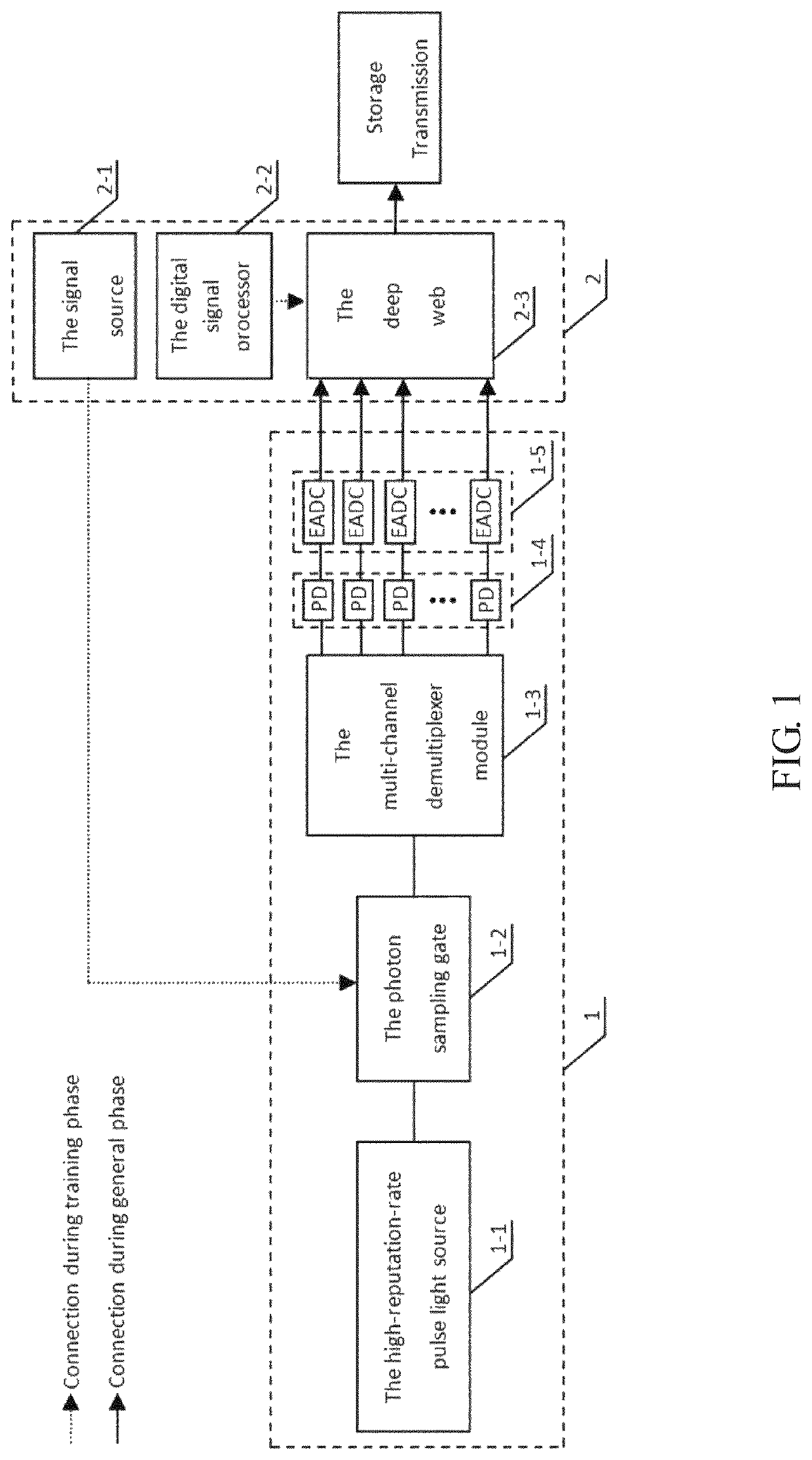
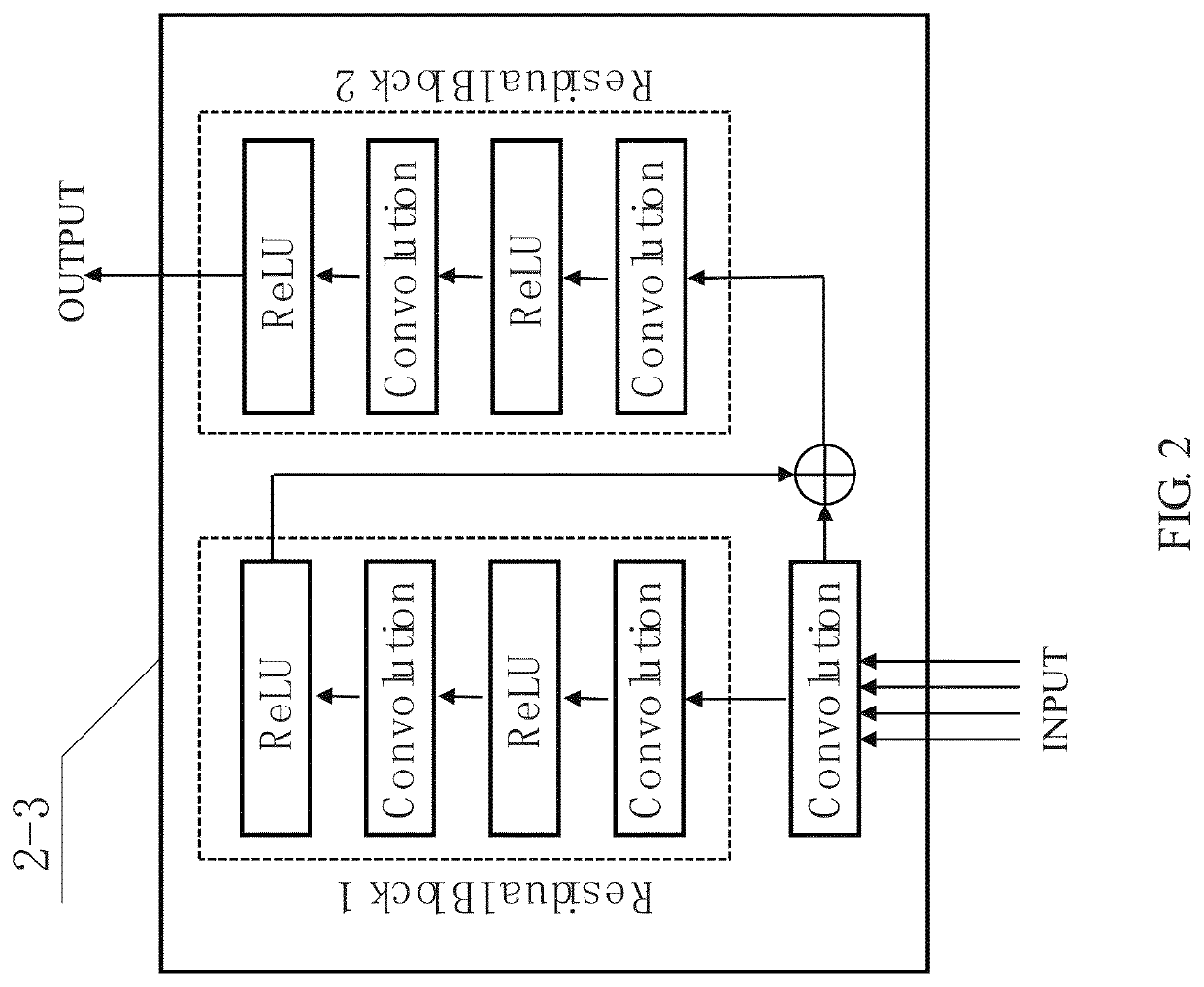
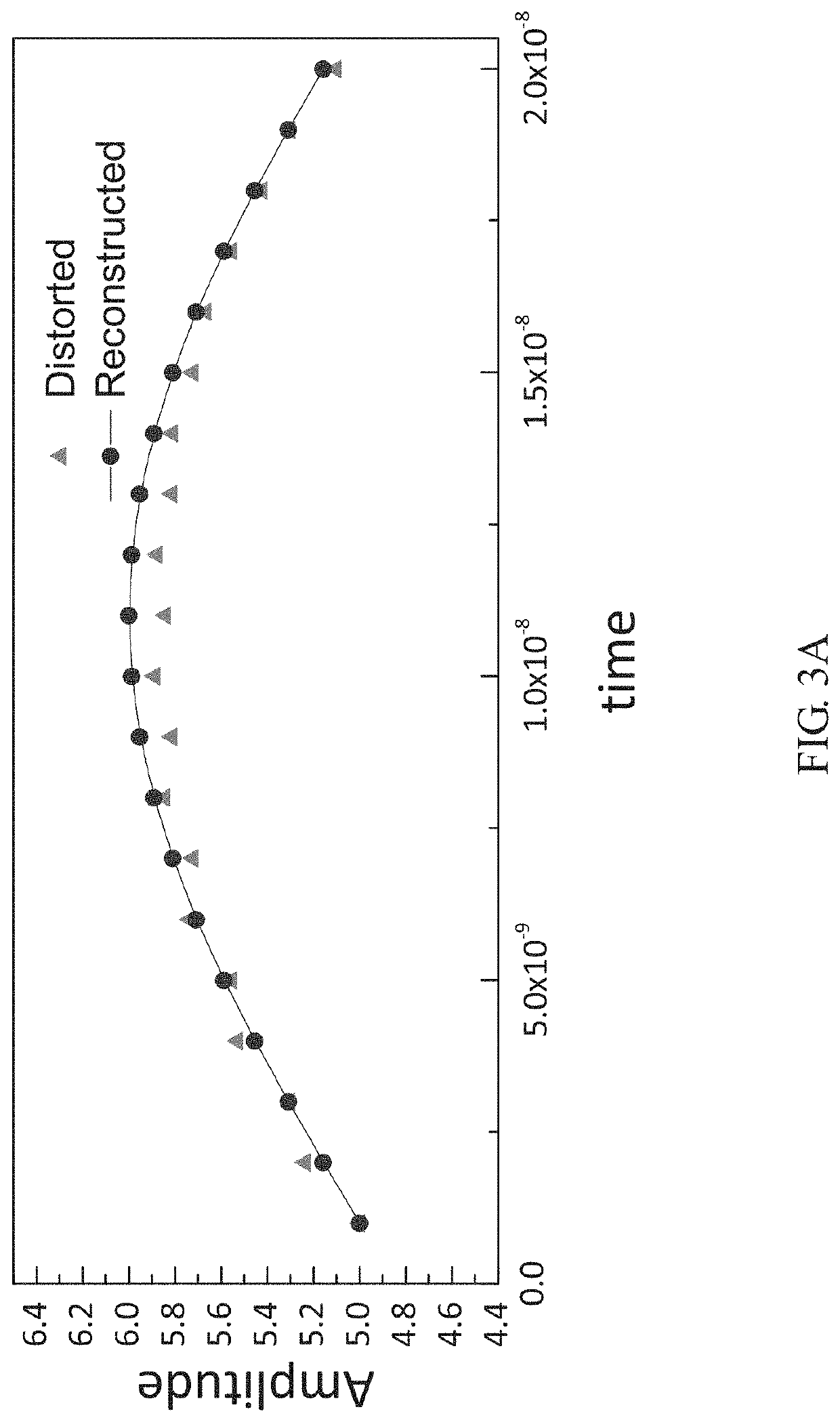
- Integration of deep learning technology into the photonic analog-to-digital conversion system, utilizing a high-speed photonic analog-to-digital conversion device with a deep learning signal processing module that learns and corrects nonlinear responses and channel mismatches, enabling intelligent signal processing.

Photonic tensor core devices and systems
PatentWO2025096551A1
Innovation
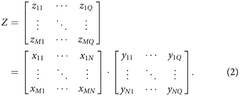
- The development of photonic tensor core devices that utilize sets of optical modulators for encoding matrix values onto optical signals, combined with dot product engines for combining these signals and generating product photocurrent signals, which are then converted to digital electric signals. This design includes slow-light Mach-Zehnder modulators for enhanced light-matter interaction, reducing size and power consumption while maintaining thermal robustness.


Aviation Safety Regulations for Autonomous Drone Systems
Aviation safety regulations for autonomous drone systems represent a critical framework that directly impacts the implementation of advanced photonic tensor core technologies in unmanned aerial vehicles. The regulatory landscape is primarily governed by national aviation authorities such as the Federal Aviation Administration (FAA) in the United States, the European Union Aviation Safety Agency (EASA), and similar organizations worldwide. These bodies establish comprehensive standards that autonomous drones must meet before commercial deployment, particularly focusing on system reliability, fail-safe mechanisms, and operational safety protocols.
Current regulatory frameworks mandate stringent requirements for autonomous flight systems, including redundant navigation systems, real-time monitoring capabilities, and emergency response protocols. For photonic tensor core implementations, these regulations specifically address signal processing accuracy, latency constraints, and electromagnetic interference standards. The precision requirements for autonomous navigation systems typically demand error rates below 0.01% for critical flight operations, which directly correlates with the signal precision capabilities of photonic processing units.
Certification processes for autonomous drone systems involve extensive testing protocols that evaluate both hardware and software components under various environmental conditions. Photonic tensor cores must demonstrate consistent performance across temperature ranges from -40°C to +85°C, altitude variations up to 18,000 feet, and exposure to electromagnetic fields common in urban environments. These certification requirements often extend development timelines by 18-24 months but ensure operational safety standards.
International harmonization efforts are underway to establish unified standards for autonomous drone operations across different jurisdictions. The International Civil Aviation Organization (ICAO) is developing global frameworks that address cross-border operations, data sharing protocols, and mutual recognition of certification standards. These initiatives are particularly relevant for photonic tensor core technologies, as they establish common performance benchmarks and testing methodologies.
Emerging regulatory trends indicate increasing focus on artificial intelligence transparency and explainability requirements for autonomous systems. Future regulations are expected to mandate detailed documentation of decision-making algorithms, real-time system monitoring capabilities, and comprehensive audit trails for all autonomous operations, directly influencing the design requirements for next-generation photonic processing systems.
Current regulatory frameworks mandate stringent requirements for autonomous flight systems, including redundant navigation systems, real-time monitoring capabilities, and emergency response protocols. For photonic tensor core implementations, these regulations specifically address signal processing accuracy, latency constraints, and electromagnetic interference standards. The precision requirements for autonomous navigation systems typically demand error rates below 0.01% for critical flight operations, which directly correlates with the signal precision capabilities of photonic processing units.
Certification processes for autonomous drone systems involve extensive testing protocols that evaluate both hardware and software components under various environmental conditions. Photonic tensor cores must demonstrate consistent performance across temperature ranges from -40°C to +85°C, altitude variations up to 18,000 feet, and exposure to electromagnetic fields common in urban environments. These certification requirements often extend development timelines by 18-24 months but ensure operational safety standards.
International harmonization efforts are underway to establish unified standards for autonomous drone operations across different jurisdictions. The International Civil Aviation Organization (ICAO) is developing global frameworks that address cross-border operations, data sharing protocols, and mutual recognition of certification standards. These initiatives are particularly relevant for photonic tensor core technologies, as they establish common performance benchmarks and testing methodologies.
Emerging regulatory trends indicate increasing focus on artificial intelligence transparency and explainability requirements for autonomous systems. Future regulations are expected to mandate detailed documentation of decision-making algorithms, real-time system monitoring capabilities, and comprehensive audit trails for all autonomous operations, directly influencing the design requirements for next-generation photonic processing systems.
Power Efficiency Optimization in Airborne Photonic Processors
Power efficiency optimization represents a critical engineering challenge in airborne photonic processors, particularly when deployed in autonomous drone systems where energy constraints directly impact operational endurance and mission capability. The fundamental challenge stems from the inherent power consumption characteristics of photonic components, including laser sources, modulators, and photodetectors, which must operate within the stringent power budgets typical of unmanned aerial vehicles.
The primary power consumption bottlenecks in airborne photonic tensor cores originate from continuous-wave laser operation, which typically accounts for 60-70% of total system power draw. Traditional silicon photonic processors require high-power pump lasers to maintain adequate optical signal levels throughout the processing pipeline. Additionally, thermal management systems consume substantial power to maintain temperature stability necessary for precise wavelength control and phase coherence in photonic computing elements.
Advanced power management strategies focus on dynamic laser power scaling, where optical power levels are adjusted in real-time based on computational workload requirements. This approach leverages the inherent parallelism of photonic processing to reduce power consumption during periods of lower computational intensity. Wavelength division multiplexing techniques enable multiple tensor operations to share common laser sources, significantly improving overall power utilization efficiency.
Emerging low-power photonic architectures incorporate novel materials such as lithium niobate on insulator and indium phosphide platforms, which demonstrate superior electro-optic efficiency compared to conventional silicon photonics. These platforms enable reduced drive voltages for modulators and improved quantum efficiency in photodetectors, directly translating to lower power consumption per computational operation.
System-level optimization strategies include intelligent duty cycling of photonic components, where non-critical processing elements are temporarily powered down during specific flight phases. Integration with drone flight management systems enables predictive power allocation based on mission profiles, ensuring optimal balance between computational performance and flight endurance while maintaining the precision requirements essential for autonomous navigation and decision-making processes.
The primary power consumption bottlenecks in airborne photonic tensor cores originate from continuous-wave laser operation, which typically accounts for 60-70% of total system power draw. Traditional silicon photonic processors require high-power pump lasers to maintain adequate optical signal levels throughout the processing pipeline. Additionally, thermal management systems consume substantial power to maintain temperature stability necessary for precise wavelength control and phase coherence in photonic computing elements.
Advanced power management strategies focus on dynamic laser power scaling, where optical power levels are adjusted in real-time based on computational workload requirements. This approach leverages the inherent parallelism of photonic processing to reduce power consumption during periods of lower computational intensity. Wavelength division multiplexing techniques enable multiple tensor operations to share common laser sources, significantly improving overall power utilization efficiency.
Emerging low-power photonic architectures incorporate novel materials such as lithium niobate on insulator and indium phosphide platforms, which demonstrate superior electro-optic efficiency compared to conventional silicon photonics. These platforms enable reduced drive voltages for modulators and improved quantum efficiency in photodetectors, directly translating to lower power consumption per computational operation.
System-level optimization strategies include intelligent duty cycling of photonic components, where non-critical processing elements are temporarily powered down during specific flight phases. Integration with drone flight management systems enables predictive power allocation based on mission profiles, ensuring optimal balance between computational performance and flight endurance while maintaining the precision requirements essential for autonomous navigation and decision-making processes.
Unlock deeper insights with PatSnap Eureka Quick Research — get a full tech report to explore trends and direct your research. Try now!
Generate Your Research Report Instantly with AI Agent
Supercharge your innovation with PatSnap Eureka AI Agent Platform!