

Innovative Cooling System Designs For Turbine Engine Technology
SEP 23, 20254 MIN READ
Generate Your Research Report Instantly with AI Agent
PatSnap Eureka helps you evaluate technical feasibility & market potential.
Cooling System Designs Technology Background And Goals
## Directory: 技术背景与目标
The primary goal of innovative cooling system designs for turbine engine technology is to enhance the efficiency and reliability of turbine engines by effectively managing the high temperatures generated during operation. Historically, turbine engines have faced significant challenges related to thermal management, which directly impacts their performance and longevity. Over the years, advancements in materials science, fluid dynamics, and thermodynamics have driven the evolution of cooling technologies, from simple air cooling methods to more sophisticated liquid and hybrid cooling systems. The focus is now on developing systems that not only improve cooling efficiency but also reduce the overall weight and complexity of the engines, thereby contributing to better fuel efficiency and lower emissions. The ultimate objective is to achieve a balance between optimal thermal management and the operational demands of modern turbine engines, ensuring they meet the stringent requirements of various applications, including aviation, power generation, and industrial machinery.
Cooling System Designs Market Demand Analysis
Market demand for innovative cooling system designs in turbine engine technology is driven by several key factors:
**Increasing Efficiency Requirements**:
The demand for higher efficiency in turbine engines necessitates advanced cooling systems to manage higher operational temperatures, ensuring optimal performance and longevity.
**Environmental Regulations**:
Stricter environmental regulations push for reduced emissions, which can be achieved through more efficient cooling systems that allow engines to operate at higher temperatures with lower fuel consumption.
**Aerospace and Power Generation Growth**:
The expanding aerospace and power generation sectors require advanced turbine engines, driving the need for innovative cooling solutions to support new engine designs and performance standards.
**Technological Advancements**:
Continuous advancements in materials and manufacturing technologies enable the development of more effective cooling systems, meeting the evolving demands of turbine engine applications.
**Competitive Landscape**:
Companies are investing in R&D to develop proprietary cooling technologies, aiming to gain a competitive edge in the market by offering superior performance and efficiency.
**Market Size and Potential**:
The global market for turbine engine cooling systems is substantial, with significant growth potential as industries seek to enhance engine performance and comply with regulatory standards.
**Customer Demand**:
End-users in aviation, power generation, and other sectors demand reliable and efficient cooling systems to ensure the durability and performance of turbine engines, driving market growth.
**Increasing Efficiency Requirements**:
The demand for higher efficiency in turbine engines necessitates advanced cooling systems to manage higher operational temperatures, ensuring optimal performance and longevity.
**Environmental Regulations**:
Stricter environmental regulations push for reduced emissions, which can be achieved through more efficient cooling systems that allow engines to operate at higher temperatures with lower fuel consumption.
**Aerospace and Power Generation Growth**:
The expanding aerospace and power generation sectors require advanced turbine engines, driving the need for innovative cooling solutions to support new engine designs and performance standards.
**Technological Advancements**:
Continuous advancements in materials and manufacturing technologies enable the development of more effective cooling systems, meeting the evolving demands of turbine engine applications.
**Competitive Landscape**:
Companies are investing in R&D to develop proprietary cooling technologies, aiming to gain a competitive edge in the market by offering superior performance and efficiency.
**Market Size and Potential**:
The global market for turbine engine cooling systems is substantial, with significant growth potential as industries seek to enhance engine performance and comply with regulatory standards.
**Customer Demand**:
End-users in aviation, power generation, and other sectors demand reliable and efficient cooling systems to ensure the durability and performance of turbine engines, driving market growth.
Cooling System Designs Technology Status And Challenges
### Cooling System Designs Technology Status And Challenges
**Current State of Technology**:
- **Advanced Cooling Techniques**: Modern turbine engines employ advanced cooling methods such as film cooling, transpiration cooling, and internal cooling channels to manage high temperatures.
- **Material Innovations**: Use of high-temperature resistant materials like ceramic matrix composites (CMCs) and thermal barrier coatings (TBCs) enhances cooling efficiency.
**Challenges**:
- **Thermal Stress**: Managing thermal stress and fatigue in turbine components remains a significant challenge due to extreme operating temperatures.
- **Efficiency vs. Durability**: Balancing cooling efficiency with the durability and longevity of engine components is complex.
- **Manufacturing Complexity**: Advanced cooling designs often require sophisticated manufacturing processes, increasing production costs and complexity.
- **Environmental Impact**: Ensuring cooling systems are environmentally friendly and comply with stringent emission regulations adds another layer of complexity.
Cooling System Designs Current Technical Solutions
01 Use of advanced heat exchangers
Advanced heat exchangers enhance cooling efficiency by maximizing heat transfer and minimizing energy consumption. They use high thermal conductivity materials and innovative designs like microchannel structures.- Use of advanced heat exchangers: Advanced heat exchangers, like microchannel types, improve cooling efficiency by offering a larger surface area for heat transfer, enhancing thermal performance and reducing energy consumption.
- Implementation of phase change materials: Phase change materials (PCMs) enhance cooling efficiency by absorbing and releasing thermal energy during phase transitions, effectively regulating temperature and reducing system load.
- Optimization of airflow management: Optimizing airflow management with variable speed fans, optimized duct design, and intelligent control systems improves cooling efficiency by enhancing airflow distribution and reducing energy consumption.
- Utilization of evaporative cooling techniques: Evaporative cooling techniques use water evaporation to enhance cooling efficiency, achieving significant energy savings and improved thermal performance.
- Integration of renewable energy sources: Integrating renewable energy sources like solar or wind power into cooling systems enhances efficiency and sustainability, reducing reliance on conventional energy sources and lowering operational costs.
02 Integration of phase change materials
Phase change materials (PCMs) improve cooling efficiency by absorbing and releasing thermal energy during phase transitions, reducing peak cooling loads and maintaining consistent performance.Expand Specific Solutions03 Utilization of evaporative cooling techniques
Evaporative cooling techniques use water evaporation to lower temperatures, especially effective in dry climates, significantly reducing energy consumption compared to traditional methods.Expand Specific Solutions04 Implementation of variable speed drives
Variable speed drives (VSDs) optimize cooling system performance by adjusting compressor and fan speeds based on demand, reducing energy consumption during low-load conditions.Expand Specific Solutions05 Adoption of smart control systems
Smart control systems use sensors and algorithms to monitor and adjust cooling parameters in real-time, ensuring optimal performance and providing predictive maintenance and energy management.Expand Specific Solutions
Cooling System Designs Main Player Analysis
The competitive landscape for innovative cooling system designs for turbine engine technology includes established leaders and emerging players. Major players like United Technologies Corp., Honeywell International Technologies Ltd., General Electric Company, and Rolls-Royce Plc have developed advanced cooling systems. Companies like AECC Commercial Aircraft Engine Co., Ltd. and Safran Aircraft Engines SAS are also contributing. The market is driven by the demand for efficient and reliable turbine engines in aerospace and energy sectors.
United Technologies Corp.
Technical Solution: United Technologies Corp. has developed advanced cooling systems using air and liquid cooling techniques to enhance thermal efficiency and reduce engine wear.
Strength: High thermal efficiency and reduced engine wear. Weakness: High development and maintenance costs.
Honeywell International Technologies Ltd.
Technical Solution: Honeywell's cooling systems incorporate advanced materials and design techniques to optimize heat dissipation, improve fuel efficiency, and reduce emissions.
Strength: Improved fuel efficiency and reduced emissions. Weakness: Complexity in implementation and higher initial costs.
Cooling System Designs Key Technology Interpretation
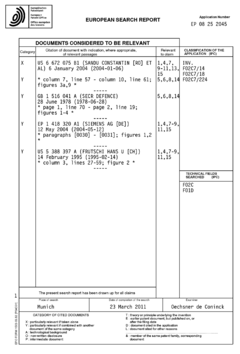
Hybrid cooling of a gas turbine engine
PatentActiveEP2003311A3
Innovation
- Combination of vapor cooling and air cooling to enhance the cooling efficiency of gas turbine engine components.
- Utilization of a hybrid cooling system to maintain engine components at lower temperatures, thereby extending their lifespan.
- Reduction in the size, weight, and complexity of the cooling system while maintaining effective cooling performance.
Cooling System Designs Environmental Impact Analysis
The environmental impact of innovative cooling system designs for turbine engine technology is significant. These systems aim to enhance efficiency and reduce emissions, but they also pose challenges. The production and disposal of advanced materials used in these systems can lead to environmental degradation. Additionally, the energy consumption during manufacturing and operation must be considered. However, the potential benefits, such as reduced fuel consumption and lower greenhouse gas emissions, can outweigh these drawbacks. Sustainable practices in material sourcing, manufacturing, and recycling are crucial to minimizing the environmental footprint of these advanced cooling systems.
Cooling System Designs Regulatory And Compliance Factors
Regulatory and compliance factors for innovative cooling system designs in turbine engine technology are crucial. These factors ensure safety, efficiency, and environmental standards are met. Compliance with international standards like ASME, ISO, and FAA regulations is mandatory. Additionally, adherence to environmental regulations regarding emissions and noise levels is essential. Regular audits and certifications are required to maintain compliance. Innovations must also consider material safety, durability, and performance under extreme conditions. Understanding and integrating these regulatory requirements into the design process is vital for successful implementation and market acceptance of new cooling technologies.
Unlock deeper insights with PatSnap Eureka Quick Research — get a full tech report to explore trends and direct your research. Try now!
Generate Your Research Report Instantly with AI Agent
Supercharge your innovation with PatSnap Eureka AI Agent Platform!