

Integrating Magnetic Valve Software for Predictive Maintenance
APR 1, 20269 MIN READ
Generate Your Research Report Instantly with AI Agent
PatSnap Eureka helps you evaluate technical feasibility & market potential.
Magnetic Valve Predictive Maintenance Background and Objectives
Magnetic valves have evolved from simple on-off control devices to sophisticated components integral to modern industrial automation systems. Initially developed in the mid-20th century for basic fluid control applications, these electromagnetic actuators have undergone significant technological advancement, incorporating digital interfaces, enhanced materials, and intelligent control capabilities. The integration of software-based monitoring and control systems represents the latest evolutionary phase, transforming traditional reactive maintenance approaches into proactive, data-driven strategies.
The contemporary industrial landscape demands unprecedented levels of operational efficiency, safety, and cost optimization. Traditional maintenance methodologies, characterized by scheduled interventions or reactive repairs following equipment failure, have proven inadequate for meeting modern performance expectations. The emergence of Industry 4.0 principles and Internet of Things technologies has created opportunities for revolutionary maintenance paradigms that leverage real-time data analytics and machine learning algorithms.
Predictive maintenance represents a paradigm shift from time-based or condition-based maintenance to intelligence-driven maintenance strategies. This approach utilizes continuous monitoring of equipment parameters, historical performance data, and advanced analytics to predict potential failures before they occur. For magnetic valve systems, this methodology promises substantial improvements in operational reliability, reduced downtime, and optimized maintenance resource allocation.
The primary objective of integrating magnetic valve software for predictive maintenance encompasses several critical goals. Foremost among these is the establishment of comprehensive real-time monitoring capabilities that capture essential operational parameters including valve response times, electromagnetic coil performance, fluid flow characteristics, and environmental conditions. This continuous data collection forms the foundation for sophisticated analytical processes that identify patterns indicative of impending component degradation or failure.
Enhanced operational reliability constitutes another fundamental objective, achieved through early detection of anomalous behavior patterns that precede catastrophic failures. By implementing intelligent algorithms capable of recognizing subtle performance deviations, maintenance teams can intervene proactively, preventing costly unplanned shutdowns and maintaining consistent production output.
Cost optimization represents a crucial target, encompassing both direct maintenance expenses and indirect costs associated with production interruptions. Predictive maintenance strategies enable organizations to transition from expensive emergency repairs to planned maintenance activities, optimizing spare parts inventory, scheduling maintenance personnel efficiently, and minimizing production losses.
The integration also aims to establish comprehensive asset lifecycle management capabilities, providing detailed insights into equipment performance trends, degradation patterns, and optimal replacement timing. This holistic approach enables strategic decision-making regarding equipment investments, performance optimization, and long-term operational planning.
The contemporary industrial landscape demands unprecedented levels of operational efficiency, safety, and cost optimization. Traditional maintenance methodologies, characterized by scheduled interventions or reactive repairs following equipment failure, have proven inadequate for meeting modern performance expectations. The emergence of Industry 4.0 principles and Internet of Things technologies has created opportunities for revolutionary maintenance paradigms that leverage real-time data analytics and machine learning algorithms.
Predictive maintenance represents a paradigm shift from time-based or condition-based maintenance to intelligence-driven maintenance strategies. This approach utilizes continuous monitoring of equipment parameters, historical performance data, and advanced analytics to predict potential failures before they occur. For magnetic valve systems, this methodology promises substantial improvements in operational reliability, reduced downtime, and optimized maintenance resource allocation.
The primary objective of integrating magnetic valve software for predictive maintenance encompasses several critical goals. Foremost among these is the establishment of comprehensive real-time monitoring capabilities that capture essential operational parameters including valve response times, electromagnetic coil performance, fluid flow characteristics, and environmental conditions. This continuous data collection forms the foundation for sophisticated analytical processes that identify patterns indicative of impending component degradation or failure.
Enhanced operational reliability constitutes another fundamental objective, achieved through early detection of anomalous behavior patterns that precede catastrophic failures. By implementing intelligent algorithms capable of recognizing subtle performance deviations, maintenance teams can intervene proactively, preventing costly unplanned shutdowns and maintaining consistent production output.
Cost optimization represents a crucial target, encompassing both direct maintenance expenses and indirect costs associated with production interruptions. Predictive maintenance strategies enable organizations to transition from expensive emergency repairs to planned maintenance activities, optimizing spare parts inventory, scheduling maintenance personnel efficiently, and minimizing production losses.
The integration also aims to establish comprehensive asset lifecycle management capabilities, providing detailed insights into equipment performance trends, degradation patterns, and optimal replacement timing. This holistic approach enables strategic decision-making regarding equipment investments, performance optimization, and long-term operational planning.
Market Demand for Smart Valve Maintenance Solutions
The global industrial automation market is experiencing unprecedented growth, driven by the increasing adoption of Industry 4.0 principles and the urgent need for operational efficiency. Manufacturing facilities, oil and gas installations, water treatment plants, and chemical processing industries are actively seeking intelligent maintenance solutions to minimize unplanned downtime and reduce operational costs. Traditional reactive maintenance approaches are proving inadequate in meeting the demands of modern industrial operations, creating substantial market opportunities for predictive maintenance technologies.
Smart valve maintenance solutions represent a critical segment within this broader automation landscape. Industrial valves are essential components in virtually every process industry, with failure rates that can significantly impact production schedules and safety protocols. The market demand for intelligent valve monitoring systems has intensified as organizations recognize that valve-related failures account for a substantial portion of unplanned maintenance events across industrial facilities.
The shift toward predictive maintenance strategies is fundamentally reshaping procurement priorities across industries. Plant operators are increasingly prioritizing solutions that can provide real-time monitoring capabilities, early fault detection, and actionable maintenance insights. This transformation is particularly evident in sectors where valve performance directly impacts product quality, environmental compliance, and operational safety standards.
Regulatory pressures and environmental considerations are further amplifying market demand for smart valve maintenance technologies. Industries facing stringent emission controls and safety regulations require advanced monitoring systems that can ensure continuous compliance while optimizing maintenance schedules. The integration of magnetic valve software with predictive analytics capabilities addresses these regulatory requirements while delivering measurable operational benefits.
The market landscape reveals strong demand from both retrofit applications and new installations. Existing facilities are seeking cost-effective solutions to upgrade their valve monitoring capabilities without extensive infrastructure modifications. Simultaneously, new industrial projects are incorporating smart valve maintenance requirements into their initial design specifications, indicating sustained long-term market growth potential.
Regional market dynamics show particularly strong demand in developed industrial economies where aging infrastructure requires modernization, as well as in emerging markets where new industrial capacity is being built with advanced automation capabilities from the outset.
Smart valve maintenance solutions represent a critical segment within this broader automation landscape. Industrial valves are essential components in virtually every process industry, with failure rates that can significantly impact production schedules and safety protocols. The market demand for intelligent valve monitoring systems has intensified as organizations recognize that valve-related failures account for a substantial portion of unplanned maintenance events across industrial facilities.
The shift toward predictive maintenance strategies is fundamentally reshaping procurement priorities across industries. Plant operators are increasingly prioritizing solutions that can provide real-time monitoring capabilities, early fault detection, and actionable maintenance insights. This transformation is particularly evident in sectors where valve performance directly impacts product quality, environmental compliance, and operational safety standards.
Regulatory pressures and environmental considerations are further amplifying market demand for smart valve maintenance technologies. Industries facing stringent emission controls and safety regulations require advanced monitoring systems that can ensure continuous compliance while optimizing maintenance schedules. The integration of magnetic valve software with predictive analytics capabilities addresses these regulatory requirements while delivering measurable operational benefits.
The market landscape reveals strong demand from both retrofit applications and new installations. Existing facilities are seeking cost-effective solutions to upgrade their valve monitoring capabilities without extensive infrastructure modifications. Simultaneously, new industrial projects are incorporating smart valve maintenance requirements into their initial design specifications, indicating sustained long-term market growth potential.
Regional market dynamics show particularly strong demand in developed industrial economies where aging infrastructure requires modernization, as well as in emerging markets where new industrial capacity is being built with advanced automation capabilities from the outset.
Current State and Challenges of Magnetic Valve Software Integration
The integration of magnetic valve software for predictive maintenance represents a rapidly evolving technological landscape characterized by significant advancement opportunities alongside substantial implementation challenges. Current magnetic valve systems predominantly operate on traditional reactive maintenance models, where interventions occur only after failures manifest, resulting in costly downtime and suboptimal operational efficiency.
Modern magnetic valve software integration efforts focus on embedding intelligent monitoring capabilities directly into valve control systems. These solutions typically incorporate sensor networks that continuously monitor parameters such as coil resistance, response time, temperature fluctuations, and electromagnetic field strength variations. However, the majority of existing implementations remain fragmented, with limited standardization across different valve manufacturers and industrial applications.
The primary technical challenge lies in achieving seamless data interoperability between legacy magnetic valve hardware and contemporary predictive analytics platforms. Many industrial facilities operate with magnetic valves installed decades ago, lacking native digital communication capabilities. Retrofitting these systems requires complex interface solutions that often compromise data accuracy and real-time monitoring effectiveness.
Software architecture complexity presents another significant hurdle. Current integration approaches struggle with balancing computational efficiency and predictive accuracy, particularly in environments requiring millisecond-level response times. The challenge intensifies when attempting to implement machine learning algorithms capable of processing multiple data streams while maintaining system stability and safety compliance.
Data quality and consistency issues plague existing implementations. Magnetic valve operational data often contains noise from electromagnetic interference, temperature variations, and mechanical vibrations. Current software solutions frequently lack robust filtering mechanisms, leading to false positive predictions and reduced confidence in maintenance recommendations.
Cybersecurity concerns have emerged as critical challenges in magnetic valve software integration. As these systems become increasingly connected to enterprise networks and cloud-based analytics platforms, they present potential attack vectors that could compromise critical industrial processes. Current security frameworks often inadequately address the unique vulnerabilities associated with industrial control systems.
Standardization gaps across the industry further complicate integration efforts. Different manufacturers employ proprietary communication protocols and data formats, making unified predictive maintenance platforms difficult to implement. This fragmentation forces organizations to manage multiple software solutions, increasing complexity and operational costs while reducing overall system effectiveness.
Modern magnetic valve software integration efforts focus on embedding intelligent monitoring capabilities directly into valve control systems. These solutions typically incorporate sensor networks that continuously monitor parameters such as coil resistance, response time, temperature fluctuations, and electromagnetic field strength variations. However, the majority of existing implementations remain fragmented, with limited standardization across different valve manufacturers and industrial applications.
The primary technical challenge lies in achieving seamless data interoperability between legacy magnetic valve hardware and contemporary predictive analytics platforms. Many industrial facilities operate with magnetic valves installed decades ago, lacking native digital communication capabilities. Retrofitting these systems requires complex interface solutions that often compromise data accuracy and real-time monitoring effectiveness.
Software architecture complexity presents another significant hurdle. Current integration approaches struggle with balancing computational efficiency and predictive accuracy, particularly in environments requiring millisecond-level response times. The challenge intensifies when attempting to implement machine learning algorithms capable of processing multiple data streams while maintaining system stability and safety compliance.
Data quality and consistency issues plague existing implementations. Magnetic valve operational data often contains noise from electromagnetic interference, temperature variations, and mechanical vibrations. Current software solutions frequently lack robust filtering mechanisms, leading to false positive predictions and reduced confidence in maintenance recommendations.
Cybersecurity concerns have emerged as critical challenges in magnetic valve software integration. As these systems become increasingly connected to enterprise networks and cloud-based analytics platforms, they present potential attack vectors that could compromise critical industrial processes. Current security frameworks often inadequately address the unique vulnerabilities associated with industrial control systems.
Standardization gaps across the industry further complicate integration efforts. Different manufacturers employ proprietary communication protocols and data formats, making unified predictive maintenance platforms difficult to implement. This fragmentation forces organizations to manage multiple software solutions, increasing complexity and operational costs while reducing overall system effectiveness.
Existing Magnetic Valve Predictive Maintenance Solutions
01 Sensor-based condition monitoring for valve systems
Predictive maintenance systems utilize various sensors to monitor the operational parameters of magnetic valves, including pressure, temperature, flow rate, and electrical characteristics. These sensors continuously collect data that can be analyzed to detect anomalies and predict potential failures before they occur. The monitoring system processes sensor data to identify patterns indicative of wear, degradation, or impending malfunction, enabling proactive maintenance scheduling.- Sensor-based condition monitoring for valve systems: Predictive maintenance systems utilize various sensors to monitor the operational parameters of magnetic valves, including pressure, temperature, flow rate, and electrical characteristics. These sensors continuously collect data that can be analyzed to detect anomalies and predict potential failures before they occur. The monitoring system processes sensor data in real-time to identify patterns indicative of wear, degradation, or impending malfunction, enabling proactive maintenance scheduling.
- Machine learning algorithms for failure prediction: Advanced predictive maintenance solutions employ machine learning and artificial intelligence algorithms to analyze historical operational data and identify failure patterns in magnetic valve systems. These algorithms can process large datasets to establish baseline performance metrics and detect deviations that may indicate developing problems. The system learns from past maintenance events and operational conditions to improve prediction accuracy over time, reducing false alarms and optimizing maintenance intervals.
- Cloud-based data analytics and remote monitoring: Cloud computing platforms enable centralized collection and analysis of valve performance data from multiple locations, facilitating remote monitoring and predictive maintenance capabilities. These systems allow maintenance personnel to access real-time valve status information and receive alerts about potential issues from anywhere. The cloud infrastructure supports advanced analytics, data storage, and integration with enterprise maintenance management systems for comprehensive asset management.
- Diagnostic software with prognostic capabilities: Specialized diagnostic software applications provide comprehensive analysis tools for evaluating magnetic valve health and predicting remaining useful life. These software solutions integrate multiple data sources and apply statistical models to assess valve condition, generate maintenance recommendations, and estimate time-to-failure. The prognostic capabilities help optimize spare parts inventory, schedule maintenance activities during planned downtime, and extend equipment lifespan through timely interventions.
- Integrated maintenance management systems: Comprehensive maintenance management platforms integrate predictive analytics with work order management, inventory control, and maintenance scheduling functions. These systems provide a unified interface for managing all aspects of valve maintenance, from condition monitoring and failure prediction to maintenance execution and documentation. The integration enables automated workflow generation, resource allocation, and performance tracking to optimize maintenance operations and reduce equipment downtime.
02 Machine learning algorithms for failure prediction
Advanced predictive maintenance systems employ machine learning and artificial intelligence algorithms to analyze historical operational data and identify failure patterns in magnetic valve systems. These algorithms can process large datasets to establish baseline performance metrics and detect deviations that suggest maintenance requirements. The system learns from past failures and operational conditions to improve prediction accuracy over time, reducing unexpected downtime and optimizing maintenance intervals.Expand Specific Solutions03 Remote monitoring and diagnostic systems
Cloud-based and networked systems enable remote monitoring of magnetic valve performance across distributed installations. These systems collect operational data from multiple valve installations and transmit it to centralized platforms for analysis. Remote diagnostic capabilities allow maintenance personnel to assess valve condition without physical inspection, facilitating faster response times and more efficient resource allocation. The systems can generate alerts and notifications when predetermined thresholds are exceeded or anomalous behavior is detected.Expand Specific Solutions04 Electrical signature analysis for valve health assessment
Predictive maintenance techniques analyze the electrical characteristics of magnetic valve actuators, including current draw, voltage patterns, and coil resistance, to assess component health. Changes in electrical signatures can indicate issues such as coil degradation, mechanical binding, or contamination. By monitoring these electrical parameters during valve operation, the system can detect early signs of failure and predict remaining useful life. This approach is particularly effective for identifying problems that may not be apparent through mechanical inspection alone.Expand Specific Solutions05 Integrated maintenance scheduling and optimization
Predictive maintenance software integrates data analysis with maintenance management systems to optimize service scheduling and resource allocation. The system considers multiple factors including predicted failure probabilities, operational criticality, maintenance costs, and production schedules to recommend optimal maintenance timing. This integration helps minimize both planned and unplanned downtime while reducing overall maintenance costs. The software can also track maintenance history and component lifecycle data to refine future predictions and improve long-term reliability.Expand Specific Solutions
Key Players in Magnetic Valve and Predictive Software Industry
The magnetic valve software integration for predictive maintenance market represents a rapidly evolving sector within industrial automation, currently in its growth phase as companies increasingly adopt Industry 4.0 technologies. The market demonstrates substantial expansion potential, driven by rising demand for operational efficiency and reduced downtime across manufacturing and process industries. Technology maturity varies significantly among market participants, with established automation leaders like Siemens AG, ABB Ltd., and Hitachi Ltd. offering comprehensive integrated solutions combining advanced sensors, analytics, and cloud platforms. Industrial specialists such as GEMÜ and Burckhardt Compression AG provide domain-specific expertise in valve technologies, while technology giants like Robert Bosch GmbH leverage IoT and AI capabilities. The competitive landscape shows a convergence of traditional valve manufacturers, automation system providers, and software companies, creating a dynamic ecosystem where technological sophistication and industry expertise determine market positioning and customer adoption rates.
ABB Ltd.
Technical Solution: ABB has developed ABB Ability™ Condition Monitoring for magnetic valves, which integrates advanced sensor technology with cloud-based analytics platforms. The system continuously monitors valve performance parameters including actuator current signatures, position feedback, and operational cycles. Their predictive maintenance software utilizes machine learning algorithms to analyze vibration patterns, temperature variations, and electrical characteristics to predict potential failures before they occur. The platform provides real-time diagnostics and generates maintenance alerts based on deviation from normal operating patterns, enabling proactive maintenance scheduling and reducing unplanned downtime by up to 30%.
Strengths: Comprehensive industrial automation expertise, proven cloud-based analytics platform, strong global service network. Weaknesses: High implementation costs, complex integration requirements for legacy systems.
Robert Bosch GmbH
Technical Solution: Bosch has developed IoT-enabled predictive maintenance solutions specifically designed for magnetic valve applications in automotive and industrial sectors. Their system utilizes embedded sensors and edge computing capabilities to monitor valve performance in real-time. The software platform employs machine learning models trained on extensive operational data to identify early warning signs of valve degradation, including coil resistance changes, response time variations, and seal wear patterns. Bosch's solution integrates with their Connected Industry platform, providing predictive analytics that can reduce unexpected valve failures by up to 40% while optimizing maintenance intervals based on actual usage patterns rather than fixed schedules.
Strengths: Strong automotive industry expertise, proven IoT connectivity solutions, cost-effective implementation. Weaknesses: Limited experience in heavy industrial applications, smaller service network compared to traditional automation companies.
Core Technologies in Valve Health Monitoring Software
System for the predictive maintenance of valves and method for carrying out said maintenance
PatentWO2016139376A1
Innovation
- A predictive maintenance system utilizing torque and position sensors to record and analyze valve operation data, generating torque-position curves to anticipate potential failures, reduce maintenance costs, and provide real-time reporting and alarms, which can be adapted for various valve types and installations, including remote locations without internet access.
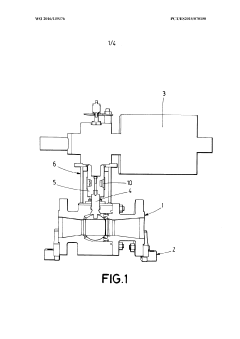
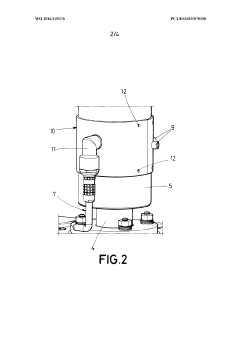
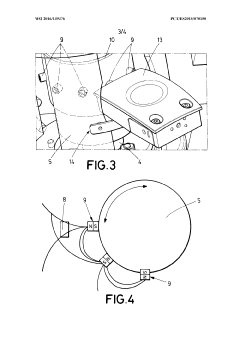
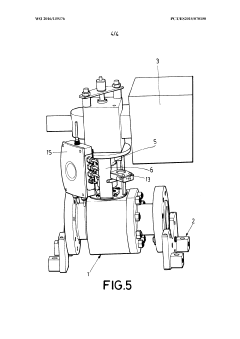
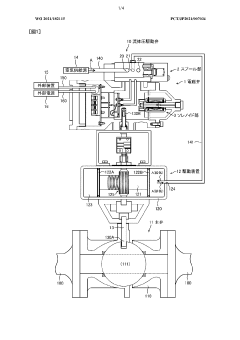
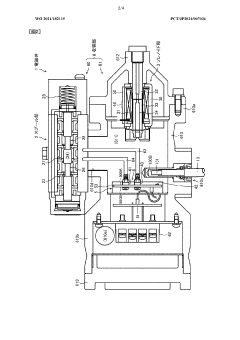
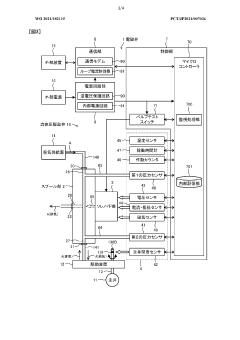
Electromagnetic valve
PatentWO2021182115A1
Innovation
- Integration of sensors within the solenoid valve housing to monitor the status of each part, including a spool section, solenoid section, and control unit, simplifying the device configuration and enabling predictive maintenance.

Industrial Safety Standards for Automated Valve Systems
Industrial safety standards for automated valve systems represent a critical framework governing the deployment of predictive maintenance technologies in magnetic valve applications. These standards establish comprehensive guidelines that ensure operational reliability, personnel safety, and environmental protection while enabling advanced software integration capabilities.
The International Electrotechnical Commission (IEC) 61508 standard serves as the foundational framework for functional safety in electrical and electronic systems, directly applicable to magnetic valve automation. This standard defines Safety Integrity Levels (SIL) ranging from SIL 1 to SIL 4, with most industrial valve applications requiring SIL 2 or SIL 3 certification. For predictive maintenance integration, compliance with IEC 61508 ensures that software algorithms and diagnostic systems maintain appropriate safety margins during normal and fault conditions.
API 607 and API 6FA standards specifically address fire safety requirements for quarter-turn valves and actuators, establishing critical parameters for magnetic valve systems operating in hazardous environments. These standards mandate specific testing protocols for valve assemblies, including temperature resistance, pressure integrity, and fail-safe positioning capabilities that directly impact predictive maintenance software design requirements.
The ISA-84.00.01 standard, equivalent to IEC 61511, provides comprehensive guidelines for Safety Instrumented Systems (SIS) in process industries. This standard is particularly relevant for magnetic valve predictive maintenance systems as it defines requirements for software validation, hardware reliability calculations, and systematic capability assessments. Compliance ensures that predictive algorithms do not compromise safety-critical valve operations.
NEMA 250 enclosure ratings establish environmental protection standards that influence magnetic valve software integration design. These ratings define ingress protection levels against dust, moisture, and corrosive substances, directly affecting sensor placement, communication protocols, and data acquisition systems essential for predictive maintenance functionality.
Cybersecurity considerations have become increasingly prominent with standards like IEC 62443 addressing industrial automation and control systems security. For magnetic valve predictive maintenance software, this standard mandates secure communication protocols, access control mechanisms, and vulnerability management procedures to prevent unauthorized system access that could compromise valve safety functions.
Electromagnetic compatibility requirements under IEC 61000 series standards ensure that predictive maintenance systems do not interfere with critical valve control functions. These standards define acceptable emission levels and immunity thresholds for electronic components, ensuring reliable operation in industrial electromagnetic environments where magnetic valves typically operate.
The International Electrotechnical Commission (IEC) 61508 standard serves as the foundational framework for functional safety in electrical and electronic systems, directly applicable to magnetic valve automation. This standard defines Safety Integrity Levels (SIL) ranging from SIL 1 to SIL 4, with most industrial valve applications requiring SIL 2 or SIL 3 certification. For predictive maintenance integration, compliance with IEC 61508 ensures that software algorithms and diagnostic systems maintain appropriate safety margins during normal and fault conditions.
API 607 and API 6FA standards specifically address fire safety requirements for quarter-turn valves and actuators, establishing critical parameters for magnetic valve systems operating in hazardous environments. These standards mandate specific testing protocols for valve assemblies, including temperature resistance, pressure integrity, and fail-safe positioning capabilities that directly impact predictive maintenance software design requirements.
The ISA-84.00.01 standard, equivalent to IEC 61511, provides comprehensive guidelines for Safety Instrumented Systems (SIS) in process industries. This standard is particularly relevant for magnetic valve predictive maintenance systems as it defines requirements for software validation, hardware reliability calculations, and systematic capability assessments. Compliance ensures that predictive algorithms do not compromise safety-critical valve operations.
NEMA 250 enclosure ratings establish environmental protection standards that influence magnetic valve software integration design. These ratings define ingress protection levels against dust, moisture, and corrosive substances, directly affecting sensor placement, communication protocols, and data acquisition systems essential for predictive maintenance functionality.
Cybersecurity considerations have become increasingly prominent with standards like IEC 62443 addressing industrial automation and control systems security. For magnetic valve predictive maintenance software, this standard mandates secure communication protocols, access control mechanisms, and vulnerability management procedures to prevent unauthorized system access that could compromise valve safety functions.
Electromagnetic compatibility requirements under IEC 61000 series standards ensure that predictive maintenance systems do not interfere with critical valve control functions. These standards define acceptable emission levels and immunity thresholds for electronic components, ensuring reliable operation in industrial electromagnetic environments where magnetic valves typically operate.
Cost-Benefit Analysis of Predictive Valve Maintenance
The implementation of predictive maintenance systems for magnetic valves presents a compelling economic proposition when evaluated through comprehensive cost-benefit analysis. Initial capital expenditure encompasses software licensing, sensor installation, data infrastructure development, and personnel training, typically ranging from $50,000 to $200,000 for medium-scale industrial operations. However, these upfront investments are offset by substantial operational savings realized through reduced unplanned downtime, optimized maintenance scheduling, and extended equipment lifespan.
Quantifiable benefits emerge primarily through maintenance cost reduction, with predictive systems demonstrating 25-30% savings compared to traditional reactive maintenance approaches. Unplanned downtime costs, often exceeding $10,000 per hour in critical industrial processes, can be reduced by up to 70% through early fault detection and proactive intervention. Additionally, predictive maintenance extends valve operational life by 20-40%, deferring capital replacement costs and maximizing asset utilization.
Operational efficiency gains manifest through optimized maintenance resource allocation, reducing unnecessary preventive maintenance activities by approximately 35%. Labor productivity improvements result from transitioning maintenance teams from reactive firefighting to strategic, data-driven decision making. Energy efficiency benefits arise from maintaining optimal valve performance parameters, potentially reducing energy consumption by 5-15% in fluid control systems.
Risk mitigation represents a significant but often undervalued benefit category. Predictive maintenance systems substantially reduce safety incidents, environmental compliance violations, and production quality issues associated with valve failures. Insurance premium reductions and regulatory compliance benefits further enhance the economic value proposition.
Return on investment calculations typically demonstrate payback periods of 12-24 months for comprehensive predictive maintenance implementations. Long-term financial benefits compound over time, with total cost of ownership reductions reaching 40-60% over five-year operational periods. The economic case strengthens considerably in high-criticality applications where valve failures trigger cascading operational disruptions across interconnected systems.
Quantifiable benefits emerge primarily through maintenance cost reduction, with predictive systems demonstrating 25-30% savings compared to traditional reactive maintenance approaches. Unplanned downtime costs, often exceeding $10,000 per hour in critical industrial processes, can be reduced by up to 70% through early fault detection and proactive intervention. Additionally, predictive maintenance extends valve operational life by 20-40%, deferring capital replacement costs and maximizing asset utilization.
Operational efficiency gains manifest through optimized maintenance resource allocation, reducing unnecessary preventive maintenance activities by approximately 35%. Labor productivity improvements result from transitioning maintenance teams from reactive firefighting to strategic, data-driven decision making. Energy efficiency benefits arise from maintaining optimal valve performance parameters, potentially reducing energy consumption by 5-15% in fluid control systems.
Risk mitigation represents a significant but often undervalued benefit category. Predictive maintenance systems substantially reduce safety incidents, environmental compliance violations, and production quality issues associated with valve failures. Insurance premium reductions and regulatory compliance benefits further enhance the economic value proposition.
Return on investment calculations typically demonstrate payback periods of 12-24 months for comprehensive predictive maintenance implementations. Long-term financial benefits compound over time, with total cost of ownership reductions reaching 40-60% over five-year operational periods. The economic case strengthens considerably in high-criticality applications where valve failures trigger cascading operational disruptions across interconnected systems.
Unlock deeper insights with PatSnap Eureka Quick Research — get a full tech report to explore trends and direct your research. Try now!
Generate Your Research Report Instantly with AI Agent
Supercharge your innovation with PatSnap Eureka AI Agent Platform!