Integrating Proprioceptive Sensing into Predictive Maintenance Systems
APR 24, 20269 MIN READ
Generate Your Research Report Instantly with AI Agent
Patsnap Eureka helps you evaluate technical feasibility & market potential.
Proprioceptive Sensing in Predictive Maintenance Background and Goals
Proprioceptive sensing, originally a biological concept describing an organism's ability to perceive its own body position and movement in space, has evolved into a transformative technology paradigm for industrial applications. In the context of predictive maintenance, proprioceptive sensing represents the integration of self-aware sensing capabilities into mechanical systems, enabling equipment to continuously monitor its own operational state, structural integrity, and performance parameters in real-time.
The historical development of proprioceptive sensing in industrial contexts traces back to the early 2000s when researchers began exploring biomimetic approaches to equipment monitoring. Initial implementations focused on simple vibration analysis and temperature monitoring. However, the convergence of advanced sensor technologies, machine learning algorithms, and edge computing capabilities has dramatically expanded the scope and sophistication of proprioceptive sensing systems over the past decade.
Current technological evolution trends indicate a shift toward multi-modal sensing architectures that combine traditional monitoring parameters with novel sensing modalities. These include strain-based structural health monitoring, acoustic emission detection, electromagnetic field analysis, and chemical composition monitoring through embedded sensors. The integration of Internet of Things connectivity and artificial intelligence has further enhanced the capability to process and interpret complex sensor data patterns.
The primary technical objectives for integrating proprioceptive sensing into predictive maintenance systems encompass several critical dimensions. First, achieving real-time autonomous health assessment capabilities that can detect anomalies and degradation patterns without external intervention. Second, developing predictive algorithms that can accurately forecast equipment failure modes and remaining useful life based on proprioceptive sensor data streams.
Another fundamental goal involves establishing seamless integration between proprioceptive sensing systems and existing maintenance management frameworks. This requires developing standardized communication protocols, data formats, and interoperability standards that enable proprioceptive sensors to communicate effectively with enterprise asset management systems and maintenance scheduling platforms.
The ultimate technical vision aims to create self-diagnosing industrial equipment capable of autonomous maintenance decision-making, thereby transitioning from traditional reactive maintenance approaches to truly predictive and prescriptive maintenance strategies that optimize equipment performance, minimize downtime, and reduce operational costs through intelligent self-awareness capabilities.
The historical development of proprioceptive sensing in industrial contexts traces back to the early 2000s when researchers began exploring biomimetic approaches to equipment monitoring. Initial implementations focused on simple vibration analysis and temperature monitoring. However, the convergence of advanced sensor technologies, machine learning algorithms, and edge computing capabilities has dramatically expanded the scope and sophistication of proprioceptive sensing systems over the past decade.
Current technological evolution trends indicate a shift toward multi-modal sensing architectures that combine traditional monitoring parameters with novel sensing modalities. These include strain-based structural health monitoring, acoustic emission detection, electromagnetic field analysis, and chemical composition monitoring through embedded sensors. The integration of Internet of Things connectivity and artificial intelligence has further enhanced the capability to process and interpret complex sensor data patterns.
The primary technical objectives for integrating proprioceptive sensing into predictive maintenance systems encompass several critical dimensions. First, achieving real-time autonomous health assessment capabilities that can detect anomalies and degradation patterns without external intervention. Second, developing predictive algorithms that can accurately forecast equipment failure modes and remaining useful life based on proprioceptive sensor data streams.
Another fundamental goal involves establishing seamless integration between proprioceptive sensing systems and existing maintenance management frameworks. This requires developing standardized communication protocols, data formats, and interoperability standards that enable proprioceptive sensors to communicate effectively with enterprise asset management systems and maintenance scheduling platforms.
The ultimate technical vision aims to create self-diagnosing industrial equipment capable of autonomous maintenance decision-making, thereby transitioning from traditional reactive maintenance approaches to truly predictive and prescriptive maintenance strategies that optimize equipment performance, minimize downtime, and reduce operational costs through intelligent self-awareness capabilities.
Market Demand for Advanced Predictive Maintenance Solutions
The global predictive maintenance market is experiencing unprecedented growth driven by the convergence of Industrial Internet of Things technologies, artificial intelligence, and advanced sensor systems. Manufacturing industries are increasingly recognizing that traditional reactive maintenance approaches result in substantial operational inefficiencies, including unexpected equipment failures, extended downtime periods, and elevated maintenance costs. This paradigm shift toward proactive maintenance strategies has created substantial demand for sophisticated monitoring solutions that can predict equipment failures before they occur.
Industrial sectors including automotive manufacturing, aerospace, oil and gas, and heavy machinery operations are actively seeking advanced predictive maintenance solutions to optimize their operational efficiency. These industries face mounting pressure to reduce unplanned downtime, which can cost manufacturing facilities thousands of dollars per minute during production halts. The integration of proprioceptive sensing technologies addresses this critical need by providing real-time awareness of equipment internal states, enabling more accurate failure predictions compared to traditional external monitoring approaches.
The demand for proprioceptive sensing integration stems from limitations observed in current predictive maintenance systems that primarily rely on external sensors monitoring vibration, temperature, and acoustic signatures. While these approaches provide valuable insights, they often fail to capture subtle internal mechanical changes that precede equipment failures. Proprioceptive sensing offers the capability to monitor internal component stress, joint positions, and mechanical deformation patterns, providing deeper insights into equipment health status.
Enterprise adoption patterns indicate strong interest in predictive maintenance solutions that can seamlessly integrate with existing industrial automation systems and enterprise resource planning platforms. Organizations require solutions that not only detect potential failures but also provide actionable insights regarding optimal maintenance scheduling, spare parts inventory management, and resource allocation optimization. The ability to correlate proprioceptive sensor data with operational parameters and maintenance histories represents a significant value proposition for industrial customers.
Emerging market segments including renewable energy infrastructure, smart manufacturing facilities, and autonomous industrial systems are driving additional demand for advanced predictive maintenance capabilities. These applications require highly reliable equipment operation with minimal human intervention, making sophisticated predictive maintenance systems essential for operational success. The integration of proprioceptive sensing technologies enables these systems to achieve higher levels of autonomy and reliability.
Industrial sectors including automotive manufacturing, aerospace, oil and gas, and heavy machinery operations are actively seeking advanced predictive maintenance solutions to optimize their operational efficiency. These industries face mounting pressure to reduce unplanned downtime, which can cost manufacturing facilities thousands of dollars per minute during production halts. The integration of proprioceptive sensing technologies addresses this critical need by providing real-time awareness of equipment internal states, enabling more accurate failure predictions compared to traditional external monitoring approaches.
The demand for proprioceptive sensing integration stems from limitations observed in current predictive maintenance systems that primarily rely on external sensors monitoring vibration, temperature, and acoustic signatures. While these approaches provide valuable insights, they often fail to capture subtle internal mechanical changes that precede equipment failures. Proprioceptive sensing offers the capability to monitor internal component stress, joint positions, and mechanical deformation patterns, providing deeper insights into equipment health status.
Enterprise adoption patterns indicate strong interest in predictive maintenance solutions that can seamlessly integrate with existing industrial automation systems and enterprise resource planning platforms. Organizations require solutions that not only detect potential failures but also provide actionable insights regarding optimal maintenance scheduling, spare parts inventory management, and resource allocation optimization. The ability to correlate proprioceptive sensor data with operational parameters and maintenance histories represents a significant value proposition for industrial customers.
Emerging market segments including renewable energy infrastructure, smart manufacturing facilities, and autonomous industrial systems are driving additional demand for advanced predictive maintenance capabilities. These applications require highly reliable equipment operation with minimal human intervention, making sophisticated predictive maintenance systems essential for operational success. The integration of proprioceptive sensing technologies enables these systems to achieve higher levels of autonomy and reliability.
Current State and Challenges of Proprioceptive Sensing Integration
The integration of proprioceptive sensing into predictive maintenance systems represents a rapidly evolving technological frontier that combines advanced sensor technologies with sophisticated data analytics. Currently, the field demonstrates significant momentum across multiple industrial sectors, with implementations ranging from aerospace and automotive manufacturing to heavy machinery and robotics applications. The technology leverages internal sensing capabilities that monitor position, orientation, and movement characteristics of mechanical systems to predict potential failures before they occur.
Modern proprioceptive sensing systems predominantly utilize accelerometers, gyroscopes, strain gauges, and position encoders to capture real-time operational data. These sensors are increasingly being integrated with machine learning algorithms and edge computing platforms to enable autonomous decision-making capabilities. The current technological landscape shows a clear trend toward miniaturization and wireless connectivity, allowing for more flexible deployment scenarios and reduced installation complexity.
Despite promising developments, several critical challenges continue to impede widespread adoption. Signal processing complexity remains a primary obstacle, as proprioceptive sensors generate vast amounts of high-frequency data that require sophisticated filtering and interpretation algorithms. The challenge is compounded by the need to distinguish between normal operational variations and genuine anomalies that indicate impending failures.
Environmental robustness presents another significant hurdle, particularly in harsh industrial environments where temperature fluctuations, electromagnetic interference, and mechanical vibrations can compromise sensor accuracy. Current solutions often struggle to maintain consistent performance across diverse operating conditions, limiting their reliability in mission-critical applications.
Data integration and standardization challenges further complicate implementation efforts. Existing industrial systems typically employ heterogeneous sensor networks and communication protocols, making seamless integration of proprioceptive sensing capabilities technically complex and economically challenging. The lack of industry-wide standards for data formats and communication interfaces creates additional barriers to scalable deployment.
Power management and sensor longevity issues also constrain practical applications, especially in remote or inaccessible installations where battery replacement or maintenance access is limited. Current wireless proprioceptive sensors often face trade-offs between sensing accuracy, transmission frequency, and operational lifespan, requiring careful optimization for specific use cases.
Modern proprioceptive sensing systems predominantly utilize accelerometers, gyroscopes, strain gauges, and position encoders to capture real-time operational data. These sensors are increasingly being integrated with machine learning algorithms and edge computing platforms to enable autonomous decision-making capabilities. The current technological landscape shows a clear trend toward miniaturization and wireless connectivity, allowing for more flexible deployment scenarios and reduced installation complexity.
Despite promising developments, several critical challenges continue to impede widespread adoption. Signal processing complexity remains a primary obstacle, as proprioceptive sensors generate vast amounts of high-frequency data that require sophisticated filtering and interpretation algorithms. The challenge is compounded by the need to distinguish between normal operational variations and genuine anomalies that indicate impending failures.
Environmental robustness presents another significant hurdle, particularly in harsh industrial environments where temperature fluctuations, electromagnetic interference, and mechanical vibrations can compromise sensor accuracy. Current solutions often struggle to maintain consistent performance across diverse operating conditions, limiting their reliability in mission-critical applications.
Data integration and standardization challenges further complicate implementation efforts. Existing industrial systems typically employ heterogeneous sensor networks and communication protocols, making seamless integration of proprioceptive sensing capabilities technically complex and economically challenging. The lack of industry-wide standards for data formats and communication interfaces creates additional barriers to scalable deployment.
Power management and sensor longevity issues also constrain practical applications, especially in remote or inaccessible installations where battery replacement or maintenance access is limited. Current wireless proprioceptive sensors often face trade-offs between sensing accuracy, transmission frequency, and operational lifespan, requiring careful optimization for specific use cases.
Existing Proprioceptive Integration Solutions
01 Proprioceptive sensing systems for robotic and prosthetic applications
Proprioceptive sensing technologies are integrated into robotic systems and prosthetic devices to provide feedback about position, movement, and force. These systems utilize various sensors including strain gauges, pressure sensors, and inertial measurement units to detect joint angles, limb positions, and applied forces. The sensing data enables more natural control and improved functionality in artificial limbs and robotic manipulators by mimicking the body's natural proprioceptive feedback mechanisms.- Proprioceptive sensing systems for robotic and prosthetic applications: Proprioceptive sensing technologies are integrated into robotic systems and prosthetic devices to provide feedback about position, movement, and force. These systems utilize various sensors including strain gauges, pressure sensors, and inertial measurement units to detect joint angles, limb positions, and applied forces. The sensing data enables more natural control and improved functionality in artificial limbs and robotic manipulators by mimicking the body's natural proprioceptive feedback mechanisms.
- Wearable proprioceptive sensing devices for motion tracking: Wearable sensing systems are designed to monitor body position, orientation, and movement patterns in real-time. These devices employ accelerometers, gyroscopes, and flexible sensors that can be integrated into clothing or worn as standalone units. The technology captures kinematic data for applications in sports performance analysis, rehabilitation monitoring, and gesture recognition, providing continuous proprioceptive feedback to users or connected systems.
- Neural interface systems for proprioceptive signal processing: Advanced neural interface technologies process proprioceptive signals from the nervous system to enable direct communication between biological systems and external devices. These systems decode neural signals related to intended movements, joint positions, and muscle tension. The technology facilitates brain-computer interfaces and neuroprosthetic control by interpreting proprioceptive information from peripheral nerves or cortical areas responsible for body awareness.
- Haptic feedback systems with proprioceptive simulation: Haptic systems generate artificial proprioceptive sensations through mechanical actuators, vibration motors, and force feedback mechanisms. These technologies create the illusion of physical interaction and body position awareness in virtual or remote environments. The systems are employed in virtual reality applications, teleoperation, and surgical training to provide users with realistic sensory feedback that mimics natural proprioceptive experiences.
- Sensor fusion algorithms for enhanced proprioceptive accuracy: Computational methods combine data from multiple sensor types to improve the accuracy and reliability of proprioceptive measurements. These algorithms integrate information from various sources including visual, inertial, and tactile sensors using techniques such as Kalman filtering and machine learning. The fusion approach compensates for individual sensor limitations and provides more robust position and movement estimation in dynamic environments.
02 Wearable proprioceptive sensing devices for motion tracking
Wearable sensing systems are designed to monitor body position, orientation, and movement patterns through proprioceptive feedback. These devices employ flexible sensors, accelerometers, and gyroscopes embedded in garments or attached to the body to capture kinematic data. Applications include rehabilitation monitoring, sports performance analysis, and gesture recognition, providing real-time feedback about body mechanics and movement quality.Expand Specific Solutions03 Neural interface systems with proprioceptive feedback
Advanced neural interface technologies incorporate proprioceptive sensing to create bidirectional communication between the nervous system and external devices. These systems decode neural signals related to intended movement while providing sensory feedback about actual position and force. The integration enables more intuitive control of assistive devices and creates a closed-loop system that enhances user experience and device performance.Expand Specific Solutions04 Sensor fusion techniques for enhanced proprioceptive awareness
Multiple sensing modalities are combined through sensor fusion algorithms to improve proprioceptive information accuracy and reliability. These approaches integrate data from various sources such as tactile sensors, force sensors, position encoders, and visual systems. Advanced signal processing and machine learning techniques are employed to filter noise, compensate for sensor drift, and provide comprehensive spatial awareness in complex environments.Expand Specific Solutions05 Haptic feedback systems with proprioceptive simulation
Haptic devices are developed to simulate proprioceptive sensations through mechanical, vibrotactile, or electrical stimulation. These systems create artificial proprioceptive feedback in virtual reality applications, teleoperation systems, and training simulators. The technology enables users to perceive virtual object properties, resistance forces, and spatial relationships, enhancing immersion and task performance in remote or simulated environments.Expand Specific Solutions
Key Players in Proprioceptive Sensing and Predictive Maintenance
The integration of proprioceptive sensing into predictive maintenance systems represents a rapidly evolving technological landscape currently in its growth phase, driven by increasing industrial automation demands and IoT adoption. The market demonstrates substantial expansion potential, particularly in manufacturing and heavy industry sectors. Technology maturity varies significantly across market participants, with established industrial giants like Siemens AG, ABB Ltd., and Hitachi Ltd. leading advanced sensor integration and AI-driven analytics capabilities. Companies such as IBM and NEC Corp. contribute sophisticated software platforms and machine learning algorithms. Meanwhile, specialized firms like ODYSIGHT.AI and Seegrid Corp. focus on niche applications, while traditional equipment manufacturers including Caterpillar SARL and Husky Injection Molding Systems integrate proprioceptive technologies into existing machinery platforms, creating a diverse competitive ecosystem spanning multiple technological maturity levels.
ABB Ltd.
Technical Solution: ABB's proprioceptive sensing integration focuses on robotics and industrial automation systems, utilizing internal sensors to monitor joint positions, torque, and movement patterns for predictive maintenance. Their ABB Ability platform incorporates proprioceptive feedback from servo motors, encoders, and force sensors to detect anomalies in robotic systems and industrial equipment. The solution employs advanced signal processing algorithms to analyze proprioceptive data patterns and identify early signs of mechanical wear, misalignment, or component degradation. ABB's system provides automated maintenance scheduling and can adjust operational parameters to extend equipment lifespan while maintaining productivity.
Strengths: Extensive robotics expertise and proven industrial automation solutions. Weaknesses: Primarily focused on ABB equipment ecosystem with limited third-party integration options.
Hitachi Ltd.
Technical Solution: Hitachi develops proprioceptive sensing solutions through their Lumada IoT platform, integrating internal motion and position sensors with AI-driven predictive maintenance algorithms. Their approach combines proprioceptive data from gyroscopes, accelerometers, and position sensors with external environmental data to create comprehensive equipment health models. The system uses machine learning to establish baseline proprioceptive patterns for normal operation and can detect deviations that indicate potential failures. Hitachi's solution emphasizes energy efficiency optimization alongside maintenance prediction, adjusting equipment operation based on proprioceptive feedback to reduce wear while maintaining performance standards.
Strengths: Strong AI capabilities and comprehensive IoT platform with energy optimization features. Weaknesses: Complex implementation process and requires significant data training periods for optimal performance.
Core Innovations in Proprioceptive Predictive Systems
Predictive maintenance system for spatially correlated industrial equipment
PatentActiveUS11501132B2
Innovation
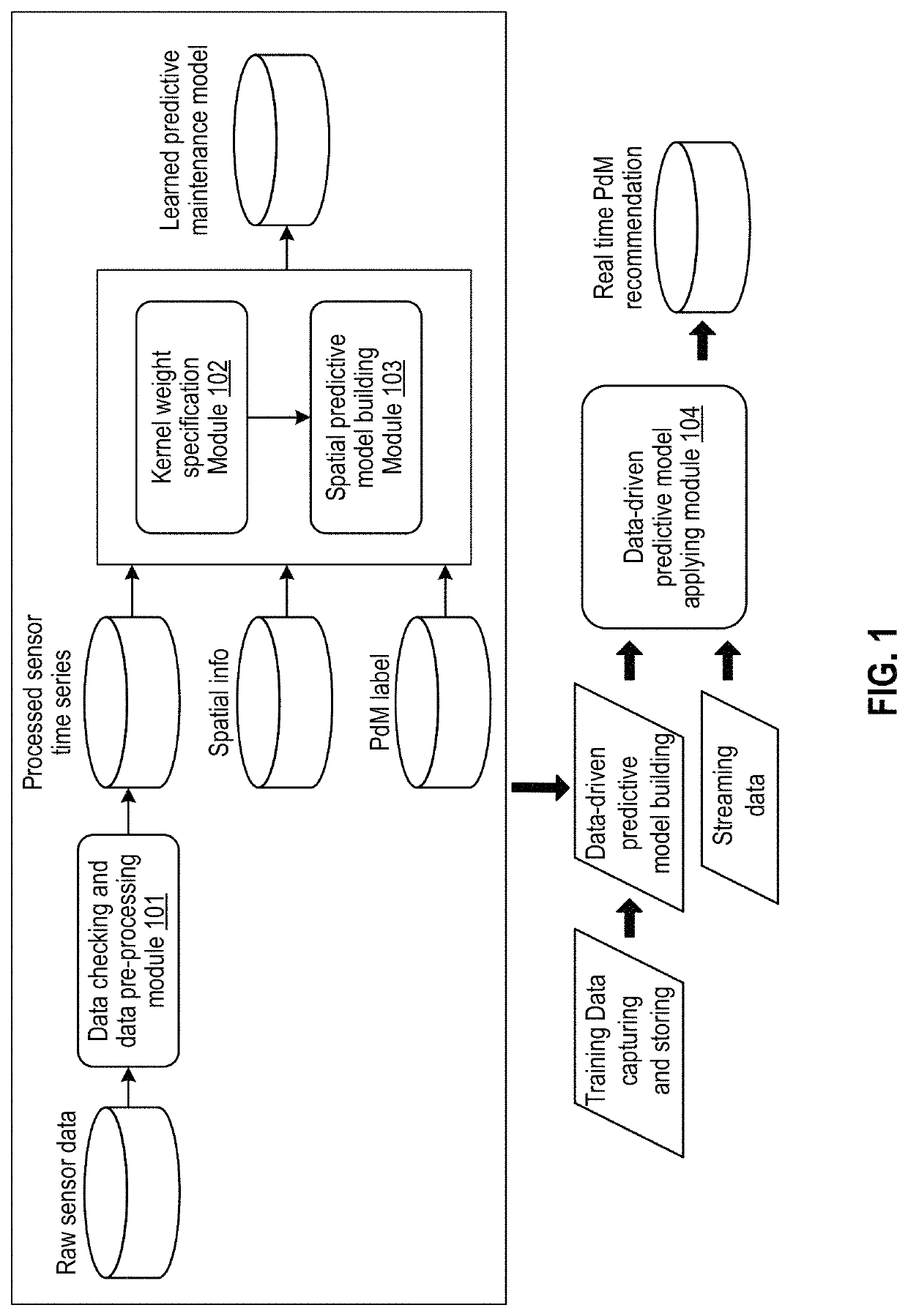
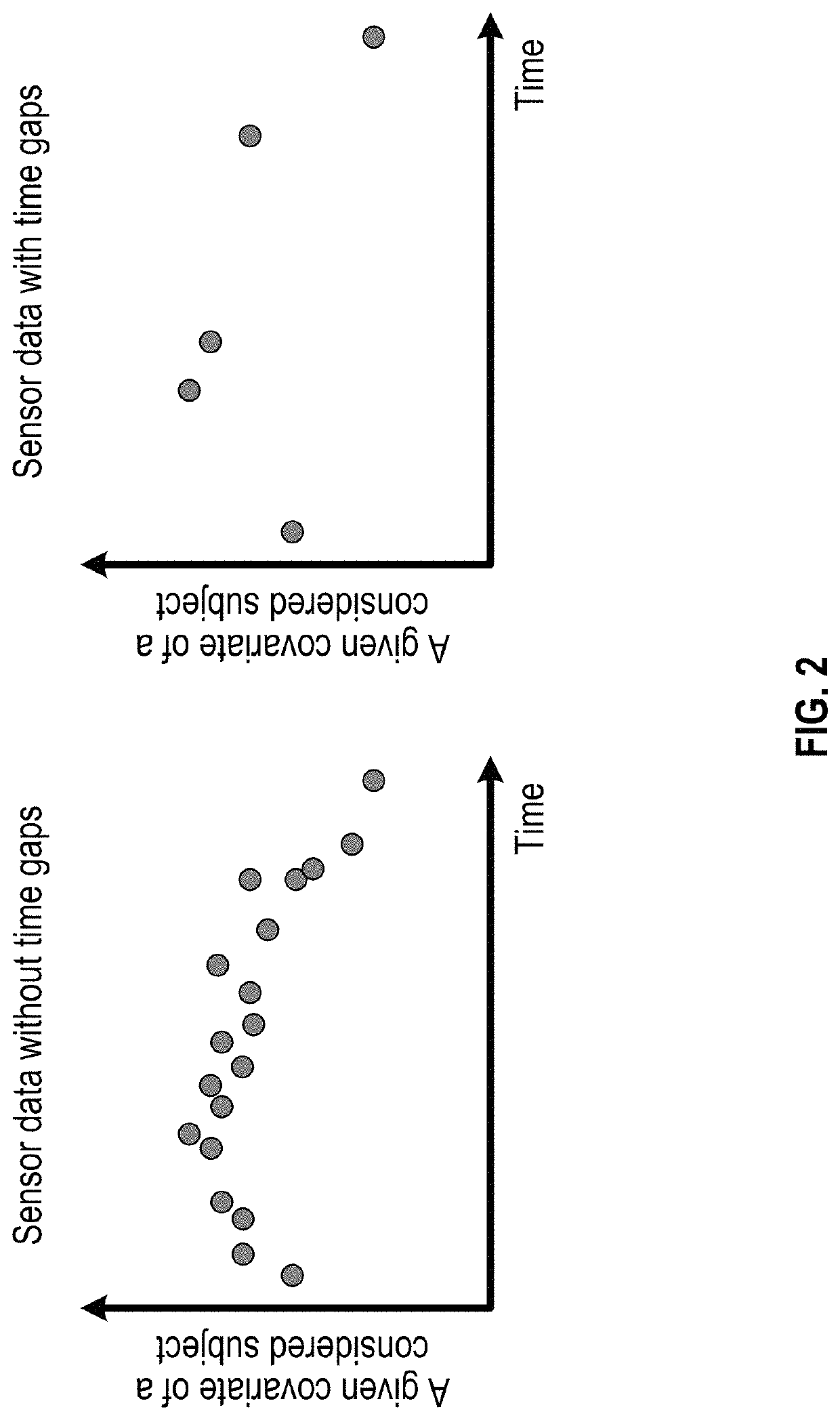
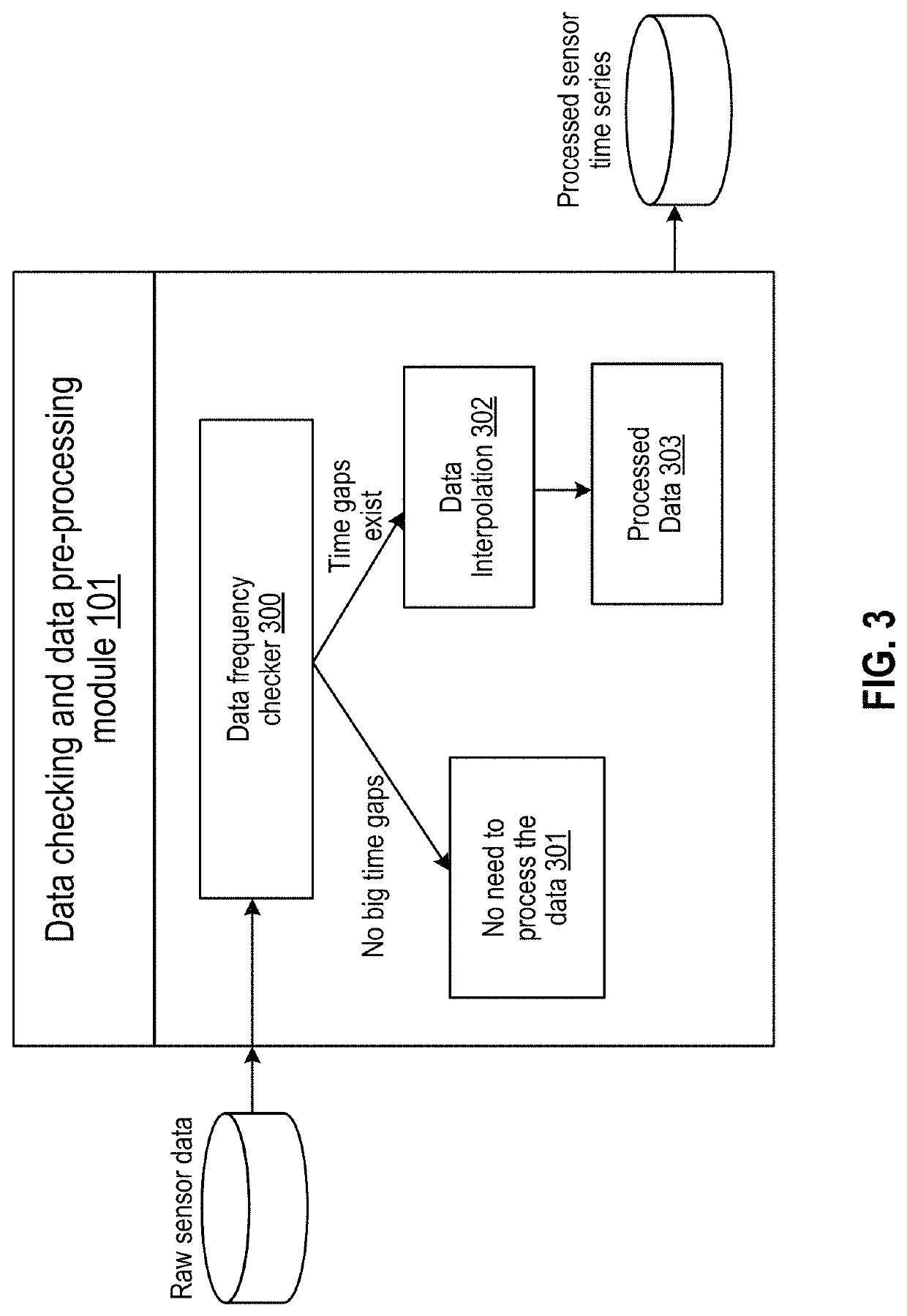
- A Weighted Functional Neural Network (WFNN) is introduced, which incorporates spatial dependency and non-stationarity through a kernel weight function based on an ensemble similarity metric, automatically optimizing parameters to handle complex correlations and provide flexible predictive maintenance for spatially correlated equipment.

Virtual-sensing integrated for predictive reliability
PatentActiveUS20230359863A1
Innovation
- The development of a virtual sensing method using artificial intelligence and machine learning, specifically deep neural networks, to create virtual sensors that estimate measurements and operating conditions in hostile environments where physical sensors are expensive or impractical, enabling predictive maintenance and anomaly detection.


Industrial IoT Standards and Compliance Requirements
The integration of proprioceptive sensing into predictive maintenance systems operates within a complex landscape of industrial IoT standards and compliance requirements that organizations must navigate carefully. These regulatory frameworks establish the foundation for secure, interoperable, and reliable implementation of advanced sensing technologies in industrial environments.
IEC 61508 serves as the fundamental functional safety standard governing the deployment of proprioceptive sensors in safety-critical applications. This standard mandates rigorous safety integrity levels (SIL) that directly impact sensor selection, data processing algorithms, and system architecture design. Organizations implementing proprioceptive sensing must demonstrate compliance with SIL requirements ranging from SIL 1 to SIL 4, depending on the criticality of the monitored equipment and potential consequences of system failure.
The ISO/IEC 27001 information security management standard becomes particularly relevant when proprioceptive sensing data is transmitted across industrial networks. These sensors generate continuous streams of sensitive operational data that require protection against cyber threats. Compliance necessitates implementation of comprehensive security controls covering data encryption, access management, and network segmentation protocols.
Industrial communication protocols must adhere to established standards such as OPC UA (IEC 62541), which provides secure and reliable data exchange between proprioceptive sensors and maintenance management systems. The standard's built-in security features, including certificate-based authentication and encrypted communications, align with compliance requirements for industrial data protection.
Data privacy regulations, including GDPR in Europe and similar frameworks globally, impose additional constraints on how proprioceptive sensing data is collected, processed, and stored. Organizations must implement data minimization principles, ensuring that sensor data collection is limited to what is necessary for predictive maintenance objectives while maintaining detailed audit trails for compliance verification.
Electromagnetic compatibility (EMC) standards such as IEC 61000 series govern the deployment of proprioceptive sensors in industrial environments where electromagnetic interference can compromise sensor accuracy and system reliability. Compliance requires careful consideration of sensor placement, shielding requirements, and signal processing techniques to maintain measurement integrity in electrically noisy industrial settings.
IEC 61508 serves as the fundamental functional safety standard governing the deployment of proprioceptive sensors in safety-critical applications. This standard mandates rigorous safety integrity levels (SIL) that directly impact sensor selection, data processing algorithms, and system architecture design. Organizations implementing proprioceptive sensing must demonstrate compliance with SIL requirements ranging from SIL 1 to SIL 4, depending on the criticality of the monitored equipment and potential consequences of system failure.
The ISO/IEC 27001 information security management standard becomes particularly relevant when proprioceptive sensing data is transmitted across industrial networks. These sensors generate continuous streams of sensitive operational data that require protection against cyber threats. Compliance necessitates implementation of comprehensive security controls covering data encryption, access management, and network segmentation protocols.
Industrial communication protocols must adhere to established standards such as OPC UA (IEC 62541), which provides secure and reliable data exchange between proprioceptive sensors and maintenance management systems. The standard's built-in security features, including certificate-based authentication and encrypted communications, align with compliance requirements for industrial data protection.
Data privacy regulations, including GDPR in Europe and similar frameworks globally, impose additional constraints on how proprioceptive sensing data is collected, processed, and stored. Organizations must implement data minimization principles, ensuring that sensor data collection is limited to what is necessary for predictive maintenance objectives while maintaining detailed audit trails for compliance verification.
Electromagnetic compatibility (EMC) standards such as IEC 61000 series govern the deployment of proprioceptive sensors in industrial environments where electromagnetic interference can compromise sensor accuracy and system reliability. Compliance requires careful consideration of sensor placement, shielding requirements, and signal processing techniques to maintain measurement integrity in electrically noisy industrial settings.
Data Privacy and Security in Proprioceptive Systems
The integration of proprioceptive sensing into predictive maintenance systems introduces significant data privacy and security challenges that require comprehensive protection frameworks. Proprioceptive sensors continuously collect sensitive operational data including equipment performance metrics, environmental conditions, and behavioral patterns that could reveal critical business intelligence about manufacturing processes, production schedules, and operational capabilities.
Data transmission vulnerabilities represent a primary concern as proprioceptive systems rely on continuous communication between sensors, edge devices, and cloud-based analytics platforms. The wireless nature of many sensor networks creates potential attack vectors for data interception, man-in-the-middle attacks, and unauthorized access to sensitive maintenance data. Implementing robust encryption protocols, secure communication channels, and authentication mechanisms becomes essential to protect data integrity during transmission.
Storage security challenges emerge from the massive volumes of time-series data generated by proprioceptive sensors. Traditional database security measures may prove insufficient for protecting the continuous streams of granular operational data. Advanced encryption techniques, secure data lakes, and distributed storage architectures with built-in security controls are necessary to prevent unauthorized access and ensure data confidentiality throughout the storage lifecycle.
Privacy concerns extend beyond technical security to encompass regulatory compliance and stakeholder trust. Proprioceptive maintenance data often contains information that could be used to reverse-engineer competitive processes or reveal strategic operational insights. Organizations must implement data governance frameworks that define access controls, data retention policies, and usage restrictions while ensuring compliance with industry-specific regulations such as GDPR, HIPAA, or sector-specific standards.
Edge computing security presents unique challenges as proprioceptive systems increasingly process sensitive data at the device level to reduce latency and bandwidth requirements. Securing edge devices against physical tampering, ensuring secure boot processes, and implementing hardware-based security modules become critical components of the overall security architecture. The distributed nature of edge deployments also complicates security monitoring and incident response capabilities.
Data transmission vulnerabilities represent a primary concern as proprioceptive systems rely on continuous communication between sensors, edge devices, and cloud-based analytics platforms. The wireless nature of many sensor networks creates potential attack vectors for data interception, man-in-the-middle attacks, and unauthorized access to sensitive maintenance data. Implementing robust encryption protocols, secure communication channels, and authentication mechanisms becomes essential to protect data integrity during transmission.
Storage security challenges emerge from the massive volumes of time-series data generated by proprioceptive sensors. Traditional database security measures may prove insufficient for protecting the continuous streams of granular operational data. Advanced encryption techniques, secure data lakes, and distributed storage architectures with built-in security controls are necessary to prevent unauthorized access and ensure data confidentiality throughout the storage lifecycle.
Privacy concerns extend beyond technical security to encompass regulatory compliance and stakeholder trust. Proprioceptive maintenance data often contains information that could be used to reverse-engineer competitive processes or reveal strategic operational insights. Organizations must implement data governance frameworks that define access controls, data retention policies, and usage restrictions while ensuring compliance with industry-specific regulations such as GDPR, HIPAA, or sector-specific standards.
Edge computing security presents unique challenges as proprioceptive systems increasingly process sensitive data at the device level to reduce latency and bandwidth requirements. Securing edge devices against physical tampering, ensuring secure boot processes, and implementing hardware-based security modules become critical components of the overall security architecture. The distributed nature of edge deployments also complicates security monitoring and incident response capabilities.
Unlock deeper insights with Patsnap Eureka Quick Research — get a full tech report to explore trends and direct your research. Try now!
Generate Your Research Report Instantly with AI Agent
Supercharge your innovation with Patsnap Eureka AI Agent Platform!