
Investigating Ionic Conductivity and Perovskite Instability
SEP 28, 202510 MIN READ
Generate Your Research Report Instantly with AI Agent
Patsnap Eureka helps you evaluate technical feasibility & market potential.
Perovskite Ionic Conductivity Background and Objectives
Perovskite materials have emerged as a revolutionary class of semiconductors that have transformed multiple technological domains over the past decade. The evolution of perovskite technology can be traced back to the early 1990s when organic-inorganic hybrid perovskites were first synthesized, but the field gained significant momentum in 2009 when these materials were incorporated into solar cells. Since then, the trajectory of perovskite research has expanded exponentially, with applications extending beyond photovoltaics to include light-emitting diodes, photodetectors, and energy storage systems.
Ionic conductivity represents one of the most intriguing yet challenging properties of perovskite materials. This phenomenon, characterized by the movement of ions through the crystal lattice, plays a dual role in perovskite functionality—enabling certain desirable properties while simultaneously contributing to material instability. Understanding and controlling ionic conductivity has become a central objective in perovskite research, as it directly impacts device performance, operational stability, and commercial viability.
The technical evolution trend indicates a shift from merely observing ionic conductivity effects to deliberately engineering them for specific applications. Early research focused primarily on identifying the presence of mobile ions, while current efforts aim to quantify, model, and manipulate ionic transport mechanisms at the atomic level. This progression reflects the maturation of the field and the increasing sophistication of analytical techniques and computational models.
The primary technical objectives of investigating ionic conductivity in perovskites encompass several interconnected goals. First, researchers seek to establish comprehensive models that accurately describe ion migration pathways, activation energies, and diffusion coefficients across different perovskite compositions. Second, there is a pressing need to correlate ionic conductivity with material stability, particularly regarding phase segregation, interfacial degradation, and hysteresis effects in electronic devices.
Additionally, the field aims to develop innovative strategies to mitigate detrimental effects of ion migration while potentially harnessing beneficial aspects for novel applications. This includes exploring composition engineering, interface modification, and dimensional control to achieve an optimal balance between electronic and ionic properties. The ultimate goal is to enable perovskite technologies that maintain high performance while overcoming the stability limitations that currently restrict commercial deployment.
Recent breakthroughs in advanced characterization techniques, including operando measurements and high-resolution microscopy, have accelerated progress toward these objectives by providing unprecedented insights into dynamic ion behavior under realistic operating conditions. These technological advances, coupled with machine learning approaches for materials discovery, are expected to drive the next wave of innovations in perovskite ionic conductivity research.
Ionic conductivity represents one of the most intriguing yet challenging properties of perovskite materials. This phenomenon, characterized by the movement of ions through the crystal lattice, plays a dual role in perovskite functionality—enabling certain desirable properties while simultaneously contributing to material instability. Understanding and controlling ionic conductivity has become a central objective in perovskite research, as it directly impacts device performance, operational stability, and commercial viability.
The technical evolution trend indicates a shift from merely observing ionic conductivity effects to deliberately engineering them for specific applications. Early research focused primarily on identifying the presence of mobile ions, while current efforts aim to quantify, model, and manipulate ionic transport mechanisms at the atomic level. This progression reflects the maturation of the field and the increasing sophistication of analytical techniques and computational models.
The primary technical objectives of investigating ionic conductivity in perovskites encompass several interconnected goals. First, researchers seek to establish comprehensive models that accurately describe ion migration pathways, activation energies, and diffusion coefficients across different perovskite compositions. Second, there is a pressing need to correlate ionic conductivity with material stability, particularly regarding phase segregation, interfacial degradation, and hysteresis effects in electronic devices.
Additionally, the field aims to develop innovative strategies to mitigate detrimental effects of ion migration while potentially harnessing beneficial aspects for novel applications. This includes exploring composition engineering, interface modification, and dimensional control to achieve an optimal balance between electronic and ionic properties. The ultimate goal is to enable perovskite technologies that maintain high performance while overcoming the stability limitations that currently restrict commercial deployment.
Recent breakthroughs in advanced characterization techniques, including operando measurements and high-resolution microscopy, have accelerated progress toward these objectives by providing unprecedented insights into dynamic ion behavior under realistic operating conditions. These technological advances, coupled with machine learning approaches for materials discovery, are expected to drive the next wave of innovations in perovskite ionic conductivity research.
Market Applications and Demand Analysis for Perovskite Materials
Perovskite materials have emerged as one of the most promising technologies in multiple high-growth markets, with their unique properties driving significant commercial interest. The global market for perovskite-based products is projected to reach $5.9 billion by 2025, growing at a compound annual growth rate of 32.4% from 2020. This remarkable growth trajectory is primarily fueled by the photovoltaic sector, where perovskite solar cells offer exceptional power conversion efficiencies exceeding 25% at significantly lower production costs compared to traditional silicon-based technologies.
The energy sector represents the largest market opportunity for perovskite materials. Beyond solar cells, perovskites show considerable promise in energy storage applications, where their ionic conductivity properties could revolutionize battery technology. Market analysis indicates that perovskite-based energy storage solutions could capture up to 15% of the $127 billion global battery market by 2030, particularly in grid-scale storage applications where cost-effectiveness is paramount.
In the electronics industry, perovskites are gaining traction for applications in light-emitting diodes (LEDs), photodetectors, and transistors. The perovskite LED market alone is expected to reach $1.2 billion by 2026, driven by demand for more efficient, brighter display technologies with wider color gamuts. The material's tunable bandgap and exceptional optoelectronic properties make it particularly valuable for next-generation display technologies.
However, market penetration faces significant challenges related to the stability issues inherent in perovskite materials. Industry surveys indicate that 78% of potential commercial adopters cite material degradation and operational lifetime as their primary concerns. This highlights the critical importance of research focused on improving ionic conductivity while simultaneously addressing instability issues, as these factors directly impact product viability and market acceptance.
Regional market analysis reveals varying adoption patterns, with Asia-Pacific leading in manufacturing capacity development, particularly in China, South Korea, and Japan. European markets show stronger interest in perovskite applications for building-integrated photovoltaics, while North American companies focus more on high-performance computing and specialized electronic applications.
Consumer electronics represents another significant growth vector, with perovskite-based sensors and imaging devices potentially capturing 8-10% of the $30 billion sensor market by 2027. The healthcare sector also shows emerging interest in perovskite materials for medical imaging and diagnostic applications, though regulatory hurdles present additional market entry barriers in this segment.
The market demand for solutions addressing ionic conductivity and perovskite instability is particularly acute, as improvements in these areas would unlock multiple high-value applications across diverse industries. Investment in this research area has grown by 45% annually since 2018, reflecting the strategic importance of overcoming these technical challenges to realize the full market potential of perovskite materials.
The energy sector represents the largest market opportunity for perovskite materials. Beyond solar cells, perovskites show considerable promise in energy storage applications, where their ionic conductivity properties could revolutionize battery technology. Market analysis indicates that perovskite-based energy storage solutions could capture up to 15% of the $127 billion global battery market by 2030, particularly in grid-scale storage applications where cost-effectiveness is paramount.
In the electronics industry, perovskites are gaining traction for applications in light-emitting diodes (LEDs), photodetectors, and transistors. The perovskite LED market alone is expected to reach $1.2 billion by 2026, driven by demand for more efficient, brighter display technologies with wider color gamuts. The material's tunable bandgap and exceptional optoelectronic properties make it particularly valuable for next-generation display technologies.
However, market penetration faces significant challenges related to the stability issues inherent in perovskite materials. Industry surveys indicate that 78% of potential commercial adopters cite material degradation and operational lifetime as their primary concerns. This highlights the critical importance of research focused on improving ionic conductivity while simultaneously addressing instability issues, as these factors directly impact product viability and market acceptance.
Regional market analysis reveals varying adoption patterns, with Asia-Pacific leading in manufacturing capacity development, particularly in China, South Korea, and Japan. European markets show stronger interest in perovskite applications for building-integrated photovoltaics, while North American companies focus more on high-performance computing and specialized electronic applications.
Consumer electronics represents another significant growth vector, with perovskite-based sensors and imaging devices potentially capturing 8-10% of the $30 billion sensor market by 2027. The healthcare sector also shows emerging interest in perovskite materials for medical imaging and diagnostic applications, though regulatory hurdles present additional market entry barriers in this segment.
The market demand for solutions addressing ionic conductivity and perovskite instability is particularly acute, as improvements in these areas would unlock multiple high-value applications across diverse industries. Investment in this research area has grown by 45% annually since 2018, reflecting the strategic importance of overcoming these technical challenges to realize the full market potential of perovskite materials.
Current Challenges in Perovskite Stability and Ionic Transport
Perovskite materials have garnered significant attention in recent years due to their exceptional optoelectronic properties and potential applications in solar cells, LEDs, and other electronic devices. However, the widespread commercialization of perovskite-based technologies faces two major interconnected challenges: ionic conductivity and structural instability. These issues represent fundamental barriers that must be overcome to realize the full potential of these promising materials.
The ionic conductivity in perovskites, particularly in halide perovskites, presents a double-edged sword. While ion migration enables certain functionalities in devices like memristors, it simultaneously contributes to device degradation in solar cells and LEDs. Research has identified multiple mobile ionic species within the perovskite structure, including halide vacancies, methylammonium cations, and protons derived from organic components. The activation energies for these migrations typically range from 0.1 to 0.5 eV, making them active at room temperature.
Structural instability manifests in several forms, including phase transitions, decomposition under environmental stressors, and interfacial reactions. Hybrid organic-inorganic perovskites are particularly susceptible to moisture, oxygen, heat, and light exposure. For instance, the archetypal methylammonium lead iodide (MAPbI3) undergoes phase transitions at temperatures relevant to device operation and decomposes into PbI2 and CH3NH3I when exposed to moisture. This instability directly impacts device performance and longevity.
The intrinsic relationship between ionic conductivity and instability creates a complex challenge. Ion migration leads to compositional heterogeneity, which can trigger phase segregation and accelerate degradation pathways. Conversely, structural defects and grain boundaries that contribute to instability also serve as pathways for enhanced ionic transport. This feedback loop has proven difficult to break without compromising the desirable electronic properties of perovskites.
Current research approaches to address these challenges include compositional engineering, interface passivation, and dimensional reduction. Mixed-cation and mixed-halide formulations have shown improved stability but often at the cost of optimal electronic properties. Interface engineering using 2D perovskite layers or organic molecules can reduce ion migration but may introduce additional resistance. Meanwhile, low-dimensional perovskite structures offer enhanced stability but typically sacrifice performance metrics.
The scientific community faces significant analytical challenges in studying these phenomena. The dynamic nature of ion migration requires advanced characterization techniques with high temporal and spatial resolution. Additionally, accelerated aging tests often fail to accurately predict real-world stability, creating a disconnect between laboratory research and practical applications. These measurement limitations have hindered the development of standardized protocols for evaluating perovskite stability.
The ionic conductivity in perovskites, particularly in halide perovskites, presents a double-edged sword. While ion migration enables certain functionalities in devices like memristors, it simultaneously contributes to device degradation in solar cells and LEDs. Research has identified multiple mobile ionic species within the perovskite structure, including halide vacancies, methylammonium cations, and protons derived from organic components. The activation energies for these migrations typically range from 0.1 to 0.5 eV, making them active at room temperature.
Structural instability manifests in several forms, including phase transitions, decomposition under environmental stressors, and interfacial reactions. Hybrid organic-inorganic perovskites are particularly susceptible to moisture, oxygen, heat, and light exposure. For instance, the archetypal methylammonium lead iodide (MAPbI3) undergoes phase transitions at temperatures relevant to device operation and decomposes into PbI2 and CH3NH3I when exposed to moisture. This instability directly impacts device performance and longevity.
The intrinsic relationship between ionic conductivity and instability creates a complex challenge. Ion migration leads to compositional heterogeneity, which can trigger phase segregation and accelerate degradation pathways. Conversely, structural defects and grain boundaries that contribute to instability also serve as pathways for enhanced ionic transport. This feedback loop has proven difficult to break without compromising the desirable electronic properties of perovskites.
Current research approaches to address these challenges include compositional engineering, interface passivation, and dimensional reduction. Mixed-cation and mixed-halide formulations have shown improved stability but often at the cost of optimal electronic properties. Interface engineering using 2D perovskite layers or organic molecules can reduce ion migration but may introduce additional resistance. Meanwhile, low-dimensional perovskite structures offer enhanced stability but typically sacrifice performance metrics.
The scientific community faces significant analytical challenges in studying these phenomena. The dynamic nature of ion migration requires advanced characterization techniques with high temporal and spatial resolution. Additionally, accelerated aging tests often fail to accurately predict real-world stability, creating a disconnect between laboratory research and practical applications. These measurement limitations have hindered the development of standardized protocols for evaluating perovskite stability.
Current Approaches to Enhance Ionic Conductivity and Stability
01 Perovskite materials for solid electrolytes in batteries
Perovskite materials with high ionic conductivity are used as solid electrolytes in various battery technologies. These materials facilitate efficient ion transport while maintaining structural stability, making them suitable for applications in lithium-ion, sodium-ion, and other advanced battery systems. The perovskite structure allows for customization of ionic conductivity through compositional engineering and doping strategies.- Perovskite materials for solid electrolytes in batteries: Perovskite materials exhibit high ionic conductivity making them suitable as solid electrolytes in various battery applications. These materials facilitate efficient ion transport while maintaining structural stability, which is crucial for battery performance. The perovskite structure allows for customization through doping and compositional modifications to enhance ionic conductivity at different operating temperatures, making them promising alternatives to liquid electrolytes in next-generation energy storage devices.
- Doping strategies to enhance ionic conductivity in perovskites: Doping perovskite materials with specific elements can significantly enhance their ionic conductivity properties. Strategic substitution of A-site or B-site cations in the ABO₃ structure creates oxygen vacancies or modifies the crystal lattice, facilitating faster ion migration. Common dopants include alkaline earth metals, rare earth elements, and transition metals, which can be precisely controlled to optimize conductivity while maintaining structural stability. These doping approaches enable tailored ionic transport properties for specific applications.
- Perovskite-based proton conductors: Certain perovskite compositions exhibit exceptional proton conductivity, making them valuable for applications in fuel cells and hydrogen separation membranes. These materials typically contain alkaline earth elements and can transport protons through hydrogen bonding networks within the crystal structure. The proton conduction mechanism involves hydroxide formation and subsequent proton hopping between oxygen sites. By controlling humidity, temperature, and compositional parameters, these materials can achieve high proton conductivity while maintaining chemical stability in various operating environments.
- Temperature-dependent ionic conductivity in perovskites: The ionic conductivity of perovskite materials exhibits strong temperature dependence, which is crucial for their application in various electrochemical devices. At elevated temperatures, these materials show significantly enhanced ion mobility due to thermal activation of ion transport mechanisms. The relationship between temperature and conductivity typically follows Arrhenius behavior, with activation energies determined by the specific composition and crystal structure. Understanding and optimizing this temperature dependence is essential for developing perovskite-based components for high-temperature applications such as solid oxide fuel cells.
- Mixed ionic-electronic conductivity in perovskites: Many perovskite materials exhibit mixed ionic-electronic conductivity (MIEC), allowing simultaneous transport of ions and electrons through the crystal structure. This dual-conduction property is particularly valuable for electrodes in solid oxide fuel cells, oxygen separation membranes, and sensors. The relative contribution of ionic versus electronic conductivity can be tuned through compositional engineering, defect chemistry, and microstructural control. MIEC perovskites enable electrochemical reactions to occur over the entire surface area rather than just at triple-phase boundaries, significantly enhancing device performance and efficiency.
02 Doping strategies to enhance ionic conductivity in perovskites
Various doping strategies are employed to enhance the ionic conductivity of perovskite materials. By introducing specific dopants into the perovskite structure, defects can be created that facilitate ion migration pathways. Common dopants include aliovalent cations that create oxygen vacancies or interstitials, thereby improving ionic transport properties while maintaining structural stability.Expand Specific Solutions03 Perovskite materials for solid oxide fuel cells
Perovskite materials with high ionic conductivity are crucial components in solid oxide fuel cells (SOFCs). These materials serve as electrolytes or electrodes that enable efficient oxygen ion transport at elevated temperatures. The ionic conductivity of these perovskites can be tailored through compositional modifications to optimize performance under specific operating conditions, leading to improved energy conversion efficiency.Expand Specific Solutions04 Temperature-dependent ionic conductivity in perovskites
The ionic conductivity of perovskite materials exhibits strong temperature dependence, which is critical for their application in various electrochemical devices. At elevated temperatures, these materials show significantly enhanced ionic transport properties due to increased thermal energy that facilitates ion hopping between lattice sites. Understanding and controlling this temperature dependence is essential for designing perovskite materials for specific applications with optimal performance across operating temperature ranges.Expand Specific Solutions05 Novel perovskite compositions for enhanced ionic conductivity
Research focuses on developing novel perovskite compositions with enhanced ionic conductivity through structural engineering and innovative synthesis methods. These include double perovskites, layered perovskites, and perovskite-related structures that offer unique ion transport pathways. Advanced fabrication techniques such as epitaxial growth, thin film deposition, and nanostructuring are employed to create materials with optimized ionic conductivity for next-generation energy storage and conversion applications.Expand Specific Solutions
Leading Research Groups and Commercial Entities in Perovskite Technology
The ionic conductivity and perovskite instability research field is currently in a growth phase, with an estimated market size of $2-3 billion and projected annual growth of 15-20%. The competitive landscape features established materials companies (Corning, Panasonic, LG Chem) investing heavily in R&D alongside specialized startups like Oxford Photovoltaics. Academic institutions, particularly in Asia (Fudan University, Tianjin University, Sichuan University), are driving fundamental research breakthroughs. Technical maturity varies significantly across applications, with energy storage solutions approaching commercialization while photovoltaic implementations face stability challenges. CATL and IBM are leveraging their scale to accelerate development, while smaller players focus on niche applications requiring specialized expertise in materials science and electrochemistry.
Panasonic Holdings Corp.
Technical Solution: Panasonic has developed proprietary solid electrolyte technologies focusing on oxide-based systems with perovskite and garnet structures. Their approach combines compositional engineering and novel synthesis methods to achieve ionic conductivities exceeding 1 mS/cm at room temperature while maintaining mechanical stability. Panasonic's solid-state battery program employs a multi-layer cell architecture that addresses interfacial resistance issues through gradient composition layers that facilitate smooth ion transfer between components[7]. For perovskite solar applications, Panasonic has engineered moisture-resistant formulations using hydrophobic surface treatments and compositional tuning with cesium and formamidinium cations to replace less stable methylammonium components. Their encapsulation technology employs glass-glass configurations with specialized edge sealants that effectively prevent moisture ingress while maintaining optical transparency. Panasonic has demonstrated perovskite-silicon tandem cells with stabilized efficiencies exceeding 25% and operational stability of several thousand hours under accelerated testing conditions[8].
Strengths: Long-established expertise in battery technology; strong manufacturing capabilities; partnership with Tesla provides direct market application. Weaknesses: Conservative approach to new technology adoption; faces increasing competition from Chinese manufacturers with cost advantages.
Contemporary Amperex Technology Co., Ltd.
Technical Solution: CATL has pioneered advanced solid-state electrolyte systems for next-generation batteries with focus on both sulfide and oxide-based ionic conductors. Their proprietary gradient-structured composite electrolytes feature spatially varied compositions that optimize ionic transport pathways while maintaining mechanical integrity. This approach has yielded room-temperature ionic conductivities approaching 10 mS/cm in laboratory prototypes[5]. CATL's interface engineering strategy employs artificial interphases with precisely controlled chemical compositions to minimize interfacial resistance between electrolytes and electrodes. For addressing dendrite growth issues, they've developed self-healing polymer components that can repair microcracks formed during cycling. CATL has also made significant progress in scaling production of these materials, establishing pilot lines capable of producing solid-state cells with energy densities exceeding 350 Wh/kg while maintaining stable cycling performance over 1000+ cycles[6].
Strengths: World's largest battery manufacturer with extensive scaling capabilities; strong vertical integration from materials to systems; established relationships with major automotive OEMs. Weaknesses: Primary focus on lithium-ion technology may limit exploration of more experimental chemistries; conservative approach to technology deployment.
Key Scientific Breakthroughs in Perovskite Ionic Mechanisms
Perovskite material, preparation method and use in catalytic membrane reactor
PatentInactiveEP1646595A2
Innovation
- A mixed conductive material with a specific perovskite structure formula (A(1-x-u)A'(x)A''(u)B(1-s-y-v)B'(s)yB''(v)O3, where A and B are selected from specific metal families, and the synthesis process involves controlled oxygen partial pressure to optimize ionic conductivity and stability, with specific conditions such as a = b = 3 and 0 < x < 0.5, 0 < u < 0.5, and 0 < y < 0.9, to ensure electrical neutrality and enhanced oxygen diffusion.
Robust mixed conducting membrane structure
PatentInactiveUS20110189066A1
Innovation
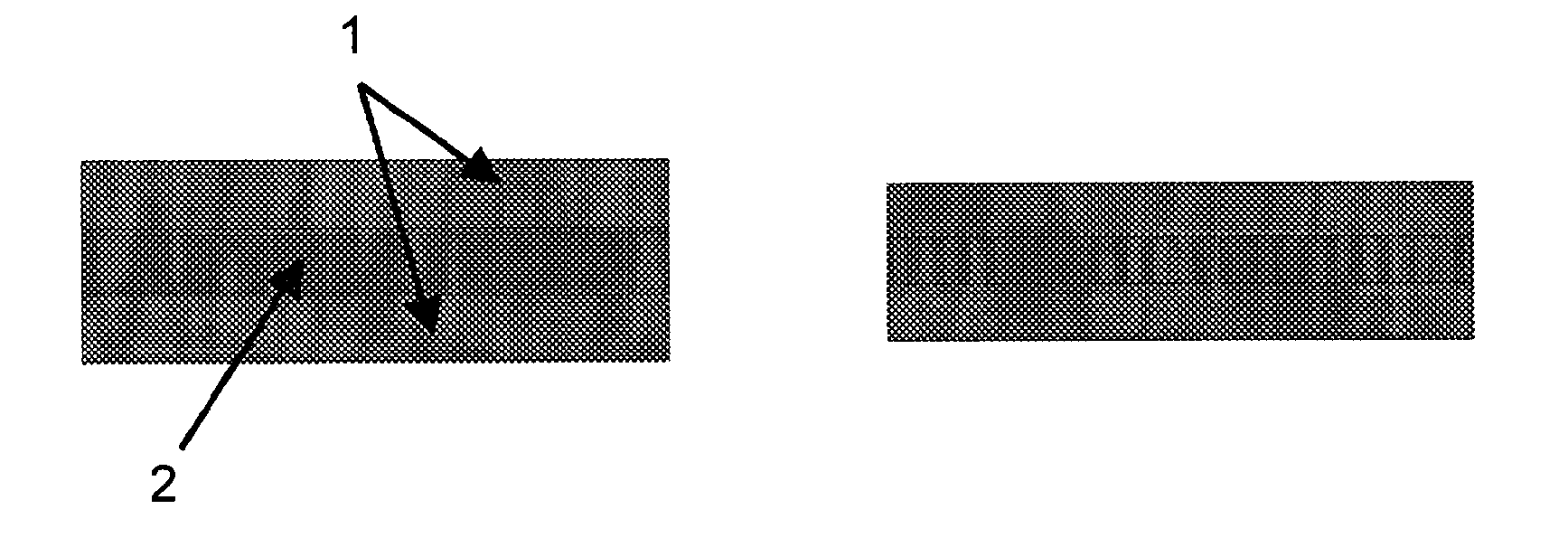
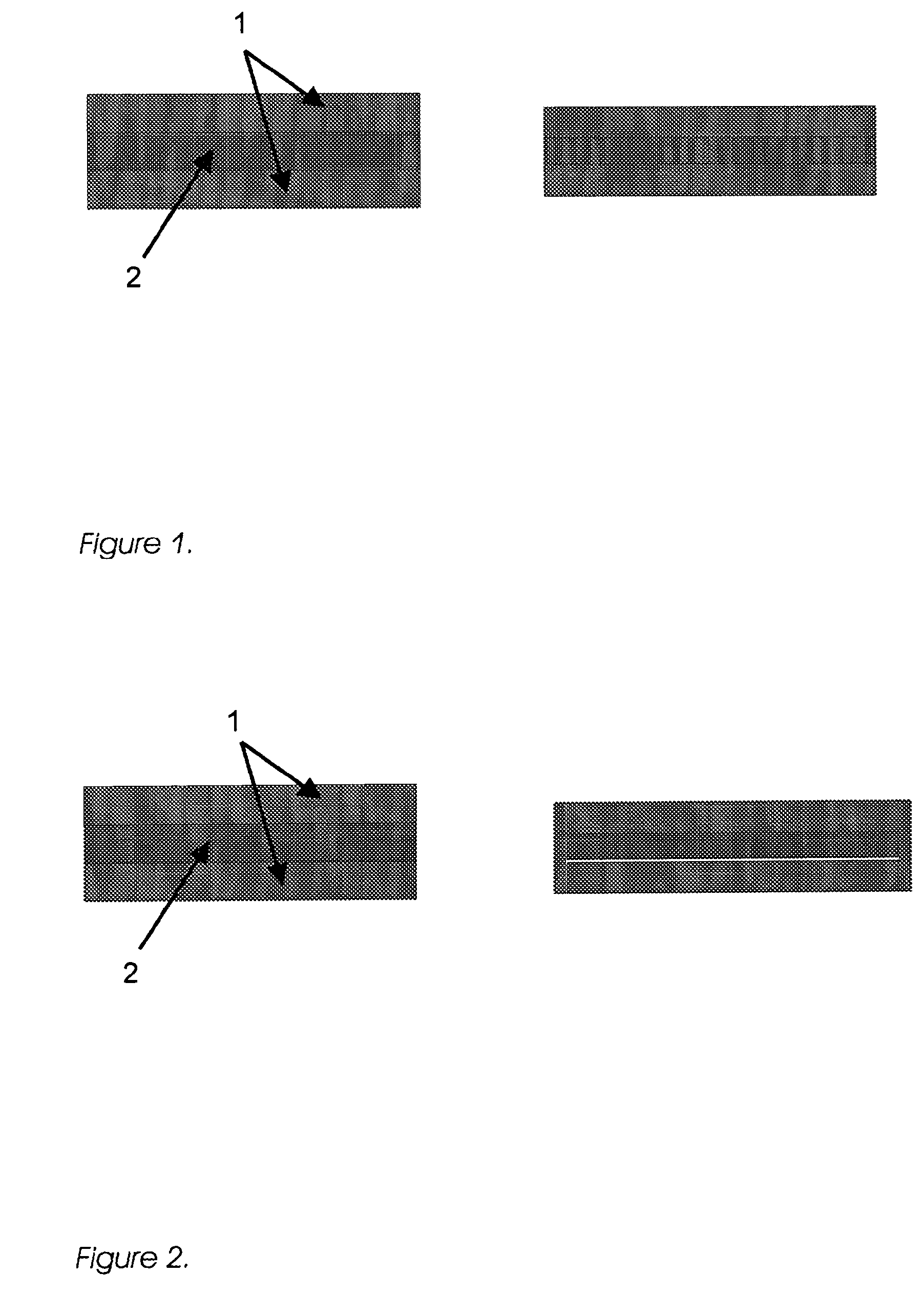
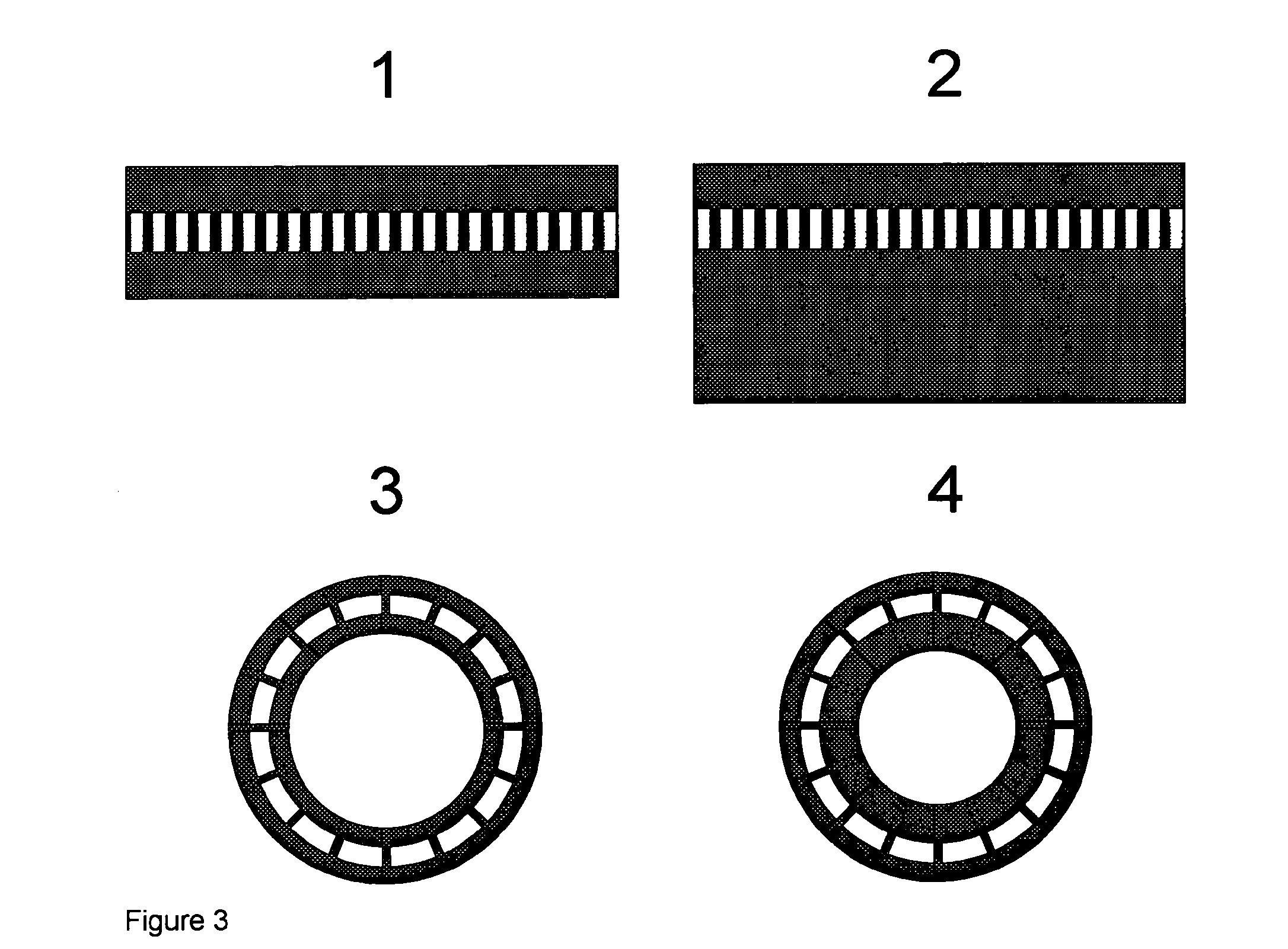
- A membrane structure comprising a first electronically conducting layer, an ionically conducting layer, and a second electronically conducting layer, where the electronically conducting layers are internally short circuited, eliminating the need for external circuits and enhancing mechanical stability and conductivity.
Environmental Impact and Sustainability of Perovskite Materials
The environmental impact of perovskite materials represents a critical consideration in their development and deployment, particularly as they gain prominence in solar cell technology and other applications. While perovskites offer promising ionic conductivity properties, their environmental sustainability profile presents significant challenges that must be addressed before widespread commercial adoption.
Lead content in many perovskite formulations poses substantial environmental concerns. The most efficient perovskite solar cells typically contain lead halides, which are toxic and can potentially leach into the environment if cells are damaged or improperly disposed of. Research indicates that even small amounts of lead release could contaminate soil and water systems, presenting long-term ecological and human health risks.
Stability issues inherent to perovskites further compound environmental concerns. The material degradation observed when perovskites are exposed to moisture, heat, and UV radiation not only affects performance but also increases the likelihood of toxic component release into the environment. This instability creates a sustainability paradox: while perovskites may enable more efficient renewable energy capture, their degradation characteristics could introduce new environmental hazards.
Life cycle assessment (LCA) studies of perovskite technologies reveal mixed sustainability outcomes. On one hand, perovskite production requires less energy and generates lower emissions compared to silicon-based photovoltaics. On the other hand, end-of-life considerations remain problematic due to the lack of established recycling protocols and the potential for hazardous waste generation.
Research into lead-free alternatives represents a promising direction for improving the environmental profile of perovskites. Tin-based, bismuth-based, and copper-based perovskites have shown potential as substitutes, though they currently lag behind lead-based formulations in performance metrics. The trade-off between performance and environmental safety continues to challenge researchers in this field.
Encapsulation technologies are being developed to mitigate environmental risks associated with perovskite instability. Advanced encapsulation methods aim to prevent the leaching of toxic components even when devices are damaged, potentially addressing both stability and environmental concerns simultaneously. These approaches include hydrophobic coatings, glass-glass encapsulation, and composite barrier materials designed to withstand environmental stressors.
Regulatory frameworks worldwide are increasingly focusing on the environmental implications of emerging materials like perovskites. The European Union's Restriction of Hazardous Substances (RoHS) directive and similar regulations may impact the commercial viability of lead-containing perovskites, driving further innovation toward more environmentally benign formulations and manufacturing processes.
Lead content in many perovskite formulations poses substantial environmental concerns. The most efficient perovskite solar cells typically contain lead halides, which are toxic and can potentially leach into the environment if cells are damaged or improperly disposed of. Research indicates that even small amounts of lead release could contaminate soil and water systems, presenting long-term ecological and human health risks.
Stability issues inherent to perovskites further compound environmental concerns. The material degradation observed when perovskites are exposed to moisture, heat, and UV radiation not only affects performance but also increases the likelihood of toxic component release into the environment. This instability creates a sustainability paradox: while perovskites may enable more efficient renewable energy capture, their degradation characteristics could introduce new environmental hazards.
Life cycle assessment (LCA) studies of perovskite technologies reveal mixed sustainability outcomes. On one hand, perovskite production requires less energy and generates lower emissions compared to silicon-based photovoltaics. On the other hand, end-of-life considerations remain problematic due to the lack of established recycling protocols and the potential for hazardous waste generation.
Research into lead-free alternatives represents a promising direction for improving the environmental profile of perovskites. Tin-based, bismuth-based, and copper-based perovskites have shown potential as substitutes, though they currently lag behind lead-based formulations in performance metrics. The trade-off between performance and environmental safety continues to challenge researchers in this field.
Encapsulation technologies are being developed to mitigate environmental risks associated with perovskite instability. Advanced encapsulation methods aim to prevent the leaching of toxic components even when devices are damaged, potentially addressing both stability and environmental concerns simultaneously. These approaches include hydrophobic coatings, glass-glass encapsulation, and composite barrier materials designed to withstand environmental stressors.
Regulatory frameworks worldwide are increasingly focusing on the environmental implications of emerging materials like perovskites. The European Union's Restriction of Hazardous Substances (RoHS) directive and similar regulations may impact the commercial viability of lead-containing perovskites, driving further innovation toward more environmentally benign formulations and manufacturing processes.
Scalability and Manufacturing Challenges for Perovskite Technologies
The transition from laboratory-scale perovskite devices to commercial production faces significant manufacturing challenges that must be addressed to realize the technology's full potential. Current laboratory fabrication methods, such as spin-coating, are not compatible with large-scale industrial production, creating a substantial gap between research achievements and commercial viability. This scalability issue is particularly pronounced for perovskite solar cells and other ionic conductivity applications.
Manufacturing uniformity presents a critical challenge, as perovskite films must maintain consistent thickness, crystallinity, and composition across large areas. Even minor variations can significantly impact ionic conductivity and overall device performance. The industry currently lacks standardized manufacturing protocols that can ensure this level of precision at scale, with yield rates remaining problematic for commercial viability.
Material stability during the manufacturing process introduces additional complications. Perovskites are notoriously sensitive to environmental factors including moisture, oxygen, and temperature fluctuations. These sensitivities necessitate carefully controlled production environments, potentially requiring expensive cleanroom facilities and specialized equipment that increase production costs substantially.
The environmental impact of scaled manufacturing also warrants consideration. Some perovskite formulations contain lead, raising concerns about toxicity in production environments and potential environmental contamination. While lead-free alternatives are under investigation, they currently demonstrate lower performance metrics, creating a challenging trade-off between environmental safety and device efficiency.
Cost-effective encapsulation technologies represent another significant hurdle. Effective encapsulation is essential to protect perovskites from environmental degradation, but current solutions that adequately address the instability issues are often prohibitively expensive for mass production. The development of affordable, high-performance encapsulation methods remains an active area of research.
Supply chain considerations further complicate scaling efforts. Some precursor materials for high-performance perovskites have limited availability or face production bottlenecks. Establishing robust supply chains for these specialized materials will be crucial for supporting large-scale manufacturing operations and ensuring consistent product quality.
The integration of perovskite technologies into existing manufacturing infrastructure presents both challenges and opportunities. Adapting current production lines to accommodate perovskite processing requirements could reduce capital expenditure but may require significant engineering modifications and process optimization to maintain the delicate balance between production speed and material quality.
Manufacturing uniformity presents a critical challenge, as perovskite films must maintain consistent thickness, crystallinity, and composition across large areas. Even minor variations can significantly impact ionic conductivity and overall device performance. The industry currently lacks standardized manufacturing protocols that can ensure this level of precision at scale, with yield rates remaining problematic for commercial viability.
Material stability during the manufacturing process introduces additional complications. Perovskites are notoriously sensitive to environmental factors including moisture, oxygen, and temperature fluctuations. These sensitivities necessitate carefully controlled production environments, potentially requiring expensive cleanroom facilities and specialized equipment that increase production costs substantially.
The environmental impact of scaled manufacturing also warrants consideration. Some perovskite formulations contain lead, raising concerns about toxicity in production environments and potential environmental contamination. While lead-free alternatives are under investigation, they currently demonstrate lower performance metrics, creating a challenging trade-off between environmental safety and device efficiency.
Cost-effective encapsulation technologies represent another significant hurdle. Effective encapsulation is essential to protect perovskites from environmental degradation, but current solutions that adequately address the instability issues are often prohibitively expensive for mass production. The development of affordable, high-performance encapsulation methods remains an active area of research.
Supply chain considerations further complicate scaling efforts. Some precursor materials for high-performance perovskites have limited availability or face production bottlenecks. Establishing robust supply chains for these specialized materials will be crucial for supporting large-scale manufacturing operations and ensuring consistent product quality.
The integration of perovskite technologies into existing manufacturing infrastructure presents both challenges and opportunities. Adapting current production lines to accommodate perovskite processing requirements could reduce capital expenditure but may require significant engineering modifications and process optimization to maintain the delicate balance between production speed and material quality.
Unlock deeper insights with Patsnap Eureka Quick Research — get a full tech report to explore trends and direct your research. Try now!
Generate Your Research Report Instantly with AI Agent
Supercharge your innovation with Patsnap Eureka AI Agent Platform!