Isopropyl vs Kinetic Chains: Processing Improvement
FEB 14, 20269 MIN READ
Generate Your Research Report Instantly with AI Agent
PatSnap Eureka helps you evaluate technical feasibility & market potential.
Isopropyl vs Kinetic Chain Processing Background and Objectives
The chemical processing industry has long grappled with optimizing reaction pathways and processing efficiency, particularly in the production of isopropyl-based compounds and kinetic chain reactions. Traditional processing methods often suffer from suboptimal yield rates, energy inefficiencies, and complex separation requirements that significantly impact overall production economics. The fundamental challenge lies in balancing reaction selectivity with processing throughput while maintaining product quality standards.
Isopropyl chemistry represents a cornerstone of modern petrochemical processing, serving as both an intermediate and end product in numerous industrial applications. The compound's unique molecular structure and reactivity profile make it particularly suitable for various synthetic pathways, yet conventional processing approaches often fail to fully exploit these inherent advantages. Current methodologies frequently encounter bottlenecks related to catalyst deactivation, unwanted side reactions, and thermal management issues.
Kinetic chain processing mechanisms offer an alternative approach that leverages controlled radical propagation and termination steps to achieve enhanced selectivity and conversion rates. These processes rely on carefully orchestrated molecular interactions that can potentially overcome many limitations associated with traditional isopropyl processing routes. However, the complexity of managing multiple simultaneous reaction pathways presents significant technical challenges.
The primary objective of this technological investigation centers on developing improved processing methodologies that effectively integrate isopropyl chemistry with optimized kinetic chain mechanisms. This integration aims to achieve superior conversion efficiency, reduced energy consumption, and enhanced product selectivity compared to existing industrial practices. The research focuses on identifying synergistic effects between isopropyl reactivity and controlled chain propagation processes.
Secondary objectives include establishing scalable processing parameters that maintain consistent performance across varying operational conditions. This involves developing robust control strategies for managing reaction kinetics, heat transfer, and mass transport phenomena within integrated processing systems. The goal extends to creating economically viable alternatives to current industry-standard approaches.
Long-term technological targets encompass the development of next-generation processing platforms capable of delivering measurable improvements in overall process efficiency. These improvements should translate into reduced raw material consumption, minimized waste generation, and enhanced operational flexibility. The ultimate aim involves establishing new industry benchmarks for isopropyl-based chemical processing through innovative kinetic chain integration strategies.
Isopropyl chemistry represents a cornerstone of modern petrochemical processing, serving as both an intermediate and end product in numerous industrial applications. The compound's unique molecular structure and reactivity profile make it particularly suitable for various synthetic pathways, yet conventional processing approaches often fail to fully exploit these inherent advantages. Current methodologies frequently encounter bottlenecks related to catalyst deactivation, unwanted side reactions, and thermal management issues.
Kinetic chain processing mechanisms offer an alternative approach that leverages controlled radical propagation and termination steps to achieve enhanced selectivity and conversion rates. These processes rely on carefully orchestrated molecular interactions that can potentially overcome many limitations associated with traditional isopropyl processing routes. However, the complexity of managing multiple simultaneous reaction pathways presents significant technical challenges.
The primary objective of this technological investigation centers on developing improved processing methodologies that effectively integrate isopropyl chemistry with optimized kinetic chain mechanisms. This integration aims to achieve superior conversion efficiency, reduced energy consumption, and enhanced product selectivity compared to existing industrial practices. The research focuses on identifying synergistic effects between isopropyl reactivity and controlled chain propagation processes.
Secondary objectives include establishing scalable processing parameters that maintain consistent performance across varying operational conditions. This involves developing robust control strategies for managing reaction kinetics, heat transfer, and mass transport phenomena within integrated processing systems. The goal extends to creating economically viable alternatives to current industry-standard approaches.
Long-term technological targets encompass the development of next-generation processing platforms capable of delivering measurable improvements in overall process efficiency. These improvements should translate into reduced raw material consumption, minimized waste generation, and enhanced operational flexibility. The ultimate aim involves establishing new industry benchmarks for isopropyl-based chemical processing through innovative kinetic chain integration strategies.
Market Demand for Advanced Chemical Processing Methods
The global chemical processing industry is experiencing unprecedented demand for advanced methodologies that can enhance efficiency, reduce environmental impact, and improve product quality. Traditional processing approaches are increasingly inadequate to meet stringent regulatory requirements and competitive market pressures, driving substantial investment in innovative chemical processing technologies.
Manufacturing sectors across pharmaceuticals, petrochemicals, specialty chemicals, and fine chemicals are actively seeking processing improvements that can deliver measurable performance gains. The pharmaceutical industry particularly demands precise control over reaction conditions and product purity, while petrochemical manufacturers prioritize energy efficiency and throughput optimization. These diverse requirements create a robust market foundation for advanced processing solutions.
Environmental regulations and sustainability mandates are reshaping market dynamics, compelling chemical manufacturers to adopt cleaner processing technologies. Companies face mounting pressure to reduce waste generation, minimize energy consumption, and eliminate hazardous byproducts. This regulatory landscape creates significant market opportunities for processing innovations that can simultaneously improve operational efficiency and environmental compliance.
The competitive landscape intensifies demand for processing technologies that can provide differentiation advantages. Manufacturers seek methods that enable faster time-to-market, higher product yields, and reduced production costs. Advanced processing techniques that can optimize reaction kinetics, improve selectivity, and enhance process control represent high-value market opportunities.
Emerging markets in Asia-Pacific and Latin America are driving additional demand growth as local chemical industries expand and modernize their operations. These regions present substantial opportunities for advanced processing technologies, particularly solutions that can be implemented cost-effectively while delivering significant performance improvements.
Technology adoption patterns indicate strong market receptivity to processing innovations that demonstrate clear return on investment. Companies are willing to invest in advanced methodologies when they can quantify benefits such as increased throughput, improved product quality, reduced raw material consumption, or enhanced safety profiles. This market readiness creates favorable conditions for commercializing innovative processing approaches.
The integration of digital technologies and process automation further amplifies market demand for sophisticated chemical processing methods. Manufacturers increasingly require processing solutions that can interface with advanced control systems, provide real-time monitoring capabilities, and support data-driven optimization strategies.
Manufacturing sectors across pharmaceuticals, petrochemicals, specialty chemicals, and fine chemicals are actively seeking processing improvements that can deliver measurable performance gains. The pharmaceutical industry particularly demands precise control over reaction conditions and product purity, while petrochemical manufacturers prioritize energy efficiency and throughput optimization. These diverse requirements create a robust market foundation for advanced processing solutions.
Environmental regulations and sustainability mandates are reshaping market dynamics, compelling chemical manufacturers to adopt cleaner processing technologies. Companies face mounting pressure to reduce waste generation, minimize energy consumption, and eliminate hazardous byproducts. This regulatory landscape creates significant market opportunities for processing innovations that can simultaneously improve operational efficiency and environmental compliance.
The competitive landscape intensifies demand for processing technologies that can provide differentiation advantages. Manufacturers seek methods that enable faster time-to-market, higher product yields, and reduced production costs. Advanced processing techniques that can optimize reaction kinetics, improve selectivity, and enhance process control represent high-value market opportunities.
Emerging markets in Asia-Pacific and Latin America are driving additional demand growth as local chemical industries expand and modernize their operations. These regions present substantial opportunities for advanced processing technologies, particularly solutions that can be implemented cost-effectively while delivering significant performance improvements.
Technology adoption patterns indicate strong market receptivity to processing innovations that demonstrate clear return on investment. Companies are willing to invest in advanced methodologies when they can quantify benefits such as increased throughput, improved product quality, reduced raw material consumption, or enhanced safety profiles. This market readiness creates favorable conditions for commercializing innovative processing approaches.
The integration of digital technologies and process automation further amplifies market demand for sophisticated chemical processing methods. Manufacturers increasingly require processing solutions that can interface with advanced control systems, provide real-time monitoring capabilities, and support data-driven optimization strategies.
Current State of Isopropyl and Kinetic Chain Technologies
Isopropyl-based processing technologies have established themselves as cornerstone methodologies in chemical manufacturing, particularly in pharmaceutical and specialty chemical production. Current implementations primarily focus on traditional batch processing systems where isopropyl alcohol serves as both solvent and reaction medium. These systems typically operate at moderate temperatures ranging from 60-80°C and utilize conventional stirred tank reactors with standard heating and cooling cycles.
The predominant approach involves sequential processing steps with distinct separation and purification phases. Modern facilities employ distillation columns optimized for isopropyl recovery, achieving recycling rates of 85-92%. However, these systems face significant limitations in terms of energy efficiency and processing time, with typical batch cycles extending 8-12 hours for complete conversion and product isolation.
Kinetic chain technologies represent an emerging paradigm that leverages controlled radical propagation mechanisms to enhance reaction efficiency. Current implementations utilize specialized initiator systems combined with precisely controlled temperature gradients to maintain optimal chain propagation rates. These systems demonstrate superior conversion rates, often achieving 95-98% efficiency compared to traditional methods.
Leading industrial applications of kinetic chain processing employ continuous flow reactors equipped with advanced monitoring systems that track radical concentrations in real-time. The technology utilizes proprietary catalyst formulations that enable chain initiation at lower temperatures, typically 40-55°C, resulting in reduced energy consumption and improved selectivity.
Contemporary hybrid approaches are gaining traction, combining isopropyl-based solvation with kinetic chain mechanisms. These integrated systems utilize isopropyl alcohol as the primary solvent while incorporating controlled radical chemistry to accelerate reaction kinetics. Current pilot-scale implementations show promising results with 30-40% reduction in processing time while maintaining product quality standards.
The technological landscape reveals significant disparities in adoption rates across different industrial sectors. Pharmaceutical manufacturers have been more conservative in implementing kinetic chain technologies due to regulatory constraints, while specialty chemical producers have embraced these innovations more readily. Current market penetration of advanced kinetic chain systems remains below 15% globally, indicating substantial growth potential.
Existing infrastructure limitations pose considerable challenges for widespread adoption. Most facilities require substantial modifications to accommodate the precise control systems necessary for kinetic chain processing, including upgraded instrumentation and safety systems designed to handle radical chemistry safely and effectively.
The predominant approach involves sequential processing steps with distinct separation and purification phases. Modern facilities employ distillation columns optimized for isopropyl recovery, achieving recycling rates of 85-92%. However, these systems face significant limitations in terms of energy efficiency and processing time, with typical batch cycles extending 8-12 hours for complete conversion and product isolation.
Kinetic chain technologies represent an emerging paradigm that leverages controlled radical propagation mechanisms to enhance reaction efficiency. Current implementations utilize specialized initiator systems combined with precisely controlled temperature gradients to maintain optimal chain propagation rates. These systems demonstrate superior conversion rates, often achieving 95-98% efficiency compared to traditional methods.
Leading industrial applications of kinetic chain processing employ continuous flow reactors equipped with advanced monitoring systems that track radical concentrations in real-time. The technology utilizes proprietary catalyst formulations that enable chain initiation at lower temperatures, typically 40-55°C, resulting in reduced energy consumption and improved selectivity.
Contemporary hybrid approaches are gaining traction, combining isopropyl-based solvation with kinetic chain mechanisms. These integrated systems utilize isopropyl alcohol as the primary solvent while incorporating controlled radical chemistry to accelerate reaction kinetics. Current pilot-scale implementations show promising results with 30-40% reduction in processing time while maintaining product quality standards.
The technological landscape reveals significant disparities in adoption rates across different industrial sectors. Pharmaceutical manufacturers have been more conservative in implementing kinetic chain technologies due to regulatory constraints, while specialty chemical producers have embraced these innovations more readily. Current market penetration of advanced kinetic chain systems remains below 15% globally, indicating substantial growth potential.
Existing infrastructure limitations pose considerable challenges for widespread adoption. Most facilities require substantial modifications to accommodate the precise control systems necessary for kinetic chain processing, including upgraded instrumentation and safety systems designed to handle radical chemistry safely and effectively.
Existing Isopropyl vs Kinetic Chain Processing Solutions
01 Motion capture and kinematic chain modeling for human body movement
Systems and methods for capturing human motion data and constructing kinematic chain models to represent body segments and joints. These approaches enable accurate tracking and analysis of human movement by defining hierarchical relationships between body parts, allowing for realistic animation and biomechanical analysis. The kinematic chains can be used to process motion data for various applications including animation, rehabilitation, and sports performance analysis.- Motion capture and kinematic chain modeling for human body movement: Systems and methods for capturing human motion data and constructing kinematic chain models to represent body segments and joints. These approaches enable accurate tracking and analysis of human movement by defining hierarchical relationships between body parts, calculating joint angles, and modeling the degrees of freedom in articulated structures. The kinematic chain representation facilitates motion analysis, animation, and biomechanical assessment.
- Inverse kinematics processing for robotic and animated character control: Techniques for solving inverse kinematics problems in kinematic chains to determine joint configurations that achieve desired end-effector positions. These methods are applied in robotics, computer animation, and virtual reality to control articulated structures by computing joint angles from target positions. The processing includes constraint handling, optimization algorithms, and real-time computation to enable natural and efficient movement generation.
- Gesture recognition and motion analysis using kinematic chain data: Methods for recognizing gestures and analyzing motion patterns by processing kinematic chain information extracted from sensor data. These approaches utilize the spatial and temporal relationships between body segments to identify specific movements, classify actions, and interpret user intentions. Applications include human-computer interaction, gaming interfaces, and activity monitoring systems that leverage kinematic chain analysis for improved recognition accuracy.
- Collision detection and physical simulation in kinematic chain systems: Computational methods for detecting collisions and simulating physical interactions in systems with kinematic chains. These techniques model the geometric and dynamic properties of articulated structures to predict contact events, calculate collision responses, and ensure realistic physical behavior. The processing supports applications in robotics path planning, virtual environment simulation, and safety systems that require accurate prediction of mechanical interactions.
- Optimization and control of multi-joint kinematic chains for task execution: Algorithms for optimizing the configuration and control of kinematic chains to efficiently execute specific tasks. These methods consider factors such as energy consumption, movement smoothness, workspace constraints, and task requirements to determine optimal joint trajectories and control strategies. The optimization processing enables improved performance in robotic manipulation, prosthetic device control, and automated manufacturing systems involving articulated mechanisms.
02 Inverse kinematics processing for robotic and animated character control
Techniques for solving inverse kinematics problems in kinematic chains to determine joint configurations that achieve desired end-effector positions. These methods enable natural and efficient control of articulated structures by computing appropriate joint angles and positions based on target locations. Applications include robotic manipulation, character animation, and virtual reality interactions where realistic movement generation is required.Expand Specific Solutions03 Real-time kinematic chain processing for gesture and pose recognition
Systems for processing kinematic chain data in real-time to recognize human gestures, poses, and activities. These approaches analyze the spatial relationships and temporal changes in joint positions to identify specific movements and postures. The technology enables natural user interfaces, motion-based gaming, and human-computer interaction by interpreting body language and physical actions through kinematic analysis.Expand Specific Solutions04 Kinematic chain optimization and constraint handling
Methods for optimizing kinematic chain configurations while satisfying physical constraints such as joint limits, collision avoidance, and energy efficiency. These techniques ensure that computed movements are physically feasible and natural-looking by incorporating biomechanical constraints and optimization criteria. Applications include motion planning for robotics, ergonomic analysis, and realistic character animation with natural movement boundaries.Expand Specific Solutions05 Multi-body kinematic chain simulation and dynamics processing
Computational frameworks for simulating complex multi-body systems with interconnected kinematic chains, incorporating dynamics and physics-based interactions. These systems model forces, torques, and momentum transfer through articulated structures to predict realistic motion behavior. The technology supports applications in robotics simulation, virtual prototyping, biomechanical modeling, and training systems requiring accurate physical simulation of articulated mechanisms.Expand Specific Solutions
Key Players in Chemical Processing and Chain Technology
The isopropyl versus kinetic chains processing improvement technology represents an emerging sector within the broader petrochemical and polymer processing industry, currently in its early development stage with significant growth potential. The market demonstrates moderate maturity with established players like ExxonMobil Technology & Engineering, China Petroleum & Chemical Corp., and Goodyear Tire & Rubber Co. leading traditional approaches, while innovative companies such as Global Bioenergies SA and c-LEcta GmbH are pioneering biotechnological alternatives. Technology maturity varies considerably across the competitive landscape, with major petrochemical corporations like Solvay SA, PTT Global Chemical, and Total Petrochemicals maintaining advanced conventional processing capabilities, while research institutions including University of California Regents and Centre National de la Recherche Scientifique are developing next-generation kinetic chain optimization methods that could revolutionize processing efficiency and sustainability in polymer manufacturing.
Danisco US, Inc.
Technical Solution: Danisco has developed biotechnology-based approaches for chemical processing improvements, including enzymatic pathways for alcohol production and purification. Their technology platform focuses on biocatalytic processes that can complement traditional chemical synthesis methods for isopropyl alcohol production. The company utilizes engineered enzymes and fermentation technologies to optimize reaction kinetics and improve process selectivity. Their approach includes advanced bioprocess engineering, optimized fermentation conditions, and integrated downstream processing. The kinetic optimization involves sophisticated bioreactor design with precise control over pH, temperature, and substrate concentration. Danisco's technology emphasizes sustainable manufacturing through reduced energy consumption and minimized waste generation in chemical processing applications.
Strengths: Biotechnology expertise, sustainable process development, innovative enzyme engineering. Weaknesses: Limited scale-up capabilities for petrochemical applications, higher production costs compared to traditional methods.
China Petroleum & Chemical Corp.
Technical Solution: Sinopec has implemented innovative isopropyl alcohol production technologies utilizing both direct and indirect hydration processes. Their approach emphasizes kinetic chain optimization through advanced reactor design and catalyst development. The company has developed proprietary solid acid catalysts that demonstrate superior performance in propylene hydration reactions. Their process improvements include enhanced heat integration systems, optimized residence time distribution, and advanced separation technologies. The kinetic modeling approach incorporates machine learning algorithms to predict optimal operating conditions and minimize unwanted side reactions. Their technology platform integrates process intensification principles with sustainable manufacturing practices.
Strengths: Large-scale production capacity, integrated petrochemical operations, cost-effective processes. Weaknesses: Environmental compliance challenges, technology transfer limitations.
Core Innovations in Chain Processing Optimization
Apparatus and method for processing fluids
PatentInactiveUS7214031B2
Innovation
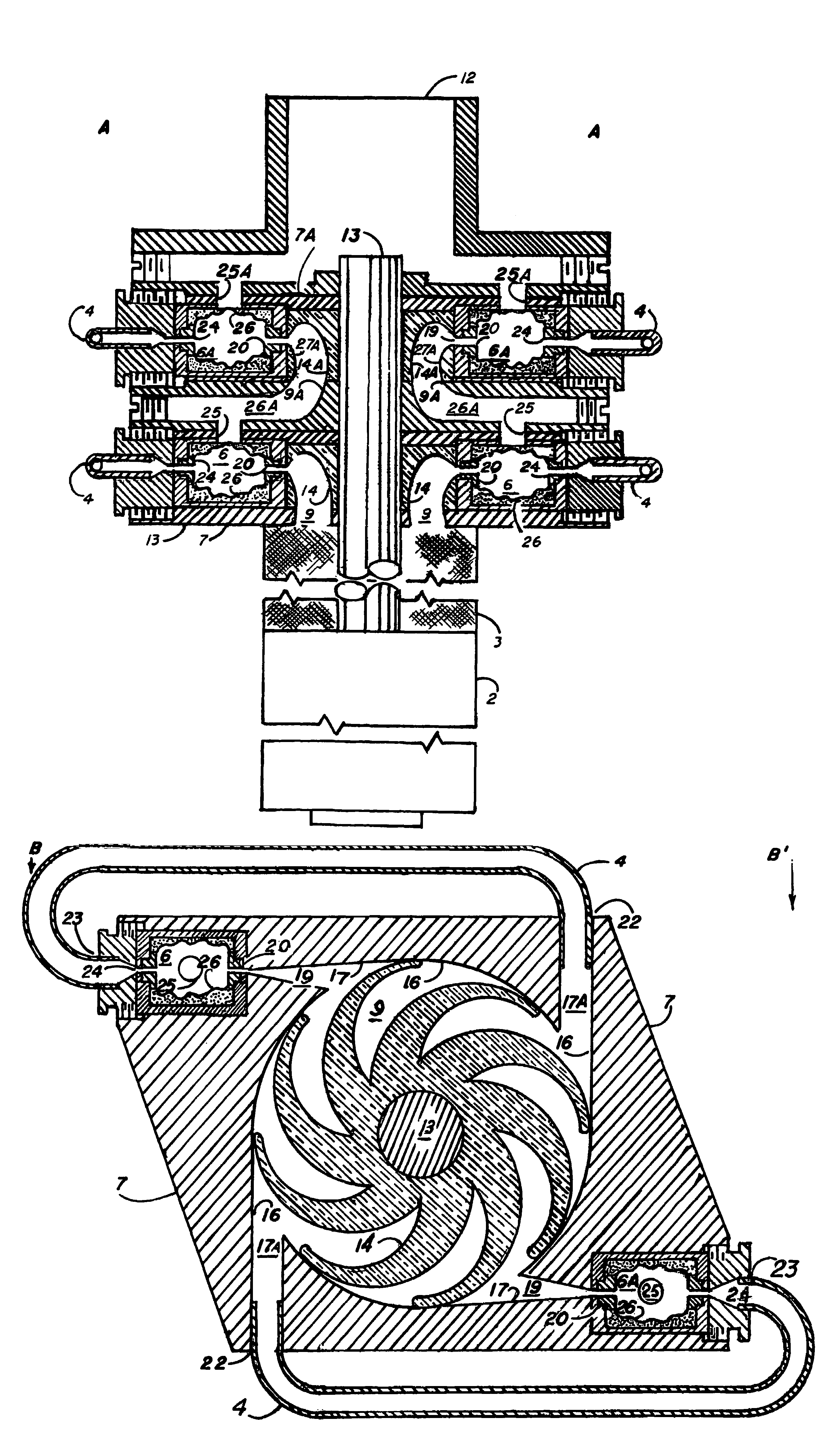
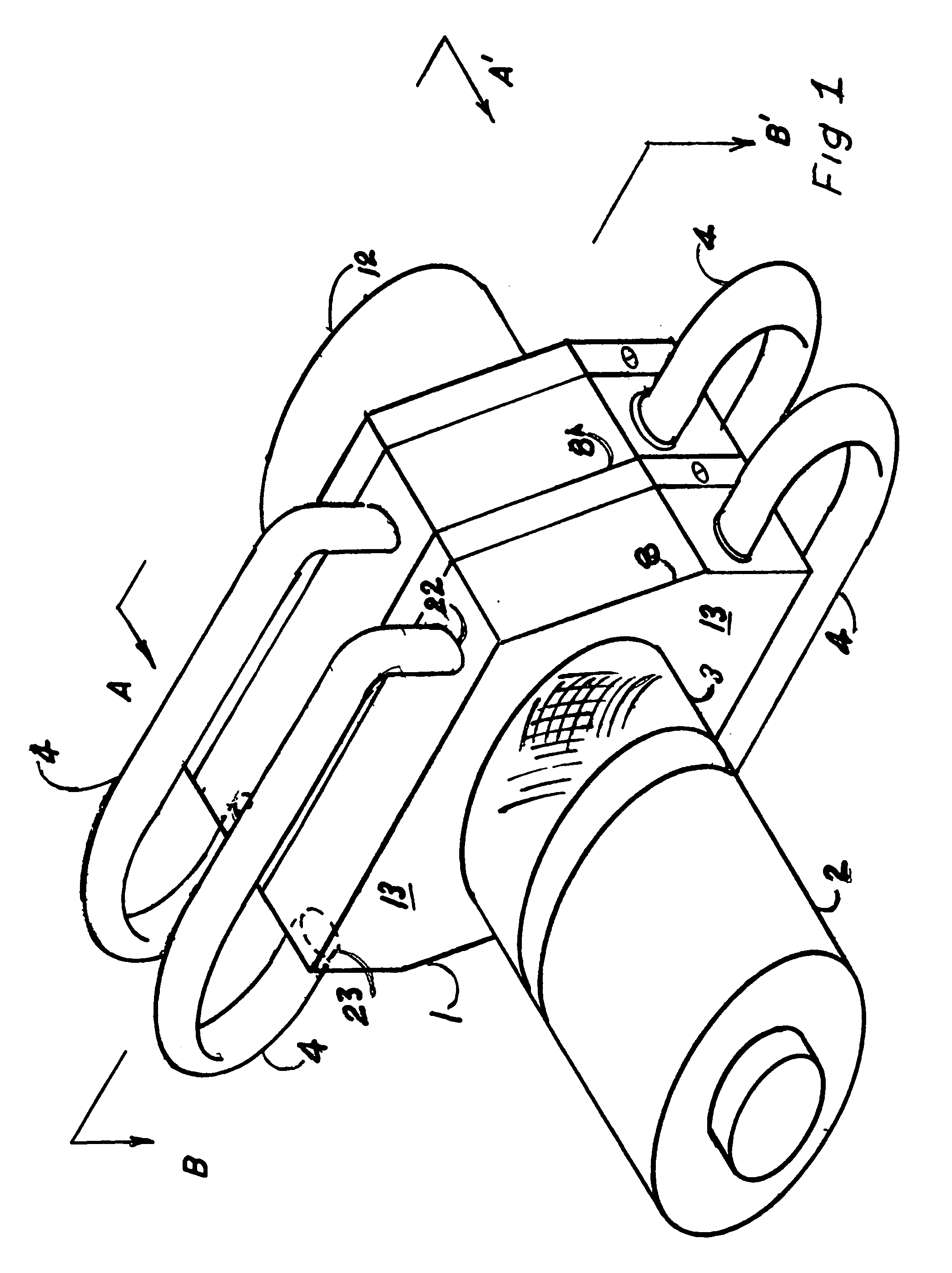
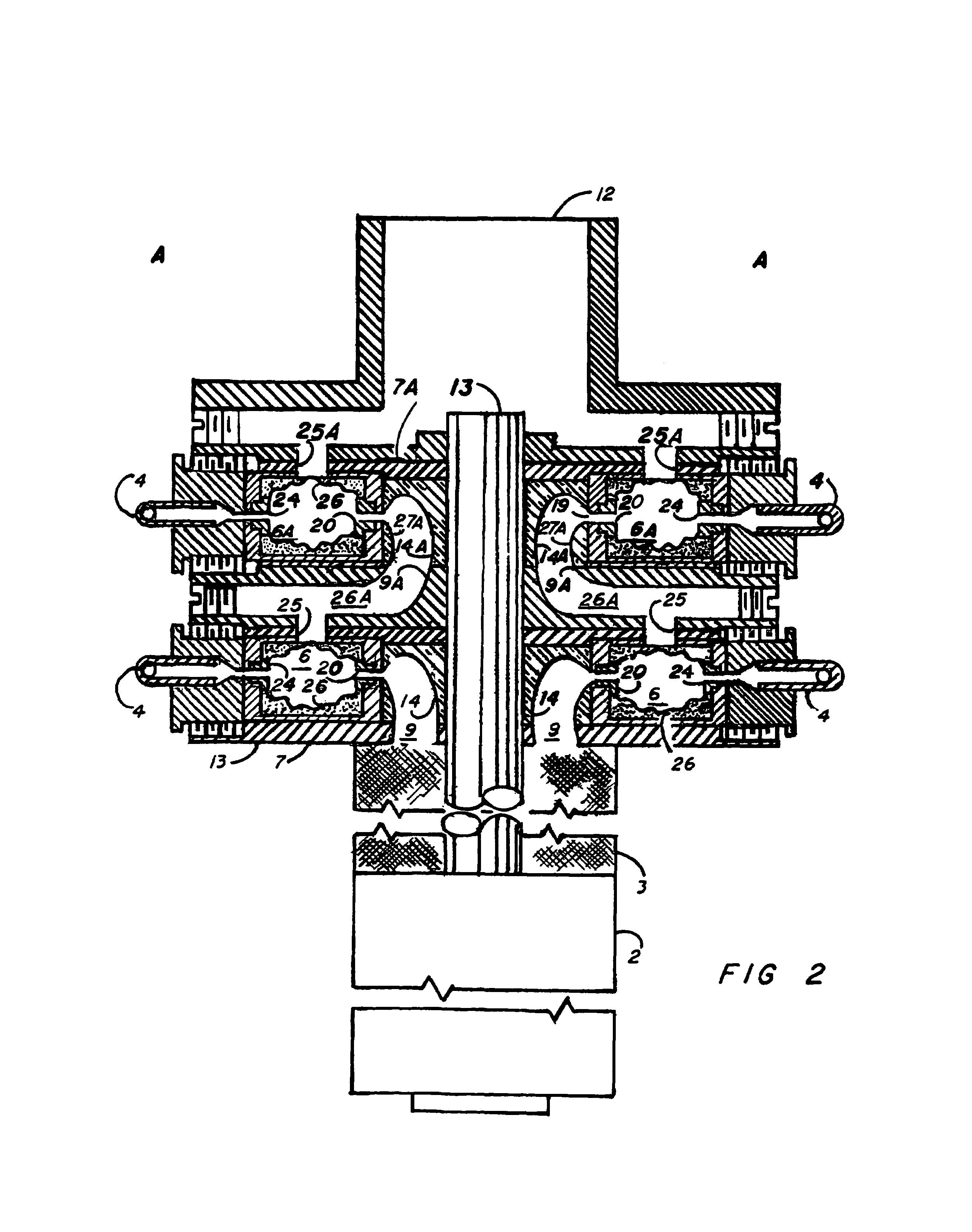
- The method employs reduced-bore nozzles to increase kinetic energy through fluid acceleration, utilizing the principle of conservation of energy, and a multi-stage process with Parr Chambers for high-velocity collisions and turbulence to enhance shear and deagglomeration, integrating high-fluid velocities and kinetic energy for efficient processing.

Striking unit and method for material processing by the use of high kinetic energy
PatentActiveUS10882098B2
Innovation
- The implementation of a striking unit with optimized cistern conduit systems, high-flow accumulators, and quick-adjusting valve mechanisms, including cartridge valves and pilot pressures, to rapidly reduce pressure and prevent piston rebound, along with damping elements to prevent tool contact during rebounds.


Environmental Impact of Chemical Processing Methods
The environmental implications of chemical processing methods, particularly when comparing isopropyl-based systems versus kinetic chain mechanisms, present significant considerations for sustainable industrial development. Traditional isopropyl processing methods typically generate substantial volatile organic compound emissions, contributing to atmospheric pollution and requiring extensive vapor recovery systems to meet environmental regulations.
Kinetic chain processing approaches demonstrate markedly different environmental profiles, often exhibiting reduced solvent consumption and lower emission rates. These methods frequently operate under milder reaction conditions, resulting in decreased energy requirements and correspondingly lower carbon footprints. The elimination or reduction of isopropyl alcohol usage in favor of kinetic chain mechanisms can significantly minimize hazardous waste generation and reduce the need for specialized disposal protocols.
Water consumption patterns differ substantially between these processing methodologies. Isopropyl-based systems often require extensive aqueous workup procedures and multiple washing stages, leading to increased wastewater generation containing residual organic compounds. Kinetic chain processes typically demonstrate more efficient water utilization, with some variants operating under essentially anhydrous conditions, thereby reducing overall environmental water burden.
The lifecycle assessment of both processing methods reveals distinct environmental trade-offs. While isopropyl systems may offer simpler waste treatment protocols due to established remediation technologies, kinetic chain approaches often present superior overall environmental performance through reduced raw material consumption and enhanced atom economy. The biodegradability profiles of process byproducts also favor kinetic chain methodologies, which typically generate more readily degradable waste streams.
Regulatory compliance considerations increasingly favor processing methods with reduced environmental impact. Kinetic chain technologies often align better with emerging green chemistry principles and stricter emission standards, potentially offering long-term regulatory advantages over traditional isopropyl-based approaches while maintaining or improving processing efficiency metrics.
Kinetic chain processing approaches demonstrate markedly different environmental profiles, often exhibiting reduced solvent consumption and lower emission rates. These methods frequently operate under milder reaction conditions, resulting in decreased energy requirements and correspondingly lower carbon footprints. The elimination or reduction of isopropyl alcohol usage in favor of kinetic chain mechanisms can significantly minimize hazardous waste generation and reduce the need for specialized disposal protocols.
Water consumption patterns differ substantially between these processing methodologies. Isopropyl-based systems often require extensive aqueous workup procedures and multiple washing stages, leading to increased wastewater generation containing residual organic compounds. Kinetic chain processes typically demonstrate more efficient water utilization, with some variants operating under essentially anhydrous conditions, thereby reducing overall environmental water burden.
The lifecycle assessment of both processing methods reveals distinct environmental trade-offs. While isopropyl systems may offer simpler waste treatment protocols due to established remediation technologies, kinetic chain approaches often present superior overall environmental performance through reduced raw material consumption and enhanced atom economy. The biodegradability profiles of process byproducts also favor kinetic chain methodologies, which typically generate more readily degradable waste streams.
Regulatory compliance considerations increasingly favor processing methods with reduced environmental impact. Kinetic chain technologies often align better with emerging green chemistry principles and stricter emission standards, potentially offering long-term regulatory advantages over traditional isopropyl-based approaches while maintaining or improving processing efficiency metrics.
Safety Standards for Industrial Chain Processing
Industrial chain processing operations involving isopropyl alcohol and kinetic chain mechanisms require comprehensive safety frameworks to mitigate inherent risks and ensure operational integrity. The volatile nature of isopropyl compounds, combined with the dynamic characteristics of kinetic chain reactions, presents unique challenges that demand specialized safety protocols beyond conventional industrial standards.
Current safety standards for industrial chain processing are primarily governed by OSHA regulations, NFPA codes, and international standards such as ISO 45001. These frameworks establish baseline requirements for hazardous material handling, process safety management, and worker protection. However, the specific combination of isopropyl chemistry and kinetic chain processes necessitates enhanced safety measures that address both chemical reactivity and process dynamics.
Fire and explosion prevention represents a critical safety consideration, given isopropyl alcohol's flammability characteristics with a flash point of 12°C and explosive limits ranging from 2.0% to 12.7% by volume in air. Safety standards mandate comprehensive fire suppression systems, including foam-based extinguishing agents specifically designed for alcohol fires, along with explosion-proof electrical equipment and static electricity control measures throughout processing areas.
Personal protective equipment requirements extend beyond standard industrial applications, incorporating specialized respiratory protection against isopropyl vapors, chemical-resistant clothing, and emergency eyewash stations positioned strategically throughout processing facilities. Ventilation systems must maintain adequate air exchange rates to prevent vapor accumulation while considering the specific gravity and dispersion patterns of isopropyl compounds.
Process safety management standards emphasize the implementation of hazard analysis methodologies, including Process Hazard Analysis and Hazard and Operability studies, specifically tailored to kinetic chain processing environments. These analyses must account for potential runaway reactions, thermal instabilities, and the cascading effects inherent in chain reaction mechanisms.
Emergency response protocols require specialized training for personnel handling isopropyl-based kinetic chain processes, including leak detection procedures, containment strategies, and evacuation protocols. Safety standards mandate regular drills and competency assessments to ensure workforce preparedness for various emergency scenarios unique to these processing environments.
Current safety standards for industrial chain processing are primarily governed by OSHA regulations, NFPA codes, and international standards such as ISO 45001. These frameworks establish baseline requirements for hazardous material handling, process safety management, and worker protection. However, the specific combination of isopropyl chemistry and kinetic chain processes necessitates enhanced safety measures that address both chemical reactivity and process dynamics.
Fire and explosion prevention represents a critical safety consideration, given isopropyl alcohol's flammability characteristics with a flash point of 12°C and explosive limits ranging from 2.0% to 12.7% by volume in air. Safety standards mandate comprehensive fire suppression systems, including foam-based extinguishing agents specifically designed for alcohol fires, along with explosion-proof electrical equipment and static electricity control measures throughout processing areas.
Personal protective equipment requirements extend beyond standard industrial applications, incorporating specialized respiratory protection against isopropyl vapors, chemical-resistant clothing, and emergency eyewash stations positioned strategically throughout processing facilities. Ventilation systems must maintain adequate air exchange rates to prevent vapor accumulation while considering the specific gravity and dispersion patterns of isopropyl compounds.
Process safety management standards emphasize the implementation of hazard analysis methodologies, including Process Hazard Analysis and Hazard and Operability studies, specifically tailored to kinetic chain processing environments. These analyses must account for potential runaway reactions, thermal instabilities, and the cascading effects inherent in chain reaction mechanisms.
Emergency response protocols require specialized training for personnel handling isopropyl-based kinetic chain processes, including leak detection procedures, containment strategies, and evacuation protocols. Safety standards mandate regular drills and competency assessments to ensure workforce preparedness for various emergency scenarios unique to these processing environments.
Unlock deeper insights with PatSnap Eureka Quick Research — get a full tech report to explore trends and direct your research. Try now!
Generate Your Research Report Instantly with AI Agent
Supercharge your innovation with PatSnap Eureka AI Agent Platform!