Isopropyl Group Within Flexible Electronics
FEB 14, 20269 MIN READ
Generate Your Research Report Instantly with AI Agent
PatSnap Eureka helps you evaluate technical feasibility & market potential.
Isopropyl Group in Flexible Electronics Background and Objectives
Flexible electronics represents a transformative paradigm in modern technology, enabling the development of bendable, stretchable, and conformable electronic devices that can adapt to various surfaces and applications. This revolutionary field has emerged from the convergence of materials science, chemistry, and electronics engineering, addressing the growing demand for wearable devices, biomedical implants, and adaptive display technologies.
The integration of organic functional groups, particularly isopropyl groups, into flexible electronic systems has gained significant attention due to their unique chemical properties and structural characteristics. Isopropyl groups, with their branched alkyl structure, offer distinctive advantages in terms of molecular flexibility, solubility control, and interfacial interactions that are crucial for flexible electronic applications.
Historical development in flexible electronics began with early research on conductive polymers in the 1970s, progressing through organic thin-film transistors in the 1980s, and evolving into sophisticated flexible display technologies and wearable sensors in recent decades. The incorporation of specific functional groups like isopropyl has become increasingly important as researchers seek to fine-tune material properties for enhanced performance and reliability.
Current market drivers include the exponential growth in wearable technology, healthcare monitoring devices, and Internet of Things applications, all demanding flexible, lightweight, and biocompatible electronic solutions. The global flexible electronics market is projected to reach unprecedented levels, with applications spanning from consumer electronics to medical diagnostics and environmental monitoring systems.
The primary technical objectives of investigating isopropyl groups within flexible electronics encompass several critical areas. First, understanding how isopropyl substitution affects the mechanical flexibility and electrical conductivity of organic semiconductors and conductive polymers. Second, evaluating the impact of isopropyl groups on device stability, particularly under mechanical stress and environmental conditions.
Additionally, research aims to optimize the processability of flexible electronic materials through isopropyl group incorporation, potentially improving solution-based manufacturing techniques and reducing production costs. The investigation also focuses on enhancing interfacial properties between different layers in flexible electronic devices, where isopropyl groups may serve as compatibility agents or surface modifiers.
Long-term strategic goals include developing next-generation flexible electronic materials with superior performance characteristics, establishing design principles for isopropyl-containing compounds in electronic applications, and creating scalable manufacturing processes that leverage the unique properties of these functional groups to advance the commercialization of flexible electronic technologies.
The integration of organic functional groups, particularly isopropyl groups, into flexible electronic systems has gained significant attention due to their unique chemical properties and structural characteristics. Isopropyl groups, with their branched alkyl structure, offer distinctive advantages in terms of molecular flexibility, solubility control, and interfacial interactions that are crucial for flexible electronic applications.
Historical development in flexible electronics began with early research on conductive polymers in the 1970s, progressing through organic thin-film transistors in the 1980s, and evolving into sophisticated flexible display technologies and wearable sensors in recent decades. The incorporation of specific functional groups like isopropyl has become increasingly important as researchers seek to fine-tune material properties for enhanced performance and reliability.
Current market drivers include the exponential growth in wearable technology, healthcare monitoring devices, and Internet of Things applications, all demanding flexible, lightweight, and biocompatible electronic solutions. The global flexible electronics market is projected to reach unprecedented levels, with applications spanning from consumer electronics to medical diagnostics and environmental monitoring systems.
The primary technical objectives of investigating isopropyl groups within flexible electronics encompass several critical areas. First, understanding how isopropyl substitution affects the mechanical flexibility and electrical conductivity of organic semiconductors and conductive polymers. Second, evaluating the impact of isopropyl groups on device stability, particularly under mechanical stress and environmental conditions.
Additionally, research aims to optimize the processability of flexible electronic materials through isopropyl group incorporation, potentially improving solution-based manufacturing techniques and reducing production costs. The investigation also focuses on enhancing interfacial properties between different layers in flexible electronic devices, where isopropyl groups may serve as compatibility agents or surface modifiers.
Long-term strategic goals include developing next-generation flexible electronic materials with superior performance characteristics, establishing design principles for isopropyl-containing compounds in electronic applications, and creating scalable manufacturing processes that leverage the unique properties of these functional groups to advance the commercialization of flexible electronic technologies.
Market Demand for Isopropyl-Enhanced Flexible Electronic Devices
The global flexible electronics market is experiencing unprecedented growth driven by increasing consumer demand for lightweight, bendable, and wearable electronic devices. This surge in demand has created significant opportunities for advanced materials research, particularly in the development of isopropyl-enhanced flexible electronic components that offer superior performance characteristics compared to conventional alternatives.
Consumer electronics manufacturers are actively seeking materials that can maintain electrical conductivity and mechanical integrity under repeated bending, stretching, and folding conditions. Isopropyl-functionalized polymers and substrates have emerged as promising solutions to address these requirements, offering enhanced flexibility while preserving electronic functionality. The automotive industry represents another substantial market segment, where flexible displays and sensors incorporating isopropyl groups are increasingly integrated into dashboard systems, interior lighting, and advanced driver assistance systems.
Healthcare applications constitute a rapidly expanding market for isopropyl-enhanced flexible electronics, particularly in wearable medical devices and implantable sensors. The biocompatibility and chemical stability of isopropyl groups make them attractive for medical applications where long-term reliability and patient safety are paramount. Smart textiles and e-textiles represent emerging market segments where isopropyl-modified conductive materials enable the integration of electronic functionality into clothing and fabrics.
The aerospace and defense sectors demonstrate growing interest in lightweight, flexible electronic systems that can withstand extreme environmental conditions. Isopropyl-enhanced materials offer improved thermal stability and chemical resistance, making them suitable for harsh operating environments. Additionally, the Internet of Things expansion drives demand for flexible sensors and communication devices that can be seamlessly integrated into various surfaces and structures.
Market research indicates strong growth potential across multiple application domains, with particular emphasis on devices requiring enhanced durability, environmental resistance, and mechanical flexibility. The unique properties of isopropyl groups, including their hydrophobic nature and chemical stability, position them as valuable components in next-generation flexible electronic materials designed to meet evolving market demands.
Consumer electronics manufacturers are actively seeking materials that can maintain electrical conductivity and mechanical integrity under repeated bending, stretching, and folding conditions. Isopropyl-functionalized polymers and substrates have emerged as promising solutions to address these requirements, offering enhanced flexibility while preserving electronic functionality. The automotive industry represents another substantial market segment, where flexible displays and sensors incorporating isopropyl groups are increasingly integrated into dashboard systems, interior lighting, and advanced driver assistance systems.
Healthcare applications constitute a rapidly expanding market for isopropyl-enhanced flexible electronics, particularly in wearable medical devices and implantable sensors. The biocompatibility and chemical stability of isopropyl groups make them attractive for medical applications where long-term reliability and patient safety are paramount. Smart textiles and e-textiles represent emerging market segments where isopropyl-modified conductive materials enable the integration of electronic functionality into clothing and fabrics.
The aerospace and defense sectors demonstrate growing interest in lightweight, flexible electronic systems that can withstand extreme environmental conditions. Isopropyl-enhanced materials offer improved thermal stability and chemical resistance, making them suitable for harsh operating environments. Additionally, the Internet of Things expansion drives demand for flexible sensors and communication devices that can be seamlessly integrated into various surfaces and structures.
Market research indicates strong growth potential across multiple application domains, with particular emphasis on devices requiring enhanced durability, environmental resistance, and mechanical flexibility. The unique properties of isopropyl groups, including their hydrophobic nature and chemical stability, position them as valuable components in next-generation flexible electronic materials designed to meet evolving market demands.
Current Status and Challenges of Isopropyl Integration
The integration of isopropyl groups within flexible electronics represents a rapidly evolving field that has gained significant momentum over the past decade. Currently, researchers worldwide are exploring various approaches to incorporate isopropyl-functionalized materials into flexible electronic devices, with particular focus on organic semiconductors, conductive polymers, and dielectric materials. The primary motivation stems from the unique properties that isopropyl groups can impart, including enhanced solubility, improved processability, and modified electronic characteristics.
Leading research institutions in the United States, Europe, and Asia have established dedicated programs investigating isopropyl-modified organic semiconductors for flexible transistors and sensors. Notable progress has been achieved in developing isopropyl-substituted conjugated polymers that maintain electrical performance while offering superior mechanical flexibility. However, the field remains fragmented, with different research groups pursuing parallel approaches without comprehensive standardization.
The most significant technical challenge lies in achieving optimal balance between electronic performance and mechanical flexibility when incorporating isopropyl groups. Traditional semiconductor materials often suffer from reduced charge mobility when modified with bulky isopropyl substituents, creating a fundamental trade-off that researchers are actively addressing. Additionally, the steric hindrance introduced by isopropyl groups can disrupt molecular packing, potentially compromising device stability and lifetime.
Manufacturing scalability presents another critical obstacle. While laboratory-scale synthesis of isopropyl-functionalized materials has shown promising results, translating these processes to industrial production remains challenging. The complexity of maintaining precise molecular control during large-scale processing, combined with the sensitivity of isopropyl-modified materials to environmental conditions, creates significant barriers to commercialization.
Thermal stability issues have emerged as a persistent concern, particularly in applications requiring elevated operating temperatures. Isopropyl groups can undergo degradation or rearrangement under thermal stress, leading to unpredictable changes in device performance. This limitation restricts the operational envelope of isopropyl-integrated flexible electronics and necessitates careful thermal management strategies.
Interface compatibility between isopropyl-modified active layers and conventional electrode materials represents an additional technical hurdle. The altered surface energy and chemical properties of isopropyl-functionalized materials can result in poor adhesion, charge injection barriers, and device reliability issues. Researchers are investigating various surface treatment methods and interfacial engineering approaches to address these compatibility challenges.
Despite these obstacles, recent breakthroughs in molecular design and processing techniques have demonstrated the potential for overcoming current limitations, positioning isopropyl integration as a promising pathway for next-generation flexible electronics.
Leading research institutions in the United States, Europe, and Asia have established dedicated programs investigating isopropyl-modified organic semiconductors for flexible transistors and sensors. Notable progress has been achieved in developing isopropyl-substituted conjugated polymers that maintain electrical performance while offering superior mechanical flexibility. However, the field remains fragmented, with different research groups pursuing parallel approaches without comprehensive standardization.
The most significant technical challenge lies in achieving optimal balance between electronic performance and mechanical flexibility when incorporating isopropyl groups. Traditional semiconductor materials often suffer from reduced charge mobility when modified with bulky isopropyl substituents, creating a fundamental trade-off that researchers are actively addressing. Additionally, the steric hindrance introduced by isopropyl groups can disrupt molecular packing, potentially compromising device stability and lifetime.
Manufacturing scalability presents another critical obstacle. While laboratory-scale synthesis of isopropyl-functionalized materials has shown promising results, translating these processes to industrial production remains challenging. The complexity of maintaining precise molecular control during large-scale processing, combined with the sensitivity of isopropyl-modified materials to environmental conditions, creates significant barriers to commercialization.
Thermal stability issues have emerged as a persistent concern, particularly in applications requiring elevated operating temperatures. Isopropyl groups can undergo degradation or rearrangement under thermal stress, leading to unpredictable changes in device performance. This limitation restricts the operational envelope of isopropyl-integrated flexible electronics and necessitates careful thermal management strategies.
Interface compatibility between isopropyl-modified active layers and conventional electrode materials represents an additional technical hurdle. The altered surface energy and chemical properties of isopropyl-functionalized materials can result in poor adhesion, charge injection barriers, and device reliability issues. Researchers are investigating various surface treatment methods and interfacial engineering approaches to address these compatibility challenges.
Despite these obstacles, recent breakthroughs in molecular design and processing techniques have demonstrated the potential for overcoming current limitations, positioning isopropyl integration as a promising pathway for next-generation flexible electronics.
Current Isopropyl Group Implementation Solutions
01 Isopropyl group in chemical synthesis and intermediates
The isopropyl group serves as a fundamental structural component in various chemical synthesis processes and intermediate compounds. It is utilized in the preparation of organic compounds, pharmaceutical intermediates, and chemical building blocks. The isopropyl moiety provides specific steric and electronic properties that influence reactivity and selectivity in chemical transformations.- Isopropyl group in chemical synthesis and intermediates: The isopropyl group serves as a fundamental structural component in various chemical synthesis processes and intermediate compounds. It is utilized in the preparation of organic compounds, pharmaceutical intermediates, and chemical building blocks. The isopropyl moiety provides specific steric and electronic properties that influence reactivity and selectivity in chemical transformations.
- Isopropyl-containing pharmaceutical compounds: Isopropyl groups are incorporated into pharmaceutical active ingredients and drug molecules to modulate their pharmacological properties, bioavailability, and metabolic stability. The presence of isopropyl substituents can affect drug-receptor interactions, lipophilicity, and overall therapeutic efficacy. These compounds find applications in various therapeutic areas including cardiovascular, anti-inflammatory, and antimicrobial treatments.
- Isopropyl derivatives in polymer and material science: Isopropyl-containing monomers and compounds are employed in polymer synthesis and material formulations to achieve desired physical and chemical properties. These derivatives contribute to the development of specialized polymers, coatings, adhesives, and composite materials. The isopropyl group influences polymer chain flexibility, glass transition temperature, and compatibility with other materials.
- Isopropyl group in agrochemical formulations: The isopropyl functional group is utilized in the design and synthesis of agrochemical compounds including pesticides, herbicides, and plant growth regulators. The incorporation of isopropyl substituents affects the biological activity, environmental stability, and application properties of these agricultural chemicals. These compounds help improve crop protection and agricultural productivity.
- Isopropyl-based solvents and industrial applications: Isopropyl-containing compounds serve as solvents, cleaning agents, and processing aids in various industrial applications. These materials are valued for their solvent properties, volatility characteristics, and compatibility with different substrates. Industrial uses include electronics manufacturing, surface treatment, extraction processes, and formulation of specialty chemicals.
02 Isopropyl-containing pharmaceutical compounds
Isopropyl groups are incorporated into pharmaceutical active ingredients and drug molecules to modulate their pharmacological properties, bioavailability, and metabolic stability. The presence of isopropyl substituents can affect drug-receptor interactions, lipophilicity, and overall therapeutic efficacy. These compounds find applications in various therapeutic areas including cardiovascular, anti-inflammatory, and antimicrobial treatments.Expand Specific Solutions03 Isopropyl derivatives in polymer and material science
Isopropyl-containing monomers and compounds are employed in polymer synthesis and material formulations to achieve desired physical and chemical properties. These derivatives contribute to the development of specialty polymers, coatings, adhesives, and composite materials. The isopropyl group influences polymer chain flexibility, glass transition temperature, and compatibility with other materials.Expand Specific Solutions04 Isopropyl group in agrochemical formulations
The isopropyl moiety is utilized in the design and formulation of agrochemical products including pesticides, herbicides, and plant growth regulators. Isopropyl-containing compounds exhibit specific biological activities and environmental profiles that make them suitable for agricultural applications. The structural features provided by the isopropyl group affect compound stability, uptake, and efficacy in target organisms.Expand Specific Solutions05 Industrial applications of isopropyl compounds
Isopropyl-containing compounds serve various industrial purposes including use as solvents, cleaning agents, processing aids, and chemical intermediates in manufacturing operations. These compounds offer advantageous properties such as appropriate volatility, solvency characteristics, and compatibility with industrial processes. Applications span across electronics manufacturing, surface treatment, extraction processes, and specialty chemical production.Expand Specific Solutions
Major Players in Isopropyl-Based Flexible Electronics
The flexible electronics industry incorporating isopropyl group research is in a rapidly evolving growth phase, driven by increasing demand for wearable devices, foldable displays, and IoT applications. The market demonstrates significant expansion potential with diverse technological approaches being pursued simultaneously. Technology maturity varies considerably across different applications, with established players like Sharp Corp., LG Chem Ltd., and Koninklijke Philips NV advancing commercial-ready solutions, while research institutions including Carnegie Mellon University, Sichuan University, and ETRI focus on fundamental breakthroughs. Industrial giants such as 3M Innovative Properties Co., BASF Corp., and Dow Silicones Corp. are developing specialized materials and manufacturing processes. The competitive landscape shows a healthy mix of multinational corporations, specialized technology companies like X Display Co. Technology Ltd. and Kuprion Inc., and leading academic institutions, indicating robust innovation pipelines and multiple pathways toward market commercialization across various flexible electronics applications.
Dow Global Technologies LLC
Technical Solution: Dow has pioneered isopropyl-functionalized polyurethane elastomers for flexible electronic substrates. Their technology utilizes isopropyl side chains to enhance polymer chain mobility, resulting in materials with exceptional elongation properties exceeding 300% while maintaining electrical conductivity. The company's approach involves incorporating isopropyl-modified conductive fillers that create stable percolation networks even under extreme deformation. Their materials exhibit outstanding chemical resistance and can operate effectively in temperature ranges from -40°C to 150°C, making them suitable for harsh environmental conditions in wearable electronics.
Strengths: Superior elongation properties and chemical resistance, wide operating temperature range. Weaknesses: Complex synthesis process, potential for isopropyl group degradation under UV exposure.
3M Innovative Properties Co.
Technical Solution: 3M has developed advanced isopropyl-based adhesive systems specifically designed for flexible electronics applications. Their technology incorporates isopropyl methacrylate copolymers that provide excellent adhesion to flexible substrates while maintaining mechanical flexibility during bending and stretching. The company's proprietary formulation includes isopropyl-modified silicone elastomers that offer superior thermal stability and electrical insulation properties. These materials demonstrate exceptional performance in maintaining conductivity pathways in flexible circuits under repeated mechanical stress, with bend radius capabilities down to 1mm without electrical failure.
Strengths: Excellent mechanical flexibility and thermal stability, proven industrial scalability. Weaknesses: Higher material costs compared to conventional alternatives, limited transparency for optical applications.
Core Isopropyl Group Integration Technologies
Flexible electronic element substrate, organic thin film solar cell, laminated structure and method for manufacturing the same, and method for manufacturing flexible electronic element
PatentInactiveUS20210328162A1
Innovation
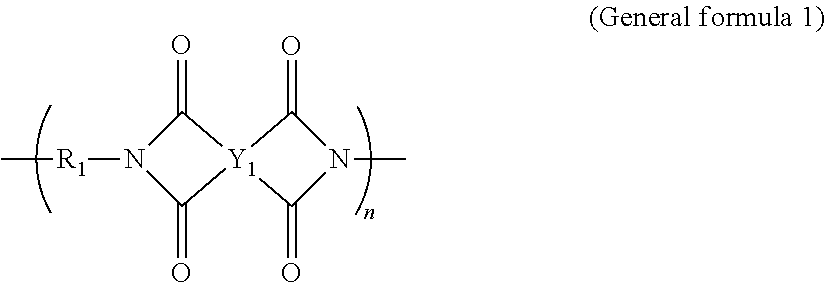
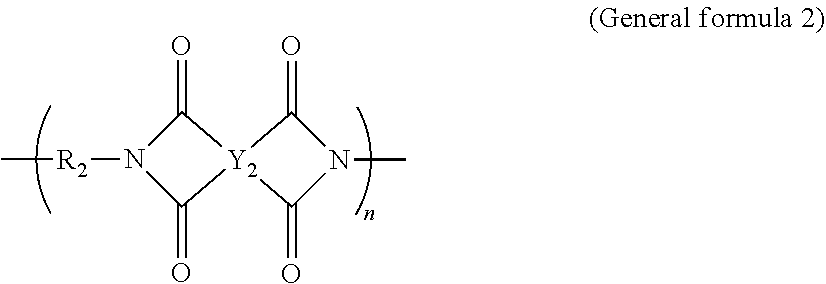
- A substrate with a polyimide layer that has low ultraviolet light transmittance and high visible light transmittance, characterized by specific optical and mechanical properties, including a maximum transmittance of 70% at 400±5 nm, a b* value of 5 or less, and a transmittance of 10% or less at 350 nm, along with high folding endurance and a glass transition temperature of 200°C or higher, is used to suppress ultraviolet-induced deterioration without the need for additional UV cut filters.

Polyimide polymers for flexible electrical device substrate materials and flexible electrical devices comprising the same
PatentInactiveUS20110155235A1
Innovation
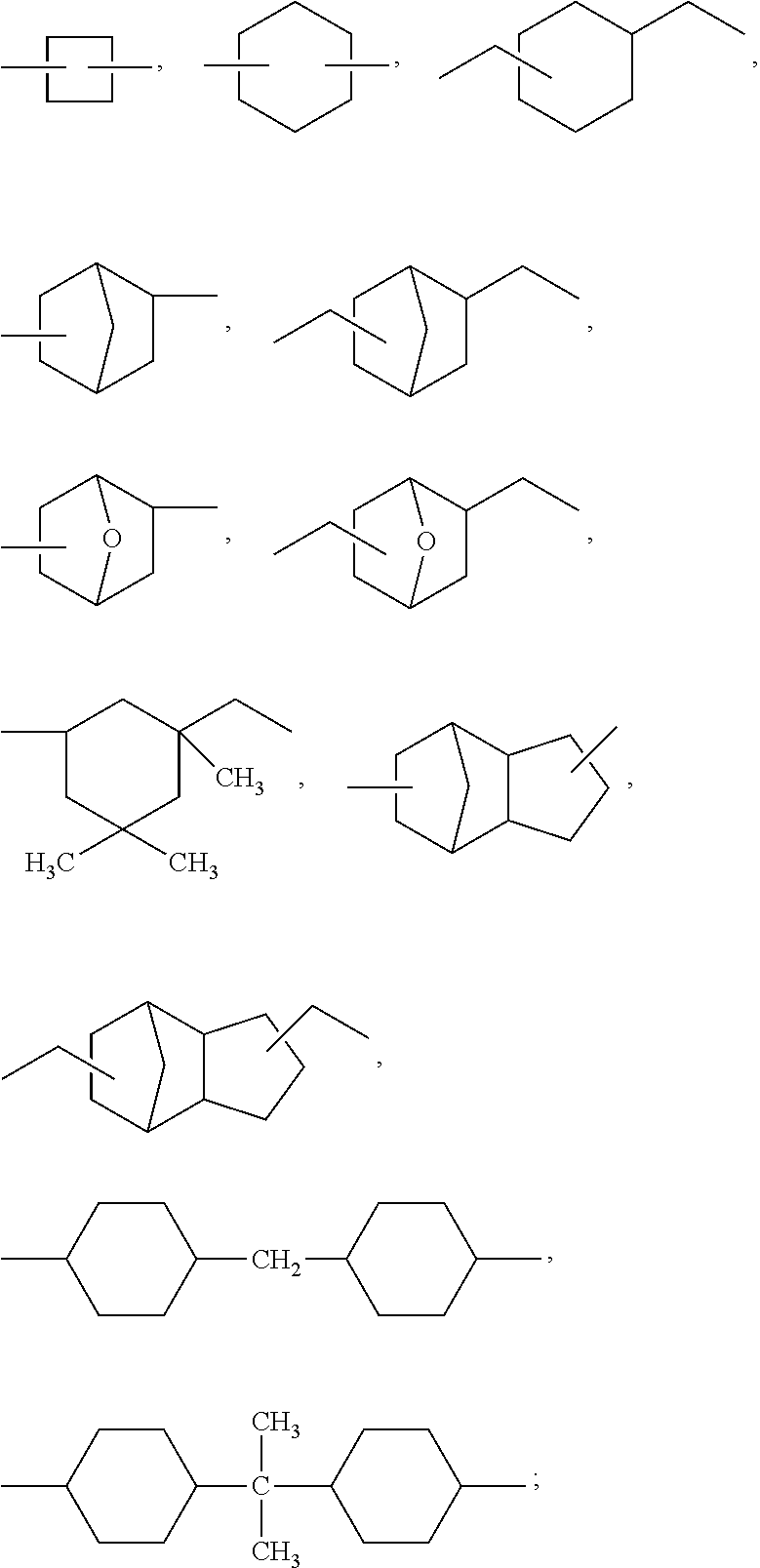
- A soluble polyimide polymer with a polycyclic aliphatic group, aromatic group containing ether bonds, and specific diamine and dianhydride ratios is copolymerized to create a film with high thermal resistance, chemical resistance, and transparency, suitable for flexible flat panel display fabrication.


Chemical Safety Regulations for Isopropyl Electronics
The integration of isopropyl-containing compounds in flexible electronics necessitates comprehensive adherence to established chemical safety regulations across multiple jurisdictions. Primary regulatory frameworks include the Registration, Evaluation, Authorisation and Restriction of Chemicals (REACH) regulation in the European Union, the Toxic Substances Control Act (TSCA) in the United States, and corresponding chemical management regulations in Asia-Pacific regions. These regulations specifically address the handling, storage, and disposal of isopropyl alcohol and related derivatives commonly used as solvents and cleaning agents in flexible electronics manufacturing.
Occupational exposure limits for isopropyl alcohol are strictly defined, with the Occupational Safety and Health Administration (OSHA) setting permissible exposure limits at 400 parts per million (ppm) as an 8-hour time-weighted average. The European Chemicals Agency (ECHA) maintains similar standards, requiring proper ventilation systems and personal protective equipment when concentrations exceed specified thresholds. Manufacturing facilities must implement continuous air monitoring systems to ensure compliance with these exposure limits during production processes.
Environmental discharge regulations impose stringent controls on isopropyl compound waste streams. The Clean Water Act and corresponding international water quality standards limit aquatic discharge concentrations to prevent ecosystem contamination. Facilities must establish closed-loop solvent recovery systems and implement proper waste treatment protocols before any environmental release. Additionally, volatile organic compound (VOC) emission standards require installation of vapor recovery systems and catalytic oxidation units to minimize atmospheric releases.
Transportation and storage regulations mandate specific container specifications, labeling requirements, and emergency response procedures for isopropyl-based materials. The International Maritime Dangerous Goods (IMDG) Code and corresponding air transport regulations classify these substances according to their flammability and health hazard profiles. Facilities must maintain detailed safety data sheets, implement proper grounding procedures to prevent static electricity buildup, and establish emergency spill response protocols.
Emerging regulations focus on lifecycle assessment requirements and extended producer responsibility for electronic devices containing isopropyl compounds. These evolving standards emphasize sustainable manufacturing practices, requiring documentation of chemical usage throughout the production chain and implementation of green chemistry alternatives where technically feasible. Compliance monitoring increasingly incorporates real-time chemical tracking systems and third-party auditing processes to ensure adherence to safety standards.
Occupational exposure limits for isopropyl alcohol are strictly defined, with the Occupational Safety and Health Administration (OSHA) setting permissible exposure limits at 400 parts per million (ppm) as an 8-hour time-weighted average. The European Chemicals Agency (ECHA) maintains similar standards, requiring proper ventilation systems and personal protective equipment when concentrations exceed specified thresholds. Manufacturing facilities must implement continuous air monitoring systems to ensure compliance with these exposure limits during production processes.
Environmental discharge regulations impose stringent controls on isopropyl compound waste streams. The Clean Water Act and corresponding international water quality standards limit aquatic discharge concentrations to prevent ecosystem contamination. Facilities must establish closed-loop solvent recovery systems and implement proper waste treatment protocols before any environmental release. Additionally, volatile organic compound (VOC) emission standards require installation of vapor recovery systems and catalytic oxidation units to minimize atmospheric releases.
Transportation and storage regulations mandate specific container specifications, labeling requirements, and emergency response procedures for isopropyl-based materials. The International Maritime Dangerous Goods (IMDG) Code and corresponding air transport regulations classify these substances according to their flammability and health hazard profiles. Facilities must maintain detailed safety data sheets, implement proper grounding procedures to prevent static electricity buildup, and establish emergency spill response protocols.
Emerging regulations focus on lifecycle assessment requirements and extended producer responsibility for electronic devices containing isopropyl compounds. These evolving standards emphasize sustainable manufacturing practices, requiring documentation of chemical usage throughout the production chain and implementation of green chemistry alternatives where technically feasible. Compliance monitoring increasingly incorporates real-time chemical tracking systems and third-party auditing processes to ensure adherence to safety standards.
Environmental Impact of Isopropyl Group Manufacturing
The manufacturing of isopropyl group-containing compounds for flexible electronics applications presents significant environmental challenges that require comprehensive assessment and mitigation strategies. The production processes typically involve petrochemical feedstocks and energy-intensive chemical reactions, contributing to carbon emissions and resource depletion. Traditional manufacturing methods for isopropyl-based materials often generate volatile organic compounds (VOCs) and hazardous waste streams that pose risks to air and water quality.
Solvent usage represents a primary environmental concern in isopropyl group manufacturing. The synthesis of isopropyl-containing polymers and additives frequently requires large volumes of organic solvents, many of which are classified as hazardous air pollutants. These solvents contribute to ground-level ozone formation and can persist in environmental systems, affecting ecosystem health and human welfare.
Water consumption and wastewater generation constitute another critical environmental impact. Manufacturing facilities typically require substantial water resources for cooling, cleaning, and purification processes. The resulting wastewater often contains residual chemicals, catalysts, and byproducts that necessitate extensive treatment before discharge. Inadequate treatment can lead to aquatic ecosystem disruption and groundwater contamination.
Energy consumption patterns in isopropyl group manufacturing significantly influence the overall environmental footprint. High-temperature reactions, distillation processes, and purification steps demand considerable energy inputs, primarily from fossil fuel sources. This energy intensity translates to substantial greenhouse gas emissions throughout the production lifecycle.
Emerging green chemistry approaches offer promising pathways for reducing environmental impacts. Bio-based feedstock utilization, solvent-free synthesis methods, and catalytic process optimization demonstrate potential for minimizing waste generation and energy consumption. Implementation of circular economy principles, including solvent recovery and recycling systems, can substantially reduce environmental burdens while maintaining production efficiency and product quality standards for flexible electronics applications.
Solvent usage represents a primary environmental concern in isopropyl group manufacturing. The synthesis of isopropyl-containing polymers and additives frequently requires large volumes of organic solvents, many of which are classified as hazardous air pollutants. These solvents contribute to ground-level ozone formation and can persist in environmental systems, affecting ecosystem health and human welfare.
Water consumption and wastewater generation constitute another critical environmental impact. Manufacturing facilities typically require substantial water resources for cooling, cleaning, and purification processes. The resulting wastewater often contains residual chemicals, catalysts, and byproducts that necessitate extensive treatment before discharge. Inadequate treatment can lead to aquatic ecosystem disruption and groundwater contamination.
Energy consumption patterns in isopropyl group manufacturing significantly influence the overall environmental footprint. High-temperature reactions, distillation processes, and purification steps demand considerable energy inputs, primarily from fossil fuel sources. This energy intensity translates to substantial greenhouse gas emissions throughout the production lifecycle.
Emerging green chemistry approaches offer promising pathways for reducing environmental impacts. Bio-based feedstock utilization, solvent-free synthesis methods, and catalytic process optimization demonstrate potential for minimizing waste generation and energy consumption. Implementation of circular economy principles, including solvent recovery and recycling systems, can substantially reduce environmental burdens while maintaining production efficiency and product quality standards for flexible electronics applications.
Unlock deeper insights with PatSnap Eureka Quick Research — get a full tech report to explore trends and direct your research. Try now!
Generate Your Research Report Instantly with AI Agent
Supercharge your innovation with PatSnap Eureka AI Agent Platform!