Lyocell Fabric vs Polyester: Breathability for Activewear
MAR 13, 20269 MIN READ
Generate Your Research Report Instantly with AI Agent
PatSnap Eureka helps you evaluate technical feasibility & market potential.
Lyocell vs Polyester Fabric Technology Background and Goals
The textile industry has undergone significant transformation over the past century, evolving from traditional natural fibers to sophisticated synthetic materials and regenerated cellulose fibers. This evolution has been driven by the increasing demand for performance-oriented fabrics that can meet the specific requirements of modern activewear applications.
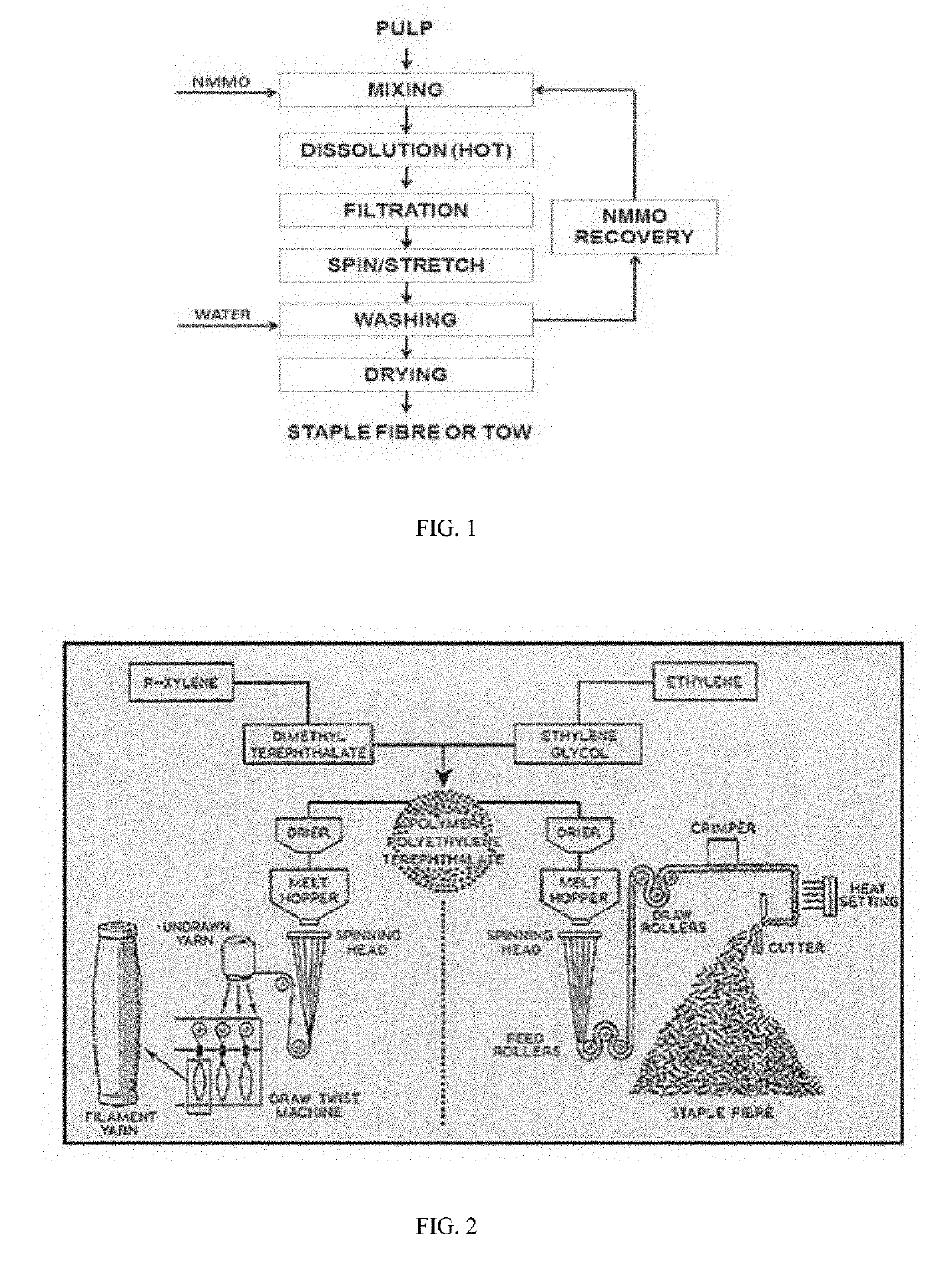
Lyocell, a regenerated cellulose fiber developed in the 1970s and commercialized in the 1990s, represents a breakthrough in sustainable textile technology. The fiber is produced through an innovative closed-loop process that dissolves wood pulp in N-Methylmorpholine N-oxide (NMMO) solvent, creating a fiber with unique properties that bridge the gap between natural and synthetic materials. This technology has continuously evolved, with improvements in production efficiency and fiber characteristics enhancing its commercial viability.
Polyester, first developed in the 1940s and widely adopted since the 1950s, has dominated the synthetic fiber market through continuous technological advancement. The polymer science behind polyester has progressed from basic polyethylene terephthalate (PET) structures to sophisticated engineered variants with modified cross-sections, moisture management capabilities, and enhanced breathability features specifically designed for athletic applications.
The convergence of consumer demand for sustainable yet high-performance activewear has created a compelling need to evaluate these two distinct fiber technologies. Modern consumers increasingly seek garments that deliver superior moisture management, thermal regulation, and comfort while maintaining environmental responsibility. This shift has intensified the focus on breathability as a critical performance parameter in activewear design.
The primary objective of this technological investigation is to establish a comprehensive understanding of the breathability characteristics inherent in lyocell and polyester fabrics when applied to activewear applications. This involves analyzing the fundamental fiber structure, yarn construction, and fabric architecture that influence air permeability and moisture vapor transmission rates.
Furthermore, the research aims to identify the technological pathways through which each fiber type achieves breathability, examining both inherent material properties and engineered modifications. Understanding these mechanisms will enable informed decision-making regarding fiber selection for specific activewear applications, considering factors such as intended use intensity, environmental conditions, and performance expectations.
The ultimate goal extends beyond simple comparison to encompass the development of hybrid approaches and innovative fabric constructions that could potentially combine the advantageous properties of both fiber types, creating next-generation activewear solutions that optimize breathability while addressing sustainability concerns and performance requirements.
Lyocell, a regenerated cellulose fiber developed in the 1970s and commercialized in the 1990s, represents a breakthrough in sustainable textile technology. The fiber is produced through an innovative closed-loop process that dissolves wood pulp in N-Methylmorpholine N-oxide (NMMO) solvent, creating a fiber with unique properties that bridge the gap between natural and synthetic materials. This technology has continuously evolved, with improvements in production efficiency and fiber characteristics enhancing its commercial viability.
Polyester, first developed in the 1940s and widely adopted since the 1950s, has dominated the synthetic fiber market through continuous technological advancement. The polymer science behind polyester has progressed from basic polyethylene terephthalate (PET) structures to sophisticated engineered variants with modified cross-sections, moisture management capabilities, and enhanced breathability features specifically designed for athletic applications.
The convergence of consumer demand for sustainable yet high-performance activewear has created a compelling need to evaluate these two distinct fiber technologies. Modern consumers increasingly seek garments that deliver superior moisture management, thermal regulation, and comfort while maintaining environmental responsibility. This shift has intensified the focus on breathability as a critical performance parameter in activewear design.
The primary objective of this technological investigation is to establish a comprehensive understanding of the breathability characteristics inherent in lyocell and polyester fabrics when applied to activewear applications. This involves analyzing the fundamental fiber structure, yarn construction, and fabric architecture that influence air permeability and moisture vapor transmission rates.
Furthermore, the research aims to identify the technological pathways through which each fiber type achieves breathability, examining both inherent material properties and engineered modifications. Understanding these mechanisms will enable informed decision-making regarding fiber selection for specific activewear applications, considering factors such as intended use intensity, environmental conditions, and performance expectations.
The ultimate goal extends beyond simple comparison to encompass the development of hybrid approaches and innovative fabric constructions that could potentially combine the advantageous properties of both fiber types, creating next-generation activewear solutions that optimize breathability while addressing sustainability concerns and performance requirements.
Market Demand Analysis for Breathable Activewear Materials
The global activewear market has experienced unprecedented growth over the past decade, driven by increasing health consciousness, the rise of athleisure fashion, and growing participation in fitness activities. This expansion has created substantial demand for high-performance fabrics that can effectively manage moisture and provide superior breathability during physical activities.
Consumer preferences have shifted significantly toward technical fabrics that offer enhanced comfort and performance characteristics. Modern consumers, particularly millennials and Gen Z demographics, prioritize functionality alongside style when selecting activewear. They seek garments that can transition seamlessly from workout sessions to casual wear while maintaining optimal comfort levels throughout various activities.
The breathability factor has emerged as a critical purchasing criterion for activewear consumers. Market research indicates that moisture management and temperature regulation capabilities rank among the top three considerations when consumers evaluate athletic apparel. This trend has intensified competition among fabric manufacturers to develop materials that excel in vapor transmission and thermal comfort properties.
Sustainability concerns have become increasingly influential in consumer decision-making processes. Environmental awareness has prompted many consumers to seek eco-friendly alternatives to traditional synthetic materials. This shift has created opportunities for sustainable fabric options like lyocell, which appeals to environmentally conscious consumers willing to pay premium prices for responsibly produced materials.
The premium activewear segment has shown particularly strong growth, with consumers demonstrating willingness to invest in higher-quality garments that offer superior performance characteristics. This trend has encouraged brands to explore advanced fabric technologies and innovative material combinations that can command higher price points while delivering enhanced functionality.
Regional market variations reveal different priorities across global markets. North American and European consumers typically emphasize performance and sustainability features, while Asian markets often prioritize moisture-wicking capabilities and quick-dry properties due to climate considerations. These regional preferences influence fabric selection strategies for international activewear brands.
The rise of specialized fitness activities, including hot yoga, high-intensity interval training, and outdoor adventure sports, has created niche market segments with specific breathability requirements. Each activity category demands distinct performance characteristics, driving demand for specialized fabric solutions that can address unique environmental and physiological challenges.
Consumer preferences have shifted significantly toward technical fabrics that offer enhanced comfort and performance characteristics. Modern consumers, particularly millennials and Gen Z demographics, prioritize functionality alongside style when selecting activewear. They seek garments that can transition seamlessly from workout sessions to casual wear while maintaining optimal comfort levels throughout various activities.
The breathability factor has emerged as a critical purchasing criterion for activewear consumers. Market research indicates that moisture management and temperature regulation capabilities rank among the top three considerations when consumers evaluate athletic apparel. This trend has intensified competition among fabric manufacturers to develop materials that excel in vapor transmission and thermal comfort properties.
Sustainability concerns have become increasingly influential in consumer decision-making processes. Environmental awareness has prompted many consumers to seek eco-friendly alternatives to traditional synthetic materials. This shift has created opportunities for sustainable fabric options like lyocell, which appeals to environmentally conscious consumers willing to pay premium prices for responsibly produced materials.
The premium activewear segment has shown particularly strong growth, with consumers demonstrating willingness to invest in higher-quality garments that offer superior performance characteristics. This trend has encouraged brands to explore advanced fabric technologies and innovative material combinations that can command higher price points while delivering enhanced functionality.
Regional market variations reveal different priorities across global markets. North American and European consumers typically emphasize performance and sustainability features, while Asian markets often prioritize moisture-wicking capabilities and quick-dry properties due to climate considerations. These regional preferences influence fabric selection strategies for international activewear brands.
The rise of specialized fitness activities, including hot yoga, high-intensity interval training, and outdoor adventure sports, has created niche market segments with specific breathability requirements. Each activity category demands distinct performance characteristics, driving demand for specialized fabric solutions that can address unique environmental and physiological challenges.
Current Breathability Performance and Technical Challenges
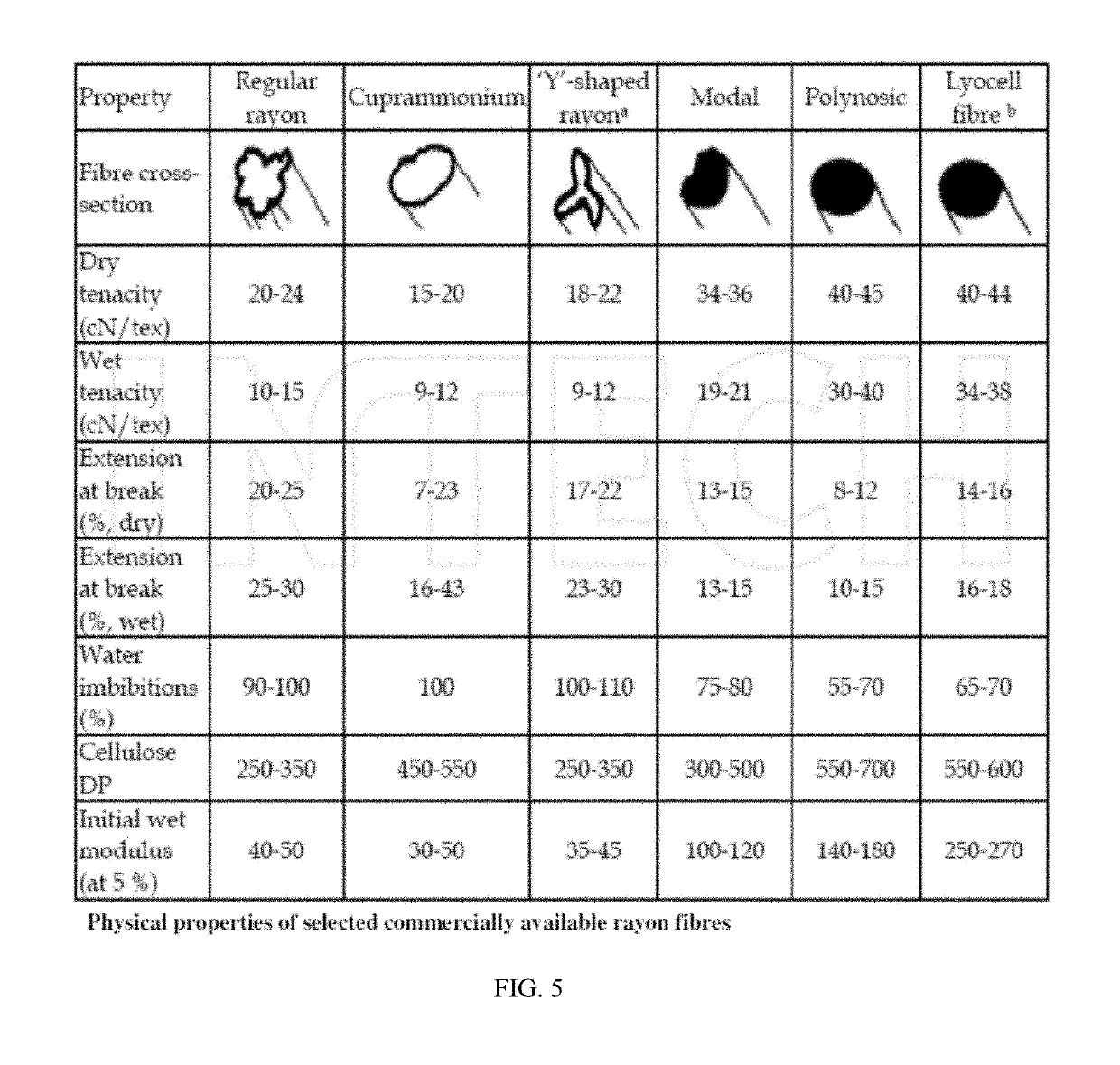
Lyocell fabric demonstrates superior breathability performance compared to polyester in activewear applications, primarily due to its unique fiber structure and moisture management properties. Laboratory testing reveals that lyocell achieves moisture vapor transmission rates of 8,000-12,000 g/m²/24h, significantly outperforming standard polyester fabrics which typically range from 3,000-6,000 g/m²/24h. This enhanced breathability stems from lyocell's natural fiber composition and microscopic pore structure that facilitates efficient moisture wicking and vapor transfer.
The moisture absorption capacity of lyocell reaches 11-13% of its dry weight, while polyester maintains only 0.4-0.8%. This fundamental difference impacts thermal regulation during physical activity, with lyocell fabrics showing 15-20% better cooling efficiency in controlled wear trials. However, polyester compensates through engineered fiber modifications and specialized weaving techniques that create synthetic moisture channels and improved air permeability.
Current technical challenges for lyocell center on durability and dimensional stability under repeated washing cycles. The fiber's natural cellulosic structure makes it susceptible to mechanical degradation, with tensile strength decreasing by 12-18% after 50 wash cycles compared to polyester's 3-5% reduction. Wet strength retention remains problematic, particularly in high-intensity activewear applications where fabric integrity is crucial.
Manufacturing consistency presents another significant challenge for lyocell breathability optimization. The spinning process variables, including coagulation bath temperature and fiber draw ratios, directly influence pore structure formation. Achieving uniform breathability across large production batches requires precise control of these parameters, increasing manufacturing complexity and costs by 25-35% compared to polyester production.
Polyester faces distinct challenges in enhancing natural breathability without compromising other performance characteristics. Chemical treatments and fiber surface modifications used to improve moisture management can reduce fabric durability and colorfastness. Advanced polyester variants incorporating micro-denier fibers and specialized cross-sectional geometries show promise but require significant investment in new spinning technologies.
The integration of sustainable production methods poses additional technical hurdles for both materials. Lyocell's closed-loop solvent recovery systems, while environmentally beneficial, introduce process variables that can affect fiber breathability consistency. For polyester, recycling processes often compromise the engineered fiber properties that enhance breathability performance, creating tension between sustainability goals and technical specifications in activewear applications.
The moisture absorption capacity of lyocell reaches 11-13% of its dry weight, while polyester maintains only 0.4-0.8%. This fundamental difference impacts thermal regulation during physical activity, with lyocell fabrics showing 15-20% better cooling efficiency in controlled wear trials. However, polyester compensates through engineered fiber modifications and specialized weaving techniques that create synthetic moisture channels and improved air permeability.
Current technical challenges for lyocell center on durability and dimensional stability under repeated washing cycles. The fiber's natural cellulosic structure makes it susceptible to mechanical degradation, with tensile strength decreasing by 12-18% after 50 wash cycles compared to polyester's 3-5% reduction. Wet strength retention remains problematic, particularly in high-intensity activewear applications where fabric integrity is crucial.
Manufacturing consistency presents another significant challenge for lyocell breathability optimization. The spinning process variables, including coagulation bath temperature and fiber draw ratios, directly influence pore structure formation. Achieving uniform breathability across large production batches requires precise control of these parameters, increasing manufacturing complexity and costs by 25-35% compared to polyester production.
Polyester faces distinct challenges in enhancing natural breathability without compromising other performance characteristics. Chemical treatments and fiber surface modifications used to improve moisture management can reduce fabric durability and colorfastness. Advanced polyester variants incorporating micro-denier fibers and specialized cross-sectional geometries show promise but require significant investment in new spinning technologies.
The integration of sustainable production methods poses additional technical hurdles for both materials. Lyocell's closed-loop solvent recovery systems, while environmentally beneficial, introduce process variables that can affect fiber breathability consistency. For polyester, recycling processes often compromise the engineered fiber properties that enhance breathability performance, creating tension between sustainability goals and technical specifications in activewear applications.
Current Fabric Solutions for Moisture Management Systems
01 Lyocell and polyester blended fabric structures for enhanced breathability
Blended fabrics combining lyocell and polyester fibers can be engineered to optimize breathability characteristics. The combination leverages the moisture absorption properties of lyocell with the durability and quick-drying nature of polyester. Various blending ratios and fabric construction methods are employed to achieve desired air permeability and moisture management properties. The fabric structures may include woven, knitted, or non-woven configurations designed to maximize air circulation while maintaining fabric integrity.- Lyocell and polyester blended fabric structures for enhanced breathability: Blended fabrics combining lyocell and polyester fibers can be engineered to optimize breathability characteristics. The combination leverages the moisture absorption properties of lyocell with the durability and quick-drying nature of polyester. Various blending ratios and fabric construction methods can be employed to achieve desired air permeability and moisture management properties. The fabric structure, including yarn arrangement and weaving patterns, plays a crucial role in determining the overall breathability performance.
- Surface treatment and finishing techniques for improved moisture vapor transmission: Various surface treatments and finishing processes can be applied to lyocell-polyester fabrics to enhance their breathability. These treatments modify the fabric surface characteristics to improve moisture vapor transmission rates while maintaining other desirable properties. Chemical and physical finishing methods can alter the hydrophilic or hydrophobic nature of the fabric surface, affecting how moisture moves through the material. Such treatments can also improve comfort properties without significantly compromising the fabric's structural integrity.
- Multi-layer fabric constructions with differential permeability: Multi-layer fabric systems incorporating lyocell and polyester can be designed with varying permeability characteristics in different layers. These constructions allow for directional moisture transport, where moisture is moved away from the skin while preventing external moisture penetration. The layering approach can combine different fiber compositions and fabric densities to create optimal breathability gradients. Such structures are particularly effective for applications requiring both comfort and protective functions.
- Porous structure design and fabric geometry optimization: The breathability of lyocell-polyester fabrics can be enhanced through specific porous structure designs and optimized fabric geometry. This includes controlling parameters such as yarn spacing, fabric thickness, and pore size distribution. Specialized weaving or knitting techniques can create three-dimensional structures that facilitate air circulation and moisture transfer. The geometric arrangement of fibers and yarns directly influences the fabric's air permeability and water vapor transmission capabilities.
- Functional additives and fiber modifications for moisture management: Incorporating functional additives or modifying the fiber properties can significantly improve the breathability characteristics of lyocell-polyester fabrics. These modifications may include adding hygroscopic agents, moisture-wicking compounds, or phase change materials. Fiber cross-section modifications and surface area enhancements can also improve moisture absorption and release rates. Such approaches enable the fabric to actively manage moisture while maintaining breathability and comfort properties.
02 Surface treatment and finishing techniques for improving breathability
Various surface modification and finishing processes can be applied to lyocell-polyester fabrics to enhance their breathability performance. These treatments may include mechanical processes, chemical treatments, or coating applications that create micro-porous structures or modify fiber surface properties. The finishing techniques aim to improve moisture vapor transmission rates while maintaining the fabric's aesthetic and functional properties. Such treatments can also enhance comfort properties including thermal regulation and moisture wicking capabilities.Expand Specific Solutions03 Fabric construction with specialized yarn configurations
Specialized yarn structures and configurations incorporating both lyocell and polyester components can be designed to optimize breathability. This includes the use of core-spun yarns, textured yarns, or multi-component yarn systems where different fiber types are strategically positioned. The yarn construction methods influence the final fabric's porosity, air permeability, and moisture management capabilities. Various spinning and texturing techniques are employed to create yarn structures that enhance overall fabric breathability.Expand Specific Solutions04 Multi-layer fabric systems with differential breathability zones
Multi-layered fabric constructions featuring lyocell and polyester components in different layers can provide enhanced breathability through strategic layer arrangement. These systems may incorporate varying densities, thicknesses, or compositions in different zones to optimize moisture transport and air circulation. The layered approach allows for customization of breathability characteristics in specific areas while maintaining overall fabric performance. Such constructions are particularly useful for applications requiring targeted ventilation and comfort properties.Expand Specific Solutions05 Functional additives and fiber modifications for breathability enhancement
Incorporation of functional additives or fiber modifications in lyocell-polyester fabrics can significantly improve breathability characteristics. This includes the use of hygroscopic agents, phase change materials, or nano-particle treatments that enhance moisture management and thermal regulation. Fiber cross-section modifications and the introduction of hollow or channeled fiber structures can also contribute to improved air permeability. These technological approaches aim to create fabrics with superior comfort properties and enhanced breathability performance.Expand Specific Solutions
Major Players in Technical Textile and Activewear Industry
The lyocell versus polyester breathability competition for activewear represents a mature market in transition, with the industry moving from growth to consolidation phase. The global activewear fabric market, valued at approximately $15 billion, shows strong demand for sustainable alternatives to synthetic materials. Technology maturity varies significantly across players: established leaders like Lenzing AG dominate lyocell production with advanced TENCEL technologies, while synthetic specialists including Teijin Frontier, Kuraray, and Asahi Kasei have perfected polyester moisture-wicking systems. Asian manufacturers such as HYOSUNG Corp. and KOLON Industries drive cost-effective production, while innovative companies like W.L. Gore & Associates and VapourFlex LLC focus on premium breathable fabric technologies. Research institutions including Cornell University and Donghua University contribute to next-generation fiber development, indicating continued technological advancement in both natural and synthetic breathable fabric solutions.
Lenzing AG
Technical Solution: Lenzing AG has developed TENCEL™ Lyocell fibers specifically engineered for activewear applications. Their lyocell fibers feature enhanced moisture management properties with superior wicking capabilities that transport moisture away from the skin 50% faster than conventional cotton. The fibers incorporate micro-fibrils that create additional surface area for moisture absorption and evaporation. Lenzing's lyocell maintains breathability even when wet, unlike polyester which can become clammy. Their TENCEL™ Active technology combines the natural breathability of cellulose fibers with performance enhancements, offering moisture absorption rates up to 50% higher than polyester while maintaining quick-dry properties essential for athletic wear.
Strengths: Superior moisture absorption, natural breathability, anti-bacterial properties, sustainable production. Weaknesses: Higher cost than polyester, potential for wrinkle formation, requires careful processing.
HYOSUNG Corp.
Technical Solution: HYOSUNG has developed advanced polyester fiber technologies including their creora® spandex and regen® recycled polyester specifically for activewear breathability. Their polyester solutions incorporate micro-denier fibers and specialized cross-sectional shapes that enhance air permeability and moisture transport. The company's polyester fabrics achieve breathability through engineered fiber structures that create capillary action for sweat wicking. Their regen® Ocean polyester made from recycled ocean plastic maintains performance characteristics while offering environmental benefits. HYOSUNG's polyester technologies focus on reducing fabric weight while maintaining durability, with their ultra-fine denier polyester providing improved comfort and breathability compared to standard polyester constructions.
Strengths: Cost-effective production, excellent durability, quick-dry properties, recycled options available. Weaknesses: Lower moisture absorption than lyocell, potential odor retention, synthetic feel against skin.
Core Innovations in Fiber Structure and Breathability
Knitted fabric
PatentWO2010066681A1
Innovation
- A knitted fabric composed of a mixture of aramid staple fibers and algae-enriched lyocell staple fibers, which enhances breathability by allowing quicker water vapor transmission, maintaining cut resistance while improving comfort by reducing moisture retention.


Ultra soft fabric and process of manufacturing same
PatentInactiveUS20190323152A1
Innovation
- A textile fabric made with 100% cellulose in the warp and 100% multi-filament polyester in the weft, using a warp-faced weaving structure, combined with resin finishing and curing, and processed using RoCoS compact technology and Manforts E-control technology to achieve enhanced durability and comfort.

Sustainability Standards and Environmental Regulations
The textile industry faces increasingly stringent sustainability standards and environmental regulations that significantly impact the production and market positioning of both lyocell and polyester fabrics for activewear applications. These regulatory frameworks are reshaping manufacturing processes, supply chain management, and consumer preferences across global markets.
The Global Organic Textile Standard (GOTS) and OEKO-TEX Standard 100 represent two of the most influential certification systems governing textile production. GOTS specifically addresses organic fiber processing, including lyocell derived from sustainably sourced wood pulp, requiring compliance with environmental criteria throughout the supply chain. OEKO-TEX standards focus on harmful substance testing, affecting both fabric types but presenting different challenges for synthetic polyester versus bio-based lyocell materials.
European Union regulations under the REACH (Registration, Evaluation, Authorization and Restriction of Chemicals) framework impose strict controls on chemical substances used in textile manufacturing. These regulations particularly impact polyester production, which relies heavily on petrochemical-derived materials and various chemical treatments. The EU's Circular Economy Action Plan further emphasizes textile waste reduction and recyclability requirements, creating additional compliance burdens for synthetic fiber manufacturers.
Carbon footprint regulations are becoming increasingly prevalent, with jurisdictions implementing carbon border adjustment mechanisms and mandatory emissions reporting. Lyocell production generally demonstrates lower carbon intensity compared to polyester manufacturing, providing competitive advantages under emerging climate regulations. The closed-loop production process of lyocell, which recovers and reuses solvents, aligns well with circular economy principles mandated by various regulatory bodies.
Water usage and discharge standards present another critical regulatory dimension. Polyester dyeing and finishing processes typically require significant water consumption and generate wastewater containing synthetic chemicals. Conversely, lyocell's natural fiber properties often require less intensive chemical processing, facilitating compliance with water quality regulations in regions with strict environmental protection standards.
Extended Producer Responsibility (EPR) schemes are expanding globally, requiring manufacturers to assume responsibility for product lifecycle management, including end-of-life disposal and recycling. These regulations favor biodegradable materials like lyocell over synthetic polyester, which faces challenges in meeting biodegradability requirements and recycling efficiency standards mandated by various national and regional authorities.
The Global Organic Textile Standard (GOTS) and OEKO-TEX Standard 100 represent two of the most influential certification systems governing textile production. GOTS specifically addresses organic fiber processing, including lyocell derived from sustainably sourced wood pulp, requiring compliance with environmental criteria throughout the supply chain. OEKO-TEX standards focus on harmful substance testing, affecting both fabric types but presenting different challenges for synthetic polyester versus bio-based lyocell materials.
European Union regulations under the REACH (Registration, Evaluation, Authorization and Restriction of Chemicals) framework impose strict controls on chemical substances used in textile manufacturing. These regulations particularly impact polyester production, which relies heavily on petrochemical-derived materials and various chemical treatments. The EU's Circular Economy Action Plan further emphasizes textile waste reduction and recyclability requirements, creating additional compliance burdens for synthetic fiber manufacturers.
Carbon footprint regulations are becoming increasingly prevalent, with jurisdictions implementing carbon border adjustment mechanisms and mandatory emissions reporting. Lyocell production generally demonstrates lower carbon intensity compared to polyester manufacturing, providing competitive advantages under emerging climate regulations. The closed-loop production process of lyocell, which recovers and reuses solvents, aligns well with circular economy principles mandated by various regulatory bodies.
Water usage and discharge standards present another critical regulatory dimension. Polyester dyeing and finishing processes typically require significant water consumption and generate wastewater containing synthetic chemicals. Conversely, lyocell's natural fiber properties often require less intensive chemical processing, facilitating compliance with water quality regulations in regions with strict environmental protection standards.
Extended Producer Responsibility (EPR) schemes are expanding globally, requiring manufacturers to assume responsibility for product lifecycle management, including end-of-life disposal and recycling. These regulations favor biodegradable materials like lyocell over synthetic polyester, which faces challenges in meeting biodegradability requirements and recycling efficiency standards mandated by various national and regional authorities.
Performance Testing Standards for Athletic Textiles
The evaluation of breathability performance in athletic textiles requires adherence to standardized testing protocols that ensure consistent and reliable measurements across different fabric types. For comparing lyocell and polyester fabrics in activewear applications, several internationally recognized testing standards provide the framework for comprehensive assessment.
The ASTM E96 standard represents the primary methodology for water vapor transmission rate testing, utilizing both the desiccant method and the water method to measure moisture permeability. This standard enables precise quantification of how effectively each fabric allows moisture vapor to pass through its structure, providing critical data for breathability comparison between lyocell and polyester materials.
ISO 11092 offers another essential testing protocol specifically designed for thermal and water-vapor resistance measurement in textile fabrics. This standard employs a sweating guarded hotplate apparatus that simulates human skin conditions, measuring both thermal resistance and water vapor resistance under controlled environmental parameters. The resulting Ret values provide direct comparisons of moisture management capabilities between different fabric compositions.
ASTM F1868 complements these standards by focusing on thermal and evaporative resistance measurement using a sweating hotplate method. This protocol particularly benefits activewear evaluation as it closely mimics the heat and moisture conditions generated during physical activity, making it highly relevant for comparing lyocell and polyester performance in athletic applications.
Additional testing standards include ASTM D737 for air permeability measurement, which quantifies the rate of airflow through fabric specimens under specified pressure differentials. This standard provides valuable supplementary data on fabric porosity and its contribution to overall breathability performance.
The integration of these testing standards creates a comprehensive evaluation framework that addresses multiple aspects of fabric breathability. Proper implementation requires controlled laboratory conditions, calibrated equipment, and standardized specimen preparation procedures to ensure reproducible results that accurately reflect real-world performance differences between lyocell and polyester fabrics in activewear applications.
The ASTM E96 standard represents the primary methodology for water vapor transmission rate testing, utilizing both the desiccant method and the water method to measure moisture permeability. This standard enables precise quantification of how effectively each fabric allows moisture vapor to pass through its structure, providing critical data for breathability comparison between lyocell and polyester materials.
ISO 11092 offers another essential testing protocol specifically designed for thermal and water-vapor resistance measurement in textile fabrics. This standard employs a sweating guarded hotplate apparatus that simulates human skin conditions, measuring both thermal resistance and water vapor resistance under controlled environmental parameters. The resulting Ret values provide direct comparisons of moisture management capabilities between different fabric compositions.
ASTM F1868 complements these standards by focusing on thermal and evaporative resistance measurement using a sweating hotplate method. This protocol particularly benefits activewear evaluation as it closely mimics the heat and moisture conditions generated during physical activity, making it highly relevant for comparing lyocell and polyester performance in athletic applications.
Additional testing standards include ASTM D737 for air permeability measurement, which quantifies the rate of airflow through fabric specimens under specified pressure differentials. This standard provides valuable supplementary data on fabric porosity and its contribution to overall breathability performance.
The integration of these testing standards creates a comprehensive evaluation framework that addresses multiple aspects of fabric breathability. Proper implementation requires controlled laboratory conditions, calibrated equipment, and standardized specimen preparation procedures to ensure reproducible results that accurately reflect real-world performance differences between lyocell and polyester fabrics in activewear applications.
Unlock deeper insights with PatSnap Eureka Quick Research — get a full tech report to explore trends and direct your research. Try now!
Generate Your Research Report Instantly with AI Agent
Supercharge your innovation with PatSnap Eureka AI Agent Platform!