

Magnetic Valve Control Algorithms for Precision Flow
APR 1, 20269 MIN READ
Generate Your Research Report Instantly with AI Agent
PatSnap Eureka helps you evaluate technical feasibility & market potential.
Magnetic Valve Control Background and Precision Flow Objectives
Magnetic valve control technology has evolved significantly since the early 20th century, beginning with simple electromagnetic actuators used in industrial automation. The fundamental principle relies on electromagnetic force generation to control valve positioning, enabling precise regulation of fluid flow rates across various applications. Early implementations focused primarily on binary on-off operations, but technological advancement has progressively shifted toward sophisticated proportional control systems capable of achieving sub-millimeter positioning accuracy.
The development trajectory of magnetic valve control has been driven by increasing demands for precision in industries such as semiconductor manufacturing, pharmaceutical production, and aerospace applications. Traditional pneumatic and hydraulic valve systems, while reliable, often lack the response speed and precision required for modern high-tech manufacturing processes. Magnetic valve systems address these limitations by offering millisecond-level response times and exceptional repeatability in flow control operations.
Contemporary magnetic valve control algorithms integrate advanced feedback mechanisms, including position sensors, flow rate monitors, and pressure transducers, to achieve closed-loop control systems. These systems employ sophisticated mathematical models incorporating electromagnetic field dynamics, fluid mechanics principles, and real-time system identification techniques. The integration of digital signal processing and machine learning algorithms has further enhanced the capability to compensate for nonlinearities, hysteresis effects, and environmental variations.
The primary technical objectives in precision flow control center on achieving consistent flow rate accuracy within ±0.1% of setpoint values while maintaining rapid response characteristics. Modern applications demand flow control systems capable of handling flow rates ranging from microliters per minute to several liters per second, depending on the specific industrial application. Additionally, the systems must demonstrate long-term stability and minimal drift over extended operational periods.
Current research focuses on developing adaptive control algorithms that can automatically adjust to changing system parameters, such as fluid viscosity variations, temperature fluctuations, and component aging effects. The ultimate goal involves creating intelligent valve control systems that combine high precision, energy efficiency, and predictive maintenance capabilities to meet the increasingly stringent requirements of next-generation manufacturing processes.
The development trajectory of magnetic valve control has been driven by increasing demands for precision in industries such as semiconductor manufacturing, pharmaceutical production, and aerospace applications. Traditional pneumatic and hydraulic valve systems, while reliable, often lack the response speed and precision required for modern high-tech manufacturing processes. Magnetic valve systems address these limitations by offering millisecond-level response times and exceptional repeatability in flow control operations.
Contemporary magnetic valve control algorithms integrate advanced feedback mechanisms, including position sensors, flow rate monitors, and pressure transducers, to achieve closed-loop control systems. These systems employ sophisticated mathematical models incorporating electromagnetic field dynamics, fluid mechanics principles, and real-time system identification techniques. The integration of digital signal processing and machine learning algorithms has further enhanced the capability to compensate for nonlinearities, hysteresis effects, and environmental variations.
The primary technical objectives in precision flow control center on achieving consistent flow rate accuracy within ±0.1% of setpoint values while maintaining rapid response characteristics. Modern applications demand flow control systems capable of handling flow rates ranging from microliters per minute to several liters per second, depending on the specific industrial application. Additionally, the systems must demonstrate long-term stability and minimal drift over extended operational periods.
Current research focuses on developing adaptive control algorithms that can automatically adjust to changing system parameters, such as fluid viscosity variations, temperature fluctuations, and component aging effects. The ultimate goal involves creating intelligent valve control systems that combine high precision, energy efficiency, and predictive maintenance capabilities to meet the increasingly stringent requirements of next-generation manufacturing processes.
Market Demand for Precision Flow Control Systems
The global precision flow control systems market is experiencing robust growth driven by increasing automation demands across multiple industrial sectors. Manufacturing industries, particularly semiconductor fabrication, pharmaceutical production, and chemical processing, require increasingly sophisticated flow control solutions to maintain product quality and operational efficiency. These sectors demand magnetic valve control systems capable of achieving flow accuracy within tight tolerances, often requiring precision levels below one percent deviation.
Healthcare and biotechnology sectors represent rapidly expanding market segments for precision flow control applications. Medical device manufacturing, laboratory automation, and pharmaceutical research facilities require magnetic valve systems that can handle sterile environments while maintaining exceptional flow precision. The growing trend toward personalized medicine and advanced drug delivery systems further amplifies demand for highly accurate flow control technologies.
The automotive industry's transition toward electric vehicles and advanced manufacturing processes creates substantial opportunities for precision flow control systems. Battery manufacturing, fuel cell production, and automated assembly lines require magnetic valve control algorithms capable of managing diverse fluid types with varying viscosity and temperature characteristics. These applications demand real-time responsiveness and adaptive control capabilities.
Energy sector applications, including renewable energy systems and traditional power generation facilities, increasingly rely on precision flow control for optimal performance. Wind turbine hydraulic systems, solar thermal installations, and nuclear power plant cooling circuits require magnetic valve control solutions that can operate reliably under extreme conditions while maintaining precise flow regulation.
Food and beverage processing industries drive significant demand for precision flow control systems that meet stringent hygiene standards. Automated bottling lines, ingredient mixing systems, and quality control processes require magnetic valve technologies capable of handling various fluid properties while ensuring contamination-free operation. The growing emphasis on product consistency and regulatory compliance intensifies requirements for advanced flow control algorithms.
Water treatment and environmental management sectors present emerging opportunities for precision flow control applications. Municipal water systems, wastewater treatment facilities, and industrial water recycling operations require magnetic valve control systems capable of managing complex fluid compositions while optimizing resource utilization and minimizing environmental impact.
Healthcare and biotechnology sectors represent rapidly expanding market segments for precision flow control applications. Medical device manufacturing, laboratory automation, and pharmaceutical research facilities require magnetic valve systems that can handle sterile environments while maintaining exceptional flow precision. The growing trend toward personalized medicine and advanced drug delivery systems further amplifies demand for highly accurate flow control technologies.
The automotive industry's transition toward electric vehicles and advanced manufacturing processes creates substantial opportunities for precision flow control systems. Battery manufacturing, fuel cell production, and automated assembly lines require magnetic valve control algorithms capable of managing diverse fluid types with varying viscosity and temperature characteristics. These applications demand real-time responsiveness and adaptive control capabilities.
Energy sector applications, including renewable energy systems and traditional power generation facilities, increasingly rely on precision flow control for optimal performance. Wind turbine hydraulic systems, solar thermal installations, and nuclear power plant cooling circuits require magnetic valve control solutions that can operate reliably under extreme conditions while maintaining precise flow regulation.
Food and beverage processing industries drive significant demand for precision flow control systems that meet stringent hygiene standards. Automated bottling lines, ingredient mixing systems, and quality control processes require magnetic valve technologies capable of handling various fluid properties while ensuring contamination-free operation. The growing emphasis on product consistency and regulatory compliance intensifies requirements for advanced flow control algorithms.
Water treatment and environmental management sectors present emerging opportunities for precision flow control applications. Municipal water systems, wastewater treatment facilities, and industrial water recycling operations require magnetic valve control systems capable of managing complex fluid compositions while optimizing resource utilization and minimizing environmental impact.
Current State and Challenges of Magnetic Valve Control
Magnetic valve control technology has reached a mature stage in many industrial applications, yet precision flow control remains a complex challenge that demands sophisticated algorithmic approaches. Current magnetic valve systems predominantly rely on proportional-integral-derivative (PID) control algorithms, which have proven effective for basic flow regulation but exhibit limitations in high-precision scenarios. These conventional controllers often struggle with nonlinear valve characteristics, hysteresis effects, and dynamic response requirements that are critical for precision applications.
The state-of-the-art magnetic valve control systems incorporate advanced feedback mechanisms utilizing high-resolution flow sensors, pressure transducers, and position encoders. Modern implementations feature digital signal processors capable of executing complex control algorithms at sampling rates exceeding 10 kHz. However, the integration of multiple sensor inputs creates computational overhead and introduces potential points of failure that can compromise system reliability.
Significant technical challenges persist in achieving consistent precision across varying operating conditions. Magnetic valve response exhibits inherent nonlinearity due to electromagnetic field variations, mechanical friction, and fluid dynamic effects. Temperature fluctuations cause material expansion and magnetic property changes, leading to drift in valve positioning accuracy. Additionally, electromagnetic interference from industrial environments can disrupt control signals, particularly in high-frequency switching applications.
Flow turbulence presents another critical challenge, especially during rapid valve transitions. The interaction between valve opening dynamics and fluid momentum creates pressure oscillations that traditional control algorithms struggle to compensate for effectively. This phenomenon becomes more pronounced in high-pressure systems where even minor valve adjustments can trigger significant flow disturbances.
Current magnetic valve control systems face scalability issues when deployed in multi-valve networks. Coordinating multiple valves for complex flow distribution requires sophisticated communication protocols and synchronization mechanisms. Existing solutions often rely on centralized control architectures that introduce latency and create single points of failure, limiting system responsiveness and reliability.
The integration of artificial intelligence and machine learning techniques represents an emerging trend, though practical implementation remains limited. While adaptive control algorithms show promise for handling nonlinear valve behavior, their computational requirements and training data needs present barriers to widespread adoption in industrial environments where reliability and predictability are paramount.
The state-of-the-art magnetic valve control systems incorporate advanced feedback mechanisms utilizing high-resolution flow sensors, pressure transducers, and position encoders. Modern implementations feature digital signal processors capable of executing complex control algorithms at sampling rates exceeding 10 kHz. However, the integration of multiple sensor inputs creates computational overhead and introduces potential points of failure that can compromise system reliability.
Significant technical challenges persist in achieving consistent precision across varying operating conditions. Magnetic valve response exhibits inherent nonlinearity due to electromagnetic field variations, mechanical friction, and fluid dynamic effects. Temperature fluctuations cause material expansion and magnetic property changes, leading to drift in valve positioning accuracy. Additionally, electromagnetic interference from industrial environments can disrupt control signals, particularly in high-frequency switching applications.
Flow turbulence presents another critical challenge, especially during rapid valve transitions. The interaction between valve opening dynamics and fluid momentum creates pressure oscillations that traditional control algorithms struggle to compensate for effectively. This phenomenon becomes more pronounced in high-pressure systems where even minor valve adjustments can trigger significant flow disturbances.
Current magnetic valve control systems face scalability issues when deployed in multi-valve networks. Coordinating multiple valves for complex flow distribution requires sophisticated communication protocols and synchronization mechanisms. Existing solutions often rely on centralized control architectures that introduce latency and create single points of failure, limiting system responsiveness and reliability.
The integration of artificial intelligence and machine learning techniques represents an emerging trend, though practical implementation remains limited. While adaptive control algorithms show promise for handling nonlinear valve behavior, their computational requirements and training data needs present barriers to widespread adoption in industrial environments where reliability and predictability are paramount.
Existing Magnetic Valve Control Algorithm Solutions
01 Pulse width modulation control for magnetic valves
Precision flow control can be achieved through pulse width modulation (PWM) techniques applied to magnetic valves. This method involves varying the duty cycle of electrical pulses to control the valve opening degree, enabling fine-tuned flow rate adjustments. The PWM approach allows for rapid response times and accurate flow regulation by modulating the electromagnetic force applied to the valve actuator. This technique is particularly effective for applications requiring dynamic flow control and can compensate for pressure variations in the system.- Pulse width modulation control for magnetic valves: Precision flow control can be achieved through pulse width modulation (PWM) techniques applied to magnetic valves. This method involves varying the duty cycle of electrical pulses to control the valve opening degree, enabling fine-tuned flow rate adjustments. The PWM approach allows for rapid response times and accurate flow regulation by modulating the electromagnetic force applied to the valve actuator. This technique is particularly effective for applications requiring dynamic flow control and can compensate for pressure variations in the system.
- Feedback control systems with flow sensors: Implementing closed-loop control systems with flow sensors enables real-time monitoring and adjustment of magnetic valve operation. These systems measure actual flow rates and compare them against target values, generating error signals that drive corrective actions. The feedback mechanism allows for continuous compensation of disturbances such as pressure fluctuations, temperature changes, and valve wear. Advanced algorithms process sensor data to optimize valve positioning and maintain precise flow control across varying operating conditions.
- Adaptive control algorithms for valve response optimization: Adaptive control strategies adjust control parameters dynamically based on system behavior and operating conditions. These algorithms learn from historical performance data and real-time measurements to optimize valve response characteristics. The adaptive approach accounts for non-linearities in valve behavior, hysteresis effects, and changing system dynamics. By continuously updating control parameters, these methods maintain high precision flow control even as system characteristics evolve over time due to wear or environmental changes.
- Multi-valve coordination and flow distribution control: Coordinated control of multiple magnetic valves enables precise flow distribution in complex systems. These algorithms manage the interaction between multiple valves to achieve desired flow patterns while minimizing interference effects. The coordination strategy considers the hydraulic coupling between valves and optimizes their collective operation. This approach is essential for applications requiring simultaneous control of multiple flow paths, ensuring balanced distribution and preventing flow instabilities.
- Predictive control with system modeling: Model-based predictive control utilizes mathematical models of the valve and fluid system to anticipate future behavior and optimize control actions. These algorithms predict system response over a future time horizon and select control inputs that minimize deviation from desired flow rates. The predictive approach enables proactive compensation for known disturbances and improves control performance during transient conditions. By incorporating system constraints and optimization objectives, these methods achieve superior precision in flow regulation.
02 Feedback control systems with flow sensors
Implementing closed-loop control algorithms that utilize flow sensors to provide real-time feedback enables precise flow regulation. These systems continuously monitor actual flow rates and compare them against target values, adjusting valve positions accordingly to minimize errors. The feedback mechanism can incorporate proportional-integral-derivative controllers or adaptive algorithms that learn system characteristics over time. This approach compensates for system disturbances, component wear, and environmental changes to maintain consistent flow accuracy.Expand Specific Solutions03 Predictive control algorithms for flow optimization
Advanced control strategies employ predictive models that anticipate system behavior and optimize valve actuation sequences. These algorithms use mathematical models of fluid dynamics and valve characteristics to calculate optimal control signals before flow disturbances occur. Machine learning techniques can be integrated to improve prediction accuracy based on historical operating data. The predictive approach reduces response lag and improves overall system stability while maintaining precise flow control under varying operating conditions.Expand Specific Solutions04 Multi-valve coordination control strategies
Precision flow control in complex systems can be achieved through coordinated control of multiple magnetic valves operating in parallel or series configurations. These strategies involve algorithms that distribute flow demands across multiple valves to optimize response characteristics and extend component lifespan. The coordination approach can include load balancing, redundancy management, and synchronized switching patterns. This method enhances overall system reliability and allows for finer flow resolution than single-valve systems.Expand Specific Solutions05 Adaptive compensation for valve hysteresis and nonlinearity
Control algorithms that incorporate compensation mechanisms for magnetic valve hysteresis, dead zones, and nonlinear characteristics improve flow precision. These methods identify and model valve-specific behaviors through calibration procedures or online parameter estimation. The compensation algorithms adjust control signals to counteract predictable deviations from ideal valve response. This approach is essential for achieving high accuracy in applications where valve imperfections would otherwise limit flow control performance.Expand Specific Solutions
Key Players in Magnetic Valve and Flow Control Industry
The magnetic valve control algorithms for precision flow technology represents a mature market segment currently in the consolidation phase, with established industrial giants dominating the competitive landscape. The market demonstrates substantial scale, driven by applications across automotive, semiconductor manufacturing, industrial automation, and process control industries. Technology maturity varies significantly among market participants, with companies like Robert Bosch GmbH, Continental Teves AG, and Festo SE & Co. KG leading in advanced control algorithms and integrated systems. Mid-tier players including SAMSON AG, Fujikin Inc., and MKS Inc. focus on specialized applications and niche markets, while emerging companies like Suzhou Renyongde IoT Technology and Nanjing Silai Robot represent the next generation of IoT-enabled and AI-integrated solutions. The competitive dynamics show increasing emphasis on digital integration, predictive maintenance capabilities, and Industry 4.0 compatibility, with established manufacturers leveraging decades of engineering expertise while newer entrants drive innovation through software-centric approaches and smart connectivity features.
MKS, Inc.
Technical Solution: MKS specializes in precision magnetic valve control algorithms for semiconductor manufacturing processes, utilizing advanced mass flow control (MFC) technology. Their algorithms employ multi-variable control strategies combining upstream pressure regulation with downstream flow measurement, achieving flow accuracy better than ±1% of full scale. The system features rapid setpoint tracking with settling times under 2 seconds and incorporates gas-specific calibration algorithms to handle various process gases with different thermal and viscosity properties.
Strengths: Exceptional accuracy for semiconductor applications, gas-specific optimization capabilities. Weaknesses: Primarily designed for clean room environments, limited applicability in harsh industrial conditions.
Robert Bosch GmbH
Technical Solution: Bosch develops advanced magnetic valve control algorithms utilizing proportional-integral-derivative (PID) control systems combined with adaptive feedback mechanisms for precision flow applications. Their technology incorporates real-time pressure sensing and temperature compensation algorithms to maintain flow accuracy within ±0.5% across varying operating conditions. The system employs pulse-width modulation (PWM) techniques with frequencies up to 20kHz for precise valve positioning, enabling response times under 10 milliseconds for critical automotive and industrial applications.
Strengths: Excellent precision and fast response times, robust temperature compensation. Weaknesses: Higher complexity and cost compared to basic control systems.
Core Innovations in Precision Flow Control Algorithms
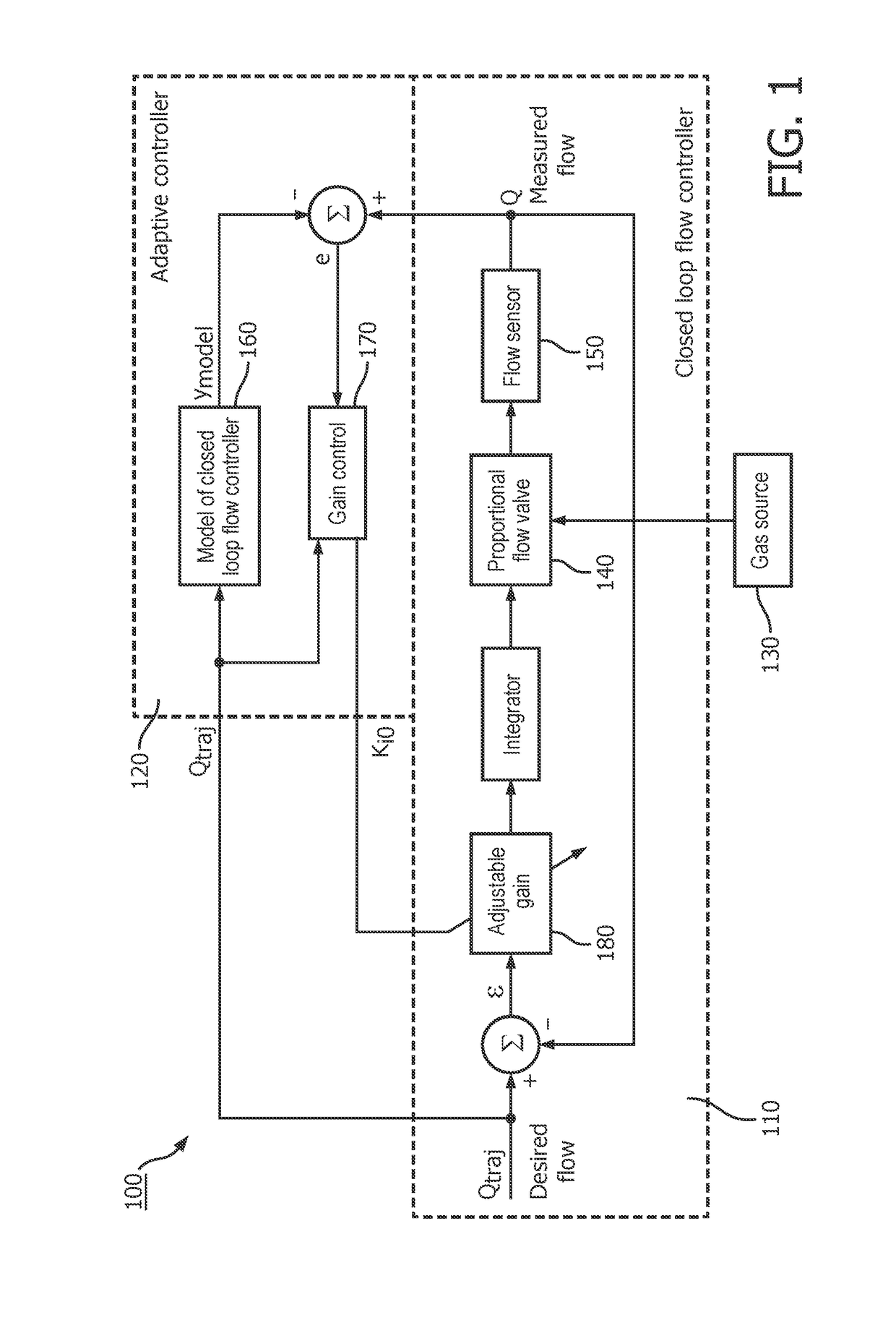
Methods and systems for controlling gas flow using a proportional flow valve
PatentActiveUS20180307254A1
Innovation
- A closed-loop dynamic response system that automatically adjusts gain without prior valve profile information, using a Model Reference Adaptive Control approach to minimize differences between the assumed and actual system dynamics, ensuring accurate tracking of input trajectories across all flow ranges.



Methods for managing flow control valves in process systems
PatentInactiveUS7606636B2
Innovation
- A non-linear dynamic model is used to determine the present valve dead band and flow coefficient in real-time, allowing for updates to the control algorithm and maintenance decisions, enabling real-time monitoring and adaptive management of valve conditions.


Industrial Safety Standards for Magnetic Valve Systems
Industrial safety standards for magnetic valve systems represent a critical framework governing the design, installation, operation, and maintenance of precision flow control equipment across various industrial sectors. These standards have evolved significantly over the past decades, driven by increasing demands for operational safety, environmental protection, and process reliability in industries ranging from chemical processing to pharmaceutical manufacturing.
The foundation of magnetic valve safety standards rests on several key international and regional regulatory frameworks. The International Electrotechnical Commission (IEC) provides fundamental guidelines through IEC 61508 for functional safety of electrical systems, while the American Society of Mechanical Engineers (ASME) establishes mechanical integrity requirements. In Europe, the Pressure Equipment Directive (PED) and ATEX directives govern explosive atmosphere applications, ensuring magnetic valve systems meet stringent safety criteria for hazardous environments.
Safety integrity levels (SIL) classification forms a cornerstone of magnetic valve system standards, particularly for precision flow applications where failure consequences can be severe. SIL ratings from SIL 1 to SIL 4 define the probability of failure on demand, with magnetic valve control systems typically required to achieve SIL 2 or SIL 3 certification for critical applications. This necessitates redundant control architectures, fail-safe positioning mechanisms, and comprehensive diagnostic capabilities within the valve control algorithms.
Environmental and operational safety standards address specific challenges inherent to magnetic valve systems. Temperature cycling standards ensure valve performance across extreme operating conditions, while electromagnetic compatibility (EMC) requirements prevent interference with other industrial control systems. Vibration and shock resistance standards, particularly relevant for mobile or high-vibration applications, ensure continued precision flow control under adverse mechanical conditions.
Cybersecurity standards have emerged as increasingly critical components of magnetic valve safety frameworks. With the integration of digital control algorithms and network connectivity, standards such as IEC 62443 address industrial automation security, requiring secure communication protocols, authentication mechanisms, and protection against cyber threats that could compromise valve control integrity and potentially create safety hazards in industrial processes.
The foundation of magnetic valve safety standards rests on several key international and regional regulatory frameworks. The International Electrotechnical Commission (IEC) provides fundamental guidelines through IEC 61508 for functional safety of electrical systems, while the American Society of Mechanical Engineers (ASME) establishes mechanical integrity requirements. In Europe, the Pressure Equipment Directive (PED) and ATEX directives govern explosive atmosphere applications, ensuring magnetic valve systems meet stringent safety criteria for hazardous environments.
Safety integrity levels (SIL) classification forms a cornerstone of magnetic valve system standards, particularly for precision flow applications where failure consequences can be severe. SIL ratings from SIL 1 to SIL 4 define the probability of failure on demand, with magnetic valve control systems typically required to achieve SIL 2 or SIL 3 certification for critical applications. This necessitates redundant control architectures, fail-safe positioning mechanisms, and comprehensive diagnostic capabilities within the valve control algorithms.
Environmental and operational safety standards address specific challenges inherent to magnetic valve systems. Temperature cycling standards ensure valve performance across extreme operating conditions, while electromagnetic compatibility (EMC) requirements prevent interference with other industrial control systems. Vibration and shock resistance standards, particularly relevant for mobile or high-vibration applications, ensure continued precision flow control under adverse mechanical conditions.
Cybersecurity standards have emerged as increasingly critical components of magnetic valve safety frameworks. With the integration of digital control algorithms and network connectivity, standards such as IEC 62443 address industrial automation security, requiring secure communication protocols, authentication mechanisms, and protection against cyber threats that could compromise valve control integrity and potentially create safety hazards in industrial processes.
Energy Efficiency Considerations in Magnetic Valve Design
Energy efficiency has become a paramount consideration in magnetic valve design as industrial systems increasingly prioritize sustainability and operational cost reduction. The electromagnetic actuation mechanism, which forms the core of magnetic valve operation, presents unique opportunities for energy optimization while maintaining precision flow control capabilities. Traditional solenoid-based designs often exhibit significant power consumption during both activation and holding phases, creating substantial energy overhead in continuous operation scenarios.
The primary energy consumption in magnetic valve systems occurs during the initial magnetization phase, where high current pulses are required to overcome magnetic reluctance and achieve rapid valve response. Advanced pulse-width modulation techniques have emerged as effective solutions, allowing designers to minimize holding current while maintaining adequate magnetic force for valve positioning. These approaches can reduce steady-state power consumption by up to 70% compared to conventional constant-current designs.
Magnetic circuit optimization represents another critical avenue for energy efficiency enhancement. By incorporating high-permeability materials and optimizing magnetic flux paths, designers can achieve the same actuation force with reduced electrical input. Rare earth permanent magnets integrated into the valve assembly can provide bias magnetization, significantly lowering the electrical energy required for valve state changes while improving response characteristics.
Smart control algorithms play an increasingly important role in energy management for magnetic valve systems. Adaptive current profiling techniques monitor valve position feedback and dynamically adjust electromagnetic field strength based on actual flow requirements rather than maintaining maximum actuation force continuously. These algorithms can implement predictive control strategies that anticipate flow demand changes, allowing the system to pre-position valves using minimal energy expenditure.
Thermal management considerations directly impact energy efficiency in magnetic valve designs. Excessive heat generation not only wastes energy but also degrades magnetic materials and reduces overall system reliability. Advanced thermal modeling and heat dissipation strategies, including optimized coil geometries and integrated cooling solutions, enable sustained high-performance operation while minimizing energy losses through thermal pathways.
Future energy efficiency improvements will likely focus on hybrid actuation systems that combine electromagnetic control with mechanical energy storage mechanisms, enabling ultra-low power operation during steady-state conditions while maintaining rapid response capabilities when precision flow adjustments are required.
The primary energy consumption in magnetic valve systems occurs during the initial magnetization phase, where high current pulses are required to overcome magnetic reluctance and achieve rapid valve response. Advanced pulse-width modulation techniques have emerged as effective solutions, allowing designers to minimize holding current while maintaining adequate magnetic force for valve positioning. These approaches can reduce steady-state power consumption by up to 70% compared to conventional constant-current designs.
Magnetic circuit optimization represents another critical avenue for energy efficiency enhancement. By incorporating high-permeability materials and optimizing magnetic flux paths, designers can achieve the same actuation force with reduced electrical input. Rare earth permanent magnets integrated into the valve assembly can provide bias magnetization, significantly lowering the electrical energy required for valve state changes while improving response characteristics.
Smart control algorithms play an increasingly important role in energy management for magnetic valve systems. Adaptive current profiling techniques monitor valve position feedback and dynamically adjust electromagnetic field strength based on actual flow requirements rather than maintaining maximum actuation force continuously. These algorithms can implement predictive control strategies that anticipate flow demand changes, allowing the system to pre-position valves using minimal energy expenditure.
Thermal management considerations directly impact energy efficiency in magnetic valve designs. Excessive heat generation not only wastes energy but also degrades magnetic materials and reduces overall system reliability. Advanced thermal modeling and heat dissipation strategies, including optimized coil geometries and integrated cooling solutions, enable sustained high-performance operation while minimizing energy losses through thermal pathways.
Future energy efficiency improvements will likely focus on hybrid actuation systems that combine electromagnetic control with mechanical energy storage mechanisms, enabling ultra-low power operation during steady-state conditions while maintaining rapid response capabilities when precision flow adjustments are required.
Unlock deeper insights with PatSnap Eureka Quick Research — get a full tech report to explore trends and direct your research. Try now!
Generate Your Research Report Instantly with AI Agent
Supercharge your innovation with PatSnap Eureka AI Agent Platform!