

Maximize Cost Efficiency with Stereolithography Innovations
FEB 28, 20269 MIN READ
Generate Your Research Report Instantly with AI Agent
PatSnap Eureka helps you evaluate technical feasibility & market potential.
SLA Technology Background and Cost Efficiency Goals
Stereolithography (SLA) technology emerged in the 1980s as the first commercially viable additive manufacturing process, fundamentally transforming how complex geometries could be produced. Developed by Chuck Hull in 1984, SLA utilizes photopolymerization to cure liquid resin layer by layer using ultraviolet light sources. This revolutionary approach enabled the creation of intricate parts with high dimensional accuracy and smooth surface finishes that were previously impossible or economically unfeasible through traditional manufacturing methods.
The evolution of SLA technology has been marked by significant milestones in both hardware and material innovations. Early systems relied on helium-cadmium lasers and limited resin formulations, resulting in high operational costs and restricted application scope. The transition to solid-state lasers, LED arrays, and digital light processing (DLP) systems has dramatically reduced energy consumption while improving processing speeds and reliability.
Contemporary SLA systems demonstrate remarkable versatility across industries including aerospace, automotive, medical devices, and consumer products. The technology's ability to produce functional prototypes, end-use parts, and complex assemblies with minimal material waste has positioned it as a critical manufacturing solution for both rapid prototyping and production applications.
Cost efficiency in SLA technology encompasses multiple dimensions including material utilization, processing time, post-processing requirements, and equipment lifecycle costs. Traditional manufacturing often involves significant material waste through subtractive processes, whereas SLA's additive nature theoretically minimizes waste generation. However, support structure requirements, uncured resin disposal, and post-processing steps can impact overall cost effectiveness.
The primary cost efficiency goals for modern SLA innovations focus on reducing per-part production costs through enhanced printing speeds, improved material properties, and streamlined workflows. Advanced resin formulations with faster curing times and reduced support requirements directly contribute to cost reduction. Additionally, developments in multi-material printing capabilities and larger build volumes enable batch production strategies that distribute fixed costs across multiple parts.
Energy efficiency represents another critical cost optimization target, with newer systems incorporating LED-based light engines that consume significantly less power than traditional laser systems. Automated post-processing solutions, including washing and curing stations, reduce labor costs while ensuring consistent part quality and mechanical properties.
The evolution of SLA technology has been marked by significant milestones in both hardware and material innovations. Early systems relied on helium-cadmium lasers and limited resin formulations, resulting in high operational costs and restricted application scope. The transition to solid-state lasers, LED arrays, and digital light processing (DLP) systems has dramatically reduced energy consumption while improving processing speeds and reliability.
Contemporary SLA systems demonstrate remarkable versatility across industries including aerospace, automotive, medical devices, and consumer products. The technology's ability to produce functional prototypes, end-use parts, and complex assemblies with minimal material waste has positioned it as a critical manufacturing solution for both rapid prototyping and production applications.
Cost efficiency in SLA technology encompasses multiple dimensions including material utilization, processing time, post-processing requirements, and equipment lifecycle costs. Traditional manufacturing often involves significant material waste through subtractive processes, whereas SLA's additive nature theoretically minimizes waste generation. However, support structure requirements, uncured resin disposal, and post-processing steps can impact overall cost effectiveness.
The primary cost efficiency goals for modern SLA innovations focus on reducing per-part production costs through enhanced printing speeds, improved material properties, and streamlined workflows. Advanced resin formulations with faster curing times and reduced support requirements directly contribute to cost reduction. Additionally, developments in multi-material printing capabilities and larger build volumes enable batch production strategies that distribute fixed costs across multiple parts.
Energy efficiency represents another critical cost optimization target, with newer systems incorporating LED-based light engines that consume significantly less power than traditional laser systems. Automated post-processing solutions, including washing and curing stations, reduce labor costs while ensuring consistent part quality and mechanical properties.
Market Demand for Cost-Effective SLA Solutions
The stereolithography market is experiencing unprecedented growth driven by increasing demand for cost-effective additive manufacturing solutions across multiple industries. Manufacturing sectors are actively seeking alternatives to traditional production methods that can deliver comparable quality while significantly reducing operational expenses. This shift reflects broader economic pressures and the need for more agile production capabilities in an increasingly competitive global marketplace.
Healthcare and dental industries represent particularly strong demand drivers for affordable SLA technologies. Medical device manufacturers require precise, biocompatible components at scale, while dental laboratories seek efficient solutions for producing custom prosthetics, aligners, and surgical guides. The ability to produce complex geometries without tooling costs makes SLA attractive, but current pricing structures often limit adoption among smaller practices and emerging market players.
Automotive and aerospace sectors are increasingly evaluating SLA for both prototyping and end-use part production. These industries demand high-precision components with excellent surface finish, but traditional SLA systems often present prohibitive total cost of ownership. The growing emphasis on lightweighting and design optimization in these sectors creates substantial opportunities for cost-effective SLA solutions that can compete with injection molding and CNC machining for low-to-medium volume production runs.
Consumer electronics manufacturers face intense pressure to accelerate product development cycles while controlling costs. SLA technology offers rapid iteration capabilities for complex housings, connectors, and functional prototypes, but widespread adoption requires significant reductions in material costs and processing time. The miniaturization trend in electronics creates additional demand for high-resolution, cost-effective printing solutions.
Educational institutions and small-to-medium enterprises represent an underserved market segment with substantial growth potential. These organizations recognize the value of SLA technology for research, product development, and educational applications but are constrained by budget limitations. Simplified, cost-optimized systems could unlock significant market expansion in these sectors.
The jewelry and fashion industries demonstrate growing interest in SLA for custom manufacturing and rapid prototyping. These markets prioritize design flexibility and quick turnaround times, making them natural candidates for cost-effective SLA solutions. However, current material costs and post-processing requirements often exceed acceptable thresholds for volume production.
Regional market dynamics reveal varying demand patterns, with emerging economies showing particular sensitivity to cost considerations. These markets present substantial long-term opportunities but require SLA solutions specifically optimized for cost efficiency rather than premium performance characteristics.
Healthcare and dental industries represent particularly strong demand drivers for affordable SLA technologies. Medical device manufacturers require precise, biocompatible components at scale, while dental laboratories seek efficient solutions for producing custom prosthetics, aligners, and surgical guides. The ability to produce complex geometries without tooling costs makes SLA attractive, but current pricing structures often limit adoption among smaller practices and emerging market players.
Automotive and aerospace sectors are increasingly evaluating SLA for both prototyping and end-use part production. These industries demand high-precision components with excellent surface finish, but traditional SLA systems often present prohibitive total cost of ownership. The growing emphasis on lightweighting and design optimization in these sectors creates substantial opportunities for cost-effective SLA solutions that can compete with injection molding and CNC machining for low-to-medium volume production runs.
Consumer electronics manufacturers face intense pressure to accelerate product development cycles while controlling costs. SLA technology offers rapid iteration capabilities for complex housings, connectors, and functional prototypes, but widespread adoption requires significant reductions in material costs and processing time. The miniaturization trend in electronics creates additional demand for high-resolution, cost-effective printing solutions.
Educational institutions and small-to-medium enterprises represent an underserved market segment with substantial growth potential. These organizations recognize the value of SLA technology for research, product development, and educational applications but are constrained by budget limitations. Simplified, cost-optimized systems could unlock significant market expansion in these sectors.
The jewelry and fashion industries demonstrate growing interest in SLA for custom manufacturing and rapid prototyping. These markets prioritize design flexibility and quick turnaround times, making them natural candidates for cost-effective SLA solutions. However, current material costs and post-processing requirements often exceed acceptable thresholds for volume production.
Regional market dynamics reveal varying demand patterns, with emerging economies showing particular sensitivity to cost considerations. These markets present substantial long-term opportunities but require SLA solutions specifically optimized for cost efficiency rather than premium performance characteristics.
Current SLA Cost Challenges and Technical Barriers
Stereolithography (SLA) technology faces significant cost barriers that limit its widespread adoption across manufacturing sectors. Material costs represent the most substantial challenge, with photopolymer resins typically costing 10-50 times more than traditional thermoplastics used in injection molding. High-performance resins for specialized applications such as biocompatible or high-temperature resistant materials can exceed $500 per kilogram, making large-scale production economically unfeasible for many applications.
Equipment acquisition and maintenance costs create additional financial burdens for manufacturers. Industrial-grade SLA systems require substantial capital investments ranging from $150,000 to over $1 million, while the precision optics and laser systems demand regular calibration and replacement. The specialized nature of these components results in limited supplier options and elevated maintenance expenses that can account for 15-20% of annual operating costs.
Post-processing requirements significantly impact overall production economics. SLA parts necessitate extensive cleaning with isopropyl alcohol or specialized solvents, followed by UV curing processes that consume additional time and energy. Support structure removal often requires skilled manual labor, increasing labor costs and introducing potential quality variations. These post-processing steps can double the total production time compared to the actual printing duration.
Technical barriers compound these cost challenges through reduced operational efficiency. Layer adhesion inconsistencies and resin curing variations lead to part failures that waste expensive materials and machine time. Current SLA systems struggle with limited build volumes relative to their footprint, resulting in poor space utilization and higher facility costs per unit produced.
Print speed limitations represent another critical technical constraint affecting cost efficiency. While SLA offers superior surface finish compared to other additive manufacturing technologies, typical layer curing times of 2-10 seconds per layer create bottlenecks in high-volume production scenarios. The sequential nature of layer-by-layer processing prevents the parallel production benefits achievable in traditional manufacturing methods.
Resin waste and shelf-life limitations further exacerbate cost inefficiencies. Uncured resin remaining in tanks after production runs often requires disposal due to contamination or degradation, while unopened resin containers have limited storage life, typically 6-12 months. These factors increase material costs and create inventory management challenges for manufacturers seeking to optimize their supply chains.
Equipment acquisition and maintenance costs create additional financial burdens for manufacturers. Industrial-grade SLA systems require substantial capital investments ranging from $150,000 to over $1 million, while the precision optics and laser systems demand regular calibration and replacement. The specialized nature of these components results in limited supplier options and elevated maintenance expenses that can account for 15-20% of annual operating costs.
Post-processing requirements significantly impact overall production economics. SLA parts necessitate extensive cleaning with isopropyl alcohol or specialized solvents, followed by UV curing processes that consume additional time and energy. Support structure removal often requires skilled manual labor, increasing labor costs and introducing potential quality variations. These post-processing steps can double the total production time compared to the actual printing duration.
Technical barriers compound these cost challenges through reduced operational efficiency. Layer adhesion inconsistencies and resin curing variations lead to part failures that waste expensive materials and machine time. Current SLA systems struggle with limited build volumes relative to their footprint, resulting in poor space utilization and higher facility costs per unit produced.
Print speed limitations represent another critical technical constraint affecting cost efficiency. While SLA offers superior surface finish compared to other additive manufacturing technologies, typical layer curing times of 2-10 seconds per layer create bottlenecks in high-volume production scenarios. The sequential nature of layer-by-layer processing prevents the parallel production benefits achievable in traditional manufacturing methods.
Resin waste and shelf-life limitations further exacerbate cost inefficiencies. Uncured resin remaining in tanks after production runs often requires disposal due to contamination or degradation, while unopened resin containers have limited storage life, typically 6-12 months. These factors increase material costs and create inventory management challenges for manufacturers seeking to optimize their supply chains.
Existing Cost Optimization Solutions in SLA Systems
01 Material optimization and resin formulation for cost reduction
Cost efficiency in stereolithography can be improved through the development and use of optimized photopolymer resins and material formulations. This includes creating resins with enhanced curing properties, reduced material waste, and improved mechanical properties that require less post-processing. Advanced resin compositions can reduce the overall material costs while maintaining or improving part quality, leading to more economical production processes.- Material optimization and resin formulation for cost reduction: Cost efficiency in stereolithography can be improved through the development and use of optimized photopolymer resins and material formulations. This includes creating resin compositions with enhanced curing properties, reduced material waste, and improved mechanical properties that allow for thinner wall sections and less material usage. Advanced resin formulations can also reduce post-processing requirements, thereby lowering overall production costs.
- Build platform and support structure optimization: Reducing costs through intelligent design and optimization of build platforms and support structures is a key approach. This includes automated generation of minimal support structures that are easy to remove, optimized part orientation to minimize support requirements, and efficient packing of multiple parts on a single build platform to maximize throughput. These methods reduce material consumption and post-processing labor costs.
- Process parameter optimization and printing speed enhancement: Improving cost efficiency through optimization of stereolithography process parameters such as laser power, scanning speed, layer thickness, and exposure patterns. Advanced control systems and algorithms can increase printing speed while maintaining quality, reduce energy consumption, and minimize failed prints. Faster build rates directly translate to lower per-part costs and higher equipment utilization.
- Multi-material and hybrid manufacturing approaches: Cost efficiency can be achieved through hybrid manufacturing systems that combine stereolithography with other processes or enable multi-material printing. This allows for selective use of expensive materials only where needed, integration of functional components during the build process, and reduction of assembly steps. Such approaches optimize material costs while expanding functional capabilities.
- Automated post-processing and quality control systems: Reducing labor costs and improving efficiency through automated post-processing solutions including automated support removal, cleaning, curing, and surface finishing systems. Integration of in-process monitoring and quality control systems reduces waste from defective parts and minimizes the need for manual inspection. These automation technologies significantly reduce the total cost per part by decreasing manual labor requirements and improving yield rates.
02 Build platform and support structure optimization
Enhancing cost efficiency through intelligent design and optimization of build platforms and support structures. This involves developing automated algorithms for minimal support generation, optimized part orientation on the build platform, and efficient packing strategies to maximize the number of parts produced per build cycle. Reducing support material usage and improving build density directly impacts the cost per part and overall production efficiency.Expand Specific Solutions03 Process control and automation systems
Implementation of advanced process control systems and automation technologies to improve stereolithography cost efficiency. This includes real-time monitoring systems, adaptive layer control, automated resin management, and intelligent process parameter adjustment. These systems reduce operator intervention, minimize errors, decrease material waste, and optimize build times, resulting in lower operational costs and improved throughput.Expand Specific Solutions04 Multi-material and hybrid manufacturing approaches
Cost efficiency improvements through multi-material stereolithography systems and hybrid manufacturing approaches that combine stereolithography with other additive or subtractive processes. These methods allow for selective use of expensive materials only where needed, integration of different material properties in a single build, and reduction of post-processing requirements. Such approaches optimize material usage and reduce overall production costs while expanding application possibilities.Expand Specific Solutions05 Post-processing and finishing optimization
Reducing overall stereolithography costs through optimized post-processing and finishing techniques. This includes automated cleaning systems, efficient curing methods, streamlined support removal processes, and integrated finishing operations. By minimizing manual labor, reducing processing time, and improving consistency in post-processing steps, the total cost per part can be significantly reduced while maintaining quality standards.Expand Specific Solutions
Key Players in SLA Equipment and Materials Industry
The stereolithography innovation landscape is experiencing rapid maturation as the industry transitions from early adoption to mainstream commercialization. The market demonstrates significant growth potential driven by diverse applications spanning dental, industrial manufacturing, and semiconductor sectors. Technology maturity varies considerably across key players, with established leaders like 3D Systems and Carbon demonstrating advanced commercial-grade solutions, while companies such as SprintRay and Orange Maker focus on specialized applications like dental 3D printing. Industrial giants including Siemens, ASML Netherlands, and Sony Group are integrating stereolithography into broader manufacturing ecosystems, indicating strong enterprise adoption. Research institutions like Cornell University, Osaka University, and RIKEN are advancing fundamental technologies, while material specialists such as BASF, Tokuyama, and FUJIFILM are developing next-generation photopolymers. The competitive landscape shows consolidation around cost-efficient solutions, with companies like Optomec and MicroJet Technology driving accessibility improvements, suggesting the industry is approaching technological standardization while maintaining innovation momentum.
3D Systems, Inc.
Technical Solution: 3D Systems has developed advanced stereolithography technologies focusing on cost efficiency through their Figure 4 platform, which utilizes continuous liquid interface production (CLIP) technology. Their approach combines high-speed printing with reduced material waste through optimized resin formulations and automated post-processing workflows. The company has implemented predictive maintenance algorithms and real-time monitoring systems to minimize downtime and reduce operational costs. Their modular printer designs allow for scalable production while maintaining consistent quality standards across different volume requirements.
Strengths: Industry pioneer with extensive patent portfolio and established market presence. Weaknesses: Higher initial equipment costs and dependency on proprietary materials limit cost flexibility.
Carbon, Inc.
Technical Solution: Carbon has revolutionized stereolithography cost efficiency through their Digital Light Synthesis (DLS) technology, which enables continuous printing without traditional layer-by-layer limitations. Their approach utilizes programmable liquid resins and oxygen-permeable windows to achieve faster print speeds while reducing material consumption by up to 40% compared to traditional SLA methods. The company's smart part nesting algorithms and automated support removal systems significantly reduce post-processing labor costs. Their cloud-based production management platform optimizes printer utilization and predicts maintenance needs to minimize operational expenses.
Strengths: Breakthrough continuous printing technology with superior speed and material efficiency. Weaknesses: Limited material selection and high licensing costs for technology access.
Core Innovations in SLA Cost Efficiency Technologies
Rapid prototyping and manufacturing system and method
PatentInactiveUS20070075461A1
Innovation
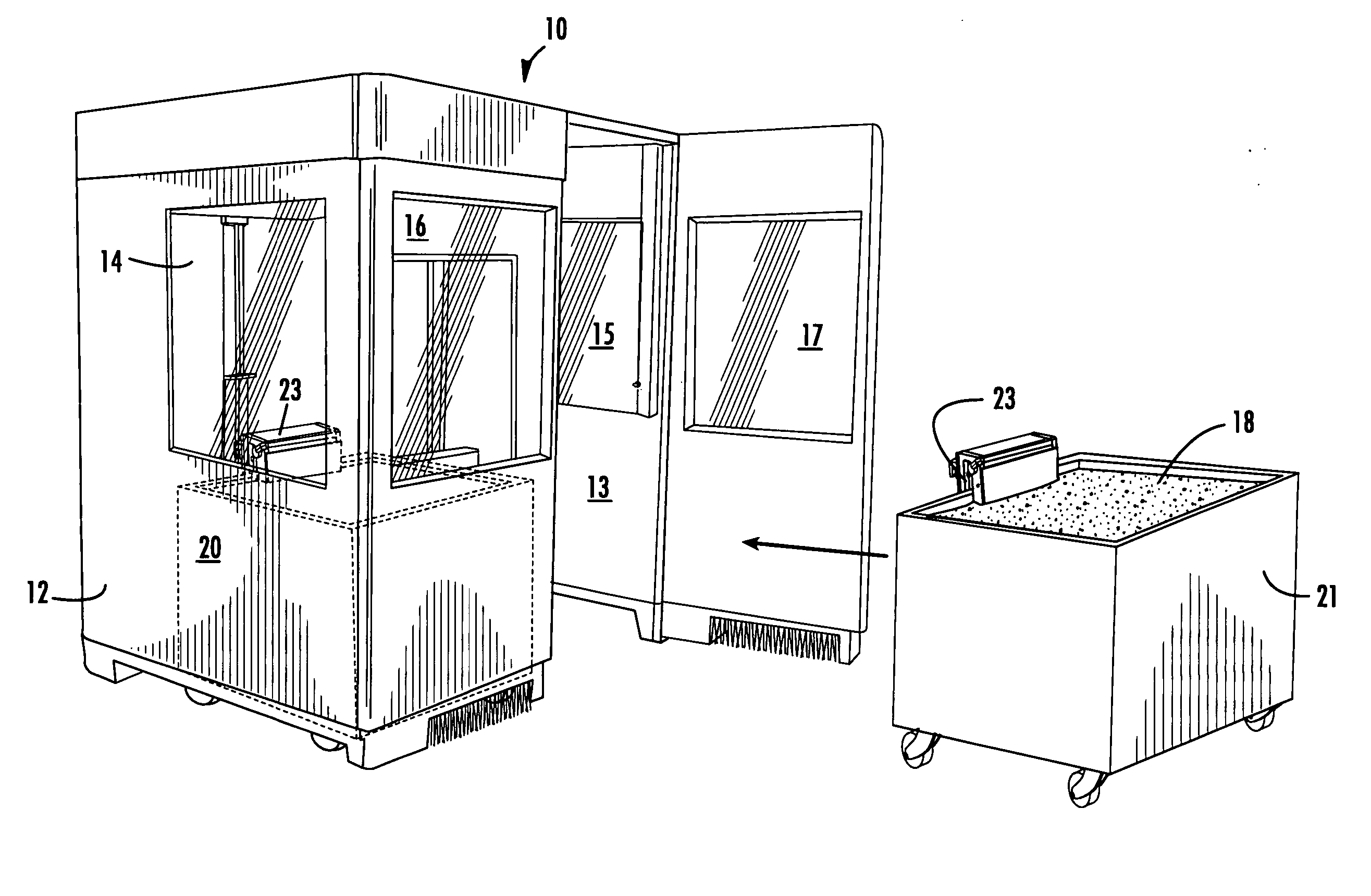
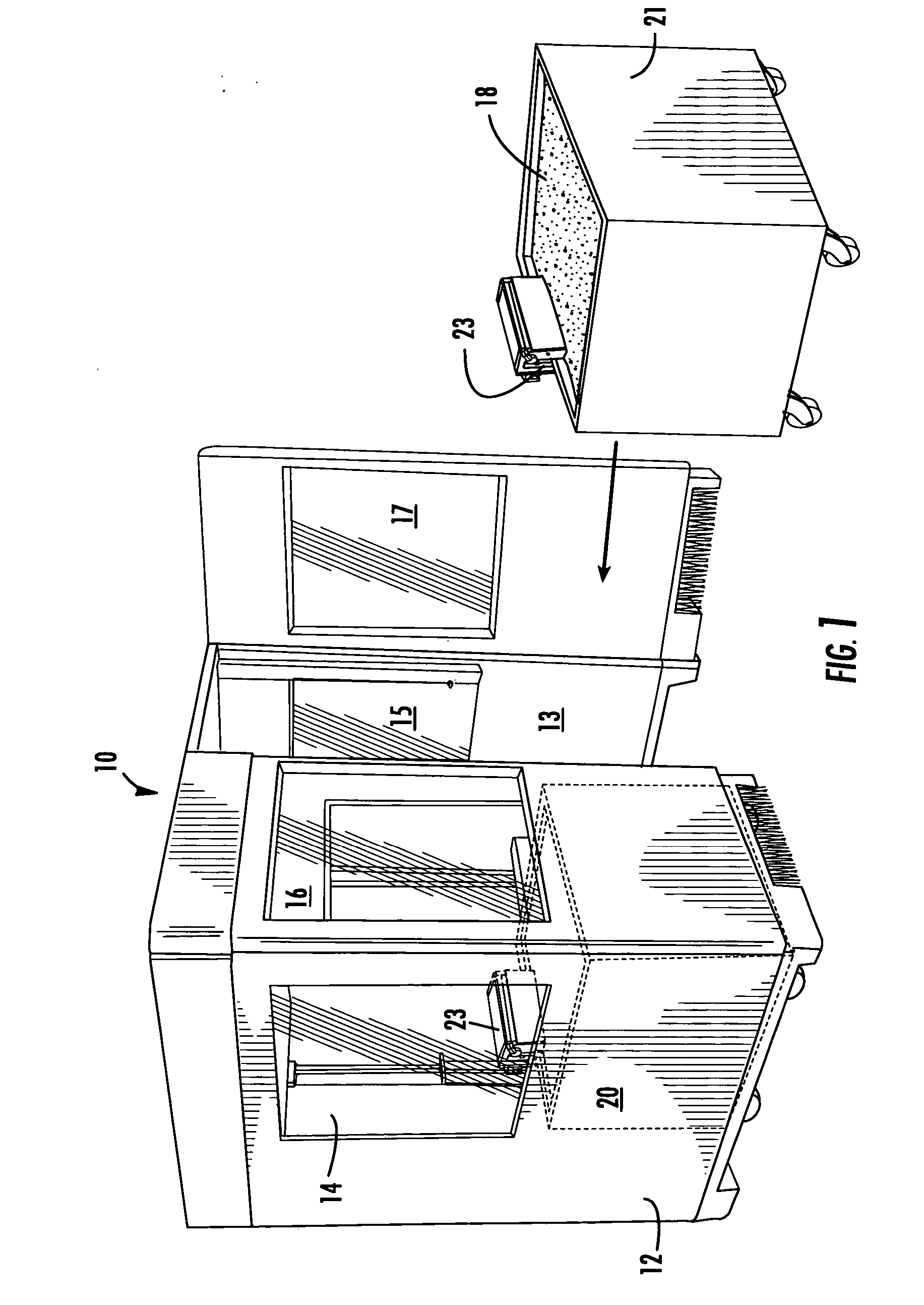
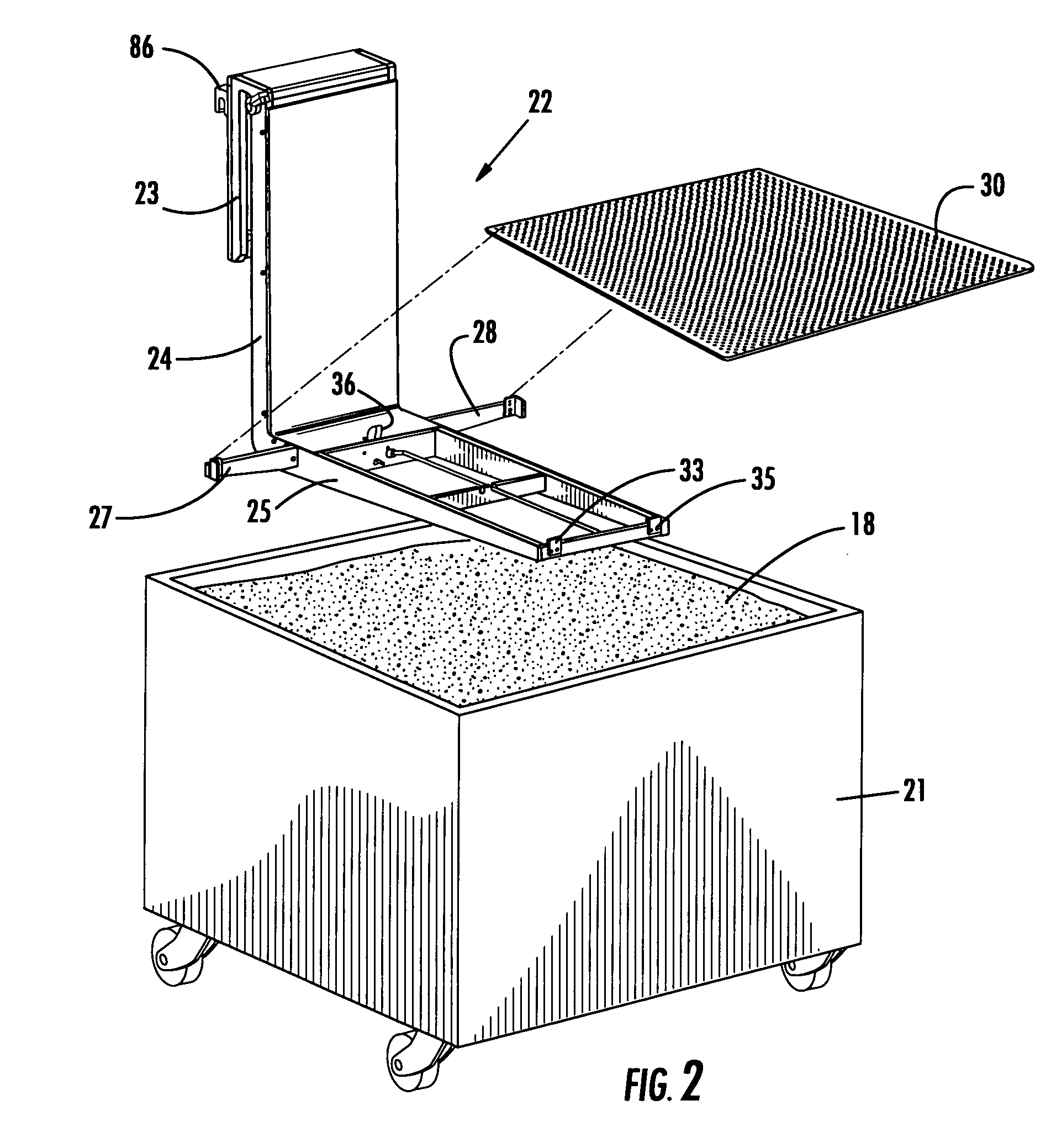
- The system enables unattended building of three-dimensional objects by automating the process of removing completed builds, installing fresh resin vats, and adjusting resin levels, using a cart and recoater assembly controlled by computer, allowing for simultaneous builds in multiple chambers with a single energy source.

Optical formation device and method
PatentWO1999024241A1
Innovation
- A compact and inexpensive stereolithography apparatus utilizing a solid-state light source, such as LEDs, with multiple light spot generators and a control system that allows for efficient exposure of photocurable resin by generating light spots larger than individual pixels, enabling multiple exposure and reducing the need for large and expensive gas lasers.


Material Supply Chain and Cost Structure Analysis
The stereolithography material supply chain exhibits a complex multi-tier structure dominated by specialized chemical manufacturers and resin suppliers. Raw materials including photoinitiators, oligomers, and monomers are primarily sourced from major chemical companies such as BASF, Arkema, and DSM, creating a concentrated supplier base that influences pricing dynamics across the entire ecosystem.
Material costs represent approximately 60-70% of total stereolithography production expenses, with photopolymer resins commanding premium prices due to specialized formulations and quality requirements. Standard resins typically range from $150-300 per kilogram, while specialized materials for dental, jewelry, or industrial applications can exceed $500 per kilogram, reflecting the value-added processing and certification requirements.
Supply chain vulnerabilities emerge from geographic concentration of key suppliers, particularly in Europe and Asia, creating potential disruption risks and currency fluctuation impacts. The limited number of qualified suppliers for high-performance resins results in reduced negotiating power for end users and maintains elevated material costs compared to traditional manufacturing materials.
Inventory management presents unique challenges due to material shelf life limitations and storage requirements. Most photopolymer resins have 6-12 month shelf lives under controlled conditions, necessitating careful demand forecasting and inventory turnover optimization to minimize waste and obsolescence costs.
Distribution networks typically involve multiple intermediaries, including regional distributors and equipment manufacturers, each adding margin layers that compound end-user costs. Direct supplier relationships and bulk purchasing agreements represent primary cost reduction opportunities, though minimum order quantities often challenge smaller operations.
Emerging cost optimization strategies include material recycling technologies, alternative feedstock development, and vertical integration initiatives by major equipment manufacturers. These approaches aim to reduce dependency on traditional supply chains while improving cost predictability and material availability for stereolithography operations.
Material costs represent approximately 60-70% of total stereolithography production expenses, with photopolymer resins commanding premium prices due to specialized formulations and quality requirements. Standard resins typically range from $150-300 per kilogram, while specialized materials for dental, jewelry, or industrial applications can exceed $500 per kilogram, reflecting the value-added processing and certification requirements.
Supply chain vulnerabilities emerge from geographic concentration of key suppliers, particularly in Europe and Asia, creating potential disruption risks and currency fluctuation impacts. The limited number of qualified suppliers for high-performance resins results in reduced negotiating power for end users and maintains elevated material costs compared to traditional manufacturing materials.
Inventory management presents unique challenges due to material shelf life limitations and storage requirements. Most photopolymer resins have 6-12 month shelf lives under controlled conditions, necessitating careful demand forecasting and inventory turnover optimization to minimize waste and obsolescence costs.
Distribution networks typically involve multiple intermediaries, including regional distributors and equipment manufacturers, each adding margin layers that compound end-user costs. Direct supplier relationships and bulk purchasing agreements represent primary cost reduction opportunities, though minimum order quantities often challenge smaller operations.
Emerging cost optimization strategies include material recycling technologies, alternative feedstock development, and vertical integration initiatives by major equipment manufacturers. These approaches aim to reduce dependency on traditional supply chains while improving cost predictability and material availability for stereolithography operations.
Environmental Impact and Sustainability in SLA Manufacturing
The environmental implications of stereolithography manufacturing have become increasingly critical as the technology scales from prototyping to production applications. Traditional SLA processes generate significant environmental concerns through resin waste, energy consumption, and chemical disposal requirements. Uncured photopolymer resins contain toxic compounds that require specialized handling and disposal protocols, creating substantial environmental burdens for manufacturing facilities.
Energy consumption represents another major sustainability challenge in SLA manufacturing. High-powered UV light sources and precision heating systems demand continuous energy input throughout the printing process. Additionally, post-processing requirements including washing, curing, and support removal contribute to the overall environmental footprint through solvent usage and extended processing times.
Recent innovations in bio-based and recyclable photopolymer formulations are addressing material sustainability concerns. Plant-derived resins and biodegradable polymer alternatives are emerging as viable options for specific applications, though performance trade-offs remain significant. These sustainable materials typically exhibit reduced mechanical properties and limited chemical resistance compared to conventional petroleum-based formulations.
Closed-loop manufacturing systems are gaining traction as effective sustainability solutions. Advanced resin recovery and recycling technologies enable manufacturers to reclaim and reprocess uncured materials, reducing waste generation by up to 60%. Automated cleaning systems utilizing recyclable solvents further minimize environmental impact while maintaining production efficiency.
Carbon footprint reduction strategies focus on optimizing print parameters and implementing energy-efficient hardware designs. Variable laser power control and adaptive exposure algorithms reduce energy consumption without compromising print quality. Integration of renewable energy sources and heat recovery systems in manufacturing facilities demonstrates measurable improvements in overall sustainability metrics.
Regulatory compliance frameworks are evolving to address environmental concerns in additive manufacturing. New standards for chemical handling, waste management, and emissions control are driving industry adoption of cleaner production technologies. These regulations create both challenges and opportunities for manufacturers seeking to balance cost efficiency with environmental responsibility.
The development of water-soluble support materials and eco-friendly post-processing solutions represents significant progress toward sustainable SLA manufacturing. These innovations eliminate the need for harsh chemical solvents while maintaining the precision and surface quality requirements of high-value applications.
Energy consumption represents another major sustainability challenge in SLA manufacturing. High-powered UV light sources and precision heating systems demand continuous energy input throughout the printing process. Additionally, post-processing requirements including washing, curing, and support removal contribute to the overall environmental footprint through solvent usage and extended processing times.
Recent innovations in bio-based and recyclable photopolymer formulations are addressing material sustainability concerns. Plant-derived resins and biodegradable polymer alternatives are emerging as viable options for specific applications, though performance trade-offs remain significant. These sustainable materials typically exhibit reduced mechanical properties and limited chemical resistance compared to conventional petroleum-based formulations.
Closed-loop manufacturing systems are gaining traction as effective sustainability solutions. Advanced resin recovery and recycling technologies enable manufacturers to reclaim and reprocess uncured materials, reducing waste generation by up to 60%. Automated cleaning systems utilizing recyclable solvents further minimize environmental impact while maintaining production efficiency.
Carbon footprint reduction strategies focus on optimizing print parameters and implementing energy-efficient hardware designs. Variable laser power control and adaptive exposure algorithms reduce energy consumption without compromising print quality. Integration of renewable energy sources and heat recovery systems in manufacturing facilities demonstrates measurable improvements in overall sustainability metrics.
Regulatory compliance frameworks are evolving to address environmental concerns in additive manufacturing. New standards for chemical handling, waste management, and emissions control are driving industry adoption of cleaner production technologies. These regulations create both challenges and opportunities for manufacturers seeking to balance cost efficiency with environmental responsibility.
The development of water-soluble support materials and eco-friendly post-processing solutions represents significant progress toward sustainable SLA manufacturing. These innovations eliminate the need for harsh chemical solvents while maintaining the precision and surface quality requirements of high-value applications.
Unlock deeper insights with PatSnap Eureka Quick Research — get a full tech report to explore trends and direct your research. Try now!
Generate Your Research Report Instantly with AI Agent
Supercharge your innovation with PatSnap Eureka AI Agent Platform!