

Maximize Signal Detection in Telemetry Systems
APR 3, 20269 MIN READ
Generate Your Research Report Instantly with AI Agent
PatSnap Eureka helps you evaluate technical feasibility & market potential.
Telemetry Signal Detection Background and Objectives
Telemetry systems have evolved significantly since their inception in the early 20th century, initially developed for military applications during World War II to monitor rocket and missile performance. The fundamental concept of remotely measuring and transmitting data has expanded from simple analog radio transmissions to sophisticated digital communication networks capable of handling vast amounts of real-time information across multiple channels and frequencies.
The evolution of telemetry signal detection has been driven by the increasing complexity of monitored systems and the growing demand for higher data fidelity. Early telemetry systems relied on basic amplitude and frequency modulation techniques, which were susceptible to interference and signal degradation. The transition to digital modulation schemes, including phase-shift keying and quadrature amplitude modulation, has dramatically improved signal integrity and detection capabilities.
Modern telemetry applications span diverse sectors including aerospace, automotive, healthcare, industrial automation, and environmental monitoring. Each domain presents unique challenges in signal detection, from the extreme conditions of space missions requiring ultra-reliable communication links to the high-speed data acquisition needs of Formula 1 racing telemetry systems that must capture millisecond-precision vehicle dynamics.
The primary objective of maximizing signal detection in telemetry systems centers on achieving optimal signal-to-noise ratio performance while maintaining real-time processing capabilities. This involves developing advanced algorithms that can distinguish legitimate telemetry signals from background noise, interference, and multipath effects that commonly plague wireless communication channels.
Contemporary research focuses on implementing adaptive filtering techniques, machine learning-based signal classification, and cognitive radio approaches that can dynamically adjust detection parameters based on changing environmental conditions. The integration of multiple-input multiple-output antenna systems and diversity reception methods represents another critical advancement in enhancing detection reliability.
The ultimate goal encompasses not only improving detection sensitivity and reducing false alarm rates but also enabling robust operation across varying channel conditions, extended transmission ranges, and increased data throughput requirements. These objectives directly support mission-critical applications where signal loss or misinterpretation could result in catastrophic consequences, making the advancement of telemetry signal detection technologies a paramount engineering priority.
The evolution of telemetry signal detection has been driven by the increasing complexity of monitored systems and the growing demand for higher data fidelity. Early telemetry systems relied on basic amplitude and frequency modulation techniques, which were susceptible to interference and signal degradation. The transition to digital modulation schemes, including phase-shift keying and quadrature amplitude modulation, has dramatically improved signal integrity and detection capabilities.
Modern telemetry applications span diverse sectors including aerospace, automotive, healthcare, industrial automation, and environmental monitoring. Each domain presents unique challenges in signal detection, from the extreme conditions of space missions requiring ultra-reliable communication links to the high-speed data acquisition needs of Formula 1 racing telemetry systems that must capture millisecond-precision vehicle dynamics.
The primary objective of maximizing signal detection in telemetry systems centers on achieving optimal signal-to-noise ratio performance while maintaining real-time processing capabilities. This involves developing advanced algorithms that can distinguish legitimate telemetry signals from background noise, interference, and multipath effects that commonly plague wireless communication channels.
Contemporary research focuses on implementing adaptive filtering techniques, machine learning-based signal classification, and cognitive radio approaches that can dynamically adjust detection parameters based on changing environmental conditions. The integration of multiple-input multiple-output antenna systems and diversity reception methods represents another critical advancement in enhancing detection reliability.
The ultimate goal encompasses not only improving detection sensitivity and reducing false alarm rates but also enabling robust operation across varying channel conditions, extended transmission ranges, and increased data throughput requirements. These objectives directly support mission-critical applications where signal loss or misinterpretation could result in catastrophic consequences, making the advancement of telemetry signal detection technologies a paramount engineering priority.
Market Demand for Enhanced Telemetry Performance
The global telemetry systems market is experiencing unprecedented growth driven by the exponential expansion of connected devices and the increasing complexity of modern infrastructure. Industries ranging from aerospace and defense to healthcare and industrial automation are demanding more sophisticated signal detection capabilities to ensure reliable data transmission and system monitoring. This surge in demand stems from the critical need for real-time monitoring and control in mission-critical applications where signal loss or degradation can result in catastrophic failures or significant financial losses.
Aerospace and defense sectors represent the largest market segment for enhanced telemetry performance, where satellite communications, unmanned aerial vehicles, and missile guidance systems require maximum signal detection reliability. The growing deployment of satellite constellations for global internet coverage and Earth observation has created substantial demand for advanced telemetry solutions capable of operating in challenging electromagnetic environments with minimal signal degradation.
The industrial Internet of Things revolution has significantly amplified market demand for robust telemetry systems. Manufacturing facilities, oil and gas operations, and smart grid infrastructure increasingly rely on wireless sensor networks that must maintain consistent communication despite interference from industrial equipment and harsh environmental conditions. Enhanced signal detection capabilities directly translate to improved operational efficiency and reduced maintenance costs in these applications.
Healthcare sector adoption of remote patient monitoring and telemedicine has created new market opportunities for telemetry systems with superior signal detection performance. Medical devices require ultra-reliable communication links to ensure patient safety, driving demand for advanced signal processing techniques that can maintain connectivity in hospital environments with significant electromagnetic interference from medical equipment.
The automotive industry's transition toward connected and autonomous vehicles has emerged as a rapidly growing market segment. Vehicle-to-everything communication systems demand robust telemetry performance to ensure safety-critical information exchange between vehicles, infrastructure, and cloud services. Enhanced signal detection capabilities are essential for maintaining reliable communication links in dynamic urban environments with high levels of radio frequency interference.
Market research indicates strong growth potential across all application sectors, with particular emphasis on solutions that can adapt to changing signal conditions and provide predictive maintenance capabilities. The increasing integration of artificial intelligence and machine learning technologies into telemetry systems is creating new market opportunities for intelligent signal detection solutions that can optimize performance in real-time based on environmental conditions and system requirements.
Aerospace and defense sectors represent the largest market segment for enhanced telemetry performance, where satellite communications, unmanned aerial vehicles, and missile guidance systems require maximum signal detection reliability. The growing deployment of satellite constellations for global internet coverage and Earth observation has created substantial demand for advanced telemetry solutions capable of operating in challenging electromagnetic environments with minimal signal degradation.
The industrial Internet of Things revolution has significantly amplified market demand for robust telemetry systems. Manufacturing facilities, oil and gas operations, and smart grid infrastructure increasingly rely on wireless sensor networks that must maintain consistent communication despite interference from industrial equipment and harsh environmental conditions. Enhanced signal detection capabilities directly translate to improved operational efficiency and reduced maintenance costs in these applications.
Healthcare sector adoption of remote patient monitoring and telemedicine has created new market opportunities for telemetry systems with superior signal detection performance. Medical devices require ultra-reliable communication links to ensure patient safety, driving demand for advanced signal processing techniques that can maintain connectivity in hospital environments with significant electromagnetic interference from medical equipment.
The automotive industry's transition toward connected and autonomous vehicles has emerged as a rapidly growing market segment. Vehicle-to-everything communication systems demand robust telemetry performance to ensure safety-critical information exchange between vehicles, infrastructure, and cloud services. Enhanced signal detection capabilities are essential for maintaining reliable communication links in dynamic urban environments with high levels of radio frequency interference.
Market research indicates strong growth potential across all application sectors, with particular emphasis on solutions that can adapt to changing signal conditions and provide predictive maintenance capabilities. The increasing integration of artificial intelligence and machine learning technologies into telemetry systems is creating new market opportunities for intelligent signal detection solutions that can optimize performance in real-time based on environmental conditions and system requirements.
Current Telemetry Signal Detection Challenges
Telemetry systems face significant challenges in signal detection due to the inherently harsh operating environments and stringent performance requirements. The primary obstacle stems from low signal-to-noise ratio (SNR) conditions, where telemetry signals must traverse vast distances through atmospheric interference, electromagnetic noise, and multipath propagation effects. These factors collectively degrade signal quality and make reliable detection increasingly difficult.
Interference from multiple sources presents another critical challenge. Modern telemetry systems operate in increasingly congested electromagnetic spectrum environments, where signals must compete with radar systems, communication networks, and other telemetry transmissions. Adjacent channel interference and co-channel interference significantly impact detection performance, particularly in dense operational areas such as test ranges and urban environments.
Dynamic channel conditions pose substantial difficulties for consistent signal detection. Telemetry platforms, whether airborne, maritime, or space-based, experience rapidly changing propagation conditions due to platform movement, atmospheric variations, and Doppler effects. These dynamic conditions require adaptive detection algorithms capable of maintaining performance across varying channel characteristics.
Hardware limitations constrain detection capabilities in several ways. Analog-to-digital converter resolution, receiver sensitivity, and processing power limitations directly impact the ability to detect weak signals. Thermal noise from electronic components further degrades system performance, particularly in high-temperature operational environments common in aerospace applications.
Real-time processing requirements create additional constraints on detection algorithms. Telemetry systems must process incoming signals with minimal latency to support mission-critical applications. This requirement limits the complexity of detection algorithms that can be implemented, often forcing trade-offs between detection performance and processing speed.
Frequency uncertainty and timing synchronization issues compound detection difficulties. Oscillator drift, platform dynamics, and propagation delays introduce frequency and timing uncertainties that must be accommodated by detection systems. These uncertainties require robust acquisition and tracking algorithms that can maintain lock under challenging conditions.
Finally, the need for reliable detection across diverse modulation schemes and data rates presents ongoing challenges. Modern telemetry systems must support legacy and emerging modulation formats while maintaining consistent detection performance across varying signal characteristics and operational requirements.
Interference from multiple sources presents another critical challenge. Modern telemetry systems operate in increasingly congested electromagnetic spectrum environments, where signals must compete with radar systems, communication networks, and other telemetry transmissions. Adjacent channel interference and co-channel interference significantly impact detection performance, particularly in dense operational areas such as test ranges and urban environments.
Dynamic channel conditions pose substantial difficulties for consistent signal detection. Telemetry platforms, whether airborne, maritime, or space-based, experience rapidly changing propagation conditions due to platform movement, atmospheric variations, and Doppler effects. These dynamic conditions require adaptive detection algorithms capable of maintaining performance across varying channel characteristics.
Hardware limitations constrain detection capabilities in several ways. Analog-to-digital converter resolution, receiver sensitivity, and processing power limitations directly impact the ability to detect weak signals. Thermal noise from electronic components further degrades system performance, particularly in high-temperature operational environments common in aerospace applications.
Real-time processing requirements create additional constraints on detection algorithms. Telemetry systems must process incoming signals with minimal latency to support mission-critical applications. This requirement limits the complexity of detection algorithms that can be implemented, often forcing trade-offs between detection performance and processing speed.
Frequency uncertainty and timing synchronization issues compound detection difficulties. Oscillator drift, platform dynamics, and propagation delays introduce frequency and timing uncertainties that must be accommodated by detection systems. These uncertainties require robust acquisition and tracking algorithms that can maintain lock under challenging conditions.
Finally, the need for reliable detection across diverse modulation schemes and data rates presents ongoing challenges. Modern telemetry systems must support legacy and emerging modulation formats while maintaining consistent detection performance across varying signal characteristics and operational requirements.
Current Signal Maximization Solutions
01 Signal processing and detection methods in telemetry systems
Various signal processing techniques are employed in telemetry systems to detect and extract meaningful data from transmitted signals. These methods include digital signal processing algorithms, filtering techniques, and pattern recognition approaches that enhance the ability to identify and decode telemetry signals in the presence of noise and interference. Advanced processing methods enable real-time analysis and interpretation of telemetry data across different communication channels.- Signal processing and detection algorithms for telemetry systems: Advanced signal processing techniques and detection algorithms are employed in telemetry systems to identify and extract meaningful data from transmitted signals. These methods include digital signal processing, filtering techniques, and pattern recognition algorithms that enhance the ability to detect weak signals in noisy environments. The algorithms can adapt to varying signal conditions and improve the accuracy of data reception in real-time telemetry applications.
- Wireless communication protocols for telemetry signal transmission: Telemetry systems utilize various wireless communication protocols to transmit signals between remote sensors and receiving stations. These protocols are designed to optimize data transmission efficiency, minimize power consumption, and ensure reliable signal detection across different frequency bands. The implementation includes modulation schemes and error correction techniques that maintain signal integrity during transmission.
- Implantable medical device telemetry signal detection: Specialized telemetry systems are designed for detecting signals from implantable medical devices, enabling remote monitoring of patient health parameters. These systems incorporate biocompatible signal transmission methods and sensitive detection mechanisms that can identify low-power signals transmitted through body tissues. The technology ensures secure and reliable communication between implanted devices and external monitoring equipment.
- Multi-channel telemetry signal detection and processing: Multi-channel telemetry systems enable simultaneous detection and processing of signals from multiple sources or sensors. These systems employ multiplexing techniques and parallel processing architectures to handle large volumes of telemetry data efficiently. The technology allows for real-time monitoring of multiple parameters and improves overall system throughput and reliability.
- Noise reduction and interference mitigation in telemetry signal detection: Techniques for reducing noise and mitigating interference are critical for improving telemetry signal detection performance. These methods include adaptive filtering, spread spectrum techniques, and frequency hopping strategies that minimize the impact of environmental noise and electromagnetic interference. The implementation enhances signal-to-noise ratio and ensures accurate data recovery in challenging operational environments.
02 Wireless telemetry signal detection and reception
Wireless telemetry systems utilize specialized receivers and antennas to detect signals transmitted from remote sensors and devices. These systems incorporate radio frequency detection circuits, signal amplification stages, and demodulation techniques to capture and process wireless telemetry data. The detection mechanisms are designed to operate across various frequency bands and handle multiple simultaneous signal sources while maintaining signal integrity and minimizing data loss.Expand Specific Solutions03 Implantable medical device telemetry detection
Telemetry systems for implantable medical devices employ specialized detection methods to communicate physiological data and device status information. These systems use low-power signal transmission and detection techniques optimized for biomedical applications, including inductive coupling and radio frequency communication. The detection circuitry is designed to operate reliably within the constraints of implantable devices while ensuring secure and accurate data transmission between the implant and external monitoring equipment.Expand Specific Solutions04 Multi-channel and multiplexed telemetry signal detection
Advanced telemetry systems implement multi-channel detection capabilities to simultaneously monitor multiple signal sources or parameters. These systems utilize multiplexing techniques, including time-division and frequency-division methods, to efficiently detect and separate multiple telemetry signals. The detection architecture incorporates channel selection mechanisms, synchronization circuits, and parallel processing capabilities to handle high-density telemetry data streams from distributed sensor networks.Expand Specific Solutions05 Noise reduction and signal enhancement in telemetry detection
Telemetry signal detection systems incorporate various noise reduction and signal enhancement techniques to improve detection reliability and accuracy. These include adaptive filtering, error correction coding, and signal-to-noise ratio optimization methods. The systems employ threshold detection algorithms, correlation techniques, and statistical analysis to distinguish valid telemetry signals from background noise and interference, ensuring robust performance in challenging electromagnetic environments.Expand Specific Solutions
Key Players in Telemetry and Signal Processing
The telemetry signal detection market represents a mature yet rapidly evolving sector driven by increasing demand for real-time data transmission across aerospace, automotive, and IoT applications. The industry has reached technological maturity with established players like Samsung Electronics, Huawei Technologies, and Qualcomm leading semiconductor innovations, while NTT Docomo and NEC Corp advance network infrastructure capabilities. Research institutions including Georgia Tech Research Corp., Tsinghua University, and University of Bristol contribute fundamental breakthroughs in signal processing algorithms. The competitive landscape spans from hardware manufacturers like Realtek Semiconductor and Xilinx providing specialized chips, to system integrators such as Aviat U.S. and Shanghai Aerospace Electronic delivering end-to-end solutions. Market growth is fueled by 5G deployment, satellite communications expansion, and autonomous vehicle development, with technology maturity enabling cost-effective, high-performance solutions across diverse applications.
Samsung Electronics Co., Ltd.
Technical Solution: Samsung's telemetry signal detection approach leverages their advanced semiconductor technology combined with AI-enhanced signal processing algorithms. Their solutions incorporate multi-band RF front-end modules with integrated low-noise amplifiers that can detect signals as low as -140 dBm. The company's telemetry systems utilize adaptive modulation and coding schemes along with advanced error correction techniques to maintain signal integrity. Samsung's approach includes real-time spectrum analysis capabilities and dynamic frequency selection to avoid interference, particularly effective in dense electromagnetic environments. Their solutions are optimized for IoT and satellite communication applications where maximizing detection sensitivity is crucial.
Strengths: Strong semiconductor manufacturing capabilities, comprehensive RF expertise. Weaknesses: Limited focus on specialized telemetry markets, complex integration requirements.
Huawei Technologies Co., Ltd.
Technical Solution: Huawei's signal detection technology for telemetry systems incorporates massive MIMO antenna arrays and advanced digital signal processing algorithms to achieve superior detection performance. Their solutions utilize machine learning-based adaptive filtering that can improve signal detection rates by up to 35% in noisy environments. The company's telemetry platforms feature multi-layer interference cancellation and sophisticated channel estimation techniques. Huawei's approach includes cloud-edge collaborative processing where initial signal detection occurs at edge devices while complex analysis is performed in cloud infrastructure, enabling real-time optimization of detection parameters across distributed telemetry networks.
Strengths: Advanced 5G technology integration, strong R&D capabilities in signal processing. Weaknesses: Geopolitical restrictions limiting market access, dependency on proprietary ecosystems.
Core Signal Enhancement Patents and Innovations
Systems and methods for multistage signal detection in mimo transmissions and iterative detection of precoded OFDM
PatentInactiveUS7216267B2
Innovation
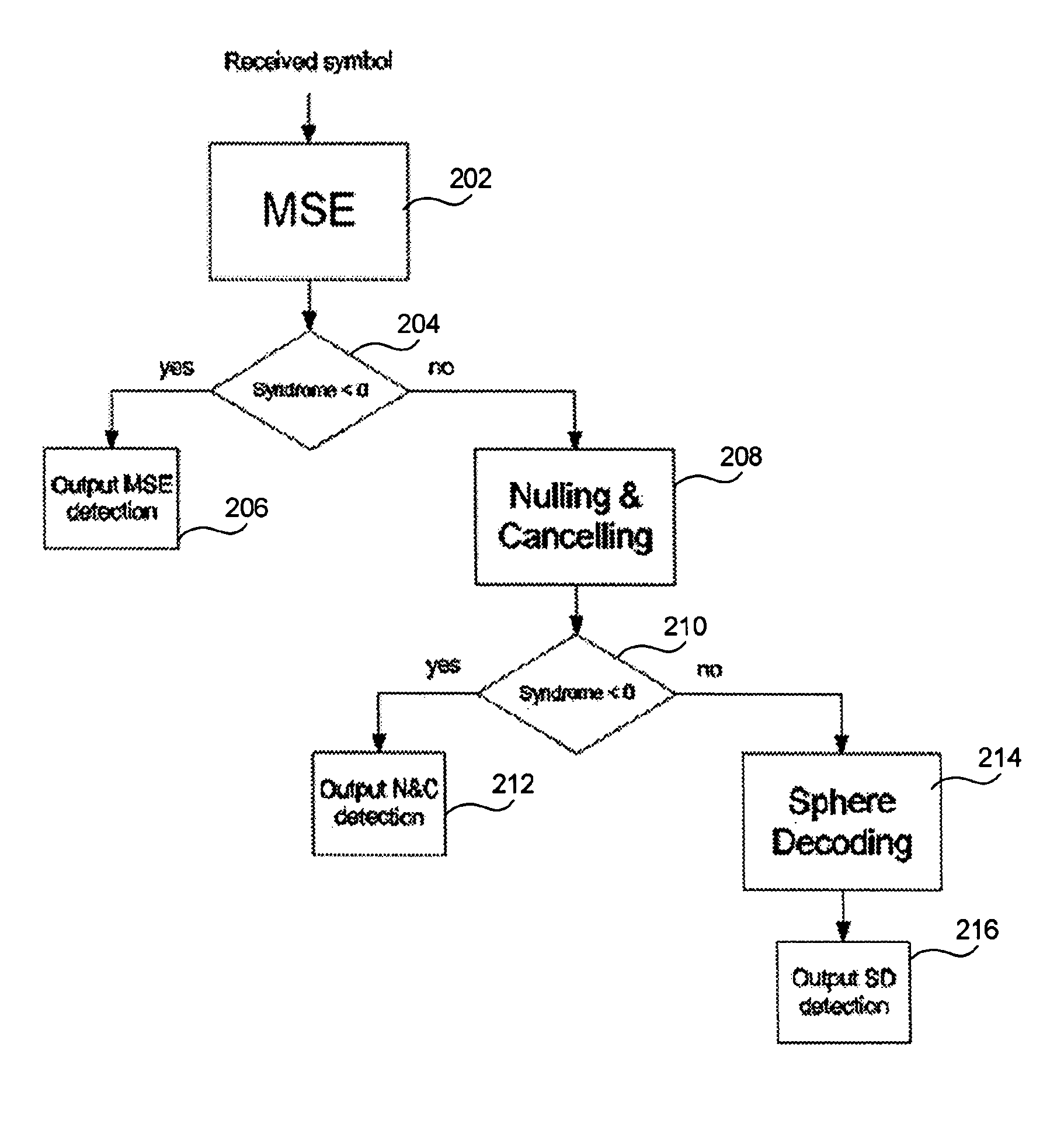
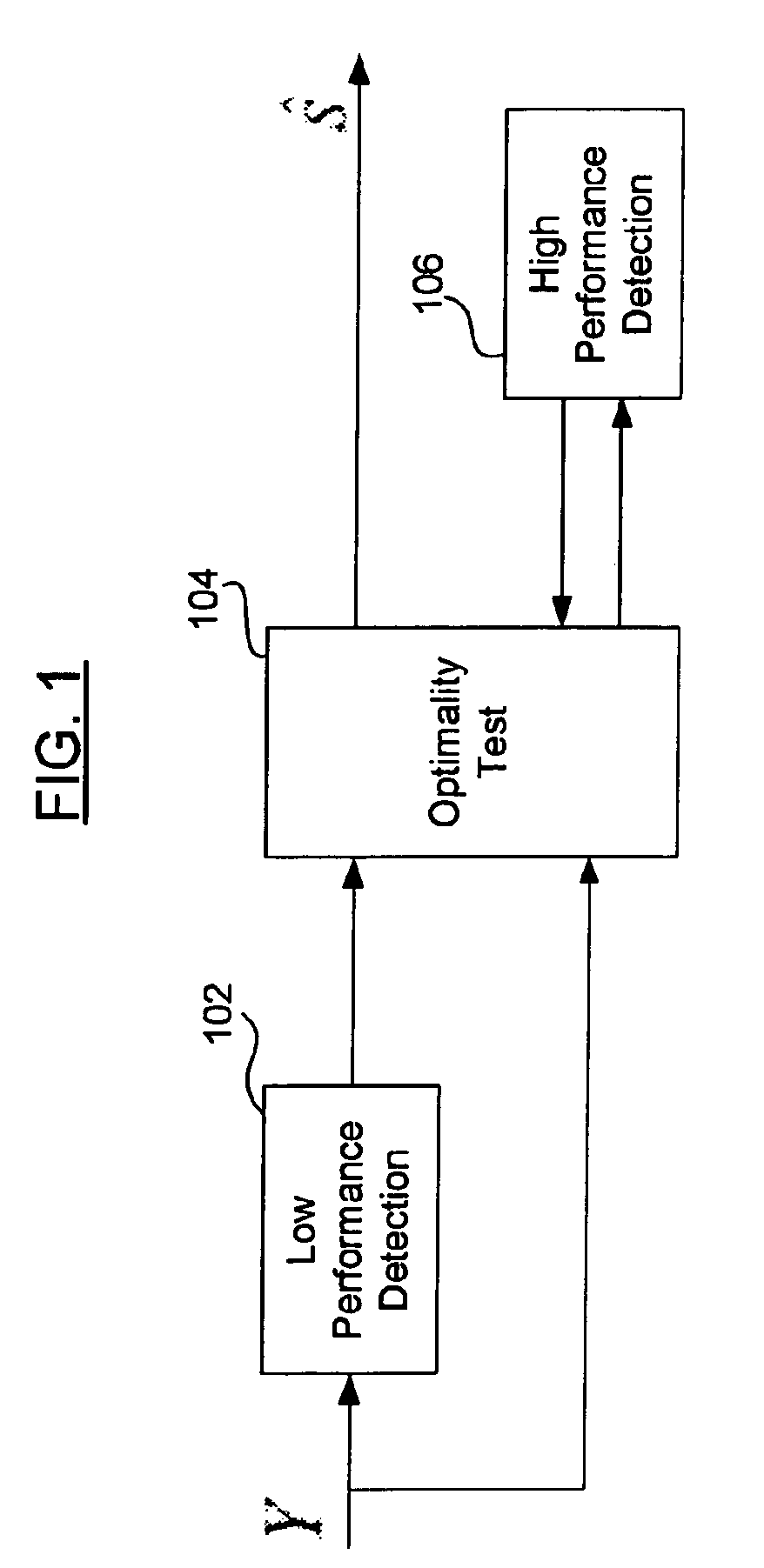
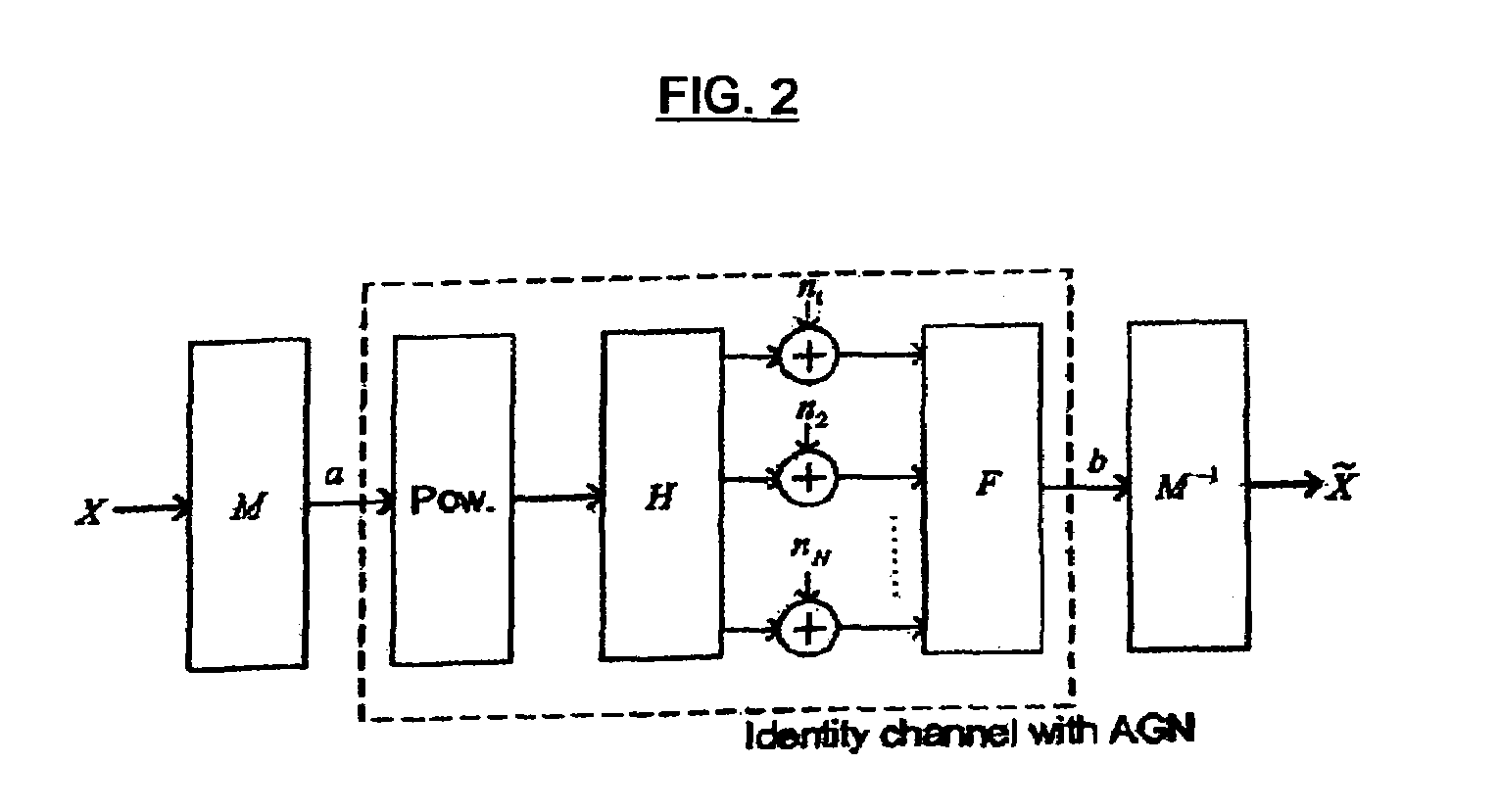
- A dual or multistage detection system is implemented, where a low-complexity heuristic detector initially processes symbols, and only mis-detected symbols are reprocessed using a high-complexity algorithm, with an optimality test determining the need for further processing, allowing for efficient resource allocation and performance enhancement.

Optimal maximum likelihood signal detection method and apparatus for MIMO system
PatentActiveUS9184879B1
Innovation
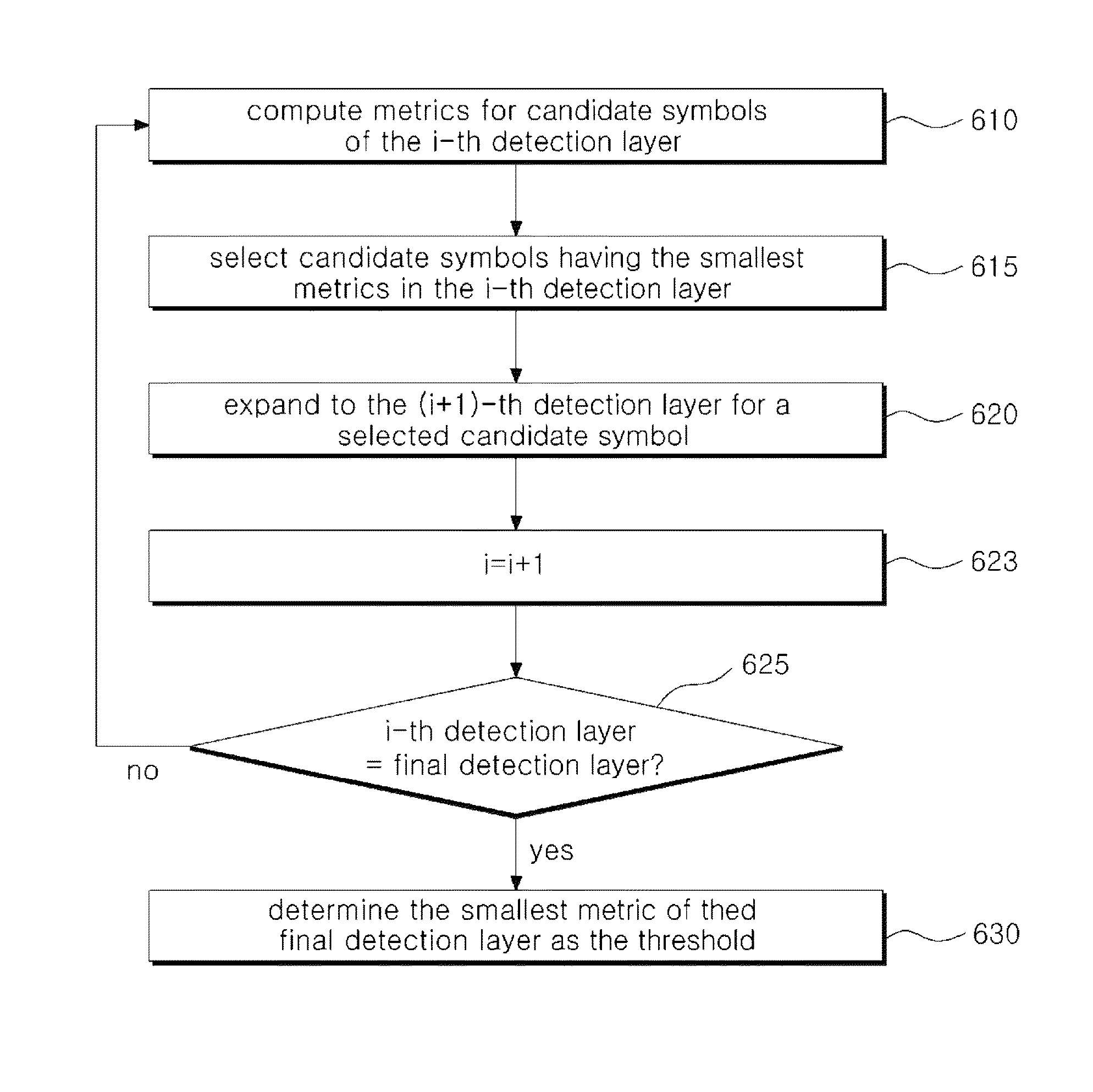
- An optimal maximum likelihood signal detection method that dynamically sets the number of surviving candidate symbols based on channel environment and SNR using QR decomposition, ensuring the smallest metric is used as the optimal threshold for each detection layer, thereby reducing computational complexity and maintaining ML performance.


Spectrum Allocation and Regulatory Framework
The spectrum allocation framework for telemetry systems operates within a complex regulatory environment that directly impacts signal detection capabilities. Telemetry applications typically utilize designated frequency bands including the 1435-1535 MHz range for aeronautical mobile telemetry, portions of the S-band (2200-2300 MHz), and various UHF allocations depending on regional regulations. These allocations are governed by international bodies such as the International Telecommunication Union (ITU) and implemented through national regulatory authorities like the Federal Communications Commission (FCC) in the United States and similar organizations worldwide.
Current regulatory frameworks face significant challenges due to increasing spectrum congestion and competing demands from commercial wireless services. The proliferation of 5G networks, satellite communications, and Internet of Things devices has intensified pressure on traditional telemetry bands. This congestion directly affects signal detection performance by introducing interference sources and limiting available bandwidth for telemetry operations.
Regional variations in spectrum allocation create additional complexity for global telemetry operations. While ITU regions provide general frameworks, individual countries maintain sovereignty over their spectrum management, leading to fragmented allocation schemes. For instance, European CEPT recommendations may differ from Asia-Pacific arrangements, requiring telemetry system designers to accommodate multiple regulatory environments.
Emerging regulatory trends focus on dynamic spectrum access and cognitive radio technologies to improve spectrum efficiency. These approaches enable telemetry systems to adaptively select optimal frequencies based on real-time interference conditions, potentially enhancing signal detection performance. However, implementation requires sophisticated sensing capabilities and coordination mechanisms to ensure compliance with protection requirements for primary users.
The regulatory framework also encompasses power limitations, spurious emission standards, and coordination procedures that influence system design parameters. Maximum effective radiated power restrictions directly impact signal strength and detection range, while stringent spurious emission masks require careful filtering design that may affect signal quality. International coordination procedures for cross-border operations add operational complexity but ensure interference protection for neighboring countries' services.
Future regulatory developments are likely to emphasize spectrum sharing mechanisms and interference mitigation techniques. Proposed frameworks for spectrum access systems and database-driven coordination could provide telemetry operators with more flexible spectrum access while maintaining protection for incumbent services, ultimately supporting improved signal detection capabilities through reduced interference environments.
Current regulatory frameworks face significant challenges due to increasing spectrum congestion and competing demands from commercial wireless services. The proliferation of 5G networks, satellite communications, and Internet of Things devices has intensified pressure on traditional telemetry bands. This congestion directly affects signal detection performance by introducing interference sources and limiting available bandwidth for telemetry operations.
Regional variations in spectrum allocation create additional complexity for global telemetry operations. While ITU regions provide general frameworks, individual countries maintain sovereignty over their spectrum management, leading to fragmented allocation schemes. For instance, European CEPT recommendations may differ from Asia-Pacific arrangements, requiring telemetry system designers to accommodate multiple regulatory environments.
Emerging regulatory trends focus on dynamic spectrum access and cognitive radio technologies to improve spectrum efficiency. These approaches enable telemetry systems to adaptively select optimal frequencies based on real-time interference conditions, potentially enhancing signal detection performance. However, implementation requires sophisticated sensing capabilities and coordination mechanisms to ensure compliance with protection requirements for primary users.
The regulatory framework also encompasses power limitations, spurious emission standards, and coordination procedures that influence system design parameters. Maximum effective radiated power restrictions directly impact signal strength and detection range, while stringent spurious emission masks require careful filtering design that may affect signal quality. International coordination procedures for cross-border operations add operational complexity but ensure interference protection for neighboring countries' services.
Future regulatory developments are likely to emphasize spectrum sharing mechanisms and interference mitigation techniques. Proposed frameworks for spectrum access systems and database-driven coordination could provide telemetry operators with more flexible spectrum access while maintaining protection for incumbent services, ultimately supporting improved signal detection capabilities through reduced interference environments.
Power Efficiency in Signal Detection Systems
Power efficiency represents a critical design consideration in modern telemetry signal detection systems, where operational longevity and energy conservation directly impact system viability. The challenge intensifies in remote sensing applications, satellite communications, and IoT deployments where power sources are limited and replacement or recharging is impractical or impossible.
Traditional signal detection architectures often prioritize sensitivity and accuracy at the expense of power consumption, employing high-performance analog-to-digital converters, complex digital signal processors, and continuous monitoring circuits. These approaches can consume several watts of power, making them unsuitable for battery-powered or energy-harvesting applications where power budgets may be measured in milliwatts.
The fundamental trade-off between detection performance and power consumption manifests in multiple system components. High-resolution ADCs with sampling rates exceeding Nyquist requirements consume significant power but provide superior signal fidelity. Similarly, sophisticated filtering algorithms and correlation techniques enhance detection capabilities while demanding substantial computational resources and associated power draw.
Duty cycling emerges as a primary power optimization strategy, where detection circuits operate intermittently based on predetermined schedules or trigger events. This approach can reduce average power consumption by 70-90% compared to continuous operation, though it introduces potential signal loss during inactive periods. Advanced implementations incorporate intelligent wake-up mechanisms triggered by energy detection or pattern recognition algorithms.
Low-power circuit design techniques include voltage scaling, clock gating, and power domain isolation. Modern semiconductor processes enable sub-threshold operation where circuits function at supply voltages below the transistor threshold voltage, dramatically reducing power consumption while accepting reduced processing speed and increased susceptibility to process variations.
Energy harvesting integration represents an emerging paradigm where detection systems capture ambient energy from sources such as solar radiation, thermal gradients, or electromagnetic fields. These systems must carefully balance harvesting efficiency with detection performance, often incorporating energy storage elements and sophisticated power management controllers to maintain operation during low-energy periods.
Adaptive power management algorithms dynamically adjust system parameters based on signal conditions, available power, and performance requirements. These systems can modify sampling rates, processing complexity, and transmission power to optimize the detection-to-power ratio under varying operational conditions.
Traditional signal detection architectures often prioritize sensitivity and accuracy at the expense of power consumption, employing high-performance analog-to-digital converters, complex digital signal processors, and continuous monitoring circuits. These approaches can consume several watts of power, making them unsuitable for battery-powered or energy-harvesting applications where power budgets may be measured in milliwatts.
The fundamental trade-off between detection performance and power consumption manifests in multiple system components. High-resolution ADCs with sampling rates exceeding Nyquist requirements consume significant power but provide superior signal fidelity. Similarly, sophisticated filtering algorithms and correlation techniques enhance detection capabilities while demanding substantial computational resources and associated power draw.
Duty cycling emerges as a primary power optimization strategy, where detection circuits operate intermittently based on predetermined schedules or trigger events. This approach can reduce average power consumption by 70-90% compared to continuous operation, though it introduces potential signal loss during inactive periods. Advanced implementations incorporate intelligent wake-up mechanisms triggered by energy detection or pattern recognition algorithms.
Low-power circuit design techniques include voltage scaling, clock gating, and power domain isolation. Modern semiconductor processes enable sub-threshold operation where circuits function at supply voltages below the transistor threshold voltage, dramatically reducing power consumption while accepting reduced processing speed and increased susceptibility to process variations.
Energy harvesting integration represents an emerging paradigm where detection systems capture ambient energy from sources such as solar radiation, thermal gradients, or electromagnetic fields. These systems must carefully balance harvesting efficiency with detection performance, often incorporating energy storage elements and sophisticated power management controllers to maintain operation during low-energy periods.
Adaptive power management algorithms dynamically adjust system parameters based on signal conditions, available power, and performance requirements. These systems can modify sampling rates, processing complexity, and transmission power to optimize the detection-to-power ratio under varying operational conditions.
Unlock deeper insights with PatSnap Eureka Quick Research — get a full tech report to explore trends and direct your research. Try now!
Generate Your Research Report Instantly with AI Agent
Supercharge your innovation with PatSnap Eureka AI Agent Platform!