

Maximizing Potential Energy in Cold Chain Logistics
FEB 25, 20268 MIN READ
Generate Your Research Report Instantly with AI Agent
PatSnap Eureka helps you evaluate technical feasibility & market potential.
Cold Chain Energy Optimization Background and Objectives
Cold chain logistics represents a critical infrastructure component in the global supply chain, encompassing the temperature-controlled transportation and storage of perishable goods from production to consumption. This specialized logistics network maintains product integrity for pharmaceuticals, fresh produce, dairy products, frozen foods, and biotechnology materials. The sector has experienced unprecedented growth, with the global cold chain market projected to reach $585 billion by 2030, driven by increasing consumer demand for fresh products and expanding pharmaceutical distribution networks.
Energy consumption constitutes the most significant operational challenge in cold chain logistics, accounting for 60-70% of total operational costs. Traditional cold chain systems rely heavily on mechanical refrigeration units powered by diesel generators or electric compressors, resulting in substantial energy expenditure and carbon emissions. The industry faces mounting pressure to reduce environmental impact while maintaining strict temperature requirements, creating an urgent need for innovative energy optimization solutions.
The concept of maximizing potential energy in cold chain logistics emerges as a transformative approach to address these challenges. This paradigm shift focuses on harnessing and optimizing various forms of potential energy within the cold chain ecosystem, including thermal energy storage, gravitational potential energy, and ambient temperature differentials. By strategically capturing, storing, and utilizing these energy sources, cold chain operators can significantly reduce dependency on conventional energy systems while maintaining temperature integrity.
Primary objectives of cold chain energy optimization include achieving 30-40% reduction in energy consumption through advanced thermal management systems, implementing predictive energy management algorithms to optimize cooling cycles, and developing hybrid energy systems that combine renewable sources with traditional refrigeration. Additionally, the integration of phase change materials and thermal energy storage solutions aims to create buffer zones that maintain temperature stability during power interruptions or equipment failures.
The technological evolution toward energy-optimized cold chains also encompasses the development of smart monitoring systems that leverage IoT sensors and machine learning algorithms to predict energy demands and optimize distribution routes. These systems enable real-time adjustment of cooling parameters based on external conditions, cargo characteristics, and delivery schedules, maximizing energy efficiency while ensuring product quality and safety throughout the supply chain network.
Energy consumption constitutes the most significant operational challenge in cold chain logistics, accounting for 60-70% of total operational costs. Traditional cold chain systems rely heavily on mechanical refrigeration units powered by diesel generators or electric compressors, resulting in substantial energy expenditure and carbon emissions. The industry faces mounting pressure to reduce environmental impact while maintaining strict temperature requirements, creating an urgent need for innovative energy optimization solutions.
The concept of maximizing potential energy in cold chain logistics emerges as a transformative approach to address these challenges. This paradigm shift focuses on harnessing and optimizing various forms of potential energy within the cold chain ecosystem, including thermal energy storage, gravitational potential energy, and ambient temperature differentials. By strategically capturing, storing, and utilizing these energy sources, cold chain operators can significantly reduce dependency on conventional energy systems while maintaining temperature integrity.
Primary objectives of cold chain energy optimization include achieving 30-40% reduction in energy consumption through advanced thermal management systems, implementing predictive energy management algorithms to optimize cooling cycles, and developing hybrid energy systems that combine renewable sources with traditional refrigeration. Additionally, the integration of phase change materials and thermal energy storage solutions aims to create buffer zones that maintain temperature stability during power interruptions or equipment failures.
The technological evolution toward energy-optimized cold chains also encompasses the development of smart monitoring systems that leverage IoT sensors and machine learning algorithms to predict energy demands and optimize distribution routes. These systems enable real-time adjustment of cooling parameters based on external conditions, cargo characteristics, and delivery schedules, maximizing energy efficiency while ensuring product quality and safety throughout the supply chain network.
Market Demand for Energy-Efficient Cold Chain Solutions
The global cold chain logistics market is experiencing unprecedented growth driven by evolving consumer behaviors and regulatory requirements. Rising demand for fresh produce, pharmaceuticals, and frozen foods has created substantial pressure on logistics providers to maintain temperature-controlled environments while minimizing energy consumption. This dual challenge has positioned energy-efficient cold chain solutions as a critical market necessity rather than a competitive advantage.
E-commerce expansion has fundamentally transformed cold chain requirements, with last-mile delivery services demanding smaller, more flexible refrigeration units that can operate efficiently across varying distances and timeframes. Traditional cold chain infrastructure, designed for bulk transportation and storage, struggles to meet these distributed delivery models while maintaining energy efficiency standards.
Pharmaceutical and biotechnology sectors represent particularly demanding market segments, where temperature deviations can result in product losses worth millions. The COVID-19 pandemic highlighted these vulnerabilities, especially for vaccine distribution requiring ultra-low temperature maintenance. This experience has accelerated investment in advanced cold chain technologies that can guarantee temperature stability while optimizing energy utilization.
Regulatory frameworks across major markets are tightening environmental standards for logistics operations. Carbon emission reduction mandates and energy efficiency requirements are compelling cold chain operators to seek innovative solutions that can deliver compliance while maintaining operational profitability. These regulations create both market pressure and opportunity for energy-maximizing technologies.
Food waste reduction initiatives have emerged as another significant demand driver. With substantial portions of global food production lost due to inadequate cold chain management, stakeholders are increasingly focused on solutions that can extend product shelf life through optimized temperature control and energy management.
The market demonstrates clear segmentation based on application requirements. Pharmaceutical cold chains prioritize reliability and precision over cost optimization, while food and beverage sectors balance efficiency with economic constraints. This segmentation creates diverse opportunities for energy-efficient solutions tailored to specific operational parameters and performance requirements.
Emerging markets present substantial growth potential as developing economies build modern cold chain infrastructure. These markets often lack legacy systems, creating opportunities for implementing advanced energy-efficient technologies from the outset rather than retrofitting existing infrastructure.
E-commerce expansion has fundamentally transformed cold chain requirements, with last-mile delivery services demanding smaller, more flexible refrigeration units that can operate efficiently across varying distances and timeframes. Traditional cold chain infrastructure, designed for bulk transportation and storage, struggles to meet these distributed delivery models while maintaining energy efficiency standards.
Pharmaceutical and biotechnology sectors represent particularly demanding market segments, where temperature deviations can result in product losses worth millions. The COVID-19 pandemic highlighted these vulnerabilities, especially for vaccine distribution requiring ultra-low temperature maintenance. This experience has accelerated investment in advanced cold chain technologies that can guarantee temperature stability while optimizing energy utilization.
Regulatory frameworks across major markets are tightening environmental standards for logistics operations. Carbon emission reduction mandates and energy efficiency requirements are compelling cold chain operators to seek innovative solutions that can deliver compliance while maintaining operational profitability. These regulations create both market pressure and opportunity for energy-maximizing technologies.
Food waste reduction initiatives have emerged as another significant demand driver. With substantial portions of global food production lost due to inadequate cold chain management, stakeholders are increasingly focused on solutions that can extend product shelf life through optimized temperature control and energy management.
The market demonstrates clear segmentation based on application requirements. Pharmaceutical cold chains prioritize reliability and precision over cost optimization, while food and beverage sectors balance efficiency with economic constraints. This segmentation creates diverse opportunities for energy-efficient solutions tailored to specific operational parameters and performance requirements.
Emerging markets present substantial growth potential as developing economies build modern cold chain infrastructure. These markets often lack legacy systems, creating opportunities for implementing advanced energy-efficient technologies from the outset rather than retrofitting existing infrastructure.
Current Energy Challenges in Cold Chain Logistics
Cold chain logistics faces unprecedented energy challenges that significantly impact operational efficiency and sustainability. The industry consumes approximately 15-20% more energy than conventional logistics due to continuous refrigeration requirements, with energy costs representing 25-40% of total operational expenses. This energy intensity stems from the need to maintain precise temperature ranges throughout the entire supply chain, from production facilities to end consumers.
Temperature maintenance across diverse environments presents the most critical challenge. Cold chain systems must operate efficiently in varying ambient temperatures, from tropical climates exceeding 40°C to sub-zero conditions. This variability forces refrigeration systems to work harder, consuming substantially more energy during peak demand periods. The challenge intensifies when considering the thermal mass requirements for different product categories, each demanding specific temperature protocols.
Infrastructure limitations create significant energy inefficiencies throughout the cold chain network. Many facilities operate with outdated refrigeration systems that lack modern energy management capabilities. Poor insulation in warehouses and transportation vehicles leads to substantial energy losses, while inadequate loading dock designs allow temperature fluctuations during product transfers. These infrastructure gaps result in energy waste estimated at 20-30% of total consumption.
Transportation energy challenges compound the overall efficiency problem. Refrigerated vehicles, or reefer units, must maintain consistent temperatures while dealing with frequent door openings, varying load capacities, and extended idle times. The energy required for mobile refrigeration systems is typically 40-60% higher per unit volume compared to stationary cold storage facilities, primarily due to the additional power needed for vehicle movement and less efficient mobile refrigeration units.
Last-mile delivery presents unique energy optimization challenges as urban distribution requires smaller, less energy-efficient vehicles making multiple stops. The frequent temperature cycling during deliveries creates energy spikes that traditional systems struggle to manage efficiently. Additionally, the growing demand for home delivery of frozen and refrigerated products has increased the complexity of maintaining energy efficiency while ensuring product quality and safety standards.
Temperature maintenance across diverse environments presents the most critical challenge. Cold chain systems must operate efficiently in varying ambient temperatures, from tropical climates exceeding 40°C to sub-zero conditions. This variability forces refrigeration systems to work harder, consuming substantially more energy during peak demand periods. The challenge intensifies when considering the thermal mass requirements for different product categories, each demanding specific temperature protocols.
Infrastructure limitations create significant energy inefficiencies throughout the cold chain network. Many facilities operate with outdated refrigeration systems that lack modern energy management capabilities. Poor insulation in warehouses and transportation vehicles leads to substantial energy losses, while inadequate loading dock designs allow temperature fluctuations during product transfers. These infrastructure gaps result in energy waste estimated at 20-30% of total consumption.
Transportation energy challenges compound the overall efficiency problem. Refrigerated vehicles, or reefer units, must maintain consistent temperatures while dealing with frequent door openings, varying load capacities, and extended idle times. The energy required for mobile refrigeration systems is typically 40-60% higher per unit volume compared to stationary cold storage facilities, primarily due to the additional power needed for vehicle movement and less efficient mobile refrigeration units.
Last-mile delivery presents unique energy optimization challenges as urban distribution requires smaller, less energy-efficient vehicles making multiple stops. The frequent temperature cycling during deliveries creates energy spikes that traditional systems struggle to manage efficiently. Additionally, the growing demand for home delivery of frozen and refrigerated products has increased the complexity of maintaining energy efficiency while ensuring product quality and safety standards.
Existing Energy Recovery Systems in Cold Chain
01 Temperature monitoring and control systems for cold chain logistics
Advanced temperature monitoring and control systems are essential for maintaining the integrity of cold chain logistics. These systems utilize sensors, data loggers, and automated control mechanisms to continuously monitor temperature conditions throughout the transportation and storage process. Real-time monitoring enables immediate detection of temperature deviations, allowing for prompt corrective actions. Integration with IoT technology and cloud-based platforms facilitates remote monitoring and data analysis, improving overall cold chain management efficiency.- Temperature monitoring and control systems for cold chain logistics: Advanced temperature monitoring and control systems are essential for maintaining the quality and safety of temperature-sensitive products during cold chain logistics. These systems utilize sensors, data loggers, and automated control mechanisms to continuously monitor and regulate temperature conditions throughout the transportation and storage process. Real-time monitoring capabilities enable immediate detection of temperature deviations, allowing for prompt corrective actions to prevent product degradation.
- Insulated container and packaging solutions: Specialized insulated containers and packaging materials play a crucial role in maintaining temperature stability during cold chain logistics. These solutions incorporate advanced insulation materials, phase change materials, and vacuum insulation panels to minimize heat transfer and extend the duration of temperature maintenance. The design of these containers focuses on optimizing thermal performance while ensuring structural integrity and ease of handling during transportation.
- Energy-efficient refrigeration equipment: Energy-efficient refrigeration equipment is designed to reduce power consumption while maintaining optimal cooling performance in cold chain logistics operations. These systems incorporate variable speed compressors, intelligent defrost cycles, and heat recovery mechanisms to minimize energy waste. The integration of renewable energy sources and energy storage systems further enhances the sustainability and reliability of cold chain operations.
- Cold chain logistics management and tracking platforms: Comprehensive management and tracking platforms enable end-to-end visibility and control of cold chain logistics operations. These platforms integrate IoT sensors, GPS tracking, blockchain technology, and cloud-based data analytics to provide real-time information on product location, temperature history, and handling conditions. The systems facilitate compliance documentation, quality assurance, and optimization of logistics routes to improve efficiency and reduce costs.
- Specialized transport vehicles and equipment: Specialized transport vehicles and equipment are designed specifically for cold chain logistics applications, featuring integrated refrigeration units, temperature zoning capabilities, and enhanced insulation. These vehicles incorporate advanced climate control systems that can maintain multiple temperature zones simultaneously, accommodating different product requirements. The equipment includes features such as backup power systems, remote monitoring capabilities, and automated loading and unloading mechanisms to ensure product integrity throughout the transportation process.
02 Insulated container and packaging solutions
Specialized insulated containers and packaging materials play a crucial role in maintaining temperature stability during cold chain transportation. These solutions incorporate advanced insulation materials, phase change materials, and vacuum insulation panels to minimize heat transfer. The design focuses on optimizing thermal performance while considering factors such as weight, durability, and cost-effectiveness. Multi-layer insulation structures and reflective barriers are employed to enhance temperature retention capabilities.Expand Specific Solutions03 Cold chain logistics management and optimization systems
Comprehensive management systems are developed to optimize cold chain logistics operations, including route planning, inventory management, and resource allocation. These systems leverage big data analytics, artificial intelligence, and machine learning algorithms to predict demand, optimize delivery routes, and minimize energy consumption. Integration of blockchain technology ensures traceability and transparency throughout the supply chain, enhancing food safety and quality assurance.Expand Specific Solutions04 Refrigeration equipment and energy-efficient cooling technologies
Advanced refrigeration equipment and energy-efficient cooling technologies are critical for reducing operational costs and environmental impact in cold chain logistics. These innovations include variable frequency compressors, natural refrigerants, and solar-powered cooling systems. The focus is on developing sustainable cooling solutions that maintain required temperature ranges while minimizing energy consumption. Heat recovery systems and thermal energy storage are integrated to improve overall system efficiency.Expand Specific Solutions05 Quality assurance and traceability systems
Quality assurance and traceability systems ensure product integrity throughout the cold chain logistics process. These systems incorporate RFID tags, QR codes, and GPS tracking to monitor product location and condition in real-time. Automated documentation and digital record-keeping facilitate compliance with regulatory requirements and quality standards. Integration with laboratory testing and quality control protocols enables early detection of potential issues, reducing product loss and ensuring consumer safety.Expand Specific Solutions
Key Players in Cold Chain Energy Solutions Industry
The cold chain logistics industry is experiencing rapid growth driven by expanding pharmaceutical, food, and biotechnology sectors, with the global market projected to reach significant scale by 2030. The competitive landscape shows a maturing technology environment where established players like Carrier Corp., Thermo King LLC, and Hitachi Ltd. dominate with proven refrigeration and temperature control solutions. Emerging technology companies such as Oii Inc. are introducing AI-driven optimization platforms, while logistics specialists like Beijing Yingji Logistics Co. and LOGISTEED Ltd. focus on specialized cold chain services. Academic institutions including Zhejiang University and Beijing Jiaotong University contribute through research and development of advanced energy optimization technologies. The technology maturity varies significantly, with traditional refrigeration systems being well-established while AI-powered energy optimization and IoT integration represent emerging frontiers with substantial growth potential.
Carrier Corp.
Technical Solution: Carrier develops advanced refrigeration systems with variable speed compressors and intelligent temperature control algorithms that optimize energy consumption while maintaining precise temperature zones. Their solutions integrate IoT sensors for real-time monitoring and predictive maintenance, enabling dynamic adjustment of cooling capacity based on load requirements. The company's energy recovery systems capture waste heat from refrigeration cycles to power auxiliary systems, significantly improving overall energy efficiency in cold chain operations.
Strengths: Market leader in HVAC and refrigeration with extensive R&D capabilities and global service network. Weaknesses: High initial investment costs and dependency on traditional refrigeration technologies.
Siemens Mobility GmbH
Technical Solution: Siemens develops integrated energy management platforms for cold chain logistics that combine renewable energy sources, battery storage, and smart grid connectivity. Their solutions utilize AI-driven optimization algorithms to predict energy demand patterns and automatically adjust cooling systems to maximize the use of low-cost renewable energy. The technology includes advanced power electronics for efficient energy conversion and distribution across multiple temperature zones in logistics facilities and transport vehicles.
Strengths: Comprehensive automation and digitalization expertise with strong capabilities in energy management systems and industrial IoT. Weaknesses: Focus primarily on large-scale industrial applications with limited solutions for smaller logistics operators.
Core Innovations in Cold Chain Potential Energy Harvesting
Transport refrigeration system energy management system and method
PatentPendingEP3995344A1
Innovation
- An energy management system with an energy controller that modifies the operation of the electric generation device by decoupling it from the energy storage device when the operating frequency drops below a certain limit, such as 25Hz, and recouples after a predetermined time lapse, to prevent damage during ABS events.


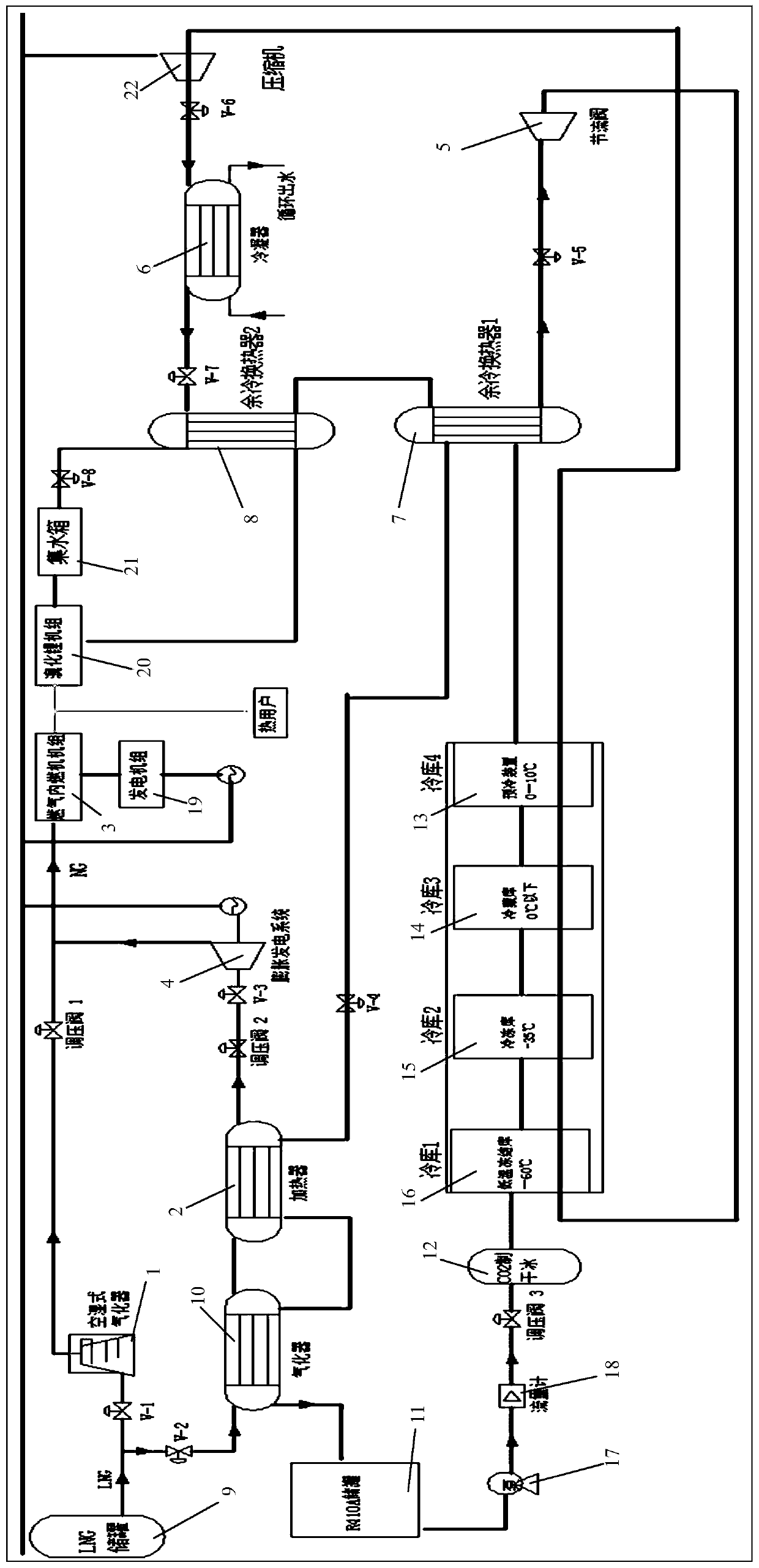
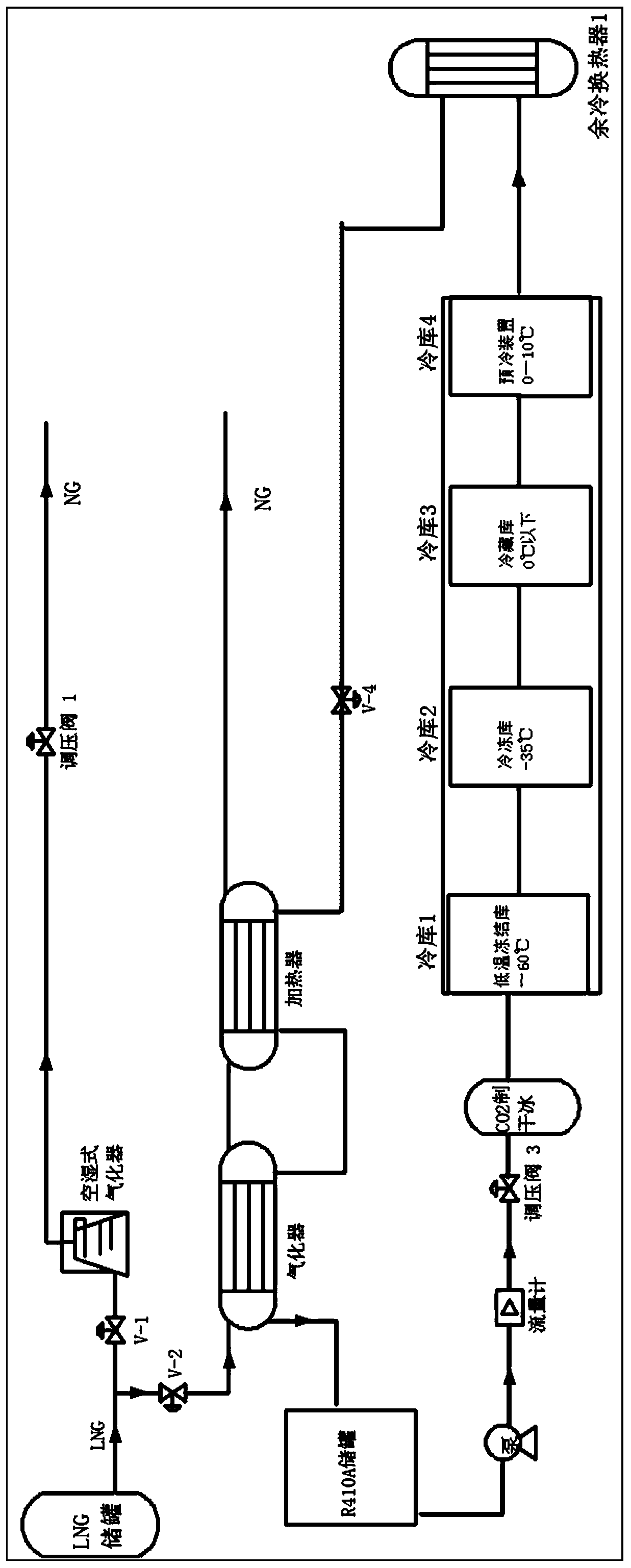
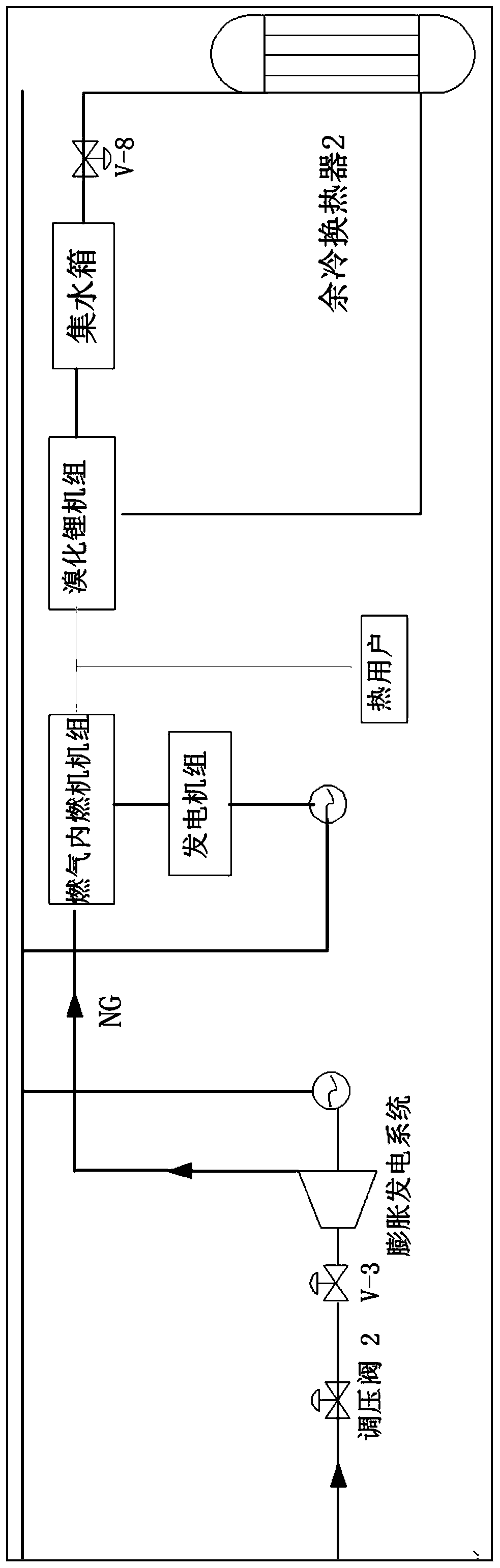
Cold chain logistics park integration system based on LNG energy cascade utilization
PatentActiveCN110332746A
Innovation
- A cold chain logistics park collective system based on the cascade utilization of LNG energy is adopted, which combines the three-level LNG cold energy utilization subsystem, the natural gas cold, heating and power trigeneration multi-energy coupling subsystem and the refrigeration subsystem. Through the vaporizer, heater, and residual cooling Heat exchangers and other components realize the four major utilization channels of cold energy cascade utilization, combustion power generation, waste heat heating, and waste heat refrigeration, and establish a micro-energy network in the park to meet the needs of cooling, heating, and electricity.

Environmental Regulations for Cold Chain Operations
Environmental regulations governing cold chain operations have become increasingly stringent as governments worldwide recognize the critical intersection between temperature-controlled logistics and environmental sustainability. These regulatory frameworks primarily focus on refrigerant management, energy efficiency standards, and carbon emission reduction targets that directly impact how cold chain operators maximize potential energy utilization.
The Montreal Protocol and its subsequent amendments establish the foundation for refrigerant regulations, mandating the phase-out of ozone-depleting substances and high global warming potential refrigerants. The European Union's F-Gas Regulation exemplifies comprehensive refrigerant management, requiring operators to implement leak detection systems, maintain detailed records, and transition to low-GWP alternatives by specific deadlines. These regulations compel cold chain operators to adopt advanced refrigeration technologies that optimize energy consumption while meeting environmental compliance requirements.
Energy efficiency mandates represent another critical regulatory dimension affecting potential energy maximization strategies. The United States Energy Policy Act and similar legislation in other jurisdictions establish minimum energy performance standards for commercial refrigeration equipment. These standards drive innovation in compressor technology, insulation materials, and control systems that enhance energy recovery and utilization efficiency.
Carbon pricing mechanisms and emission trading systems create economic incentives for cold chain operators to maximize energy efficiency and explore renewable energy integration. The European Union Emissions Trading System and California's Cap-and-Trade Program directly impact operational costs, making energy optimization not just an environmental imperative but an economic necessity.
Emerging regulations increasingly focus on circular economy principles, requiring cold chain operators to demonstrate waste heat recovery, energy cascading, and integration with renewable energy sources. These requirements align with potential energy maximization objectives by mandating comprehensive energy management approaches that capture and utilize previously wasted thermal energy throughout the cold chain network.
The Montreal Protocol and its subsequent amendments establish the foundation for refrigerant regulations, mandating the phase-out of ozone-depleting substances and high global warming potential refrigerants. The European Union's F-Gas Regulation exemplifies comprehensive refrigerant management, requiring operators to implement leak detection systems, maintain detailed records, and transition to low-GWP alternatives by specific deadlines. These regulations compel cold chain operators to adopt advanced refrigeration technologies that optimize energy consumption while meeting environmental compliance requirements.
Energy efficiency mandates represent another critical regulatory dimension affecting potential energy maximization strategies. The United States Energy Policy Act and similar legislation in other jurisdictions establish minimum energy performance standards for commercial refrigeration equipment. These standards drive innovation in compressor technology, insulation materials, and control systems that enhance energy recovery and utilization efficiency.
Carbon pricing mechanisms and emission trading systems create economic incentives for cold chain operators to maximize energy efficiency and explore renewable energy integration. The European Union Emissions Trading System and California's Cap-and-Trade Program directly impact operational costs, making energy optimization not just an environmental imperative but an economic necessity.
Emerging regulations increasingly focus on circular economy principles, requiring cold chain operators to demonstrate waste heat recovery, energy cascading, and integration with renewable energy sources. These requirements align with potential energy maximization objectives by mandating comprehensive energy management approaches that capture and utilize previously wasted thermal energy throughout the cold chain network.
Sustainability Standards in Cold Chain Energy Management
The establishment of comprehensive sustainability standards in cold chain energy management has become increasingly critical as the industry faces mounting pressure to reduce environmental impact while maintaining operational efficiency. Current regulatory frameworks are evolving rapidly, with organizations like the International Organization for Standardization (ISO) developing specific guidelines for energy management systems in temperature-controlled logistics operations.
Energy efficiency benchmarking represents a fundamental component of these sustainability standards, requiring cold chain operators to establish baseline measurements and implement continuous improvement protocols. The ISO 50001 energy management standard has been adapted for cold chain applications, mandating systematic approaches to energy consumption monitoring, target setting, and performance evaluation across refrigerated transportation and storage facilities.
Carbon footprint assessment methodologies have gained prominence within sustainability frameworks, particularly focusing on scope 1, 2, and 3 emissions throughout the cold chain lifecycle. These standards require comprehensive tracking of energy sources, refrigerant leakage rates, and indirect emissions from electricity consumption, enabling organizations to quantify their environmental impact and establish reduction targets aligned with global climate commitments.
Renewable energy integration standards are emerging as key components of sustainable cold chain operations, establishing minimum thresholds for clean energy adoption in refrigeration systems. These frameworks promote the implementation of solar-powered refrigeration units, wind energy integration, and energy storage solutions that can maintain temperature integrity while reducing dependence on fossil fuel-based power sources.
Certification programs such as the Global Cold Chain Alliance's standards and the Carbon Trust certification provide third-party validation of sustainability achievements in cold chain energy management. These programs establish rigorous audit processes, performance metrics, and continuous monitoring requirements that ensure compliance with environmental objectives while maintaining product quality and safety standards throughout the temperature-controlled supply chain.
Energy efficiency benchmarking represents a fundamental component of these sustainability standards, requiring cold chain operators to establish baseline measurements and implement continuous improvement protocols. The ISO 50001 energy management standard has been adapted for cold chain applications, mandating systematic approaches to energy consumption monitoring, target setting, and performance evaluation across refrigerated transportation and storage facilities.
Carbon footprint assessment methodologies have gained prominence within sustainability frameworks, particularly focusing on scope 1, 2, and 3 emissions throughout the cold chain lifecycle. These standards require comprehensive tracking of energy sources, refrigerant leakage rates, and indirect emissions from electricity consumption, enabling organizations to quantify their environmental impact and establish reduction targets aligned with global climate commitments.
Renewable energy integration standards are emerging as key components of sustainable cold chain operations, establishing minimum thresholds for clean energy adoption in refrigeration systems. These frameworks promote the implementation of solar-powered refrigeration units, wind energy integration, and energy storage solutions that can maintain temperature integrity while reducing dependence on fossil fuel-based power sources.
Certification programs such as the Global Cold Chain Alliance's standards and the Carbon Trust certification provide third-party validation of sustainability achievements in cold chain energy management. These programs establish rigorous audit processes, performance metrics, and continuous monitoring requirements that ensure compliance with environmental objectives while maintaining product quality and safety standards throughout the temperature-controlled supply chain.
Unlock deeper insights with PatSnap Eureka Quick Research — get a full tech report to explore trends and direct your research. Try now!
Generate Your Research Report Instantly with AI Agent
Supercharge your innovation with PatSnap Eureka AI Agent Platform!