

Potential Energy Distribution in Renewable Grid Systems
FEB 25, 20269 MIN READ
Generate Your Research Report Instantly with AI Agent
PatSnap Eureka helps you evaluate technical feasibility & market potential.
Renewable Grid Energy Distribution Background and Objectives
The global energy landscape has undergone a fundamental transformation over the past two decades, driven by the urgent need to address climate change and achieve sustainable development goals. Renewable energy sources, including solar photovoltaic, wind, hydroelectric, and biomass systems, have evolved from niche technologies to mainstream power generation solutions. This transition has been accelerated by dramatic cost reductions, with solar and wind power achieving grid parity in many markets worldwide.
The integration of renewable energy into existing power grids presents unprecedented challenges in energy distribution and management. Unlike traditional fossil fuel-based power plants that provide predictable and controllable energy output, renewable sources exhibit inherent variability and intermittency. Solar generation peaks during midday hours and ceases at night, while wind power fluctuates based on weather patterns. This variability creates complex dynamics in potential energy distribution across grid networks.
Modern power grids were originally designed for unidirectional energy flow from centralized generation facilities to distributed consumers. The proliferation of distributed renewable energy resources has fundamentally altered this paradigm, creating bidirectional energy flows and requiring sophisticated management of potential energy distribution. Grid operators must now balance supply and demand in real-time while accommodating the stochastic nature of renewable generation.
The concept of potential energy distribution in renewable grid systems encompasses the strategic positioning and utilization of energy storage technologies, demand response mechanisms, and grid flexibility resources. This includes battery energy storage systems, pumped hydro storage, compressed air energy storage, and emerging technologies such as power-to-gas systems. These technologies serve as buffers to manage the temporal mismatch between renewable energy generation and consumption patterns.
The primary objective of optimizing potential energy distribution in renewable grid systems is to maximize renewable energy utilization while maintaining grid stability and reliability. This involves developing advanced forecasting algorithms, implementing smart grid technologies, and creating market mechanisms that incentivize flexible energy consumption and storage deployment. Additionally, the integration of artificial intelligence and machine learning techniques enables predictive management of energy flows and optimization of storage dispatch strategies.
Achieving these objectives requires addressing technical challenges including grid stability under high renewable penetration, voltage regulation, frequency control, and power quality management. The development of robust communication networks, standardized protocols, and interoperable systems forms the foundation for effective potential energy distribution management in future renewable-dominated power systems.
The integration of renewable energy into existing power grids presents unprecedented challenges in energy distribution and management. Unlike traditional fossil fuel-based power plants that provide predictable and controllable energy output, renewable sources exhibit inherent variability and intermittency. Solar generation peaks during midday hours and ceases at night, while wind power fluctuates based on weather patterns. This variability creates complex dynamics in potential energy distribution across grid networks.
Modern power grids were originally designed for unidirectional energy flow from centralized generation facilities to distributed consumers. The proliferation of distributed renewable energy resources has fundamentally altered this paradigm, creating bidirectional energy flows and requiring sophisticated management of potential energy distribution. Grid operators must now balance supply and demand in real-time while accommodating the stochastic nature of renewable generation.
The concept of potential energy distribution in renewable grid systems encompasses the strategic positioning and utilization of energy storage technologies, demand response mechanisms, and grid flexibility resources. This includes battery energy storage systems, pumped hydro storage, compressed air energy storage, and emerging technologies such as power-to-gas systems. These technologies serve as buffers to manage the temporal mismatch between renewable energy generation and consumption patterns.
The primary objective of optimizing potential energy distribution in renewable grid systems is to maximize renewable energy utilization while maintaining grid stability and reliability. This involves developing advanced forecasting algorithms, implementing smart grid technologies, and creating market mechanisms that incentivize flexible energy consumption and storage deployment. Additionally, the integration of artificial intelligence and machine learning techniques enables predictive management of energy flows and optimization of storage dispatch strategies.
Achieving these objectives requires addressing technical challenges including grid stability under high renewable penetration, voltage regulation, frequency control, and power quality management. The development of robust communication networks, standardized protocols, and interoperable systems forms the foundation for effective potential energy distribution management in future renewable-dominated power systems.
Market Demand for Advanced Grid Energy Distribution Systems
The global energy landscape is experiencing unprecedented transformation driven by the urgent need for sustainable power generation and distribution systems. Renewable energy sources, including solar, wind, and hydroelectric power, are rapidly expanding their market share, creating substantial demand for advanced grid energy distribution technologies that can effectively manage potential energy distribution challenges.
Market drivers for advanced grid energy distribution systems are multifaceted and compelling. Climate change mitigation policies worldwide are accelerating the transition away from fossil fuels, with governments implementing renewable energy mandates and carbon reduction targets. This regulatory environment creates sustained demand for sophisticated grid infrastructure capable of handling variable renewable energy inputs while maintaining system stability and reliability.
The intermittent nature of renewable energy sources presents unique challenges that traditional grid systems cannot adequately address. Solar and wind power generation fluctuates based on weather conditions and time of day, requiring advanced energy storage solutions, smart grid technologies, and predictive distribution algorithms. These technical requirements translate directly into market opportunities for companies developing innovative potential energy distribution solutions.
Industrial and commercial sectors represent significant market segments driving demand for advanced grid technologies. Manufacturing facilities, data centers, and large commercial complexes require reliable power supply with minimal interruptions. As these sectors increasingly adopt renewable energy sources to meet sustainability goals and reduce operational costs, they simultaneously demand sophisticated grid management systems that can optimize energy distribution and storage.
Residential markets are experiencing rapid growth in distributed energy resources, including rooftop solar installations and home battery systems. This decentralization of energy generation creates complex grid management challenges, requiring advanced distribution systems that can handle bidirectional power flows and dynamic load balancing. The proliferation of electric vehicles further amplifies this demand, as charging infrastructure requires intelligent grid integration capabilities.
Emerging markets present substantial growth opportunities for advanced grid energy distribution systems. Developing nations are increasingly bypassing traditional centralized power generation models in favor of distributed renewable energy networks. These markets require cost-effective, scalable solutions that can accommodate rapid infrastructure development while maintaining system reliability and efficiency.
The economic value proposition for advanced grid energy distribution systems continues strengthening as renewable energy costs decline and grid modernization becomes essential for energy security. Market demand is expected to maintain robust growth trajectories as technological capabilities advance and regulatory frameworks increasingly favor sustainable energy infrastructure development.
Market drivers for advanced grid energy distribution systems are multifaceted and compelling. Climate change mitigation policies worldwide are accelerating the transition away from fossil fuels, with governments implementing renewable energy mandates and carbon reduction targets. This regulatory environment creates sustained demand for sophisticated grid infrastructure capable of handling variable renewable energy inputs while maintaining system stability and reliability.
The intermittent nature of renewable energy sources presents unique challenges that traditional grid systems cannot adequately address. Solar and wind power generation fluctuates based on weather conditions and time of day, requiring advanced energy storage solutions, smart grid technologies, and predictive distribution algorithms. These technical requirements translate directly into market opportunities for companies developing innovative potential energy distribution solutions.
Industrial and commercial sectors represent significant market segments driving demand for advanced grid technologies. Manufacturing facilities, data centers, and large commercial complexes require reliable power supply with minimal interruptions. As these sectors increasingly adopt renewable energy sources to meet sustainability goals and reduce operational costs, they simultaneously demand sophisticated grid management systems that can optimize energy distribution and storage.
Residential markets are experiencing rapid growth in distributed energy resources, including rooftop solar installations and home battery systems. This decentralization of energy generation creates complex grid management challenges, requiring advanced distribution systems that can handle bidirectional power flows and dynamic load balancing. The proliferation of electric vehicles further amplifies this demand, as charging infrastructure requires intelligent grid integration capabilities.
Emerging markets present substantial growth opportunities for advanced grid energy distribution systems. Developing nations are increasingly bypassing traditional centralized power generation models in favor of distributed renewable energy networks. These markets require cost-effective, scalable solutions that can accommodate rapid infrastructure development while maintaining system reliability and efficiency.
The economic value proposition for advanced grid energy distribution systems continues strengthening as renewable energy costs decline and grid modernization becomes essential for energy security. Market demand is expected to maintain robust growth trajectories as technological capabilities advance and regulatory frameworks increasingly favor sustainable energy infrastructure development.
Current Challenges in Renewable Energy Grid Integration
Renewable energy grid integration faces significant technical obstacles that impede the efficient distribution of potential energy across modern power systems. The intermittent nature of renewable sources creates fundamental challenges in maintaining grid stability and reliability. Solar and wind power generation exhibit unpredictable fluctuations that can cause voltage instabilities, frequency deviations, and power quality issues throughout the distribution network.
Grid infrastructure limitations represent a critical bottleneck in renewable energy integration. Existing transmission and distribution systems were designed for centralized, predictable power generation from conventional sources. The bidirectional power flows characteristic of distributed renewable systems strain aging grid components and exceed the capacity of traditional control mechanisms. This mismatch between infrastructure capabilities and renewable energy requirements creates operational inefficiencies and potential system failures.
Energy storage integration presents complex technical challenges that directly impact potential energy distribution. Current battery technologies face limitations in energy density, charging cycles, and cost-effectiveness at grid scale. The coordination between renewable generation, storage systems, and load demand requires sophisticated control algorithms that can respond to rapid changes in energy availability and consumption patterns.
Grid synchronization and frequency regulation become increasingly difficult as renewable penetration levels rise. Traditional synchronous generators provide natural inertia that helps maintain system stability, but renewable sources typically connect through power electronics that lack this inherent stabilizing characteristic. This reduction in system inertia makes grids more susceptible to frequency disturbances and requires advanced control strategies to maintain operational stability.
Power electronics and inverter technologies face technical constraints that affect energy distribution efficiency. Harmonic distortion, power factor issues, and electromagnetic interference from renewable energy conversion systems can degrade overall grid performance. The proliferation of distributed generation sources creates complex interactions between multiple inverter systems that can lead to resonance phenomena and protection coordination challenges.
Forecasting and predictive control represent ongoing technical hurdles in renewable grid management. Accurate prediction of renewable energy output requires sophisticated meteorological modeling and machine learning algorithms. The uncertainty in renewable generation forecasts complicates grid planning and real-time operation, necessitating additional reserve capacity and flexible resources to maintain system reliability while optimizing potential energy distribution across the network.
Grid infrastructure limitations represent a critical bottleneck in renewable energy integration. Existing transmission and distribution systems were designed for centralized, predictable power generation from conventional sources. The bidirectional power flows characteristic of distributed renewable systems strain aging grid components and exceed the capacity of traditional control mechanisms. This mismatch between infrastructure capabilities and renewable energy requirements creates operational inefficiencies and potential system failures.
Energy storage integration presents complex technical challenges that directly impact potential energy distribution. Current battery technologies face limitations in energy density, charging cycles, and cost-effectiveness at grid scale. The coordination between renewable generation, storage systems, and load demand requires sophisticated control algorithms that can respond to rapid changes in energy availability and consumption patterns.
Grid synchronization and frequency regulation become increasingly difficult as renewable penetration levels rise. Traditional synchronous generators provide natural inertia that helps maintain system stability, but renewable sources typically connect through power electronics that lack this inherent stabilizing characteristic. This reduction in system inertia makes grids more susceptible to frequency disturbances and requires advanced control strategies to maintain operational stability.
Power electronics and inverter technologies face technical constraints that affect energy distribution efficiency. Harmonic distortion, power factor issues, and electromagnetic interference from renewable energy conversion systems can degrade overall grid performance. The proliferation of distributed generation sources creates complex interactions between multiple inverter systems that can lead to resonance phenomena and protection coordination challenges.
Forecasting and predictive control represent ongoing technical hurdles in renewable grid management. Accurate prediction of renewable energy output requires sophisticated meteorological modeling and machine learning algorithms. The uncertainty in renewable generation forecasts complicates grid planning and real-time operation, necessitating additional reserve capacity and flexible resources to maintain system reliability while optimizing potential energy distribution across the network.
Existing Grid Energy Management and Distribution Solutions
01 Energy distribution systems for power grids
Technologies for managing and distributing electrical energy across power distribution networks, including methods for load balancing, voltage regulation, and optimizing energy flow between generation sources and consumption points. These systems employ advanced control algorithms and monitoring mechanisms to ensure efficient and stable energy distribution throughout the grid infrastructure.- Energy distribution systems for power grids: Technologies for managing and distributing electrical energy across power distribution networks, including methods for load balancing, voltage regulation, and optimizing energy flow between generation sources and consumption points. These systems employ advanced control algorithms and monitoring mechanisms to ensure efficient and stable energy distribution.
- Potential energy storage and conversion systems: Methods and apparatus for storing potential energy in various forms such as gravitational, elastic, or chemical potential energy, and converting it to other energy forms when needed. These systems include energy storage devices, conversion mechanisms, and control systems for managing the charging and discharging cycles to optimize energy utilization efficiency.
- Distributed energy resource management: Systems and methods for coordinating multiple distributed energy resources including renewable energy sources, battery storage systems, and local generation units. These technologies enable intelligent scheduling, demand response, and peer-to-peer energy trading while maintaining grid stability and optimizing overall system performance.
- Energy distribution optimization algorithms: Computational methods and algorithms for optimizing energy distribution patterns based on demand forecasting, cost minimization, and efficiency maximization. These approaches utilize machine learning, artificial intelligence, and mathematical optimization techniques to determine optimal energy allocation strategies across distribution networks.
- Smart metering and energy monitoring systems: Advanced metering infrastructure and monitoring technologies for real-time tracking of energy consumption and distribution patterns. These systems provide detailed analytics on energy usage, enable remote monitoring and control, and support dynamic pricing mechanisms to encourage efficient energy consumption behaviors.
02 Potential energy storage and conversion systems
Methods and apparatus for storing potential energy in various forms such as gravitational, elastic, or chemical potential energy, and converting it to other energy forms when needed. These systems include energy storage devices, conversion mechanisms, and control systems that optimize the storage and release of energy based on demand and supply conditions.Expand Specific Solutions03 Distributed energy resource management
Systems for coordinating and managing multiple distributed energy resources including renewable energy sources, battery storage systems, and local generation units. These technologies enable intelligent scheduling, dispatch control, and integration of diverse energy sources into a unified distribution framework, optimizing overall system performance and reliability.Expand Specific Solutions04 Energy distribution optimization algorithms
Computational methods and algorithms for optimizing energy distribution patterns, including predictive modeling, machine learning approaches, and real-time optimization techniques. These solutions analyze consumption patterns, generation capacity, and network constraints to determine optimal energy distribution strategies that minimize losses and maximize efficiency.Expand Specific Solutions05 Smart metering and energy monitoring systems
Advanced metering infrastructure and monitoring technologies for tracking energy distribution and consumption in real-time. These systems provide detailed data collection, analysis capabilities, and communication interfaces that enable precise measurement of energy flow, identification of distribution inefficiencies, and support for demand response programs.Expand Specific Solutions
Major Players in Renewable Grid Distribution Industry
The renewable grid systems sector is experiencing rapid growth as the industry transitions from early adoption to mainstream deployment, driven by global decarbonization mandates and declining renewable technology costs. The market has reached substantial scale, with multi-billion dollar investments flowing into grid modernization and energy storage solutions. Technology maturity varies significantly across the competitive landscape, with established utilities like State Grid Corp. of China, Korea Electric Power Corp., and Duke Energy Corp. leading in traditional grid infrastructure, while technology giants IBM and Microsoft Technology Licensing LLC drive advanced analytics and AI integration. Research institutions including Tsinghua University, China Electric Power Research Institute, and University of California contribute foundational innovations, particularly in potential energy optimization algorithms. Emerging players like Intelligent Generation LLC and Multiverse Computing SL are pioneering quantum-enhanced grid optimization solutions, indicating the sector's evolution toward sophisticated computational approaches for managing complex renewable energy distribution challenges.
State Grid Corp. of China
Technical Solution: State Grid Corporation of China has developed comprehensive potential energy distribution solutions for renewable grid systems, focusing on large-scale integration of wind and solar power. Their approach includes advanced energy storage systems with pumped hydro storage facilities that can store excess renewable energy during peak generation periods and release it during high demand. The company implements intelligent grid management systems that utilize machine learning algorithms to predict renewable energy output and optimize distribution across their vast network covering over 26 provinces. Their technology incorporates real-time monitoring of potential energy reserves and automated switching systems to balance supply and demand fluctuations inherent in renewable sources.
Strengths: Massive infrastructure scale and extensive experience in grid management, strong government backing for renewable integration projects. Weaknesses: Legacy infrastructure constraints and slower adaptation to emerging distributed energy technologies.
Korea Electric Power Corp.
Technical Solution: KEPCO has implemented a sophisticated potential energy distribution framework that leverages advanced battery energy storage systems (BESS) combined with pumped storage hydroelectric facilities. Their renewable grid integration strategy focuses on managing the intermittency of solar and wind power through predictive analytics and real-time energy redistribution. The company utilizes smart inverter technology and grid-scale energy storage to maintain system stability while maximizing renewable energy utilization. Their approach includes demand response programs that automatically adjust energy distribution based on renewable generation forecasts and grid conditions, ensuring optimal potential energy allocation across their network.
Strengths: Advanced smart grid infrastructure and strong R&D capabilities in energy storage technologies. Weaknesses: Limited geographical diversity for renewable sources and high dependency on imported energy storage components.
Core Technologies in Potential Energy Distribution Systems
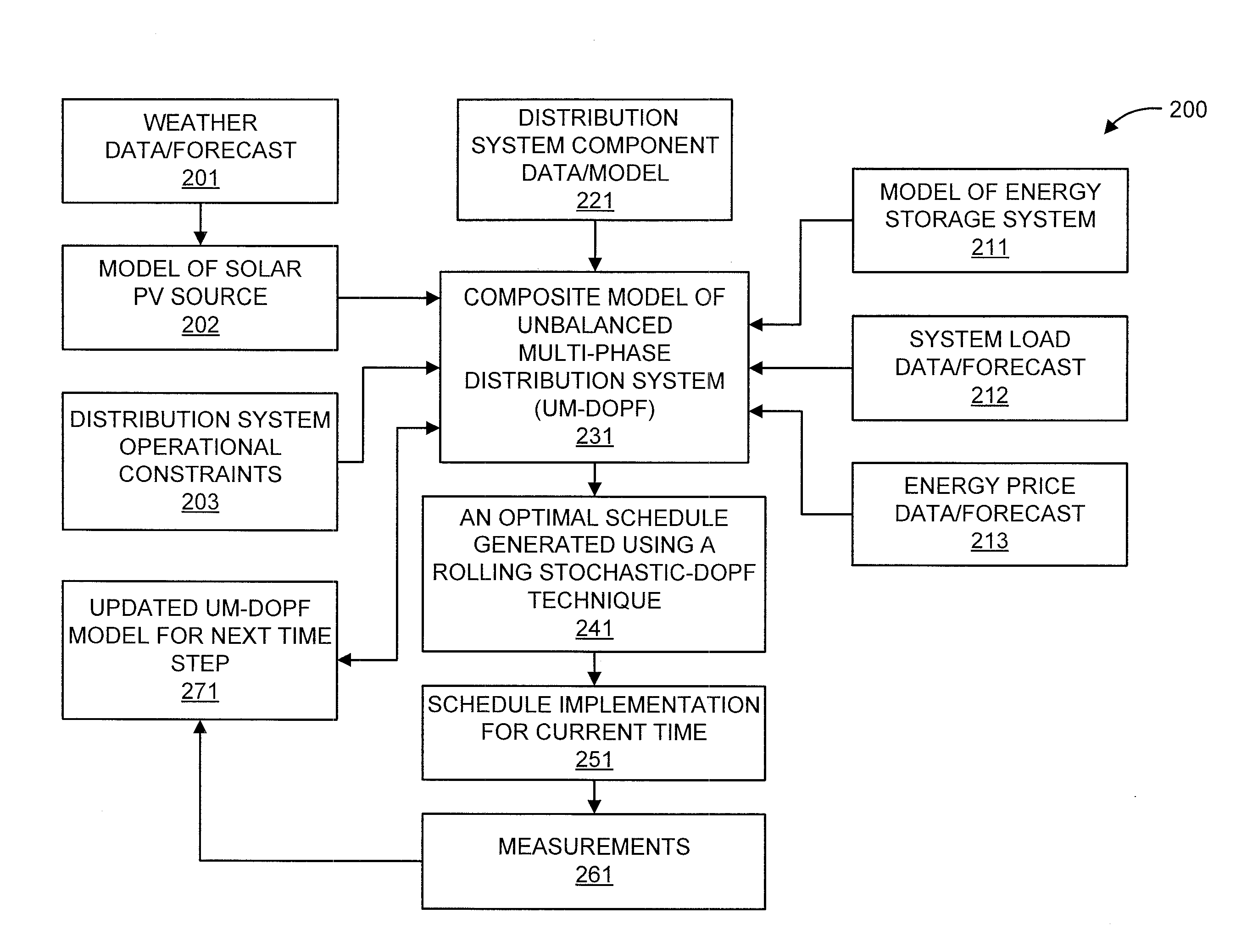
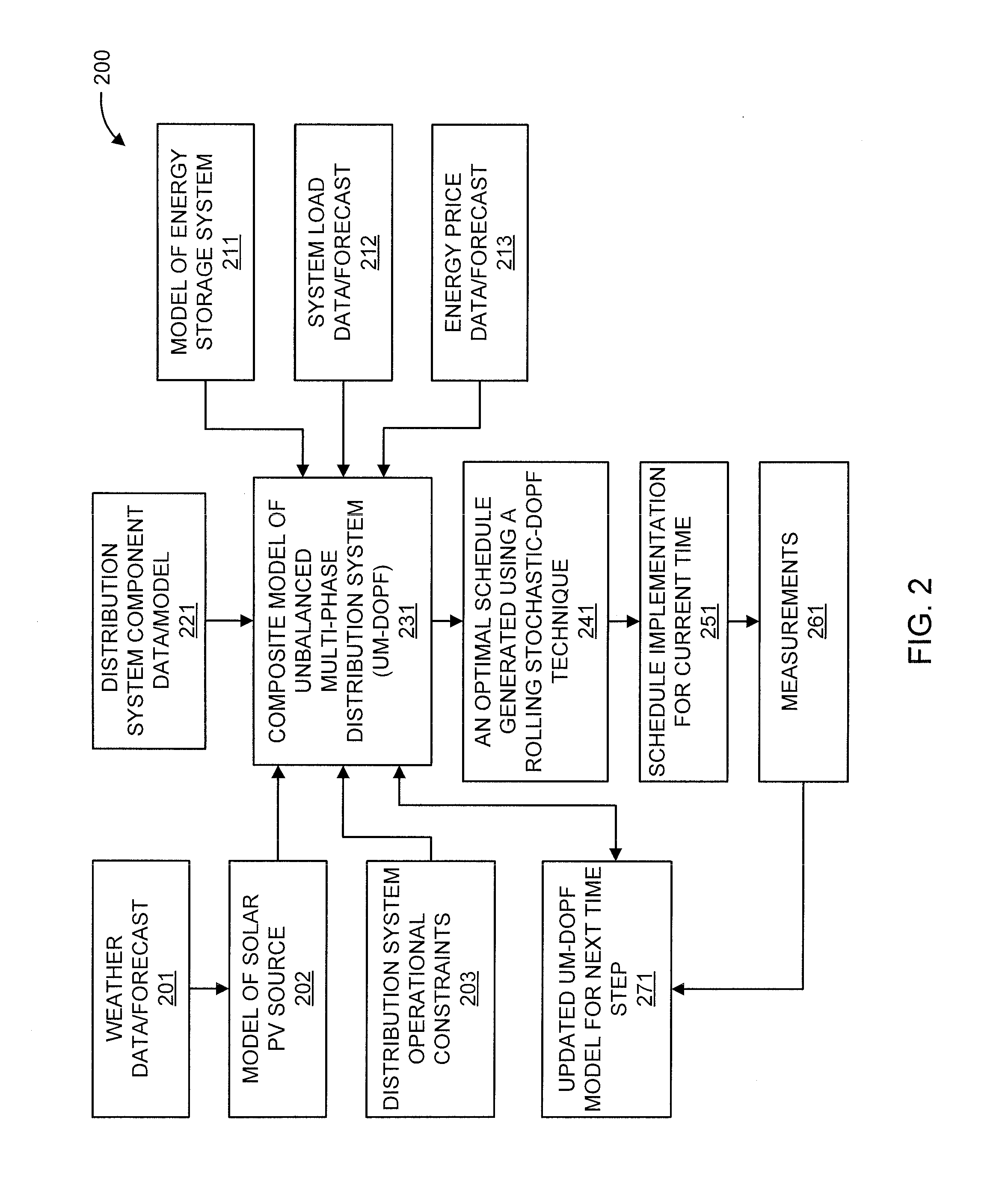
Rolling stochastic optimization based operation of distributed energy systems with energy storage systems and renewable energy resources
PatentInactiveUS20160043548A1
Innovation
- A rolling stochastic optimization method is employed to optimize the operation of energy storage systems in distributed energy systems, using a composite model that integrates distribution optimal power flow models, allowing for optimal scheduling with processor-based optimization techniques and addressing the unbalanced nature of the systems.

Hybrid grid and renewable based energy system
PatentActiveUS20230139514A1
Innovation
- A method that predicts energy demand and renewable energy availability using historical data and weather forecasts, adjusting energy supply from a combination of renewable sources, energy storage devices, and the grid to optimize energy conservation, including dynamic load shifting and charging strategies to minimize grid energy use.


Policy Framework for Renewable Energy Grid Integration
The regulatory landscape for renewable energy grid integration has evolved significantly over the past decade, driven by climate commitments and energy security concerns. Governments worldwide have established comprehensive policy frameworks that address the technical challenges of potential energy distribution in renewable grid systems. These frameworks typically encompass grid modernization mandates, renewable energy standards, and interconnection protocols that facilitate the seamless integration of distributed energy resources.
At the federal level, many countries have implemented feed-in tariffs and renewable portfolio standards that create economic incentives for renewable energy deployment while establishing technical requirements for grid connection. The European Union's Clean Energy Package and the United States' Infrastructure Investment and Jobs Act exemplify comprehensive approaches that combine financial support with technical standards for grid modernization and energy storage deployment.
Grid codes and technical standards form the backbone of policy frameworks, establishing specific requirements for voltage regulation, frequency response, and power quality in renewable-integrated systems. Organizations such as the International Electrotechnical Commission and national regulatory bodies have developed standards that address the unique characteristics of variable renewable energy sources and their impact on potential energy distribution patterns.
Market mechanisms play a crucial role in policy frameworks, with capacity markets, ancillary service markets, and demand response programs providing economic signals that encourage optimal energy distribution. These mechanisms help balance supply and demand while maintaining grid stability in systems with high renewable penetration.
Regulatory sandboxes and pilot programs have emerged as important policy tools, allowing utilities and technology developers to test innovative solutions for potential energy distribution challenges under relaxed regulatory constraints. These initiatives enable real-world validation of new technologies while informing future policy development.
Cross-border coordination policies are increasingly important as renewable energy resources are often geographically distributed across political boundaries. International agreements and regional transmission organizations facilitate the development of interconnected grids that can optimize potential energy distribution across larger geographic areas, improving overall system efficiency and reliability.
At the federal level, many countries have implemented feed-in tariffs and renewable portfolio standards that create economic incentives for renewable energy deployment while establishing technical requirements for grid connection. The European Union's Clean Energy Package and the United States' Infrastructure Investment and Jobs Act exemplify comprehensive approaches that combine financial support with technical standards for grid modernization and energy storage deployment.
Grid codes and technical standards form the backbone of policy frameworks, establishing specific requirements for voltage regulation, frequency response, and power quality in renewable-integrated systems. Organizations such as the International Electrotechnical Commission and national regulatory bodies have developed standards that address the unique characteristics of variable renewable energy sources and their impact on potential energy distribution patterns.
Market mechanisms play a crucial role in policy frameworks, with capacity markets, ancillary service markets, and demand response programs providing economic signals that encourage optimal energy distribution. These mechanisms help balance supply and demand while maintaining grid stability in systems with high renewable penetration.
Regulatory sandboxes and pilot programs have emerged as important policy tools, allowing utilities and technology developers to test innovative solutions for potential energy distribution challenges under relaxed regulatory constraints. These initiatives enable real-world validation of new technologies while informing future policy development.
Cross-border coordination policies are increasingly important as renewable energy resources are often geographically distributed across political boundaries. International agreements and regional transmission organizations facilitate the development of interconnected grids that can optimize potential energy distribution across larger geographic areas, improving overall system efficiency and reliability.
Environmental Impact Assessment of Grid Distribution Systems
The environmental implications of potential energy distribution systems in renewable grid networks present multifaceted challenges that require comprehensive assessment frameworks. Traditional grid infrastructure primarily designed for centralized fossil fuel generation creates significant environmental burdens through material extraction, manufacturing processes, and operational emissions. The transition to renewable energy distribution fundamentally alters these environmental dynamics, introducing both opportunities for environmental improvement and new categories of ecological impact.
Renewable grid distribution systems demonstrate substantially reduced operational carbon footprints compared to conventional networks. Solar photovoltaic and wind energy integration eliminates direct combustion emissions during electricity generation, while distributed energy storage systems enable more efficient load balancing and reduced transmission losses. However, the manufacturing phase of renewable infrastructure components, particularly lithium-ion batteries and rare earth elements in wind turbines, introduces upstream environmental considerations that must be quantified within lifecycle assessments.
Land use patterns represent another critical environmental dimension in renewable grid distribution. Distributed solar installations on existing structures minimize additional land requirements, while utility-scale renewable facilities may compete with agricultural or natural habitats. Smart grid technologies enable more efficient spatial distribution of energy resources, potentially reducing the overall environmental footprint through optimized routing and reduced infrastructure redundancy.
The circular economy principles increasingly influence environmental impact assessments of renewable grid systems. Component recyclability, particularly for battery storage systems and photovoltaic panels, affects long-term environmental sustainability. Advanced grid management systems can extend equipment lifecycles through predictive maintenance and optimal operational parameters, thereby reducing material turnover rates and associated environmental impacts.
Biodiversity considerations emerge as renewable grid expansion intersects with natural ecosystems. Transmission line routing, electromagnetic field effects, and habitat fragmentation require careful evaluation during system design phases. Environmental monitoring protocols integrated with smart grid technologies enable real-time assessment of ecological impacts, facilitating adaptive management strategies that balance energy distribution efficiency with environmental protection objectives.
Renewable grid distribution systems demonstrate substantially reduced operational carbon footprints compared to conventional networks. Solar photovoltaic and wind energy integration eliminates direct combustion emissions during electricity generation, while distributed energy storage systems enable more efficient load balancing and reduced transmission losses. However, the manufacturing phase of renewable infrastructure components, particularly lithium-ion batteries and rare earth elements in wind turbines, introduces upstream environmental considerations that must be quantified within lifecycle assessments.
Land use patterns represent another critical environmental dimension in renewable grid distribution. Distributed solar installations on existing structures minimize additional land requirements, while utility-scale renewable facilities may compete with agricultural or natural habitats. Smart grid technologies enable more efficient spatial distribution of energy resources, potentially reducing the overall environmental footprint through optimized routing and reduced infrastructure redundancy.
The circular economy principles increasingly influence environmental impact assessments of renewable grid systems. Component recyclability, particularly for battery storage systems and photovoltaic panels, affects long-term environmental sustainability. Advanced grid management systems can extend equipment lifecycles through predictive maintenance and optimal operational parameters, thereby reducing material turnover rates and associated environmental impacts.
Biodiversity considerations emerge as renewable grid expansion intersects with natural ecosystems. Transmission line routing, electromagnetic field effects, and habitat fragmentation require careful evaluation during system design phases. Environmental monitoring protocols integrated with smart grid technologies enable real-time assessment of ecological impacts, facilitating adaptive management strategies that balance energy distribution efficiency with environmental protection objectives.
Unlock deeper insights with PatSnap Eureka Quick Research — get a full tech report to explore trends and direct your research. Try now!
Generate Your Research Report Instantly with AI Agent
Supercharge your innovation with PatSnap Eureka AI Agent Platform!