

Maximizing Sensor Performance with Microfluidic Cooling Solutions
APR 3, 20269 MIN READ
Generate Your Research Report Instantly with AI Agent
Patsnap Eureka helps you evaluate technical feasibility & market potential.
Microfluidic Cooling Technology Background and Objectives
Microfluidic cooling technology represents a paradigm shift in thermal management solutions, emerging from the convergence of microelectromechanical systems (MEMS) and advanced heat transfer principles. This technology leverages precisely engineered microscale channels to circulate coolants with exceptional efficiency, addressing the growing thermal challenges in high-performance sensor applications. The evolution from traditional macroscale cooling systems to microfluidic approaches has been driven by the relentless miniaturization of electronic components and the corresponding increase in power density.
The historical development of microfluidic cooling can be traced back to the early 1980s when researchers first explored microscale heat exchangers for electronics cooling. Initial investigations focused on silicon-based microchannel heat sinks, which demonstrated superior heat transfer coefficients compared to conventional cooling methods. The technology gained significant momentum in the 2000s with advances in microfabrication techniques, enabling the creation of increasingly sophisticated channel geometries and integrated cooling systems.
Contemporary sensor systems face unprecedented thermal management challenges as performance requirements continue to escalate. High-resolution imaging sensors, precision measurement devices, and advanced detection systems generate substantial heat loads that can severely compromise their operational accuracy and reliability. Temperature fluctuations directly impact sensor sensitivity, signal-to-noise ratios, and long-term stability, making effective thermal control a critical performance determinant.
The primary objective of implementing microfluidic cooling solutions is to achieve precise temperature regulation while maintaining compact form factors essential for modern sensor applications. This technology aims to provide uniform temperature distribution across sensor surfaces, minimize thermal gradients, and enable rapid thermal response times. Additionally, microfluidic cooling systems target reduced power consumption compared to traditional thermoelectric coolers while offering superior cooling capacity per unit volume.
Advanced microfluidic cooling implementations seek to integrate seamlessly with sensor packaging, providing localized thermal management without compromising system integration or adding significant complexity. The technology objectives extend beyond mere heat removal to encompass active temperature control, enabling sensors to operate within optimal temperature ranges regardless of environmental conditions or operational loads.
Future development goals focus on achieving sub-degree temperature stability, implementing smart thermal management with real-time feedback control, and developing self-regulating cooling systems that adapt to varying thermal loads automatically. These objectives align with the broader industry trend toward autonomous, high-performance sensor systems capable of maintaining peak performance across diverse operating conditions.
The historical development of microfluidic cooling can be traced back to the early 1980s when researchers first explored microscale heat exchangers for electronics cooling. Initial investigations focused on silicon-based microchannel heat sinks, which demonstrated superior heat transfer coefficients compared to conventional cooling methods. The technology gained significant momentum in the 2000s with advances in microfabrication techniques, enabling the creation of increasingly sophisticated channel geometries and integrated cooling systems.
Contemporary sensor systems face unprecedented thermal management challenges as performance requirements continue to escalate. High-resolution imaging sensors, precision measurement devices, and advanced detection systems generate substantial heat loads that can severely compromise their operational accuracy and reliability. Temperature fluctuations directly impact sensor sensitivity, signal-to-noise ratios, and long-term stability, making effective thermal control a critical performance determinant.
The primary objective of implementing microfluidic cooling solutions is to achieve precise temperature regulation while maintaining compact form factors essential for modern sensor applications. This technology aims to provide uniform temperature distribution across sensor surfaces, minimize thermal gradients, and enable rapid thermal response times. Additionally, microfluidic cooling systems target reduced power consumption compared to traditional thermoelectric coolers while offering superior cooling capacity per unit volume.
Advanced microfluidic cooling implementations seek to integrate seamlessly with sensor packaging, providing localized thermal management without compromising system integration or adding significant complexity. The technology objectives extend beyond mere heat removal to encompass active temperature control, enabling sensors to operate within optimal temperature ranges regardless of environmental conditions or operational loads.
Future development goals focus on achieving sub-degree temperature stability, implementing smart thermal management with real-time feedback control, and developing self-regulating cooling systems that adapt to varying thermal loads automatically. These objectives align with the broader industry trend toward autonomous, high-performance sensor systems capable of maintaining peak performance across diverse operating conditions.
Market Demand for Advanced Sensor Thermal Management
The global sensor market is experiencing unprecedented growth driven by the proliferation of Internet of Things applications, autonomous vehicles, industrial automation, and advanced consumer electronics. As sensors become increasingly sophisticated and operate at higher frequencies and power densities, thermal management has emerged as a critical bottleneck limiting performance and reliability. Traditional air cooling and passive heat dissipation methods are proving inadequate for next-generation sensor applications that demand precise temperature control and compact form factors.
High-performance imaging sensors in autonomous vehicles and surveillance systems generate substantial heat during continuous operation, leading to thermal noise, reduced sensitivity, and potential permanent damage. Similarly, LiDAR sensors, radar modules, and advanced MEMS devices face significant thermal challenges that directly impact their accuracy and operational lifespan. The semiconductor industry's push toward smaller node sizes and higher integration densities has exacerbated these thermal management requirements.
The aerospace and defense sectors represent particularly demanding markets for advanced sensor thermal management solutions. Military-grade sensors operating in extreme environments require robust cooling systems that maintain performance across wide temperature ranges while meeting stringent size, weight, and power constraints. Space applications present additional challenges where traditional cooling methods are ineffective, creating opportunities for innovative microfluidic solutions.
Medical device manufacturers are increasingly seeking advanced thermal management for diagnostic imaging equipment, biosensors, and wearable health monitoring devices. These applications require precise temperature control to ensure measurement accuracy while maintaining patient safety and comfort. The miniaturization trend in medical devices further intensifies the need for efficient microscale cooling solutions.
Industrial automation and smart manufacturing sectors demand reliable sensor performance in harsh operating environments with elevated ambient temperatures, dust, and vibration. Process monitoring sensors, machine vision systems, and quality control equipment require consistent thermal management to maintain production efficiency and product quality standards.
The consumer electronics market drives volume demand for cost-effective thermal management solutions in smartphones, tablets, gaming devices, and augmented reality systems. These applications prioritize compact designs and energy efficiency while maintaining optimal sensor performance for enhanced user experiences.
High-performance imaging sensors in autonomous vehicles and surveillance systems generate substantial heat during continuous operation, leading to thermal noise, reduced sensitivity, and potential permanent damage. Similarly, LiDAR sensors, radar modules, and advanced MEMS devices face significant thermal challenges that directly impact their accuracy and operational lifespan. The semiconductor industry's push toward smaller node sizes and higher integration densities has exacerbated these thermal management requirements.
The aerospace and defense sectors represent particularly demanding markets for advanced sensor thermal management solutions. Military-grade sensors operating in extreme environments require robust cooling systems that maintain performance across wide temperature ranges while meeting stringent size, weight, and power constraints. Space applications present additional challenges where traditional cooling methods are ineffective, creating opportunities for innovative microfluidic solutions.
Medical device manufacturers are increasingly seeking advanced thermal management for diagnostic imaging equipment, biosensors, and wearable health monitoring devices. These applications require precise temperature control to ensure measurement accuracy while maintaining patient safety and comfort. The miniaturization trend in medical devices further intensifies the need for efficient microscale cooling solutions.
Industrial automation and smart manufacturing sectors demand reliable sensor performance in harsh operating environments with elevated ambient temperatures, dust, and vibration. Process monitoring sensors, machine vision systems, and quality control equipment require consistent thermal management to maintain production efficiency and product quality standards.
The consumer electronics market drives volume demand for cost-effective thermal management solutions in smartphones, tablets, gaming devices, and augmented reality systems. These applications prioritize compact designs and energy efficiency while maintaining optimal sensor performance for enhanced user experiences.
Current Sensor Overheating Issues and Microfluidic Solutions
Modern sensor systems face critical thermal management challenges that significantly impact their operational efficiency and reliability. As sensor technologies advance toward higher sensitivity and miniaturization, heat generation has become a primary limiting factor in achieving optimal performance. Traditional cooling methods often prove inadequate for addressing the precise thermal control requirements of contemporary sensor applications.
High-performance sensors, particularly those used in imaging systems, environmental monitoring, and precision measurement applications, generate substantial heat during operation. This thermal buildup leads to increased noise levels, reduced sensitivity, and potential permanent damage to sensitive components. Temperature fluctuations can cause drift in sensor readings, compromising measurement accuracy and system reliability.
Conventional cooling approaches, including air cooling and bulk liquid cooling systems, present significant limitations in sensor applications. Air cooling systems lack the thermal conductivity necessary for effective heat removal from compact sensor packages. Traditional liquid cooling systems, while more effective, are often too bulky and introduce vibrations that can interfere with sensitive measurements.
Microfluidic cooling technology emerges as a promising solution to address these thermal management challenges. By utilizing microscale fluid channels integrated directly into sensor substrates or packaging, microfluidic systems can provide precise, localized cooling with minimal system footprint. These systems enable targeted heat removal from critical sensor components while maintaining the compact form factors essential for modern applications.
The integration of microfluidic cooling offers several advantages over conventional thermal management approaches. The microscale nature of fluid channels allows for enhanced heat transfer coefficients due to increased surface-to-volume ratios. Additionally, the ability to control fluid flow at the microscale enables dynamic thermal management, allowing cooling intensity to be adjusted based on real-time sensor operating conditions.
Recent developments in microfluidic fabrication techniques have made it feasible to integrate cooling channels directly into sensor substrates using standard semiconductor processing methods. This integration approach minimizes thermal resistance between heat sources and cooling elements, maximizing cooling efficiency while maintaining manufacturing compatibility with existing sensor production processes.
The implementation of microfluidic cooling solutions addresses multiple sensor performance limitations simultaneously. Beyond temperature control, these systems can reduce thermal gradients across sensor arrays, improve signal-to-noise ratios, and extend operational lifespans of sensitive components. The precise control offered by microfluidic systems also enables operation in extreme environmental conditions previously unsuitable for high-performance sensors.
High-performance sensors, particularly those used in imaging systems, environmental monitoring, and precision measurement applications, generate substantial heat during operation. This thermal buildup leads to increased noise levels, reduced sensitivity, and potential permanent damage to sensitive components. Temperature fluctuations can cause drift in sensor readings, compromising measurement accuracy and system reliability.
Conventional cooling approaches, including air cooling and bulk liquid cooling systems, present significant limitations in sensor applications. Air cooling systems lack the thermal conductivity necessary for effective heat removal from compact sensor packages. Traditional liquid cooling systems, while more effective, are often too bulky and introduce vibrations that can interfere with sensitive measurements.
Microfluidic cooling technology emerges as a promising solution to address these thermal management challenges. By utilizing microscale fluid channels integrated directly into sensor substrates or packaging, microfluidic systems can provide precise, localized cooling with minimal system footprint. These systems enable targeted heat removal from critical sensor components while maintaining the compact form factors essential for modern applications.
The integration of microfluidic cooling offers several advantages over conventional thermal management approaches. The microscale nature of fluid channels allows for enhanced heat transfer coefficients due to increased surface-to-volume ratios. Additionally, the ability to control fluid flow at the microscale enables dynamic thermal management, allowing cooling intensity to be adjusted based on real-time sensor operating conditions.
Recent developments in microfluidic fabrication techniques have made it feasible to integrate cooling channels directly into sensor substrates using standard semiconductor processing methods. This integration approach minimizes thermal resistance between heat sources and cooling elements, maximizing cooling efficiency while maintaining manufacturing compatibility with existing sensor production processes.
The implementation of microfluidic cooling solutions addresses multiple sensor performance limitations simultaneously. Beyond temperature control, these systems can reduce thermal gradients across sensor arrays, improve signal-to-noise ratios, and extend operational lifespans of sensitive components. The precise control offered by microfluidic systems also enables operation in extreme environmental conditions previously unsuitable for high-performance sensors.
Existing Microfluidic Cooling Implementation Approaches
01 Microfluidic cooling systems integrated with sensor arrays
Integration of microfluidic cooling channels with sensor arrays to maintain optimal operating temperatures and enhance sensor performance. The microfluidic structures are designed to efficiently remove heat generated by sensors during operation, preventing thermal drift and improving measurement accuracy. These systems utilize miniaturized fluid channels that can be precisely controlled to provide targeted cooling to specific sensor regions.- Microfluidic cooling systems with integrated temperature sensors: Microfluidic cooling solutions incorporate temperature sensors directly into the cooling channels or adjacent structures to monitor thermal performance in real-time. These integrated sensors enable precise temperature measurement at critical locations, allowing for dynamic adjustment of cooling parameters. The sensor integration improves overall system responsiveness and enables closed-loop thermal management control.
- Flow rate sensing for microfluidic cooling optimization: Flow rate sensors are employed in microfluidic cooling systems to measure coolant velocity and volume flow through microchannels. These sensors provide critical data for optimizing cooling efficiency and detecting potential blockages or leaks in the system. The flow sensing capability enables predictive maintenance and ensures consistent cooling performance across varying operational conditions.
- Pressure monitoring in microfluidic cooling networks: Pressure sensors are integrated into microfluidic cooling architectures to monitor hydraulic conditions throughout the cooling network. These sensors detect pressure drops that may indicate channel fouling, pump degradation, or system leaks. Pressure monitoring enhances system reliability and enables early detection of performance degradation before critical failures occur.
- Multi-parameter sensor arrays for comprehensive thermal management: Advanced microfluidic cooling solutions utilize arrays of multiple sensor types to simultaneously monitor temperature, flow rate, pressure, and other parameters. This multi-parameter approach provides comprehensive system diagnostics and enables sophisticated control algorithms. The sensor arrays facilitate optimization of cooling efficiency while minimizing power consumption and maximizing component lifespan.
- Sensor calibration and compensation techniques for microfluidic systems: Calibration methods and compensation algorithms are employed to maintain sensor accuracy in microfluidic cooling environments where miniaturization and thermal gradients can affect measurement precision. These techniques account for sensor drift, cross-sensitivity effects, and environmental variations. Advanced calibration approaches ensure long-term measurement reliability and enable accurate performance assessment of cooling systems.
02 Temperature monitoring and control in microfluidic cooling devices
Implementation of temperature sensors within microfluidic cooling systems to monitor and regulate thermal conditions in real-time. These solutions incorporate feedback mechanisms that adjust cooling fluid flow rates and temperatures based on sensor readings. The integration enables precise thermal management to optimize sensor performance across varying operational conditions and environmental temperatures.Expand Specific Solutions03 Microfluidic heat exchangers for electronic sensor cooling
Development of compact microfluidic heat exchangers specifically designed for cooling electronic sensors and detector arrays. These devices feature microscale channels with enhanced surface area-to-volume ratios that maximize heat transfer efficiency. The cooling solutions enable high-density sensor packaging while maintaining stable operating temperatures critical for accurate measurements and extended sensor lifespan.Expand Specific Solutions04 Flow rate optimization in microfluidic cooling for sensor stability
Methods for optimizing coolant flow rates in microfluidic systems to achieve uniform temperature distribution across sensor surfaces. These approaches involve computational modeling and experimental validation to determine optimal flow parameters that minimize temperature gradients while reducing power consumption. The optimized flow conditions help maintain consistent sensor response characteristics and reduce noise in measurement signals.Expand Specific Solutions05 Multi-layer microfluidic cooling architectures for sensor performance enhancement
Advanced multi-layer microfluidic cooling structures that provide enhanced thermal management for high-performance sensor systems. These architectures incorporate multiple cooling layers with independent flow control, enabling differential cooling of various sensor components. The designs facilitate improved thermal isolation between sensor elements and support higher power density operations while maintaining measurement precision and reducing cross-talk between adjacent sensors.Expand Specific Solutions
Key Players in Microfluidic and Sensor Industries
The microfluidic cooling solutions market for sensor performance optimization represents an emerging technology sector in its early commercialization phase, with significant growth potential driven by increasing thermal management demands in high-performance electronics. The market remains relatively nascent but shows promising expansion as industries seek advanced cooling solutions for next-generation sensors and electronic systems. Technology maturity varies considerably across market participants, with established technology giants like Intel Corp., Samsung Electronics, and Hitachi Ltd. leveraging their semiconductor expertise to integrate microfluidic cooling into existing product portfolios. Specialized cooling companies such as EBULLIENT LLC and DataBean Co. Ltd. are pioneering dedicated microfluidic solutions, while industrial leaders including Robert Bosch GmbH, ABB Ltd., and DENSO Corp. are exploring applications in automotive and industrial automation sectors. Research institutions like École Polytechnique Fédérale de Lausanne and Northwestern University are advancing fundamental microfluidic technologies, indicating strong academic-industry collaboration driving innovation forward.
Robert Bosch GmbH
Technical Solution: Bosch has engineered microfluidic cooling solutions that leverage their extensive sensor manufacturing expertise to create integrated thermal management systems. Their technology combines microscale cooling channels with advanced sensor packaging techniques to achieve optimal thermal performance. The system features adaptive cooling control that adjusts flow rates based on real-time sensor performance metrics, ensuring maximum efficiency while minimizing power consumption. Bosch's solution can reduce sensor response times by up to 40% by maintaining optimal operating temperatures. The technology incorporates fail-safe mechanisms and redundant cooling paths to ensure continuous operation in critical applications. Their approach utilizes environmentally friendly coolants and energy-efficient pumping systems that align with sustainability requirements. The modular design allows for easy integration into existing sensor systems across automotive, industrial, and consumer applications.
Strengths: Extensive sensor expertise, proven automotive reliability, sustainable design approach, modular integration capabilities. Weaknesses: Limited to specific sensor types, higher initial investment costs, dependency on proprietary cooling fluids.
Intel Corp.
Technical Solution: Intel has developed advanced microfluidic cooling solutions for high-performance processors and sensor systems. Their approach integrates microscale channels directly into silicon substrates, enabling precise thermal management at the chip level. The technology utilizes engineered coolant flow patterns that can remove heat flux densities exceeding 1000 W/cm² while maintaining sensor operating temperatures within optimal ranges. Intel's microfluidic cooling systems feature adaptive flow control mechanisms that respond to real-time thermal loads, ensuring consistent sensor performance across varying operational conditions. The solution incorporates corrosion-resistant materials and leak-proof sealing technologies to ensure long-term reliability in demanding applications.
Strengths: Industry-leading semiconductor fabrication capabilities, extensive R&D resources, proven track record in thermal management. Weaknesses: High development costs, complex manufacturing processes, limited application beyond semiconductor devices.
Core Patents in Microfluidic Sensor Cooling Systems
Thermal management techniques, apparatus and methods for use in microfluidic devices
PatentActiveUS8695355B2
Innovation
- The integration of micro-Peltier junctions with a thermally insulating substrate and a fluid-impervious layer on polydimethylsiloxane (PDMS) substrates allows for localized heating and cooling, preventing fluid seepage and enabling precise thermal control within microfluidic chambers.


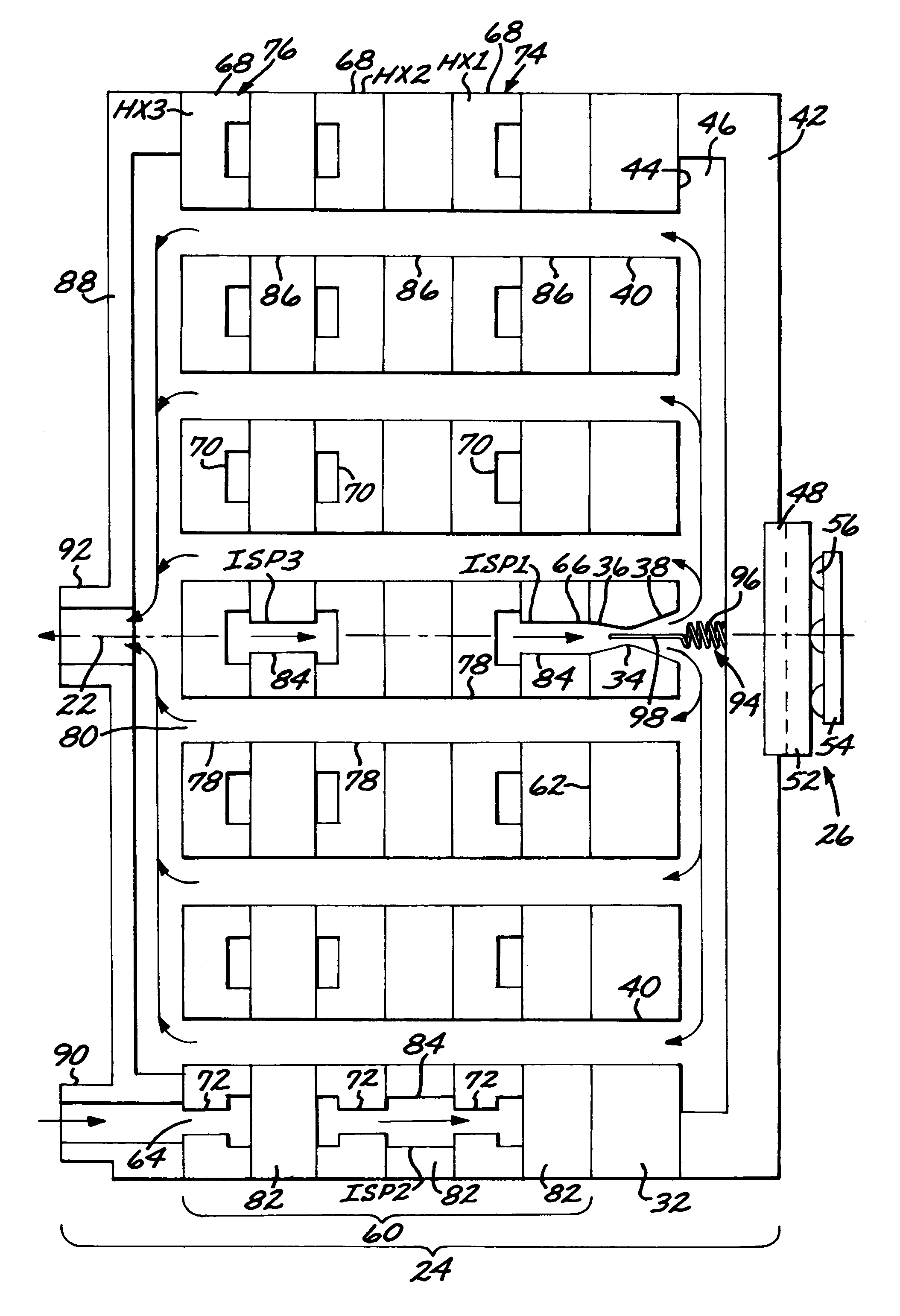
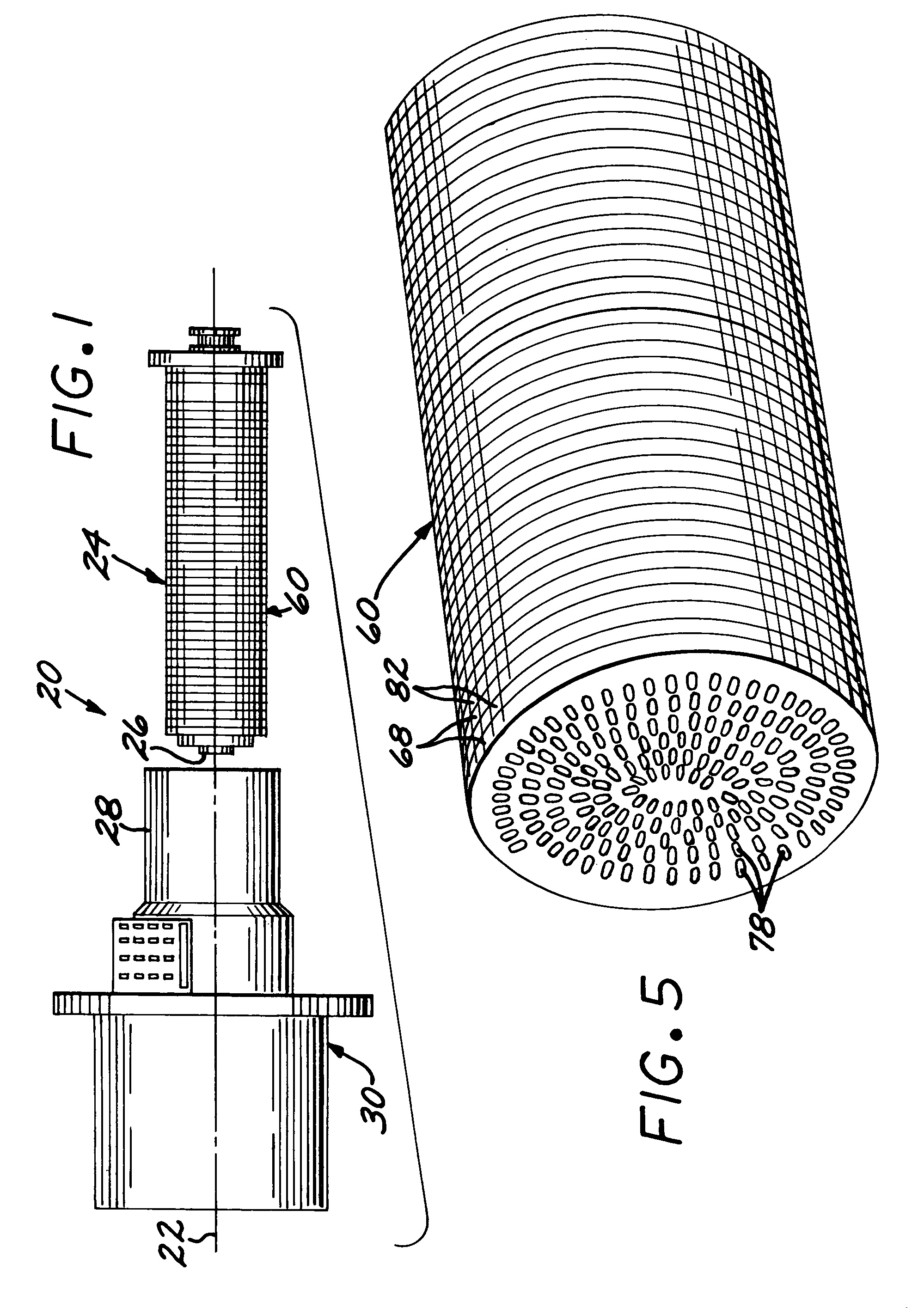
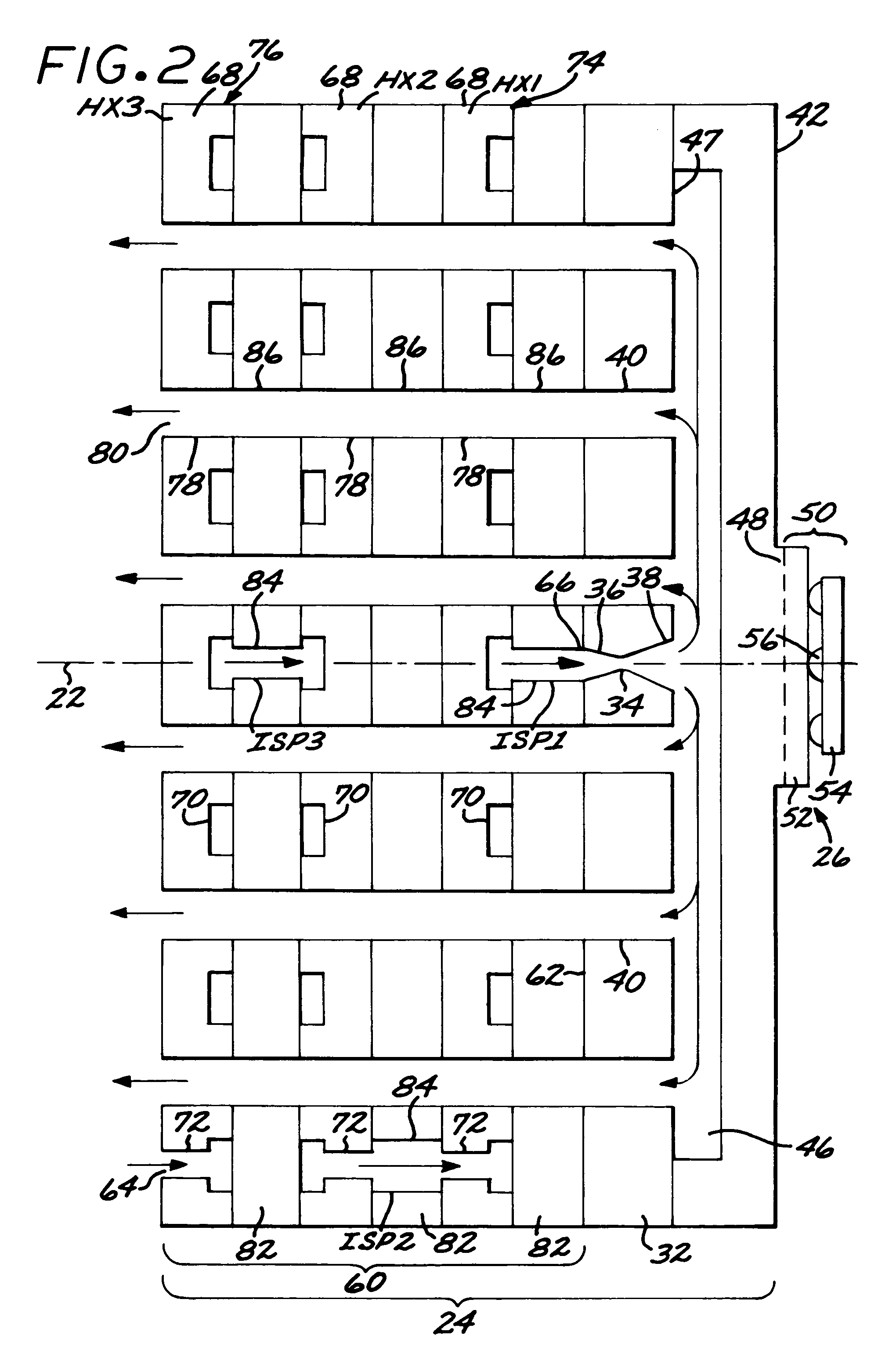
Stacked-plate gas-expansion cooler assembly, fabrication method, and use
PatentInactiveUS7178345B2
Innovation
- A gas-expansion cooler assembly with an integrated heat exchanger comprising stacked silicon heat-exchanger plates and an expansion orifice, which pre-cools pressurized gas flowing through spiral in-plane channels, reducing thermal impedance and cooldown time, and is designed to be compact and vibration-resistant by integrating the cooling mechanism directly with the microelectronic device.

Manufacturing Standards for Microfluidic Cooling Devices
The manufacturing of microfluidic cooling devices requires adherence to stringent standards to ensure optimal performance in sensor thermal management applications. Current industry standards primarily draw from semiconductor manufacturing protocols, medical device regulations, and precision engineering guidelines, creating a hybrid framework that addresses the unique challenges of microfluidic systems.
Dimensional tolerances represent a critical manufacturing parameter, with channel width variations typically maintained within ±2-5 micrometers for optimal flow characteristics. Surface roughness standards mandate Ra values below 0.1 micrometers to minimize pressure losses and prevent particle accumulation. These specifications directly impact cooling efficiency and long-term device reliability in sensor applications.
Material selection standards emphasize biocompatibility, chemical inertness, and thermal conductivity properties. Silicon-based substrates must meet SEMI standards for purity levels, while polymer materials require compliance with ISO 10993 biocompatibility testing protocols. Glass substrates follow optical industry standards for surface quality and thermal expansion coefficients.
Fabrication process standards encompass photolithography precision, etching uniformity, and bonding strength requirements. Clean room environments must maintain Class 100 or better conditions during critical manufacturing steps. Photolithography processes require alignment accuracy within 0.5 micrometers, while plasma etching must achieve aspect ratios exceeding 10:1 with sidewall angles controlled within ±2 degrees.
Quality control protocols mandate comprehensive testing at multiple manufacturing stages. Pressure testing standards require devices to withstand pressures 3-5 times their operational limits without deformation. Flow rate calibration must demonstrate accuracy within ±3% across the operational range. Thermal performance validation requires temperature uniformity measurements with precision better than 0.1°C.
Packaging and integration standards address hermetic sealing, electrical connectivity, and mechanical mounting requirements. Leak rates must remain below 10^-9 mbar·L/s for long-term reliability. These manufacturing standards collectively ensure that microfluidic cooling devices can deliver consistent thermal management performance for sensitive sensor applications across various operating conditions and environmental challenges.
Dimensional tolerances represent a critical manufacturing parameter, with channel width variations typically maintained within ±2-5 micrometers for optimal flow characteristics. Surface roughness standards mandate Ra values below 0.1 micrometers to minimize pressure losses and prevent particle accumulation. These specifications directly impact cooling efficiency and long-term device reliability in sensor applications.
Material selection standards emphasize biocompatibility, chemical inertness, and thermal conductivity properties. Silicon-based substrates must meet SEMI standards for purity levels, while polymer materials require compliance with ISO 10993 biocompatibility testing protocols. Glass substrates follow optical industry standards for surface quality and thermal expansion coefficients.
Fabrication process standards encompass photolithography precision, etching uniformity, and bonding strength requirements. Clean room environments must maintain Class 100 or better conditions during critical manufacturing steps. Photolithography processes require alignment accuracy within 0.5 micrometers, while plasma etching must achieve aspect ratios exceeding 10:1 with sidewall angles controlled within ±2 degrees.
Quality control protocols mandate comprehensive testing at multiple manufacturing stages. Pressure testing standards require devices to withstand pressures 3-5 times their operational limits without deformation. Flow rate calibration must demonstrate accuracy within ±3% across the operational range. Thermal performance validation requires temperature uniformity measurements with precision better than 0.1°C.
Packaging and integration standards address hermetic sealing, electrical connectivity, and mechanical mounting requirements. Leak rates must remain below 10^-9 mbar·L/s for long-term reliability. These manufacturing standards collectively ensure that microfluidic cooling devices can deliver consistent thermal management performance for sensitive sensor applications across various operating conditions and environmental challenges.
Environmental Impact of Microfluidic Cooling Solutions
The environmental implications of microfluidic cooling solutions for sensor applications present a complex landscape of both opportunities and challenges. These systems, while offering superior thermal management capabilities, introduce unique environmental considerations that must be carefully evaluated throughout their lifecycle.
From a resource consumption perspective, microfluidic cooling systems typically require specialized materials including high-purity silicon, glass substrates, and advanced polymers for channel fabrication. The manufacturing processes often involve photolithography, etching, and bonding techniques that consume significant energy and utilize chemical solvents. However, the miniaturized nature of these systems results in substantially lower material usage compared to conventional cooling solutions, potentially reducing the overall material footprint per unit of cooling capacity.
The operational environmental impact varies significantly depending on the cooling fluid selection and system design. Water-based coolants offer excellent biocompatibility and minimal toxicity, while synthetic fluids may provide superior thermal properties but raise concerns regarding biodegradability and potential environmental persistence. The closed-loop nature of most microfluidic systems minimizes fluid loss and contamination risks, representing a significant advantage over traditional cooling methods.
Energy efficiency considerations reveal promising environmental benefits. Microfluidic cooling systems typically operate at lower power requirements due to reduced pumping needs and optimized heat transfer characteristics. The precise flow control and minimal thermal mass enable rapid temperature regulation with reduced energy consumption, potentially decreasing the carbon footprint of sensor operations.
End-of-life management presents both challenges and opportunities. The integration of microfluidic channels within sensor substrates complicates material separation and recycling processes. However, the high-value materials used in these systems create economic incentives for recovery and reprocessing. Advanced disassembly techniques and material recovery protocols are being developed to address these challenges.
Regulatory compliance requirements continue to evolve as environmental agencies develop frameworks for evaluating microfluidic technologies. Current assessments focus on chemical safety, waste generation, and energy efficiency metrics, with emerging standards addressing lifecycle environmental impacts and sustainable design principles.
From a resource consumption perspective, microfluidic cooling systems typically require specialized materials including high-purity silicon, glass substrates, and advanced polymers for channel fabrication. The manufacturing processes often involve photolithography, etching, and bonding techniques that consume significant energy and utilize chemical solvents. However, the miniaturized nature of these systems results in substantially lower material usage compared to conventional cooling solutions, potentially reducing the overall material footprint per unit of cooling capacity.
The operational environmental impact varies significantly depending on the cooling fluid selection and system design. Water-based coolants offer excellent biocompatibility and minimal toxicity, while synthetic fluids may provide superior thermal properties but raise concerns regarding biodegradability and potential environmental persistence. The closed-loop nature of most microfluidic systems minimizes fluid loss and contamination risks, representing a significant advantage over traditional cooling methods.
Energy efficiency considerations reveal promising environmental benefits. Microfluidic cooling systems typically operate at lower power requirements due to reduced pumping needs and optimized heat transfer characteristics. The precise flow control and minimal thermal mass enable rapid temperature regulation with reduced energy consumption, potentially decreasing the carbon footprint of sensor operations.
End-of-life management presents both challenges and opportunities. The integration of microfluidic channels within sensor substrates complicates material separation and recycling processes. However, the high-value materials used in these systems create economic incentives for recovery and reprocessing. Advanced disassembly techniques and material recovery protocols are being developed to address these challenges.
Regulatory compliance requirements continue to evolve as environmental agencies develop frameworks for evaluating microfluidic technologies. Current assessments focus on chemical safety, waste generation, and energy efficiency metrics, with emerging standards addressing lifecycle environmental impacts and sustainable design principles.
Unlock deeper insights with Patsnap Eureka Quick Research — get a full tech report to explore trends and direct your research. Try now!
Generate Your Research Report Instantly with AI Agent
Supercharge your innovation with Patsnap Eureka AI Agent Platform!