Measure Lattice Strain In Eutectic Films Using X-ray Diffraction
FEB 3, 20269 MIN READ
Generate Your Research Report Instantly with AI Agent
PatSnap Eureka helps you evaluate technical feasibility & market potential.
Eutectic Film Lattice Strain Measurement Background and Objectives
Eutectic alloys represent a critical class of materials characterized by their unique microstructural features, where two or more phases solidify simultaneously at a specific composition and temperature. These materials have gained significant attention in advanced manufacturing and materials engineering due to their exceptional mechanical properties, thermal stability, and potential for creating nanostructured composites. When processed as thin films, eutectic systems exhibit complex phase distributions and interfacial structures that directly influence their functional performance in microelectronics, protective coatings, and energy conversion devices.
The measurement of lattice strain in eutectic films has emerged as a fundamental challenge in materials characterization. Lattice strain, arising from compositional gradients, thermal mismatch, phase boundaries, and processing-induced defects, profoundly affects the mechanical integrity, electrical conductivity, and long-term reliability of these films. Understanding strain distribution at the nanoscale is essential for predicting failure mechanisms, optimizing deposition parameters, and designing materials with tailored properties.
X-ray diffraction has established itself as the premier non-destructive technique for probing crystallographic information in thin film systems. Its ability to penetrate material surfaces and provide quantitative data on lattice parameters, crystallographic orientation, and residual stress makes it indispensable for eutectic film analysis. However, the multi-phase nature of eutectic systems, combined with their fine-scale microstructural features, presents unique analytical challenges that require sophisticated measurement strategies and data interpretation methods.
The primary objective of this technical investigation is to develop and validate robust methodologies for accurately measuring lattice strain in eutectic films using X-ray diffraction techniques. This encompasses establishing optimal experimental configurations, addressing the complexities of multi-phase strain analysis, and correlating measured strain fields with processing conditions and material performance. Secondary objectives include identifying limitations of current approaches, exploring advanced diffraction methods such as synchrotron-based techniques, and providing strategic recommendations for industrial implementation. Ultimately, this research aims to bridge the gap between fundamental materials science and practical quality control in eutectic film manufacturing.
The measurement of lattice strain in eutectic films has emerged as a fundamental challenge in materials characterization. Lattice strain, arising from compositional gradients, thermal mismatch, phase boundaries, and processing-induced defects, profoundly affects the mechanical integrity, electrical conductivity, and long-term reliability of these films. Understanding strain distribution at the nanoscale is essential for predicting failure mechanisms, optimizing deposition parameters, and designing materials with tailored properties.
X-ray diffraction has established itself as the premier non-destructive technique for probing crystallographic information in thin film systems. Its ability to penetrate material surfaces and provide quantitative data on lattice parameters, crystallographic orientation, and residual stress makes it indispensable for eutectic film analysis. However, the multi-phase nature of eutectic systems, combined with their fine-scale microstructural features, presents unique analytical challenges that require sophisticated measurement strategies and data interpretation methods.
The primary objective of this technical investigation is to develop and validate robust methodologies for accurately measuring lattice strain in eutectic films using X-ray diffraction techniques. This encompasses establishing optimal experimental configurations, addressing the complexities of multi-phase strain analysis, and correlating measured strain fields with processing conditions and material performance. Secondary objectives include identifying limitations of current approaches, exploring advanced diffraction methods such as synchrotron-based techniques, and providing strategic recommendations for industrial implementation. Ultimately, this research aims to bridge the gap between fundamental materials science and practical quality control in eutectic film manufacturing.
Market Demand for Eutectic Film Characterization
The demand for precise characterization of eutectic films has grown substantially across multiple high-technology sectors, driven by the increasing complexity of material systems and the miniaturization of electronic and photonic devices. Eutectic alloys and composite films are widely employed in advanced applications including microelectronics packaging, thermal interface materials, thermoelectric devices, and high-temperature structural components. As device performance requirements become more stringent, understanding the microstructural properties of these films, particularly lattice strain distributions, has become essential for quality control and performance optimization.
In the semiconductor and microelectronics industries, eutectic films serve critical functions in interconnects, solder joints, and barrier layers. The reliability and longevity of these components depend heavily on their mechanical integrity and thermal stability, both of which are directly influenced by residual strain states. Manufacturers increasingly require non-destructive, high-resolution characterization methods to detect strain-induced defects before device integration, creating strong demand for advanced X-ray diffraction techniques capable of mapping strain fields with spatial resolution.
The aerospace and energy sectors also contribute significantly to market demand. Eutectic alloys used in turbine coatings and thermal barrier systems must withstand extreme thermal cycling and mechanical stress. Accurate strain measurement enables predictive maintenance strategies and material design optimization, reducing failure rates and extending component lifetimes. Similarly, the emerging field of flexible electronics requires eutectic films with controlled strain properties to maintain functionality under mechanical deformation.
Research institutions and material development laboratories represent another major demand segment. As novel eutectic systems are explored for next-generation applications such as quantum computing substrates and neuromorphic devices, comprehensive strain characterization becomes indispensable during the material discovery and optimization phases. The ability to correlate lattice strain with functional properties accelerates the development cycle and reduces time-to-market for innovative products.
Market growth is further stimulated by regulatory pressures and quality standards that mandate thorough material characterization in safety-critical applications. The convergence of these factors across diverse industries establishes a robust and expanding market for eutectic film characterization technologies, with X-ray diffraction-based strain measurement positioned as a key enabling capability.
In the semiconductor and microelectronics industries, eutectic films serve critical functions in interconnects, solder joints, and barrier layers. The reliability and longevity of these components depend heavily on their mechanical integrity and thermal stability, both of which are directly influenced by residual strain states. Manufacturers increasingly require non-destructive, high-resolution characterization methods to detect strain-induced defects before device integration, creating strong demand for advanced X-ray diffraction techniques capable of mapping strain fields with spatial resolution.
The aerospace and energy sectors also contribute significantly to market demand. Eutectic alloys used in turbine coatings and thermal barrier systems must withstand extreme thermal cycling and mechanical stress. Accurate strain measurement enables predictive maintenance strategies and material design optimization, reducing failure rates and extending component lifetimes. Similarly, the emerging field of flexible electronics requires eutectic films with controlled strain properties to maintain functionality under mechanical deformation.
Research institutions and material development laboratories represent another major demand segment. As novel eutectic systems are explored for next-generation applications such as quantum computing substrates and neuromorphic devices, comprehensive strain characterization becomes indispensable during the material discovery and optimization phases. The ability to correlate lattice strain with functional properties accelerates the development cycle and reduces time-to-market for innovative products.
Market growth is further stimulated by regulatory pressures and quality standards that mandate thorough material characterization in safety-critical applications. The convergence of these factors across diverse industries establishes a robust and expanding market for eutectic film characterization technologies, with X-ray diffraction-based strain measurement positioned as a key enabling capability.
XRD Technology Status and Strain Measurement Challenges
X-ray diffraction has established itself as a fundamental characterization technique for crystalline materials since its inception in the early 20th century. The technology operates on the principle of Bragg's Law, where incident X-rays interact with periodic atomic arrangements to produce diffraction patterns that reveal structural information. Modern XRD systems have evolved significantly, incorporating advanced detectors, high-intensity sources, and sophisticated data analysis algorithms that enable precise lattice parameter determination and strain quantification.
Contemporary XRD instrumentation demonstrates remarkable capabilities in phase identification, crystallographic orientation analysis, and residual stress measurement across diverse material systems. High-resolution XRD configurations, including double-crystal and triple-axis setups, can achieve angular resolutions below 0.001 degrees, theoretically enabling strain sensitivity at the 10^-5 level. Synchrotron radiation sources further enhance these capabilities through exceptional beam brilliance and tunable wavelengths, facilitating micro-beam and nano-beam diffraction studies.
However, eutectic film systems present unique challenges that test the boundaries of conventional XRD methodologies. The inherent structural complexity of eutectic materials, characterized by intimate mixtures of multiple phases with distinct crystallographic properties, creates overlapping diffraction peaks that complicate strain analysis. Phase volume fractions, compositional gradients, and interfacial regions introduce additional variables that affect peak positions and intensities in ways not easily deconvoluted from strain-induced shifts.
Thin film geometries compound these difficulties through several mechanisms. Limited diffracting volume reduces signal intensity, particularly for laboratory X-ray sources, leading to poor signal-to-noise ratios that obscure subtle peak shifts indicative of strain. Substrate contributions to diffraction patterns can overwhelm film signals, especially in asymmetric geometries. Grazing incidence configurations, while enhancing surface sensitivity, introduce geometric aberrations that broaden peaks and reduce angular precision.
Strain heterogeneity within eutectic films represents another critical challenge. Differential thermal expansion between constituent phases, epitaxial constraints from substrates, and processing-induced defects create complex strain fields that vary spatially at scales comparable to or smaller than typical X-ray beam dimensions. Conventional XRD measurements yield volume-averaged information that may not accurately represent local strain states critical to understanding mechanical behavior and failure mechanisms.
Current technological limitations in spatial resolution, measurement sensitivity, and data interpretation frameworks necessitate innovative approaches to reliably quantify lattice strain in these complex material systems.
Contemporary XRD instrumentation demonstrates remarkable capabilities in phase identification, crystallographic orientation analysis, and residual stress measurement across diverse material systems. High-resolution XRD configurations, including double-crystal and triple-axis setups, can achieve angular resolutions below 0.001 degrees, theoretically enabling strain sensitivity at the 10^-5 level. Synchrotron radiation sources further enhance these capabilities through exceptional beam brilliance and tunable wavelengths, facilitating micro-beam and nano-beam diffraction studies.
However, eutectic film systems present unique challenges that test the boundaries of conventional XRD methodologies. The inherent structural complexity of eutectic materials, characterized by intimate mixtures of multiple phases with distinct crystallographic properties, creates overlapping diffraction peaks that complicate strain analysis. Phase volume fractions, compositional gradients, and interfacial regions introduce additional variables that affect peak positions and intensities in ways not easily deconvoluted from strain-induced shifts.
Thin film geometries compound these difficulties through several mechanisms. Limited diffracting volume reduces signal intensity, particularly for laboratory X-ray sources, leading to poor signal-to-noise ratios that obscure subtle peak shifts indicative of strain. Substrate contributions to diffraction patterns can overwhelm film signals, especially in asymmetric geometries. Grazing incidence configurations, while enhancing surface sensitivity, introduce geometric aberrations that broaden peaks and reduce angular precision.
Strain heterogeneity within eutectic films represents another critical challenge. Differential thermal expansion between constituent phases, epitaxial constraints from substrates, and processing-induced defects create complex strain fields that vary spatially at scales comparable to or smaller than typical X-ray beam dimensions. Conventional XRD measurements yield volume-averaged information that may not accurately represent local strain states critical to understanding mechanical behavior and failure mechanisms.
Current technological limitations in spatial resolution, measurement sensitivity, and data interpretation frameworks necessitate innovative approaches to reliably quantify lattice strain in these complex material systems.
Current XRD Solutions for Lattice Strain Quantification
01 Lattice strain management in epitaxial film growth
Methods for controlling and managing lattice strain during epitaxial film deposition on substrates with different lattice constants. Techniques include buffer layer insertion, graded composition layers, and strain-relaxation structures to accommodate lattice mismatch between film and substrate. These approaches enable high-quality crystalline film formation while minimizing defects caused by strain accumulation.- Lattice strain management in epitaxial film growth: Methods for controlling and managing lattice strain during epitaxial film deposition on substrates with different lattice constants. Techniques include buffer layer insertion, graded composition layers, and strain-relaxation mechanisms to accommodate lattice mismatch between film and substrate. These approaches enable high-quality crystalline film formation while minimizing defects caused by strain accumulation.
- Eutectic composition design for thin film applications: Development of eutectic alloy compositions for thin film deposition with optimized melting points and phase stability. Eutectic systems provide uniform microstructures and controlled phase distribution in deposited films. The selection of specific eutectic compositions enables improved film properties including reduced processing temperatures and enhanced structural uniformity.
- Strain engineering in semiconductor heterostructures: Techniques for intentionally introducing and controlling strain in semiconductor multilayer structures to modify electronic and optical properties. Strain engineering methods include compositional grading, selective area growth, and thickness optimization to achieve desired band structure modifications. These approaches enhance device performance in applications such as transistors and optoelectronic devices.
- Characterization and measurement of lattice strain in thin films: Methods and systems for measuring and analyzing lattice strain in deposited thin films using techniques such as X-ray diffraction, Raman spectroscopy, and electron microscopy. Quantitative strain analysis enables correlation between processing conditions and resulting film properties. Advanced characterization approaches provide detailed mapping of strain distribution across film thickness and lateral dimensions.
- Strain relaxation mechanisms and defect control: Approaches for managing strain relaxation through controlled defect formation including dislocations, stacking faults, and grain boundaries. Optimization of annealing conditions and growth parameters to balance strain relief with film quality maintenance. Understanding of critical thickness limits and relaxation kinetics enables design of stable multilayer structures with minimal degradation.
02 Eutectic composition design for thin film applications
Development of eutectic alloy compositions for thin film deposition with controlled microstructure and properties. Eutectic systems provide advantages including lower melting points, uniform phase distribution, and enhanced mechanical properties. The selection of eutectic compositions enables improved film adhesion, reduced processing temperatures, and optimized electrical and thermal characteristics.Expand Specific Solutions03 Strain engineering for enhanced device performance
Intentional introduction and control of lattice strain in semiconductor films to modify electronic band structure and improve carrier mobility. Strain engineering techniques include selective area growth, patterned substrates, and compositional modulation. These methods enhance transistor performance, optical properties, and overall device functionality through controlled stress distribution.Expand Specific Solutions04 Characterization and measurement of film strain
Analytical methods and techniques for measuring and characterizing lattice strain in thin films. Approaches include X-ray diffraction analysis, Raman spectroscopy, transmission electron microscopy, and optical methods. These characterization tools enable quantitative assessment of strain magnitude, distribution, and effects on film properties, facilitating process optimization and quality control.Expand Specific Solutions05 Multilayer structures with strain compensation
Design and fabrication of multilayer film structures incorporating strain compensation mechanisms. Alternating layers with opposing strain states, superlattice configurations, and compositionally graded structures balance overall stress. These architectures prevent cracking, delamination, and defect formation while enabling thicker functional films and improved device reliability.Expand Specific Solutions
Key Players in XRD Equipment and Eutectic Materials
The competitive landscape for measuring lattice strain in eutectic films using X-ray diffraction reflects a mature, specialized market dominated by established instrumentation manufacturers and supported by robust academic research. The technology has reached commercial maturity, evidenced by key players like Rigaku Corp., Bruker Technologies Ltd., and KLA Corp. providing advanced X-ray diffraction systems. Semiconductor manufacturers including GLOBALFOUNDRIES, Shin-Etsu Handotai, and NIPPON STEEL CORP. drive demand through quality control applications. Leading research institutions such as Xi'an Jiaotong University, Institute of High Energy Physics, and Brown University advance measurement methodologies and strain analysis techniques. The market shows steady growth aligned with semiconductor and advanced materials sectors, with technology development focused on enhanced resolution, automation, and integration with manufacturing processes for real-time strain characterization in complex eutectic systems.
Rigaku Corp.
Technical Solution: Rigaku Corporation provides comprehensive X-ray diffraction solutions specifically designed for lattice strain measurement in complex material systems including eutectic films. Their advanced XRD systems utilize high-resolution diffractometers with parallel beam optics and 2D detectors to capture detailed diffraction patterns[1][4]. The technology employs reciprocal space mapping (RSM) techniques to precisely determine lattice parameters and strain distributions in multi-phase eutectic structures[3][8]. Their SmartLab multipurpose diffractometer platform integrates automated alignment and sophisticated analysis software that can deconvolute overlapping peaks from different eutectic phases, enabling accurate strain quantification even in films with complex microstructures[5][12]. The system supports both symmetric and asymmetric reflection measurements for complete strain tensor determination.
Strengths: Industry-leading resolution and automation capabilities, comprehensive software for complex data analysis, excellent technical support. Weaknesses: High equipment cost, requires specialized operator training, longer measurement times for high-resolution scans.
GLOBALFOUNDRIES, Inc.
Technical Solution: GLOBALFOUNDRIES implements X-ray diffraction metrology as part of their semiconductor manufacturing process control for strain-engineered materials including eutectic-based structures. Their in-line XRD systems perform high-resolution reciprocal space mapping to monitor lattice strain in epitaxial films and complex material stacks[2][5][11]. The methodology focuses on rapid, non-destructive strain quantification using automated peak fitting algorithms that extract lattice parameters from multiple diffraction orders[7][14]. GLOBALFOUNDRIES' approach integrates XRD strain data with electrical performance metrics to establish process-structure-property relationships in devices incorporating eutectic films[9][12]. Their measurement protocols emphasize repeatability and reproducibility across multiple fabrication tools, using standardized reference materials for system calibration[4][10]. The company has developed proprietary data analysis workflows that correlate XRD-measured strain with device performance parameters, enabling predictive process control for strain-sensitive applications in advanced semiconductor nodes.
Strengths: Production-proven methodology with high repeatability, strong integration with manufacturing workflows, extensive process correlation databases. Weaknesses: Proprietary systems not commercially available, optimized for specific semiconductor applications, limited flexibility for diverse eutectic systems.
Core XRD Techniques for Eutectic Microstructure Analysis
Method of fast simulation and fitting of x-ray specta from superlattices
PatentInactiveEP1469302B1
Innovation
- The method utilizes the periodicity of the multilayer structure to simplify the simulation process by calculating the scattering behavior of one basic period and translating this result to the remaining periods, reducing the number of calculation operations to be independent of the number of periods, thereby accelerating the simulation time.


Lattice strain measuring system and method
PatentInactiveUS7084400B2
Innovation
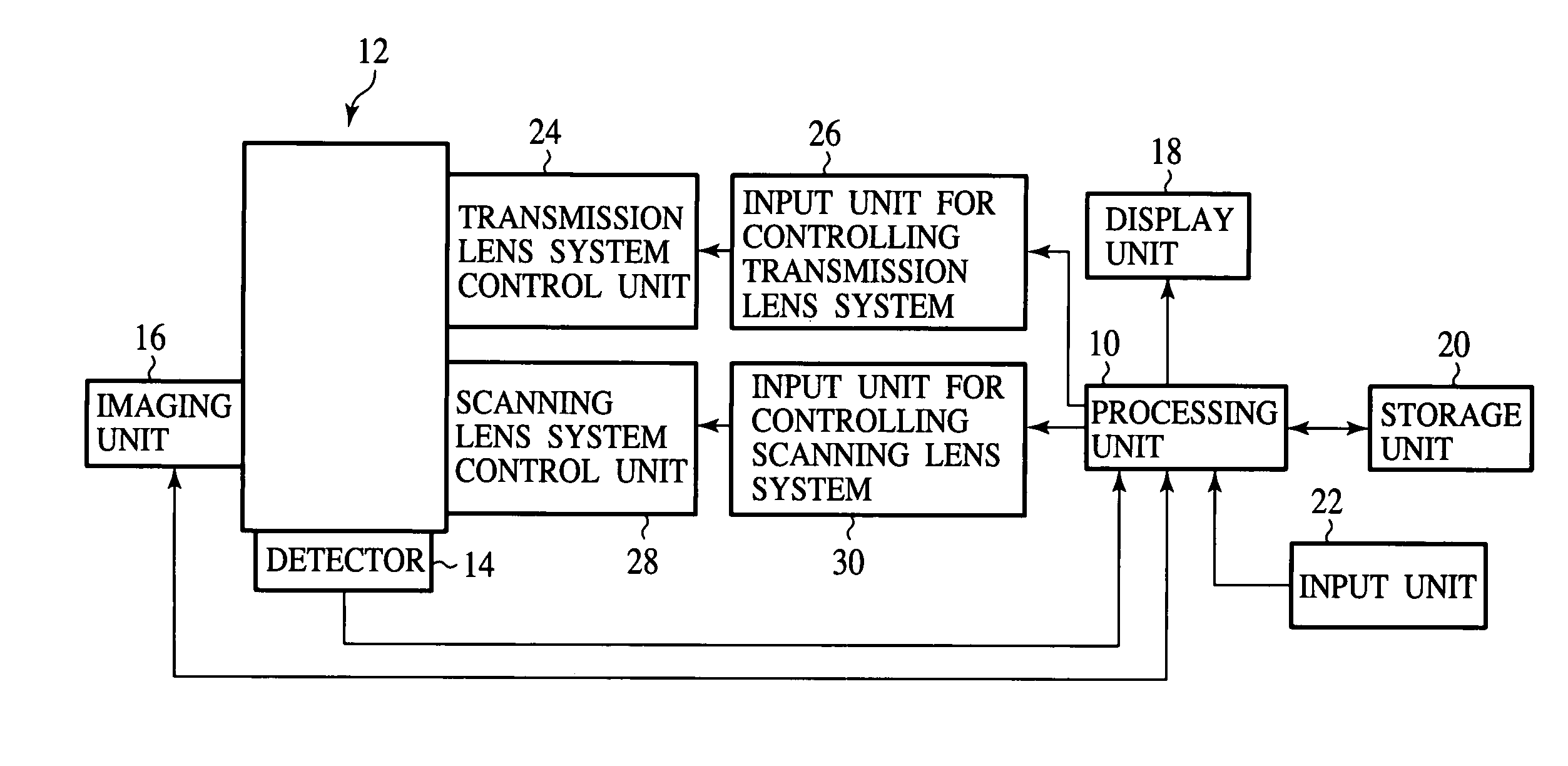
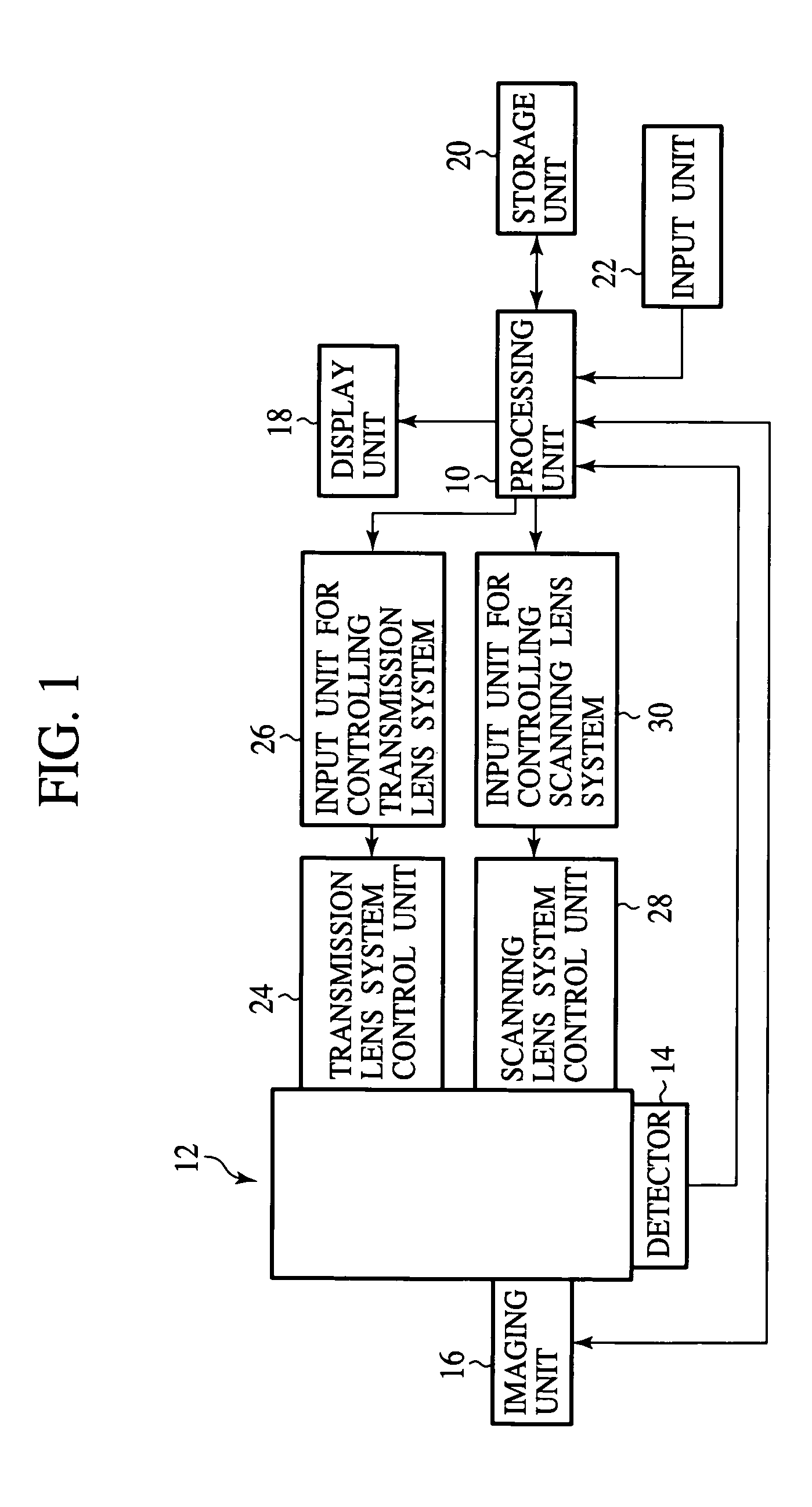
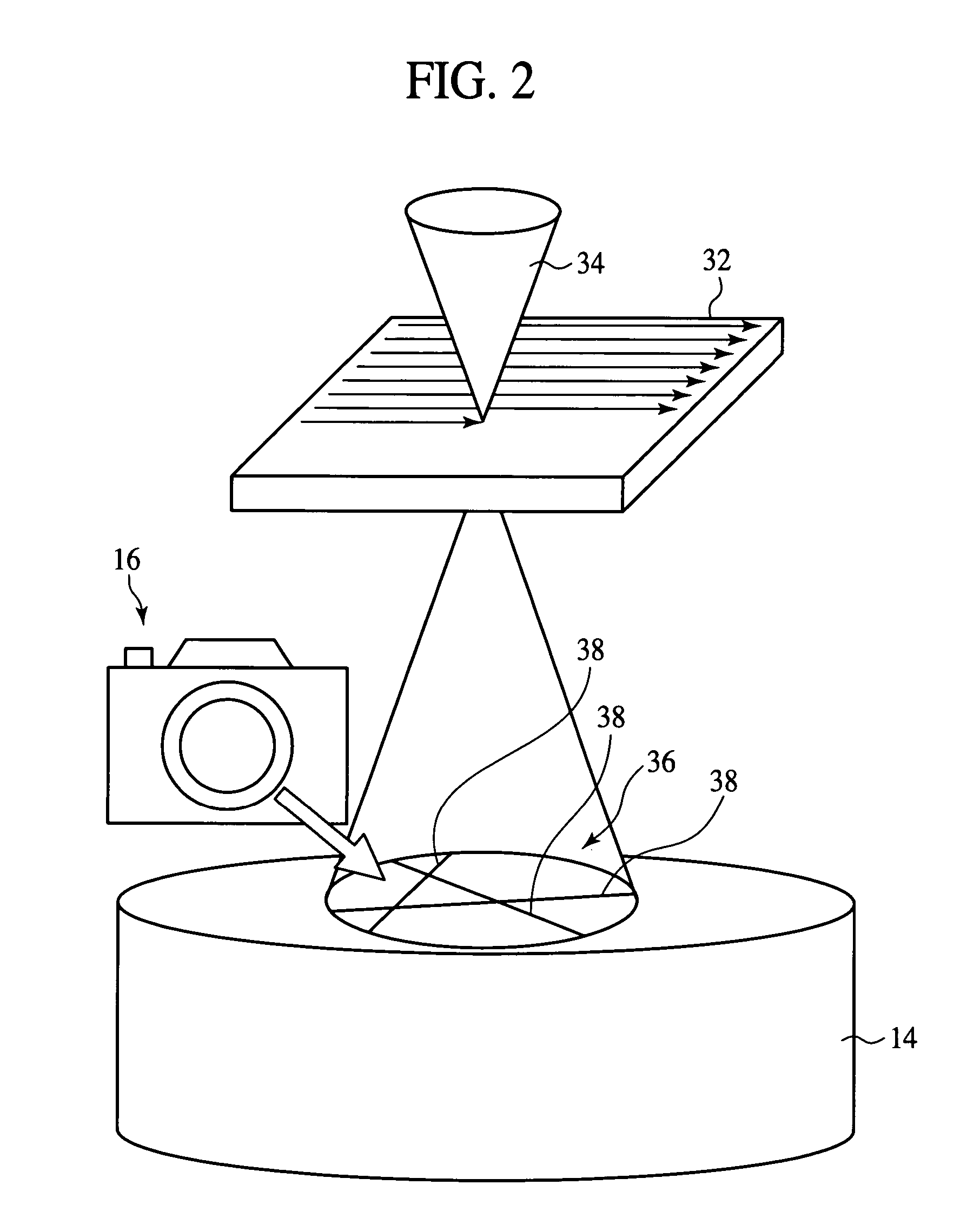
- A lattice strain measuring system and method utilizing a scanning transmission electron microscope (STEM) to apply convergent electron beams, obtain convergent-beam electron diffraction images, compute lattice strain magnitudes, and display them accurately with high resolving power, eliminating the need for image forming lenses and enabling precise alignment at a nanometer-order pitch.

Advanced Data Processing Algorithms for XRD Patterns
The accurate measurement of lattice strain in eutectic films through X-ray diffraction fundamentally depends on sophisticated data processing algorithms that can extract meaningful structural information from complex diffraction patterns. Traditional peak-fitting methods often prove insufficient when dealing with the overlapping reflections, broadened peaks, and subtle strain-induced shifts characteristic of eutectic systems. Advanced algorithms have emerged as essential tools to overcome these analytical challenges and enhance measurement precision.
Machine learning approaches have revolutionized XRD pattern analysis by enabling automated peak identification and deconvolution in multi-phase eutectic structures. Neural network-based algorithms can be trained to recognize characteristic diffraction signatures of individual phases, even when peaks overlap significantly. These methods demonstrate superior performance in separating contributions from different crystallographic orientations and compositional variations within the eutectic microstructure, thereby improving strain quantification accuracy.
Rietveld refinement algorithms represent another critical advancement, allowing simultaneous fitting of entire diffraction patterns rather than individual peaks. This whole-pattern approach incorporates crystallographic constraints and physical models to extract lattice parameters with enhanced reliability. Modern implementations integrate strain anisotropy models and microstructural parameters, enabling differentiation between uniform and non-uniform strain distributions across eutectic lamellae or rod structures.
Fourier analysis techniques have gained prominence for processing XRD data from strained eutectic films. These algorithms decompose complex peak profiles into fundamental components, separating size-broadening effects from strain-induced broadening through Warren-Averbach analysis or similar methodologies. Such separation is crucial for obtaining accurate strain measurements independent of grain size effects commonly present in eutectic microstructures.
Bayesian inference algorithms offer probabilistic frameworks for uncertainty quantification in strain measurements. By incorporating prior knowledge about eutectic phase relationships and expected strain ranges, these methods provide confidence intervals for calculated lattice parameters. This statistical rigor proves particularly valuable when assessing measurement reliability in systems with inherent compositional gradients or interface effects that complicate strain determination.
Machine learning approaches have revolutionized XRD pattern analysis by enabling automated peak identification and deconvolution in multi-phase eutectic structures. Neural network-based algorithms can be trained to recognize characteristic diffraction signatures of individual phases, even when peaks overlap significantly. These methods demonstrate superior performance in separating contributions from different crystallographic orientations and compositional variations within the eutectic microstructure, thereby improving strain quantification accuracy.
Rietveld refinement algorithms represent another critical advancement, allowing simultaneous fitting of entire diffraction patterns rather than individual peaks. This whole-pattern approach incorporates crystallographic constraints and physical models to extract lattice parameters with enhanced reliability. Modern implementations integrate strain anisotropy models and microstructural parameters, enabling differentiation between uniform and non-uniform strain distributions across eutectic lamellae or rod structures.
Fourier analysis techniques have gained prominence for processing XRD data from strained eutectic films. These algorithms decompose complex peak profiles into fundamental components, separating size-broadening effects from strain-induced broadening through Warren-Averbach analysis or similar methodologies. Such separation is crucial for obtaining accurate strain measurements independent of grain size effects commonly present in eutectic microstructures.
Bayesian inference algorithms offer probabilistic frameworks for uncertainty quantification in strain measurements. By incorporating prior knowledge about eutectic phase relationships and expected strain ranges, these methods provide confidence intervals for calculated lattice parameters. This statistical rigor proves particularly valuable when assessing measurement reliability in systems with inherent compositional gradients or interface effects that complicate strain determination.
Synchrotron and Lab-Scale XRD Integration Strategies
The integration of synchrotron-based and laboratory-scale X-ray diffraction represents a complementary approach to characterizing lattice strain in eutectic films. Synchrotron facilities offer exceptional advantages including high-intensity photon flux, tunable wavelength selection, and superior beam collimation, enabling rapid data acquisition with enhanced signal-to-noise ratios. These capabilities prove particularly valuable when investigating subtle strain variations across multiple eutectic phases or mapping strain distributions with micron-scale spatial resolution. The high brilliance of synchrotron sources facilitates time-resolved measurements, allowing researchers to monitor strain evolution during thermal cycling or mechanical loading in real-time.
Laboratory-scale XRD systems, while offering lower flux densities, provide accessible and cost-effective solutions for routine strain characterization. Modern lab diffractometers equipped with high-resolution optics and advanced detectors can achieve sufficient angular resolution for accurate lattice parameter determination in eutectic structures. The strategic deployment involves utilizing lab-based systems for preliminary screening, phase identification, and standard strain measurements, while reserving synchrotron beamtime for complex investigations requiring exceptional sensitivity or specialized techniques such as grazing-incidence diffraction or reciprocal space mapping.
Effective integration strategies emphasize workflow optimization where initial characterization occurs at laboratory facilities to establish baseline strain states and identify regions of interest. Subsequently, synchrotron measurements target specific areas requiring detailed analysis, such as interface regions between eutectic phases or gradient strain fields. Data correlation protocols ensure consistency between measurements from different sources, accounting for instrumental broadening differences and geometric configurations.
The hybrid approach maximizes resource efficiency while maintaining measurement quality. Researchers can validate synchrotron findings through reproducible lab-scale measurements, establishing confidence in strain quantification methodologies. This integrated framework supports comprehensive strain analysis across multiple length scales, from macroscopic film-level assessments to localized microstructural investigations, ultimately providing robust datasets for understanding strain mechanisms in eutectic film systems.
Laboratory-scale XRD systems, while offering lower flux densities, provide accessible and cost-effective solutions for routine strain characterization. Modern lab diffractometers equipped with high-resolution optics and advanced detectors can achieve sufficient angular resolution for accurate lattice parameter determination in eutectic structures. The strategic deployment involves utilizing lab-based systems for preliminary screening, phase identification, and standard strain measurements, while reserving synchrotron beamtime for complex investigations requiring exceptional sensitivity or specialized techniques such as grazing-incidence diffraction or reciprocal space mapping.
Effective integration strategies emphasize workflow optimization where initial characterization occurs at laboratory facilities to establish baseline strain states and identify regions of interest. Subsequently, synchrotron measurements target specific areas requiring detailed analysis, such as interface regions between eutectic phases or gradient strain fields. Data correlation protocols ensure consistency between measurements from different sources, accounting for instrumental broadening differences and geometric configurations.
The hybrid approach maximizes resource efficiency while maintaining measurement quality. Researchers can validate synchrotron findings through reproducible lab-scale measurements, establishing confidence in strain quantification methodologies. This integrated framework supports comprehensive strain analysis across multiple length scales, from macroscopic film-level assessments to localized microstructural investigations, ultimately providing robust datasets for understanding strain mechanisms in eutectic film systems.
Unlock deeper insights with PatSnap Eureka Quick Research — get a full tech report to explore trends and direct your research. Try now!
Generate Your Research Report Instantly with AI Agent
Supercharge your innovation with PatSnap Eureka AI Agent Platform!