Mechanical Energy System Planning for Future Needs
JAN 12, 20269 MIN READ
Generate Your Research Report Instantly with AI Agent
Patsnap Eureka helps you evaluate technical feasibility & market potential.
Mechanical Energy Systems Background and Planning Objectives
Mechanical energy systems have served as the backbone of industrial civilization for over two centuries, evolving from simple steam engines to sophisticated integrated power generation and distribution networks. These systems encompass a broad spectrum of technologies including turbines, compressors, pumps, engines, and energy storage mechanisms that convert, transmit, and utilize mechanical power. The historical trajectory reveals a consistent pattern of innovation driven by efficiency demands, environmental concerns, and economic pressures, transitioning from coal-powered machinery to diversified energy sources incorporating renewable integration and hybrid configurations.
Contemporary mechanical energy systems face unprecedented challenges as global energy consumption patterns shift dramatically. The imperative to decarbonize industrial processes while maintaining reliability and affordability creates complex planning requirements. Emerging technologies such as advanced materials, digital twin modeling, and artificial intelligence-enabled predictive maintenance are reshaping traditional approaches to system design and operation. The convergence of mechanical systems with electrical grids, thermal networks, and hydrogen infrastructure demands holistic planning frameworks that transcend conventional disciplinary boundaries.
The primary objective of modern mechanical energy system planning centers on developing adaptive infrastructure capable of accommodating future uncertainties. This includes designing systems with sufficient flexibility to integrate emerging energy carriers, scaling capacity to meet projected demand growth, and ensuring resilience against climate-related disruptions and supply chain vulnerabilities. Planners must balance competing priorities of capital efficiency, operational performance, environmental compliance, and technological obsolescence risks.
Strategic planning objectives extend beyond technical specifications to encompass lifecycle considerations and circular economy principles. Systems must be designed for modularity, enabling incremental upgrades without complete replacement. Interoperability standards become critical as mechanical systems increasingly interface with digital control architectures and participate in demand response programs. The planning horizon has expanded from traditional 20-year cycles to 40-50 year perspectives, requiring scenario-based approaches that account for technological breakthroughs, policy evolution, and socioeconomic transformations.
Ultimately, effective planning for mechanical energy systems demands a paradigm shift from static design methodologies to dynamic, adaptive frameworks that embrace uncertainty while maintaining core performance objectives across diverse operational contexts and future scenarios.
Contemporary mechanical energy systems face unprecedented challenges as global energy consumption patterns shift dramatically. The imperative to decarbonize industrial processes while maintaining reliability and affordability creates complex planning requirements. Emerging technologies such as advanced materials, digital twin modeling, and artificial intelligence-enabled predictive maintenance are reshaping traditional approaches to system design and operation. The convergence of mechanical systems with electrical grids, thermal networks, and hydrogen infrastructure demands holistic planning frameworks that transcend conventional disciplinary boundaries.
The primary objective of modern mechanical energy system planning centers on developing adaptive infrastructure capable of accommodating future uncertainties. This includes designing systems with sufficient flexibility to integrate emerging energy carriers, scaling capacity to meet projected demand growth, and ensuring resilience against climate-related disruptions and supply chain vulnerabilities. Planners must balance competing priorities of capital efficiency, operational performance, environmental compliance, and technological obsolescence risks.
Strategic planning objectives extend beyond technical specifications to encompass lifecycle considerations and circular economy principles. Systems must be designed for modularity, enabling incremental upgrades without complete replacement. Interoperability standards become critical as mechanical systems increasingly interface with digital control architectures and participate in demand response programs. The planning horizon has expanded from traditional 20-year cycles to 40-50 year perspectives, requiring scenario-based approaches that account for technological breakthroughs, policy evolution, and socioeconomic transformations.
Ultimately, effective planning for mechanical energy systems demands a paradigm shift from static design methodologies to dynamic, adaptive frameworks that embrace uncertainty while maintaining core performance objectives across diverse operational contexts and future scenarios.
Market Demand Analysis for Mechanical Energy Solutions
The global transition toward sustainable energy systems and decarbonization policies is fundamentally reshaping demand patterns for mechanical energy solutions. Industrial sectors, commercial facilities, and residential applications are increasingly seeking integrated mechanical energy systems that combine efficiency, reliability, and environmental compliance. This shift is driven by stringent emissions regulations, rising energy costs, and corporate sustainability commitments that prioritize carbon footprint reduction across operational portfolios.
Manufacturing industries represent a substantial demand segment, particularly in sectors such as automotive, aerospace, chemical processing, and heavy machinery production. These industries require robust mechanical energy systems capable of handling variable loads, supporting automation processes, and integrating with digital monitoring platforms. The push toward Industry 4.0 and smart manufacturing further amplifies demand for adaptive mechanical energy solutions that enable predictive maintenance and real-time performance optimization.
The renewable energy sector constitutes an emerging high-growth market for mechanical energy systems. Wind turbine installations, hydroelectric facilities, and emerging wave energy converters all depend on sophisticated mechanical energy conversion and transmission technologies. As renewable capacity expansion accelerates globally, demand for specialized mechanical components designed for intermittent operation patterns and harsh environmental conditions continues to intensify.
Urban infrastructure development and modernization projects generate significant demand for mechanical energy solutions in building systems, transportation networks, and utility operations. District heating and cooling systems, elevator and escalator installations, water pumping stations, and metro rail systems all require tailored mechanical energy planning to meet growing urban populations and smart city initiatives.
The transportation sector is undergoing transformation with electrification trends creating new demand profiles. While electric vehicles reduce traditional mechanical drivetrain requirements, they simultaneously create demand for advanced mechanical systems in battery thermal management, regenerative braking mechanisms, and lightweight structural components. Commercial aviation and maritime shipping sectors continue seeking mechanical efficiency improvements to meet fuel economy targets and regulatory requirements.
Emerging markets in Asia-Pacific, Latin America, and Africa present substantial growth opportunities as industrialization accelerates and infrastructure investment increases. These regions demonstrate rising demand for cost-effective, durable mechanical energy solutions adaptable to diverse operating conditions and maintenance capabilities.
Manufacturing industries represent a substantial demand segment, particularly in sectors such as automotive, aerospace, chemical processing, and heavy machinery production. These industries require robust mechanical energy systems capable of handling variable loads, supporting automation processes, and integrating with digital monitoring platforms. The push toward Industry 4.0 and smart manufacturing further amplifies demand for adaptive mechanical energy solutions that enable predictive maintenance and real-time performance optimization.
The renewable energy sector constitutes an emerging high-growth market for mechanical energy systems. Wind turbine installations, hydroelectric facilities, and emerging wave energy converters all depend on sophisticated mechanical energy conversion and transmission technologies. As renewable capacity expansion accelerates globally, demand for specialized mechanical components designed for intermittent operation patterns and harsh environmental conditions continues to intensify.
Urban infrastructure development and modernization projects generate significant demand for mechanical energy solutions in building systems, transportation networks, and utility operations. District heating and cooling systems, elevator and escalator installations, water pumping stations, and metro rail systems all require tailored mechanical energy planning to meet growing urban populations and smart city initiatives.
The transportation sector is undergoing transformation with electrification trends creating new demand profiles. While electric vehicles reduce traditional mechanical drivetrain requirements, they simultaneously create demand for advanced mechanical systems in battery thermal management, regenerative braking mechanisms, and lightweight structural components. Commercial aviation and maritime shipping sectors continue seeking mechanical efficiency improvements to meet fuel economy targets and regulatory requirements.
Emerging markets in Asia-Pacific, Latin America, and Africa present substantial growth opportunities as industrialization accelerates and infrastructure investment increases. These regions demonstrate rising demand for cost-effective, durable mechanical energy solutions adaptable to diverse operating conditions and maintenance capabilities.
Current Status and Challenges in Mechanical Energy Systems
Mechanical energy systems currently face a complex landscape characterized by aging infrastructure, increasing demand volatility, and mounting pressure for decarbonization. Traditional systems, predominantly reliant on fossil fuel-based generation and centralized distribution networks, are struggling to adapt to the rapid integration of renewable energy sources and distributed generation technologies. The intermittency of wind and solar power introduces significant challenges in maintaining grid stability and ensuring reliable energy supply during peak demand periods.
The global distribution of mechanical energy system development reveals stark disparities. Developed nations in North America and Europe have made substantial progress in modernizing their infrastructure and incorporating smart grid technologies, yet still grapple with the economic burden of replacing legacy systems. Meanwhile, emerging economies face the dual challenge of expanding energy access while simultaneously adopting cleaner technologies, often constrained by limited capital investment and technical expertise.
Energy storage remains one of the most critical technical bottlenecks. Current battery technologies, while improving, still suffer from limitations in energy density, cycle life, and cost-effectiveness for large-scale grid applications. Mechanical storage solutions such as pumped hydro and compressed air energy storage require specific geographical conditions and face environmental permitting challenges. The lack of economically viable, scalable storage solutions directly impedes the deeper penetration of renewable energy sources.
System integration complexity has escalated dramatically with the proliferation of distributed energy resources. Coordinating thousands of small-scale generators, managing bidirectional power flows, and maintaining power quality across increasingly decentralized networks demand sophisticated control systems and real-time data analytics capabilities that many existing infrastructures lack. Cybersecurity vulnerabilities have emerged as a critical concern, with interconnected digital systems creating potential attack vectors that could compromise grid reliability.
Regulatory frameworks and market structures designed for centralized generation models have become impediments to innovation. Outdated policies often fail to adequately compensate flexibility services, energy storage, and demand response mechanisms, creating economic disincentives for adopting advanced solutions. The absence of standardized protocols for system interoperability further fragments the market and increases implementation costs.
The global distribution of mechanical energy system development reveals stark disparities. Developed nations in North America and Europe have made substantial progress in modernizing their infrastructure and incorporating smart grid technologies, yet still grapple with the economic burden of replacing legacy systems. Meanwhile, emerging economies face the dual challenge of expanding energy access while simultaneously adopting cleaner technologies, often constrained by limited capital investment and technical expertise.
Energy storage remains one of the most critical technical bottlenecks. Current battery technologies, while improving, still suffer from limitations in energy density, cycle life, and cost-effectiveness for large-scale grid applications. Mechanical storage solutions such as pumped hydro and compressed air energy storage require specific geographical conditions and face environmental permitting challenges. The lack of economically viable, scalable storage solutions directly impedes the deeper penetration of renewable energy sources.
System integration complexity has escalated dramatically with the proliferation of distributed energy resources. Coordinating thousands of small-scale generators, managing bidirectional power flows, and maintaining power quality across increasingly decentralized networks demand sophisticated control systems and real-time data analytics capabilities that many existing infrastructures lack. Cybersecurity vulnerabilities have emerged as a critical concern, with interconnected digital systems creating potential attack vectors that could compromise grid reliability.
Regulatory frameworks and market structures designed for centralized generation models have become impediments to innovation. Outdated policies often fail to adequately compensate flexibility services, energy storage, and demand response mechanisms, creating economic disincentives for adopting advanced solutions. The absence of standardized protocols for system interoperability further fragments the market and increases implementation costs.
Current Mechanical Energy System Planning Approaches
01 Energy storage and conversion systems
Mechanical energy systems that focus on storing and converting energy between different forms, such as kinetic to potential energy or mechanical to electrical energy. These systems utilize various mechanisms including flywheels, springs, and gravitational potential energy storage to efficiently capture, store, and release energy when needed. The conversion processes are optimized to minimize energy losses and maximize system efficiency.- Energy storage and conversion systems: Mechanical energy systems that focus on storing and converting energy between different forms, such as kinetic to potential energy or vice versa. These systems utilize various mechanisms including flywheels, springs, and gravitational potential energy storage to efficiently capture, store, and release mechanical energy for various applications. The systems are designed to optimize energy efficiency and provide reliable power output when needed.
- Regenerative braking and energy recovery systems: Systems designed to capture and reuse mechanical energy that would otherwise be lost during braking or deceleration processes. These mechanisms convert kinetic energy into stored energy through various means, allowing for improved overall system efficiency. The recovered energy can be stored temporarily and reused to assist in subsequent acceleration or power requirements, significantly reducing energy waste in cyclic operations.
- Mechanical energy transmission and distribution systems: Systems focused on the efficient transmission and distribution of mechanical energy from a source to various end-use applications. These include gear systems, belt drives, shaft couplings, and other mechanical linkages that transfer rotational or linear motion while minimizing energy losses. The systems are engineered to handle specific torque and speed requirements while maintaining durability and reliability across different operating conditions.
- Hybrid mechanical-electrical energy systems: Integrated systems that combine mechanical and electrical energy components to optimize overall performance and efficiency. These systems utilize mechanical energy storage or generation devices in conjunction with electrical components to provide flexible energy management solutions. The hybrid approach allows for better load balancing, peak power delivery, and improved system responsiveness across varying operational demands.
- Mechanical energy harvesting and generation devices: Devices and systems designed to capture ambient mechanical energy from environmental sources such as vibrations, motion, or pressure variations and convert it into usable energy. These systems employ various transduction mechanisms to transform mechanical movements into stored or electrical energy. Applications include self-powered sensors, portable devices, and remote monitoring systems that benefit from autonomous energy generation capabilities.
02 Regenerative energy recovery mechanisms
Systems designed to capture and reuse mechanical energy that would otherwise be wasted, particularly in braking or deceleration processes. These mechanisms convert kinetic energy during motion into stored energy that can be utilized later, improving overall system efficiency. Applications include vehicle braking systems, industrial machinery, and transportation systems where energy recovery significantly enhances performance.Expand Specific Solutions03 Mechanical power transmission systems
Technologies focused on efficiently transmitting mechanical power from one component to another within a system. These include gear systems, belt drives, hydraulic transmissions, and other mechanical linkages that transfer rotational or linear motion while maintaining energy efficiency. The systems are designed to handle various load conditions and operational requirements while minimizing friction and wear.Expand Specific Solutions04 Hybrid mechanical-electrical energy systems
Integrated systems that combine mechanical and electrical energy components to optimize overall performance and efficiency. These systems leverage the advantages of both mechanical energy storage and electrical power generation or consumption, often incorporating control systems to manage energy flow between different subsystems. Such hybrid approaches are particularly useful in applications requiring flexible energy management and multiple operating modes.Expand Specific Solutions05 Mechanical energy harvesting devices
Devices and systems designed to capture ambient mechanical energy from environmental sources such as vibrations, motion, or pressure variations and convert it into usable energy. These energy harvesting technologies enable self-powered systems or supplement existing power sources by exploiting otherwise wasted mechanical energy in the environment. Applications range from small-scale sensors to larger industrial monitoring systems.Expand Specific Solutions
Major Players in Mechanical Energy System Industry
The mechanical energy system planning sector is experiencing rapid evolution as global energy transition accelerates, driven by decarbonization targets and grid modernization demands. The market demonstrates substantial growth potential, with increasing investments in renewable integration, energy storage solutions, and smart grid infrastructure. Technology maturity varies significantly across the competitive landscape. Established industrial giants like State Grid Corp. of China, Siemens AG, Hitachi Ltd., and Mitsubishi Heavy Industries lead in conventional power systems and grid infrastructure with proven technologies. Meanwhile, innovative players such as Xendee Corp., Energy Toolbase Software, and Torus Inc. are advancing next-generation planning tools, microgrid optimization platforms, and novel storage technologies. Research institutions including North China Electric Power University and Korea Institute of Energy Research contribute fundamental breakthroughs. The sector shows clear bifurcation between mature grid management solutions and emerging distributed energy resource planning capabilities, with software-driven optimization and AI-enabled forecasting representing the technological frontier for future energy system planning.
State Grid Corp. of China
Technical Solution: State Grid Corporation of China has developed extensive mechanical energy system planning methodologies based on managing the world's largest power grid, with particular expertise in large-scale pumped hydro storage planning and compressed air energy storage integration. Their planning approach encompasses ultra-high voltage transmission coordination with mechanical storage assets, utilizing proprietary algorithms that optimize storage placement across vast geographical areas to balance regional supply-demand mismatches. The corporation's planning framework extends 30-50 years forward, incorporating China's carbon neutrality goals, massive renewable integration targets, and the role of mechanical storage in providing seasonal energy shifting and grid inertia services. Their methodology includes detailed geological assessments for underground CAES facilities, hydrological modeling for pumped storage sites, and grid stability analysis for high-penetration renewable scenarios requiring substantial mechanical energy buffering capacity.
Strengths: Unparalleled experience with large-scale grid planning, extensive real-world data from operating world's largest grid, strong government support for long-term infrastructure projects. Weaknesses: Limited international technology transfer, planning tools primarily optimized for Chinese grid characteristics, less accessible to international markets.
Hitachi Ltd.
Technical Solution: Hitachi offers advanced energy system planning solutions through its Lumada platform, specifically designed for mechanical energy storage integration including flywheel systems and pumped storage hydroelectric facilities. Their planning framework utilizes AI-driven predictive analytics to forecast future energy demands over 15-25 year periods, optimizing placement and sizing of mechanical storage assets based on grid topology, load patterns, and renewable penetration levels. The system incorporates digital twin technology to simulate various mechanical energy storage configurations, evaluating performance under different future scenarios including extreme weather events, demand surges, and grid contingencies. Hitachi's solution emphasizes lifecycle cost analysis, maintenance scheduling optimization, and degradation modeling specific to mechanical storage systems, enabling utilities to make informed long-term investment decisions.
Strengths: Strong AI and digital twin capabilities for accurate future scenario modeling, excellent integration with existing utility infrastructure, robust lifecycle analysis tools. Weaknesses: Limited market presence outside Asia-Pacific region, relatively newer platform compared to established competitors, requires significant data infrastructure investment.
Key Technologies in Advanced Mechanical Energy Planning
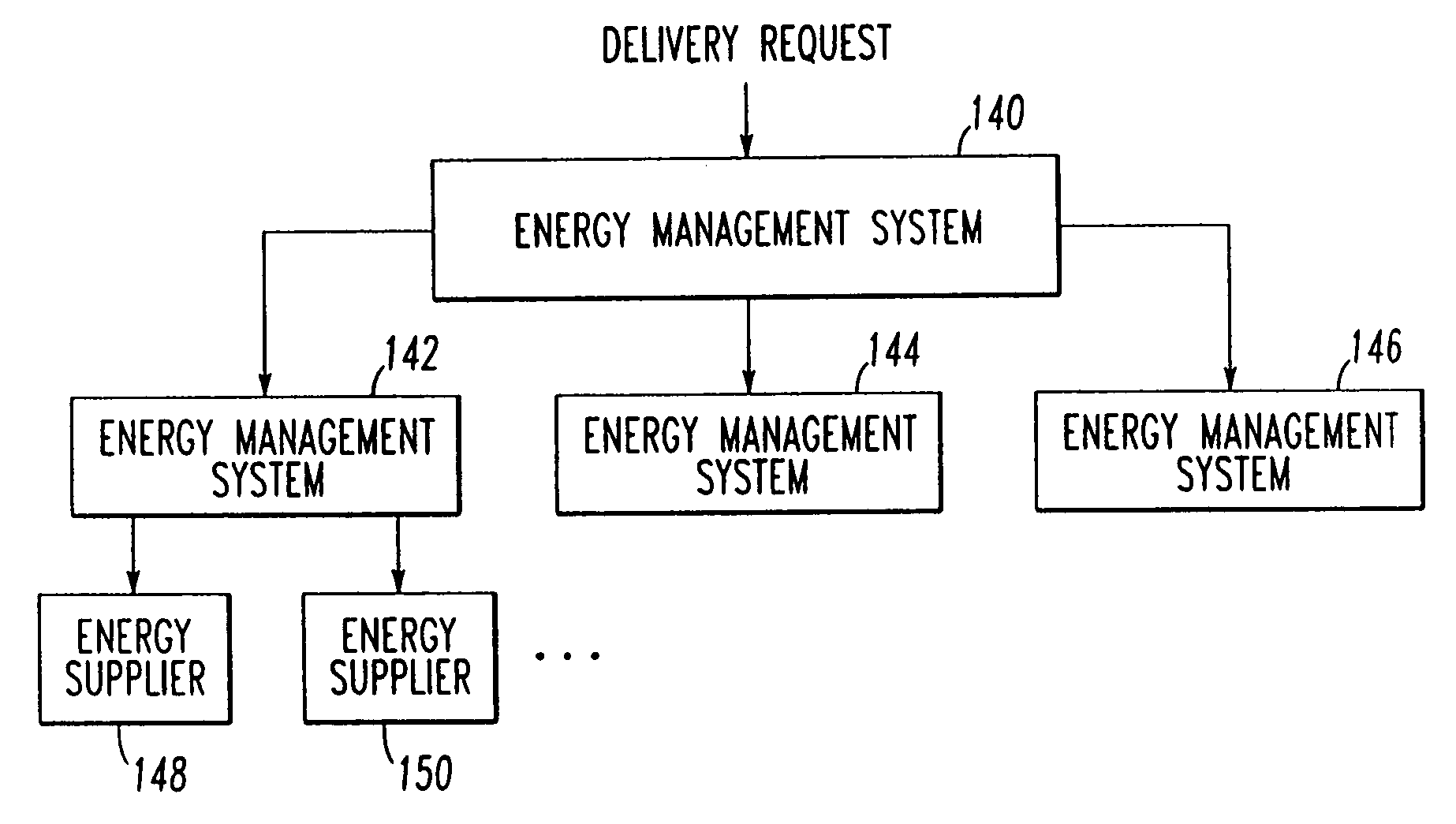
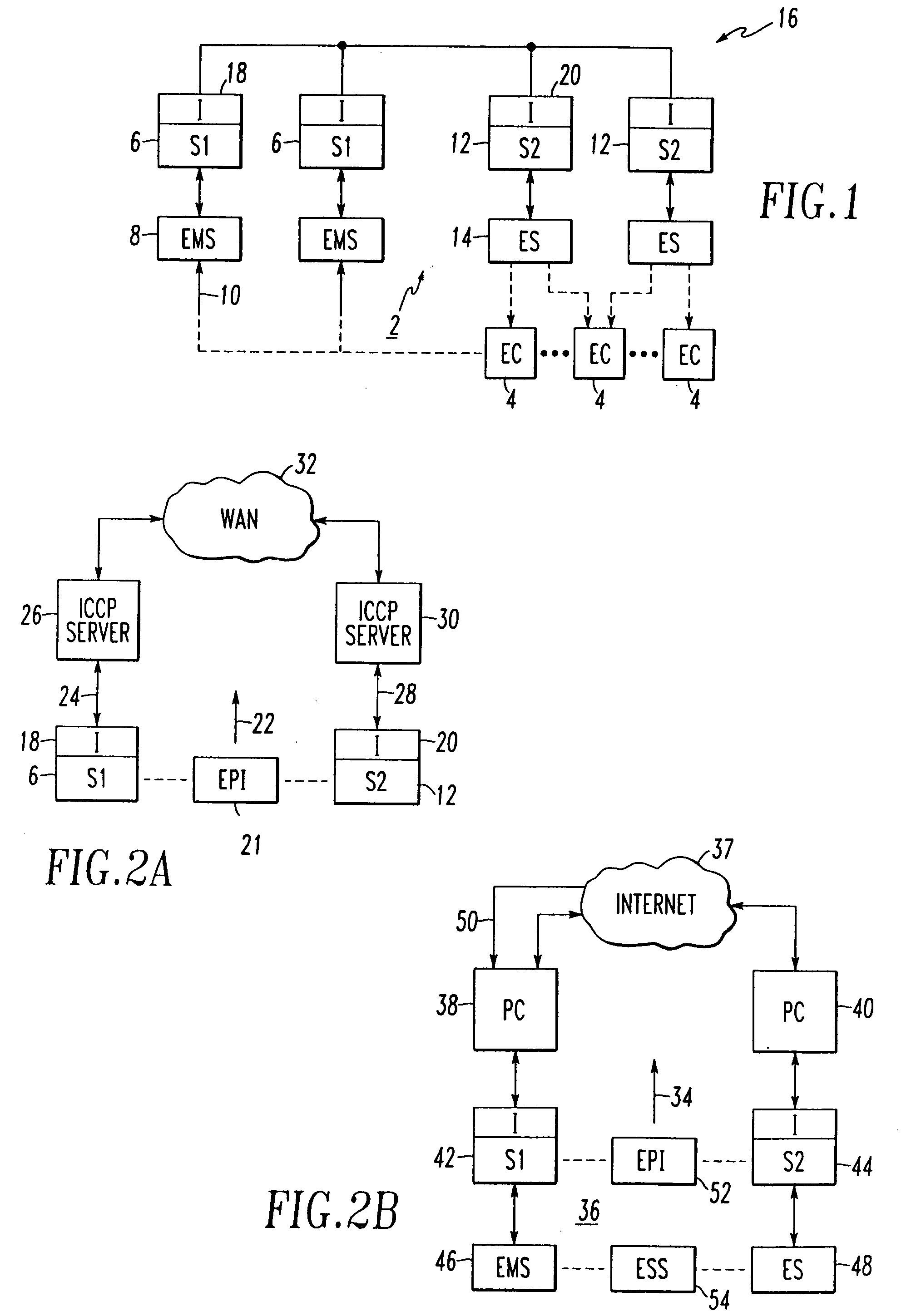
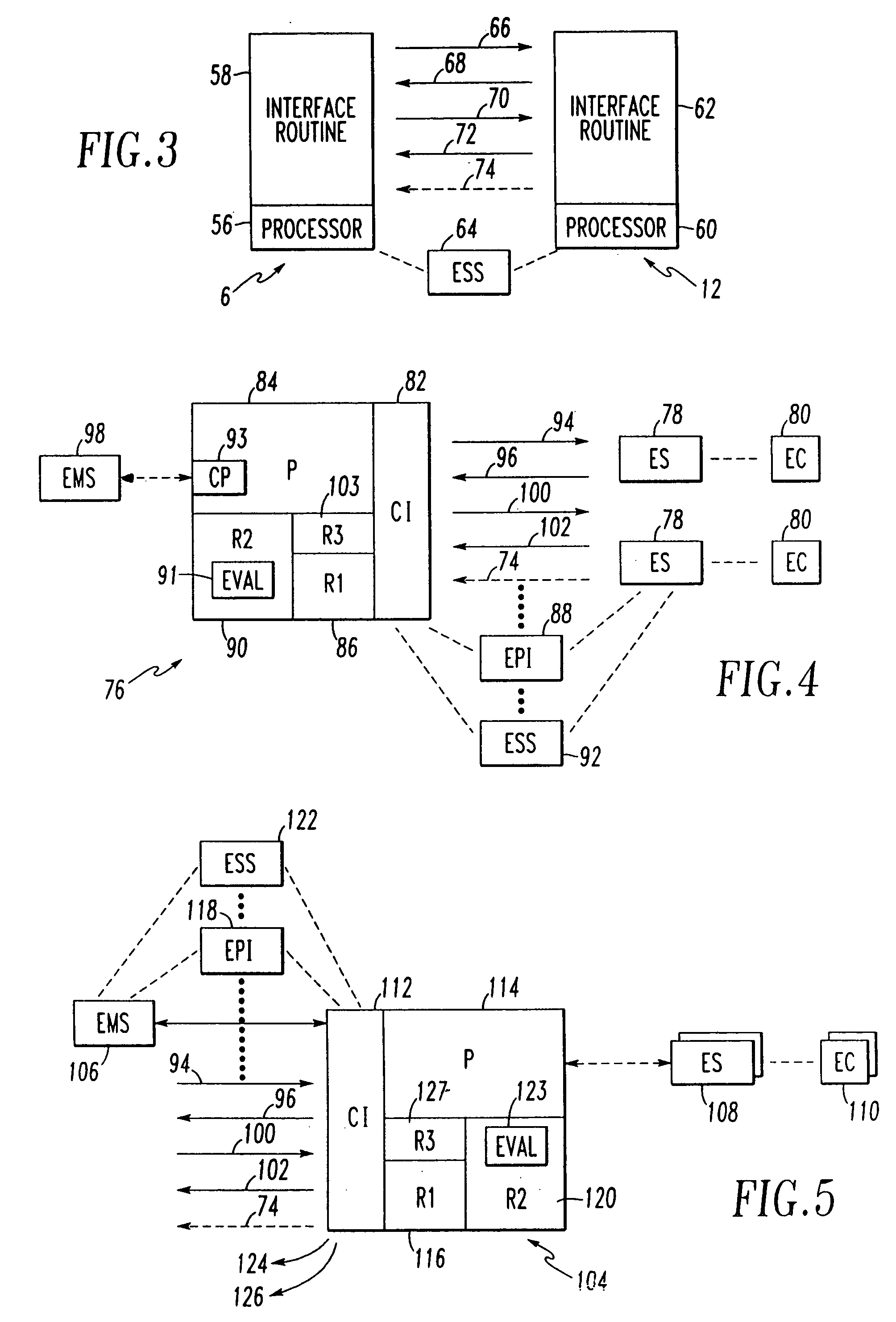
System and method for planning energy supply and interface to an energy management system for use in planning energy supply
PatentInactiveUS7171287B2
Innovation
- A system and method for energy supply planning that includes an interface for exchanging planning data and an algorithm for controlling power plant output, enabling automated optimization through a communication network between energy coordinating bodies and suppliers, allowing for decentralized energy planning and settlement.

Machine learning based multiyear projection planning for energy systems
PatentPendingUS20230419228A1
Innovation
- A fast multiyear projection planning method using optimization, simulation, or modeling that applies projection factors to input data to represent expected future conditions, allowing for optimal asset selection, sizing, and dispatch across an infinite number of years, utilizing machine learning and cloud-based platforms to reduce computational complexity and improve accuracy.


Policy and Regulatory Framework for Energy Planning
The effective planning of mechanical energy systems for future needs operates within a complex policy and regulatory framework that shapes investment decisions, technology adoption, and infrastructure development. Governments worldwide have established comprehensive legislative structures to guide energy system evolution, balancing objectives of energy security, economic efficiency, environmental sustainability, and social equity. These frameworks typically encompass energy efficiency standards, renewable energy mandates, carbon pricing mechanisms, and grid modernization requirements that directly influence mechanical energy system design and deployment strategies.
Regulatory bodies play a pivotal role in establishing technical standards and performance benchmarks for mechanical energy systems, including efficiency ratings for turbines, compressors, and energy storage devices. Compliance requirements often mandate minimum efficiency thresholds, emissions limitations, and safety protocols that drive technological innovation and system optimization. Additionally, interconnection standards and grid codes govern how mechanical energy systems integrate with broader energy networks, addressing power quality, frequency regulation, and system stability considerations that are critical for large-scale deployment.
Financial incentives and support mechanisms constitute essential policy instruments that accelerate mechanical energy system adoption. These include investment tax credits, accelerated depreciation schedules, feed-in tariffs, and capacity payment schemes that improve project economics and reduce investment risks. Many jurisdictions have implemented technology-neutral competitive procurement frameworks that enable mechanical energy storage and conversion systems to compete directly with conventional generation assets, fostering market-driven innovation and cost reduction.
Environmental regulations increasingly shape mechanical energy system planning through carbon reduction targets, emissions trading systems, and environmental impact assessment requirements. These policies create market signals that favor low-carbon mechanical energy solutions such as compressed air energy storage, flywheel systems, and advanced pumped hydro technologies. Furthermore, circular economy regulations and end-of-life management requirements are emerging as important considerations, influencing material selection, system design, and decommissioning planning for mechanical energy infrastructure.
Cross-border energy cooperation frameworks and international standards harmonization efforts facilitate technology transfer and market expansion for mechanical energy systems. Regional energy integration initiatives establish common technical specifications, mutual recognition agreements, and coordinated planning processes that enable economies of scale and reduce regulatory fragmentation, ultimately supporting the cost-effective deployment of mechanical energy solutions across diverse jurisdictions.
Regulatory bodies play a pivotal role in establishing technical standards and performance benchmarks for mechanical energy systems, including efficiency ratings for turbines, compressors, and energy storage devices. Compliance requirements often mandate minimum efficiency thresholds, emissions limitations, and safety protocols that drive technological innovation and system optimization. Additionally, interconnection standards and grid codes govern how mechanical energy systems integrate with broader energy networks, addressing power quality, frequency regulation, and system stability considerations that are critical for large-scale deployment.
Financial incentives and support mechanisms constitute essential policy instruments that accelerate mechanical energy system adoption. These include investment tax credits, accelerated depreciation schedules, feed-in tariffs, and capacity payment schemes that improve project economics and reduce investment risks. Many jurisdictions have implemented technology-neutral competitive procurement frameworks that enable mechanical energy storage and conversion systems to compete directly with conventional generation assets, fostering market-driven innovation and cost reduction.
Environmental regulations increasingly shape mechanical energy system planning through carbon reduction targets, emissions trading systems, and environmental impact assessment requirements. These policies create market signals that favor low-carbon mechanical energy solutions such as compressed air energy storage, flywheel systems, and advanced pumped hydro technologies. Furthermore, circular economy regulations and end-of-life management requirements are emerging as important considerations, influencing material selection, system design, and decommissioning planning for mechanical energy infrastructure.
Cross-border energy cooperation frameworks and international standards harmonization efforts facilitate technology transfer and market expansion for mechanical energy systems. Regional energy integration initiatives establish common technical specifications, mutual recognition agreements, and coordinated planning processes that enable economies of scale and reduce regulatory fragmentation, ultimately supporting the cost-effective deployment of mechanical energy solutions across diverse jurisdictions.
Sustainability and Environmental Impact Assessment
Sustainability considerations have become paramount in mechanical energy system planning as global environmental challenges intensify. The transition toward sustainable energy infrastructure requires comprehensive assessment frameworks that evaluate both immediate environmental impacts and long-term ecological consequences. Modern planning approaches must integrate carbon footprint analysis, resource depletion metrics, and ecosystem impact evaluations to ensure alignment with international climate commitments and environmental protection standards.
Life cycle assessment methodologies provide essential tools for quantifying environmental impacts across all phases of mechanical energy systems, from raw material extraction through manufacturing, operation, and eventual decommissioning. These assessments reveal that while renewable energy systems may require significant upfront resource investments, their operational phase typically demonstrates substantially lower environmental burdens compared to conventional fossil fuel-based alternatives. Critical evaluation parameters include greenhouse gas emissions, water consumption, land use requirements, and waste generation profiles throughout the system lifecycle.
The integration of circular economy principles into mechanical energy system design represents a fundamental shift toward resource efficiency and waste minimization. Advanced planning frameworks now emphasize material recyclability, component reusability, and energy recovery opportunities. This approach not only reduces environmental impact but also enhances economic viability through reduced material costs and extended asset lifespans. Biodiversity protection and habitat preservation have emerged as critical considerations, particularly for large-scale installations such as hydroelectric facilities and wind farms.
Regulatory compliance and environmental certification standards increasingly shape system planning decisions. International frameworks including ISO 14001 environmental management systems and sector-specific sustainability certifications drive adoption of best practices in environmental impact mitigation. Future planning must anticipate evolving regulatory landscapes and incorporate adaptive strategies that maintain compliance while optimizing system performance. Stakeholder engagement and transparent environmental reporting mechanisms ensure accountability and foster public acceptance of new energy infrastructure developments.
Life cycle assessment methodologies provide essential tools for quantifying environmental impacts across all phases of mechanical energy systems, from raw material extraction through manufacturing, operation, and eventual decommissioning. These assessments reveal that while renewable energy systems may require significant upfront resource investments, their operational phase typically demonstrates substantially lower environmental burdens compared to conventional fossil fuel-based alternatives. Critical evaluation parameters include greenhouse gas emissions, water consumption, land use requirements, and waste generation profiles throughout the system lifecycle.
The integration of circular economy principles into mechanical energy system design represents a fundamental shift toward resource efficiency and waste minimization. Advanced planning frameworks now emphasize material recyclability, component reusability, and energy recovery opportunities. This approach not only reduces environmental impact but also enhances economic viability through reduced material costs and extended asset lifespans. Biodiversity protection and habitat preservation have emerged as critical considerations, particularly for large-scale installations such as hydroelectric facilities and wind farms.
Regulatory compliance and environmental certification standards increasingly shape system planning decisions. International frameworks including ISO 14001 environmental management systems and sector-specific sustainability certifications drive adoption of best practices in environmental impact mitigation. Future planning must anticipate evolving regulatory landscapes and incorporate adaptive strategies that maintain compliance while optimizing system performance. Stakeholder engagement and transparent environmental reporting mechanisms ensure accountability and foster public acceptance of new energy infrastructure developments.
Unlock deeper insights with Patsnap Eureka Quick Research — get a full tech report to explore trends and direct your research. Try now!
Generate Your Research Report Instantly with AI Agent
Supercharge your innovation with Patsnap Eureka AI Agent Platform!