Minimizing ABS Emissions: Sustainable Practices
MAR 11, 20269 MIN READ
Generate Your Research Report Instantly with AI Agent
PatSnap Eureka helps you evaluate technical feasibility & market potential.
ABS Emissions Background and Reduction Goals
Acrylonitrile Butadiene Styrene (ABS) plastic has emerged as one of the most widely utilized thermoplastic polymers since its commercial introduction in the 1950s. This versatile material combines the strength and rigidity of acrylonitrile and styrene with the toughness of polybutadiene rubber, making it indispensable across automotive, electronics, construction, and consumer goods industries. However, the widespread adoption of ABS has coincided with growing environmental concerns regarding its production processes and end-of-life management.
The environmental impact of ABS primarily stems from its petroleum-based feedstock requirements and energy-intensive manufacturing processes. Traditional ABS production involves the polymerization of three monomers, each derived from fossil fuel sources, contributing significantly to carbon emissions throughout the supply chain. Additionally, the material's durability, while advantageous for product longevity, presents challenges for biodegradation and waste management systems globally.
Historical emission patterns from ABS manufacturing facilities have shown substantial releases of volatile organic compounds (VOCs), styrene monomers, and other hazardous air pollutants. These emissions have been linked to air quality degradation in industrial regions and potential health risks for surrounding communities. The cumulative environmental burden extends beyond direct manufacturing emissions to include transportation, processing, and disposal phases of the product lifecycle.
Current regulatory frameworks across major manufacturing regions have established increasingly stringent emission standards for ABS production facilities. The European Union's Industrial Emissions Directive and similar regulations in North America and Asia have mandated significant reductions in allowable emission levels, driving industry-wide transformation initiatives. These regulatory pressures have accelerated the development of cleaner production technologies and sustainable manufacturing practices.
The primary reduction goals for ABS emissions encompass multiple dimensions of environmental impact mitigation. Short-term objectives focus on achieving 30-40% reductions in direct manufacturing emissions through process optimization and advanced emission control systems. Medium-term targets emphasize the integration of renewable energy sources and bio-based feedstock alternatives to reduce lifecycle carbon intensity by 50% within the next decade.
Long-term sustainability goals envision the development of fully circular ABS production systems, incorporating closed-loop recycling processes and carbon-neutral manufacturing operations. These ambitious targets align with global climate commitments and industry sustainability initiatives, requiring substantial technological innovations and collaborative efforts across the entire value chain to achieve meaningful environmental impact reduction.
The environmental impact of ABS primarily stems from its petroleum-based feedstock requirements and energy-intensive manufacturing processes. Traditional ABS production involves the polymerization of three monomers, each derived from fossil fuel sources, contributing significantly to carbon emissions throughout the supply chain. Additionally, the material's durability, while advantageous for product longevity, presents challenges for biodegradation and waste management systems globally.
Historical emission patterns from ABS manufacturing facilities have shown substantial releases of volatile organic compounds (VOCs), styrene monomers, and other hazardous air pollutants. These emissions have been linked to air quality degradation in industrial regions and potential health risks for surrounding communities. The cumulative environmental burden extends beyond direct manufacturing emissions to include transportation, processing, and disposal phases of the product lifecycle.
Current regulatory frameworks across major manufacturing regions have established increasingly stringent emission standards for ABS production facilities. The European Union's Industrial Emissions Directive and similar regulations in North America and Asia have mandated significant reductions in allowable emission levels, driving industry-wide transformation initiatives. These regulatory pressures have accelerated the development of cleaner production technologies and sustainable manufacturing practices.
The primary reduction goals for ABS emissions encompass multiple dimensions of environmental impact mitigation. Short-term objectives focus on achieving 30-40% reductions in direct manufacturing emissions through process optimization and advanced emission control systems. Medium-term targets emphasize the integration of renewable energy sources and bio-based feedstock alternatives to reduce lifecycle carbon intensity by 50% within the next decade.
Long-term sustainability goals envision the development of fully circular ABS production systems, incorporating closed-loop recycling processes and carbon-neutral manufacturing operations. These ambitious targets align with global climate commitments and industry sustainability initiatives, requiring substantial technological innovations and collaborative efforts across the entire value chain to achieve meaningful environmental impact reduction.
Market Demand for Low-Emission ABS Solutions
The global market for low-emission ABS solutions is experiencing unprecedented growth driven by increasingly stringent environmental regulations and heightened corporate sustainability commitments. Automotive manufacturers, electronics producers, and consumer goods companies are actively seeking ABS materials with reduced environmental footprints to meet both regulatory compliance requirements and consumer expectations for sustainable products.
Regulatory frameworks across major markets are creating substantial demand pressure for cleaner ABS production methods. The European Union's REACH regulation and similar initiatives in North America and Asia-Pacific regions mandate reduced emissions from chemical manufacturing processes. These regulations specifically target volatile organic compounds and greenhouse gas emissions associated with traditional ABS production, compelling manufacturers to adopt sustainable practices or face significant penalties.
The automotive sector represents the largest demand driver for low-emission ABS solutions, accounting for substantial market share due to vehicle lightweighting trends and electric vehicle proliferation. Automotive OEMs are implementing comprehensive sustainability programs that require suppliers to demonstrate measurable emission reductions throughout their supply chains. This has created a cascading effect where tier-one suppliers demand low-emission ABS materials to maintain their competitive positioning.
Electronics manufacturers are increasingly prioritizing sustainable materials in response to consumer electronics companies' carbon neutrality commitments. Major technology brands have established ambitious environmental targets that directly influence their material sourcing decisions. The demand for low-emission ABS in electronics applications is particularly strong in regions with established e-waste regulations and circular economy initiatives.
Consumer goods manufacturers are responding to growing environmental consciousness among end-users, particularly in developed markets where sustainability considerations significantly influence purchasing decisions. Market research indicates that consumers are willing to accept premium pricing for products manufactured using environmentally responsible processes, creating economic incentives for adopting low-emission ABS solutions.
The construction and building materials sector is emerging as a significant demand source, driven by green building certification programs and sustainable construction practices. Low-emission ABS materials are increasingly specified in building applications where indoor air quality and environmental impact are critical considerations.
Geographically, demand concentration is highest in regions with established environmental regulations and strong industrial bases, including Western Europe, North America, and developed Asian markets, while emerging economies are showing accelerating adoption rates as regulatory frameworks mature.
Regulatory frameworks across major markets are creating substantial demand pressure for cleaner ABS production methods. The European Union's REACH regulation and similar initiatives in North America and Asia-Pacific regions mandate reduced emissions from chemical manufacturing processes. These regulations specifically target volatile organic compounds and greenhouse gas emissions associated with traditional ABS production, compelling manufacturers to adopt sustainable practices or face significant penalties.
The automotive sector represents the largest demand driver for low-emission ABS solutions, accounting for substantial market share due to vehicle lightweighting trends and electric vehicle proliferation. Automotive OEMs are implementing comprehensive sustainability programs that require suppliers to demonstrate measurable emission reductions throughout their supply chains. This has created a cascading effect where tier-one suppliers demand low-emission ABS materials to maintain their competitive positioning.
Electronics manufacturers are increasingly prioritizing sustainable materials in response to consumer electronics companies' carbon neutrality commitments. Major technology brands have established ambitious environmental targets that directly influence their material sourcing decisions. The demand for low-emission ABS in electronics applications is particularly strong in regions with established e-waste regulations and circular economy initiatives.
Consumer goods manufacturers are responding to growing environmental consciousness among end-users, particularly in developed markets where sustainability considerations significantly influence purchasing decisions. Market research indicates that consumers are willing to accept premium pricing for products manufactured using environmentally responsible processes, creating economic incentives for adopting low-emission ABS solutions.
The construction and building materials sector is emerging as a significant demand source, driven by green building certification programs and sustainable construction practices. Low-emission ABS materials are increasingly specified in building applications where indoor air quality and environmental impact are critical considerations.
Geographically, demand concentration is highest in regions with established environmental regulations and strong industrial bases, including Western Europe, North America, and developed Asian markets, while emerging economies are showing accelerating adoption rates as regulatory frameworks mature.
Current ABS Emission Challenges and Constraints
ABS plastic manufacturing faces significant environmental challenges that stem from multiple stages of the production lifecycle. The primary emission sources include volatile organic compounds (VOCs) released during polymerization processes, styrene monomer emissions, and acrylonitrile vapors that pose both environmental and health risks. These emissions occur predominantly during the reactive blending phase where the three monomers are combined under high temperature and pressure conditions.
The thermal processing requirements for ABS production present substantial energy-related emission challenges. Manufacturing facilities typically operate at temperatures ranging from 200-280°C, necessitating extensive energy consumption that often relies on fossil fuel-based power sources. This energy intensity contributes significantly to the carbon footprint of ABS production, with estimates indicating that energy-related emissions account for approximately 60-70% of total greenhouse gas emissions in the manufacturing process.
Waste stream management represents another critical constraint in ABS emission reduction efforts. The production process generates various byproducts including unreacted monomers, catalyst residues, and off-specification materials that require proper treatment and disposal. Traditional waste management approaches often involve incineration or landfilling, both of which contribute to environmental emissions and fail to capture the inherent value of these materials.
Regulatory compliance presents increasingly stringent constraints on ABS manufacturers worldwide. The European Union's REACH regulation, along with similar frameworks in North America and Asia, impose strict limits on VOC emissions and require comprehensive monitoring systems. These regulations demand substantial investments in emission control technologies, including thermal oxidizers, scrubbing systems, and advanced monitoring equipment, which can significantly impact production costs and operational flexibility.
The geographical distribution of ABS manufacturing facilities creates additional emission challenges, particularly in regions with less stringent environmental regulations or limited access to clean energy sources. Many production facilities are located in industrial zones where cumulative emissions from multiple sources can exceed local air quality standards, necessitating coordinated emission reduction strategies across entire industrial ecosystems.
Supply chain complexity further compounds emission challenges, as ABS production relies on petroleum-derived feedstocks that carry embedded carbon footprints from upstream extraction and refining processes. The transportation of raw materials and finished products across global supply networks adds additional emission burdens that manufacturers must consider in their sustainability strategies.
Current technological constraints limit the effectiveness of emission reduction measures. While advanced process control systems and emission capture technologies exist, their implementation often requires significant capital investment and can impact production efficiency. The challenge lies in balancing emission reduction objectives with economic viability and production capacity requirements.
The thermal processing requirements for ABS production present substantial energy-related emission challenges. Manufacturing facilities typically operate at temperatures ranging from 200-280°C, necessitating extensive energy consumption that often relies on fossil fuel-based power sources. This energy intensity contributes significantly to the carbon footprint of ABS production, with estimates indicating that energy-related emissions account for approximately 60-70% of total greenhouse gas emissions in the manufacturing process.
Waste stream management represents another critical constraint in ABS emission reduction efforts. The production process generates various byproducts including unreacted monomers, catalyst residues, and off-specification materials that require proper treatment and disposal. Traditional waste management approaches often involve incineration or landfilling, both of which contribute to environmental emissions and fail to capture the inherent value of these materials.
Regulatory compliance presents increasingly stringent constraints on ABS manufacturers worldwide. The European Union's REACH regulation, along with similar frameworks in North America and Asia, impose strict limits on VOC emissions and require comprehensive monitoring systems. These regulations demand substantial investments in emission control technologies, including thermal oxidizers, scrubbing systems, and advanced monitoring equipment, which can significantly impact production costs and operational flexibility.
The geographical distribution of ABS manufacturing facilities creates additional emission challenges, particularly in regions with less stringent environmental regulations or limited access to clean energy sources. Many production facilities are located in industrial zones where cumulative emissions from multiple sources can exceed local air quality standards, necessitating coordinated emission reduction strategies across entire industrial ecosystems.
Supply chain complexity further compounds emission challenges, as ABS production relies on petroleum-derived feedstocks that carry embedded carbon footprints from upstream extraction and refining processes. The transportation of raw materials and finished products across global supply networks adds additional emission burdens that manufacturers must consider in their sustainability strategies.
Current technological constraints limit the effectiveness of emission reduction measures. While advanced process control systems and emission capture technologies exist, their implementation often requires significant capital investment and can impact production efficiency. The challenge lies in balancing emission reduction objectives with economic viability and production capacity requirements.
Current ABS Emission Minimization Solutions
01 ABS material composition and additive formulations for emission reduction
Various additive formulations and material compositions can be incorporated into ABS (Acrylonitrile Butadiene Styrene) to reduce emissions during processing and use. These formulations may include stabilizers, flame retardants, and processing aids that minimize volatile organic compound release. The optimization of polymer blend ratios and the addition of specific compounds can significantly decrease emission levels while maintaining material properties.- ABS material composition and additive formulations for emission reduction: Various additive formulations and material compositions can be incorporated into ABS (Acrylonitrile Butadiene Styrene) to reduce emissions during processing and use. These formulations may include stabilizers, flame retardants, and processing aids that minimize volatile organic compound release. The optimization of polymer blend ratios and the addition of specific compounds can significantly decrease emission levels while maintaining material properties.
- Processing methods and temperature control for ABS emission reduction: Controlling processing parameters such as temperature, pressure, and residence time during ABS manufacturing and molding can effectively reduce emissions. Lower processing temperatures and optimized cycle times minimize thermal degradation and volatile release. Advanced processing techniques including multi-stage heating and controlled cooling profiles help maintain product quality while reducing emission output.
- Emission capture and filtration systems for ABS processing: Installation of emission capture systems, filtration devices, and exhaust treatment equipment can effectively control and reduce emissions from ABS processing operations. These systems may include activated carbon filters, catalytic converters, and scrubbing units that capture and neutralize volatile compounds before release. Closed-loop systems and vapor recovery units further enhance emission control efficiency.
- Alternative ABS formulations with low-emission characteristics: Development of modified ABS formulations using alternative monomers, bio-based components, or recycled materials can inherently reduce emission levels. These formulations are designed with lower volatile content and improved thermal stability. The use of specific polymer architectures and molecular weight distributions contributes to reduced emission profiles during both processing and end-use applications.
- Monitoring and measurement systems for ABS emission control: Implementation of real-time monitoring systems and analytical methods enables accurate measurement and control of emissions from ABS production and processing. These systems utilize sensors, gas chromatography, and spectroscopic techniques to detect and quantify emission levels. Continuous monitoring allows for immediate process adjustments to maintain emissions within acceptable limits and ensure regulatory compliance.
02 Processing methods and temperature control for ABS emission management
Controlling processing parameters such as temperature, pressure, and residence time during ABS manufacturing and molding can effectively reduce emissions. Lower processing temperatures and optimized cycle times help minimize thermal degradation and volatile release. Advanced processing techniques including multi-stage heating and controlled cooling profiles contribute to emission reduction.Expand Specific Solutions03 Emission measurement and monitoring systems for ABS production
Specialized measurement systems and monitoring equipment are employed to detect and quantify emissions from ABS materials during production and processing. These systems utilize sensors, analytical instruments, and real-time monitoring technologies to track emission levels. Data collection and analysis methods enable manufacturers to maintain compliance with environmental standards and optimize production processes.Expand Specific Solutions04 Recycling and waste treatment methods for ABS emission control
Recycling technologies and waste treatment processes for ABS materials help reduce overall emissions by recovering and reprocessing scrap material. These methods include mechanical recycling, chemical treatment, and purification processes that minimize the release of harmful substances. Closed-loop systems and waste gas treatment equipment capture and neutralize emissions during recycling operations.Expand Specific Solutions05 Alternative ABS formulations and bio-based materials for lower emissions
Development of alternative ABS formulations incorporating bio-based components or modified polymer structures can reduce emissions compared to conventional materials. These innovations include the use of renewable raw materials, modified synthesis routes, and hybrid polymer systems. Such formulations aim to maintain mechanical properties while achieving improved environmental performance and reduced volatile emissions.Expand Specific Solutions
Key Players in Sustainable ABS Manufacturing
The ABS emissions minimization sector represents a mature technology landscape within the broader automotive and chemical materials industry, currently experiencing significant growth driven by stringent environmental regulations and sustainability mandates. The market demonstrates substantial scale, with established players like Shanghai PRET Composites, Kingfa Sci. & Tech., and Wanhua Chemical Group leading advanced materials development, while automotive giants including Hyundai Motor, Kia Corp., Ford Global Technologies, and Subaru Corp. drive demand-side innovation. Technology maturity varies across the ecosystem, with Chinese materials specialists like CGN Juner New Materials and Tianjin Kingfa Advanced Materials achieving high-performance modified plastics production, while automotive suppliers such as Continental Automotive and Robert Bosch integrate emission reduction technologies into manufacturing processes. The competitive landscape shows strong vertical integration between materials producers and automotive manufacturers, indicating a well-established supply chain focused on sustainable ABS alternatives and emission control solutions.
Kingfa Sci. & Tech. Co., Ltd.
Technical Solution: Kingfa has developed advanced bio-based ABS materials using renewable feedstocks to reduce carbon footprint. Their sustainable ABS production incorporates recycled content up to 30% while maintaining mechanical properties. The company implements closed-loop manufacturing systems that minimize waste generation and solvent emissions. Their green chemistry approach includes catalyst optimization to reduce energy consumption by 25% during polymerization processes. Kingfa also focuses on developing biodegradable ABS alternatives and has established comprehensive lifecycle assessment protocols to monitor environmental impact throughout the production chain.
Strengths: Leading position in bio-based polymer development with strong R&D capabilities and established recycling infrastructure. Weaknesses: Higher production costs compared to conventional ABS and limited scalability of bio-based feedstock supply.
Wanhua Chemical Group Co., Ltd.
Technical Solution: Wanhua Chemical has implemented innovative emission control technologies for ABS production, including advanced scrubbing systems that capture 95% of volatile organic compounds. Their sustainable practices involve using bio-based butadiene derived from biomass fermentation, reducing dependency on petroleum feedstocks. The company has developed proprietary catalyst systems that operate at lower temperatures, decreasing energy consumption by 20%. Wanhua also employs continuous monitoring systems for real-time emission tracking and has established partnerships with waste management companies to ensure proper disposal and recycling of ABS waste materials.
Strengths: Comprehensive emission control infrastructure with proven track record in large-scale sustainable chemical production. Weaknesses: High capital investment requirements for emission control equipment and ongoing operational costs for monitoring systems.
Core Technologies for ABS Emission Reduction
Novel low-odor and low-emission ABS resin compound and preparation method thereof
PatentActiveCN101759950A
Innovation
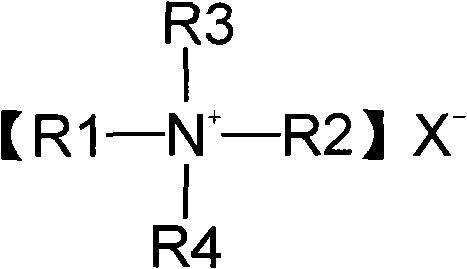
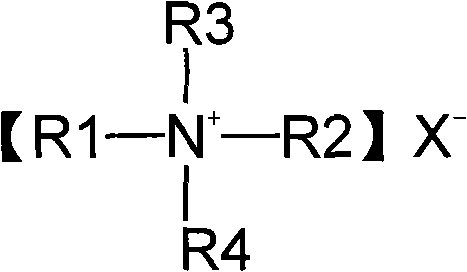
- Hydrophobic odor adsorbent masterbatch is used, with modified attapulgite as the main component and modified by quaternary ammonium salt surfactant to prepare a hydrophobic odor adsorbent. Combined with ABS resin and other additives, it forms a low-odor, The ABS resin compound with low total carbon emission ensures that the material is not affected during the molding process.
Low-odour acrylonitrile-butadiene-styrene copolymer complex
PatentInactiveCN100580022C
Innovation
- Low-odor ABS materials are prepared by adding alkali metal aluminosilicate powder molecular sieve materials with a sodium-type crystal structure into ABS materials as odor absorbers, combined with antioxidants and other additives, and using high-speed mixing and melt extrusion processes. Ensure that the physical and mechanical properties of the material are not affected.
Environmental Regulations for ABS Manufacturing
The regulatory landscape for ABS manufacturing has evolved significantly over the past two decades, driven by growing environmental awareness and scientific understanding of polymer production impacts. Global environmental frameworks such as the Paris Climate Agreement and regional initiatives like the European Green Deal have established overarching targets that directly influence manufacturing regulations. These international commitments create cascading effects on national and local regulatory requirements for chemical and polymer industries.
In the United States, the Environmental Protection Agency enforces stringent regulations under the Clean Air Act and Toxic Substances Control Act, specifically targeting volatile organic compound emissions and hazardous air pollutants from ABS production facilities. The National Emission Standards for Hazardous Air Pollutants establish maximum achievable control technology requirements for styrene, acrylonitrile, and butadiene emissions. Manufacturing facilities must demonstrate compliance through continuous emission monitoring systems and periodic stack testing protocols.
European Union regulations present even more comprehensive requirements through the Industrial Emissions Directive and REACH regulation. The EU Emissions Trading System directly impacts ABS manufacturers by imposing carbon pricing mechanisms on greenhouse gas emissions. Additionally, the Waste Framework Directive mandates specific waste reduction targets and circular economy principles that affect production processes and material recovery strategies.
Asian markets, particularly China and Japan, have implemented increasingly strict environmental standards. China's National Standards for Air Pollutant Emissions from Synthetic Resin Industries establish specific emission limits for ABS production, while Japan's Air Pollution Control Law requires advanced emission control technologies and regular environmental impact assessments.
Emerging regulatory trends focus on lifecycle assessment requirements, mandatory sustainability reporting, and extended producer responsibility frameworks. These developments signal a shift toward comprehensive environmental accountability throughout the entire ABS value chain, from raw material sourcing to end-of-life product management.
Compliance costs and implementation timelines vary significantly across jurisdictions, creating complex operational challenges for multinational ABS manufacturers seeking to maintain consistent environmental performance standards while meeting diverse regulatory requirements.
In the United States, the Environmental Protection Agency enforces stringent regulations under the Clean Air Act and Toxic Substances Control Act, specifically targeting volatile organic compound emissions and hazardous air pollutants from ABS production facilities. The National Emission Standards for Hazardous Air Pollutants establish maximum achievable control technology requirements for styrene, acrylonitrile, and butadiene emissions. Manufacturing facilities must demonstrate compliance through continuous emission monitoring systems and periodic stack testing protocols.
European Union regulations present even more comprehensive requirements through the Industrial Emissions Directive and REACH regulation. The EU Emissions Trading System directly impacts ABS manufacturers by imposing carbon pricing mechanisms on greenhouse gas emissions. Additionally, the Waste Framework Directive mandates specific waste reduction targets and circular economy principles that affect production processes and material recovery strategies.
Asian markets, particularly China and Japan, have implemented increasingly strict environmental standards. China's National Standards for Air Pollutant Emissions from Synthetic Resin Industries establish specific emission limits for ABS production, while Japan's Air Pollution Control Law requires advanced emission control technologies and regular environmental impact assessments.
Emerging regulatory trends focus on lifecycle assessment requirements, mandatory sustainability reporting, and extended producer responsibility frameworks. These developments signal a shift toward comprehensive environmental accountability throughout the entire ABS value chain, from raw material sourcing to end-of-life product management.
Compliance costs and implementation timelines vary significantly across jurisdictions, creating complex operational challenges for multinational ABS manufacturers seeking to maintain consistent environmental performance standards while meeting diverse regulatory requirements.
Circular Economy Approaches for ABS Lifecycle
The circular economy framework presents a transformative approach to ABS lifecycle management, fundamentally shifting from the traditional linear "take-make-dispose" model to a regenerative system that maximizes resource efficiency and minimizes environmental impact. This paradigm emphasizes designing ABS products for longevity, repairability, and end-of-life recovery, creating closed-loop systems that retain materials within productive cycles for extended periods.
Design for circularity represents the foundational pillar of sustainable ABS lifecycle management. This approach integrates circular principles from the initial product conception phase, incorporating modular designs that facilitate component replacement and upgrade. Advanced material selection strategies prioritize bio-based ABS alternatives and recycled content integration, while standardizing connection interfaces to enable cross-manufacturer compatibility and extend product utility across multiple applications.
Extended producer responsibility mechanisms establish comprehensive frameworks where ABS manufacturers assume accountability for their products throughout the entire lifecycle. These systems incentivize companies to develop take-back programs, invest in recycling infrastructure, and collaborate with waste management partners to ensure proper material recovery. Such approaches create economic drivers for sustainable design decisions and foster innovation in recycling technologies.
Industrial symbiosis networks emerge as powerful tools for ABS waste valorization, where waste streams from one manufacturing process become valuable inputs for another. These collaborative ecosystems enable ABS production facilities to exchange byproducts, share recycling infrastructure, and optimize resource utilization across industrial clusters. Such networks significantly reduce virgin material consumption while creating new revenue streams from previously discarded materials.
Digital technologies play increasingly critical roles in enabling circular ABS systems through blockchain-based material passports, IoT-enabled product tracking, and AI-powered waste sorting systems. These innovations provide unprecedented visibility into material flows, enabling precise tracking of ABS components through multiple use cycles and optimizing collection and processing operations for maximum recovery efficiency.
The implementation of circular economy principles in ABS lifecycle management requires coordinated efforts across value chain stakeholders, supported by appropriate policy frameworks and economic incentives that reward sustainable practices while penalizing wasteful behaviors.
Design for circularity represents the foundational pillar of sustainable ABS lifecycle management. This approach integrates circular principles from the initial product conception phase, incorporating modular designs that facilitate component replacement and upgrade. Advanced material selection strategies prioritize bio-based ABS alternatives and recycled content integration, while standardizing connection interfaces to enable cross-manufacturer compatibility and extend product utility across multiple applications.
Extended producer responsibility mechanisms establish comprehensive frameworks where ABS manufacturers assume accountability for their products throughout the entire lifecycle. These systems incentivize companies to develop take-back programs, invest in recycling infrastructure, and collaborate with waste management partners to ensure proper material recovery. Such approaches create economic drivers for sustainable design decisions and foster innovation in recycling technologies.
Industrial symbiosis networks emerge as powerful tools for ABS waste valorization, where waste streams from one manufacturing process become valuable inputs for another. These collaborative ecosystems enable ABS production facilities to exchange byproducts, share recycling infrastructure, and optimize resource utilization across industrial clusters. Such networks significantly reduce virgin material consumption while creating new revenue streams from previously discarded materials.
Digital technologies play increasingly critical roles in enabling circular ABS systems through blockchain-based material passports, IoT-enabled product tracking, and AI-powered waste sorting systems. These innovations provide unprecedented visibility into material flows, enabling precise tracking of ABS components through multiple use cycles and optimizing collection and processing operations for maximum recovery efficiency.
The implementation of circular economy principles in ABS lifecycle management requires coordinated efforts across value chain stakeholders, supported by appropriate policy frameworks and economic incentives that reward sustainable practices while penalizing wasteful behaviors.
Unlock deeper insights with PatSnap Eureka Quick Research — get a full tech report to explore trends and direct your research. Try now!
Generate Your Research Report Instantly with AI Agent
Supercharge your innovation with PatSnap Eureka AI Agent Platform!