Molten Salt Reactor Material Challenges and Solutions
APR 17, 20269 MIN READ
Generate Your Research Report Instantly with AI Agent
PatSnap Eureka helps you evaluate technical feasibility & market potential.
Molten Salt Reactor Material Background and Objectives
Molten Salt Reactors represent a transformative approach to nuclear energy generation, tracing their conceptual origins to the 1940s when researchers first explored liquid fuel reactor designs. The technology gained significant momentum during the 1960s with Oak Ridge National Laboratory's successful operation of the Molten Salt Reactor Experiment, demonstrating the feasibility of using molten fluoride salts as both fuel carrier and coolant medium.
The fundamental evolution of MSR technology has been driven by the pursuit of inherent safety characteristics, improved fuel utilization efficiency, and reduced nuclear waste generation. Unlike conventional solid-fuel reactors, MSRs operate with fuel dissolved directly in molten salt, enabling continuous fuel processing and online fission product removal. This design philosophy addresses several limitations of traditional reactor concepts while introducing unique material science challenges.
Contemporary MSR development focuses on multiple reactor configurations, including thermal spectrum reactors using uranium-233 fuel cycles and fast spectrum reactors designed for actinide burning and breeding applications. The technology has experienced renewed interest since 2000, with over 20 countries initiating MSR research programs and numerous private companies pursuing commercial deployment strategies.
The primary technical objectives driving current MSR material research encompass developing corrosion-resistant structural materials capable of withstanding prolonged exposure to high-temperature molten salts, typically operating between 650-750°C. Critical material challenges include managing the aggressive chemical environment created by fluoride salts, addressing radiation-induced material degradation, and ensuring long-term structural integrity under neutron irradiation.
Advanced material development targets include creating novel nickel-based superalloys with enhanced corrosion resistance, developing protective coating systems for structural components, and establishing comprehensive material qualification databases for regulatory approval. The technology roadmap emphasizes achieving 30-60 year component lifetimes while maintaining economic competitiveness with alternative energy sources.
Strategic objectives also encompass establishing domestic supply chains for specialized materials, developing advanced manufacturing techniques for complex reactor components, and creating standardized material testing protocols specific to molten salt environments. These foundational elements are essential for transitioning MSR technology from experimental demonstration to commercial deployment within the next two decades.
The fundamental evolution of MSR technology has been driven by the pursuit of inherent safety characteristics, improved fuel utilization efficiency, and reduced nuclear waste generation. Unlike conventional solid-fuel reactors, MSRs operate with fuel dissolved directly in molten salt, enabling continuous fuel processing and online fission product removal. This design philosophy addresses several limitations of traditional reactor concepts while introducing unique material science challenges.
Contemporary MSR development focuses on multiple reactor configurations, including thermal spectrum reactors using uranium-233 fuel cycles and fast spectrum reactors designed for actinide burning and breeding applications. The technology has experienced renewed interest since 2000, with over 20 countries initiating MSR research programs and numerous private companies pursuing commercial deployment strategies.
The primary technical objectives driving current MSR material research encompass developing corrosion-resistant structural materials capable of withstanding prolonged exposure to high-temperature molten salts, typically operating between 650-750°C. Critical material challenges include managing the aggressive chemical environment created by fluoride salts, addressing radiation-induced material degradation, and ensuring long-term structural integrity under neutron irradiation.
Advanced material development targets include creating novel nickel-based superalloys with enhanced corrosion resistance, developing protective coating systems for structural components, and establishing comprehensive material qualification databases for regulatory approval. The technology roadmap emphasizes achieving 30-60 year component lifetimes while maintaining economic competitiveness with alternative energy sources.
Strategic objectives also encompass establishing domestic supply chains for specialized materials, developing advanced manufacturing techniques for complex reactor components, and creating standardized material testing protocols specific to molten salt environments. These foundational elements are essential for transitioning MSR technology from experimental demonstration to commercial deployment within the next two decades.
Market Demand for Advanced Nuclear Reactor Materials
The global nuclear energy sector is experiencing unprecedented growth driven by urgent climate commitments and energy security concerns. Advanced nuclear reactor technologies, particularly molten salt reactors, represent a critical pathway toward achieving carbon neutrality goals while maintaining reliable baseload power generation. This technological shift has created substantial market demand for specialized materials capable of withstanding the unique operational challenges of molten salt environments.
Traditional nuclear materials face significant limitations when exposed to molten fluoride and chloride salt systems operating at elevated temperatures. The corrosive nature of these salts, combined with intense neutron radiation fields, creates material degradation mechanisms that conventional reactor materials cannot adequately address. This performance gap has generated urgent demand for next-generation materials with enhanced corrosion resistance, radiation tolerance, and thermal stability.
The commercial nuclear industry is actively seeking materials solutions that can enable extended operational lifespans for molten salt reactor components. Primary market drivers include the need for structural materials, heat exchanger components, piping systems, and containment vessels that can maintain integrity throughout decades of operation. Utilities and reactor developers are particularly focused on materials that can reduce maintenance requirements and operational downtime, directly impacting economic viability.
Government initiatives worldwide are accelerating demand through substantial research funding and regulatory framework development. National laboratories and research institutions are prioritizing materials research programs specifically targeting molten salt reactor applications. These investments reflect recognition that materials challenges represent the primary technical barrier to widespread molten salt reactor deployment.
The emerging small modular reactor market segment presents additional opportunities for advanced materials suppliers. These compact reactor designs often operate under more demanding conditions than traditional large-scale plants, requiring materials with superior performance characteristics. Manufacturing scalability and cost-effectiveness have become equally important considerations alongside technical performance requirements.
Industrial end-users are increasingly demanding materials with proven performance data and established supply chains. The market shows strong preference for materials solutions backed by comprehensive testing programs and regulatory approval pathways. This trend emphasizes the importance of materials that can demonstrate both technical superiority and commercial readiness for near-term deployment applications.
Traditional nuclear materials face significant limitations when exposed to molten fluoride and chloride salt systems operating at elevated temperatures. The corrosive nature of these salts, combined with intense neutron radiation fields, creates material degradation mechanisms that conventional reactor materials cannot adequately address. This performance gap has generated urgent demand for next-generation materials with enhanced corrosion resistance, radiation tolerance, and thermal stability.
The commercial nuclear industry is actively seeking materials solutions that can enable extended operational lifespans for molten salt reactor components. Primary market drivers include the need for structural materials, heat exchanger components, piping systems, and containment vessels that can maintain integrity throughout decades of operation. Utilities and reactor developers are particularly focused on materials that can reduce maintenance requirements and operational downtime, directly impacting economic viability.
Government initiatives worldwide are accelerating demand through substantial research funding and regulatory framework development. National laboratories and research institutions are prioritizing materials research programs specifically targeting molten salt reactor applications. These investments reflect recognition that materials challenges represent the primary technical barrier to widespread molten salt reactor deployment.
The emerging small modular reactor market segment presents additional opportunities for advanced materials suppliers. These compact reactor designs often operate under more demanding conditions than traditional large-scale plants, requiring materials with superior performance characteristics. Manufacturing scalability and cost-effectiveness have become equally important considerations alongside technical performance requirements.
Industrial end-users are increasingly demanding materials with proven performance data and established supply chains. The market shows strong preference for materials solutions backed by comprehensive testing programs and regulatory approval pathways. This trend emphasizes the importance of materials that can demonstrate both technical superiority and commercial readiness for near-term deployment applications.
Current MSR Material Corrosion and Degradation Challenges
Molten salt reactors face significant material degradation challenges primarily due to the highly corrosive nature of molten fluoride and chloride salts operating at elevated temperatures between 600-800°C. The combination of high temperature, aggressive chemical environment, and neutron radiation creates a uniquely demanding operational context that accelerates material deterioration mechanisms beyond those encountered in conventional nuclear systems.
Corrosion represents the most critical material challenge in MSR systems. Fluoride salts, particularly those containing lithium and beryllium fluorides, exhibit strong chemical reactivity with structural materials. The corrosion process involves selective dissolution of chromium from nickel-based superalloys, leading to the formation of chromium fluoride compounds that migrate into the salt. This chromium depletion creates localized weak zones in the material matrix, compromising structural integrity over extended operational periods.
Intergranular corrosion poses another significant threat to MSR structural materials. High-temperature molten salts penetrate grain boundaries in metallic components, causing preferential attack along these vulnerable pathways. This phenomenon is particularly pronounced in austenitic stainless steels and certain nickel-based alloys, where grain boundary carbides create galvanic couples that accelerate localized corrosion rates.
Tellurium-induced cracking represents a unique degradation mechanism specific to MSR environments. Fission product tellurium, generated during reactor operation, forms intermetallic compounds with nickel-based alloy constituents. These tellurides precipitate along grain boundaries, creating brittle phases that significantly reduce material ductility and fracture toughness, potentially leading to catastrophic failure under thermal cycling conditions.
Radiation-enhanced corrosion amplifies material degradation rates through synergistic effects between neutron irradiation and chemical attack. Neutron bombardment creates point defects and displacement cascades that increase diffusion rates of corrosive species, while simultaneously altering the protective oxide layer formation kinetics. This acceleration effect can increase corrosion rates by factors of two to five compared to non-irradiated conditions.
Salt impurities, particularly moisture and oxygen contamination, exacerbate corrosion challenges by introducing additional oxidizing species into the system. Even trace amounts of water vapor can hydrolyze fluoride salts, generating hydrogen fluoride gas that attacks structural materials through different mechanisms than pure molten salt corrosion, creating complex multi-mode degradation scenarios that complicate material selection and system design.
Corrosion represents the most critical material challenge in MSR systems. Fluoride salts, particularly those containing lithium and beryllium fluorides, exhibit strong chemical reactivity with structural materials. The corrosion process involves selective dissolution of chromium from nickel-based superalloys, leading to the formation of chromium fluoride compounds that migrate into the salt. This chromium depletion creates localized weak zones in the material matrix, compromising structural integrity over extended operational periods.
Intergranular corrosion poses another significant threat to MSR structural materials. High-temperature molten salts penetrate grain boundaries in metallic components, causing preferential attack along these vulnerable pathways. This phenomenon is particularly pronounced in austenitic stainless steels and certain nickel-based alloys, where grain boundary carbides create galvanic couples that accelerate localized corrosion rates.
Tellurium-induced cracking represents a unique degradation mechanism specific to MSR environments. Fission product tellurium, generated during reactor operation, forms intermetallic compounds with nickel-based alloy constituents. These tellurides precipitate along grain boundaries, creating brittle phases that significantly reduce material ductility and fracture toughness, potentially leading to catastrophic failure under thermal cycling conditions.
Radiation-enhanced corrosion amplifies material degradation rates through synergistic effects between neutron irradiation and chemical attack. Neutron bombardment creates point defects and displacement cascades that increase diffusion rates of corrosive species, while simultaneously altering the protective oxide layer formation kinetics. This acceleration effect can increase corrosion rates by factors of two to five compared to non-irradiated conditions.
Salt impurities, particularly moisture and oxygen contamination, exacerbate corrosion challenges by introducing additional oxidizing species into the system. Even trace amounts of water vapor can hydrolyze fluoride salts, generating hydrogen fluoride gas that attacks structural materials through different mechanisms than pure molten salt corrosion, creating complex multi-mode degradation scenarios that complicate material selection and system design.
Existing Corrosion-Resistant Alloy Solutions for MSR
01 Molten salt reactor core design and configuration
This category focuses on the structural design and configuration of molten salt reactor cores, including the arrangement of fuel assemblies, moderator materials, and core geometry optimization. The designs aim to improve neutron economy, enhance heat transfer efficiency, and ensure safe operation. Various core configurations have been developed to accommodate different fuel types and operational requirements, with emphasis on achieving optimal power distribution and thermal management.- Molten salt reactor core design and fuel configuration: This category focuses on the structural design and fuel arrangement within molten salt reactors. Key aspects include the reactor core geometry, fuel element configuration, moderator integration, and the physical layout that enables efficient nuclear fission while maintaining criticality control. The designs address fuel distribution patterns, core vessel structures, and arrangements that optimize neutron economy and heat transfer characteristics in molten salt environments.
- Molten salt composition and chemistry control: This area covers the chemical formulation and management of molten salt coolants and fuel carriers used in these reactors. It includes the selection of salt mixtures, chemical additives for corrosion control, methods for maintaining salt purity, and techniques for managing fission product accumulation. The focus is on optimizing thermal properties, chemical stability, and compatibility with reactor materials while ensuring effective heat transfer and fuel dissolution.
- Heat exchange and thermal management systems: This classification addresses the systems and methods for extracting heat from molten salt reactors and converting it to useful energy. It encompasses heat exchanger designs, intermediate cooling loops, thermal storage integration, and power conversion systems. Technologies include specialized heat exchanger geometries that handle high-temperature molten salts, thermal insulation strategies, and systems that efficiently transfer heat while preventing salt freezing and maintaining operational temperatures.
- Safety systems and containment structures: This category encompasses safety mechanisms and protective structures designed specifically for molten salt reactor operations. It includes passive safety features, emergency cooling systems, containment vessel designs, and fail-safe mechanisms that respond to abnormal conditions. The technologies address leak detection, freeze valve systems for emergency fuel drainage, radiation shielding, and structural designs that prevent radioactive material release while managing potential accident scenarios unique to liquid fuel systems.
- Fuel processing and waste management: This area covers methods for online fuel reprocessing, fission product removal, and radioactive waste handling in molten salt reactor systems. It includes chemical separation techniques, continuous fuel cleanup processes, actinide management, and waste stream treatment methods. The technologies enable the extraction of valuable isotopes, removal of neutron-absorbing fission products during operation, and strategies for managing both gaseous and solid waste products generated in molten salt environments.
02 Molten salt composition and fuel chemistry
This area covers the development and optimization of molten salt compositions used as both coolant and fuel carrier in molten salt reactors. Research focuses on selecting appropriate salt mixtures, such as fluoride or chloride salts, that provide favorable thermal properties, chemical stability, and compatibility with reactor materials. The fuel chemistry includes dissolution of fissile and fertile materials in the salt, as well as methods for controlling salt purity and managing fission product behavior.Expand Specific Solutions03 Heat exchange and cooling systems
This category addresses the design of heat exchange systems for transferring thermal energy from the molten salt to secondary cooling loops or power conversion systems. Technologies include intermediate heat exchangers, primary and secondary cooling circuits, and methods for maintaining optimal temperature control. The systems are designed to maximize thermal efficiency while ensuring the integrity of heat transfer surfaces and preventing salt freezing or overheating.Expand Specific Solutions04 Safety systems and containment structures
This point encompasses safety mechanisms and containment designs specific to molten salt reactors, including passive safety features, emergency cooling systems, and containment barriers. The technologies focus on preventing and mitigating potential accident scenarios such as loss of coolant, reactivity excursions, or salt leakage. Design considerations include freeze plugs for emergency drainage, backup cooling systems, and robust containment structures to protect against radiation release.Expand Specific Solutions05 Fuel processing and waste management
This category covers online fuel processing techniques and waste management strategies for molten salt reactors. Technologies include methods for continuous removal of fission products from the molten salt, separation and recovery of valuable isotopes, and treatment of radioactive waste streams. The systems enable fuel recycling, reduce waste volume, and improve overall fuel utilization efficiency. Various chemical and physical separation processes have been developed to handle the unique characteristics of liquid fuel systems.Expand Specific Solutions
Key Players in MSR and Nuclear Materials Industry
The molten salt reactor (MSR) material challenges represent a rapidly evolving sector within the advanced nuclear technology landscape, currently in the demonstration and early commercialization phase. The market shows significant growth potential driven by decarbonization demands and energy security concerns. Technology maturity varies considerably across key players, with established companies like TerraPower, Terrestrial Energy, and Westinghouse Electric leading commercial development efforts, while research institutions including Shanghai Institute of Applied Physics, CEA, and Korea Atomic Energy Research Institute advance fundamental materials science. Asian players such as China General Nuclear Power Corp. and Toshiba Corp. demonstrate strong government-backed development programs. Specialized materials companies like Haynes International provide critical corrosion-resistant alloys, while emerging firms like Natura Resources and Seaborg focus on innovative reactor designs, creating a competitive ecosystem spanning from basic research to commercial deployment.
Shanghai Institute of Applied Physics, Chinese Academy of Sci
Technical Solution: SINAP leads China's molten salt reactor program with the Thorium Molten Salt Reactor (TMSR) project, developing comprehensive materials solutions for fluoride salt systems. Their research focuses on modified Hastelloy N alloys with improved creep resistance and reduced susceptibility to tellurium embrittlement. They have developed advanced manufacturing techniques for MSR components and are working on innovative materials including carbon-based composites and advanced ceramics. SINAP operates pilot-scale testing facilities and has made significant progress in materials qualification and testing protocols. Their approach includes development of specialized welding procedures and quality control methods for MSR construction.
Strengths: Strong government backing, integrated research approach, pilot facility experience. Weaknesses: Limited international collaboration, technology export restrictions.
Commissariat à l´énergie atomique et aux énergies Alternatives
Technical Solution: CEA has been pioneering research in molten salt reactor materials since the 1970s, developing advanced understanding of fluoride salt chemistry and materials compatibility. Their research focuses on developing new alloy compositions, particularly modified Hastelloy N with improved mechanical properties and corrosion resistance. CEA operates extensive materials testing facilities including molten salt loops for long-term corrosion testing. They have developed innovative surface modification techniques and are working on advanced ceramics and refractory materials for MSR applications. Their research includes tritium barrier development and advanced materials characterization techniques.
Strengths: Decades of MSR research experience, world-class research facilities, strong fundamental science base. Weaknesses: Limited commercial deployment experience, bureaucratic constraints.
Core Innovations in MSR Structural Materials Research
Structural material for molten salt reactors
PatentActiveUS20220028569A1
Innovation
- The use of single crystal corundum as a structural material in molten salt reactors, which is stable in molten halide salts and maintains neutron transparency, reducing corrosion and neutron absorption, allowing for a more compact and economically viable reactor design.


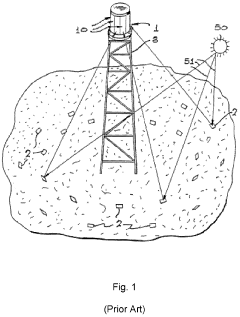
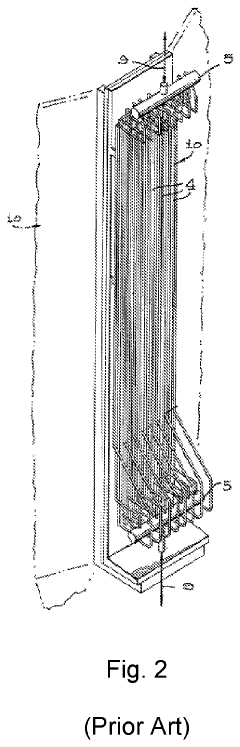
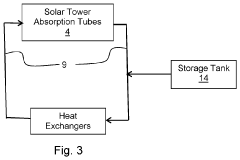
Solar tower system containing molten chloride salts
PatentActiveUS11976346B2
Innovation
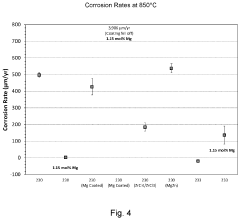
- The use of Haynes HR-120®, 230®, and 233® alloys for components in solar tower systems, along with MgCl2—KCl molten salt, and optional coatings like zirconium or magnesium to enhance corrosion resistance, allows for efficient heat transfer and storage at high temperatures.
Nuclear Safety Regulations for MSR Materials
Nuclear safety regulations for molten salt reactor materials represent a critical framework that governs the development, testing, and deployment of MSR technologies. Current regulatory landscapes across major nuclear jurisdictions, including the United States Nuclear Regulatory Commission, Canadian Nuclear Safety Commission, and European nuclear authorities, are adapting traditional light water reactor standards to address the unique characteristics of molten salt systems.
The regulatory framework primarily focuses on material qualification standards that ensure structural materials can withstand the corrosive nature of molten fluoride and chloride salts at operating temperatures exceeding 650°C. These standards mandate comprehensive testing protocols for nickel-based superalloys, refractory metals, and specialized coatings used in MSR construction. Material certification processes require extensive corrosion testing, mechanical property evaluation under thermal cycling, and long-term compatibility assessments with various salt compositions.
Licensing requirements for MSR materials emphasize the demonstration of material performance under accident scenarios, including loss of coolant events and thermal transients. Regulatory bodies require detailed material degradation models and failure mode analyses to establish safety margins and operational limits. The qualification process typically involves accelerated testing programs spanning multiple years to simulate decades of operational exposure.
International harmonization efforts are underway to establish consistent material standards across different regulatory jurisdictions. The International Atomic Energy Agency has initiated working groups to develop MSR-specific material guidelines, focusing on standardized testing methodologies and acceptance criteria. These efforts aim to reduce regulatory uncertainty and facilitate technology transfer between countries developing MSR programs.
Emerging regulatory considerations include requirements for advanced materials monitoring systems, real-time corrosion detection capabilities, and predictive maintenance protocols. Future regulatory frameworks are expected to incorporate digital twin technologies and artificial intelligence-based material health monitoring systems to enhance safety assurance throughout the reactor lifecycle.
The regulatory framework primarily focuses on material qualification standards that ensure structural materials can withstand the corrosive nature of molten fluoride and chloride salts at operating temperatures exceeding 650°C. These standards mandate comprehensive testing protocols for nickel-based superalloys, refractory metals, and specialized coatings used in MSR construction. Material certification processes require extensive corrosion testing, mechanical property evaluation under thermal cycling, and long-term compatibility assessments with various salt compositions.
Licensing requirements for MSR materials emphasize the demonstration of material performance under accident scenarios, including loss of coolant events and thermal transients. Regulatory bodies require detailed material degradation models and failure mode analyses to establish safety margins and operational limits. The qualification process typically involves accelerated testing programs spanning multiple years to simulate decades of operational exposure.
International harmonization efforts are underway to establish consistent material standards across different regulatory jurisdictions. The International Atomic Energy Agency has initiated working groups to develop MSR-specific material guidelines, focusing on standardized testing methodologies and acceptance criteria. These efforts aim to reduce regulatory uncertainty and facilitate technology transfer between countries developing MSR programs.
Emerging regulatory considerations include requirements for advanced materials monitoring systems, real-time corrosion detection capabilities, and predictive maintenance protocols. Future regulatory frameworks are expected to incorporate digital twin technologies and artificial intelligence-based material health monitoring systems to enhance safety assurance throughout the reactor lifecycle.
Environmental Impact of MSR Material Lifecycle
The environmental impact of molten salt reactor materials spans across multiple lifecycle phases, from raw material extraction through operational deployment to end-of-life management. Unlike conventional nuclear reactors, MSR systems present unique environmental considerations due to their liquid fuel configuration and specialized material requirements.
Raw material extraction for MSR components involves mining operations for lithium, beryllium, fluorine compounds, and various structural metals including nickel-based superalloys. Lithium extraction, particularly for LiF salt production, raises concerns about water consumption and ecosystem disruption in salt flat regions. Beryllium mining presents additional environmental challenges due to the metal's toxicity and the need for stringent containment measures during processing.
Manufacturing processes for MSR materials generate distinct environmental footprints compared to traditional reactor components. The production of high-purity fluoride salts requires energy-intensive purification steps and generates chemical waste streams that must be carefully managed. Fabrication of corrosion-resistant alloys like Hastelloy-N involves specialized metallurgical processes with associated emissions and waste heat generation.
During operational phases, MSR materials exhibit different environmental interactions than solid fuel systems. The liquid fuel configuration eliminates the need for fuel rod manufacturing and reduces solid waste generation during normal operations. However, tritium production and potential release pathways require enhanced containment strategies, particularly given the higher tritium mobility in molten salt systems.
End-of-life material management presents both challenges and opportunities for environmental impact mitigation. The liquid nature of MSR fuel enables more efficient fissile material recovery and reduces long-term waste volumes. However, the activated structural materials and contaminated salt inventories require specialized treatment protocols to minimize environmental release potential.
Salt waste processing represents a critical environmental consideration unique to MSR systems. Spent fuel salts contain both fission products and actinides in chemical forms different from conventional nuclear waste, necessitating development of new treatment and disposal methodologies that minimize long-term environmental impact while enabling material recovery where feasible.
Raw material extraction for MSR components involves mining operations for lithium, beryllium, fluorine compounds, and various structural metals including nickel-based superalloys. Lithium extraction, particularly for LiF salt production, raises concerns about water consumption and ecosystem disruption in salt flat regions. Beryllium mining presents additional environmental challenges due to the metal's toxicity and the need for stringent containment measures during processing.
Manufacturing processes for MSR materials generate distinct environmental footprints compared to traditional reactor components. The production of high-purity fluoride salts requires energy-intensive purification steps and generates chemical waste streams that must be carefully managed. Fabrication of corrosion-resistant alloys like Hastelloy-N involves specialized metallurgical processes with associated emissions and waste heat generation.
During operational phases, MSR materials exhibit different environmental interactions than solid fuel systems. The liquid fuel configuration eliminates the need for fuel rod manufacturing and reduces solid waste generation during normal operations. However, tritium production and potential release pathways require enhanced containment strategies, particularly given the higher tritium mobility in molten salt systems.
End-of-life material management presents both challenges and opportunities for environmental impact mitigation. The liquid nature of MSR fuel enables more efficient fissile material recovery and reduces long-term waste volumes. However, the activated structural materials and contaminated salt inventories require specialized treatment protocols to minimize environmental release potential.
Salt waste processing represents a critical environmental consideration unique to MSR systems. Spent fuel salts contain both fission products and actinides in chemical forms different from conventional nuclear waste, necessitating development of new treatment and disposal methodologies that minimize long-term environmental impact while enabling material recovery where feasible.
Unlock deeper insights with PatSnap Eureka Quick Research — get a full tech report to explore trends and direct your research. Try now!
Generate Your Research Report Instantly with AI Agent
Supercharge your innovation with PatSnap Eureka AI Agent Platform!