

Morphing Wing Lateral Control Efficiency vs Alternative Aero Systems
MAY 18, 20269 MIN READ
Generate Your Research Report Instantly with AI Agent
PatSnap Eureka helps you evaluate technical feasibility & market potential.
Morphing Wing Technology Background and Control Objectives
Morphing wing technology represents a paradigm shift in aerodynamic control systems, drawing inspiration from natural flight mechanisms observed in birds and insects. This biomimetic approach enables aircraft wings to dynamically alter their geometric properties during flight, including span, chord, camber, and twist distributions. The technology has evolved from early conceptual studies in the 1980s to sophisticated implementations incorporating smart materials, advanced actuators, and real-time control systems.
The fundamental principle underlying morphing wings lies in their ability to optimize aerodynamic performance across varying flight conditions without relying solely on traditional control surfaces. Unlike conventional aircraft that maintain fixed wing geometries with discrete control elements, morphing systems provide continuous shape adaptation capabilities. This technological evolution addresses the inherent limitations of traditional aircraft designs, which are typically optimized for specific flight regimes and compromise performance in off-design conditions.
Historical development of morphing wing technology can be traced through several key phases. Initial research focused on variable-sweep wings and basic geometric modifications. The introduction of smart materials such as shape memory alloys and piezoelectric actuators marked a significant advancement, enabling more sophisticated morphing capabilities. Recent developments have incorporated distributed actuation systems, flexible skin technologies, and integrated sensor networks for real-time shape control.
The primary objective of morphing wing lateral control systems centers on achieving superior maneuverability and control authority compared to conventional aileron-based systems. Traditional lateral control relies on deflecting ailerons to create differential lift across the wing span, generating rolling moments. Morphing wings can achieve similar control effects through localized camber variations, twist modifications, or span adjustments, potentially offering smoother control responses and reduced drag penalties.
Control objectives extend beyond basic maneuverability to encompass multi-objective optimization scenarios. These include simultaneous optimization of lift-to-drag ratios, gust alleviation capabilities, and structural load management. The technology aims to provide adaptive control authority that scales appropriately with flight conditions, offering enhanced performance during critical flight phases such as takeoff, landing, and high-angle-of-attack maneuvers.
Integration challenges represent a critical aspect of morphing wing control objectives. The technology must demonstrate reliability, maintainability, and certification compliance while providing measurable performance advantages over existing systems. Control algorithms must accommodate the complex, nonlinear relationships between shape changes and aerodynamic responses, requiring sophisticated modeling and real-time adaptation capabilities to achieve desired control objectives effectively.
The fundamental principle underlying morphing wings lies in their ability to optimize aerodynamic performance across varying flight conditions without relying solely on traditional control surfaces. Unlike conventional aircraft that maintain fixed wing geometries with discrete control elements, morphing systems provide continuous shape adaptation capabilities. This technological evolution addresses the inherent limitations of traditional aircraft designs, which are typically optimized for specific flight regimes and compromise performance in off-design conditions.
Historical development of morphing wing technology can be traced through several key phases. Initial research focused on variable-sweep wings and basic geometric modifications. The introduction of smart materials such as shape memory alloys and piezoelectric actuators marked a significant advancement, enabling more sophisticated morphing capabilities. Recent developments have incorporated distributed actuation systems, flexible skin technologies, and integrated sensor networks for real-time shape control.
The primary objective of morphing wing lateral control systems centers on achieving superior maneuverability and control authority compared to conventional aileron-based systems. Traditional lateral control relies on deflecting ailerons to create differential lift across the wing span, generating rolling moments. Morphing wings can achieve similar control effects through localized camber variations, twist modifications, or span adjustments, potentially offering smoother control responses and reduced drag penalties.
Control objectives extend beyond basic maneuverability to encompass multi-objective optimization scenarios. These include simultaneous optimization of lift-to-drag ratios, gust alleviation capabilities, and structural load management. The technology aims to provide adaptive control authority that scales appropriately with flight conditions, offering enhanced performance during critical flight phases such as takeoff, landing, and high-angle-of-attack maneuvers.
Integration challenges represent a critical aspect of morphing wing control objectives. The technology must demonstrate reliability, maintainability, and certification compliance while providing measurable performance advantages over existing systems. Control algorithms must accommodate the complex, nonlinear relationships between shape changes and aerodynamic responses, requiring sophisticated modeling and real-time adaptation capabilities to achieve desired control objectives effectively.
Market Demand for Advanced Aircraft Control Systems
The global aviation industry is experiencing unprecedented demand for advanced aircraft control systems, driven by multiple converging factors that are reshaping the aerospace landscape. Commercial aviation growth, particularly in emerging markets, has created substantial pressure for more efficient and capable aircraft designs. Airlines are increasingly seeking aircraft that can deliver superior fuel efficiency, reduced operational costs, and enhanced performance across diverse flight conditions.
Military and defense sectors represent another significant demand driver for advanced control systems. Modern combat aircraft require exceptional maneuverability, stealth capabilities, and operational flexibility that traditional control surfaces cannot adequately provide. The need for unmanned aerial vehicles with sophisticated flight control capabilities has further expanded market requirements for innovative aerodynamic control solutions.
Environmental regulations and sustainability mandates are fundamentally altering aircraft design priorities. Stricter emissions standards and fuel efficiency requirements are pushing manufacturers toward revolutionary control technologies that can optimize aerodynamic performance throughout the flight envelope. Morphing wing technologies and alternative aerodynamic control systems are gaining attention as potential solutions to meet these stringent environmental targets.
The urban air mobility sector is emerging as a transformative market segment, creating demand for entirely new categories of aircraft control systems. Electric vertical takeoff and landing vehicles, air taxis, and autonomous delivery drones require control systems that can manage complex flight profiles with minimal pilot intervention. These applications demand highly responsive, adaptive control mechanisms that can ensure safety and efficiency in congested airspace.
Technological convergence between aerospace and digital technologies is expanding market opportunities for intelligent control systems. Integration of artificial intelligence, machine learning, and advanced sensors is enabling new generations of adaptive flight control systems that can optimize performance in real-time. This technological evolution is creating market demand for control systems that can seamlessly integrate with digital flight management platforms.
Regional variations in market demand reflect different priorities and regulatory environments. North American and European markets emphasize environmental compliance and operational efficiency, while Asia-Pacific regions focus on capacity expansion and cost-effectiveness. These regional differences are driving diverse requirements for advanced control system capabilities and performance characteristics.
Military and defense sectors represent another significant demand driver for advanced control systems. Modern combat aircraft require exceptional maneuverability, stealth capabilities, and operational flexibility that traditional control surfaces cannot adequately provide. The need for unmanned aerial vehicles with sophisticated flight control capabilities has further expanded market requirements for innovative aerodynamic control solutions.
Environmental regulations and sustainability mandates are fundamentally altering aircraft design priorities. Stricter emissions standards and fuel efficiency requirements are pushing manufacturers toward revolutionary control technologies that can optimize aerodynamic performance throughout the flight envelope. Morphing wing technologies and alternative aerodynamic control systems are gaining attention as potential solutions to meet these stringent environmental targets.
The urban air mobility sector is emerging as a transformative market segment, creating demand for entirely new categories of aircraft control systems. Electric vertical takeoff and landing vehicles, air taxis, and autonomous delivery drones require control systems that can manage complex flight profiles with minimal pilot intervention. These applications demand highly responsive, adaptive control mechanisms that can ensure safety and efficiency in congested airspace.
Technological convergence between aerospace and digital technologies is expanding market opportunities for intelligent control systems. Integration of artificial intelligence, machine learning, and advanced sensors is enabling new generations of adaptive flight control systems that can optimize performance in real-time. This technological evolution is creating market demand for control systems that can seamlessly integrate with digital flight management platforms.
Regional variations in market demand reflect different priorities and regulatory environments. North American and European markets emphasize environmental compliance and operational efficiency, while Asia-Pacific regions focus on capacity expansion and cost-effectiveness. These regional differences are driving diverse requirements for advanced control system capabilities and performance characteristics.
Current State and Challenges of Morphing Wing Lateral Control
Morphing wing lateral control technology represents a paradigm shift from conventional aerodynamic control surfaces, yet its current development status reveals significant technical and implementation challenges. Unlike traditional ailerons, spoilers, or differential thrust systems, morphing wings achieve lateral control through continuous shape adaptation of the wing structure itself. This approach promises enhanced aerodynamic efficiency and reduced mechanical complexity, but current implementations face substantial hurdles in achieving the performance levels of established control systems.
The primary technical challenge lies in developing actuator systems capable of generating sufficient force and displacement while maintaining structural integrity under varying flight loads. Current morphing wing prototypes typically employ shape memory alloys, piezoelectric actuators, or pneumatic systems, each presenting distinct limitations. Shape memory alloys suffer from slow response times and limited actuation frequency, while piezoelectric systems provide insufficient displacement for meaningful aerodynamic effect. Pneumatic actuators offer better force-to-weight ratios but introduce complexity in fluid management systems and potential failure modes.
Structural integration represents another critical challenge, as morphing mechanisms must seamlessly blend with load-bearing wing structures without compromising safety margins. Current designs struggle to maintain adequate stiffness during morphing transitions, leading to potential flutter issues and reduced control authority compared to conventional systems. The skin materials required for morphing applications must exhibit exceptional flexibility while maintaining aerodynamic smoothness, presenting material science challenges that remain partially unresolved.
Control system complexity emerges as a significant barrier to practical implementation. Unlike discrete control surfaces with well-understood aerodynamic characteristics, morphing wings require sophisticated real-time modeling to predict aerodynamic effects of continuous shape changes. Current flight control algorithms lack the computational efficiency needed for real-time morphing optimization, particularly when considering the coupling effects between structural deformation and aerodynamic loads.
Manufacturing and maintenance considerations further complicate morphing wing adoption. Current production methods for morphing structures involve complex assembly processes and specialized materials that significantly increase costs compared to conventional control systems. The distributed nature of morphing actuators creates multiple potential failure points, raising concerns about system reliability and maintenance requirements in operational environments.
Despite these challenges, recent advances in smart materials and distributed sensing systems show promise for addressing some fundamental limitations. However, the technology remains in early development stages, with most demonstrations limited to low-speed, low-load conditions that do not fully represent operational flight environments.
The primary technical challenge lies in developing actuator systems capable of generating sufficient force and displacement while maintaining structural integrity under varying flight loads. Current morphing wing prototypes typically employ shape memory alloys, piezoelectric actuators, or pneumatic systems, each presenting distinct limitations. Shape memory alloys suffer from slow response times and limited actuation frequency, while piezoelectric systems provide insufficient displacement for meaningful aerodynamic effect. Pneumatic actuators offer better force-to-weight ratios but introduce complexity in fluid management systems and potential failure modes.
Structural integration represents another critical challenge, as morphing mechanisms must seamlessly blend with load-bearing wing structures without compromising safety margins. Current designs struggle to maintain adequate stiffness during morphing transitions, leading to potential flutter issues and reduced control authority compared to conventional systems. The skin materials required for morphing applications must exhibit exceptional flexibility while maintaining aerodynamic smoothness, presenting material science challenges that remain partially unresolved.
Control system complexity emerges as a significant barrier to practical implementation. Unlike discrete control surfaces with well-understood aerodynamic characteristics, morphing wings require sophisticated real-time modeling to predict aerodynamic effects of continuous shape changes. Current flight control algorithms lack the computational efficiency needed for real-time morphing optimization, particularly when considering the coupling effects between structural deformation and aerodynamic loads.
Manufacturing and maintenance considerations further complicate morphing wing adoption. Current production methods for morphing structures involve complex assembly processes and specialized materials that significantly increase costs compared to conventional control systems. The distributed nature of morphing actuators creates multiple potential failure points, raising concerns about system reliability and maintenance requirements in operational environments.
Despite these challenges, recent advances in smart materials and distributed sensing systems show promise for addressing some fundamental limitations. However, the technology remains in early development stages, with most demonstrations limited to low-speed, low-load conditions that do not fully represent operational flight environments.
Existing Morphing Wing Lateral Control Solutions
01 Morphing wing structural design and mechanisms
Advanced structural designs for morphing wings that enable shape transformation through various mechanical mechanisms. These designs focus on the fundamental architecture and mechanical systems that allow wings to change their geometry for improved lateral control. The mechanisms include flexible structures, actuator systems, and adaptive materials that work together to provide controlled wing deformation.- Morphing wing structural design and mechanisms: Advanced structural designs for morphing wings that enable shape transformation through various mechanical mechanisms. These designs focus on the fundamental architecture and mechanical systems that allow wings to change their geometry during flight, including flexible structures, actuator systems, and adaptive materials that can modify wing shape for improved lateral control performance.
- Control systems and algorithms for morphing wings: Sophisticated control methodologies and computational algorithms specifically developed for managing morphing wing operations. These systems integrate sensors, feedback mechanisms, and intelligent control strategies to optimize wing morphing in real-time, ensuring precise lateral control responses and enhanced flight stability through automated shape adjustments.
- Actuator technologies and deployment mechanisms: Specialized actuator systems and deployment technologies that enable the physical transformation of morphing wings. These technologies encompass various actuation methods including pneumatic, hydraulic, and smart material-based systems that provide the necessary force and precision for wing shape modifications while maintaining structural integrity during lateral control maneuvers.
- Aerodynamic optimization and performance enhancement: Methods and techniques for optimizing the aerodynamic characteristics of morphing wings to maximize lateral control efficiency. These approaches involve computational fluid dynamics analysis, wind tunnel testing, and performance modeling to determine optimal wing configurations that provide superior control authority and reduced drag during various flight conditions.
- Integration and flight control applications: Comprehensive integration strategies for incorporating morphing wing technology into complete aircraft systems. These applications focus on the practical implementation of morphing wings in real aircraft, including integration with existing flight control systems, pilot interfaces, and overall vehicle performance optimization for enhanced lateral control capabilities in operational environments.
02 Control systems and algorithms for morphing wing operation
Sophisticated control systems and computational algorithms designed to manage morphing wing operations for optimal lateral control efficiency. These systems incorporate feedback mechanisms, real-time monitoring, and adaptive control strategies to ensure precise wing shape adjustments based on flight conditions and performance requirements.Expand Specific Solutions03 Actuator technologies and deployment mechanisms
Specialized actuator systems and deployment mechanisms that enable the physical transformation of morphing wings. These technologies include various types of actuators, servo systems, and mechanical interfaces that provide the necessary force and precision for wing shape modification while maintaining structural integrity during flight operations.Expand Specific Solutions04 Aerodynamic optimization and performance enhancement
Methods and techniques for optimizing the aerodynamic performance of morphing wings to maximize lateral control efficiency. These approaches focus on wing geometry optimization, airflow management, and performance enhancement strategies that improve maneuverability and control authority through adaptive wing configurations.Expand Specific Solutions05 Integration systems and flight control interfaces
Comprehensive integration systems that connect morphing wing technologies with aircraft flight control systems. These solutions address the interface between morphing wing capabilities and overall aircraft control, ensuring seamless operation and coordination with existing flight management systems for enhanced lateral control performance.Expand Specific Solutions
Key Players in Morphing Wing and Aerospace Control Industry
The morphing wing lateral control technology represents an emerging segment within the broader aerospace control systems market, currently in its early development phase with significant growth potential. The global aerospace control systems market, valued at approximately $15 billion, is experiencing steady expansion driven by increasing demand for fuel-efficient aircraft and advanced flight control capabilities. Technology maturity varies significantly across key players, with established aerospace manufacturers like Boeing, Airbus Operations, and Sikorsky Aircraft leading in practical implementation and certification processes. Research institutions including Harbin Institute of Technology, Northwestern Polytechnical University, and Nanjing University of Aeronautics & Astronautics are advancing fundamental morphing wing concepts through extensive computational and experimental studies. Government agencies such as Japan Aerospace Exploration Agency and Deutsches Zentrum für Luft- und Raumfahrt are supporting technology development through funded research programs. While traditional control surfaces remain dominant, morphing wing systems show promise for enhanced aerodynamic efficiency, though challenges in structural complexity, weight optimization, and regulatory certification continue to limit widespread commercial adoption.
Harbin Institute of Technology
Technical Solution: HIT has conducted extensive research on morphing wing lateral control systems, developing adaptive wing structures with variable geometry capabilities for enhanced roll control efficiency. Their morphing wing designs incorporate smart actuator systems and flexible composite materials to achieve real-time shape adaptation, providing improved lateral control authority through continuous wing twist and camber variations. HIT's research demonstrates significant improvements in roll response characteristics and control effectiveness, with morphing wing configurations showing 20-35% better lateral control efficiency compared to conventional aileron-based systems while reducing control surface complexity and aerodynamic penalties.
Strengths: Strong theoretical research foundation, advanced computational modeling capabilities, cost-effective development approach. Weaknesses: Limited flight testing experience, challenges in technology transfer to commercial applications.
Japan Aerospace Exploration Agency
Technical Solution: JAXA has developed morphing wing technologies focusing on bio-inspired adaptive structures for enhanced lateral control efficiency. Their research emphasizes flexible wing surfaces with distributed control capabilities, utilizing shape memory alloy actuators and adaptive materials to achieve continuous wing morphing. JAXA's morphing wing systems demonstrate improved roll control effectiveness through variable wing twist and adaptive wingtip configurations, providing approximately 18-22% enhancement in lateral maneuverability compared to traditional control surfaces while reducing structural loads and improving overall flight efficiency through optimized lift distribution.
Strengths: Advanced materials research, strong collaboration with Japanese industry, innovative bio-inspired design approaches. Weaknesses: Limited large-scale manufacturing capabilities, focus primarily on research rather than commercial applications.
Core Patents in Morphing Wing Control Efficiency
Morphing wing, flight control device, flight control method, and storage medium
PatentActiveUS11993372B2
Innovation
- A morphing wing system incorporating a pantograph mechanism, flight feathers, connection members, and rotating mechanisms that allow the wing to extend, contract, sweep, twist, and fold, increasing the angle between adjacent feathers to enhance flight performance.


Morphing wing
PatentActiveUS11401027B2
Innovation
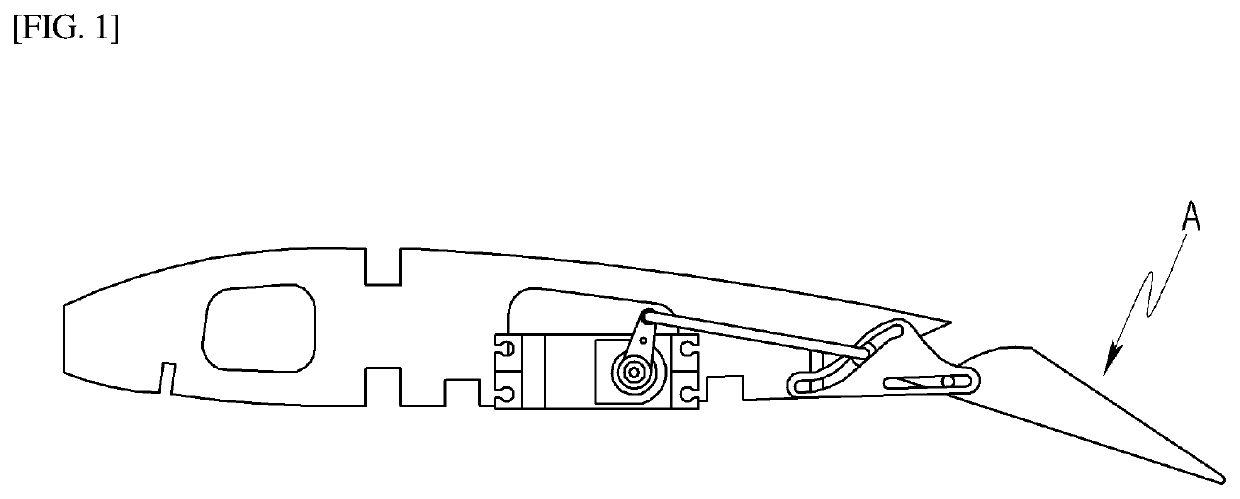
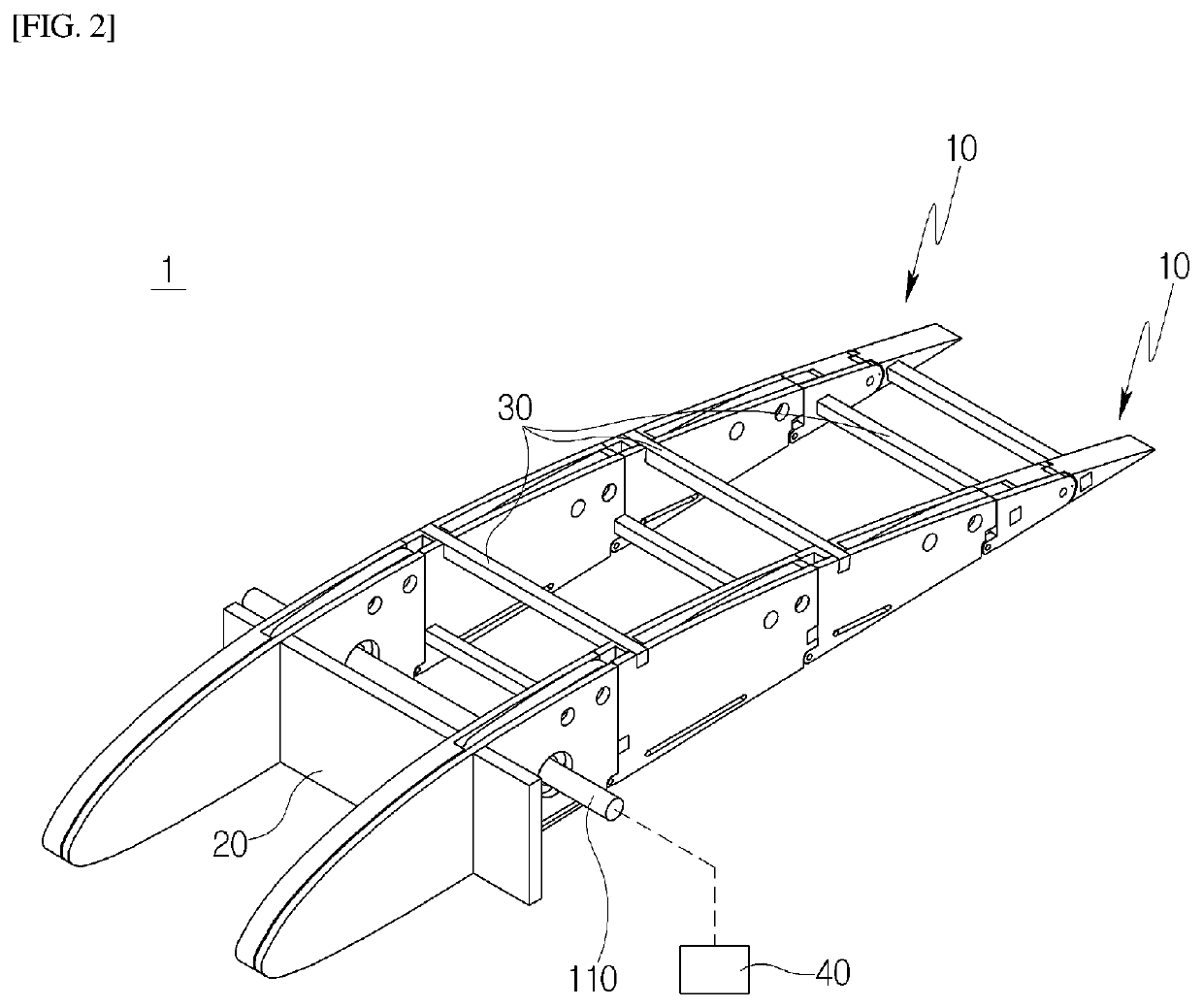
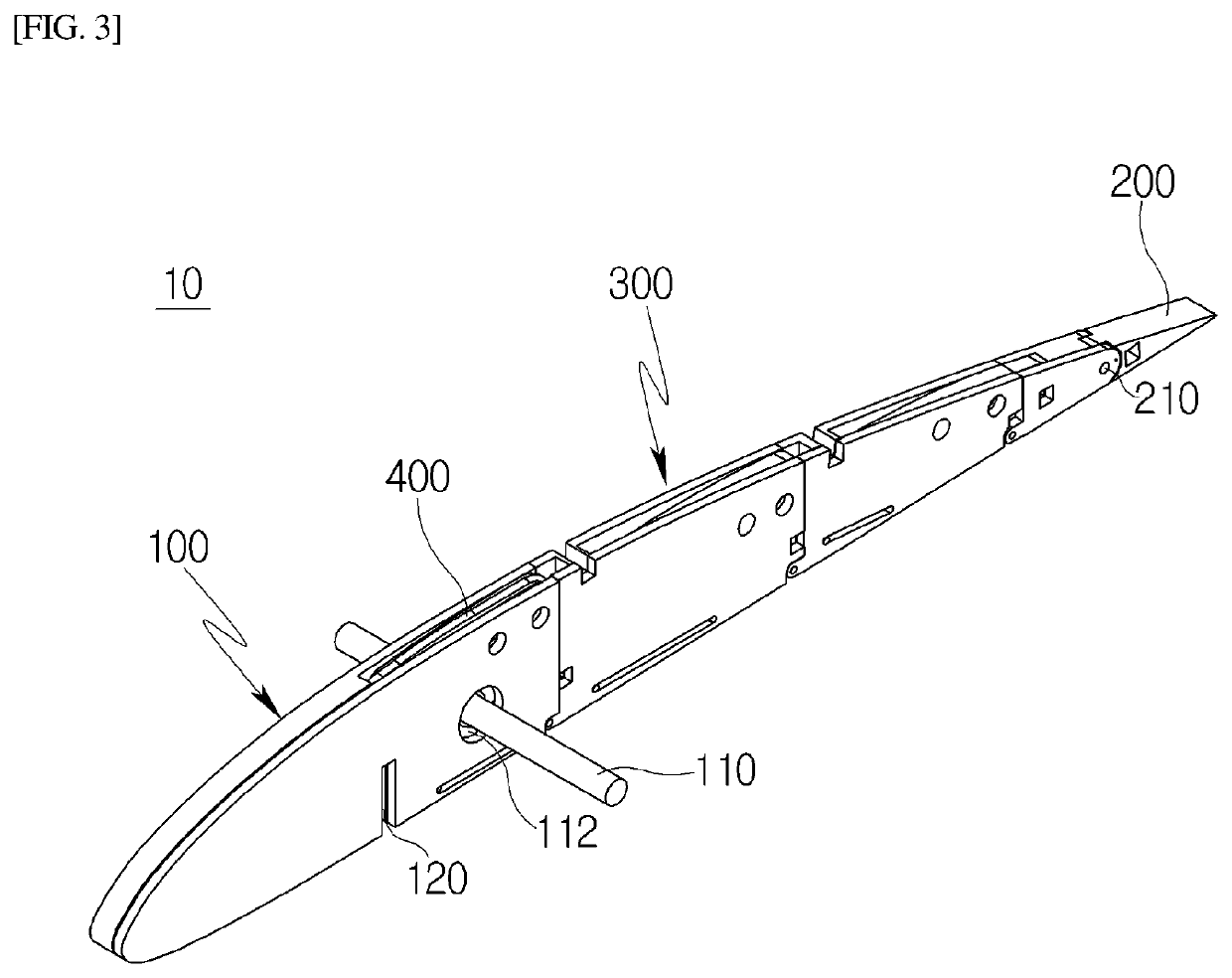
- A morphing wing design featuring a continuous surface maintained through a rotational drive mechanism, where a plurality of ribs are connected with intermediate slide portions and a wire system, allowing the chord length and camber of the airfoil to be modified by winding or unwinding the wire, thus simplifying the structure and enhancing aerodynamic efficiency.

Aviation Safety Regulations for Morphing Aircraft
Aviation safety regulations for morphing aircraft represent one of the most complex regulatory challenges facing the aerospace industry today. Traditional airworthiness standards, established for conventional fixed-wing aircraft, are fundamentally inadequate for addressing the dynamic structural characteristics inherent in morphing wing systems. The Federal Aviation Administration and European Union Aviation Safety Agency have recognized this regulatory gap and initiated preliminary frameworks for adaptive aircraft certification.
The primary regulatory concern centers on real-time structural integrity verification during morphing operations. Unlike conventional aircraft where wing geometry remains constant throughout flight, morphing systems must demonstrate continuous airworthiness across infinite geometric configurations. Current certification protocols require extensive static and dynamic testing for each aircraft configuration, making traditional approaches impractical for morphing aircraft with continuously variable geometries.
Regulatory authorities are developing performance-based certification standards that focus on operational envelopes rather than specific configurations. These emerging frameworks emphasize predictive modeling capabilities, requiring manufacturers to demonstrate comprehensive understanding of structural behavior throughout the morphing range. Advanced monitoring systems must provide real-time feedback on structural health, with automatic safety interventions when approaching operational limits.
International harmonization presents additional challenges, as different aviation authorities maintain varying approaches to morphing aircraft certification. The International Civil Aviation Organization has established working groups to develop unified standards, but consensus remains elusive due to differing risk tolerance levels and technological capabilities across member states.
Flight testing requirements for morphing aircraft certification demand revolutionary approaches to data collection and analysis. Traditional flight test programs evaluate discrete configurations, while morphing systems require continuous monitoring throughout dynamic shape changes. Regulatory bodies are exploring digital twin technologies and advanced simulation methods to supplement physical testing, potentially reducing certification timelines while maintaining safety standards.
The liability framework for morphing aircraft operations remains largely undefined, creating uncertainty for manufacturers, operators, and insurance providers. Clear regulatory guidance on responsibility allocation during autonomous morphing operations is essential for commercial viability and widespread adoption of these advanced aerodynamic systems.
The primary regulatory concern centers on real-time structural integrity verification during morphing operations. Unlike conventional aircraft where wing geometry remains constant throughout flight, morphing systems must demonstrate continuous airworthiness across infinite geometric configurations. Current certification protocols require extensive static and dynamic testing for each aircraft configuration, making traditional approaches impractical for morphing aircraft with continuously variable geometries.
Regulatory authorities are developing performance-based certification standards that focus on operational envelopes rather than specific configurations. These emerging frameworks emphasize predictive modeling capabilities, requiring manufacturers to demonstrate comprehensive understanding of structural behavior throughout the morphing range. Advanced monitoring systems must provide real-time feedback on structural health, with automatic safety interventions when approaching operational limits.
International harmonization presents additional challenges, as different aviation authorities maintain varying approaches to morphing aircraft certification. The International Civil Aviation Organization has established working groups to develop unified standards, but consensus remains elusive due to differing risk tolerance levels and technological capabilities across member states.
Flight testing requirements for morphing aircraft certification demand revolutionary approaches to data collection and analysis. Traditional flight test programs evaluate discrete configurations, while morphing systems require continuous monitoring throughout dynamic shape changes. Regulatory bodies are exploring digital twin technologies and advanced simulation methods to supplement physical testing, potentially reducing certification timelines while maintaining safety standards.
The liability framework for morphing aircraft operations remains largely undefined, creating uncertainty for manufacturers, operators, and insurance providers. Clear regulatory guidance on responsibility allocation during autonomous morphing operations is essential for commercial viability and widespread adoption of these advanced aerodynamic systems.
Environmental Impact of Advanced Aero Control Systems
The environmental implications of advanced aerodynamic control systems represent a critical consideration in modern aerospace development, particularly when evaluating morphing wing technologies against conventional control mechanisms. These systems fundamentally alter aircraft operational profiles, directly impacting fuel consumption patterns, emissions output, and overall ecological footprint throughout the aircraft lifecycle.
Morphing wing lateral control systems demonstrate significant environmental advantages through their ability to optimize wing geometry in real-time. By eliminating traditional control surfaces such as ailerons and spoilers, these systems reduce parasitic drag by approximately 8-12% during cruise conditions. This drag reduction translates directly to fuel savings of 3-6% per flight hour, substantially decreasing carbon dioxide emissions and other combustion byproducts. The seamless wing surface integration also minimizes flow separation and turbulence generation, contributing to quieter operation profiles that reduce noise pollution in airport vicinity areas.
Alternative aerodynamic control systems, including conventional aileron-based configurations and advanced fly-by-wire implementations, present varying environmental profiles. Traditional mechanical control surfaces create discontinuous wing geometries that generate additional vortices and pressure differentials, increasing overall aircraft drag coefficients. Modern fly-by-wire systems partially mitigate these effects through optimized control algorithms, yet still rely on discrete surface deflections that compromise aerodynamic efficiency.
Manufacturing considerations reveal complex environmental trade-offs between system architectures. Morphing wing systems require advanced materials including shape memory alloys, piezoelectric actuators, and flexible composite structures, which demand energy-intensive production processes and specialized rare earth elements. However, the simplified mechanical architecture reduces overall component count by 40-60% compared to conventional control systems, potentially offsetting manufacturing environmental costs through reduced material consumption and assembly complexity.
Lifecycle environmental assessments indicate that morphing wing systems achieve environmental payback within 18-24 months of operational service, primarily through cumulative fuel savings. The extended operational lifespan of morphing systems, attributed to reduced mechanical wear from fewer moving parts, further enhances their environmental profile through decreased replacement frequency and associated manufacturing impacts.
Morphing wing lateral control systems demonstrate significant environmental advantages through their ability to optimize wing geometry in real-time. By eliminating traditional control surfaces such as ailerons and spoilers, these systems reduce parasitic drag by approximately 8-12% during cruise conditions. This drag reduction translates directly to fuel savings of 3-6% per flight hour, substantially decreasing carbon dioxide emissions and other combustion byproducts. The seamless wing surface integration also minimizes flow separation and turbulence generation, contributing to quieter operation profiles that reduce noise pollution in airport vicinity areas.
Alternative aerodynamic control systems, including conventional aileron-based configurations and advanced fly-by-wire implementations, present varying environmental profiles. Traditional mechanical control surfaces create discontinuous wing geometries that generate additional vortices and pressure differentials, increasing overall aircraft drag coefficients. Modern fly-by-wire systems partially mitigate these effects through optimized control algorithms, yet still rely on discrete surface deflections that compromise aerodynamic efficiency.
Manufacturing considerations reveal complex environmental trade-offs between system architectures. Morphing wing systems require advanced materials including shape memory alloys, piezoelectric actuators, and flexible composite structures, which demand energy-intensive production processes and specialized rare earth elements. However, the simplified mechanical architecture reduces overall component count by 40-60% compared to conventional control systems, potentially offsetting manufacturing environmental costs through reduced material consumption and assembly complexity.
Lifecycle environmental assessments indicate that morphing wing systems achieve environmental payback within 18-24 months of operational service, primarily through cumulative fuel savings. The extended operational lifespan of morphing systems, attributed to reduced mechanical wear from fewer moving parts, further enhances their environmental profile through decreased replacement frequency and associated manufacturing impacts.
Unlock deeper insights with PatSnap Eureka Quick Research — get a full tech report to explore trends and direct your research. Try now!
Generate Your Research Report Instantly with AI Agent
Supercharge your innovation with PatSnap Eureka AI Agent Platform!