
Multipoint Control Unit vs. Transponder: Efficiency Metrics
MAR 17, 20268 MIN READ
Generate Your Research Report Instantly with AI Agent
Patsnap Eureka helps you evaluate technical feasibility & market potential.
MCU vs Transponder Background and Technical Objectives
The evolution of multipoint communication systems has been fundamentally shaped by two distinct architectural approaches: Multipoint Control Units (MCUs) and transponder-based solutions. MCUs emerged in the early 1990s as centralized processing hubs designed to manage multiple simultaneous connections in video conferencing and collaborative communication environments. These systems operate by receiving individual data streams from participants, processing and mixing the content at a central point, then redistributing the combined output to all connected endpoints.
Transponder technology, originally developed for satellite communications, has evolved to serve multipoint applications through a fundamentally different paradigm. Rather than centralized processing, transponders function as intelligent relay systems that receive signals on one frequency and retransmit them on another, enabling distributed communication architectures. Modern transponder implementations incorporate advanced signal processing capabilities while maintaining their core relay-based operational model.
The technical objectives driving current research and development in this domain center on optimizing efficiency metrics across multiple dimensions. Primary focus areas include bandwidth utilization efficiency, where MCUs traditionally excel through content optimization and compression, while transponders offer advantages in signal propagation and coverage area maximization. Latency minimization represents another critical objective, with transponders typically providing lower end-to-end delays due to reduced processing overhead, whereas MCUs introduce processing delays but can optimize overall network efficiency through intelligent routing.
Power consumption efficiency has become increasingly important as organizations seek sustainable communication solutions. MCUs concentrate power usage at centralized facilities, enabling economies of scale and advanced cooling systems, while transponder networks distribute power requirements across multiple nodes. Scalability objectives focus on system capacity expansion, where MCUs face processing bottlenecks but offer sophisticated resource management, while transponder networks can achieve geographic scalability through distributed deployment.
Quality of service optimization represents a convergent objective for both architectures, though achieved through different mechanisms. MCUs leverage centralized intelligence for adaptive quality management and error correction, while transponders rely on signal strength optimization and coverage redundancy to maintain service quality across diverse operating conditions.
Transponder technology, originally developed for satellite communications, has evolved to serve multipoint applications through a fundamentally different paradigm. Rather than centralized processing, transponders function as intelligent relay systems that receive signals on one frequency and retransmit them on another, enabling distributed communication architectures. Modern transponder implementations incorporate advanced signal processing capabilities while maintaining their core relay-based operational model.
The technical objectives driving current research and development in this domain center on optimizing efficiency metrics across multiple dimensions. Primary focus areas include bandwidth utilization efficiency, where MCUs traditionally excel through content optimization and compression, while transponders offer advantages in signal propagation and coverage area maximization. Latency minimization represents another critical objective, with transponders typically providing lower end-to-end delays due to reduced processing overhead, whereas MCUs introduce processing delays but can optimize overall network efficiency through intelligent routing.
Power consumption efficiency has become increasingly important as organizations seek sustainable communication solutions. MCUs concentrate power usage at centralized facilities, enabling economies of scale and advanced cooling systems, while transponder networks distribute power requirements across multiple nodes. Scalability objectives focus on system capacity expansion, where MCUs face processing bottlenecks but offer sophisticated resource management, while transponder networks can achieve geographic scalability through distributed deployment.
Quality of service optimization represents a convergent objective for both architectures, though achieved through different mechanisms. MCUs leverage centralized intelligence for adaptive quality management and error correction, while transponders rely on signal strength optimization and coverage redundancy to maintain service quality across diverse operating conditions.
Market Demand Analysis for MCU and Transponder Solutions
The telecommunications and video conferencing markets are experiencing unprecedented growth, driven by the global shift toward remote work, digital transformation initiatives, and increasing demand for high-quality multimedia communications. This transformation has created substantial market opportunities for both Multipoint Control Unit and transponder technologies, each serving distinct but complementary roles in modern communication infrastructure.
Enterprise video conferencing represents the largest demand segment for MCU solutions, with organizations requiring scalable platforms capable of managing multiple simultaneous connections while maintaining audio and video quality. The education sector has emerged as another significant driver, particularly following the acceleration of online learning adoption. Healthcare organizations increasingly rely on MCU-enabled telemedicine platforms for multi-party consultations and remote patient monitoring applications.
Transponder technology finds its primary market demand in satellite communications, broadcasting, and long-distance data transmission applications. The growing deployment of satellite internet constellations and the expansion of global broadcasting networks continue to fuel transponder demand. Additionally, the Internet of Things ecosystem and machine-to-machine communications create new market segments requiring efficient, low-latency transponder solutions.
Market capacity analysis reveals distinct growth trajectories for each technology domain. The video conferencing infrastructure market demonstrates strong expansion potential, particularly in emerging economies where digital communication infrastructure is rapidly developing. Small and medium enterprises represent an underserved segment with significant growth potential, as these organizations increasingly adopt cloud-based MCU solutions to reduce capital expenditure requirements.
The satellite communication market shows robust demand for next-generation transponder technologies, driven by increasing bandwidth requirements and the need for more efficient spectrum utilization. Commercial space ventures and government satellite programs contribute to sustained market expansion, while the growing demand for global connectivity in remote regions creates additional market opportunities.
Industry trends indicate a convergence toward software-defined solutions and cloud-based architectures, influencing demand patterns for both MCU and transponder technologies. Organizations increasingly prefer flexible, scalable solutions that can adapt to changing communication requirements without significant hardware investments. This shift creates opportunities for hybrid solutions that combine the efficiency benefits of both technologies within integrated communication platforms.
Enterprise video conferencing represents the largest demand segment for MCU solutions, with organizations requiring scalable platforms capable of managing multiple simultaneous connections while maintaining audio and video quality. The education sector has emerged as another significant driver, particularly following the acceleration of online learning adoption. Healthcare organizations increasingly rely on MCU-enabled telemedicine platforms for multi-party consultations and remote patient monitoring applications.
Transponder technology finds its primary market demand in satellite communications, broadcasting, and long-distance data transmission applications. The growing deployment of satellite internet constellations and the expansion of global broadcasting networks continue to fuel transponder demand. Additionally, the Internet of Things ecosystem and machine-to-machine communications create new market segments requiring efficient, low-latency transponder solutions.
Market capacity analysis reveals distinct growth trajectories for each technology domain. The video conferencing infrastructure market demonstrates strong expansion potential, particularly in emerging economies where digital communication infrastructure is rapidly developing. Small and medium enterprises represent an underserved segment with significant growth potential, as these organizations increasingly adopt cloud-based MCU solutions to reduce capital expenditure requirements.
The satellite communication market shows robust demand for next-generation transponder technologies, driven by increasing bandwidth requirements and the need for more efficient spectrum utilization. Commercial space ventures and government satellite programs contribute to sustained market expansion, while the growing demand for global connectivity in remote regions creates additional market opportunities.
Industry trends indicate a convergence toward software-defined solutions and cloud-based architectures, influencing demand patterns for both MCU and transponder technologies. Organizations increasingly prefer flexible, scalable solutions that can adapt to changing communication requirements without significant hardware investments. This shift creates opportunities for hybrid solutions that combine the efficiency benefits of both technologies within integrated communication platforms.
Current Status and Challenges in MCU-Transponder Systems
The current landscape of MCU-transponder systems reveals a complex ecosystem where efficiency metrics serve as critical performance indicators. Modern multipoint control units have evolved to support increasingly sophisticated communication protocols, yet they continue to face significant challenges in optimizing resource allocation and minimizing latency. Contemporary MCU architectures typically handle multiple concurrent sessions while managing bandwidth distribution, codec selection, and quality adaptation mechanisms.
Transponder technology has simultaneously advanced with enhanced signal processing capabilities and improved power efficiency ratings. Current generation transponders demonstrate superior frequency stability and reduced noise characteristics compared to legacy systems. However, the integration between MCU and transponder components often creates bottlenecks that impact overall system performance, particularly in high-density communication environments.
One of the primary challenges facing MCU-transponder systems today involves the optimization of efficiency metrics across diverse operational scenarios. Traditional efficiency measurements focus on throughput, latency, and power consumption, but emerging applications demand more nuanced performance indicators. The complexity increases when considering dynamic load balancing, adaptive quality control, and real-time resource management requirements.
Geographic distribution of technological capabilities shows significant variation, with North American and European markets leading in advanced MCU development, while Asian manufacturers dominate transponder production efficiency. This geographical disparity creates supply chain complexities and integration challenges that directly impact system-level efficiency metrics.
Current technical constraints include limited scalability in high-participant scenarios, where MCU processing overhead increases exponentially with connection count. Transponder limitations manifest in frequency band congestion and interference management, particularly in dense deployment environments. The interoperability between different vendor solutions remains problematic, creating efficiency degradation when heterogeneous components are integrated.
Power efficiency represents another critical challenge, especially for mobile and remote deployment scenarios. Modern MCU-transponder systems struggle to balance processing capability with energy consumption, leading to thermal management issues and reduced operational lifespan. The lack of standardized efficiency benchmarking methodologies further complicates comparative analysis and optimization efforts across different system configurations.
Transponder technology has simultaneously advanced with enhanced signal processing capabilities and improved power efficiency ratings. Current generation transponders demonstrate superior frequency stability and reduced noise characteristics compared to legacy systems. However, the integration between MCU and transponder components often creates bottlenecks that impact overall system performance, particularly in high-density communication environments.
One of the primary challenges facing MCU-transponder systems today involves the optimization of efficiency metrics across diverse operational scenarios. Traditional efficiency measurements focus on throughput, latency, and power consumption, but emerging applications demand more nuanced performance indicators. The complexity increases when considering dynamic load balancing, adaptive quality control, and real-time resource management requirements.
Geographic distribution of technological capabilities shows significant variation, with North American and European markets leading in advanced MCU development, while Asian manufacturers dominate transponder production efficiency. This geographical disparity creates supply chain complexities and integration challenges that directly impact system-level efficiency metrics.
Current technical constraints include limited scalability in high-participant scenarios, where MCU processing overhead increases exponentially with connection count. Transponder limitations manifest in frequency band congestion and interference management, particularly in dense deployment environments. The interoperability between different vendor solutions remains problematic, creating efficiency degradation when heterogeneous components are integrated.
Power efficiency represents another critical challenge, especially for mobile and remote deployment scenarios. Modern MCU-transponder systems struggle to balance processing capability with energy consumption, leading to thermal management issues and reduced operational lifespan. The lack of standardized efficiency benchmarking methodologies further complicates comparative analysis and optimization efforts across different system configurations.
Current Technical Solutions for MCU-Transponder Integration
01 Multipoint control unit architecture for video conferencing systems
Multipoint control units (MCUs) serve as central hubs in video conferencing systems, managing multiple participant connections and coordinating data streams. These systems employ specialized architectures to handle audio and video mixing, bandwidth allocation, and protocol conversion. The MCU architecture includes components for session management, media processing, and resource optimization to enable efficient multi-party communications.- Multipoint control unit architecture for video conferencing systems: Multipoint control units (MCUs) serve as central hubs in video conferencing systems, managing multiple participant connections and coordinating data streams. These systems employ specialized architectures to handle simultaneous audio and video streams from multiple endpoints, performing functions such as mixing, switching, and transcoding. The MCU architecture includes components for session management, bandwidth allocation, and quality of service optimization to ensure efficient multi-party communication.
- Transponder signal processing and modulation efficiency: Transponder systems utilize advanced signal processing techniques to improve transmission efficiency and reduce power consumption. These techniques include optimized modulation schemes, adaptive coding, and signal compression methods that maximize data throughput while minimizing bandwidth usage. The efficiency improvements focus on reducing signal interference, enhancing signal-to-noise ratios, and implementing dynamic power management strategies for satellite and terrestrial communication systems.
- Resource allocation and bandwidth management in multipoint systems: Efficient resource allocation mechanisms are implemented to optimize bandwidth distribution among multiple users in conferencing and communication systems. These methods include dynamic bandwidth allocation algorithms, priority-based scheduling, and adaptive quality adjustment based on network conditions. The systems monitor real-time traffic patterns and automatically adjust resource distribution to maintain optimal performance across all connected endpoints while preventing congestion and ensuring fair access.
- Transponder frequency management and interference reduction: Advanced frequency management techniques are employed in transponder systems to minimize interference and maximize spectrum utilization. These approaches include frequency hopping, adaptive filtering, and cross-polarization isolation methods. The systems implement sophisticated algorithms for detecting and mitigating interference from adjacent channels and co-channel sources, while maintaining signal integrity and improving overall system capacity through efficient frequency reuse strategies.
- Integrated control protocols for multipoint communication efficiency: Standardized control protocols and signaling mechanisms enable efficient coordination between multipoint control units and transponder systems. These protocols define procedures for connection establishment, capability negotiation, and synchronization across distributed communication nodes. The implementations include error correction mechanisms, flow control algorithms, and quality monitoring systems that ensure reliable data transmission and optimal system performance under varying network conditions.
02 Transponder signal processing and modulation techniques
Transponders utilize advanced signal processing methods to improve communication efficiency and reliability. These techniques include adaptive modulation schemes, error correction coding, and signal amplification methods. The transponder systems implement frequency conversion, filtering, and power management to optimize signal transmission and reception across various communication channels.Expand Specific Solutions03 Resource allocation and bandwidth management in multipoint systems
Efficient resource allocation mechanisms are employed to optimize bandwidth utilization in multipoint communication systems. These systems implement dynamic bandwidth allocation algorithms, quality of service management, and traffic prioritization schemes. The technology enables adaptive resource distribution based on network conditions, participant requirements, and available capacity to maintain optimal performance.Expand Specific Solutions04 Transponder power efficiency and energy management
Power efficiency optimization in transponder systems involves implementing energy-saving modes, intelligent power control circuits, and thermal management solutions. These technologies reduce power consumption while maintaining signal quality and transmission reliability. The systems incorporate power amplifier optimization, sleep mode functionality, and adaptive power adjustment based on operational requirements.Expand Specific Solutions05 Protocol conversion and interoperability in MCU systems
Multipoint control units implement protocol conversion capabilities to enable interoperability between different communication standards and devices. These systems support multiple codecs, transport protocols, and signaling methods to facilitate seamless communication across heterogeneous networks. The technology includes gateway functions, format adaptation, and compatibility layers to bridge different communication platforms.Expand Specific Solutions
Core Efficiency Metrics and Performance Analysis
A system and method for controlling one or more multipoint control units as one multipoint control unit
PatentInactiveCA2776323C
Innovation
- A system and method for controlling multiple MCUs from a single Virtual MCU (VMCU) that schedules and coordinates conferences across interconnected MCUs, optimizing resource allocation and allowing for impromptu video conferences by combining resources and minimizing unused participant slots.


Multipoint processing unit
PatentInactiveUS7257641B1
Innovation
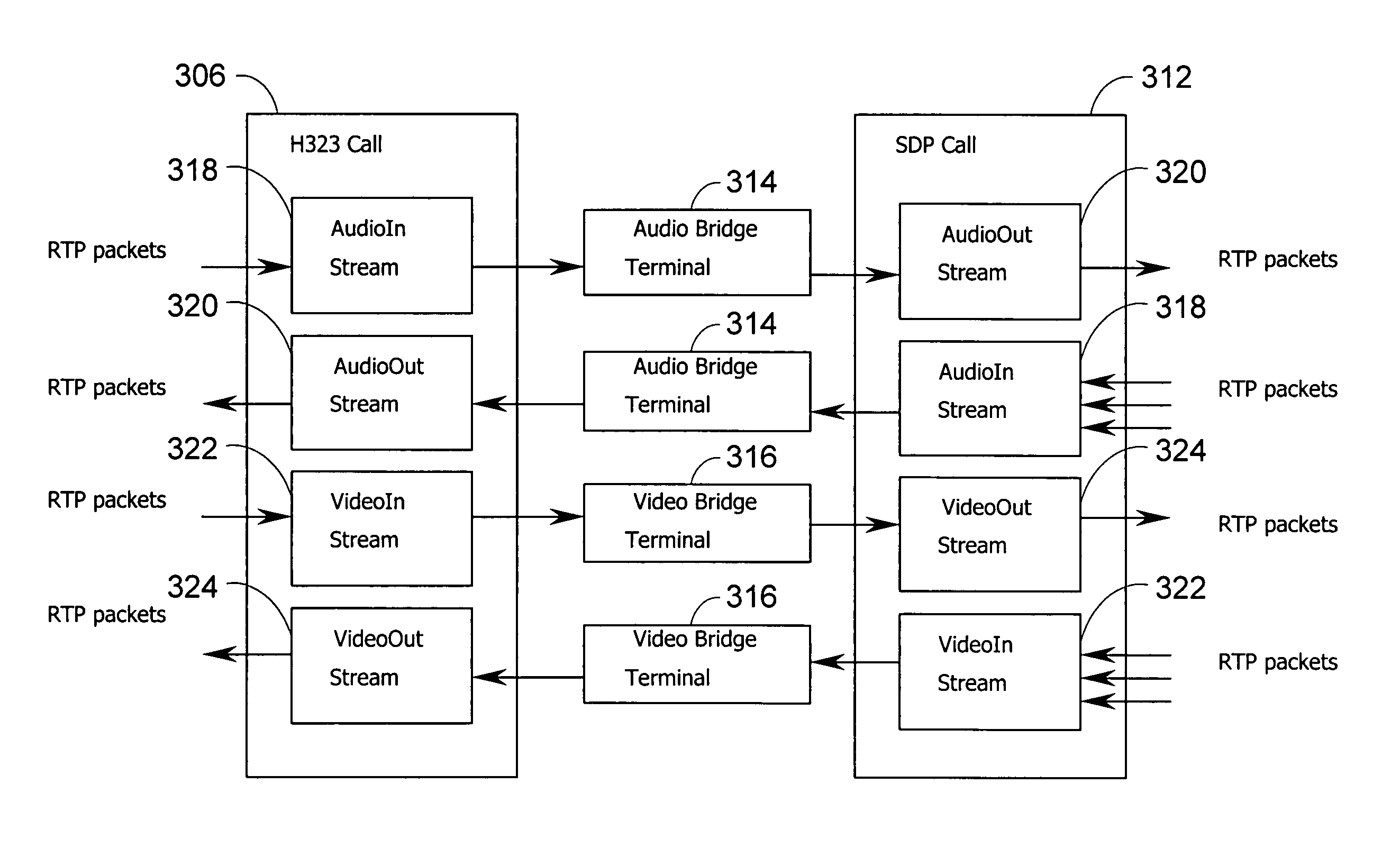
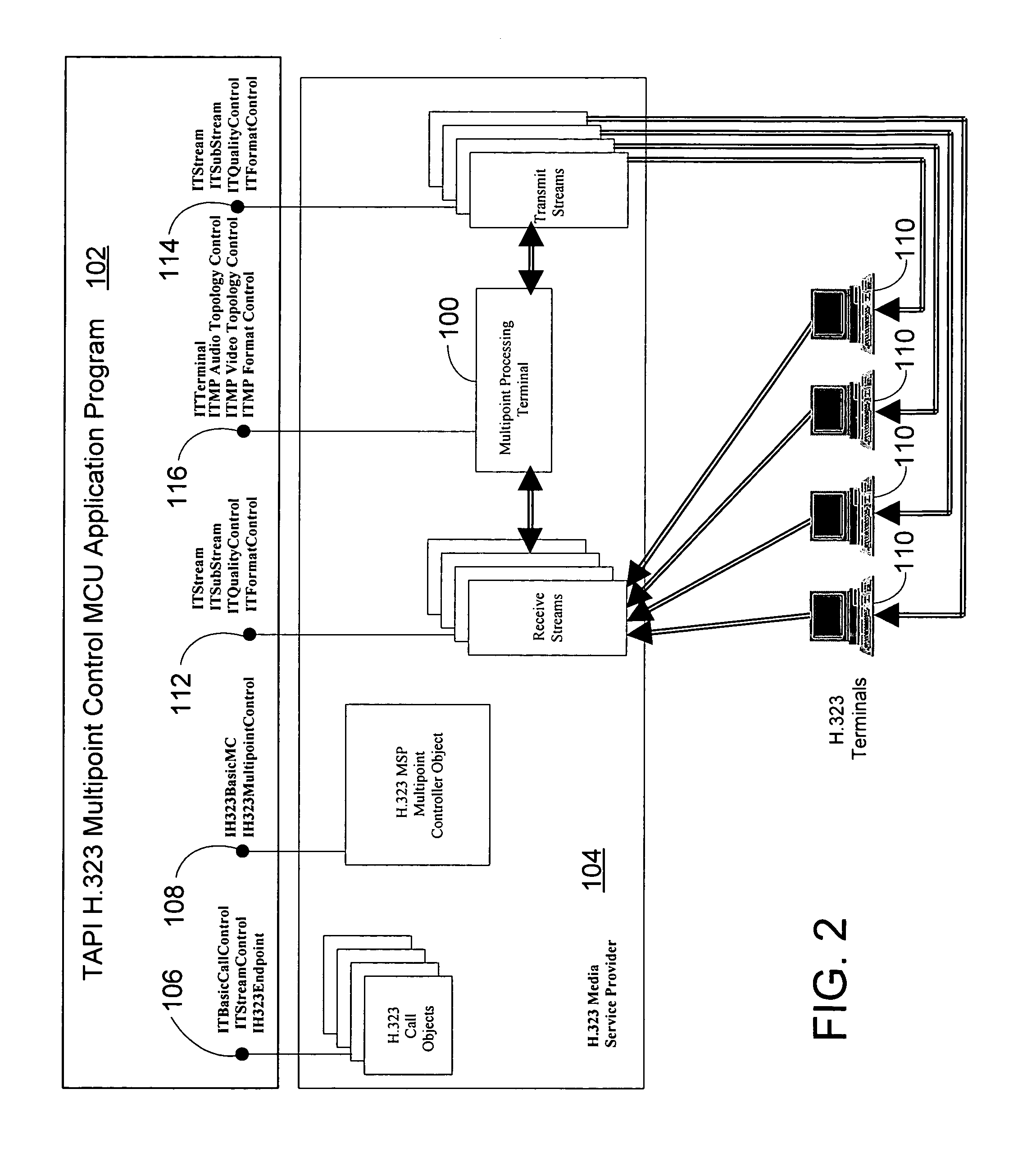
- The introduction of Multipoint Processing Terminals (MPTs) and Multicast Bridging Terminals (BTs) that offload transcoding and signal processing operations, allowing specialized terminals to handle media stream processing and format conversion, thereby reducing the burden on MCUs and Gateways and enabling more efficient multipoint conferencing.

Standardization and Protocol Requirements
The standardization landscape for multipoint control units (MCUs) and transponders is governed by multiple international bodies, each addressing specific aspects of efficiency and interoperability. The International Telecommunication Union (ITU) provides fundamental frameworks through ITU-T H.323 and H.320 recommendations for MCU operations, while transponder technologies primarily follow ITU-R satellite communication standards and DVB specifications. These standards establish baseline efficiency metrics including bandwidth utilization ratios, latency thresholds, and power consumption parameters that directly impact comparative performance assessments.
Protocol requirements for MCUs center on session management, media processing, and resource allocation algorithms. The Session Initiation Protocol (SIP) and Real-time Transport Protocol (RTP) form the core communication stack, with specific extensions for multipoint scenarios. Efficiency metrics must account for protocol overhead, typically ranging from 8-15% of total bandwidth depending on implementation complexity. MCUs require adherence to codec standardization through ITU-T G.series and H.series recommendations, ensuring consistent quality measurements across different vendor implementations.
Transponder standardization focuses on signal processing efficiency and spectrum management protocols. The European Telecommunications Standards Institute (ETSI) and Federal Communications Commission (FCC) regulations define power spectral density limits, adjacent channel interference thresholds, and modulation scheme requirements. These standards directly influence efficiency calculations by establishing minimum performance baselines for throughput-to-power ratios and spectral efficiency measurements.
Emerging protocol requirements address next-generation efficiency optimization through software-defined networking (SDN) integration and artificial intelligence-driven resource management. The Internet Engineering Task Force (IETF) is developing new RFCs for adaptive bitrate control and dynamic resource allocation protocols. These evolving standards will significantly impact future efficiency metric comparisons by introducing real-time optimization capabilities that traditional static measurement approaches cannot adequately capture.
Cross-platform interoperability standards ensure meaningful efficiency comparisons between MCU and transponder technologies. The Alliance for Telecommunications Industry Solutions (ATIS) and 3rd Generation Partnership Project (3GPP) provide testing methodologies and certification processes that validate compliance with efficiency benchmarks across different technological approaches.
Protocol requirements for MCUs center on session management, media processing, and resource allocation algorithms. The Session Initiation Protocol (SIP) and Real-time Transport Protocol (RTP) form the core communication stack, with specific extensions for multipoint scenarios. Efficiency metrics must account for protocol overhead, typically ranging from 8-15% of total bandwidth depending on implementation complexity. MCUs require adherence to codec standardization through ITU-T G.series and H.series recommendations, ensuring consistent quality measurements across different vendor implementations.
Transponder standardization focuses on signal processing efficiency and spectrum management protocols. The European Telecommunications Standards Institute (ETSI) and Federal Communications Commission (FCC) regulations define power spectral density limits, adjacent channel interference thresholds, and modulation scheme requirements. These standards directly influence efficiency calculations by establishing minimum performance baselines for throughput-to-power ratios and spectral efficiency measurements.
Emerging protocol requirements address next-generation efficiency optimization through software-defined networking (SDN) integration and artificial intelligence-driven resource management. The Internet Engineering Task Force (IETF) is developing new RFCs for adaptive bitrate control and dynamic resource allocation protocols. These evolving standards will significantly impact future efficiency metric comparisons by introducing real-time optimization capabilities that traditional static measurement approaches cannot adequately capture.
Cross-platform interoperability standards ensure meaningful efficiency comparisons between MCU and transponder technologies. The Alliance for Telecommunications Industry Solutions (ATIS) and 3rd Generation Partnership Project (3GPP) provide testing methodologies and certification processes that validate compliance with efficiency benchmarks across different technological approaches.
Cost-Performance Trade-offs in System Architecture
The cost-performance trade-offs between Multipoint Control Unit (MCU) and transponder-based architectures represent a fundamental decision point in communication system design. MCU architectures typically require higher initial capital investment due to centralized processing capabilities, sophisticated switching matrices, and redundancy mechanisms. However, they offer superior scalability and operational efficiency in multi-endpoint scenarios, resulting in lower per-connection costs as network size increases.
Transponder-based systems present a contrasting economic profile with lower entry costs and distributed processing overhead. The modular nature of transponder architectures enables incremental capacity expansion, reducing financial risk for organizations with uncertain growth trajectories. Yet, the cumulative cost of individual transponder units can exceed MCU investments in large-scale deployments, particularly when considering maintenance and management overhead.
Performance considerations significantly impact the total cost of ownership calculations. MCU systems demonstrate superior bandwidth utilization efficiency through centralized resource allocation algorithms, achieving up to 30% better spectrum efficiency compared to distributed transponder networks. This translates to reduced infrastructure requirements and lower operational expenses over the system lifecycle. Additionally, MCU architectures enable advanced features such as dynamic bandwidth allocation and quality of service management without proportional cost increases.
The architectural choice becomes particularly critical when evaluating power consumption patterns. MCU systems concentrate power requirements in centralized facilities, enabling more efficient cooling and power management strategies. Transponder-based architectures distribute power consumption across multiple nodes, potentially increasing overall energy costs but providing better fault isolation capabilities.
Maintenance and operational complexity introduce additional cost variables. MCU systems require specialized technical expertise for centralized management but offer simplified network monitoring and troubleshooting capabilities. Transponder architectures distribute maintenance requirements across multiple locations, potentially increasing labor costs but reducing single points of failure impact on overall system availability and associated revenue implications.
Transponder-based systems present a contrasting economic profile with lower entry costs and distributed processing overhead. The modular nature of transponder architectures enables incremental capacity expansion, reducing financial risk for organizations with uncertain growth trajectories. Yet, the cumulative cost of individual transponder units can exceed MCU investments in large-scale deployments, particularly when considering maintenance and management overhead.
Performance considerations significantly impact the total cost of ownership calculations. MCU systems demonstrate superior bandwidth utilization efficiency through centralized resource allocation algorithms, achieving up to 30% better spectrum efficiency compared to distributed transponder networks. This translates to reduced infrastructure requirements and lower operational expenses over the system lifecycle. Additionally, MCU architectures enable advanced features such as dynamic bandwidth allocation and quality of service management without proportional cost increases.
The architectural choice becomes particularly critical when evaluating power consumption patterns. MCU systems concentrate power requirements in centralized facilities, enabling more efficient cooling and power management strategies. Transponder-based architectures distribute power consumption across multiple nodes, potentially increasing overall energy costs but providing better fault isolation capabilities.
Maintenance and operational complexity introduce additional cost variables. MCU systems require specialized technical expertise for centralized management but offer simplified network monitoring and troubleshooting capabilities. Transponder architectures distribute maintenance requirements across multiple locations, potentially increasing labor costs but reducing single points of failure impact on overall system availability and associated revenue implications.
Unlock deeper insights with Patsnap Eureka Quick Research — get a full tech report to explore trends and direct your research. Try now!
Generate Your Research Report Instantly with AI Agent
Supercharge your innovation with Patsnap Eureka AI Agent Platform!