

Neoprene’s Importance in Dynamic Surface Technology
AUG 5, 20259 MIN READ
Generate Your Research Report Instantly with AI Agent
PatSnap Eureka helps you evaluate technical feasibility & market potential.
Neoprene in DST: Background and Objectives
Neoprene, a synthetic rubber developed by DuPont in 1930, has played a pivotal role in the evolution of Dynamic Surface Technology (DST). This versatile material has become increasingly important in various applications due to its unique properties, including excellent resistance to oil, heat, and weathering. The journey of neoprene in DST began with its initial use in industrial applications and has since expanded to encompass a wide range of fields, from aerospace to consumer electronics.
The primary objective of incorporating neoprene into DST is to enhance the adaptability and responsiveness of surfaces in dynamic environments. By leveraging neoprene's elasticity and durability, researchers and engineers aim to create surfaces that can change their properties in real-time, responding to external stimuli such as pressure, temperature, or electrical signals. This adaptability opens up new possibilities for creating smart materials and surfaces that can optimize their performance based on changing conditions.
As the field of DST has progressed, the demands placed on neoprene have evolved. Initially, the focus was on basic properties such as flexibility and resistance to environmental factors. However, with advancements in technology and increasing sophistication of applications, the requirements have expanded to include more complex characteristics. These include precise control over elasticity, improved electrical conductivity, and enhanced integration with other materials and systems.
The development of neoprene in DST has been driven by a combination of scientific research and practical engineering challenges. Academic institutions have contributed significantly to understanding the fundamental properties of neoprene and its potential applications in dynamic surfaces. Simultaneously, industry leaders have pushed the boundaries of neoprene's capabilities through real-world applications and product development.
Looking ahead, the future of neoprene in DST is closely tied to emerging technologies such as wearable electronics, soft robotics, and adaptive architecture. These fields require materials that can seamlessly blend mechanical flexibility with advanced functionalities. As such, the ongoing research and development in neoprene for DST applications are focused on enhancing its smart properties, such as self-healing capabilities, improved sensor integration, and more precise control over its physical characteristics.
The technological goals for neoprene in DST include developing formulations that offer greater tunability of properties, improving its compatibility with other advanced materials, and enhancing its overall performance in dynamic environments. Achieving these objectives will require interdisciplinary collaboration, combining expertise from materials science, chemistry, electronics, and mechanical engineering.
The primary objective of incorporating neoprene into DST is to enhance the adaptability and responsiveness of surfaces in dynamic environments. By leveraging neoprene's elasticity and durability, researchers and engineers aim to create surfaces that can change their properties in real-time, responding to external stimuli such as pressure, temperature, or electrical signals. This adaptability opens up new possibilities for creating smart materials and surfaces that can optimize their performance based on changing conditions.
As the field of DST has progressed, the demands placed on neoprene have evolved. Initially, the focus was on basic properties such as flexibility and resistance to environmental factors. However, with advancements in technology and increasing sophistication of applications, the requirements have expanded to include more complex characteristics. These include precise control over elasticity, improved electrical conductivity, and enhanced integration with other materials and systems.
The development of neoprene in DST has been driven by a combination of scientific research and practical engineering challenges. Academic institutions have contributed significantly to understanding the fundamental properties of neoprene and its potential applications in dynamic surfaces. Simultaneously, industry leaders have pushed the boundaries of neoprene's capabilities through real-world applications and product development.
Looking ahead, the future of neoprene in DST is closely tied to emerging technologies such as wearable electronics, soft robotics, and adaptive architecture. These fields require materials that can seamlessly blend mechanical flexibility with advanced functionalities. As such, the ongoing research and development in neoprene for DST applications are focused on enhancing its smart properties, such as self-healing capabilities, improved sensor integration, and more precise control over its physical characteristics.
The technological goals for neoprene in DST include developing formulations that offer greater tunability of properties, improving its compatibility with other advanced materials, and enhancing its overall performance in dynamic environments. Achieving these objectives will require interdisciplinary collaboration, combining expertise from materials science, chemistry, electronics, and mechanical engineering.
Market Analysis for Neoprene-based DST
The neoprene-based Dynamic Surface Technology (DST) market has shown significant growth potential in recent years, driven by increasing demand for versatile and durable materials across various industries. The global market for neoprene-based DST is expected to experience steady growth, with a compound annual growth rate (CAGR) projected to be in the mid-single digits over the next five years.
Key factors contributing to market demand include the expanding automotive sector, where neoprene-based DST finds applications in seals, gaskets, and hoses due to its excellent resistance to oil, heat, and weathering. The construction industry also presents a substantial market opportunity, particularly in regions experiencing rapid urbanization and infrastructure development. Neoprene's ability to withstand extreme weather conditions makes it an ideal choice for roofing membranes and waterproofing applications.
The aerospace and defense sectors are emerging as significant consumers of neoprene-based DST, driven by the material's lightweight properties and resistance to extreme temperatures. This trend is expected to continue as these industries focus on developing more fuel-efficient and high-performance vehicles and equipment.
In the consumer goods market, neoprene-based DST is gaining traction in the production of protective gear, sports equipment, and fashion accessories. The growing awareness of the material's durability and flexibility among consumers is likely to fuel demand in this segment.
Geographically, North America and Europe currently dominate the neoprene-based DST market, owing to their well-established industrial bases and stringent quality standards. However, the Asia-Pacific region is anticipated to witness the fastest growth, propelled by rapid industrialization, increasing automotive production, and rising disposable incomes in countries like China and India.
Despite the positive outlook, the market faces challenges such as volatility in raw material prices and growing environmental concerns regarding the production and disposal of synthetic materials. These factors are driving research and development efforts towards more sustainable alternatives and improved recycling techniques for neoprene-based products.
In conclusion, the market for neoprene-based DST shows promising growth prospects across multiple industries and regions. Manufacturers and investors in this space should focus on innovation, sustainability, and expanding their presence in emerging markets to capitalize on the growing demand for this versatile material.
Key factors contributing to market demand include the expanding automotive sector, where neoprene-based DST finds applications in seals, gaskets, and hoses due to its excellent resistance to oil, heat, and weathering. The construction industry also presents a substantial market opportunity, particularly in regions experiencing rapid urbanization and infrastructure development. Neoprene's ability to withstand extreme weather conditions makes it an ideal choice for roofing membranes and waterproofing applications.
The aerospace and defense sectors are emerging as significant consumers of neoprene-based DST, driven by the material's lightweight properties and resistance to extreme temperatures. This trend is expected to continue as these industries focus on developing more fuel-efficient and high-performance vehicles and equipment.
In the consumer goods market, neoprene-based DST is gaining traction in the production of protective gear, sports equipment, and fashion accessories. The growing awareness of the material's durability and flexibility among consumers is likely to fuel demand in this segment.
Geographically, North America and Europe currently dominate the neoprene-based DST market, owing to their well-established industrial bases and stringent quality standards. However, the Asia-Pacific region is anticipated to witness the fastest growth, propelled by rapid industrialization, increasing automotive production, and rising disposable incomes in countries like China and India.
Despite the positive outlook, the market faces challenges such as volatility in raw material prices and growing environmental concerns regarding the production and disposal of synthetic materials. These factors are driving research and development efforts towards more sustainable alternatives and improved recycling techniques for neoprene-based products.
In conclusion, the market for neoprene-based DST shows promising growth prospects across multiple industries and regions. Manufacturers and investors in this space should focus on innovation, sustainability, and expanding their presence in emerging markets to capitalize on the growing demand for this versatile material.
Current Challenges in Neoprene DST
Despite the widespread use of neoprene in Dynamic Surface Technology (DST), several challenges persist in its application and performance. One of the primary issues is the material's limited durability under extreme conditions. Neoprene, while resilient, can degrade over time when exposed to harsh environments, such as high temperatures, UV radiation, or corrosive chemicals. This degradation can lead to reduced elasticity and compromised structural integrity, potentially affecting the overall performance of DST systems.
Another significant challenge is the environmental impact of neoprene production and disposal. The manufacturing process of neoprene involves the use of petroleum-based materials and energy-intensive procedures, contributing to carbon emissions and environmental pollution. Additionally, the disposal of neoprene products at the end of their lifecycle poses recycling difficulties, as the material is not biodegradable and requires specialized processing for proper recycling.
The cost-effectiveness of neoprene in DST applications is also a concern for many industries. While neoprene offers excellent properties for dynamic surfaces, its production costs can be higher compared to some alternative materials. This cost factor can limit the widespread adoption of neoprene-based DST solutions, particularly in price-sensitive markets or large-scale applications.
Furthermore, the consistency in quality and performance of neoprene across different batches and suppliers remains a challenge. Variations in raw materials and manufacturing processes can lead to inconsistencies in the final product's properties, potentially affecting the reliability and predictability of DST systems. This variability necessitates rigorous quality control measures, which can add to the overall cost and complexity of implementation.
The limitations in customization and fine-tuning of neoprene properties for specific DST applications also present a challenge. While neoprene offers a range of beneficial properties, tailoring these properties to meet the exact requirements of diverse DST applications can be difficult. This limitation sometimes forces engineers to make compromises in design or to seek alternative materials that offer more flexibility in property customization.
Lastly, the integration of neoprene with other materials and technologies in advanced DST systems poses technical challenges. As DST applications become more sophisticated, incorporating sensors, actuators, or smart materials with neoprene requires innovative solutions to ensure seamless functionality and durability. The development of effective bonding techniques and interface designs between neoprene and other components remains an ongoing area of research and development in the field of DST.
Another significant challenge is the environmental impact of neoprene production and disposal. The manufacturing process of neoprene involves the use of petroleum-based materials and energy-intensive procedures, contributing to carbon emissions and environmental pollution. Additionally, the disposal of neoprene products at the end of their lifecycle poses recycling difficulties, as the material is not biodegradable and requires specialized processing for proper recycling.
The cost-effectiveness of neoprene in DST applications is also a concern for many industries. While neoprene offers excellent properties for dynamic surfaces, its production costs can be higher compared to some alternative materials. This cost factor can limit the widespread adoption of neoprene-based DST solutions, particularly in price-sensitive markets or large-scale applications.
Furthermore, the consistency in quality and performance of neoprene across different batches and suppliers remains a challenge. Variations in raw materials and manufacturing processes can lead to inconsistencies in the final product's properties, potentially affecting the reliability and predictability of DST systems. This variability necessitates rigorous quality control measures, which can add to the overall cost and complexity of implementation.
The limitations in customization and fine-tuning of neoprene properties for specific DST applications also present a challenge. While neoprene offers a range of beneficial properties, tailoring these properties to meet the exact requirements of diverse DST applications can be difficult. This limitation sometimes forces engineers to make compromises in design or to seek alternative materials that offer more flexibility in property customization.
Lastly, the integration of neoprene with other materials and technologies in advanced DST systems poses technical challenges. As DST applications become more sophisticated, incorporating sensors, actuators, or smart materials with neoprene requires innovative solutions to ensure seamless functionality and durability. The development of effective bonding techniques and interface designs between neoprene and other components remains an ongoing area of research and development in the field of DST.
Existing Neoprene DST Solutions
01 Composition and synthesis of neoprene
Neoprene is a synthetic rubber produced by polymerization of chloroprene. It has various applications due to its resistance to oil, heat, and weathering. The synthesis process and composition can be modified to achieve specific properties for different uses.- Composition and synthesis of neoprene: Neoprene is a synthetic rubber produced by polymerization of chloroprene. It is known for its resistance to oil, heat, and weathering. The manufacturing process involves careful control of reaction conditions and may include various additives to enhance specific properties.
- Applications of neoprene in protective gear: Neoprene is widely used in the production of protective gear such as wetsuits, diving suits, and other water-resistant clothing. Its flexibility, insulation properties, and durability make it ideal for these applications. Neoprene-based protective gear often incorporates additional layers or treatments to enhance performance.
- Neoprene foams and their properties: Neoprene can be processed into foam materials with various densities and cell structures. These foams offer excellent insulation, cushioning, and sealing properties. The manufacturing process of neoprene foams often involves the use of blowing agents and specific curing conditions to achieve desired characteristics.
- Neoprene in adhesive and sealant applications: Neoprene-based adhesives and sealants are valued for their strong bonding capabilities, resistance to environmental factors, and flexibility. These products are used in various industries, including construction, automotive, and aerospace. Formulations may include additional components to enhance specific properties such as tack or curing speed.
- Modifications and blends of neoprene: To enhance specific properties or overcome limitations, neoprene is often modified or blended with other materials. This can include chemical modifications, the addition of reinforcing agents, or blending with other polymers. Such modifications can improve properties like flame resistance, electrical insulation, or mechanical strength.
02 Neoprene in protective gear and clothing
Neoprene is widely used in the production of protective gear and clothing, such as wetsuits, gloves, and boots. Its insulating properties, flexibility, and durability make it ideal for these applications, providing protection against water, cold, and physical impacts.Expand Specific Solutions03 Neoprene foam and cellular structures
Neoprene can be processed into foam or cellular structures, enhancing its insulating and cushioning properties. These forms of neoprene find applications in various industries, including automotive, construction, and sports equipment manufacturing.Expand Specific Solutions04 Neoprene in adhesives and sealants
Neoprene-based adhesives and sealants offer excellent bonding strength, flexibility, and resistance to environmental factors. They are used in construction, automotive, and industrial applications for joining materials and creating watertight seals.Expand Specific Solutions05 Neoprene blends and composites
Neoprene can be blended with other materials or used in composite structures to enhance specific properties. These blends and composites can offer improved performance characteristics such as increased strength, flame resistance, or chemical resistance for specialized applications.Expand Specific Solutions
Key Players in Neoprene DST Industry
The dynamic surface technology sector, particularly in relation to neoprene applications, is in a growth phase characterized by increasing market demand and technological advancements. The global market for neoprene-based products is expanding, driven by diverse applications in industries such as automotive, aerospace, and consumer goods. While the technology is relatively mature, ongoing research and development efforts by key players are pushing the boundaries of performance and sustainability. Companies like Tianjin Pengling Group Co. Ltd., Rhodia, Inc., and Denka Corp. are at the forefront of innovation, developing advanced neoprene formulations and manufacturing processes. Research institutions such as the National Research Council of Canada and Centre National de la Recherche Scientifique are contributing to the field's scientific progress, fostering collaborations between academia and industry to drive further technological improvements and market expansion.
Denka Corp.
Technical Solution: Denka Corp. has developed advanced neoprene formulations for dynamic surface technology applications. Their proprietary process involves cross-linking neoprene with specific additives to enhance its dynamic properties[1]. This results in neoprene materials with improved elasticity, durability, and resistance to environmental factors. The company has also introduced nanoparticle-reinforced neoprene composites, which exhibit superior mechanical strength and abrasion resistance compared to conventional neoprene[3]. These advanced materials find applications in automotive, aerospace, and marine industries where dynamic surface performance is critical.
Strengths: Superior elasticity and durability, excellent environmental resistance, enhanced mechanical properties. Weaknesses: Higher production costs, potential limitations in extreme temperature applications.
Ford Global Technologies LLC
Technical Solution: Ford Global Technologies has leveraged neoprene's properties in developing dynamic surface technologies for automotive applications. They have patented a neoprene-based composite material that combines the elastomer with other polymers and reinforcing agents to create adaptive surfaces for vehicle interiors[2]. This material can change its texture and firmness in response to electrical or thermal stimuli, enhancing user comfort and ergonomics. Ford has also developed neoprene-based coatings for exterior components that provide improved aerodynamics and self-cleaning properties[4]. These innovations contribute to increased fuel efficiency and reduced maintenance requirements in vehicles.
Strengths: Innovative applications in automotive industry, enhanced user experience, improved vehicle performance. Weaknesses: Potentially high implementation costs, limited to automotive sector.
Innovative Neoprene DST Technologies
Neoprene medical device
PatentInactiveEP3159016A1
Innovation
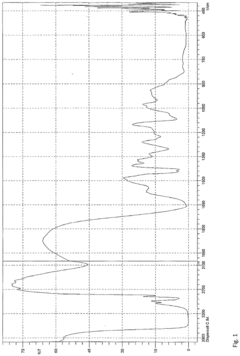
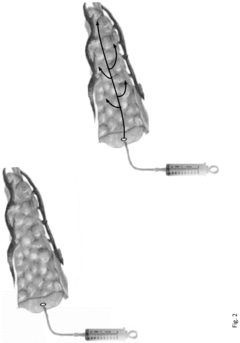
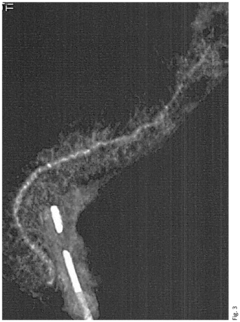
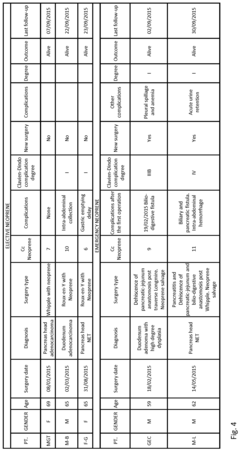
- A neoprene-based occlusive material is developed, comprising a sterile aqueous dispersion of poly(2-chloro-1,3-butadiene) stabilized at pH 13-13.5, which is injected into the pancreatic duct after surgical removal of the pancreas head, polymerizing to block pancreatic juice discharge, thereby inducing chemical pancreatectomy and preventing fistula formation.
Method for coating a mechanically highly loaded surface of a component, and coated component itself
PatentInactiveUS20220178011A1
Innovation
- A gradated diffusion barrier zone is created by introducing a metallic binder material like chromium, manganese, or molybdenum into the component's surface to prevent nitrogen and carbon penetration, followed by the application of a bonding or functional layer using plasma-enhanced CVD, ensuring better adhesion and surface upgrading.


Environmental Impact of Neoprene in DST
The environmental impact of neoprene in Dynamic Surface Technology (DST) is a critical consideration as the material's widespread use intersects with growing ecological concerns. Neoprene, a synthetic rubber, has been integral to DST applications due to its unique properties, including flexibility, durability, and resistance to various environmental factors. However, its production and disposal processes raise significant environmental issues that warrant careful examination.
The manufacturing of neoprene involves the use of petroleum-based chemicals, which contribute to carbon emissions and potential pollution. The production process releases chloroprene, a probable human carcinogen, into the atmosphere. This not only poses risks to workers in manufacturing facilities but also impacts air quality in surrounding areas. Additionally, the energy-intensive nature of neoprene production contributes to the overall carbon footprint of DST products.
Water pollution is another concern associated with neoprene production. The manufacturing process generates wastewater containing various chemicals, which, if not properly treated, can contaminate local water sources. This can have detrimental effects on aquatic ecosystems and potentially impact human health through contaminated drinking water supplies.
The durability of neoprene, while beneficial for product longevity, presents challenges in terms of waste management. Neoprene does not biodegrade easily, leading to long-term accumulation in landfills or natural environments when improperly disposed of. The material's resistance to degradation means it can persist in ecosystems for extended periods, potentially harming wildlife through ingestion or entanglement.
Recycling neoprene presents its own set of challenges. While technically recyclable, the process is complex and not widely implemented. The lack of established recycling infrastructure for neoprene means that a significant portion of DST products end up in landfills at the end of their lifecycle, further contributing to environmental concerns.
However, it's important to note that efforts are being made to mitigate the environmental impact of neoprene in DST. Some manufacturers are exploring alternative production methods that reduce emissions and chemical use. Additionally, research into bio-based alternatives and more efficient recycling processes shows promise for future improvements in the environmental profile of DST products.
The use of neoprene in DST also has some indirect environmental benefits. The material's durability and performance characteristics can lead to longer-lasting products, potentially reducing the need for frequent replacements and the associated resource consumption. Furthermore, in certain applications, neoprene-based DST solutions may contribute to energy efficiency or resource conservation, partially offsetting their environmental impact.
The manufacturing of neoprene involves the use of petroleum-based chemicals, which contribute to carbon emissions and potential pollution. The production process releases chloroprene, a probable human carcinogen, into the atmosphere. This not only poses risks to workers in manufacturing facilities but also impacts air quality in surrounding areas. Additionally, the energy-intensive nature of neoprene production contributes to the overall carbon footprint of DST products.
Water pollution is another concern associated with neoprene production. The manufacturing process generates wastewater containing various chemicals, which, if not properly treated, can contaminate local water sources. This can have detrimental effects on aquatic ecosystems and potentially impact human health through contaminated drinking water supplies.
The durability of neoprene, while beneficial for product longevity, presents challenges in terms of waste management. Neoprene does not biodegrade easily, leading to long-term accumulation in landfills or natural environments when improperly disposed of. The material's resistance to degradation means it can persist in ecosystems for extended periods, potentially harming wildlife through ingestion or entanglement.
Recycling neoprene presents its own set of challenges. While technically recyclable, the process is complex and not widely implemented. The lack of established recycling infrastructure for neoprene means that a significant portion of DST products end up in landfills at the end of their lifecycle, further contributing to environmental concerns.
However, it's important to note that efforts are being made to mitigate the environmental impact of neoprene in DST. Some manufacturers are exploring alternative production methods that reduce emissions and chemical use. Additionally, research into bio-based alternatives and more efficient recycling processes shows promise for future improvements in the environmental profile of DST products.
The use of neoprene in DST also has some indirect environmental benefits. The material's durability and performance characteristics can lead to longer-lasting products, potentially reducing the need for frequent replacements and the associated resource consumption. Furthermore, in certain applications, neoprene-based DST solutions may contribute to energy efficiency or resource conservation, partially offsetting their environmental impact.
Cost-Benefit Analysis of Neoprene DST
The cost-benefit analysis of Neoprene in Dynamic Surface Technology (DST) reveals a complex interplay of economic factors and performance advantages. Initial investment in Neoprene-based DST systems tends to be higher compared to traditional materials, primarily due to the specialized manufacturing processes and the intrinsic value of the material itself. However, this upfront cost is often offset by the long-term benefits and reduced lifecycle expenses.
Neoprene's exceptional durability and resistance to environmental factors contribute significantly to extended product lifespans. This longevity translates into reduced replacement frequency and lower maintenance costs over time. The material's ability to withstand extreme temperatures, UV radiation, and chemical exposure ensures consistent performance in diverse applications, minimizing downtime and associated economic losses.
Energy efficiency is another crucial factor in the cost-benefit equation. Neoprene's excellent insulation properties can lead to substantial energy savings in various DST applications, particularly in building envelopes and industrial processes. These savings accumulate over time, potentially surpassing the initial investment within a few years of operation.
The versatility of Neoprene in DST applications allows for streamlined manufacturing processes and inventory management. This adaptability can result in economies of scale and reduced production costs when implemented across multiple product lines or industries. Additionally, the material's lightweight nature compared to some alternatives can lead to savings in transportation and installation costs.
From a performance standpoint, Neoprene's superior elasticity and shape memory contribute to enhanced functionality in DST systems. This improved performance can lead to increased productivity or efficiency in end-use applications, providing indirect economic benefits that may be challenging to quantify but are nonetheless significant.
Environmental considerations also play a role in the cost-benefit analysis. While Neoprene production does have an environmental footprint, its durability and potential for recycling can contribute to a more favorable lifecycle assessment compared to less durable alternatives that require frequent replacement.
In conclusion, while the initial costs of implementing Neoprene in DST may be higher, the long-term economic benefits often justify the investment. These benefits include reduced maintenance and replacement costs, energy savings, improved performance, and potential environmental advantages. However, the specific cost-benefit ratio will vary depending on the particular application and operating conditions, necessitating careful analysis for each implementation scenario.
Neoprene's exceptional durability and resistance to environmental factors contribute significantly to extended product lifespans. This longevity translates into reduced replacement frequency and lower maintenance costs over time. The material's ability to withstand extreme temperatures, UV radiation, and chemical exposure ensures consistent performance in diverse applications, minimizing downtime and associated economic losses.
Energy efficiency is another crucial factor in the cost-benefit equation. Neoprene's excellent insulation properties can lead to substantial energy savings in various DST applications, particularly in building envelopes and industrial processes. These savings accumulate over time, potentially surpassing the initial investment within a few years of operation.
The versatility of Neoprene in DST applications allows for streamlined manufacturing processes and inventory management. This adaptability can result in economies of scale and reduced production costs when implemented across multiple product lines or industries. Additionally, the material's lightweight nature compared to some alternatives can lead to savings in transportation and installation costs.
From a performance standpoint, Neoprene's superior elasticity and shape memory contribute to enhanced functionality in DST systems. This improved performance can lead to increased productivity or efficiency in end-use applications, providing indirect economic benefits that may be challenging to quantify but are nonetheless significant.
Environmental considerations also play a role in the cost-benefit analysis. While Neoprene production does have an environmental footprint, its durability and potential for recycling can contribute to a more favorable lifecycle assessment compared to less durable alternatives that require frequent replacement.
In conclusion, while the initial costs of implementing Neoprene in DST may be higher, the long-term economic benefits often justify the investment. These benefits include reduced maintenance and replacement costs, energy savings, improved performance, and potential environmental advantages. However, the specific cost-benefit ratio will vary depending on the particular application and operating conditions, necessitating careful analysis for each implementation scenario.
Unlock deeper insights with PatSnap Eureka Quick Research — get a full tech report to explore trends and direct your research. Try now!
Generate Your Research Report Instantly with AI Agent
Supercharge your innovation with PatSnap Eureka AI Agent Platform!