

Optimize Engine Materials for Compression-Ignition Durability in Harsh Environments
JUN 14, 20269 MIN READ
Generate Your Research Report Instantly with AI Agent
Patsnap Eureka helps you evaluate technical feasibility & market potential.
Engine Material Durability Background and Objectives
Compression-ignition engines have undergone significant evolution since Rudolf Diesel's first successful prototype in 1893. The fundamental principle of auto-ignition through compression heating has remained constant, yet the materials engineering challenges have intensified dramatically with modern performance demands. Early diesel engines operated in relatively benign conditions with simple cast iron components, but contemporary applications span from arctic mining operations to desert military deployments, demanding unprecedented material resilience.
The harsh environment operational spectrum encompasses extreme temperature variations ranging from -40°C to 150°C, corrosive atmospheric conditions including salt spray and chemical contaminants, high-pressure combustion cycles exceeding 200 bar, and prolonged exposure to sulfur-containing fuels. These conditions create a complex degradation matrix involving thermal fatigue, oxidative corrosion, mechanical wear, and chemical attack that traditional materials struggle to withstand effectively.
Current material failure modes in compression-ignition engines operating under harsh conditions include cylinder liner cavitation erosion, piston crown thermal cracking, valve seat recession under high-temperature operation, and connecting rod bearing degradation due to contaminated lubricants. These failures result in significant operational downtime, maintenance costs, and potential safety hazards in critical applications such as emergency power generation and remote industrial operations.
The primary objective of optimizing engine materials for compression-ignition durability centers on developing advanced material solutions that can withstand the synergistic effects of mechanical stress, thermal cycling, and chemical attack while maintaining dimensional stability and surface integrity. This involves identifying novel alloy compositions, surface treatment technologies, and coating systems that provide superior resistance to the multi-faceted degradation mechanisms present in harsh operational environments.
Secondary objectives include establishing predictive material performance models that can accurately forecast component lifespan under specific environmental conditions, developing cost-effective manufacturing processes for advanced materials that maintain commercial viability, and creating standardized testing protocols that reliably simulate real-world harsh environment exposure scenarios. These objectives collectively aim to extend engine service intervals, reduce maintenance requirements, and improve overall system reliability in demanding applications where conventional materials prove inadequate.
The harsh environment operational spectrum encompasses extreme temperature variations ranging from -40°C to 150°C, corrosive atmospheric conditions including salt spray and chemical contaminants, high-pressure combustion cycles exceeding 200 bar, and prolonged exposure to sulfur-containing fuels. These conditions create a complex degradation matrix involving thermal fatigue, oxidative corrosion, mechanical wear, and chemical attack that traditional materials struggle to withstand effectively.
Current material failure modes in compression-ignition engines operating under harsh conditions include cylinder liner cavitation erosion, piston crown thermal cracking, valve seat recession under high-temperature operation, and connecting rod bearing degradation due to contaminated lubricants. These failures result in significant operational downtime, maintenance costs, and potential safety hazards in critical applications such as emergency power generation and remote industrial operations.
The primary objective of optimizing engine materials for compression-ignition durability centers on developing advanced material solutions that can withstand the synergistic effects of mechanical stress, thermal cycling, and chemical attack while maintaining dimensional stability and surface integrity. This involves identifying novel alloy compositions, surface treatment technologies, and coating systems that provide superior resistance to the multi-faceted degradation mechanisms present in harsh operational environments.
Secondary objectives include establishing predictive material performance models that can accurately forecast component lifespan under specific environmental conditions, developing cost-effective manufacturing processes for advanced materials that maintain commercial viability, and creating standardized testing protocols that reliably simulate real-world harsh environment exposure scenarios. These objectives collectively aim to extend engine service intervals, reduce maintenance requirements, and improve overall system reliability in demanding applications where conventional materials prove inadequate.
Market Demand for Harsh Environment Engine Solutions
The global market for harsh environment engine solutions is experiencing unprecedented growth driven by expanding industrial activities in extreme conditions. Mining operations in remote locations, offshore drilling platforms, military applications, and heavy construction projects in challenging climates create substantial demand for engines capable of withstanding severe operational stresses. These applications require compression-ignition engines that maintain reliability and performance despite exposure to extreme temperatures, corrosive environments, high altitudes, and prolonged operational cycles.
Industrial sectors operating in harsh environments face significant economic pressures from equipment failures and unplanned maintenance. Engine breakdowns in remote mining sites or offshore platforms can result in substantial operational losses and safety risks. This reality drives strong market demand for advanced engine materials that extend service intervals, reduce maintenance requirements, and improve overall system reliability. Companies are increasingly willing to invest in premium engine solutions that demonstrate superior durability characteristics.
The marine industry represents a particularly demanding market segment, where engines must operate continuously in saltwater environments with high humidity and temperature fluctuations. Similarly, the oil and gas sector requires engines for drilling operations, pipeline compression, and power generation in desert, arctic, and offshore environments. These applications demand materials that resist corrosion, thermal cycling, and mechanical stress while maintaining consistent performance over extended periods.
Emerging markets in developing regions are driving additional demand as infrastructure development expands into previously inaccessible areas. Construction projects in extreme climates, remote power generation requirements, and resource extraction activities in challenging locations create new opportunities for specialized engine solutions. The growing emphasis on operational efficiency and environmental compliance further intensifies the need for optimized engine materials.
Military and defense applications constitute another significant market driver, requiring engines that perform reliably under combat conditions, extreme weather, and logistical constraints. These applications often demand the highest levels of durability and performance consistency, creating opportunities for advanced material technologies and innovative engineering solutions.
The market trend toward longer service intervals and reduced total cost of ownership continues to shape demand patterns. End users increasingly evaluate engine solutions based on lifecycle performance rather than initial acquisition costs, creating favorable conditions for advanced material technologies that demonstrate superior long-term value propositions.
Industrial sectors operating in harsh environments face significant economic pressures from equipment failures and unplanned maintenance. Engine breakdowns in remote mining sites or offshore platforms can result in substantial operational losses and safety risks. This reality drives strong market demand for advanced engine materials that extend service intervals, reduce maintenance requirements, and improve overall system reliability. Companies are increasingly willing to invest in premium engine solutions that demonstrate superior durability characteristics.
The marine industry represents a particularly demanding market segment, where engines must operate continuously in saltwater environments with high humidity and temperature fluctuations. Similarly, the oil and gas sector requires engines for drilling operations, pipeline compression, and power generation in desert, arctic, and offshore environments. These applications demand materials that resist corrosion, thermal cycling, and mechanical stress while maintaining consistent performance over extended periods.
Emerging markets in developing regions are driving additional demand as infrastructure development expands into previously inaccessible areas. Construction projects in extreme climates, remote power generation requirements, and resource extraction activities in challenging locations create new opportunities for specialized engine solutions. The growing emphasis on operational efficiency and environmental compliance further intensifies the need for optimized engine materials.
Military and defense applications constitute another significant market driver, requiring engines that perform reliably under combat conditions, extreme weather, and logistical constraints. These applications often demand the highest levels of durability and performance consistency, creating opportunities for advanced material technologies and innovative engineering solutions.
The market trend toward longer service intervals and reduced total cost of ownership continues to shape demand patterns. End users increasingly evaluate engine solutions based on lifecycle performance rather than initial acquisition costs, creating favorable conditions for advanced material technologies that demonstrate superior long-term value propositions.
Current Material Limitations in CI Engine Applications
Compression-ignition engines operating in harsh environments face significant material challenges that limit their durability and performance. Current engine materials struggle to withstand the extreme conditions characterized by high temperatures exceeding 1000°C, intense mechanical stresses from combustion pressures, and corrosive environments containing sulfur compounds and particulates.
Traditional cast iron cylinder blocks, while cost-effective, exhibit poor thermal conductivity and limited strength at elevated temperatures. These materials experience thermal fatigue cracking and dimensional instability under repeated heating and cooling cycles. The coefficient of thermal expansion mismatch between different engine components leads to seal failures and reduced compression efficiency over time.
Aluminum alloys commonly used in modern engines offer improved thermal conductivity but suffer from reduced strength at high temperatures and increased wear rates. The aluminum oxide layer formation provides some corrosion resistance, but it becomes compromised under extreme thermal cycling and chemical exposure. Additionally, aluminum's lower melting point restricts its application in the most demanding engine zones.
Steel components, particularly in valve trains and fuel injection systems, face challenges from hydrogen embrittlement and stress corrosion cracking. High-strength steels used in connecting rods and crankshafts experience fatigue failure under the intense cyclic loading conditions typical of heavy-duty applications. The material's susceptibility to oxidation at elevated temperatures further compromises long-term reliability.
Current coating technologies, including thermal barrier coatings and hard chrome plating, provide temporary solutions but often fail due to thermal expansion mismatches and adhesion problems. These coatings tend to spall or delaminate under extreme thermal shock conditions, exposing the underlying substrate to accelerated degradation.
Gasket and sealing materials represent another critical limitation. Conventional elastomers and composite gaskets lose their sealing properties when exposed to high temperatures and aggressive combustion byproducts. This results in compression loss, oil contamination, and reduced engine efficiency.
The tribological performance of current materials in harsh environments remains inadequate. Conventional bearing materials and surface treatments cannot maintain proper lubrication films under extreme pressure and temperature conditions, leading to increased friction, wear, and eventual component failure. These limitations collectively restrict engine lifespan and increase maintenance requirements in demanding applications.
Traditional cast iron cylinder blocks, while cost-effective, exhibit poor thermal conductivity and limited strength at elevated temperatures. These materials experience thermal fatigue cracking and dimensional instability under repeated heating and cooling cycles. The coefficient of thermal expansion mismatch between different engine components leads to seal failures and reduced compression efficiency over time.
Aluminum alloys commonly used in modern engines offer improved thermal conductivity but suffer from reduced strength at high temperatures and increased wear rates. The aluminum oxide layer formation provides some corrosion resistance, but it becomes compromised under extreme thermal cycling and chemical exposure. Additionally, aluminum's lower melting point restricts its application in the most demanding engine zones.
Steel components, particularly in valve trains and fuel injection systems, face challenges from hydrogen embrittlement and stress corrosion cracking. High-strength steels used in connecting rods and crankshafts experience fatigue failure under the intense cyclic loading conditions typical of heavy-duty applications. The material's susceptibility to oxidation at elevated temperatures further compromises long-term reliability.
Current coating technologies, including thermal barrier coatings and hard chrome plating, provide temporary solutions but often fail due to thermal expansion mismatches and adhesion problems. These coatings tend to spall or delaminate under extreme thermal shock conditions, exposing the underlying substrate to accelerated degradation.
Gasket and sealing materials represent another critical limitation. Conventional elastomers and composite gaskets lose their sealing properties when exposed to high temperatures and aggressive combustion byproducts. This results in compression loss, oil contamination, and reduced engine efficiency.
The tribological performance of current materials in harsh environments remains inadequate. Conventional bearing materials and surface treatments cannot maintain proper lubrication films under extreme pressure and temperature conditions, leading to increased friction, wear, and eventual component failure. These limitations collectively restrict engine lifespan and increase maintenance requirements in demanding applications.
Existing Material Solutions for Engine Durability
01 High-temperature resistant alloys and coatings
Development of advanced alloy compositions and protective coatings that can withstand extreme operating temperatures in engine environments. These materials incorporate specialized metallurgical structures and surface treatments to maintain mechanical properties and resist thermal degradation during prolonged exposure to high-temperature conditions.- High-temperature resistant materials and coatings: Development of advanced materials and protective coatings that can withstand extreme temperatures in engine environments. These materials include ceramic-based composites, thermal barrier coatings, and heat-resistant alloys that maintain structural integrity and performance under high thermal stress conditions. The focus is on improving oxidation resistance and thermal stability to extend engine component lifespan.
- Wear-resistant surface treatments and modifications: Surface engineering techniques and treatments designed to enhance the wear resistance of engine components. This includes various surface modification processes, hardening treatments, and the application of wear-resistant layers that reduce friction and prevent material degradation during engine operation. These treatments are particularly important for moving parts subject to constant mechanical stress.
- Corrosion protection and chemical resistance: Methods and materials for protecting engine components from corrosive environments, including exposure to combustion byproducts, moisture, and chemical contaminants. This encompasses the development of corrosion-resistant alloys, protective barrier systems, and chemical treatments that prevent material degradation and maintain component integrity over extended operational periods.
- Fatigue resistance and structural integrity enhancement: Technologies focused on improving the fatigue life and structural durability of engine materials under cyclic loading conditions. This includes the development of materials with enhanced crack resistance, stress distribution optimization, and manufacturing processes that improve the mechanical properties and longevity of critical engine components subjected to repeated stress cycles.
- Advanced composite materials and reinforcement systems: Development and application of composite materials and reinforcement technologies to improve overall engine durability. This includes fiber-reinforced composites, nanostructured materials, and hybrid material systems that offer superior strength-to-weight ratios, enhanced mechanical properties, and improved resistance to various forms of degradation while maintaining optimal engine performance.
02 Wear-resistant surface treatments and modifications
Implementation of surface engineering techniques including hardening processes, specialized treatments, and material modifications to enhance resistance against mechanical wear and friction. These approaches focus on improving surface durability and extending component service life under demanding operational conditions.Expand Specific Solutions03 Corrosion protection and chemical resistance
Formulation of protective systems and material compositions designed to prevent chemical degradation and corrosion in harsh engine environments. These solutions address exposure to various corrosive agents and maintain material integrity through specialized chemical barriers and resistant material properties.Expand Specific Solutions04 Fatigue resistance and structural integrity enhancement
Development of materials and design approaches that improve resistance to cyclic loading and stress-induced failure mechanisms. These innovations focus on enhancing the structural durability of engine components subjected to repeated mechanical stresses and dynamic loading conditions.Expand Specific Solutions05 Advanced composite materials and reinforcement systems
Integration of composite materials and reinforcement technologies to achieve superior mechanical properties and durability characteristics. These systems combine different material phases and reinforcing elements to optimize performance under various engine operating conditions while maintaining lightweight properties.Expand Specific Solutions
Key Players in Engine Materials and CI Technology
The compression-ignition engine materials optimization market represents a mature yet evolving sector driven by stringent emissions regulations and durability demands in harsh operating environments. The industry is experiencing steady growth with an estimated market size exceeding $15 billion globally, primarily fueled by commercial vehicle electrification transitions and advanced materials development. Technology maturity varies significantly across market players, with established automotive giants like General Electric Company, Mercedes-Benz Group AG, and Volkswagen AG leading in advanced materials integration and testing capabilities. Specialized engine developers such as Achates Power Inc. and component manufacturers like MAHLE International GmbH, Robert Bosch GmbH, and Johnson Matthey Plc demonstrate high technical sophistication in materials science and durability engineering. Traditional suppliers including Caterpillar Inc., Honda Motor Co., and BMW AG maintain strong positions through extensive R&D investments, while emerging players focus on innovative coating technologies and advanced metallurgy solutions for extreme temperature and pressure applications.
General Electric Company
Technical Solution: GE develops advanced ceramic matrix composites (CMCs) and superalloy materials specifically designed for compression-ignition engines operating in extreme conditions. Their proprietary silicon carbide fiber-reinforced ceramic composites demonstrate exceptional thermal stability up to 1600°C while maintaining structural integrity under cyclic compression loads. The company's materials engineering approach incorporates advanced coating technologies including thermal barrier coatings (TBCs) and environmental barrier coatings (EBCs) that protect engine components from oxidation, corrosion, and thermal shock. GE's materials are engineered with enhanced creep resistance and fatigue life, utilizing powder metallurgy techniques and directional solidification processes to optimize grain structure and eliminate material defects that could lead to premature failure in harsh operating environments.
Strengths: Proven aerospace-grade materials technology, extensive high-temperature materials expertise, robust R&D capabilities. Weaknesses: High material costs, complex manufacturing processes requiring specialized equipment.
Caterpillar, Inc.
Technical Solution: Caterpillar focuses on developing heavy-duty engine materials optimized for construction and mining equipment operating in extreme environments. Their approach emphasizes cast iron and steel alloy optimization with enhanced carbon and silicon content to improve wear resistance and thermal conductivity. The company develops specialized cylinder liner materials using centrifugal casting techniques to create dense, uniform microstructures that resist cavitation erosion and thermal cycling damage. Caterpillar's materials engineering includes advanced surface treatments such as plasma nitriding and diamond-like carbon (DLC) coatings for piston rings and cylinder components. Their proprietary alloy compositions incorporate chromium, molybdenum, and vanadium additions to enhance hardenability and maintain strength at elevated temperatures while providing superior resistance to sulfur corrosion from low-quality fuels commonly encountered in harsh operating conditions.
Strengths: Extensive field testing in extreme conditions, proven durability in heavy-duty applications, cost-effective manufacturing processes. Weaknesses: Limited advanced materials portfolio compared to aerospace companies, focus primarily on traditional alloy systems.
Core Innovations in High-Performance Engine Materials
Method for producing an engine component, engine component, and use of an aluminium alloy
PatentActiveUS20180093322A1
Innovation
- An aluminium alloy with specific composition ranges for silicon, nickel, copper, cobalt, magnesium, iron, manganese, zirconium, vanadium, titanium, and phosphorus is used in the gravity die casting method to produce a piston with a fine microstructure and high thermal stability, reducing the risk of crack initiation and improving thermomechanical fatigue strength.
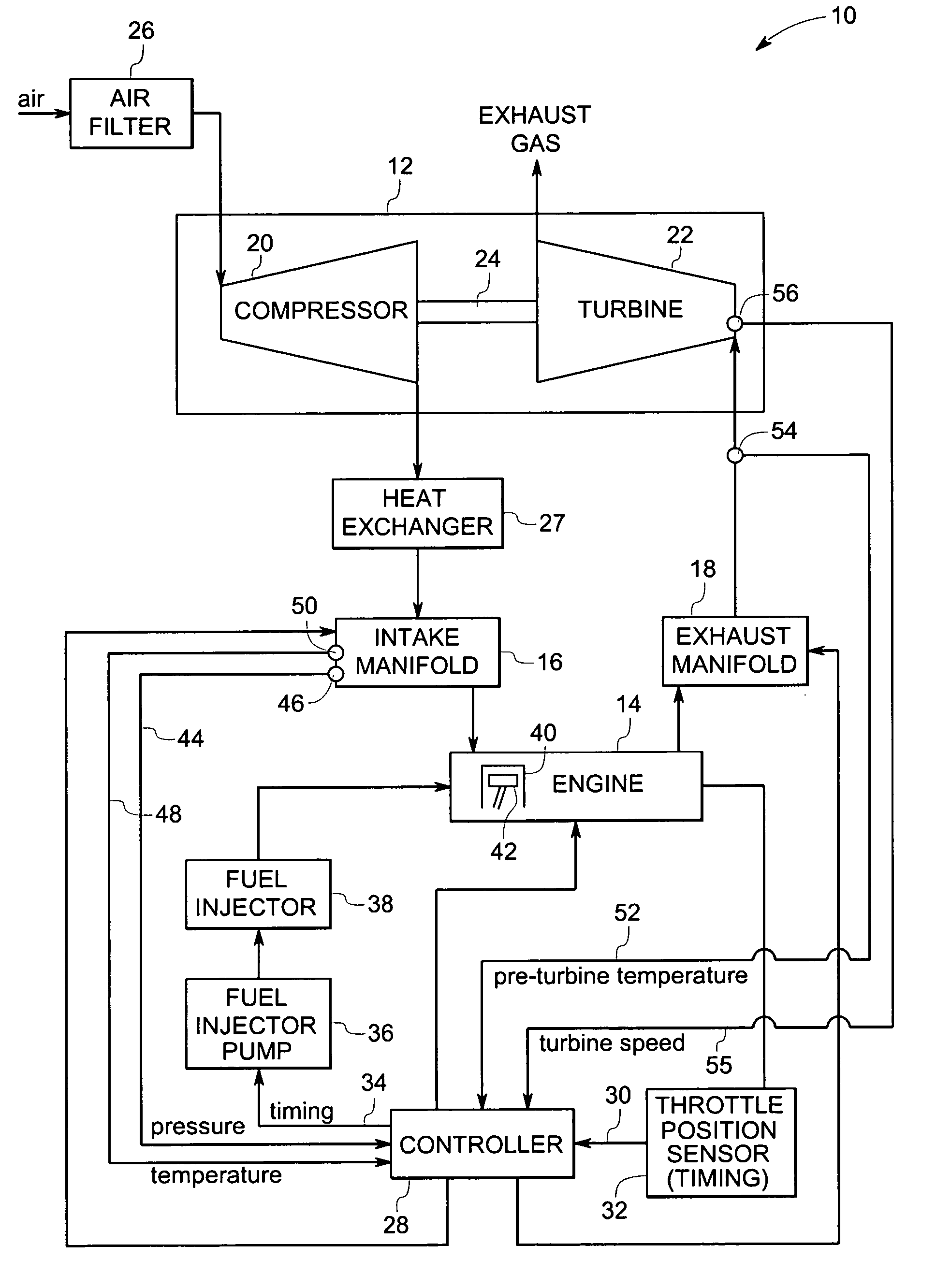
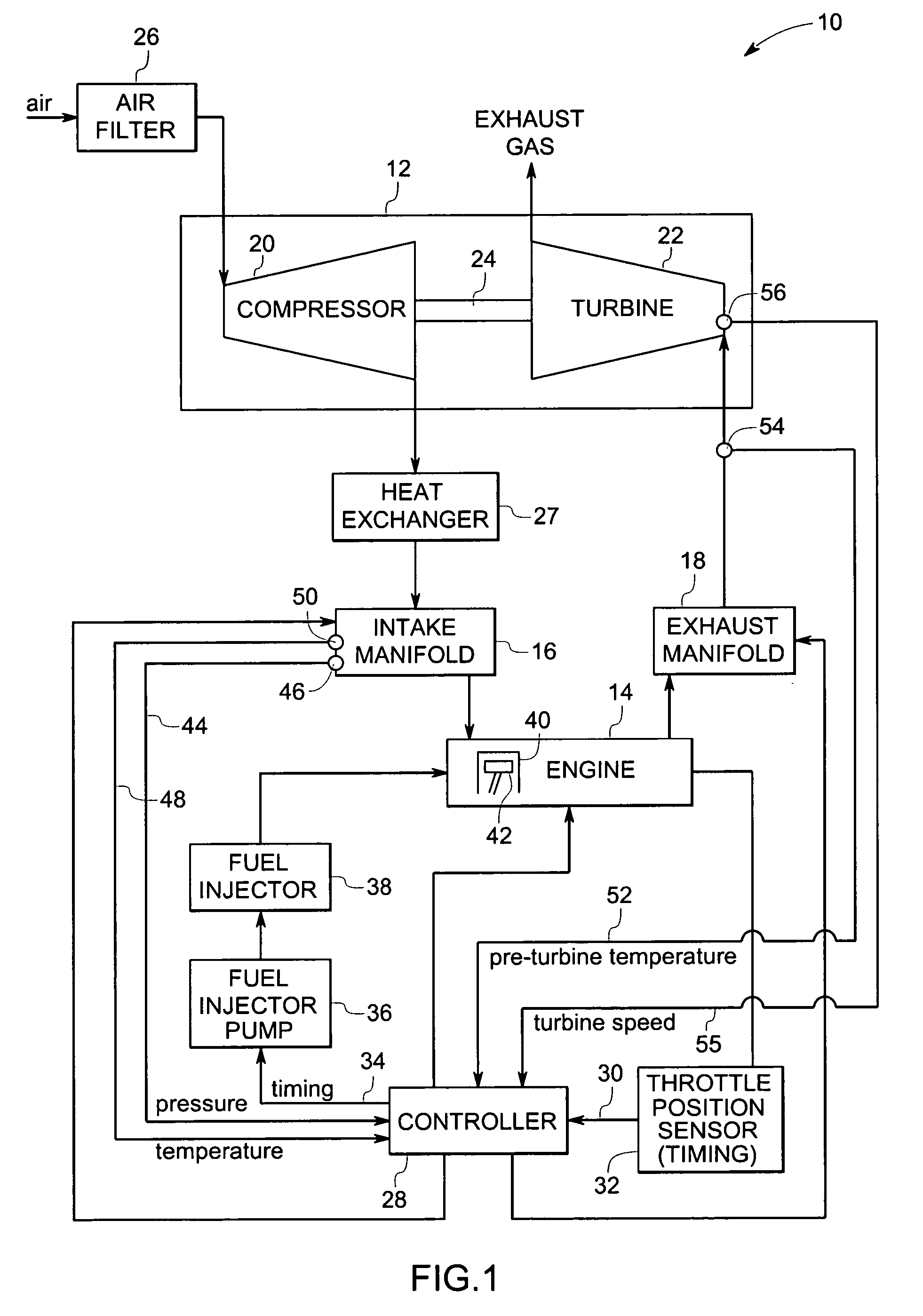
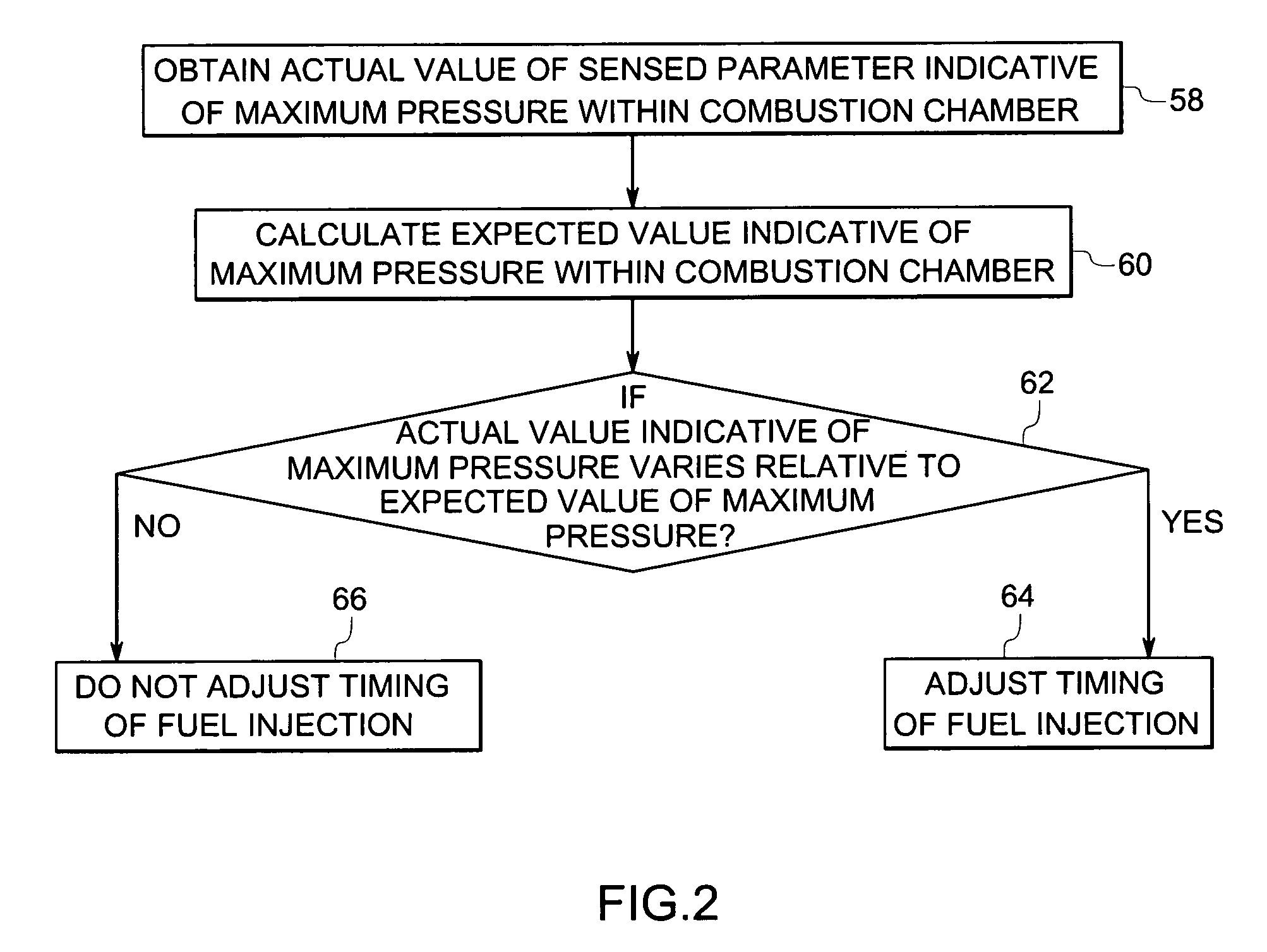
System and method for operating a compression-ignition engine
PatentActiveUS20060218920A1
Innovation
- A method and system that adjust fuel injection timing based on sensed maximum pressure within the combustion chamber, retarding the timing if it exceeds predetermined levels, and utilize a controller to derate engine power, reduce turbocharger speed, or adjust intake manifold pressure to maintain optimal engine operation.

Environmental Regulations for Engine Emissions
Environmental regulations for engine emissions have become increasingly stringent worldwide, directly impacting the development and optimization of compression-ignition engine materials. The European Union's Euro VI standards, implemented since 2013, mandate significant reductions in nitrogen oxides (NOx) and particulate matter (PM) emissions. These regulations require engines to operate at higher temperatures and pressures while maintaining durability, creating unprecedented demands on material performance in harsh operating environments.
The United States Environmental Protection Agency (EPA) has established similarly rigorous Tier 4 Final standards for off-road diesel engines, emphasizing ultra-low sulfur diesel compatibility and advanced aftertreatment systems. These requirements necessitate materials that can withstand corrosive exhaust gas recirculation environments and elevated thermal cycling conditions. Engine manufacturers must ensure their materials maintain structural integrity while supporting emission control technologies such as diesel particulate filters and selective catalytic reduction systems.
China's National VI emission standards, fully implemented by 2021, have aligned with international best practices while addressing specific regional air quality challenges. These regulations particularly emphasize real driving emissions testing, requiring materials to perform consistently across diverse operating conditions including extreme temperatures, humidity variations, and altitude changes commonly encountered in China's vast geographical landscape.
Emerging regulations focus on lifecycle emissions assessment, pushing manufacturers toward materials with lower carbon footprints during production and enhanced recyclability. The International Maritime Organization's IMO 2020 sulfur regulations have extended similar pressure to marine compression-ignition engines, requiring materials capable of handling alternative fuel compositions while maintaining emission compliance.
Future regulatory trends indicate movement toward zero-emission mandates in specific applications, driving research into materials that can support hybrid compression-ignition systems and alternative fuel compatibility. These evolving standards create a complex regulatory landscape where material optimization must balance durability, performance, and environmental compliance across multiple jurisdictions and application scenarios.
The United States Environmental Protection Agency (EPA) has established similarly rigorous Tier 4 Final standards for off-road diesel engines, emphasizing ultra-low sulfur diesel compatibility and advanced aftertreatment systems. These requirements necessitate materials that can withstand corrosive exhaust gas recirculation environments and elevated thermal cycling conditions. Engine manufacturers must ensure their materials maintain structural integrity while supporting emission control technologies such as diesel particulate filters and selective catalytic reduction systems.
China's National VI emission standards, fully implemented by 2021, have aligned with international best practices while addressing specific regional air quality challenges. These regulations particularly emphasize real driving emissions testing, requiring materials to perform consistently across diverse operating conditions including extreme temperatures, humidity variations, and altitude changes commonly encountered in China's vast geographical landscape.
Emerging regulations focus on lifecycle emissions assessment, pushing manufacturers toward materials with lower carbon footprints during production and enhanced recyclability. The International Maritime Organization's IMO 2020 sulfur regulations have extended similar pressure to marine compression-ignition engines, requiring materials capable of handling alternative fuel compositions while maintaining emission compliance.
Future regulatory trends indicate movement toward zero-emission mandates in specific applications, driving research into materials that can support hybrid compression-ignition systems and alternative fuel compatibility. These evolving standards create a complex regulatory landscape where material optimization must balance durability, performance, and environmental compliance across multiple jurisdictions and application scenarios.
Sustainability in Advanced Engine Material Development
The development of advanced engine materials for compression-ignition applications increasingly demands a comprehensive sustainability framework that addresses environmental impact throughout the entire material lifecycle. Traditional material development approaches have primarily focused on performance metrics such as thermal resistance, mechanical strength, and durability under extreme operating conditions, often overlooking the broader environmental implications of material extraction, processing, and end-of-life disposal.
Sustainable material development in this context requires a paradigm shift toward circular economy principles, where materials are designed for recyclability, reusability, and minimal environmental footprint. Advanced ceramic matrix composites and high-entropy alloys represent promising directions that combine exceptional performance characteristics with reduced reliance on critical raw materials. These materials demonstrate superior resistance to thermal cycling and corrosive environments while potentially offering improved recyclability compared to conventional superalloys.
Life cycle assessment methodologies are becoming integral to material selection processes, enabling engineers to quantify environmental impacts from raw material extraction through manufacturing, operational use, and eventual disposal or recycling. This holistic approach reveals that materials with slightly lower performance characteristics may offer superior overall sustainability profiles when considering their complete environmental footprint.
Bio-inspired material design approaches are emerging as innovative pathways for developing sustainable engine materials. Biomimetic structures and naturally occurring material compositions provide templates for creating high-performance materials using abundant, non-toxic elements. These approaches often result in materials with hierarchical structures that exhibit exceptional damage tolerance and self-healing capabilities.
The integration of additive manufacturing technologies enables more sustainable material utilization by reducing waste generation during component production and allowing for complex geometries that optimize material distribution. This manufacturing approach supports the development of functionally graded materials that place high-performance compositions only where needed, reducing overall consumption of expensive or environmentally problematic materials.
Collaborative research initiatives between automotive manufacturers, material suppliers, and academic institutions are establishing standardized sustainability metrics for engine material evaluation. These frameworks incorporate carbon footprint assessments, resource depletion indicators, and end-of-life recyclability scores alongside traditional performance parameters, creating comprehensive evaluation criteria that balance performance requirements with environmental responsibility.
Sustainable material development in this context requires a paradigm shift toward circular economy principles, where materials are designed for recyclability, reusability, and minimal environmental footprint. Advanced ceramic matrix composites and high-entropy alloys represent promising directions that combine exceptional performance characteristics with reduced reliance on critical raw materials. These materials demonstrate superior resistance to thermal cycling and corrosive environments while potentially offering improved recyclability compared to conventional superalloys.
Life cycle assessment methodologies are becoming integral to material selection processes, enabling engineers to quantify environmental impacts from raw material extraction through manufacturing, operational use, and eventual disposal or recycling. This holistic approach reveals that materials with slightly lower performance characteristics may offer superior overall sustainability profiles when considering their complete environmental footprint.
Bio-inspired material design approaches are emerging as innovative pathways for developing sustainable engine materials. Biomimetic structures and naturally occurring material compositions provide templates for creating high-performance materials using abundant, non-toxic elements. These approaches often result in materials with hierarchical structures that exhibit exceptional damage tolerance and self-healing capabilities.
The integration of additive manufacturing technologies enables more sustainable material utilization by reducing waste generation during component production and allowing for complex geometries that optimize material distribution. This manufacturing approach supports the development of functionally graded materials that place high-performance compositions only where needed, reducing overall consumption of expensive or environmentally problematic materials.
Collaborative research initiatives between automotive manufacturers, material suppliers, and academic institutions are establishing standardized sustainability metrics for engine material evaluation. These frameworks incorporate carbon footprint assessments, resource depletion indicators, and end-of-life recyclability scores alongside traditional performance parameters, creating comprehensive evaluation criteria that balance performance requirements with environmental responsibility.
Unlock deeper insights with Patsnap Eureka Quick Research — get a full tech report to explore trends and direct your research. Try now!
Generate Your Research Report Instantly with AI Agent
Supercharge your innovation with Patsnap Eureka AI Agent Platform!