

Optimize Experimental Setups for Enhanced Electron Capture
MAR 7, 20269 MIN READ
Generate Your Research Report Instantly with AI Agent
PatSnap Eureka helps you evaluate technical feasibility & market potential.
Electron Capture Technology Background and Optimization Goals
Electron capture technology has emerged as a critical component in various scientific and industrial applications, ranging from nuclear physics research to advanced materials characterization and environmental monitoring systems. This technology fundamentally relies on the process where atomic nuclei capture inner orbital electrons, leading to nuclear transmutation and the emission of characteristic radiation patterns. The historical development of electron capture detection began in the early 20th century with pioneering work in nuclear physics, evolving from basic theoretical understanding to sophisticated experimental methodologies.
The evolution of electron capture systems has been marked by significant technological milestones, including the development of high-resolution detectors, advanced signal processing algorithms, and precision measurement instruments. Early experimental setups were limited by detector sensitivity, background noise interference, and inadequate data acquisition systems. However, continuous technological advancement has led to the integration of semiconductor detectors, cryogenic cooling systems, and digital signal processing capabilities, dramatically improving detection efficiency and measurement accuracy.
Current technological trends indicate a shift toward miniaturized, high-efficiency detection systems with enhanced sensitivity and reduced operational complexity. The integration of artificial intelligence and machine learning algorithms has opened new possibilities for real-time data analysis and automated system optimization. Modern electron capture experiments now incorporate sophisticated shielding mechanisms, ultra-low noise electronics, and advanced computational modeling to achieve unprecedented precision levels.
The primary optimization goals for contemporary electron capture experimental setups focus on maximizing detection efficiency while minimizing systematic uncertainties and background interference. Key objectives include achieving higher signal-to-noise ratios through improved detector geometries, implementing advanced coincidence measurement techniques, and developing robust calibration methodologies. Enhanced temporal resolution capabilities are essential for studying rapid nuclear processes and improving measurement statistics.
Energy resolution optimization represents another critical goal, requiring careful consideration of detector materials, electronic noise reduction, and signal processing algorithms. The development of multi-parameter detection systems enables simultaneous measurement of multiple observables, providing comprehensive characterization of electron capture processes. Additionally, automation and remote operation capabilities are increasingly important for long-duration experiments and hazardous environment applications.
Future optimization efforts aim to achieve real-time adaptive system configuration, where experimental parameters automatically adjust based on ongoing measurement conditions and statistical requirements, ultimately leading to more efficient and reliable electron capture studies.
The evolution of electron capture systems has been marked by significant technological milestones, including the development of high-resolution detectors, advanced signal processing algorithms, and precision measurement instruments. Early experimental setups were limited by detector sensitivity, background noise interference, and inadequate data acquisition systems. However, continuous technological advancement has led to the integration of semiconductor detectors, cryogenic cooling systems, and digital signal processing capabilities, dramatically improving detection efficiency and measurement accuracy.
Current technological trends indicate a shift toward miniaturized, high-efficiency detection systems with enhanced sensitivity and reduced operational complexity. The integration of artificial intelligence and machine learning algorithms has opened new possibilities for real-time data analysis and automated system optimization. Modern electron capture experiments now incorporate sophisticated shielding mechanisms, ultra-low noise electronics, and advanced computational modeling to achieve unprecedented precision levels.
The primary optimization goals for contemporary electron capture experimental setups focus on maximizing detection efficiency while minimizing systematic uncertainties and background interference. Key objectives include achieving higher signal-to-noise ratios through improved detector geometries, implementing advanced coincidence measurement techniques, and developing robust calibration methodologies. Enhanced temporal resolution capabilities are essential for studying rapid nuclear processes and improving measurement statistics.
Energy resolution optimization represents another critical goal, requiring careful consideration of detector materials, electronic noise reduction, and signal processing algorithms. The development of multi-parameter detection systems enables simultaneous measurement of multiple observables, providing comprehensive characterization of electron capture processes. Additionally, automation and remote operation capabilities are increasingly important for long-duration experiments and hazardous environment applications.
Future optimization efforts aim to achieve real-time adaptive system configuration, where experimental parameters automatically adjust based on ongoing measurement conditions and statistical requirements, ultimately leading to more efficient and reliable electron capture studies.
Market Demand for Enhanced Electron Capture Applications
The market demand for enhanced electron capture applications spans multiple high-value sectors, driven by increasing requirements for precision measurement, environmental monitoring, and advanced materials characterization. Scientific instrumentation represents the largest demand segment, where enhanced electron capture capabilities are essential for mass spectrometry, electron microscopy, and analytical chemistry applications. Research institutions and commercial laboratories require increasingly sensitive detection systems to analyze trace compounds, environmental pollutants, and complex molecular structures.
Environmental monitoring applications constitute a rapidly expanding market segment. Enhanced electron capture detectors are crucial for detecting halogenated compounds, pesticides, and atmospheric trace gases at ultra-low concentrations. Regulatory compliance requirements for environmental protection agencies worldwide drive consistent demand for more sensitive and reliable electron capture systems. Climate research initiatives particularly require advanced electron capture technologies for greenhouse gas monitoring and atmospheric chemistry studies.
The pharmaceutical and biotechnology industries represent significant growth markets for enhanced electron capture applications. Drug development processes demand highly sensitive analytical methods for detecting impurities, metabolites, and active pharmaceutical ingredients at trace levels. Quality control requirements in pharmaceutical manufacturing create sustained demand for improved electron capture detection systems that can ensure product safety and regulatory compliance.
Industrial process monitoring applications show increasing adoption of enhanced electron capture technologies. Chemical manufacturing, petrochemical processing, and semiconductor fabrication require real-time monitoring of trace contaminants and process gases. The growing emphasis on process optimization and quality assurance drives demand for more sensitive and selective electron capture detection systems.
Emerging applications in food safety and security sectors present new market opportunities. Enhanced electron capture systems enable detection of pesticide residues, food additives, and contaminants at regulatory threshold levels. The global focus on food safety standards and consumer protection creates expanding demand for advanced analytical capabilities.
The market demonstrates strong geographic concentration in developed regions with established research infrastructure and stringent regulatory frameworks. North America and Europe lead in adoption rates, while Asia-Pacific markets show rapid growth driven by expanding industrial sectors and increasing environmental monitoring requirements. Market growth is sustained by technological advancement needs, regulatory compliance requirements, and expanding application domains across multiple industries.
Environmental monitoring applications constitute a rapidly expanding market segment. Enhanced electron capture detectors are crucial for detecting halogenated compounds, pesticides, and atmospheric trace gases at ultra-low concentrations. Regulatory compliance requirements for environmental protection agencies worldwide drive consistent demand for more sensitive and reliable electron capture systems. Climate research initiatives particularly require advanced electron capture technologies for greenhouse gas monitoring and atmospheric chemistry studies.
The pharmaceutical and biotechnology industries represent significant growth markets for enhanced electron capture applications. Drug development processes demand highly sensitive analytical methods for detecting impurities, metabolites, and active pharmaceutical ingredients at trace levels. Quality control requirements in pharmaceutical manufacturing create sustained demand for improved electron capture detection systems that can ensure product safety and regulatory compliance.
Industrial process monitoring applications show increasing adoption of enhanced electron capture technologies. Chemical manufacturing, petrochemical processing, and semiconductor fabrication require real-time monitoring of trace contaminants and process gases. The growing emphasis on process optimization and quality assurance drives demand for more sensitive and selective electron capture detection systems.
Emerging applications in food safety and security sectors present new market opportunities. Enhanced electron capture systems enable detection of pesticide residues, food additives, and contaminants at regulatory threshold levels. The global focus on food safety standards and consumer protection creates expanding demand for advanced analytical capabilities.
The market demonstrates strong geographic concentration in developed regions with established research infrastructure and stringent regulatory frameworks. North America and Europe lead in adoption rates, while Asia-Pacific markets show rapid growth driven by expanding industrial sectors and increasing environmental monitoring requirements. Market growth is sustained by technological advancement needs, regulatory compliance requirements, and expanding application domains across multiple industries.
Current State and Challenges in Electron Capture Setups
Electron capture experimental setups currently face significant technological and methodological limitations that constrain their effectiveness across various applications. The fundamental challenge lies in achieving optimal detection efficiency while maintaining precise control over experimental parameters. Most existing setups rely on traditional detector configurations that suffer from limited sensitivity and poor signal-to-noise ratios, particularly when dealing with low-energy electron capture events.
Contemporary electron capture systems predominantly utilize semiconductor detectors, proportional counters, and scintillation detectors. However, these technologies exhibit inherent limitations in energy resolution and detection efficiency. Semiconductor detectors, while offering excellent energy resolution, are constrained by their small active volumes and susceptibility to radiation damage. Proportional counters provide larger detection volumes but suffer from poor energy resolution and stability issues over extended operational periods.
The geographical distribution of advanced electron capture research capabilities remains concentrated in developed nations, with leading facilities located in the United States, Europe, and Japan. This concentration creates accessibility barriers for researchers in emerging markets and limits global collaborative efforts. Additionally, the high costs associated with sophisticated detection systems and specialized infrastructure requirements pose significant barriers to widespread adoption.
Temperature control represents another critical challenge in current setups. Many electron capture experiments require ultra-low temperature environments to minimize thermal noise and enhance detection sensitivity. Existing cryogenic systems often introduce mechanical vibrations and electromagnetic interference that can compromise measurement precision. The complexity of maintaining stable operating conditions while ensuring optimal detector performance remains a persistent technical hurdle.
Background radiation interference continues to plague electron capture experiments, particularly those investigating rare decay processes or low-activity samples. Current shielding methodologies, while effective to some degree, often result in bulky, expensive installations that limit experimental flexibility. The trade-off between adequate shielding and practical experimental accessibility remains unresolved in many applications.
Data acquisition and processing capabilities in existing setups frequently become bottlenecks when dealing with high-rate electron capture events. Traditional analog processing chains introduce dead time losses and pulse pile-up effects that degrade measurement accuracy. Digital signal processing implementations, while promising, often lack the real-time processing capabilities required for optimal experimental efficiency.
Calibration and standardization procedures across different electron capture setups remain inconsistent, leading to reproducibility challenges and difficulties in cross-validation of experimental results. The absence of universally accepted calibration standards and protocols hampers the development of reliable inter-laboratory comparison methodologies.
Contemporary electron capture systems predominantly utilize semiconductor detectors, proportional counters, and scintillation detectors. However, these technologies exhibit inherent limitations in energy resolution and detection efficiency. Semiconductor detectors, while offering excellent energy resolution, are constrained by their small active volumes and susceptibility to radiation damage. Proportional counters provide larger detection volumes but suffer from poor energy resolution and stability issues over extended operational periods.
The geographical distribution of advanced electron capture research capabilities remains concentrated in developed nations, with leading facilities located in the United States, Europe, and Japan. This concentration creates accessibility barriers for researchers in emerging markets and limits global collaborative efforts. Additionally, the high costs associated with sophisticated detection systems and specialized infrastructure requirements pose significant barriers to widespread adoption.
Temperature control represents another critical challenge in current setups. Many electron capture experiments require ultra-low temperature environments to minimize thermal noise and enhance detection sensitivity. Existing cryogenic systems often introduce mechanical vibrations and electromagnetic interference that can compromise measurement precision. The complexity of maintaining stable operating conditions while ensuring optimal detector performance remains a persistent technical hurdle.
Background radiation interference continues to plague electron capture experiments, particularly those investigating rare decay processes or low-activity samples. Current shielding methodologies, while effective to some degree, often result in bulky, expensive installations that limit experimental flexibility. The trade-off between adequate shielding and practical experimental accessibility remains unresolved in many applications.
Data acquisition and processing capabilities in existing setups frequently become bottlenecks when dealing with high-rate electron capture events. Traditional analog processing chains introduce dead time losses and pulse pile-up effects that degrade measurement accuracy. Digital signal processing implementations, while promising, often lack the real-time processing capabilities required for optimal experimental efficiency.
Calibration and standardization procedures across different electron capture setups remain inconsistent, leading to reproducibility challenges and difficulties in cross-validation of experimental results. The absence of universally accepted calibration standards and protocols hampers the development of reliable inter-laboratory comparison methodologies.
Existing Solutions for Electron Capture Setup Optimization
01 Ion trap and confinement systems for electron capture
Experimental setups utilize specialized ion trap configurations to confine and manipulate charged particles for electron capture studies. These systems employ electromagnetic fields to create stable trapping regions where ions can be held and studied. The trap designs include Penning traps, Paul traps, and related configurations that enable precise control over ion motion and interaction with electrons. Advanced cooling techniques and detection methods are integrated to observe electron capture events with high sensitivity.- Ion trap and confinement systems for electron capture: Experimental setups utilize specialized ion trap configurations to confine and manipulate charged particles for electron capture studies. These systems employ electromagnetic fields to create stable trapping regions where ions can be held and studied. The trap designs include Penning traps, Paul traps, and hybrid configurations that enable precise control over ion motion and interaction with electrons. Advanced cooling techniques and detection methods are integrated to observe electron capture events with high sensitivity.
- Detector and measurement apparatus for electron capture detection: Specialized detection systems are employed to measure and characterize electron capture processes. These setups incorporate various detector types including scintillation detectors, semiconductor detectors, and time-of-flight analyzers to identify capture events and measure associated energy releases. The measurement apparatus often includes coincidence detection schemes and spectroscopic analysis capabilities to distinguish electron capture from competing decay modes. Signal processing electronics and data acquisition systems enable precise timing and energy resolution.
- Radiation source and target preparation for electron capture experiments: Experimental configurations include specialized radiation sources and target preparation methods for studying electron capture phenomena. These setups involve the production or selection of appropriate radioactive isotopes that undergo electron capture decay. Target materials are prepared with specific chemical and physical properties to optimize capture rates and enable detailed measurements. Source positioning systems and shielding arrangements are designed to minimize background radiation while maximizing detection efficiency.
- Vacuum and environmental control systems for electron capture studies: Sophisticated vacuum systems and environmental control apparatus are essential components of electron capture experimental setups. These systems maintain ultra-high vacuum conditions to minimize interference from residual gases and enable clean observation of capture processes. Temperature control mechanisms, pressure monitoring devices, and gas handling systems are integrated to create optimal experimental conditions. The environmental control extends to electromagnetic shielding and vibration isolation to reduce external perturbations.
- Data acquisition and analysis systems for electron capture measurements: Advanced data acquisition and analysis frameworks are implemented to process and interpret electron capture experimental data. These systems incorporate high-speed digitizers, multichannel analyzers, and sophisticated software algorithms for real-time data processing. The analysis capabilities include energy spectrum deconvolution, decay curve fitting, and statistical analysis of capture rates. Calibration procedures and systematic error correction methods are integrated to ensure measurement accuracy and reproducibility.
02 Detector and measurement apparatus for electron capture detection
Specialized detection systems are designed to measure and analyze electron capture processes with high precision. These setups incorporate various detector types including scintillation detectors, semiconductor detectors, and time-of-flight analyzers. The measurement apparatus features signal processing electronics, data acquisition systems, and calibration mechanisms to accurately quantify electron capture rates and energy spectra. Multi-detector configurations enable coincidence measurements and background reduction techniques.Expand Specific Solutions03 Vacuum chamber and environmental control systems
Experimental setups employ ultra-high vacuum chambers and controlled environments to minimize interference during electron capture measurements. These systems include vacuum pumping stations, pressure monitoring devices, and gas handling systems to maintain optimal experimental conditions. Temperature control mechanisms and electromagnetic shielding are integrated to reduce external perturbations. The chamber designs accommodate various ports for laser access, particle injection, and diagnostic instrumentation.Expand Specific Solutions04 Particle beam and ion source configurations
Specialized ion sources and particle beam delivery systems are employed to generate and transport ions for electron capture experiments. These configurations include electron cyclotron resonance sources, laser ablation systems, and electrospray ionization devices. Beam focusing and steering elements such as electrostatic lenses and magnetic deflectors enable precise control of particle trajectories. The setups incorporate beam diagnostics and intensity monitoring to optimize experimental parameters and ensure reproducible conditions.Expand Specific Solutions05 Data acquisition and analysis systems for electron capture studies
Comprehensive data acquisition frameworks are implemented to record and process experimental data from electron capture measurements. These systems feature high-speed digitizers, multichannel analyzers, and real-time processing capabilities. Software platforms provide automated control of experimental parameters, event triggering, and statistical analysis tools. The setups enable correlation analysis, spectral deconvolution, and comparison with theoretical models to extract physical parameters from electron capture processes.Expand Specific Solutions
Core Innovations in Electron Capture Enhancement Methods
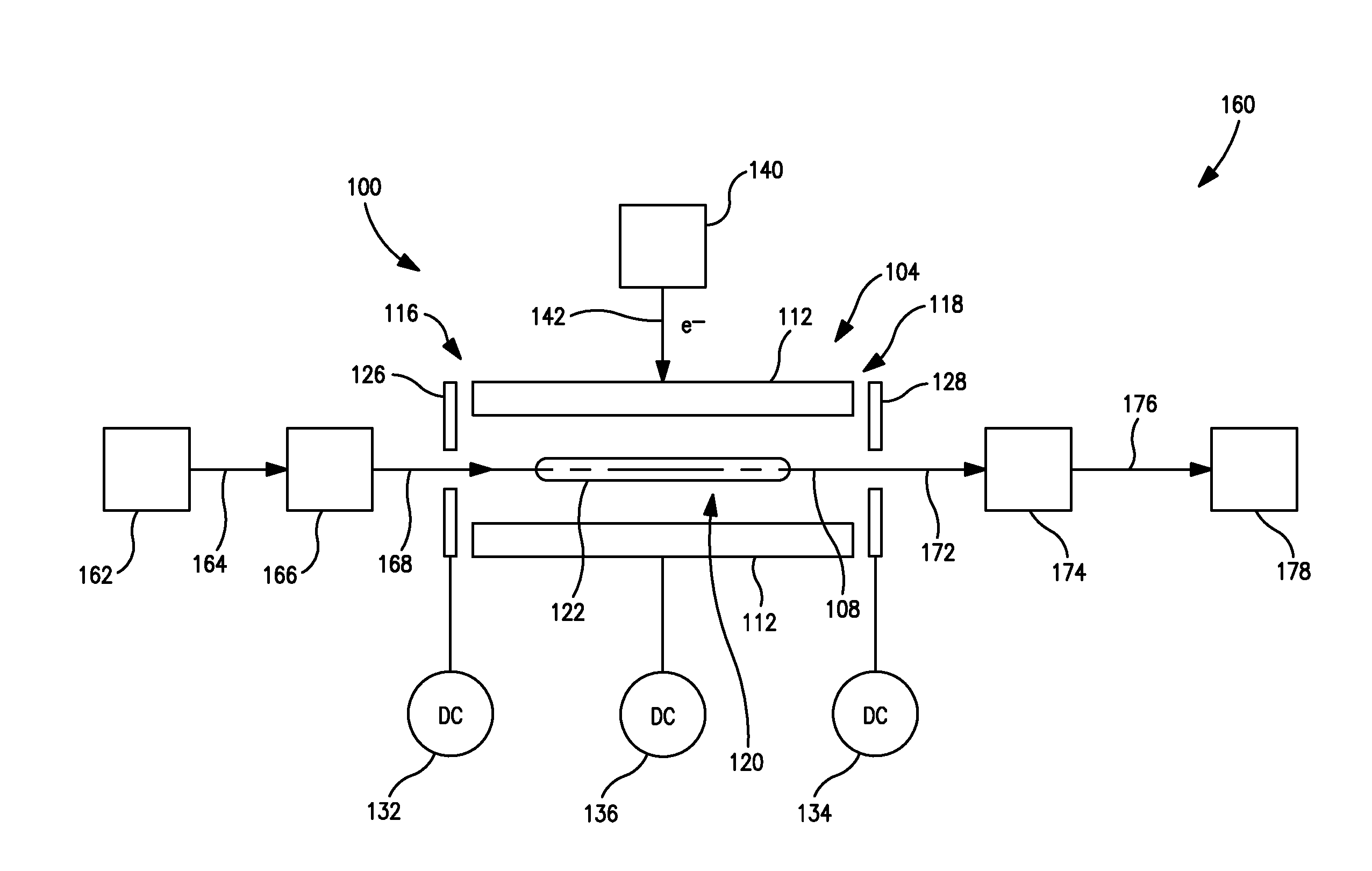
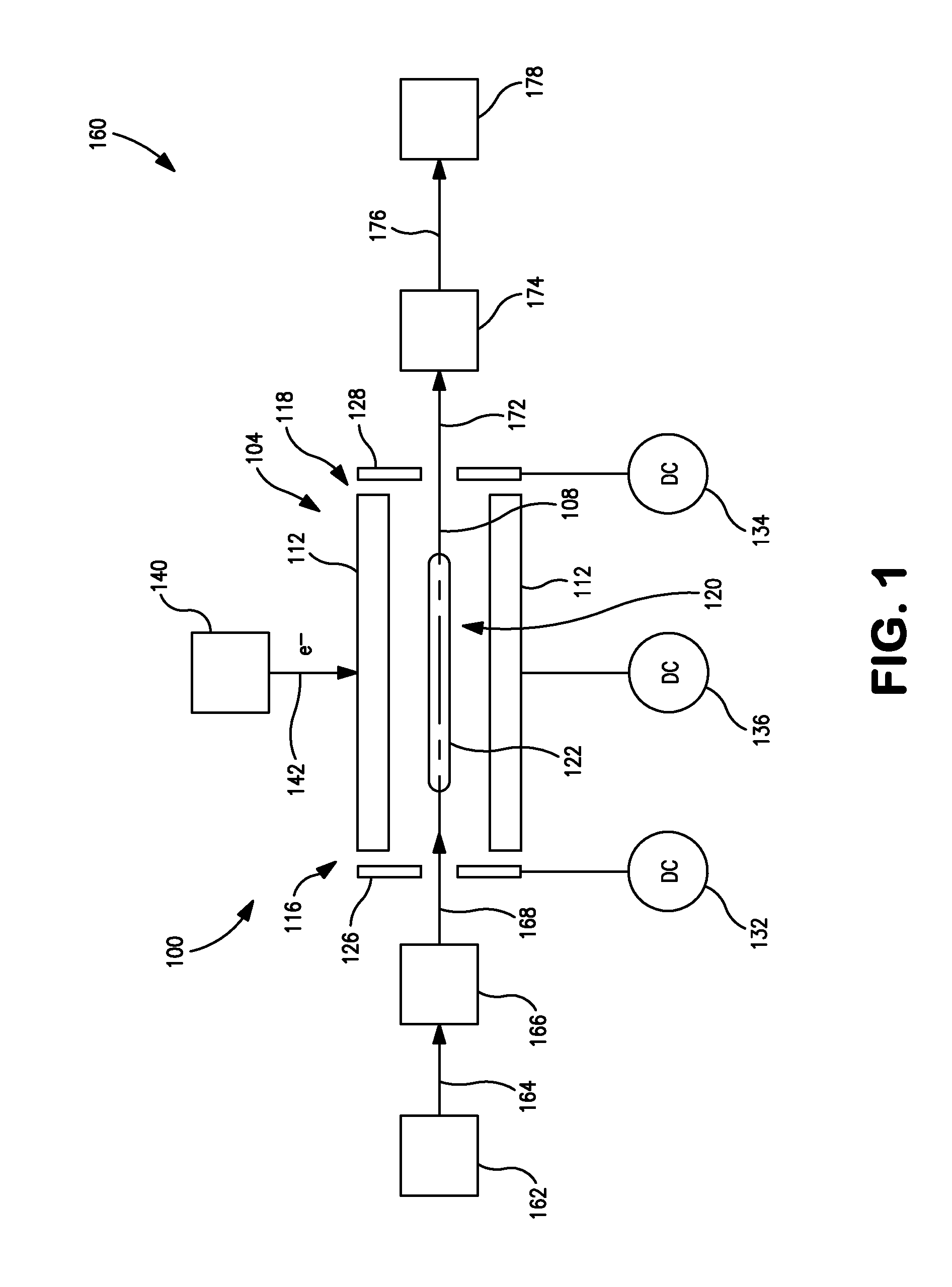
Electron capture dissociation apparatus and related methods
PatentActiveUS20110049347A1
Innovation
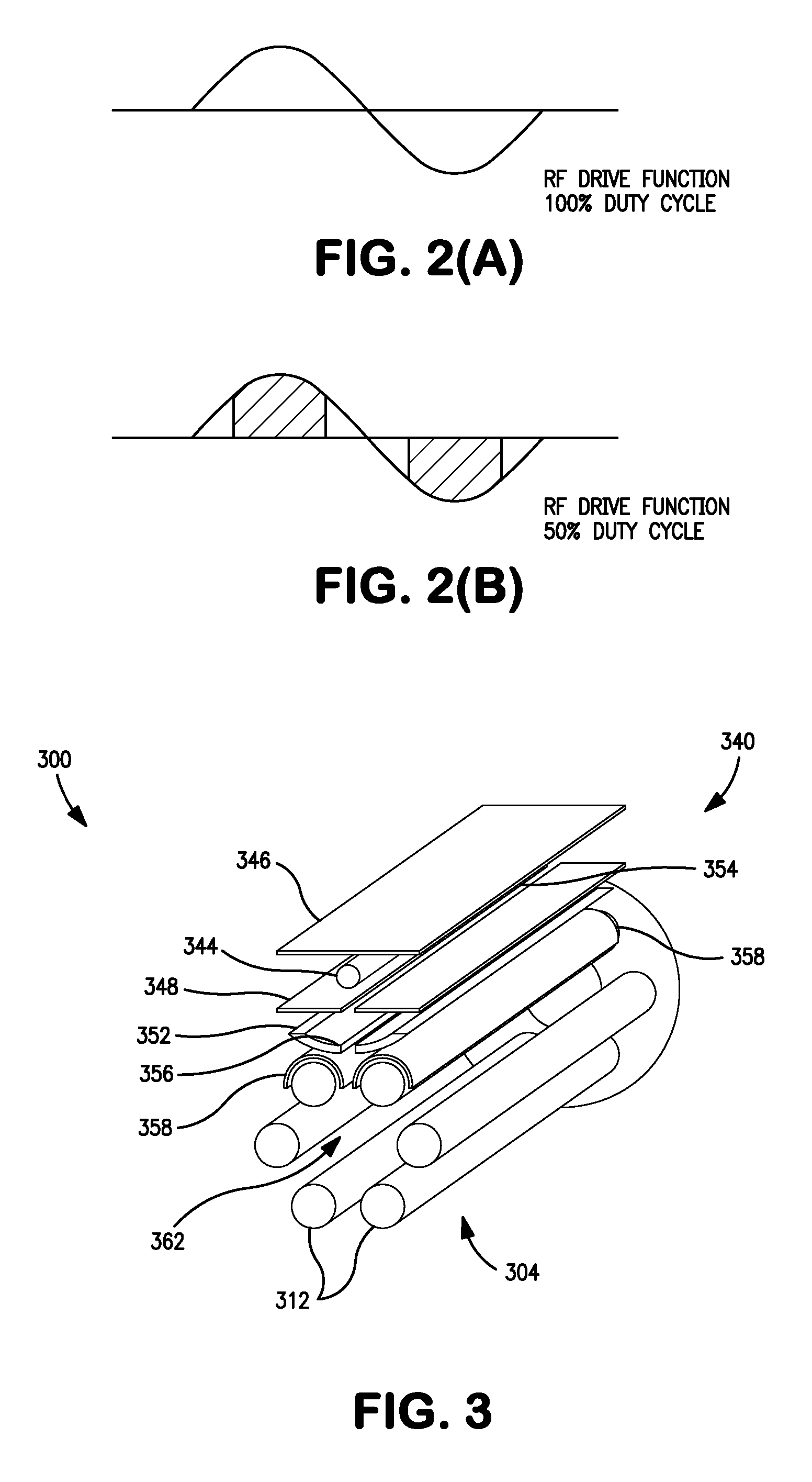
- An ECD apparatus with a linear multipole ion guide and an electron control device that decelerates electron beams using a DC decelerating field, allowing focused electron beams to reach the ion trapping region at reduced energies for effective electron capture, combined with optimized RF trapping voltage waveforms and axial DC fields to enhance ion internal energy.

Method and apparatus for optimizing the sensitivity and linearity of an electron capture detector
PatentInactiveEP0833152B1
Innovation
- An electron capture detector with an optimized ionization cell volume and effective radioactivity level, operating in the concentration mode with a novel linearizing formula to compensate for non-linearity, allowing for improved sensitivity and linearity over a wide range of sample concentrations.


Safety Standards for Electron Capture Experimental Facilities
Electron capture experimental facilities require comprehensive safety frameworks to protect personnel, equipment, and the surrounding environment from potential hazards associated with high-energy particle interactions and radiation exposure. The establishment of rigorous safety standards is fundamental to ensuring sustainable research operations while maintaining regulatory compliance across international jurisdictions.
Radiation protection protocols form the cornerstone of facility safety standards, encompassing both ionizing and non-ionizing radiation management. Primary containment systems must incorporate multi-layered shielding designs using materials such as lead, tungsten, or specialized composite barriers to attenuate radiation levels to acceptable limits. Personnel dosimetry monitoring programs should implement real-time detection systems alongside traditional badge-based measurements to provide immediate feedback on exposure levels.
Electrical safety requirements for electron capture facilities demand specialized attention due to the high-voltage systems typically employed in particle acceleration and detection equipment. Grounding protocols must ensure proper electrical isolation while maintaining equipment functionality, with redundant safety interlocks preventing accidental energization during maintenance operations. Arc flash protection measures should be integrated into facility design, including appropriate personal protective equipment specifications and emergency shutdown procedures.
Vacuum system safety standards address the unique challenges posed by ultra-high vacuum environments commonly required for electron capture experiments. Pressure relief systems must be designed to prevent catastrophic failure while maintaining experimental integrity, incorporating both mechanical and electronic monitoring systems. Personnel training protocols should emphasize proper handling of vacuum components and recognition of potential implosion hazards.
Emergency response procedures must be tailored to the specific risks associated with electron capture research, including radiation incidents, electrical emergencies, and equipment malfunctions. Facility evacuation plans should account for the time required to safely shut down experimental systems while ensuring rapid personnel egress. Communication systems must remain operational during emergency conditions to coordinate response efforts effectively.
Regulatory compliance frameworks vary significantly across different jurisdictions but generally encompass radiation safety licensing, environmental impact assessments, and occupational health standards. Facilities must maintain detailed documentation of safety procedures, incident reports, and regular safety audits to demonstrate ongoing compliance with applicable regulations. International collaboration often requires harmonization of safety standards to facilitate shared research initiatives and equipment exchanges.
Radiation protection protocols form the cornerstone of facility safety standards, encompassing both ionizing and non-ionizing radiation management. Primary containment systems must incorporate multi-layered shielding designs using materials such as lead, tungsten, or specialized composite barriers to attenuate radiation levels to acceptable limits. Personnel dosimetry monitoring programs should implement real-time detection systems alongside traditional badge-based measurements to provide immediate feedback on exposure levels.
Electrical safety requirements for electron capture facilities demand specialized attention due to the high-voltage systems typically employed in particle acceleration and detection equipment. Grounding protocols must ensure proper electrical isolation while maintaining equipment functionality, with redundant safety interlocks preventing accidental energization during maintenance operations. Arc flash protection measures should be integrated into facility design, including appropriate personal protective equipment specifications and emergency shutdown procedures.
Vacuum system safety standards address the unique challenges posed by ultra-high vacuum environments commonly required for electron capture experiments. Pressure relief systems must be designed to prevent catastrophic failure while maintaining experimental integrity, incorporating both mechanical and electronic monitoring systems. Personnel training protocols should emphasize proper handling of vacuum components and recognition of potential implosion hazards.
Emergency response procedures must be tailored to the specific risks associated with electron capture research, including radiation incidents, electrical emergencies, and equipment malfunctions. Facility evacuation plans should account for the time required to safely shut down experimental systems while ensuring rapid personnel egress. Communication systems must remain operational during emergency conditions to coordinate response efforts effectively.
Regulatory compliance frameworks vary significantly across different jurisdictions but generally encompass radiation safety licensing, environmental impact assessments, and occupational health standards. Facilities must maintain detailed documentation of safety procedures, incident reports, and regular safety audits to demonstrate ongoing compliance with applicable regulations. International collaboration often requires harmonization of safety standards to facilitate shared research initiatives and equipment exchanges.
Cost-Benefit Analysis of Advanced Electron Capture Systems
The economic evaluation of advanced electron capture systems requires a comprehensive assessment of both initial capital expenditures and long-term operational benefits. Traditional electron capture setups typically involve lower upfront costs but suffer from reduced efficiency and higher maintenance requirements over time. In contrast, advanced systems incorporating state-of-the-art detector technologies, optimized gas flow systems, and automated calibration mechanisms demand substantial initial investments ranging from $150,000 to $500,000 depending on configuration complexity.
Capital cost analysis reveals that advanced electron capture systems command premium pricing due to specialized components such as high-purity nickel-63 sources, precision temperature control modules, and sophisticated signal processing electronics. However, these systems demonstrate superior performance metrics including enhanced sensitivity, reduced baseline noise, and improved reproducibility. The total cost of ownership calculations must factor in consumables, maintenance contracts, and potential downtime costs associated with system failures.
Operational benefits of advanced systems manifest through increased analytical throughput, reduced sample preparation time, and enhanced data quality. Laboratory productivity improvements typically range from 25% to 40% compared to conventional setups, translating to significant cost savings in high-volume analytical environments. Additionally, advanced systems require fewer manual interventions and demonstrate extended calibration stability, reducing labor costs and minimizing human error risks.
Return on investment analysis indicates that advanced electron capture systems achieve payback periods of 18 to 36 months in high-throughput laboratories processing over 1,000 samples monthly. The economic justification becomes particularly compelling when considering regulatory compliance requirements, where enhanced precision and reliability reduce the risk of costly analytical failures and regulatory penalties.
Long-term economic advantages include reduced reagent consumption through optimized injection systems, lower energy consumption via improved thermal management, and extended component lifecycles through advanced materials engineering. These factors contribute to a total cost reduction of approximately 20-30% over a five-year operational period, making advanced electron capture systems economically attractive for organizations prioritizing analytical excellence and operational efficiency.
Capital cost analysis reveals that advanced electron capture systems command premium pricing due to specialized components such as high-purity nickel-63 sources, precision temperature control modules, and sophisticated signal processing electronics. However, these systems demonstrate superior performance metrics including enhanced sensitivity, reduced baseline noise, and improved reproducibility. The total cost of ownership calculations must factor in consumables, maintenance contracts, and potential downtime costs associated with system failures.
Operational benefits of advanced systems manifest through increased analytical throughput, reduced sample preparation time, and enhanced data quality. Laboratory productivity improvements typically range from 25% to 40% compared to conventional setups, translating to significant cost savings in high-volume analytical environments. Additionally, advanced systems require fewer manual interventions and demonstrate extended calibration stability, reducing labor costs and minimizing human error risks.
Return on investment analysis indicates that advanced electron capture systems achieve payback periods of 18 to 36 months in high-throughput laboratories processing over 1,000 samples monthly. The economic justification becomes particularly compelling when considering regulatory compliance requirements, where enhanced precision and reliability reduce the risk of costly analytical failures and regulatory penalties.
Long-term economic advantages include reduced reagent consumption through optimized injection systems, lower energy consumption via improved thermal management, and extended component lifecycles through advanced materials engineering. These factors contribute to a total cost reduction of approximately 20-30% over a five-year operational period, making advanced electron capture systems economically attractive for organizations prioritizing analytical excellence and operational efficiency.
Unlock deeper insights with PatSnap Eureka Quick Research — get a full tech report to explore trends and direct your research. Try now!
Generate Your Research Report Instantly with AI Agent
Supercharge your innovation with PatSnap Eureka AI Agent Platform!