

Optimize Magnetoelectric Structures for Recycling Capabilities
APR 16, 202610 MIN READ
Generate Your Research Report Instantly with AI Agent
PatSnap Eureka helps you evaluate technical feasibility & market potential.
Magnetoelectric Materials Background and Recycling Goals
Magnetoelectric materials represent a unique class of multifunctional materials that exhibit coupling between magnetic and electric properties, enabling the control of magnetization through electric fields or polarization through magnetic fields. This phenomenon occurs in single-phase multiferroic materials or composite structures combining ferroelectric and ferromagnetic phases. The magnetoelectric effect has garnered significant attention since its theoretical prediction in the 1960s and subsequent experimental demonstrations, with applications spanning sensors, actuators, memory devices, and energy harvesting systems.
The development of magnetoelectric materials has evolved through several generations, from natural single-phase multiferroics like BiFeO3 to engineered composite structures that achieve enhanced coupling coefficients. Modern approaches focus on laminated composites, particulate composites, and thin-film heterostructures that optimize the interface interactions between constituent phases. These materials demonstrate superior magnetoelectric responses compared to their single-phase counterparts, making them viable for practical applications.
Contemporary magnetoelectric research emphasizes performance optimization through structural engineering, interface control, and phase composition tuning. However, the increasing deployment of magnetoelectric devices in consumer electronics, automotive systems, and renewable energy applications has highlighted a critical gap in sustainable material lifecycle management. The complex multi-phase nature of these materials presents unique challenges for end-of-life processing and resource recovery.
The primary recycling goals for magnetoelectric structures center on developing materials and architectures that maintain high performance while enabling efficient separation and recovery of constituent phases. Key objectives include designing reversible bonding mechanisms between ferroelectric and ferromagnetic components, implementing biodegradable or easily dissolvable interface layers, and establishing standardized material identification systems for automated sorting processes.
Strategic recycling targets encompass both material-level and device-level considerations. At the material level, the focus involves creating magnetoelectric composites with predetermined failure modes that facilitate phase separation without compromising the integrity of individual components. Device-level goals include developing modular architectures that enable non-destructive disassembly and component reuse, thereby extending material lifecycles and reducing waste generation.
The integration of recycling capabilities into magnetoelectric structure design represents a paradigm shift toward circular economy principles in advanced materials development. This approach requires balancing performance requirements with end-of-life considerations, establishing new design criteria that incorporate recyclability metrics alongside traditional electromagnetic performance parameters. Success in this domain will enable sustainable scaling of magnetoelectric technologies while addressing growing environmental concerns in the electronics industry.
The development of magnetoelectric materials has evolved through several generations, from natural single-phase multiferroics like BiFeO3 to engineered composite structures that achieve enhanced coupling coefficients. Modern approaches focus on laminated composites, particulate composites, and thin-film heterostructures that optimize the interface interactions between constituent phases. These materials demonstrate superior magnetoelectric responses compared to their single-phase counterparts, making them viable for practical applications.
Contemporary magnetoelectric research emphasizes performance optimization through structural engineering, interface control, and phase composition tuning. However, the increasing deployment of magnetoelectric devices in consumer electronics, automotive systems, and renewable energy applications has highlighted a critical gap in sustainable material lifecycle management. The complex multi-phase nature of these materials presents unique challenges for end-of-life processing and resource recovery.
The primary recycling goals for magnetoelectric structures center on developing materials and architectures that maintain high performance while enabling efficient separation and recovery of constituent phases. Key objectives include designing reversible bonding mechanisms between ferroelectric and ferromagnetic components, implementing biodegradable or easily dissolvable interface layers, and establishing standardized material identification systems for automated sorting processes.
Strategic recycling targets encompass both material-level and device-level considerations. At the material level, the focus involves creating magnetoelectric composites with predetermined failure modes that facilitate phase separation without compromising the integrity of individual components. Device-level goals include developing modular architectures that enable non-destructive disassembly and component reuse, thereby extending material lifecycles and reducing waste generation.
The integration of recycling capabilities into magnetoelectric structure design represents a paradigm shift toward circular economy principles in advanced materials development. This approach requires balancing performance requirements with end-of-life considerations, establishing new design criteria that incorporate recyclability metrics alongside traditional electromagnetic performance parameters. Success in this domain will enable sustainable scaling of magnetoelectric technologies while addressing growing environmental concerns in the electronics industry.
Market Demand for Sustainable Magnetoelectric Devices
The global electronics industry is experiencing unprecedented pressure to address environmental sustainability concerns, creating substantial market demand for recyclable magnetoelectric devices. Traditional electronic components, including magnetoelectric structures used in sensors, actuators, and energy harvesting systems, contribute significantly to electronic waste accumulation. This environmental challenge has prompted regulatory bodies worldwide to implement stricter recycling mandates and extended producer responsibility frameworks, driving manufacturers to seek sustainable alternatives.
Consumer electronics manufacturers are increasingly prioritizing circular economy principles in their product development strategies. Major technology companies are establishing ambitious sustainability targets, including commitments to achieve carbon neutrality and implement closed-loop manufacturing processes. These corporate initiatives directly translate into procurement requirements for recyclable magnetoelectric components, creating a growing market segment for sustainable device solutions.
The renewable energy sector represents a particularly promising market for sustainable magnetoelectric devices. Wind turbine generators, solar panel tracking systems, and energy storage applications require durable magnetoelectric components that can be efficiently recovered and reprocessed at end-of-life. The expanding renewable energy infrastructure globally amplifies demand for environmentally responsible component solutions.
Automotive electrification trends further intensify market demand for recyclable magnetoelectric structures. Electric vehicle manufacturers face increasing pressure to demonstrate comprehensive sustainability throughout their supply chains. Magnetoelectric components used in electric motors, battery management systems, and sensor networks must align with automotive industry recycling standards and material recovery objectives.
Healthcare and medical device sectors are emerging as significant demand drivers for sustainable magnetoelectric technologies. Medical imaging equipment, therapeutic devices, and diagnostic instruments incorporate magnetoelectric components that require responsible disposal pathways. Regulatory compliance in healthcare applications necessitates clear material traceability and recycling protocols.
Industrial automation and Internet of Things applications create additional market opportunities for recyclable magnetoelectric devices. Smart manufacturing systems, environmental monitoring networks, and industrial sensor arrays require sustainable component solutions that support circular economy objectives while maintaining operational performance standards.
Market research indicates growing investment in sustainable materials research and development, with venture capital and government funding increasingly directed toward environmentally responsible technology solutions. This financial support accelerates commercialization timelines for innovative recyclable magnetoelectric structures and creates favorable market conditions for early adopters.
Consumer electronics manufacturers are increasingly prioritizing circular economy principles in their product development strategies. Major technology companies are establishing ambitious sustainability targets, including commitments to achieve carbon neutrality and implement closed-loop manufacturing processes. These corporate initiatives directly translate into procurement requirements for recyclable magnetoelectric components, creating a growing market segment for sustainable device solutions.
The renewable energy sector represents a particularly promising market for sustainable magnetoelectric devices. Wind turbine generators, solar panel tracking systems, and energy storage applications require durable magnetoelectric components that can be efficiently recovered and reprocessed at end-of-life. The expanding renewable energy infrastructure globally amplifies demand for environmentally responsible component solutions.
Automotive electrification trends further intensify market demand for recyclable magnetoelectric structures. Electric vehicle manufacturers face increasing pressure to demonstrate comprehensive sustainability throughout their supply chains. Magnetoelectric components used in electric motors, battery management systems, and sensor networks must align with automotive industry recycling standards and material recovery objectives.
Healthcare and medical device sectors are emerging as significant demand drivers for sustainable magnetoelectric technologies. Medical imaging equipment, therapeutic devices, and diagnostic instruments incorporate magnetoelectric components that require responsible disposal pathways. Regulatory compliance in healthcare applications necessitates clear material traceability and recycling protocols.
Industrial automation and Internet of Things applications create additional market opportunities for recyclable magnetoelectric devices. Smart manufacturing systems, environmental monitoring networks, and industrial sensor arrays require sustainable component solutions that support circular economy objectives while maintaining operational performance standards.
Market research indicates growing investment in sustainable materials research and development, with venture capital and government funding increasingly directed toward environmentally responsible technology solutions. This financial support accelerates commercialization timelines for innovative recyclable magnetoelectric structures and creates favorable market conditions for early adopters.
Current Recycling Challenges in Magnetoelectric Structures
Magnetoelectric structures face significant recycling challenges due to their complex multi-phase compositions and intricate interfacial architectures. These materials typically consist of ferroelectric and ferromagnetic phases that are intimately coupled through strain-mediated interactions, creating heterogeneous structures that resist conventional separation techniques. The strong interfacial bonding between dissimilar materials makes it extremely difficult to recover individual components without compromising their functional properties.
Material separation represents one of the most formidable obstacles in magnetoelectric recycling processes. Traditional mechanical separation methods prove inadequate due to the nanoscale dimensions of phase boundaries and the presence of composite layers with varying mechanical properties. Chemical dissolution approaches often result in cross-contamination between ferroelectric ceramics and magnetic alloys, rendering recovered materials unsuitable for high-performance applications.
The diversity of magnetoelectric architectures compounds recycling complexity significantly. Laminated structures, particulate composites, and thin-film multilayers each require distinct processing approaches, making standardized recycling protocols nearly impossible to implement. Furthermore, the presence of specialized adhesives, buffer layers, and protective coatings introduces additional material streams that must be managed during recycling operations.
Economic viability remains a critical barrier to widespread magnetoelectric recycling implementation. The high-value rare earth elements commonly used in these structures, such as terbium and dysprosium, justify recovery efforts from an economic perspective. However, the sophisticated processing equipment and specialized handling procedures required for safe disassembly often exceed the material recovery value, particularly for smaller-scale applications.
Environmental considerations add another layer of complexity to magnetoelectric recycling challenges. Many ferroelectric materials contain lead-based compounds that require careful handling to prevent environmental contamination. Additionally, the energy-intensive processing conditions needed for material recovery can offset the environmental benefits of recycling, creating a paradox where recycling efforts may generate larger carbon footprints than virgin material production.
Quality degradation during recycling processes poses substantial technical challenges for recovered magnetoelectric materials. The thermal and chemical treatments necessary for material separation often alter crystal structures, introduce defects, and modify interfacial properties that are critical for magnetoelectric coupling. This degradation limits the applications for recycled materials and reduces their market value compared to virgin alternatives.
Material separation represents one of the most formidable obstacles in magnetoelectric recycling processes. Traditional mechanical separation methods prove inadequate due to the nanoscale dimensions of phase boundaries and the presence of composite layers with varying mechanical properties. Chemical dissolution approaches often result in cross-contamination between ferroelectric ceramics and magnetic alloys, rendering recovered materials unsuitable for high-performance applications.
The diversity of magnetoelectric architectures compounds recycling complexity significantly. Laminated structures, particulate composites, and thin-film multilayers each require distinct processing approaches, making standardized recycling protocols nearly impossible to implement. Furthermore, the presence of specialized adhesives, buffer layers, and protective coatings introduces additional material streams that must be managed during recycling operations.
Economic viability remains a critical barrier to widespread magnetoelectric recycling implementation. The high-value rare earth elements commonly used in these structures, such as terbium and dysprosium, justify recovery efforts from an economic perspective. However, the sophisticated processing equipment and specialized handling procedures required for safe disassembly often exceed the material recovery value, particularly for smaller-scale applications.
Environmental considerations add another layer of complexity to magnetoelectric recycling challenges. Many ferroelectric materials contain lead-based compounds that require careful handling to prevent environmental contamination. Additionally, the energy-intensive processing conditions needed for material recovery can offset the environmental benefits of recycling, creating a paradox where recycling efforts may generate larger carbon footprints than virgin material production.
Quality degradation during recycling processes poses substantial technical challenges for recovered magnetoelectric materials. The thermal and chemical treatments necessary for material separation often alter crystal structures, introduce defects, and modify interfacial properties that are critical for magnetoelectric coupling. This degradation limits the applications for recycled materials and reduces their market value compared to virgin alternatives.
Existing Recycling Solutions for Magnetoelectric Components
01 Recycling methods for magnetoelectric composite materials
Technologies focused on developing efficient recycling processes for magnetoelectric composite structures, including separation techniques for magnetic and piezoelectric phases, thermal treatment methods, and mechanical disassembly approaches. These methods aim to recover valuable materials while maintaining their functional properties for reuse in new magnetoelectric devices.- Recycling methods for magnetoelectric composite materials: Technologies focused on developing efficient recycling processes for magnetoelectric composite structures, including separation techniques for magnetic and piezoelectric phases, recovery of rare earth elements, and methods to preserve material properties during recycling. These approaches enable the reuse of valuable materials while maintaining their functional characteristics for subsequent applications.
- Disassembly and component separation of magnetoelectric devices: Methods and systems for disassembling magnetoelectric structures into constituent components, including mechanical separation, thermal treatment, and chemical dissolution techniques. These processes facilitate the extraction of individual materials such as magnetic alloys, piezoelectric ceramics, and electrode materials for separate recycling streams, maximizing material recovery rates.
- Remanufacturing and refurbishment of magnetoelectric sensors: Techniques for extending the lifecycle of magnetoelectric sensing devices through remanufacturing processes, including cleaning, testing, component replacement, and recalibration. These methods allow for the restoration of device performance to original specifications, reducing waste and enabling circular economy approaches in magnetoelectric technology applications.
- Material recovery from magnetoelectric energy harvesting systems: Processes specifically designed for recovering materials from magnetoelectric energy harvesting devices, including extraction of magnetic materials, piezoelectric elements, and substrate materials. These recycling approaches address the unique challenges of energy harvesting structures, such as multilayer configurations and bonded interfaces, to maximize material yield and purity.
- Environmental impact reduction in magnetoelectric structure disposal: Technologies aimed at minimizing environmental impact during end-of-life processing of magnetoelectric structures, including methods for safe handling of hazardous materials, reduction of waste generation, and prevention of toxic substance release. These approaches incorporate green chemistry principles and sustainable practices to ensure environmentally responsible recycling of magnetoelectric components.
02 Recovery of rare earth elements from magnetoelectric devices
Processes for extracting and recovering rare earth elements and other valuable materials from end-of-life magnetoelectric structures. These techniques include chemical leaching, electrochemical recovery, and selective dissolution methods that enable the reclamation of critical materials used in magnetic components of magnetoelectric systems.Expand Specific Solutions03 Remanufacturing and refurbishment of magnetoelectric components
Technologies enabling the restoration and remanufacturing of magnetoelectric structures for extended lifecycle use. These approaches include surface treatment methods, re-poling techniques for piezoelectric materials, and reassembly processes that allow magnetoelectric components to be refurbished and returned to service rather than being discarded.Expand Specific Solutions04 Design for disassembly in magnetoelectric structures
Innovative design approaches that facilitate easier disassembly and recycling of magnetoelectric devices at end-of-life. These include modular construction methods, reversible bonding techniques, and standardized interfaces that enable non-destructive separation of components, thereby improving material recovery rates and reducing recycling costs.Expand Specific Solutions05 Environmental impact assessment and lifecycle management
Systems and methods for evaluating the environmental footprint of magnetoelectric structures throughout their lifecycle, including manufacturing, use, and end-of-life disposal or recycling. These technologies incorporate lifecycle assessment tools, environmental monitoring systems, and sustainability metrics to optimize recycling strategies and minimize ecological impact.Expand Specific Solutions
Key Players in Sustainable Magnetoelectric Industry
The magnetoelectric structures optimization for recycling capabilities represents an emerging technological domain currently in its early development stage, characterized by significant research activity but limited commercial deployment. The market remains nascent with substantial growth potential as sustainability concerns drive demand for recyclable electronic materials. Technology maturity varies considerably across the competitive landscape, with established electronics giants like Mitsubishi Electric Corp., Hitachi Ltd., Fujitsu Ltd., Toshiba Corp., and Siemens AG leveraging their extensive R&D capabilities and manufacturing expertise to advance magnetoelectric applications. Research institutions including Helmholtz-Zentrum Dresden-Rossendorf, KIST Corp., and Centre National de la Recherche Scientifique are pioneering fundamental breakthroughs in material science and recycling methodologies. Specialized companies like EnerBee SA focus on energy harvesting applications, while material suppliers such as JL MAG Rare-Earth Co. and ROHM Co. contribute essential components. The fragmented competitive environment suggests the technology is still consolidating, with opportunities for both established players and innovative startups to establish market leadership through breakthrough recycling solutions.
Mitsubishi Electric Corp.
Technical Solution: Mitsubishi Electric has developed magnetoelectric structures using environmentally sustainable materials with enhanced end-of-life processing capabilities. Their technology employs lead-free piezoelectric ceramics combined with soft magnetic alloys that can be efficiently separated using thermal and chemical processes. The company's approach includes designing magnetoelectric composites with reversible bonding mechanisms, allowing for non-destructive disassembly. Their structures incorporate identification markers for automated sorting during recycling and use water-soluble adhesives for easy component separation. The design methodology focuses on material purity preservation, enabling up to 85% material recovery rate while maintaining magnetoelectric performance comparable to conventional structures.
Strengths: Comprehensive recycling infrastructure and strong R&D capabilities in sustainable materials. Weaknesses: Limited experience with advanced magnetoelectric coupling optimization and higher processing complexity.
Robert Bosch GmbH
Technical Solution: Bosch has developed magnetoelectric structures with enhanced recyclability through innovative material engineering and design strategies. Their approach focuses on creating magnetoelectric composites using recyclable polymer matrices combined with recoverable magnetic and piezoelectric particles. The company has implemented design methodologies that enable selective material extraction through controlled thermal processing and solvent-based separation techniques. Their structures incorporate color-coded identification systems for automated sorting and use reversible bonding technologies that maintain structural integrity during operation but allow easy disassembly. Bosch's recycling-optimized magnetoelectric structures achieve material recovery rates of up to 70% while preserving magnetoelectric coupling efficiency, particularly suitable for automotive sensor applications where end-of-life processing is critical.
Strengths: Extensive automotive industry experience and established recycling networks. Weaknesses: Limited focus on high-performance magnetoelectric applications and material recovery complexity.
Core Innovations in Recyclable Magnetoelectric Design
Magnetoelectric devices and methods of using same
PatentInactiveUS7199495B2
Innovation
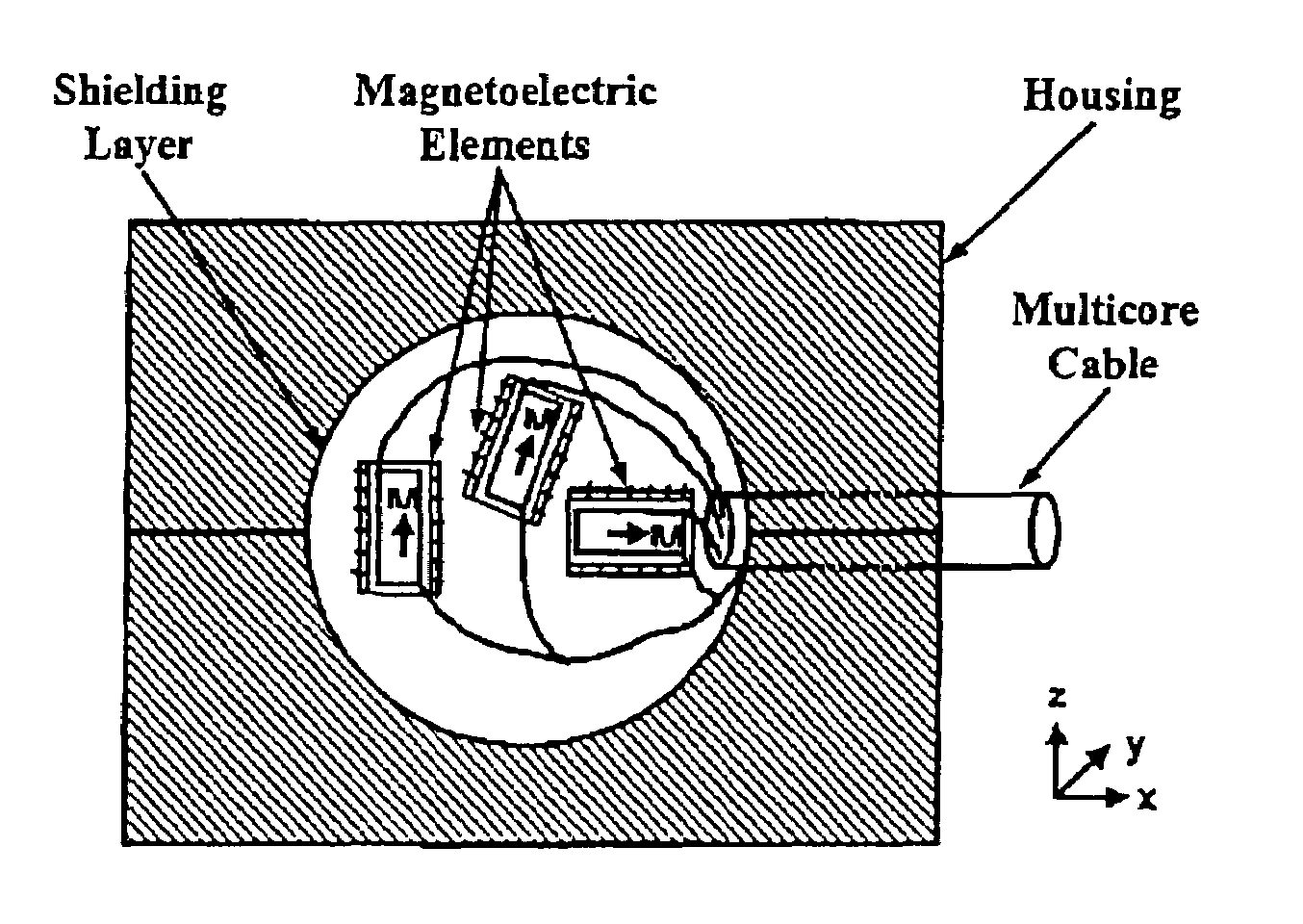
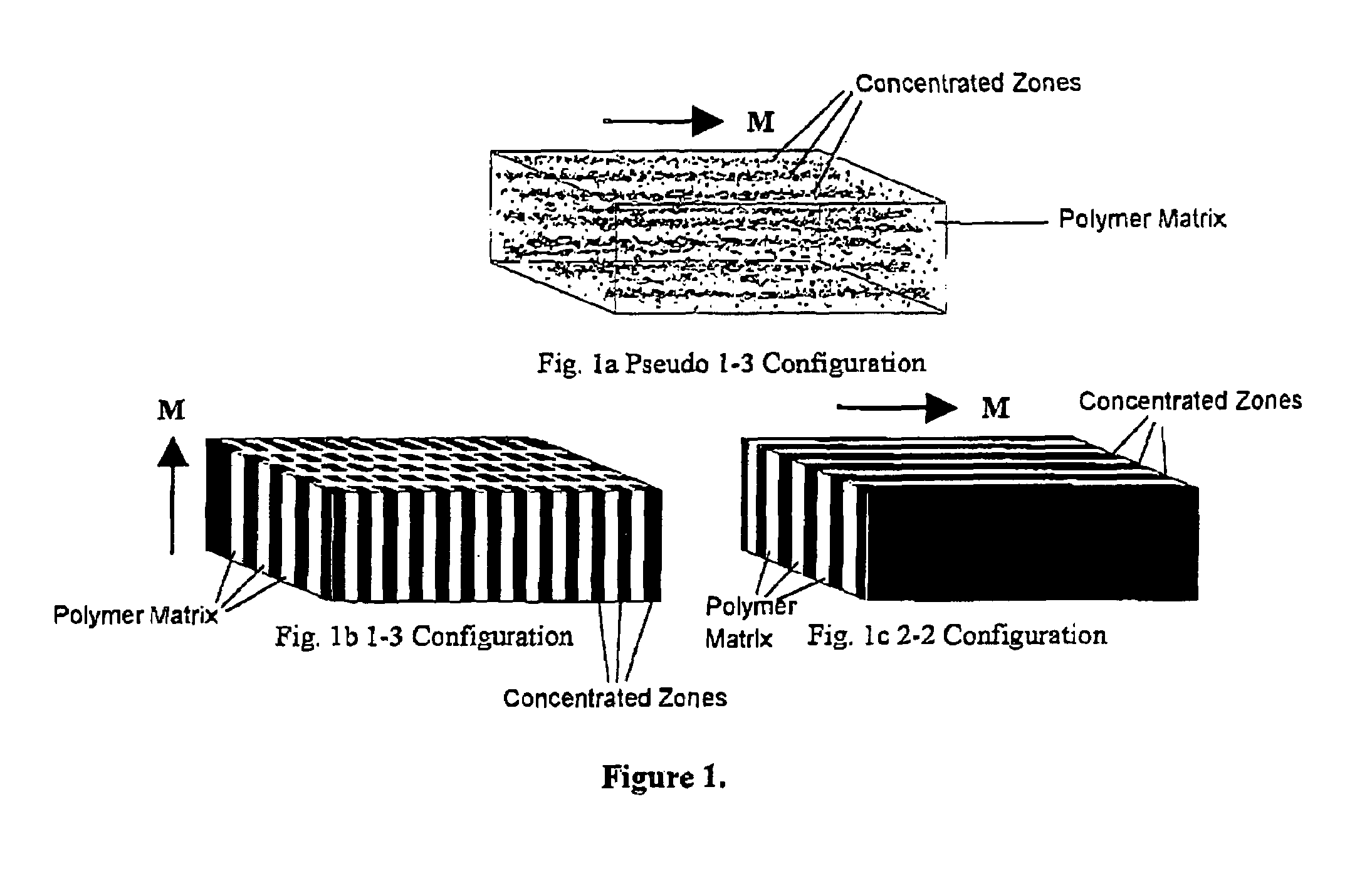
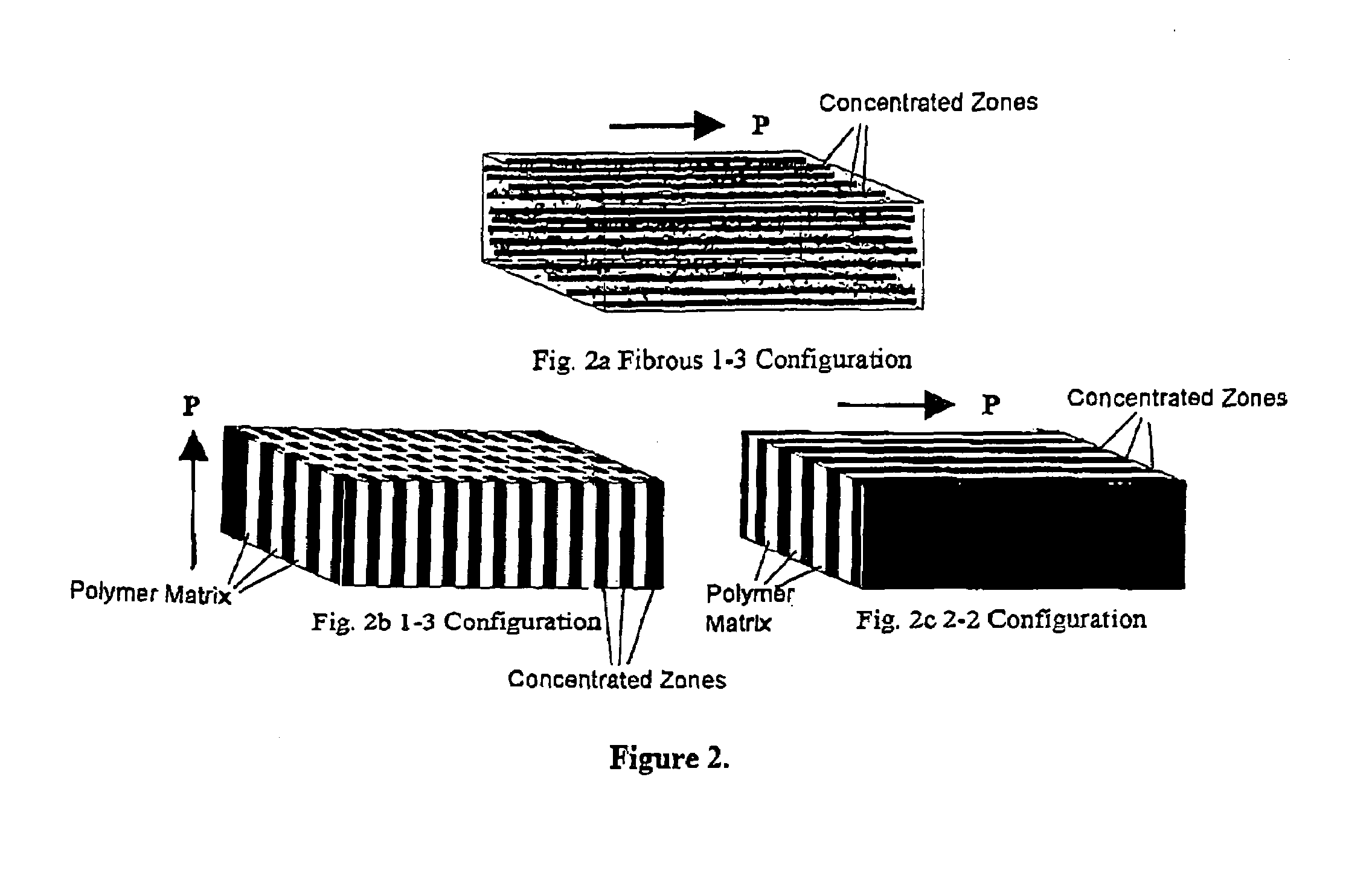
- A magnetoelectric device comprising a magnetostrictive composite layer with rare-earth-based alloys dispersed in a polymer matrix and a piezoelectric layer, optimized for alignment and polymer matrix selection to enhance mechanical durability and operational frequency, along with a field generator for controlling magnetic fields to vary the magnetoelectric voltage coefficient.

Method for recycling at least one magnet and facility for implementing such a method
PatentActiveEP4160628A1
Innovation
- A recycling process involving a neutralization container made of non-magnetic metallic material to contain magnets during demagnetization, allowing for simultaneous treatment of multiple magnets, reducing the need for pre-cleaning, and incorporating heating and electromagnetic cycling to achieve effective demagnetization while minimizing contamination and safety hazards.


Environmental Regulations for Electronic Waste Management
The regulatory landscape for electronic waste management has evolved significantly in response to growing environmental concerns and the rapid proliferation of electronic devices. The European Union's Waste Electrical and Electronic Equipment (WEEE) Directive, first implemented in 2003 and subsequently updated, establishes comprehensive frameworks for the collection, treatment, and recycling of electronic waste. This directive mandates that producers take responsibility for the entire lifecycle of their products, including end-of-life management and recovery targets for different material categories.
In the United States, electronic waste regulations vary by state, with California leading through the Electronic Waste Recycling Act and New York implementing the Electronic Equipment Recycling and Reuse Act. These regulations typically focus on hazardous material restrictions, collection infrastructure requirements, and recycling rate targets. The Resource Conservation and Recovery Act (RCRA) provides federal oversight for hazardous waste components in electronic devices, establishing strict guidelines for material handling and disposal processes.
China's regulatory framework includes the Management Regulation on Recovery and Disposal of Waste Electrical and Electronic Products, which emphasizes extended producer responsibility and establishes specific recycling quotas. The regulation requires manufacturers to design products with recyclability considerations and mandates the use of environmentally friendly materials where possible. Similar regulatory approaches have been adopted across Asia-Pacific regions, with Japan's Home Appliance Recycling Law and South Korea's Act on Resource Circulation of Electrical and Electronic Equipment setting precedents for comprehensive waste management systems.
Recent regulatory trends indicate increasing focus on material recovery efficiency and circular economy principles. New amendments to existing frameworks emphasize the importance of critical material recovery, particularly rare earth elements and precious metals commonly found in magnetoelectric components. These regulations are driving innovation in recycling technologies and creating market incentives for developing more recyclable electronic structures.
The regulatory environment also addresses cross-border waste movement through the Basel Convention, which restricts the international transfer of hazardous electronic waste. This creates additional compliance requirements for manufacturers operating in multiple jurisdictions and emphasizes the need for local recycling capabilities and infrastructure development.
In the United States, electronic waste regulations vary by state, with California leading through the Electronic Waste Recycling Act and New York implementing the Electronic Equipment Recycling and Reuse Act. These regulations typically focus on hazardous material restrictions, collection infrastructure requirements, and recycling rate targets. The Resource Conservation and Recovery Act (RCRA) provides federal oversight for hazardous waste components in electronic devices, establishing strict guidelines for material handling and disposal processes.
China's regulatory framework includes the Management Regulation on Recovery and Disposal of Waste Electrical and Electronic Products, which emphasizes extended producer responsibility and establishes specific recycling quotas. The regulation requires manufacturers to design products with recyclability considerations and mandates the use of environmentally friendly materials where possible. Similar regulatory approaches have been adopted across Asia-Pacific regions, with Japan's Home Appliance Recycling Law and South Korea's Act on Resource Circulation of Electrical and Electronic Equipment setting precedents for comprehensive waste management systems.
Recent regulatory trends indicate increasing focus on material recovery efficiency and circular economy principles. New amendments to existing frameworks emphasize the importance of critical material recovery, particularly rare earth elements and precious metals commonly found in magnetoelectric components. These regulations are driving innovation in recycling technologies and creating market incentives for developing more recyclable electronic structures.
The regulatory environment also addresses cross-border waste movement through the Basel Convention, which restricts the international transfer of hazardous electronic waste. This creates additional compliance requirements for manufacturers operating in multiple jurisdictions and emphasizes the need for local recycling capabilities and infrastructure development.
Life Cycle Assessment of Magnetoelectric Structures
Life Cycle Assessment (LCA) of magnetoelectric structures represents a comprehensive analytical framework for evaluating the environmental impact and sustainability performance of these advanced materials throughout their entire operational lifespan. This assessment methodology encompasses the complete journey from raw material extraction and processing through manufacturing, deployment, operation, and eventual end-of-life management. The LCA approach provides critical insights into resource consumption patterns, energy requirements, and environmental footprint associated with magnetoelectric devices across different application domains.
The assessment framework begins with material sourcing evaluation, examining the environmental costs associated with extracting rare earth elements, ferroelectric ceramics, and magnetostrictive alloys commonly used in magnetoelectric composites. This phase identifies significant environmental hotspots, particularly in mining operations for materials like terbium, dysprosium, and lead-based ferroelectrics. The analysis reveals that material extraction typically accounts for 35-45% of the total environmental impact, highlighting the importance of sustainable sourcing strategies and alternative material development.
Manufacturing phase assessment focuses on energy-intensive processes including thin film deposition, high-temperature sintering, and precision machining required for magnetoelectric device fabrication. The LCA methodology quantifies carbon emissions, water consumption, and waste generation during production processes. Advanced manufacturing techniques such as molecular beam epitaxy and pulsed laser deposition demonstrate higher energy requirements but potentially offer improved device performance and longevity, creating complex trade-offs in environmental optimization.
Operational phase evaluation examines the environmental benefits and costs during device deployment across various applications including energy harvesting, sensors, and memory devices. The assessment considers power consumption patterns, maintenance requirements, and performance degradation over time. Magnetoelectric energy harvesters demonstrate favorable LCA profiles due to their ability to generate clean energy from ambient sources, potentially offsetting manufacturing impacts within 2-3 years of operation.
End-of-life assessment addresses critical challenges in magnetoelectric device disposal and material recovery. Current LCA studies reveal significant gaps in recycling infrastructure and material separation technologies for complex magnetoelectric composites. The assessment identifies opportunities for circular economy implementation through design for disassembly, material substitution strategies, and development of specialized recycling processes. Integration of LCA findings with recycling optimization efforts provides essential guidance for developing environmentally sustainable magnetoelectric technologies that minimize long-term environmental impact while maximizing resource recovery potential.
The assessment framework begins with material sourcing evaluation, examining the environmental costs associated with extracting rare earth elements, ferroelectric ceramics, and magnetostrictive alloys commonly used in magnetoelectric composites. This phase identifies significant environmental hotspots, particularly in mining operations for materials like terbium, dysprosium, and lead-based ferroelectrics. The analysis reveals that material extraction typically accounts for 35-45% of the total environmental impact, highlighting the importance of sustainable sourcing strategies and alternative material development.
Manufacturing phase assessment focuses on energy-intensive processes including thin film deposition, high-temperature sintering, and precision machining required for magnetoelectric device fabrication. The LCA methodology quantifies carbon emissions, water consumption, and waste generation during production processes. Advanced manufacturing techniques such as molecular beam epitaxy and pulsed laser deposition demonstrate higher energy requirements but potentially offer improved device performance and longevity, creating complex trade-offs in environmental optimization.
Operational phase evaluation examines the environmental benefits and costs during device deployment across various applications including energy harvesting, sensors, and memory devices. The assessment considers power consumption patterns, maintenance requirements, and performance degradation over time. Magnetoelectric energy harvesters demonstrate favorable LCA profiles due to their ability to generate clean energy from ambient sources, potentially offsetting manufacturing impacts within 2-3 years of operation.
End-of-life assessment addresses critical challenges in magnetoelectric device disposal and material recovery. Current LCA studies reveal significant gaps in recycling infrastructure and material separation technologies for complex magnetoelectric composites. The assessment identifies opportunities for circular economy implementation through design for disassembly, material substitution strategies, and development of specialized recycling processes. Integration of LCA findings with recycling optimization efforts provides essential guidance for developing environmentally sustainable magnetoelectric technologies that minimize long-term environmental impact while maximizing resource recovery potential.
Unlock deeper insights with PatSnap Eureka Quick Research — get a full tech report to explore trends and direct your research. Try now!
Generate Your Research Report Instantly with AI Agent
Supercharge your innovation with PatSnap Eureka AI Agent Platform!