Optimize Modular Construction for Off-Grid Power Solutions
MAR 16, 20269 MIN READ
Generate Your Research Report Instantly with AI Agent
PatSnap Eureka helps you evaluate technical feasibility & market potential.
Modular Off-Grid Power Background and Objectives
The evolution of off-grid power solutions has undergone significant transformation over the past two decades, driven by technological advances in renewable energy systems, energy storage, and power electronics. Initially dominated by standalone diesel generators and basic solar panel installations, the field has progressively embraced modular architectures that offer enhanced flexibility, scalability, and reliability. This shift represents a fundamental change from rigid, monolithic power systems to adaptive, component-based solutions that can be tailored to diverse energy requirements and environmental conditions.
Modular construction in off-grid power systems emerged as a response to the limitations of traditional approaches, which often suffered from oversizing, underutilization, and maintenance complexities. The modular paradigm enables the integration of multiple energy sources, including solar photovoltaic arrays, wind turbines, battery storage systems, and backup generators, into cohesive power architectures. This approach has gained particular momentum with the declining costs of renewable energy components and the increasing sophistication of power management systems.
The current technological landscape is characterized by rapid advancements in several key areas. Battery technology has witnessed remarkable progress, with lithium-ion systems becoming more affordable and energy-dense, while emerging technologies like solid-state batteries promise even greater performance improvements. Power conversion systems have evolved to incorporate advanced maximum power point tracking algorithms, grid-forming inverters, and intelligent load management capabilities. Additionally, digital control systems now enable real-time optimization, predictive maintenance, and remote monitoring of distributed power assets.
The primary objective of optimizing modular construction for off-grid power solutions centers on achieving superior system performance through enhanced component integration, standardized interfaces, and intelligent coordination mechanisms. This involves developing scalable architectures that can accommodate varying power demands while maintaining high efficiency and reliability standards. The optimization process seeks to minimize system complexity, reduce installation and maintenance costs, and maximize energy utilization across diverse operating conditions.
Strategic goals include establishing universal connectivity standards that enable seamless integration of components from different manufacturers, developing advanced energy management algorithms that optimize power flow and storage utilization, and creating predictive maintenance frameworks that minimize system downtime. Furthermore, the optimization effort aims to enhance system resilience through redundancy planning and fault-tolerant design principles, ensuring continuous power availability in critical applications such as remote healthcare facilities, telecommunications infrastructure, and emergency response systems.
Modular construction in off-grid power systems emerged as a response to the limitations of traditional approaches, which often suffered from oversizing, underutilization, and maintenance complexities. The modular paradigm enables the integration of multiple energy sources, including solar photovoltaic arrays, wind turbines, battery storage systems, and backup generators, into cohesive power architectures. This approach has gained particular momentum with the declining costs of renewable energy components and the increasing sophistication of power management systems.
The current technological landscape is characterized by rapid advancements in several key areas. Battery technology has witnessed remarkable progress, with lithium-ion systems becoming more affordable and energy-dense, while emerging technologies like solid-state batteries promise even greater performance improvements. Power conversion systems have evolved to incorporate advanced maximum power point tracking algorithms, grid-forming inverters, and intelligent load management capabilities. Additionally, digital control systems now enable real-time optimization, predictive maintenance, and remote monitoring of distributed power assets.
The primary objective of optimizing modular construction for off-grid power solutions centers on achieving superior system performance through enhanced component integration, standardized interfaces, and intelligent coordination mechanisms. This involves developing scalable architectures that can accommodate varying power demands while maintaining high efficiency and reliability standards. The optimization process seeks to minimize system complexity, reduce installation and maintenance costs, and maximize energy utilization across diverse operating conditions.
Strategic goals include establishing universal connectivity standards that enable seamless integration of components from different manufacturers, developing advanced energy management algorithms that optimize power flow and storage utilization, and creating predictive maintenance frameworks that minimize system downtime. Furthermore, the optimization effort aims to enhance system resilience through redundancy planning and fault-tolerant design principles, ensuring continuous power availability in critical applications such as remote healthcare facilities, telecommunications infrastructure, and emergency response systems.
Market Demand for Modular Off-Grid Energy Systems
The global demand for modular off-grid energy systems has experienced unprecedented growth driven by multiple converging factors. Remote communities, industrial operations in isolated locations, and emergency response scenarios represent the primary demand drivers for these flexible power solutions. Rural electrification initiatives across developing nations have created substantial market opportunities, particularly in regions where traditional grid extension remains economically unfeasible.
Telecommunications infrastructure expansion has emerged as a significant demand catalyst. Cell tower operators and network providers require reliable, scalable power solutions for remote installations, driving consistent demand for modular systems that can be rapidly deployed and easily maintained. Mining operations, oil and gas exploration sites, and construction projects in remote locations similarly depend on portable, expandable power generation capabilities.
The residential sector demonstrates growing interest in modular off-grid solutions, particularly among environmentally conscious consumers seeking energy independence. Disaster preparedness concerns have amplified this trend, with homeowners and communities investing in backup power systems that can operate independently from centralized grids. Military and defense applications represent another substantial demand segment, requiring robust, transportable power solutions for field operations and temporary installations.
Commercial applications span diverse sectors including agriculture, where irrigation systems and processing facilities in remote areas require reliable power sources. Recreational vehicle markets and remote hospitality operations have also contributed to demand growth, seeking systems that balance power capacity with portability constraints.
Market dynamics indicate strong preference for systems offering rapid deployment capabilities, minimal maintenance requirements, and scalable configurations. End users increasingly prioritize solutions that can accommodate varying load profiles and integrate multiple energy sources including solar, wind, and conventional generators. Cost-effectiveness remains a critical consideration, with buyers evaluating total ownership costs rather than initial capital expenditure alone.
Geographic demand patterns show concentration in regions with challenging grid infrastructure, including parts of Africa, Southeast Asia, and remote areas of developed nations. Climate resilience requirements have intensified demand in hurricane-prone and wildfire-susceptible regions, where grid reliability concerns drive investment in independent power solutions.
Telecommunications infrastructure expansion has emerged as a significant demand catalyst. Cell tower operators and network providers require reliable, scalable power solutions for remote installations, driving consistent demand for modular systems that can be rapidly deployed and easily maintained. Mining operations, oil and gas exploration sites, and construction projects in remote locations similarly depend on portable, expandable power generation capabilities.
The residential sector demonstrates growing interest in modular off-grid solutions, particularly among environmentally conscious consumers seeking energy independence. Disaster preparedness concerns have amplified this trend, with homeowners and communities investing in backup power systems that can operate independently from centralized grids. Military and defense applications represent another substantial demand segment, requiring robust, transportable power solutions for field operations and temporary installations.
Commercial applications span diverse sectors including agriculture, where irrigation systems and processing facilities in remote areas require reliable power sources. Recreational vehicle markets and remote hospitality operations have also contributed to demand growth, seeking systems that balance power capacity with portability constraints.
Market dynamics indicate strong preference for systems offering rapid deployment capabilities, minimal maintenance requirements, and scalable configurations. End users increasingly prioritize solutions that can accommodate varying load profiles and integrate multiple energy sources including solar, wind, and conventional generators. Cost-effectiveness remains a critical consideration, with buyers evaluating total ownership costs rather than initial capital expenditure alone.
Geographic demand patterns show concentration in regions with challenging grid infrastructure, including parts of Africa, Southeast Asia, and remote areas of developed nations. Climate resilience requirements have intensified demand in hurricane-prone and wildfire-susceptible regions, where grid reliability concerns drive investment in independent power solutions.
Current State of Modular Construction in Remote Power
Modular construction in remote power applications has evolved significantly over the past decade, driven by the increasing demand for reliable electricity access in off-grid locations. The current landscape encompasses a diverse range of standardized, prefabricated components designed for rapid deployment and scalability in challenging environments.
Contemporary modular power systems primarily utilize containerized solutions that integrate multiple energy generation technologies within standardized shipping container formats. These systems typically combine solar photovoltaic arrays, wind turbines, battery storage units, and backup diesel generators in plug-and-play configurations. Leading manufacturers have developed 20-foot and 40-foot container-based power stations capable of delivering 50kW to 2MW of continuous power output.
The integration of advanced power electronics has enabled sophisticated energy management systems within modular frameworks. Modern installations feature intelligent inverters, battery management systems, and automated load balancing capabilities that optimize energy distribution across multiple generation sources. These systems incorporate remote monitoring and predictive maintenance capabilities, allowing operators to manage installations from centralized control centers.
Battery storage technology represents a critical component in current modular designs, with lithium-ion systems dominating the market due to their energy density and declining costs. Modular battery configurations enable scalable storage capacity ranging from 100kWh to multi-MWh installations, with standardized rack-mounted systems facilitating easy expansion and maintenance.
However, significant technical challenges persist in the current state of modular remote power construction. Transportation logistics remain complex, particularly for installations in geographically isolated regions with limited infrastructure. The standardized container approach, while beneficial for manufacturing and deployment, often results in suboptimal space utilization and thermal management issues in extreme climates.
Integration complexity increases substantially when combining multiple modular units to serve larger power demands. Current systems often require extensive on-site engineering and custom interconnection solutions, reducing the intended benefits of modular standardization. Additionally, the lack of universal interface standards across different manufacturers creates compatibility issues and limits system flexibility.
Environmental durability continues to challenge modular power systems deployed in harsh remote conditions. Dust ingress, temperature extremes, humidity, and corrosive atmospheres can significantly impact system reliability and lifespan. While current designs incorporate various protection measures, the balance between environmental sealing and thermal management remains problematic.
The economic model for modular remote power systems shows promise but faces obstacles related to initial capital costs and financing structures. Although modular approaches reduce installation time and labor requirements, the premium pricing of ruggedized components and transportation costs often offset these savings, particularly for smaller installations serving rural communities with limited financial resources.
Contemporary modular power systems primarily utilize containerized solutions that integrate multiple energy generation technologies within standardized shipping container formats. These systems typically combine solar photovoltaic arrays, wind turbines, battery storage units, and backup diesel generators in plug-and-play configurations. Leading manufacturers have developed 20-foot and 40-foot container-based power stations capable of delivering 50kW to 2MW of continuous power output.
The integration of advanced power electronics has enabled sophisticated energy management systems within modular frameworks. Modern installations feature intelligent inverters, battery management systems, and automated load balancing capabilities that optimize energy distribution across multiple generation sources. These systems incorporate remote monitoring and predictive maintenance capabilities, allowing operators to manage installations from centralized control centers.
Battery storage technology represents a critical component in current modular designs, with lithium-ion systems dominating the market due to their energy density and declining costs. Modular battery configurations enable scalable storage capacity ranging from 100kWh to multi-MWh installations, with standardized rack-mounted systems facilitating easy expansion and maintenance.
However, significant technical challenges persist in the current state of modular remote power construction. Transportation logistics remain complex, particularly for installations in geographically isolated regions with limited infrastructure. The standardized container approach, while beneficial for manufacturing and deployment, often results in suboptimal space utilization and thermal management issues in extreme climates.
Integration complexity increases substantially when combining multiple modular units to serve larger power demands. Current systems often require extensive on-site engineering and custom interconnection solutions, reducing the intended benefits of modular standardization. Additionally, the lack of universal interface standards across different manufacturers creates compatibility issues and limits system flexibility.
Environmental durability continues to challenge modular power systems deployed in harsh remote conditions. Dust ingress, temperature extremes, humidity, and corrosive atmospheres can significantly impact system reliability and lifespan. While current designs incorporate various protection measures, the balance between environmental sealing and thermal management remains problematic.
The economic model for modular remote power systems shows promise but faces obstacles related to initial capital costs and financing structures. Although modular approaches reduce installation time and labor requirements, the premium pricing of ruggedized components and transportation costs often offset these savings, particularly for smaller installations serving rural communities with limited financial resources.
Existing Modular Solutions for Off-Grid Applications
01 Prefabricated modular building systems with standardized components
Modular construction systems utilize prefabricated standardized components that can be manufactured off-site and assembled on-site. These systems feature interchangeable modules with standardized dimensions and connection interfaces, allowing for flexible configuration and rapid assembly. The standardization enables quality control during manufacturing and reduces construction time and labor costs on-site.- Prefabricated modular building systems with standardized components: Modular construction systems utilize prefabricated standardized components that can be manufactured off-site and assembled on-site. These systems feature interchangeable modules with standardized dimensions and connection interfaces, allowing for flexible configuration and rapid assembly. The standardization enables quality control during manufacturing and reduces construction time and labor costs on-site.
- Connection and joining mechanisms for modular units: Various connection systems are employed to securely join modular units together, including mechanical fasteners, interlocking joints, and coupling devices. These mechanisms ensure structural integrity while allowing for ease of assembly and disassembly. The connection systems are designed to transfer loads between modules and maintain alignment during installation, providing both temporary and permanent joining solutions.
- Structural framework and support systems for modular buildings: Modular construction incorporates engineered structural frameworks that provide load-bearing capacity and stability. These frameworks include beam and column systems, floor and ceiling structures, and wall panels that work together to create a complete building system. The structural design accounts for transportation requirements, stacking capabilities, and integration with building services.
- Transportation and installation methods for modular components: Specialized methods and equipment are used for transporting prefabricated modules from manufacturing facilities to construction sites. These include considerations for module dimensions to comply with transportation regulations, protective measures during transit, and lifting and positioning systems for installation. The methods ensure modules arrive intact and can be efficiently placed and secured at the construction site.
- Integrated building services and utility systems in modular construction: Modular buildings incorporate pre-installed building services including electrical, plumbing, HVAC, and communication systems within the modules. These integrated systems feature connection points that allow for quick coupling between modules during assembly. The pre-installation of utilities reduces on-site work, improves quality control, and enables faster project completion while maintaining compliance with building codes.
02 Structural connection systems for modular units
Advanced connection mechanisms are designed to securely join modular building units together while maintaining structural integrity. These systems include various fastening methods, interlocking features, and alignment guides that facilitate quick and precise assembly. The connections are engineered to transfer loads effectively between modules and ensure stability of the overall structure while allowing for potential disassembly and reconfiguration.Expand Specific Solutions03 Integrated utility and service distribution in modular construction
Modular building systems incorporate pre-installed utility systems including electrical, plumbing, and HVAC components within the modules. These integrated systems feature standardized connection points that align when modules are assembled, enabling rapid installation of building services. The approach reduces on-site installation time and allows for factory testing of utility systems before deployment.Expand Specific Solutions04 Transportable and stackable modular building units
Modular construction designs emphasize transportability and stackability of building units. The modules are engineered with dimensions suitable for standard transportation methods and include structural features that allow vertical stacking. Design considerations include load-bearing capabilities, securing mechanisms for transport, and efficient space utilization during shipping to reduce logistics costs.Expand Specific Solutions05 Adaptable and reconfigurable modular architectural systems
Flexible modular construction systems allow for adaptation and reconfiguration to meet changing needs. These systems feature modular components that can be rearranged, expanded, or reduced in scale. The design enables buildings to be modified over time without major reconstruction, supporting sustainable building practices through reuse and adaptation of existing modules for different purposes or locations.Expand Specific Solutions
Key Players in Modular Energy Construction Industry
The modular construction for off-grid power solutions market is experiencing rapid growth driven by increasing demand for decentralized energy systems and renewable integration. The industry is transitioning from early adoption to mainstream deployment, with market expansion fueled by remote electrification needs and grid resilience requirements. Technology maturity varies significantly across market players, with established giants like Siemens AG, ABB Ltd., and Huawei Digital Power Technologies leading in advanced power electronics and system integration capabilities. Traditional utilities such as State Grid Corp. of China and Korea Electric Power Corp. are adapting their infrastructure approaches, while specialized companies like Inergy Holdings, WATTSUN pop-up power, and Span.IO are driving innovation in portable and modular solutions. Semiconductor leaders like Wolfspeed are advancing power conversion efficiency, and renewable energy companies including Vestas Wind Systems are integrating modular approaches into distributed generation systems, creating a competitive landscape spanning from mature industrial solutions to emerging consumer-focused technologies.
Huawei Digital Power Technologies Co Ltd
Technical Solution: Huawei Digital Power has developed comprehensive modular power solutions specifically designed for off-grid applications, featuring their SmartLi UPS systems and modular inverter technologies. Their approach integrates AI-powered energy management systems with standardized modular components that can be rapidly deployed in remote locations. The company's solution includes pre-fabricated power modules with integrated battery storage, solar inverters, and intelligent control systems that automatically optimize power distribution based on load demands and renewable energy availability. Their modular design allows for scalable deployment from small residential systems to large industrial installations, with plug-and-play connectivity reducing installation time by up to 50% compared to traditional systems.
Strengths: Advanced AI-driven energy management, rapid deployment capabilities, comprehensive integration of renewable sources. Weaknesses: Higher initial costs, dependency on proprietary components, limited local service support in remote areas.
Siemens AG
Technical Solution: Siemens has pioneered modular microgrid solutions through their SICAM GridEdge platform, which provides standardized building blocks for off-grid power systems. Their approach focuses on containerized power modules that integrate generation, storage, and control systems in standardized shipping containers for easy transportation and deployment. The system features modular inverters, battery management systems, and grid-forming capabilities that can operate independently or in island mode. Siemens' solution emphasizes interoperability with various renewable energy sources and includes predictive maintenance capabilities through IoT sensors and cloud-based analytics. Their modular architecture allows for incremental capacity expansion and supports both AC and DC coupling configurations for maximum flexibility in off-grid applications.
Strengths: Proven industrial reliability, excellent interoperability standards, strong global service network. Weaknesses: Complex system configuration, higher maintenance requirements, limited cost competitiveness in smaller installations.
Core Innovations in Modular Power System Design
Integrated hybrid power plants for off-grid systems
PatentActiveUS20210242686A1
Innovation
- A methodology that determines the power ratings of hybrid power plant components based on active and reactive power losses within the internal power grid, incorporating modular and scalable system topologies, and considering both active and reactive power load demand to optimize the sizing of wind turbines, photovoltaic systems, battery energy storage systems, and engine-driven generators.


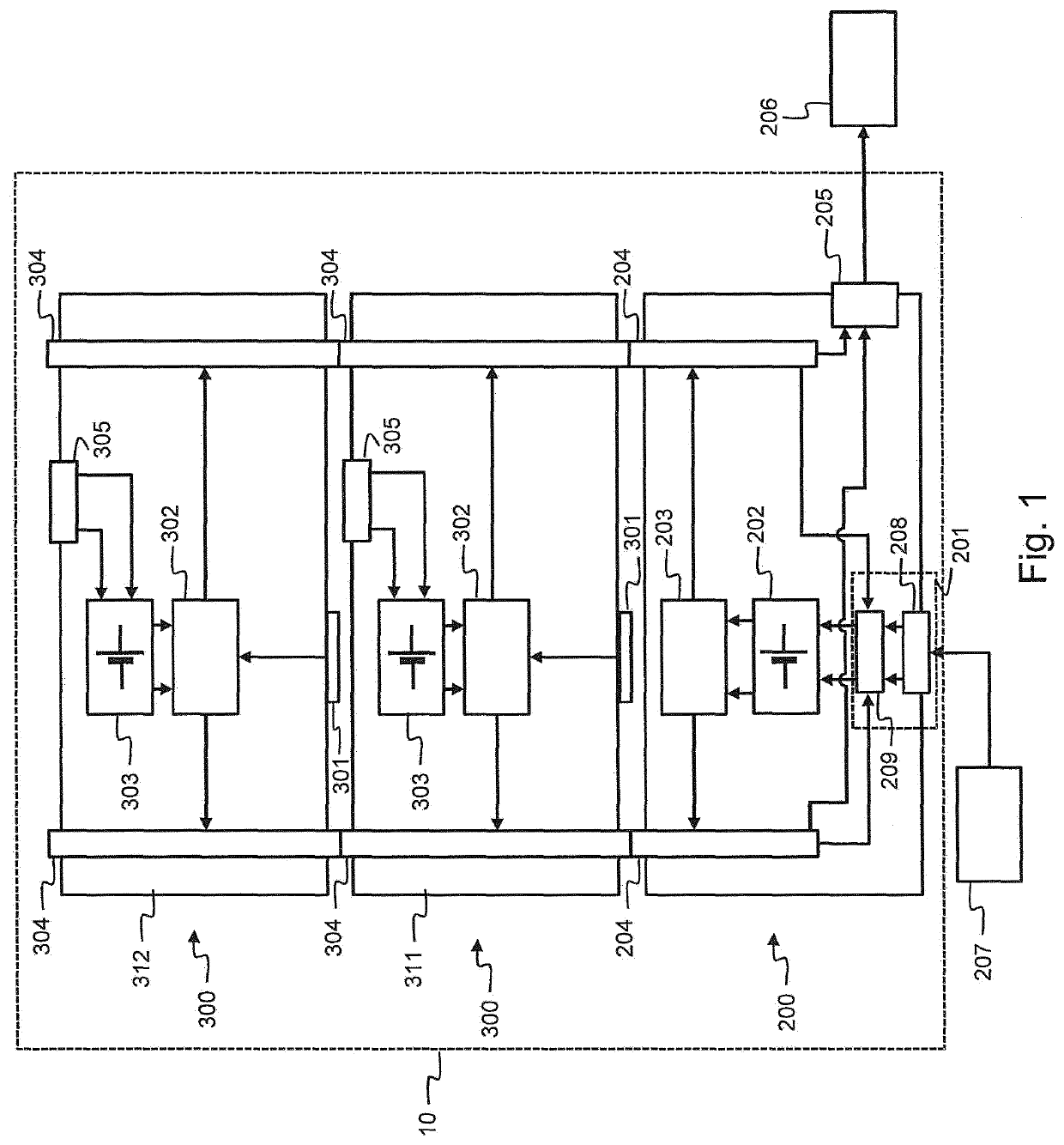
Modular Energy System for Storing and Releasing Energy
PatentInactiveUS20200274379A1
Innovation
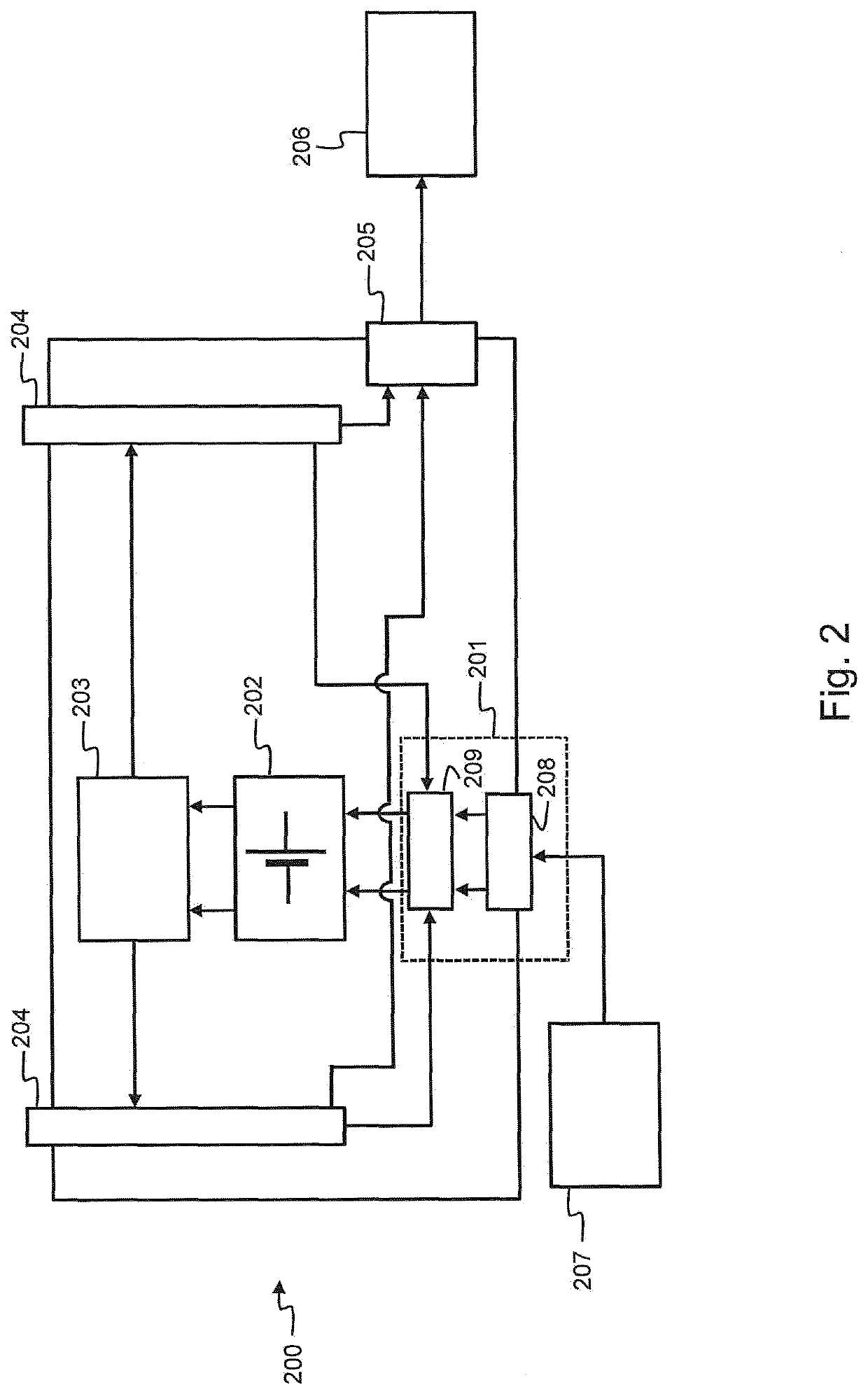
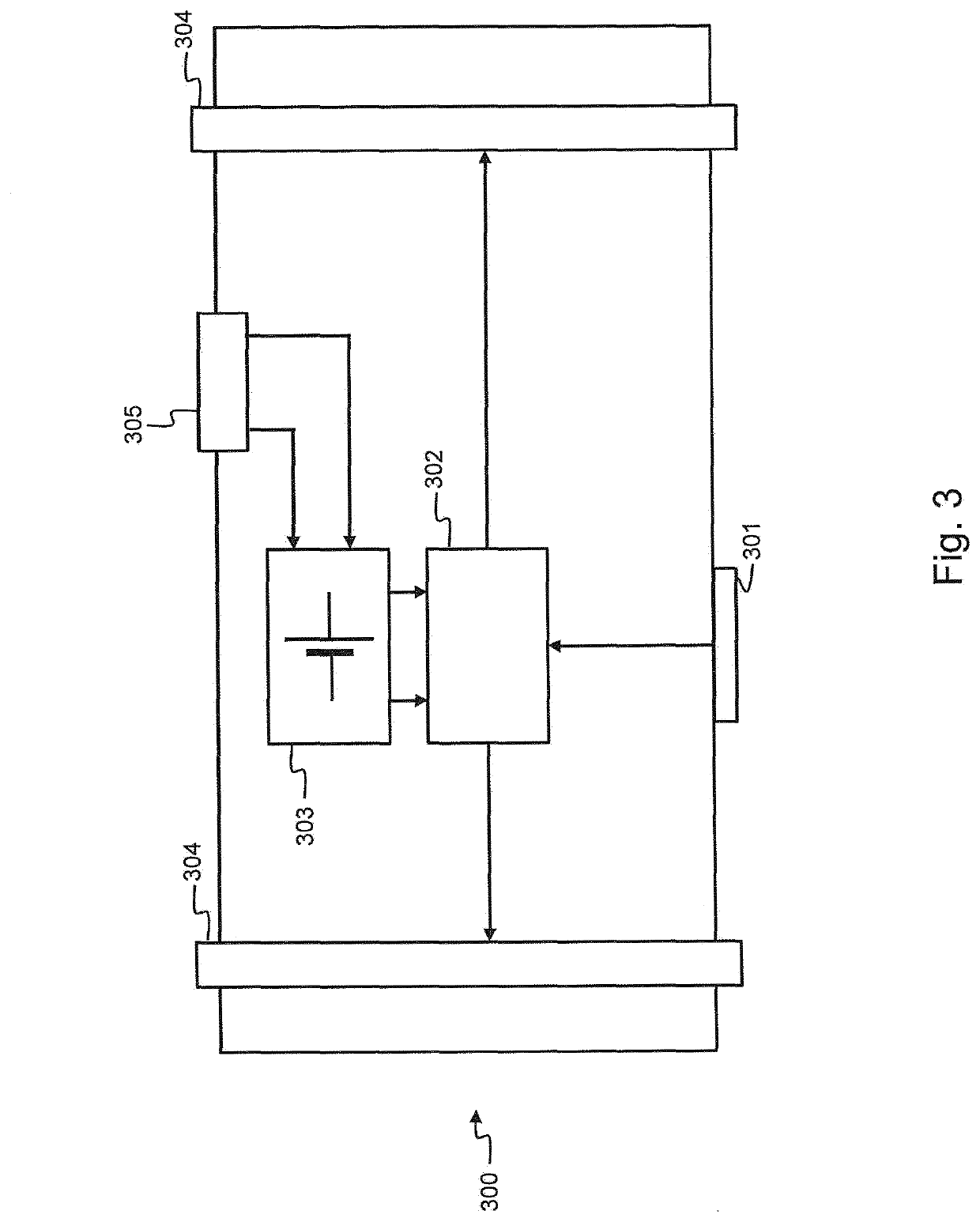
- A modular system with power packs that include a sensor module to detect stacked or non-stacked states, allowing controlled power exchange and minimizing risks during addition or removal, and an outlet power pack with a power outlet module for safe and efficient power distribution, reducing the complexity of connections and ensuring continuous operation.

Environmental Impact of Modular Off-Grid Systems
Modular off-grid power systems present a complex environmental profile that requires comprehensive assessment across their entire lifecycle. These systems, while offering sustainable energy alternatives to remote communities and industrial applications, generate both positive and negative environmental impacts that must be carefully evaluated against traditional power generation methods.
The manufacturing phase of modular off-grid systems typically involves resource-intensive processes, particularly for photovoltaic panels, battery storage units, and power electronics components. Silicon purification for solar cells requires significant energy input, while lithium-ion battery production involves mining operations that can disrupt local ecosystems. However, the modular design philosophy inherently reduces material waste through standardized components and optimized manufacturing processes, leading to improved resource efficiency compared to custom-built systems.
During operational phases, modular off-grid systems demonstrate substantial environmental benefits through zero-emission electricity generation and reduced reliance on fossil fuel-based power sources. The elimination of diesel generators in remote locations significantly reduces local air pollution, noise pollution, and soil contamination risks from fuel spills. Additionally, the distributed nature of these systems minimizes transmission losses and reduces the need for extensive electrical infrastructure that can fragment natural habitats.
The modular approach facilitates enhanced recyclability and component reuse at end-of-life stages. Standardized modules enable efficient disassembly processes, allowing valuable materials such as silicon, aluminum, and rare earth elements to be recovered and reintegrated into new manufacturing cycles. This circular economy approach substantially reduces the long-term environmental footprint compared to traditional centralized power systems.
Land use considerations reveal mixed environmental impacts depending on deployment strategies. While ground-mounted solar arrays require dedicated land areas, innovative mounting solutions such as agrivoltaics and floating systems can minimize ecological disruption. The compact footprint of modular systems often proves advantageous in environmentally sensitive areas where large-scale infrastructure development would be prohibitive.
Lifecycle carbon assessments consistently demonstrate favorable environmental performance for modular off-grid systems, with energy payback periods typically ranging from one to three years while providing decades of clean energy generation. This positive environmental balance becomes increasingly pronounced in regions with high solar irradiance and limited grid connectivity, where alternative power sources would rely heavily on transported fossil fuels.
The manufacturing phase of modular off-grid systems typically involves resource-intensive processes, particularly for photovoltaic panels, battery storage units, and power electronics components. Silicon purification for solar cells requires significant energy input, while lithium-ion battery production involves mining operations that can disrupt local ecosystems. However, the modular design philosophy inherently reduces material waste through standardized components and optimized manufacturing processes, leading to improved resource efficiency compared to custom-built systems.
During operational phases, modular off-grid systems demonstrate substantial environmental benefits through zero-emission electricity generation and reduced reliance on fossil fuel-based power sources. The elimination of diesel generators in remote locations significantly reduces local air pollution, noise pollution, and soil contamination risks from fuel spills. Additionally, the distributed nature of these systems minimizes transmission losses and reduces the need for extensive electrical infrastructure that can fragment natural habitats.
The modular approach facilitates enhanced recyclability and component reuse at end-of-life stages. Standardized modules enable efficient disassembly processes, allowing valuable materials such as silicon, aluminum, and rare earth elements to be recovered and reintegrated into new manufacturing cycles. This circular economy approach substantially reduces the long-term environmental footprint compared to traditional centralized power systems.
Land use considerations reveal mixed environmental impacts depending on deployment strategies. While ground-mounted solar arrays require dedicated land areas, innovative mounting solutions such as agrivoltaics and floating systems can minimize ecological disruption. The compact footprint of modular systems often proves advantageous in environmentally sensitive areas where large-scale infrastructure development would be prohibitive.
Lifecycle carbon assessments consistently demonstrate favorable environmental performance for modular off-grid systems, with energy payback periods typically ranging from one to three years while providing decades of clean energy generation. This positive environmental balance becomes increasingly pronounced in regions with high solar irradiance and limited grid connectivity, where alternative power sources would rely heavily on transported fossil fuels.
Grid Integration Standards for Modular Power Units
Grid integration standards for modular power units represent a critical framework that enables seamless connectivity between distributed off-grid systems and existing electrical infrastructure. These standards establish the technical protocols, safety requirements, and operational parameters necessary for modular power solutions to interface with utility grids when interconnection becomes feasible or desired.
The IEEE 1547 series serves as the foundational standard for distributed energy resource interconnection, providing comprehensive guidelines for voltage regulation, frequency response, and power quality requirements. For modular off-grid systems, compliance with these standards ensures future grid-tie capability without requiring complete system redesign. The standard mandates specific inverter functionalities, including anti-islanding protection, voltage and frequency ride-through capabilities, and power factor control mechanisms.
International Electrotechnical Commission standards, particularly IEC 61727 and IEC 62116, complement IEEE requirements by addressing photovoltaic system grid connection specifications and islanding prevention measures. These standards are particularly relevant for solar-based modular power units, establishing testing procedures and performance criteria that ensure safe and reliable grid integration across different geographical regions and utility frameworks.
Modular power units must incorporate standardized communication protocols such as IEEE 2030.5 (Smart Energy Profile) and IEC 61850 to enable effective grid management and monitoring. These protocols facilitate real-time data exchange between distributed resources and grid operators, supporting advanced grid functions including demand response, voltage support, and frequency regulation services.
Emerging standards like IEEE 2030.7 address specific requirements for microgrids and distributed energy systems, providing guidance on protection coordination, control architectures, and operational modes. These standards recognize the unique characteristics of modular systems, including their ability to operate in both islanded and grid-connected modes, requiring sophisticated control systems that can seamlessly transition between operational states.
Regional variations in grid codes necessitate flexible design approaches for modular power units intended for global deployment. European standards such as EN 50438 and German VDE-AR-N 4105 impose different requirements compared to North American standards, particularly regarding reactive power capabilities and grid support functions. Modular systems must accommodate these variations through configurable software and hardware platforms that can adapt to local grid requirements without fundamental design changes.
The IEEE 1547 series serves as the foundational standard for distributed energy resource interconnection, providing comprehensive guidelines for voltage regulation, frequency response, and power quality requirements. For modular off-grid systems, compliance with these standards ensures future grid-tie capability without requiring complete system redesign. The standard mandates specific inverter functionalities, including anti-islanding protection, voltage and frequency ride-through capabilities, and power factor control mechanisms.
International Electrotechnical Commission standards, particularly IEC 61727 and IEC 62116, complement IEEE requirements by addressing photovoltaic system grid connection specifications and islanding prevention measures. These standards are particularly relevant for solar-based modular power units, establishing testing procedures and performance criteria that ensure safe and reliable grid integration across different geographical regions and utility frameworks.
Modular power units must incorporate standardized communication protocols such as IEEE 2030.5 (Smart Energy Profile) and IEC 61850 to enable effective grid management and monitoring. These protocols facilitate real-time data exchange between distributed resources and grid operators, supporting advanced grid functions including demand response, voltage support, and frequency regulation services.
Emerging standards like IEEE 2030.7 address specific requirements for microgrids and distributed energy systems, providing guidance on protection coordination, control architectures, and operational modes. These standards recognize the unique characteristics of modular systems, including their ability to operate in both islanded and grid-connected modes, requiring sophisticated control systems that can seamlessly transition between operational states.
Regional variations in grid codes necessitate flexible design approaches for modular power units intended for global deployment. European standards such as EN 50438 and German VDE-AR-N 4105 impose different requirements compared to North American standards, particularly regarding reactive power capabilities and grid support functions. Modular systems must accommodate these variations through configurable software and hardware platforms that can adapt to local grid requirements without fundamental design changes.
Unlock deeper insights with PatSnap Eureka Quick Research — get a full tech report to explore trends and direct your research. Try now!
Generate Your Research Report Instantly with AI Agent
Supercharge your innovation with PatSnap Eureka AI Agent Platform!