
Optimize Positive Displacement Pump Clearances for Volumetric Efficiency
OCT 9, 20269 MIN READ
Generate Your Research Report Instantly with AI Agent
Patsnap Eureka helps you evaluate technical feasibility & market potential.
Positive Displacement Pump Technology Background and Objectives
Positive displacement pumps represent a fundamental category of fluid handling equipment that operates by trapping a fixed volume of fluid and forcing it through the discharge port with each cycle. These pumps have evolved significantly since their inception in the early industrial era, progressing from simple piston designs to sophisticated rotary configurations including gear pumps, vane pumps, screw pumps, and lobe pumps. The evolution has been driven by the continuous pursuit of higher efficiency, reliability, and adaptability across diverse industrial applications.
The core principle underlying positive displacement pump operation involves creating expanding and contracting cavities to move fluid. However, the inherent requirement for clearances between moving components and stationary housings introduces a critical design challenge. These clearances, while necessary to prevent mechanical interference and allow for thermal expansion, create pathways for internal leakage that directly compromises volumetric efficiency. As fluid slips back from the discharge side to the suction side through these gaps, the actual delivered flow rate falls below the theoretical displacement.
Contemporary industrial demands have intensified the focus on optimizing these clearances. Industries such as chemical processing, oil and gas, pharmaceutical manufacturing, and food production require pumps that maintain consistent flow rates under varying pressure conditions and fluid viscosities. The economic implications are substantial, as even marginal improvements in volumetric efficiency translate to reduced energy consumption, decreased operational costs, and enhanced process control accuracy.
The primary objective of current research and development efforts centers on establishing optimal clearance specifications that balance competing requirements. Tighter clearances minimize internal leakage and maximize volumetric efficiency, yet increase manufacturing complexity, raise production costs, and elevate risks of mechanical wear or seizure. Conversely, excessive clearances simplify manufacturing and improve operational robustness but sacrifice efficiency, particularly when handling low-viscosity fluids or operating at high differential pressures.
Advanced objectives extend beyond static clearance optimization to encompass adaptive solutions. These include developing materials with superior wear resistance, implementing real-time clearance monitoring systems, and exploring self-adjusting mechanisms that maintain optimal gaps throughout the pump lifecycle. The ultimate goal is achieving sustained volumetric efficiencies exceeding 95% across diverse operating conditions while ensuring long-term reliability and cost-effectiveness.
The core principle underlying positive displacement pump operation involves creating expanding and contracting cavities to move fluid. However, the inherent requirement for clearances between moving components and stationary housings introduces a critical design challenge. These clearances, while necessary to prevent mechanical interference and allow for thermal expansion, create pathways for internal leakage that directly compromises volumetric efficiency. As fluid slips back from the discharge side to the suction side through these gaps, the actual delivered flow rate falls below the theoretical displacement.
Contemporary industrial demands have intensified the focus on optimizing these clearances. Industries such as chemical processing, oil and gas, pharmaceutical manufacturing, and food production require pumps that maintain consistent flow rates under varying pressure conditions and fluid viscosities. The economic implications are substantial, as even marginal improvements in volumetric efficiency translate to reduced energy consumption, decreased operational costs, and enhanced process control accuracy.
The primary objective of current research and development efforts centers on establishing optimal clearance specifications that balance competing requirements. Tighter clearances minimize internal leakage and maximize volumetric efficiency, yet increase manufacturing complexity, raise production costs, and elevate risks of mechanical wear or seizure. Conversely, excessive clearances simplify manufacturing and improve operational robustness but sacrifice efficiency, particularly when handling low-viscosity fluids or operating at high differential pressures.
Advanced objectives extend beyond static clearance optimization to encompass adaptive solutions. These include developing materials with superior wear resistance, implementing real-time clearance monitoring systems, and exploring self-adjusting mechanisms that maintain optimal gaps throughout the pump lifecycle. The ultimate goal is achieving sustained volumetric efficiencies exceeding 95% across diverse operating conditions while ensuring long-term reliability and cost-effectiveness.
Market Demand for High-Efficiency Pumping Solutions
The global industrial pump market is experiencing sustained growth driven by increasing demands for energy efficiency, operational cost reduction, and environmental compliance across multiple sectors. Industries such as oil and gas, chemical processing, water treatment, food and beverage, and pharmaceuticals are actively seeking pumping solutions that deliver superior volumetric efficiency while minimizing energy consumption and maintenance requirements. Positive displacement pumps, valued for their ability to handle high-viscosity fluids and maintain consistent flow rates regardless of pressure variations, represent a critical segment within this broader market landscape.
Market drivers for high-efficiency pumping solutions are multifaceted. Rising energy costs have compelled industrial operators to prioritize equipment that maximizes output per unit of energy input. Regulatory pressures related to emissions reduction and sustainability targets further incentivize the adoption of technologies that minimize waste and improve process efficiency. Additionally, the growing emphasis on total cost of ownership rather than initial capital expenditure has shifted procurement strategies toward solutions offering long-term operational savings through reduced leakage, lower maintenance frequency, and extended service life.
The optimization of clearances in positive displacement pumps directly addresses these market demands by enhancing volumetric efficiency—the ratio of actual fluid delivered to theoretical displacement. Excessive clearances lead to internal slip and backflow, reducing efficiency and increasing energy waste. Conversely, insufficient clearances cause excessive wear, friction losses, and potential mechanical failure. Industries operating high-value processes or handling expensive or hazardous fluids are particularly sensitive to efficiency losses, creating strong demand for precision-engineered clearance optimization technologies.
Emerging applications in renewable energy systems, such as hydraulic energy storage and biofuel production, are expanding the addressable market for high-efficiency positive displacement pumps. These applications often involve challenging operating conditions and stringent efficiency requirements, further emphasizing the commercial value of clearance optimization innovations. The convergence of digitalization trends, including predictive maintenance and real-time performance monitoring, is also creating opportunities for adaptive clearance management systems that maintain optimal efficiency throughout the equipment lifecycle.
Market drivers for high-efficiency pumping solutions are multifaceted. Rising energy costs have compelled industrial operators to prioritize equipment that maximizes output per unit of energy input. Regulatory pressures related to emissions reduction and sustainability targets further incentivize the adoption of technologies that minimize waste and improve process efficiency. Additionally, the growing emphasis on total cost of ownership rather than initial capital expenditure has shifted procurement strategies toward solutions offering long-term operational savings through reduced leakage, lower maintenance frequency, and extended service life.
The optimization of clearances in positive displacement pumps directly addresses these market demands by enhancing volumetric efficiency—the ratio of actual fluid delivered to theoretical displacement. Excessive clearances lead to internal slip and backflow, reducing efficiency and increasing energy waste. Conversely, insufficient clearances cause excessive wear, friction losses, and potential mechanical failure. Industries operating high-value processes or handling expensive or hazardous fluids are particularly sensitive to efficiency losses, creating strong demand for precision-engineered clearance optimization technologies.
Emerging applications in renewable energy systems, such as hydraulic energy storage and biofuel production, are expanding the addressable market for high-efficiency positive displacement pumps. These applications often involve challenging operating conditions and stringent efficiency requirements, further emphasizing the commercial value of clearance optimization innovations. The convergence of digitalization trends, including predictive maintenance and real-time performance monitoring, is also creating opportunities for adaptive clearance management systems that maintain optimal efficiency throughout the equipment lifecycle.
Current Clearance Design Challenges and Constraints
Positive displacement pumps face inherent design challenges in achieving optimal clearance configurations that balance volumetric efficiency with mechanical reliability. The fundamental constraint lies in maintaining sufficiently tight clearances to minimize internal leakage while preventing metal-to-metal contact during operation. Manufacturing tolerances present a primary limitation, as achieving micron-level precision across all clearance surfaces significantly increases production costs and complexity. Conventional machining processes struggle to maintain consistent clearance dimensions, particularly in high-volume manufacturing environments where cost pressures demand efficiency.
Thermal expansion introduces dynamic constraints that complicate clearance optimization. Operating temperature variations cause differential expansion between pump components, with rotors, housings, and wear plates expanding at different rates depending on material properties and thermal gradients. Designers must accommodate worst-case thermal scenarios while avoiding excessive clearances at nominal operating conditions. This thermal management challenge becomes particularly acute in applications involving extreme temperature fluids or rapid thermal cycling.
Material selection constraints further limit clearance optimization strategies. Hard-wearing materials that resist abrasive wear often exhibit poor machinability and higher thermal expansion coefficients. Conversely, materials offering superior dimensional stability may lack adequate wear resistance for demanding applications. The trade-off between wear resistance, thermal stability, and manufacturing feasibility restricts the available design space for clearance optimization.
Fluid properties impose additional constraints on clearance design. High-viscosity fluids generate substantial drag forces in tight clearances, increasing power consumption and heat generation. Low-viscosity fluids leak more readily through clearances, demanding tighter tolerances that may be impractical. Abrasive particles in pumped media accelerate wear, causing clearances to increase over operational life and degrading volumetric efficiency progressively.
Mechanical deflection under operating pressures represents another critical constraint. High discharge pressures cause elastic deformation of pump housings and rotating elements, dynamically altering clearance dimensions during operation. Designers must predict these deflections accurately and incorporate appropriate clearance margins, yet excessive margins directly compromise volumetric efficiency. The interaction between pressure-induced deflection and clearance geometry creates complex optimization challenges that vary across different operating conditions and pump sizes.
Thermal expansion introduces dynamic constraints that complicate clearance optimization. Operating temperature variations cause differential expansion between pump components, with rotors, housings, and wear plates expanding at different rates depending on material properties and thermal gradients. Designers must accommodate worst-case thermal scenarios while avoiding excessive clearances at nominal operating conditions. This thermal management challenge becomes particularly acute in applications involving extreme temperature fluids or rapid thermal cycling.
Material selection constraints further limit clearance optimization strategies. Hard-wearing materials that resist abrasive wear often exhibit poor machinability and higher thermal expansion coefficients. Conversely, materials offering superior dimensional stability may lack adequate wear resistance for demanding applications. The trade-off between wear resistance, thermal stability, and manufacturing feasibility restricts the available design space for clearance optimization.
Fluid properties impose additional constraints on clearance design. High-viscosity fluids generate substantial drag forces in tight clearances, increasing power consumption and heat generation. Low-viscosity fluids leak more readily through clearances, demanding tighter tolerances that may be impractical. Abrasive particles in pumped media accelerate wear, causing clearances to increase over operational life and degrading volumetric efficiency progressively.
Mechanical deflection under operating pressures represents another critical constraint. High discharge pressures cause elastic deformation of pump housings and rotating elements, dynamically altering clearance dimensions during operation. Designers must predict these deflections accurately and incorporate appropriate clearance margins, yet excessive margins directly compromise volumetric efficiency. The interaction between pressure-induced deflection and clearance geometry creates complex optimization challenges that vary across different operating conditions and pump sizes.
Existing Clearance Control Solutions
01 Rotary Positive Displacement Pumps for High Efficiency
Rotary designs represent a key approach to achieving high volumetric efficiency in positive displacement pumps. By utilizing rotating components like gears, vanes, or lobes, these pumps maintain continuous fluid movement and minimize internal leakage backflow. This structural continuous displacement helps sustain optimal volumetric performance even under varying operating pressures.- Rotary Positive Displacement Pumps for High Efficiency: Rotary designs utilize mechanisms such as lobes, gears, or rotating members to continuously move fluid with minimal slippage. This continuous mechanical displacement significantly reduces volumetric losses and improves operational efficiency across varying operating speeds.
- Piston and Eccentric Driven Mechanisms: Incorporating precise piston configurations, such as idle or eccentric pistons, allows for optimal fluid chamber sealing. These configurations minimize internal back-leakage during compression strokes, directly enhancing overall volumetric efficiency.
- Advanced Valve Arrangements and Purging Controls: Integrating specialized valve assemblies, valveless mechanisms, or automated air purging systems prevents air entrapment and fluid backflow. Ensuring a pure liquid phase within the pumping chamber maximizes the effective volume pumped per stroke.
- Electronic Control and Alignment Systems: Utilizing electronic alignment control, smart sensors, and precision stroke limiting optimizes internal clearances and running tolerances. Dynamic monitoring and precise positioning reduce fluid bypass and structural friction under high-pressure conditions.
- Internal Flow Optimization and Pressure Management: Designing optimized fluid induction paths alongside integrated pressure relief mechanisms ensures complete chamber filling while preventing excessive internal recirculation. Smooth internal flow dynamics reduce cavitation risks and volumetric losses.
02 Piston and Clearance Volume Optimization
Volumetric efficiency in positive displacement pumps is highly sensitive to dead space and piston seal integrity. Incorporating specialized piston configurations, such as eccentric or idle pistons, alongside precise stroke clearance control reduces fluid compressibility losses and internal bypass. This direct mechanical optimization improves the effective volume of fluid delivered per stroke cycle.Expand Specific Solutions03 Valveless and Optimized Valve Dynamics
Fluid trapped or delayed during valve actuation significantly reduces volumetric efficiency. Implementing valveless mechanisms or high-speed gear-driven rotary valve arrangements removes suction and discharge timing delays. By preventing backflow during valve opening and closing transitions, the pump maximizes fluid transfer efficiency.Expand Specific Solutions04 Electronic Control and Alignment Systems
Modern positive displacement pump efficiency is enhanced using electronic controls, sensor systems, and smart component alignment. Real-time monitoring allows for dynamic regulation of pumping rings and precise speed control, compensating for efficiency losses caused by fluid viscosity variations, wear, or backpressure changes.Expand Specific Solutions05 Advanced Sealing, Priming, and Noise Reduction
Minimizing internal fluid slip while controlling operating noise directly improves overall pump performance and volumetric output. Integrating low-noise mechanical designs, fluid induction channels, and modular sealed components reduces fluid aeration and structural leakage, maintaining steady fluid flow rates.Expand Specific Solutions
Major Pump Manufacturers and Technology Leaders
The optimization of positive displacement pump clearances for volumetric efficiency represents a mature technology area within an established industrial market, dominated by major automotive, aerospace, and industrial equipment manufacturers. Key players including Ford Global Technologies, GM Global Technology Operations, Caterpillar, ABB, Safran Aircraft Engines, and Vitesco Technologies demonstrate the technology's critical importance across transportation and heavy machinery sectors. The competitive landscape features diversified participation from specialized pump manufacturers like ITT Manufacturing Enterprises, WILO SE, and KSB SE alongside component suppliers such as GHSP and GKN Sinter Metals. Technology maturity is evidenced by incremental optimization efforts focused on precision engineering, advanced materials, and digital control systems rather than fundamental breakthroughs. The market exhibits steady growth driven by efficiency regulations and electrification trends, with established players leveraging extensive R&D capabilities and manufacturing expertise to maintain competitive advantages through proprietary clearance optimization methodologies and integrated system solutions.
Caterpillar, Inc.
Technical Solution: Caterpillar has developed advanced clearance optimization technologies for positive displacement pumps used in heavy machinery and hydraulic systems. Their approach involves precision manufacturing techniques to maintain optimal clearances between rotating elements and pump housings, typically in the range of 10-50 micrometers depending on pump size and application. The company employs advanced materials with low thermal expansion coefficients and implements adaptive clearance control systems that compensate for wear and temperature variations during operation. Their pump designs incorporate hardened wear-resistant coatings on critical surfaces and utilize computational fluid dynamics (CFD) modeling to optimize clearance geometries for maximum volumetric efficiency while minimizing internal leakage paths. Caterpillar's systems achieve volumetric efficiencies exceeding 95% in their high-pressure hydraulic pumps through these clearance optimization strategies.
Strengths: Extensive experience in heavy-duty applications with proven reliability; advanced materials and coating technologies; integrated system approach. Weaknesses: Solutions primarily optimized for large-scale industrial applications; higher initial cost compared to standard pumps; complex maintenance requirements.
Ingersoll-Rand Industrial U.S., Inc.
Technical Solution: Ingersoll-Rand has developed comprehensive clearance optimization technologies for their positive displacement pump and compressor product lines. Their approach emphasizes precision machining with tolerances held to within 5 micrometers and utilizes advanced bearing systems to maintain consistent rotor positioning throughout the pump's operational life. The company implements multi-stage clearance optimization where different sections of the pump utilize varying clearance specifications optimized for local pressure and velocity conditions. Their designs incorporate thermal management systems including cooling channels and heat-dissipating materials to minimize thermal expansion effects on clearances. Ingersoll-Rand employs statistical process control during manufacturing to ensure clearance consistency across production runs and has developed proprietary algorithms for clearance specification based on fluid properties, operating pressures, and speed ranges. Their rotary screw and gear pump designs achieve volumetric efficiencies of 90-96% through optimized clearance management, with particular emphasis on minimizing slip losses in high-pressure differential applications.
Strengths: Comprehensive product range with proven technologies; strong manufacturing quality control; excellent thermal management. Weaknesses: Conservative design approach may limit peak performance; moderate innovation pace; primarily focused on industrial air and gas applications.
Core Patents in Clearance-Efficiency Optimization
Magnetically driven positive displacement pump and thrust bearing assembly
PatentInactiveUS5494416A
Innovation
- A thrust bearing assembly with an adjusting sleeve and plate is positioned within a sealed canister, allowing for adjustable clearance maintenance between the rotor and the pump chamber walls, using a ceramic or other durable materials for the stationary seat and carbon or other materials for the adjusting plate, to resist hydraulic thrust forces and maintain uniform clearances during operation.


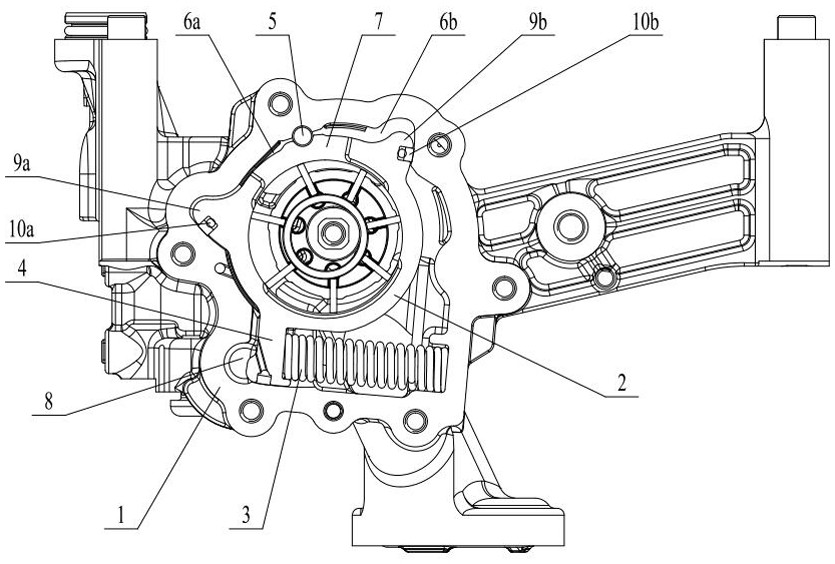
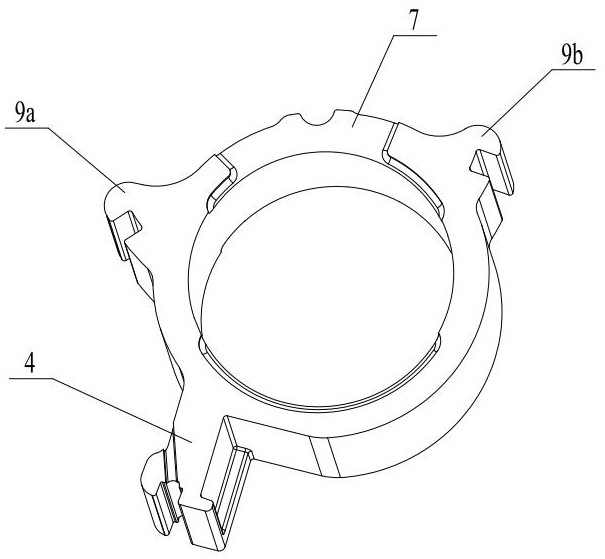
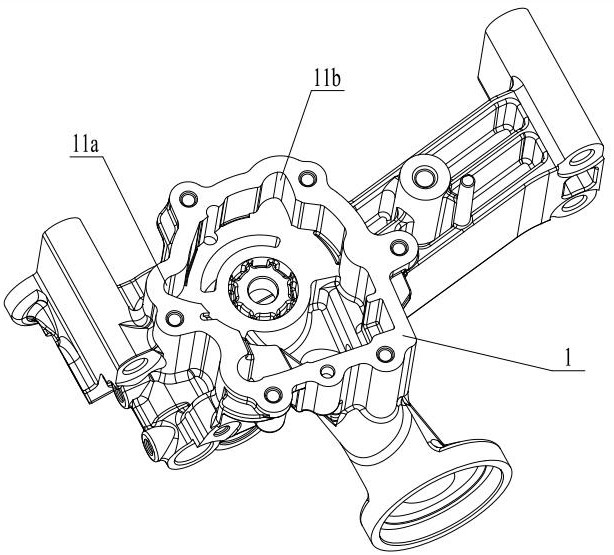
Variable displacement oil pump capable of improving volume efficiency
PatentActiveCN112013263A
Innovation
- An oil pump including a pump body, a pump cover, a slider and a spring is designed. The rotor chamber and independent left and right oil chambers are formed inside the slider. The high-pressure areas are connected through the oil drain groove to avoid oil leakage and pass through The sealing structure ensures oil circulation in the cavity and reduces external emissions.
Fluid Compatibility and Material Selection Factors
Fluid compatibility represents a critical consideration when optimizing clearances in positive displacement pumps, as the chemical and physical properties of pumped media directly influence material degradation rates and dimensional stability. Aggressive fluids containing acids, bases, or organic solvents can cause swelling, shrinkage, or chemical attack of seal materials and pump components, thereby altering the precisely engineered clearance gaps essential for maintaining volumetric efficiency. The selection of elastomers, thermoplastics, and metal alloys must account for both immediate compatibility and long-term exposure effects under operational temperatures and pressures.
Material selection becomes increasingly complex when pumps handle multi-phase fluids or media with varying compositions, as different chemical constituents may interact differently with pump materials. Abrasive particles suspended in fluids accelerate wear at clearance surfaces, progressively increasing gaps and reducing efficiency. Temperature fluctuations introduce additional challenges through differential thermal expansion coefficients between dissimilar materials, potentially causing clearance variations that compromise sealing effectiveness during thermal cycling.
The interplay between fluid viscosity and material surface characteristics significantly affects clearance optimization strategies. Low-viscosity fluids demand tighter tolerances to minimize slip losses, requiring materials with superior dimensional stability and minimal creep under sustained loading. Conversely, high-viscosity or shear-sensitive fluids may necessitate slightly larger clearances to reduce mechanical stress and heat generation, placing emphasis on materials with excellent wear resistance and thermal conductivity.
Compatibility testing protocols must evaluate not only chemical resistance but also mechanical property retention after prolonged fluid exposure. Materials exhibiting minimal hardness changes, dimensional stability, and maintained elastic properties ensure clearance consistency throughout the pump's operational lifespan. Advanced polymer composites and surface-treated metals offer promising solutions by combining chemical inertness with enhanced mechanical performance, enabling tighter clearance control across diverse fluid applications while maintaining optimal volumetric efficiency.
Material selection becomes increasingly complex when pumps handle multi-phase fluids or media with varying compositions, as different chemical constituents may interact differently with pump materials. Abrasive particles suspended in fluids accelerate wear at clearance surfaces, progressively increasing gaps and reducing efficiency. Temperature fluctuations introduce additional challenges through differential thermal expansion coefficients between dissimilar materials, potentially causing clearance variations that compromise sealing effectiveness during thermal cycling.
The interplay between fluid viscosity and material surface characteristics significantly affects clearance optimization strategies. Low-viscosity fluids demand tighter tolerances to minimize slip losses, requiring materials with superior dimensional stability and minimal creep under sustained loading. Conversely, high-viscosity or shear-sensitive fluids may necessitate slightly larger clearances to reduce mechanical stress and heat generation, placing emphasis on materials with excellent wear resistance and thermal conductivity.
Compatibility testing protocols must evaluate not only chemical resistance but also mechanical property retention after prolonged fluid exposure. Materials exhibiting minimal hardness changes, dimensional stability, and maintained elastic properties ensure clearance consistency throughout the pump's operational lifespan. Advanced polymer composites and surface-treated metals offer promising solutions by combining chemical inertness with enhanced mechanical performance, enabling tighter clearance control across diverse fluid applications while maintaining optimal volumetric efficiency.
Energy Efficiency Standards and Environmental Impact
The optimization of clearances in positive displacement pumps directly intersects with increasingly stringent energy efficiency standards worldwide. Regulatory frameworks such as the European Union's Ecodesign Directive and the United States Department of Energy's efficiency mandates establish minimum performance thresholds for industrial pumping systems. These standards typically measure efficiency through metrics like wire-to-water efficiency and overall system energy consumption. Pumps with optimized clearances demonstrate superior volumetric efficiency, reducing slip losses and minimizing energy waste per unit of fluid transferred. Compliance with these evolving standards has become a competitive necessity, driving manufacturers to refine clearance tolerances to achieve certification marks that facilitate market access.
From an environmental perspective, improved volumetric efficiency through clearance optimization yields measurable reductions in carbon footprint and resource consumption. Each percentage point gained in volumetric efficiency translates to proportional decreases in electrical energy demand, which in turn reduces greenhouse gas emissions from power generation. For industrial facilities operating pump fleets continuously, these efficiency gains accumulate to significant environmental benefits over operational lifespans. Additionally, reduced internal leakage minimizes fluid degradation and contamination risks, extending service intervals and decreasing waste generation from maintenance activities.
The environmental impact extends beyond operational energy savings to encompass lifecycle considerations. Pumps engineered with precision clearances often utilize advanced materials and manufacturing processes that reduce material waste during production. Furthermore, enhanced durability resulting from optimized clearances extends equipment service life, delaying replacement cycles and reducing the environmental burden associated with manufacturing new units and disposing of obsolete equipment.
Regulatory pressure continues intensifying globally, with emerging standards incorporating lifecycle assessment methodologies and total cost of ownership calculations. These comprehensive approaches favor technologies demonstrating both immediate operational efficiency and long-term environmental sustainability. Clearance optimization technology positions manufacturers favorably within this regulatory landscape, offering quantifiable performance improvements that align with policy objectives for industrial decarbonization and resource efficiency enhancement.
From an environmental perspective, improved volumetric efficiency through clearance optimization yields measurable reductions in carbon footprint and resource consumption. Each percentage point gained in volumetric efficiency translates to proportional decreases in electrical energy demand, which in turn reduces greenhouse gas emissions from power generation. For industrial facilities operating pump fleets continuously, these efficiency gains accumulate to significant environmental benefits over operational lifespans. Additionally, reduced internal leakage minimizes fluid degradation and contamination risks, extending service intervals and decreasing waste generation from maintenance activities.
The environmental impact extends beyond operational energy savings to encompass lifecycle considerations. Pumps engineered with precision clearances often utilize advanced materials and manufacturing processes that reduce material waste during production. Furthermore, enhanced durability resulting from optimized clearances extends equipment service life, delaying replacement cycles and reducing the environmental burden associated with manufacturing new units and disposing of obsolete equipment.
Regulatory pressure continues intensifying globally, with emerging standards incorporating lifecycle assessment methodologies and total cost of ownership calculations. These comprehensive approaches favor technologies demonstrating both immediate operational efficiency and long-term environmental sustainability. Clearance optimization technology positions manufacturers favorably within this regulatory landscape, offering quantifiable performance improvements that align with policy objectives for industrial decarbonization and resource efficiency enhancement.
Unlock deeper insights with Patsnap Eureka Quick Research — get a full tech report to explore trends and direct your research. Try now!
Generate Your Research Report Instantly with AI Agent
Supercharge your innovation with Patsnap Eureka AI Agent Platform!