

Optimize Reactive Sputtering Target Temperature for Longevity
MAY 19, 20269 MIN READ
Generate Your Research Report Instantly with AI Agent
PatSnap Eureka helps you evaluate technical feasibility & market potential.
Reactive Sputtering Target Temperature Background and Objectives
Reactive sputtering represents a critical thin-film deposition technique widely employed in semiconductor manufacturing, optical coating production, and advanced materials processing. This process involves the bombardment of a metallic target with inert gas ions in the presence of reactive gases, resulting in the formation of compound films such as oxides, nitrides, and carbides. The technique has evolved significantly since its inception in the 1960s, transitioning from simple DC systems to sophisticated pulsed and high-power impulse magnetron sputtering configurations.
The temperature management of sputtering targets has emerged as a paramount concern in modern industrial applications. As device miniaturization demands increasingly precise film properties and manufacturing throughput requirements intensify, the thermal behavior of targets directly impacts both process stability and economic viability. Elevated target temperatures can lead to accelerated erosion, microstructural changes, and premature failure, while insufficient thermal management may result in process instabilities and non-uniform film deposition.
Current industry trends indicate a growing emphasis on extending target operational lifespans to reduce material costs and minimize production downtime. The semiconductor industry, in particular, faces mounting pressure to optimize process parameters as wafer sizes increase and feature dimensions shrink. Target replacement costs, including material expenses and process interruptions, can represent significant operational expenditures, making longevity optimization a critical economic driver.
The primary objective of optimizing reactive sputtering target temperature centers on establishing thermal management strategies that maximize target utilization while maintaining consistent film quality. This involves developing comprehensive understanding of temperature-dependent degradation mechanisms, including grain boundary migration, phase transformations, and thermal stress-induced cracking. The goal extends beyond simple temperature reduction to achieving optimal thermal profiles that balance deposition rate, film uniformity, and target longevity.
Secondary objectives encompass the development of predictive models for target lifetime estimation based on thermal cycling patterns and the establishment of real-time monitoring systems for temperature-related process control. These efforts aim to enable proactive maintenance scheduling and process optimization, ultimately contributing to enhanced manufacturing efficiency and reduced operational costs across diverse sputtering applications.
The temperature management of sputtering targets has emerged as a paramount concern in modern industrial applications. As device miniaturization demands increasingly precise film properties and manufacturing throughput requirements intensify, the thermal behavior of targets directly impacts both process stability and economic viability. Elevated target temperatures can lead to accelerated erosion, microstructural changes, and premature failure, while insufficient thermal management may result in process instabilities and non-uniform film deposition.
Current industry trends indicate a growing emphasis on extending target operational lifespans to reduce material costs and minimize production downtime. The semiconductor industry, in particular, faces mounting pressure to optimize process parameters as wafer sizes increase and feature dimensions shrink. Target replacement costs, including material expenses and process interruptions, can represent significant operational expenditures, making longevity optimization a critical economic driver.
The primary objective of optimizing reactive sputtering target temperature centers on establishing thermal management strategies that maximize target utilization while maintaining consistent film quality. This involves developing comprehensive understanding of temperature-dependent degradation mechanisms, including grain boundary migration, phase transformations, and thermal stress-induced cracking. The goal extends beyond simple temperature reduction to achieving optimal thermal profiles that balance deposition rate, film uniformity, and target longevity.
Secondary objectives encompass the development of predictive models for target lifetime estimation based on thermal cycling patterns and the establishment of real-time monitoring systems for temperature-related process control. These efforts aim to enable proactive maintenance scheduling and process optimization, ultimately contributing to enhanced manufacturing efficiency and reduced operational costs across diverse sputtering applications.
Market Demand for Enhanced Sputtering Target Durability
The semiconductor industry's relentless pursuit of miniaturization and performance enhancement has created unprecedented demand for high-quality thin film deposition processes. Reactive sputtering, a critical manufacturing technique for producing compound films, faces significant challenges related to target longevity and process stability. The market increasingly recognizes that optimizing target temperature control directly impacts production efficiency, cost reduction, and product quality consistency.
Manufacturing facilities worldwide are experiencing substantial economic pressure due to frequent target replacements and process downtime. The cost implications extend beyond material expenses to include production interruptions, equipment recalibration, and quality control measures. Advanced semiconductor fabrication facilities report that target-related issues contribute significantly to overall manufacturing costs, driving urgent demand for enhanced durability solutions.
The display technology sector, particularly OLED and advanced LCD manufacturing, represents a rapidly expanding market segment requiring superior sputtering target performance. These applications demand precise control over film properties and thickness uniformity, making target stability and longevity critical factors. The growing adoption of flexible displays and large-area electronics further amplifies the need for reliable, long-lasting sputtering targets that maintain consistent performance throughout extended production runs.
Photovoltaic industry growth has intensified demand for cost-effective thin film deposition solutions. Solar panel manufacturers require sputtering targets capable of sustained operation while maintaining film quality standards essential for energy conversion efficiency. The industry's focus on reducing manufacturing costs per watt has made target longevity optimization a strategic priority for equipment suppliers and manufacturers alike.
Emerging applications in automotive electronics, IoT devices, and advanced packaging technologies are creating new market segments with specific durability requirements. These applications often involve high-volume production scenarios where target replacement frequency directly impacts manufacturing economics. The automotive sector's transition toward electric vehicles and autonomous systems has particularly increased demand for reliable sputtering processes in sensor and power electronics manufacturing.
Market research indicates strong correlation between target temperature optimization and overall equipment effectiveness metrics. Manufacturers are increasingly willing to invest in advanced temperature control systems and monitoring technologies that promise extended target lifespans. This trend reflects broader industry recognition that proactive thermal management represents a critical competitive advantage in thin film manufacturing operations.
Manufacturing facilities worldwide are experiencing substantial economic pressure due to frequent target replacements and process downtime. The cost implications extend beyond material expenses to include production interruptions, equipment recalibration, and quality control measures. Advanced semiconductor fabrication facilities report that target-related issues contribute significantly to overall manufacturing costs, driving urgent demand for enhanced durability solutions.
The display technology sector, particularly OLED and advanced LCD manufacturing, represents a rapidly expanding market segment requiring superior sputtering target performance. These applications demand precise control over film properties and thickness uniformity, making target stability and longevity critical factors. The growing adoption of flexible displays and large-area electronics further amplifies the need for reliable, long-lasting sputtering targets that maintain consistent performance throughout extended production runs.
Photovoltaic industry growth has intensified demand for cost-effective thin film deposition solutions. Solar panel manufacturers require sputtering targets capable of sustained operation while maintaining film quality standards essential for energy conversion efficiency. The industry's focus on reducing manufacturing costs per watt has made target longevity optimization a strategic priority for equipment suppliers and manufacturers alike.
Emerging applications in automotive electronics, IoT devices, and advanced packaging technologies are creating new market segments with specific durability requirements. These applications often involve high-volume production scenarios where target replacement frequency directly impacts manufacturing economics. The automotive sector's transition toward electric vehicles and autonomous systems has particularly increased demand for reliable sputtering processes in sensor and power electronics manufacturing.
Market research indicates strong correlation between target temperature optimization and overall equipment effectiveness metrics. Manufacturers are increasingly willing to invest in advanced temperature control systems and monitoring technologies that promise extended target lifespans. This trend reflects broader industry recognition that proactive thermal management represents a critical competitive advantage in thin film manufacturing operations.
Current Thermal Management Challenges in Reactive Sputtering
Reactive sputtering processes face significant thermal management challenges that directly impact target longevity and overall system performance. The primary challenge stems from the inherent nature of reactive sputtering, where target materials undergo complex chemical reactions while simultaneously experiencing intense thermal stress from ion bombardment. This dual stress mechanism creates localized hot spots that can reach temperatures exceeding 800°C, leading to accelerated target degradation and reduced operational lifespan.
Target poisoning represents one of the most critical thermal-related challenges in reactive sputtering systems. When reactive gases interact with the target surface at elevated temperatures, they form compound layers that alter the target's thermal conductivity properties. This phenomenon creates a feedback loop where reduced heat dissipation leads to further temperature increases, exacerbating the poisoning effect and creating non-uniform temperature distributions across the target surface.
Cooling system limitations pose another fundamental challenge in maintaining optimal target temperatures. Traditional water-cooling systems often struggle to provide adequate heat removal rates, particularly in high-power density applications. The thermal interface between the target and cooling assembly frequently becomes a bottleneck, with contact resistance and thermal expansion mismatches reducing heat transfer efficiency. These limitations become more pronounced as sputtering power increases to meet industrial throughput demands.
Arc formation and thermal runaway events represent severe consequences of inadequate thermal management. When local target temperatures exceed critical thresholds, the probability of arc initiation increases exponentially. These arcing events not only damage the target surface but also create additional thermal stress through rapid heating and cooling cycles, further compromising target integrity and process stability.
Process parameter interdependencies complicate thermal management strategies significantly. Reactive gas flow rates, sputtering power, and chamber pressure all influence target temperature, but optimizing one parameter often negatively impacts others. For instance, increasing reactive gas flow to reduce target poisoning may alter the plasma characteristics, affecting heat generation patterns and making temperature control more challenging.
Material-specific thermal challenges vary considerably across different target compositions. Ceramic targets exhibit poor thermal conductivity compared to metallic targets, making heat dissipation inherently more difficult. Composite targets face additional challenges due to thermal expansion coefficient mismatches between different phases, leading to mechanical stress and potential cracking at elevated temperatures.
Real-time temperature monitoring and control present ongoing technical challenges. Traditional temperature measurement techniques often prove inadequate for the harsh sputtering environment, where plasma interference and electromagnetic fields can compromise sensor accuracy. The lack of reliable temperature feedback makes it difficult to implement effective closed-loop thermal management strategies, leaving many systems operating with suboptimal temperature control.
Target poisoning represents one of the most critical thermal-related challenges in reactive sputtering systems. When reactive gases interact with the target surface at elevated temperatures, they form compound layers that alter the target's thermal conductivity properties. This phenomenon creates a feedback loop where reduced heat dissipation leads to further temperature increases, exacerbating the poisoning effect and creating non-uniform temperature distributions across the target surface.
Cooling system limitations pose another fundamental challenge in maintaining optimal target temperatures. Traditional water-cooling systems often struggle to provide adequate heat removal rates, particularly in high-power density applications. The thermal interface between the target and cooling assembly frequently becomes a bottleneck, with contact resistance and thermal expansion mismatches reducing heat transfer efficiency. These limitations become more pronounced as sputtering power increases to meet industrial throughput demands.
Arc formation and thermal runaway events represent severe consequences of inadequate thermal management. When local target temperatures exceed critical thresholds, the probability of arc initiation increases exponentially. These arcing events not only damage the target surface but also create additional thermal stress through rapid heating and cooling cycles, further compromising target integrity and process stability.
Process parameter interdependencies complicate thermal management strategies significantly. Reactive gas flow rates, sputtering power, and chamber pressure all influence target temperature, but optimizing one parameter often negatively impacts others. For instance, increasing reactive gas flow to reduce target poisoning may alter the plasma characteristics, affecting heat generation patterns and making temperature control more challenging.
Material-specific thermal challenges vary considerably across different target compositions. Ceramic targets exhibit poor thermal conductivity compared to metallic targets, making heat dissipation inherently more difficult. Composite targets face additional challenges due to thermal expansion coefficient mismatches between different phases, leading to mechanical stress and potential cracking at elevated temperatures.
Real-time temperature monitoring and control present ongoing technical challenges. Traditional temperature measurement techniques often prove inadequate for the harsh sputtering environment, where plasma interference and electromagnetic fields can compromise sensor accuracy. The lack of reliable temperature feedback makes it difficult to implement effective closed-loop thermal management strategies, leaving many systems operating with suboptimal temperature control.
Existing Thermal Optimization Solutions for Sputtering Targets
01 Temperature control systems for reactive sputtering targets
Advanced temperature control systems are employed to maintain optimal operating temperatures during reactive sputtering processes. These systems utilize various cooling and heating mechanisms to ensure stable target temperatures, which is crucial for consistent film deposition quality and target longevity. The control systems often incorporate feedback mechanisms and real-time monitoring to maintain precise temperature ranges.- Temperature control systems for reactive sputtering targets: Advanced temperature control systems are employed to maintain optimal operating temperatures during reactive sputtering processes. These systems utilize various cooling mechanisms and thermal management techniques to prevent target overheating and ensure consistent deposition rates. The control systems monitor temperature variations and automatically adjust cooling parameters to maintain stable target conditions throughout the sputtering process.
- Target material composition effects on thermal properties: The composition and structure of sputtering target materials significantly influence their thermal behavior during reactive sputtering. Different target materials exhibit varying thermal conductivities, heat capacities, and thermal expansion coefficients that affect temperature distribution and heat dissipation. Material selection and target design considerations are crucial for optimizing thermal performance and preventing thermal damage during high-power sputtering operations.
- Cooling methods and heat dissipation techniques: Various cooling strategies are implemented to manage target temperature during reactive sputtering, including water cooling, gas cooling, and advanced heat sink designs. These methods focus on efficient heat removal from the target surface and backing plate to prevent thermal damage and maintain process stability. The cooling system design must balance effective heat removal with process requirements and target longevity.
- Temperature monitoring and measurement systems: Sophisticated temperature monitoring systems are essential for real-time measurement and control of target temperature during reactive sputtering. These systems employ various sensing technologies and measurement techniques to provide accurate temperature data across the target surface. The monitoring systems enable precise process control and help prevent thermal-related process failures or target damage.
- Process parameter optimization for thermal management: Optimization of sputtering process parameters plays a critical role in managing target temperature and achieving desired deposition characteristics. Parameters such as power density, gas flow rates, pressure, and duty cycle are carefully controlled to balance deposition rate with thermal management requirements. Process optimization strategies focus on maximizing productivity while maintaining target temperature within acceptable limits to ensure process stability and target lifetime.
02 Thermal management of sputtering target materials
Different target materials require specific thermal management approaches due to their varying thermal conductivity and heat dissipation properties. The thermal management involves optimizing heat transfer pathways, selecting appropriate backing plate materials, and designing thermal interfaces to prevent overheating and ensure uniform temperature distribution across the target surface.Expand Specific Solutions03 Process parameter optimization related to target temperature
The relationship between target temperature and other sputtering parameters such as power density, gas flow rates, and chamber pressure is critical for process optimization. Proper parameter balancing helps achieve desired deposition rates while maintaining target temperature within acceptable limits to prevent target damage and ensure film quality consistency.Expand Specific Solutions04 Target cooling mechanisms and heat dissipation methods
Various cooling mechanisms are implemented to manage heat generation during reactive sputtering, including water cooling systems, gas cooling, and advanced heat sink designs. These methods help prevent target overheating, reduce thermal stress, and maintain stable operating conditions throughout the sputtering process.Expand Specific Solutions05 Temperature monitoring and measurement techniques
Accurate temperature measurement and monitoring systems are essential for reactive sputtering processes. These include thermocouple placement strategies, infrared temperature sensing, and real-time monitoring systems that provide feedback for process control. The monitoring techniques help ensure consistent target performance and prevent thermal damage.Expand Specific Solutions
Key Players in Sputtering Equipment and Target Manufacturing
The reactive sputtering target temperature optimization market represents a mature industrial sector within the broader thin film deposition industry, currently valued in the billions globally and experiencing steady growth driven by semiconductor, display, and renewable energy applications. The competitive landscape is dominated by established Japanese conglomerates including Mitsui Kinzoku, Mitsubishi Materials, ULVAC, and Sumitomo Metal Mining, alongside specialized materials companies like Materion Corp and Konfoong Materials International. Technology maturity varies significantly across applications, with semiconductor-grade targets representing the most advanced segment, while emerging applications in energy storage and flexible electronics drive continued innovation. European players such as Oerlikon Surface Solutions and Evatec AG focus on high-precision equipment solutions, while research institutions like CEA and CNRS contribute fundamental advances in process optimization and material science, indicating a well-established ecosystem with ongoing technological evolution.
Canon Anelva Corp.
Technical Solution: Canon Anelva has developed sophisticated temperature control systems for reactive sputtering that emphasize precision thermal management through advanced substrate heating and target cooling integration. Their technology incorporates multi-point temperature sensing arrays that provide detailed thermal mapping of the target surface during operation. The company's solutions feature adaptive power control algorithms that dynamically adjust magnetron power based on target temperature feedback to maintain optimal deposition conditions. Their approach includes specialized target materials and bonding techniques designed to enhance thermal conductivity and reduce hot spot formation. Canon Anelva's systems also integrate predictive maintenance capabilities that monitor thermal cycling patterns to optimize target replacement schedules and minimize process downtime.
Strengths: Excellent precision control systems and strong integration with semiconductor manufacturing processes. Weaknesses: Higher cost structure and limited application scope outside semiconductor industry.
Oerlikon Surface Solutions AG
Technical Solution: Oerlikon has developed comprehensive thermal management solutions for reactive sputtering that integrate advanced cooling technologies with intelligent process control systems. Their technology features multi-zone cooling architectures that can independently control temperature across different target regions to compensate for non-uniform heating patterns. The company's solutions incorporate real-time thermal imaging and advanced sensor networks that continuously monitor target surface temperatures and automatically adjust cooling parameters. Their approach includes proprietary target design modifications and specialized mounting systems that enhance heat dissipation while maintaining uniform magnetic field distribution. Oerlikon's systems also feature predictive analytics capabilities that analyze thermal cycling data to optimize process parameters and extend target operational lifetime through intelligent temperature management strategies.
Strengths: Comprehensive coating solutions expertise and strong industrial automation capabilities. Weaknesses: Complex system integration requirements and higher operational training needs for personnel.
Core Innovations in Target Temperature Control Systems
Target temperature control type sputtering apparatus
PatentInactiveJP2023028407A
Innovation
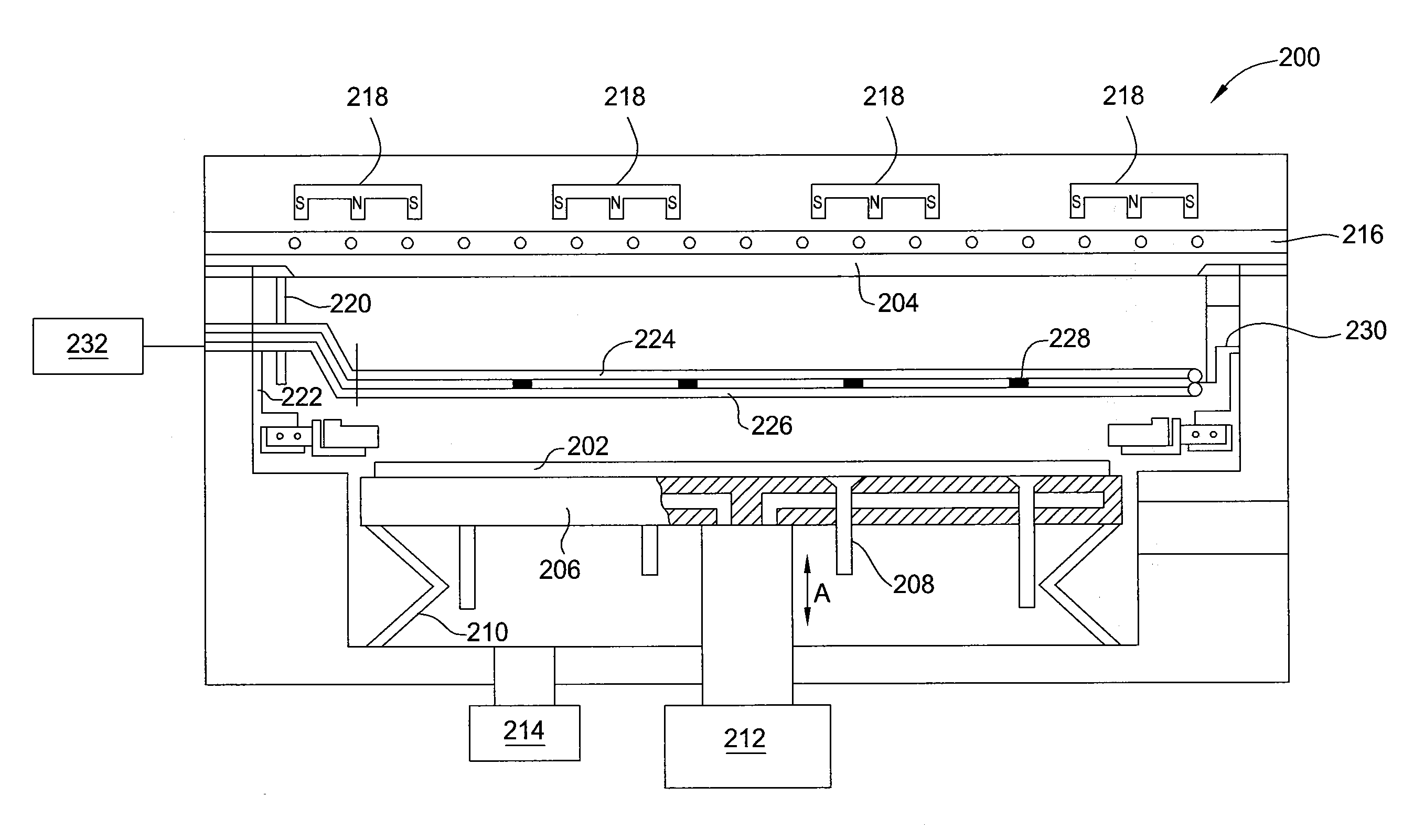
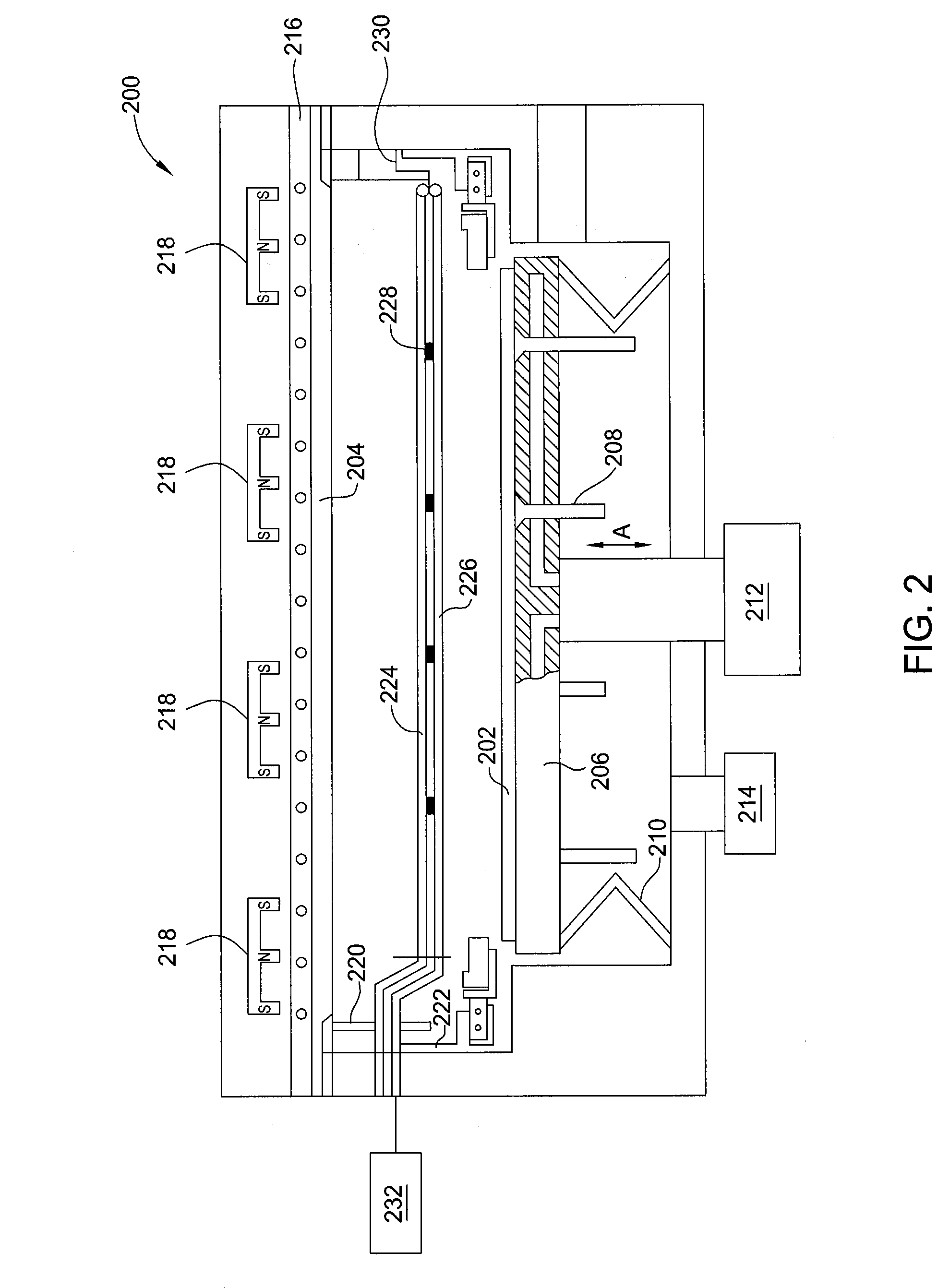
- A sputtering apparatus with a cooling plate, gap defining jig, gas supply mechanism, temperature sensing element, and target temperature control mechanism, allowing for adjustable thermal conductivity through gas pressure control in the gap between the target material and cooling plate.


Methods for stable process in a reactive sputtering process using zinc or doped zinc target
PatentActiveUS20110073463A1
Innovation
- A method for seasoning a sputtering target in-situ with a substrate using reactive sputtering processes involving oxygen, nitrogen, and elements like zinc, cadmium, tin, and gallium, which allows for the deposition of semiconductor compounds with controlled reaction conditions to minimize redeposition and induce cleaning without chamber shutdown.
Material Science Considerations for Target Longevity
The longevity of reactive sputtering targets is fundamentally governed by material science principles that dictate how target materials respond to thermal, mechanical, and chemical stresses during operation. Understanding these underlying mechanisms is crucial for optimizing target temperature to maximize operational lifespan while maintaining consistent deposition quality.
Thermal expansion and contraction cycles represent one of the most critical material science factors affecting target durability. Different target materials exhibit varying coefficients of thermal expansion, creating internal stresses when temperature fluctuations occur. Metallic targets typically demonstrate higher thermal expansion coefficients compared to ceramic or compound targets, making them more susceptible to thermal cycling damage. The mismatch between target material and backing plate thermal properties can generate significant interfacial stresses, potentially leading to delamination or cracking.
Grain structure evolution under elevated temperatures significantly impacts target performance and longevity. Prolonged exposure to high temperatures can induce grain growth, recrystallization, and phase transformations that alter the target's microstructure. Fine-grained targets generally provide more uniform sputtering characteristics, but excessive temperatures can promote grain coarsening, leading to non-uniform erosion patterns and reduced target utilization efficiency.
Oxidation resistance becomes particularly important for reactive sputtering applications where oxygen or other reactive gases are present. The formation of oxide layers on target surfaces can alter sputtering yields and introduce contamination into deposited films. Temperature optimization must consider the oxidation kinetics of specific target materials, as higher temperatures typically accelerate oxidation processes. Some materials exhibit protective oxide formation at moderate temperatures, while others require careful temperature control to prevent detrimental oxidation.
Mechanical properties degradation under thermal stress affects target structural integrity. Repeated heating and cooling cycles can induce fatigue, creep, and stress relaxation phenomena that compromise target mechanical stability. Materials with poor thermal shock resistance may develop microcracks or macroscopic fractures when subjected to rapid temperature changes or excessive thermal gradients.
Diffusion processes within target materials become increasingly significant at elevated temperatures. Interdiffusion between target material and backing plate can create brittle intermetallic phases that reduce bonding strength. Additionally, impurity diffusion from backing materials or atmospheric contaminants can alter target composition and sputtering characteristics over time.
The relationship between target temperature and sputtering yield follows complex material-dependent patterns. While moderate temperature increases can enhance atomic mobility and improve sputtering efficiency, excessive temperatures may lead to surface roughening, preferential sputtering of certain elements, or unwanted chemical reactions that degrade target performance and reduce operational lifetime.
Thermal expansion and contraction cycles represent one of the most critical material science factors affecting target durability. Different target materials exhibit varying coefficients of thermal expansion, creating internal stresses when temperature fluctuations occur. Metallic targets typically demonstrate higher thermal expansion coefficients compared to ceramic or compound targets, making them more susceptible to thermal cycling damage. The mismatch between target material and backing plate thermal properties can generate significant interfacial stresses, potentially leading to delamination or cracking.
Grain structure evolution under elevated temperatures significantly impacts target performance and longevity. Prolonged exposure to high temperatures can induce grain growth, recrystallization, and phase transformations that alter the target's microstructure. Fine-grained targets generally provide more uniform sputtering characteristics, but excessive temperatures can promote grain coarsening, leading to non-uniform erosion patterns and reduced target utilization efficiency.
Oxidation resistance becomes particularly important for reactive sputtering applications where oxygen or other reactive gases are present. The formation of oxide layers on target surfaces can alter sputtering yields and introduce contamination into deposited films. Temperature optimization must consider the oxidation kinetics of specific target materials, as higher temperatures typically accelerate oxidation processes. Some materials exhibit protective oxide formation at moderate temperatures, while others require careful temperature control to prevent detrimental oxidation.
Mechanical properties degradation under thermal stress affects target structural integrity. Repeated heating and cooling cycles can induce fatigue, creep, and stress relaxation phenomena that compromise target mechanical stability. Materials with poor thermal shock resistance may develop microcracks or macroscopic fractures when subjected to rapid temperature changes or excessive thermal gradients.
Diffusion processes within target materials become increasingly significant at elevated temperatures. Interdiffusion between target material and backing plate can create brittle intermetallic phases that reduce bonding strength. Additionally, impurity diffusion from backing materials or atmospheric contaminants can alter target composition and sputtering characteristics over time.
The relationship between target temperature and sputtering yield follows complex material-dependent patterns. While moderate temperature increases can enhance atomic mobility and improve sputtering efficiency, excessive temperatures may lead to surface roughening, preferential sputtering of certain elements, or unwanted chemical reactions that degrade target performance and reduce operational lifetime.
Process Integration Strategies for Industrial Implementation
The successful industrial implementation of optimized reactive sputtering target temperature control requires comprehensive process integration strategies that address both technical and operational challenges. Manufacturing environments demand robust solutions that can maintain consistent performance while adapting to varying production requirements and equipment configurations.
System-level integration begins with the development of modular temperature control architectures that can be retrofitted into existing sputtering systems without extensive infrastructure modifications. This approach minimizes capital investment while enabling gradual adoption across production lines. The integration strategy must account for different chamber designs, power supply configurations, and substrate handling systems commonly found in industrial facilities.
Real-time monitoring and feedback control systems form the cornerstone of effective process integration. Advanced sensor networks must be strategically positioned to capture temperature variations across the target surface while maintaining compatibility with existing process control software. The integration of machine learning algorithms enables predictive temperature adjustments based on historical performance data and real-time process conditions.
Standardization protocols play a crucial role in ensuring consistent implementation across multiple production sites. Establishing unified temperature control parameters, calibration procedures, and maintenance schedules facilitates knowledge transfer and reduces operator training requirements. These protocols must accommodate variations in equipment age, manufacturer specifications, and local operating conditions while maintaining core performance standards.
Quality assurance integration involves developing comprehensive testing frameworks that validate temperature optimization effectiveness throughout the production lifecycle. Automated data collection systems must seamlessly interface with existing quality management systems to provide continuous performance metrics and trend analysis capabilities.
Scalability considerations require flexible architecture designs that can accommodate future production capacity expansions and technology upgrades. The integration strategy must support both horizontal scaling across additional production lines and vertical scaling for increased throughput requirements while maintaining temperature control precision and target longevity benefits.
System-level integration begins with the development of modular temperature control architectures that can be retrofitted into existing sputtering systems without extensive infrastructure modifications. This approach minimizes capital investment while enabling gradual adoption across production lines. The integration strategy must account for different chamber designs, power supply configurations, and substrate handling systems commonly found in industrial facilities.
Real-time monitoring and feedback control systems form the cornerstone of effective process integration. Advanced sensor networks must be strategically positioned to capture temperature variations across the target surface while maintaining compatibility with existing process control software. The integration of machine learning algorithms enables predictive temperature adjustments based on historical performance data and real-time process conditions.
Standardization protocols play a crucial role in ensuring consistent implementation across multiple production sites. Establishing unified temperature control parameters, calibration procedures, and maintenance schedules facilitates knowledge transfer and reduces operator training requirements. These protocols must accommodate variations in equipment age, manufacturer specifications, and local operating conditions while maintaining core performance standards.
Quality assurance integration involves developing comprehensive testing frameworks that validate temperature optimization effectiveness throughout the production lifecycle. Automated data collection systems must seamlessly interface with existing quality management systems to provide continuous performance metrics and trend analysis capabilities.
Scalability considerations require flexible architecture designs that can accommodate future production capacity expansions and technology upgrades. The integration strategy must support both horizontal scaling across additional production lines and vertical scaling for increased throughput requirements while maintaining temperature control precision and target longevity benefits.
Unlock deeper insights with PatSnap Eureka Quick Research — get a full tech report to explore trends and direct your research. Try now!
Generate Your Research Report Instantly with AI Agent
Supercharge your innovation with PatSnap Eureka AI Agent Platform!