

Optimize Torrefaction Process Parameters for High-Yield Biochar Production
Torrefaction Technology Background and Biochar Production Goals
Torrefaction technology emerged in the early 20th century as a thermal pretreatment process originally developed for biomass densification and energy applications. This mild pyrolysis technique operates at temperatures between 200-300°C under oxygen-limited conditions, fundamentally altering the physical and chemical properties of lignocellulosic materials. The process involves the thermal decomposition of hemicellulose, partial degradation of cellulose, and structural modifications of lignin, resulting in a carbon-rich solid product with enhanced properties compared to raw biomass.
The evolution of torrefaction technology has been driven by increasing demands for sustainable energy solutions and carbon management strategies. Initially focused on fuel pellet production and biomass upgrading, the technology has expanded its scope to encompass biochar production for agricultural and environmental applications. Recent developments have emphasized process optimization to maximize biochar yield while maintaining desired physicochemical characteristics, including high carbon content, improved porosity, and enhanced surface area.
Contemporary torrefaction research has shifted toward precision control of process parameters to achieve specific biochar properties. Temperature profiles, residence time, heating rates, and atmospheric conditions have been identified as critical variables influencing product yield and quality. Advanced process monitoring and control systems now enable real-time adjustment of these parameters, facilitating the production of tailored biochar products for diverse applications.
The primary goal of optimizing torrefaction process parameters centers on maximizing biochar yield while preserving essential functional properties. High-yield biochar production requires careful balance between thermal severity and biomass conversion efficiency. Excessive thermal treatment can lead to over-carbonization and reduced yields, while insufficient processing may result in incomplete biomass transformation and suboptimal biochar characteristics.
Target objectives include achieving biochar yields exceeding 60% on a mass basis while maintaining carbon content above 70%. Additional goals encompass developing predictive models for process optimization, establishing standardized protocols for different feedstock types, and creating scalable production systems suitable for industrial implementation. These objectives align with broader sustainability initiatives and carbon sequestration strategies.
Market Demand Analysis for High-Yield Biochar Applications
The global biochar market is experiencing unprecedented growth driven by increasing environmental consciousness and regulatory pressures for carbon sequestration solutions. Agricultural sectors worldwide are actively seeking sustainable soil amendment alternatives to synthetic fertilizers, creating substantial demand for high-quality biochar products. The growing emphasis on regenerative agriculture practices has positioned biochar as a critical component in soil health restoration programs.
Carbon credit markets represent a rapidly expanding application area for biochar, as governments and corporations pursue net-zero emission targets. The permanence of biochar's carbon storage capabilities makes it particularly attractive for long-term carbon offset strategies. Industrial applications are emerging in water treatment facilities, where biochar's adsorption properties provide cost-effective solutions for contaminant removal.
The construction industry is increasingly incorporating biochar into concrete and building materials to reduce embodied carbon while enhancing material properties. Energy sector applications include biochar utilization in battery technologies and as a component in advanced filtration systems. Waste management facilities are recognizing biochar production as a value-added service that transforms organic waste streams into marketable products.
Regional demand patterns show strongest growth in North America and Europe, driven by supportive policy frameworks and established carbon markets. Asia-Pacific markets are rapidly developing, particularly in countries with large agricultural sectors seeking sustainable intensification solutions. Developing nations present significant opportunities where biochar addresses both agricultural productivity and environmental challenges simultaneously.
Market constraints include quality standardization challenges and the need for consistent feedstock supplies. Price competitiveness with conventional alternatives remains a consideration, though premium pricing is justified by environmental benefits. Supply chain development for specialized applications requires technical expertise in torrefaction optimization to meet specific biochar property requirements.
The intersection of climate policy, agricultural sustainability, and industrial decarbonization creates a convergent demand environment where optimized torrefaction processes become essential for meeting diverse market specifications and scaling production capabilities.
Current Torrefaction Process Limitations and Technical Challenges
Current torrefaction processes face significant temperature control challenges that directly impact biochar yield and quality. Traditional torrefaction systems often struggle with maintaining uniform temperature distribution across the reactor volume, leading to inconsistent product characteristics. Temperature fluctuations of even 10-20°C can result in incomplete torrefaction or over-processing, reducing biochar yield by 15-25%. The lack of precise real-time temperature monitoring and control systems in many existing facilities compounds this issue.
Residence time optimization remains a critical bottleneck in achieving high-yield biochar production. Most conventional torrefaction reactors operate with fixed residence times that fail to account for varying feedstock properties and moisture content. This one-size-fits-all approach results in suboptimal processing conditions, where lighter biomass components may be over-torrefied while denser materials remain inadequately processed. The challenge is further complicated by the difficulty in accurately measuring and controlling particle residence time in continuous flow systems.
Heating rate control presents another fundamental limitation in current torrefaction technologies. Rapid heating rates can cause thermal shock and excessive volatile release, reducing solid yield, while overly slow heating extends processing time and increases energy consumption. Many existing systems lack the capability to implement variable heating rate profiles that could optimize the balance between processing efficiency and biochar yield. This limitation is particularly pronounced in large-scale industrial applications where heat transfer uniformity becomes increasingly difficult to maintain.
Atmosphere control and gas management represent significant technical challenges in torrefaction process optimization. Maintaining an inert atmosphere while managing the removal of volatile compounds requires sophisticated gas handling systems that many current facilities lack. Inadequate volatile removal can lead to secondary reactions that reduce biochar quality, while excessive gas flow rates can remove fine biochar particles, decreasing overall yield.
Scale-up challenges from laboratory to industrial applications continue to plague torrefaction technology development. Heat and mass transfer limitations become more pronounced at larger scales, making it difficult to replicate the controlled conditions achieved in small-scale research reactors. The heterogeneous nature of biomass feedstocks adds complexity, as industrial systems must accommodate varying particle sizes, moisture contents, and chemical compositions while maintaining consistent processing conditions.
Process monitoring and control systems in existing torrefaction facilities often lack the sophistication needed for real-time optimization. Limited sensor integration and inadequate data analytics capabilities prevent operators from making dynamic adjustments to process parameters based on feedstock variations or product quality requirements. This technological gap hinders the development of adaptive control strategies that could significantly improve biochar yield and consistency.
Existing Process Parameter Optimization Solutions
01 Temperature and time optimization for torrefaction yield
The torrefaction process yield can be significantly improved by optimizing the temperature and residence time parameters. Higher temperatures within the optimal range increase the mass loss and energy densification of the biomass, while controlled residence times ensure complete torrefaction without excessive degradation. The optimization of these parameters leads to enhanced yield characteristics and improved fuel properties of the torrefied material.- Temperature and time optimization for torrefaction yield: The torrefaction process yield can be significantly improved by optimizing the temperature and residence time parameters. Higher temperatures within the optimal range can increase the mass yield of torrefied biomass while maintaining desired energy density. Controlled heating rates and precise temperature management ensure maximum conversion efficiency and prevent over-torrefaction that could reduce overall yield.
- Biomass pretreatment methods to enhance yield: Various pretreatment techniques can be applied to biomass feedstock before torrefaction to improve process yield. These methods include moisture content adjustment, particle size reduction, and chemical pretreatment. Proper pretreatment ensures uniform heat transfer throughout the biomass, leading to more consistent torrefaction and higher overall yield of the desired product.
- Reactor design and configuration for improved yield: The design and configuration of torrefaction reactors play a crucial role in maximizing process yield. Advanced reactor designs with improved heat transfer mechanisms, better gas flow distribution, and enhanced mixing capabilities can significantly increase the efficiency of the torrefaction process. Proper reactor geometry and internal components ensure optimal contact between biomass and heating medium.
- Process atmosphere and gas management for yield optimization: The composition and management of the process atmosphere during torrefaction significantly affects the yield. Controlling oxygen levels, using inert gases, and managing volatile compounds released during the process can improve both mass and energy yield. Proper gas circulation and removal of condensable vapors prevent secondary reactions that could negatively impact yield.
- Multi-stage torrefaction and integrated process systems: Implementation of multi-stage torrefaction processes and integration with other biomass conversion technologies can enhance overall yield. Sequential processing at different temperature stages allows for better control of product properties while maximizing yield. Integration with heat recovery systems and coupling with other thermochemical processes can improve the overall efficiency and economic viability of torrefaction operations.
02 Biomass pretreatment methods for enhanced yield
Various pretreatment techniques can be applied to biomass before torrefaction to improve the overall process yield. These methods include size reduction, moisture content adjustment, and chemical pretreatment that modify the biomass structure and composition. Proper pretreatment enhances the uniformity of the torrefaction process and increases the conversion efficiency, resulting in higher yields of torrefied products with improved quality.Expand Specific Solutions03 Reactor design and configuration for yield optimization
The design and configuration of torrefaction reactors play a crucial role in maximizing process yield. Different reactor types, including rotary kilns, fluidized beds, and fixed bed reactors, offer varying advantages for yield optimization. The reactor design affects heat transfer efficiency, residence time distribution, and gas-solid contact, all of which directly impact the torrefaction yield and product quality.Expand Specific Solutions04 Atmosphere control and gas management for improved yield
Controlling the atmosphere composition and managing the gas environment during torrefaction significantly affects the process yield. Inert gas atmospheres, oxygen-limited conditions, and proper gas flow management help maintain optimal torrefaction conditions. Effective gas management prevents unwanted oxidation reactions and ensures consistent yield performance while maintaining the desired properties of the torrefied biomass.Expand Specific Solutions05 Process monitoring and control systems for yield enhancement
Advanced monitoring and control systems enable real-time optimization of torrefaction processes to maximize yield. These systems track key parameters such as temperature profiles, mass loss rates, and gas compositions to maintain optimal operating conditions. Automated control mechanisms adjust process variables dynamically to ensure consistent high yields and prevent process deviations that could reduce overall efficiency.Expand Specific Solutions
Major Players in Torrefaction and Biochar Production Industry
The torrefaction process optimization for high-yield biochar production represents an emerging technology sector in the early commercialization stage, with significant growth potential driven by increasing demand for sustainable waste management and carbon sequestration solutions. The market demonstrates moderate scale with expanding applications across agriculture, energy, and environmental sectors. Technology maturity varies considerably across stakeholders, with leading research institutions like North Carolina State University, Chinese Academy of Science Guangzhou Energy Research Institute, and Indian Institute of Technology Madras advancing fundamental process understanding, while specialized companies such as Yilkins BV, PrairieChar Inc., and Andritz Inc. are developing commercial-scale equipment and integrated solutions. Academic institutions including Southeast University, Hefei University of Technology, and University of York contribute to process optimization research, creating a competitive landscape where technological advancement is driven by collaboration between research entities and industrial players seeking to scale torrefaction technologies for diverse biochar applications.
PrairieChar, Inc.
IFP Energies Nouvelles
Core Innovations in High-Yield Torrefaction Technologies
- Conducting torrefaction process in the presence of oxygen at controlled temperature range of 260-320℃, which differs from traditional oxygen-free torrefaction methods.
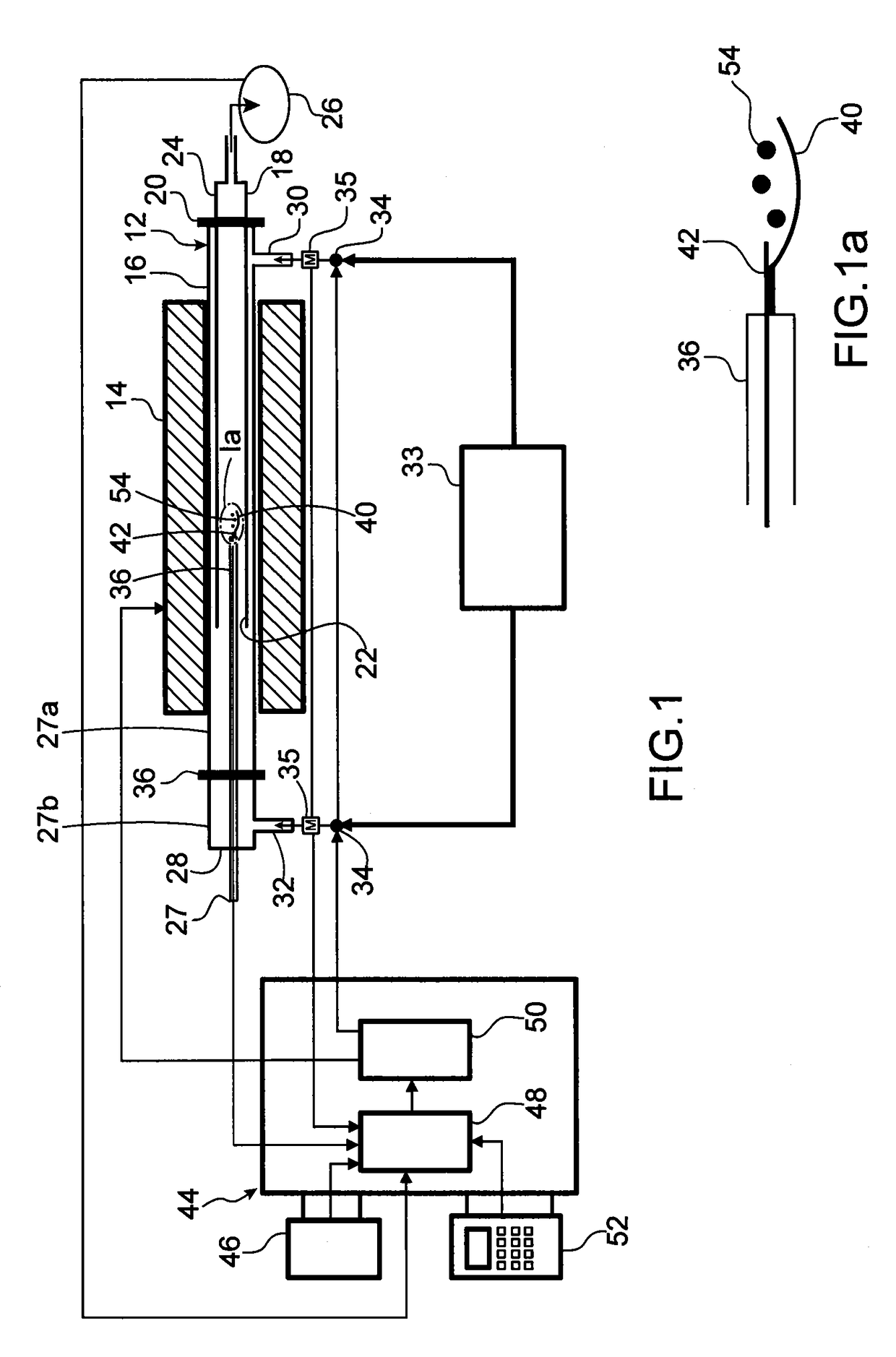
- Utilization of tubular reactor design for enhanced heat transfer and uniform temperature distribution during the torrefaction process.
- Integration of pre-treatment step with optimized torrefaction parameters to improve overall biofuel production efficiency.
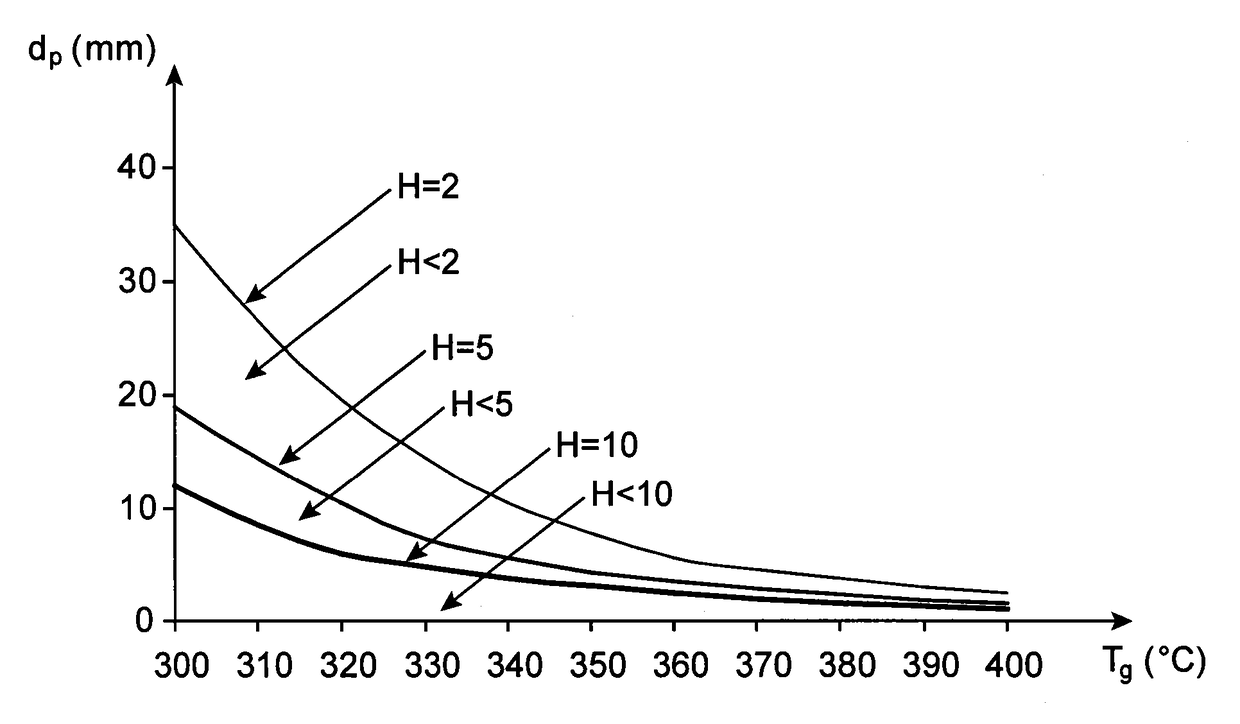
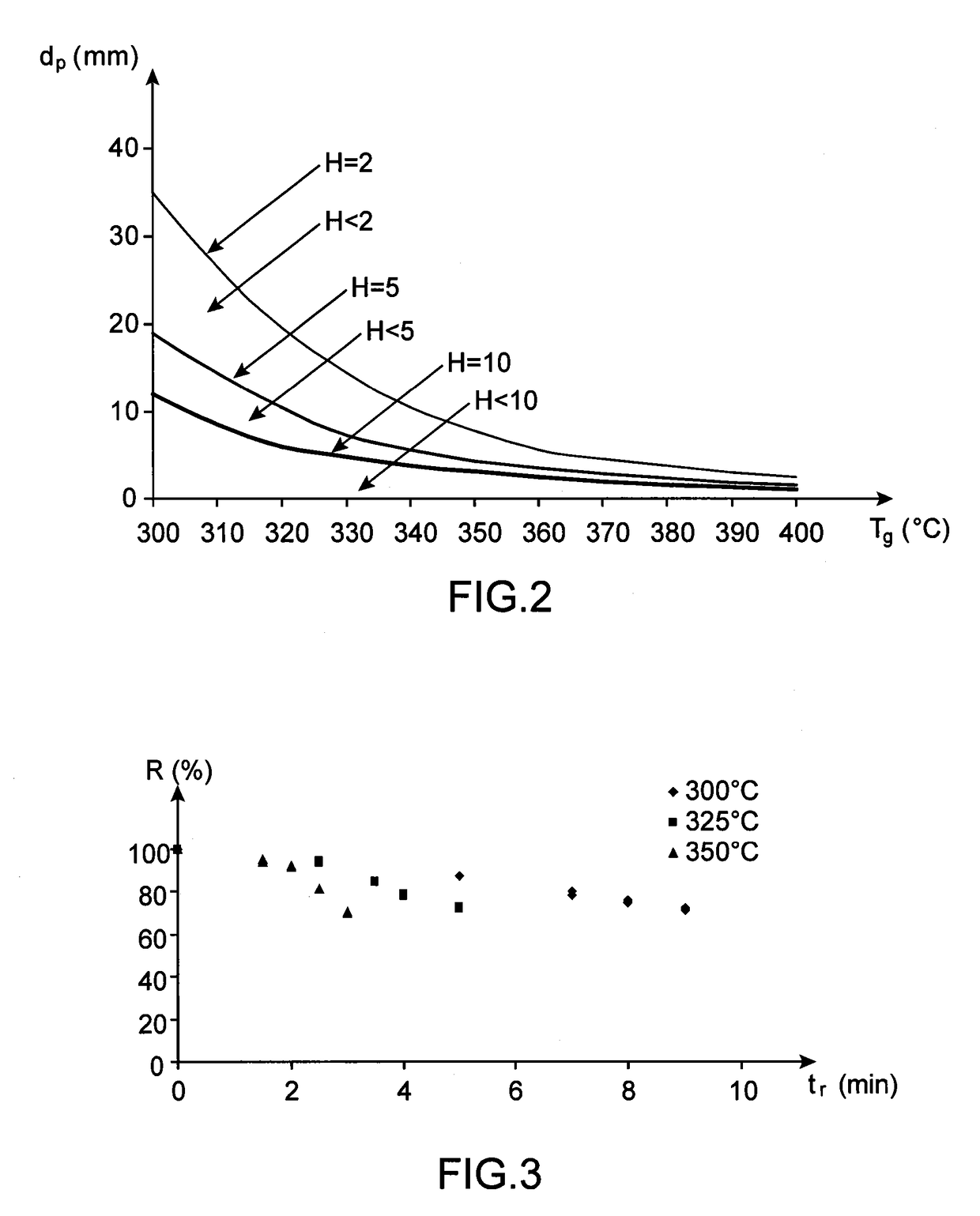
- A process that controls torrefaction by measuring the mean diameter of biomass particles and computing a maximum torrefaction temperature based on a predefined heat transfer ratio, setting the torrefaction temperature to this maximum value, and determining the torrefaction time to achieve a target final mass yield, thereby optimizing temperature and time to enhance homogeneity and reduce costs.

Environmental Regulations and Carbon Credit Policies
The regulatory landscape surrounding biochar production through torrefaction processes is rapidly evolving as governments worldwide recognize both the environmental benefits and potential risks associated with biomass conversion technologies. Current environmental regulations primarily focus on air quality standards, waste management protocols, and emissions control requirements that directly impact torrefaction facility operations.
Air quality regulations mandate strict monitoring of volatile organic compounds, particulate matter, and other atmospheric emissions generated during the torrefaction process. The Environmental Protection Agency and equivalent international bodies have established specific emission thresholds that facilities must maintain, requiring advanced filtration systems and continuous monitoring equipment. These regulations significantly influence the selection of optimal process parameters, as higher torrefaction temperatures may increase emissions while potentially improving biochar yield and quality.
Waste management regulations govern the handling of feedstock materials and byproducts, establishing guidelines for biomass sourcing, storage, and processing. These frameworks ensure that torrefaction operations do not inadvertently create environmental hazards while converting agricultural residues, forestry waste, or dedicated energy crops into biochar. Compliance requirements often necessitate specific temperature and residence time combinations that balance regulatory adherence with production efficiency.
Carbon credit policies represent a transformative opportunity for biochar production facilities, as many jurisdictions now recognize biochar as a legitimate carbon sequestration technology. The voluntary carbon market and emerging compliance markets offer financial incentives for verified carbon removal through biochar production and application. These policies typically require detailed documentation of carbon content, stability, and long-term sequestration potential, directly influencing optimal torrefaction parameters.
Recent policy developments include the inclusion of biochar in national climate strategies and the establishment of standardized measurement, reporting, and verification protocols for carbon credits. The European Union's Green Deal and similar initiatives in North America and Asia are creating substantial market opportunities for high-quality biochar producers who can demonstrate measurable climate benefits.
The intersection of environmental regulations and carbon credit policies creates a complex optimization challenge for torrefaction processes. Facilities must balance regulatory compliance costs with carbon credit revenue potential while maintaining economically viable production parameters. This regulatory environment increasingly favors operations that can demonstrate superior environmental performance through optimized process control and comprehensive monitoring systems.
Economic Feasibility and Cost-Benefit Analysis
The economic feasibility of optimizing torrefaction process parameters for high-yield biochar production presents a compelling investment opportunity with multiple revenue streams and cost-saving mechanisms. Initial capital expenditure requirements include torrefaction reactor systems, temperature and residence time control equipment, feedstock preparation machinery, and product handling facilities. Equipment costs typically range from $500,000 to $2 million for commercial-scale operations, depending on processing capacity and automation levels.
Operational cost structures encompass energy consumption for heating and process control, raw biomass feedstock procurement, labor requirements, and maintenance expenses. Energy costs represent the largest operational component, accounting for 40-60% of total production costs. However, optimized process parameters can significantly reduce energy intensity through improved heat recovery systems and precise temperature control, potentially decreasing energy costs by 15-25% compared to non-optimized operations.
Revenue generation opportunities span multiple market segments including agricultural soil amendment, carbon sequestration credits, water filtration applications, and energy storage materials. Premium biochar products command prices ranging from $300 to $1,200 per ton, depending on quality specifications and target applications. Carbon credit markets offer additional revenue potential, with biochar-based carbon removal credits trading at $100-400 per ton of CO2 equivalent.
Cost-benefit analysis indicates favorable economic returns under optimized conditions. Payback periods typically range from 3-7 years for commercial operations, with internal rates of return exceeding 15-20% when process parameters are properly optimized for maximum yield and quality. Sensitivity analysis reveals that feedstock costs and biochar selling prices represent the most critical variables affecting profitability.
Risk mitigation strategies include diversified feedstock sourcing, flexible product portfolio development, and strategic partnerships with end-users. Government incentives and environmental regulations supporting carbon reduction initiatives further enhance economic attractiveness, providing additional financial benefits through tax credits and regulatory compliance advantages.