Optimize Valve Integration into Legacy Systems
MAR 8, 20269 MIN READ
Generate Your Research Report Instantly with AI Agent
Patsnap Eureka helps you evaluate technical feasibility & market potential.
Legacy Valve Integration Background and Objectives
The integration of modern valve technologies into legacy industrial systems represents a critical challenge facing numerous industries worldwide. Legacy systems, often characterized by decades-old infrastructure and proprietary control protocols, continue to operate in sectors ranging from oil and gas to water treatment and manufacturing. These systems frequently rely on pneumatic or basic electric valve actuators that lack the sophisticated monitoring, control, and communication capabilities demanded by contemporary industrial automation standards.
The evolution of valve technology has progressed significantly from simple on-off mechanical devices to intelligent, networked components capable of precise positioning, real-time diagnostics, and predictive maintenance capabilities. Modern smart valves incorporate advanced sensors, digital communication protocols, and embedded processing power that enable seamless integration with Industrial Internet of Things (IIoT) platforms and enterprise resource planning systems.
However, the transition from legacy valve systems presents substantial technical and economic challenges. Many existing installations utilize proprietary communication protocols, non-standard mounting configurations, and control logic that cannot easily accommodate modern valve technologies. The cost of complete system replacement often proves prohibitive, particularly for large-scale industrial facilities with hundreds or thousands of valve installations.
The primary objective of optimizing valve integration into legacy systems centers on developing cost-effective retrofit solutions that preserve existing infrastructure investments while enabling advanced functionality. This involves creating adaptive interface technologies that can bridge the communication gap between legacy control systems and modern smart valves, ensuring backward compatibility while unlocking enhanced operational capabilities.
Key technical objectives include establishing reliable data exchange protocols between disparate system architectures, implementing scalable upgrade pathways that allow phased modernization, and developing standardized integration frameworks that reduce implementation complexity and costs. Additionally, the integration strategy must address cybersecurity concerns inherent in connecting legacy systems to modern networked devices.
The ultimate goal encompasses achieving improved operational efficiency, enhanced safety monitoring, reduced maintenance costs, and increased system reliability through strategic valve modernization initiatives that respect existing infrastructure constraints while positioning organizations for future technological advancement.
The evolution of valve technology has progressed significantly from simple on-off mechanical devices to intelligent, networked components capable of precise positioning, real-time diagnostics, and predictive maintenance capabilities. Modern smart valves incorporate advanced sensors, digital communication protocols, and embedded processing power that enable seamless integration with Industrial Internet of Things (IIoT) platforms and enterprise resource planning systems.
However, the transition from legacy valve systems presents substantial technical and economic challenges. Many existing installations utilize proprietary communication protocols, non-standard mounting configurations, and control logic that cannot easily accommodate modern valve technologies. The cost of complete system replacement often proves prohibitive, particularly for large-scale industrial facilities with hundreds or thousands of valve installations.
The primary objective of optimizing valve integration into legacy systems centers on developing cost-effective retrofit solutions that preserve existing infrastructure investments while enabling advanced functionality. This involves creating adaptive interface technologies that can bridge the communication gap between legacy control systems and modern smart valves, ensuring backward compatibility while unlocking enhanced operational capabilities.
Key technical objectives include establishing reliable data exchange protocols between disparate system architectures, implementing scalable upgrade pathways that allow phased modernization, and developing standardized integration frameworks that reduce implementation complexity and costs. Additionally, the integration strategy must address cybersecurity concerns inherent in connecting legacy systems to modern networked devices.
The ultimate goal encompasses achieving improved operational efficiency, enhanced safety monitoring, reduced maintenance costs, and increased system reliability through strategic valve modernization initiatives that respect existing infrastructure constraints while positioning organizations for future technological advancement.
Market Demand for Legacy System Valve Upgrades
The global industrial automation market continues to experience robust growth, driven by increasing demands for operational efficiency, regulatory compliance, and digital transformation initiatives. Legacy industrial systems, particularly those in manufacturing, oil and gas, chemical processing, and power generation sectors, represent a substantial portion of existing infrastructure that requires modernization to meet contemporary performance standards.
Manufacturing facilities worldwide face mounting pressure to enhance productivity while reducing operational costs and environmental impact. Legacy valve systems in these environments often lack the precision control, real-time monitoring capabilities, and integration features necessary for modern production requirements. The demand for valve upgrades stems from the need to achieve tighter process control, reduce energy consumption, and minimize unplanned downtime.
The oil and gas industry presents significant opportunities for valve integration solutions, as aging infrastructure requires modernization to comply with evolving safety regulations and environmental standards. Offshore platforms, refineries, and pipeline systems built decades ago increasingly need advanced valve technologies that can provide remote monitoring, predictive maintenance capabilities, and enhanced safety features while maintaining compatibility with existing control architectures.
Chemical processing facilities demonstrate particularly strong demand for valve upgrade solutions due to stringent safety requirements and the need for precise process control. Legacy systems in these environments must be enhanced to support advanced process optimization, improved safety interlocks, and comprehensive data logging capabilities without disrupting critical production processes.
Power generation facilities, including both conventional and renewable energy installations, require valve upgrades to improve efficiency and meet grid reliability standards. The integration of smart valve technologies into existing power plant infrastructure enables better load management, reduced maintenance costs, and enhanced operational flexibility.
Regulatory compliance drivers significantly influence market demand, as industries face increasingly stringent environmental and safety regulations. Legacy systems must be upgraded to meet current emission standards, safety protocols, and reporting requirements, creating sustained demand for compatible valve integration solutions.
The emergence of Industry 4.0 concepts accelerates demand for valve upgrades that enable connectivity, data analytics, and predictive maintenance capabilities. Organizations seek solutions that can bridge the gap between legacy infrastructure and modern digital ecosystems without requiring complete system replacements.
Cost considerations play a crucial role in market dynamics, as organizations prefer upgrade solutions that deliver measurable returns on investment through improved efficiency, reduced maintenance costs, and extended equipment lifecycles while minimizing capital expenditure compared to complete system overhauls.
Manufacturing facilities worldwide face mounting pressure to enhance productivity while reducing operational costs and environmental impact. Legacy valve systems in these environments often lack the precision control, real-time monitoring capabilities, and integration features necessary for modern production requirements. The demand for valve upgrades stems from the need to achieve tighter process control, reduce energy consumption, and minimize unplanned downtime.
The oil and gas industry presents significant opportunities for valve integration solutions, as aging infrastructure requires modernization to comply with evolving safety regulations and environmental standards. Offshore platforms, refineries, and pipeline systems built decades ago increasingly need advanced valve technologies that can provide remote monitoring, predictive maintenance capabilities, and enhanced safety features while maintaining compatibility with existing control architectures.
Chemical processing facilities demonstrate particularly strong demand for valve upgrade solutions due to stringent safety requirements and the need for precise process control. Legacy systems in these environments must be enhanced to support advanced process optimization, improved safety interlocks, and comprehensive data logging capabilities without disrupting critical production processes.
Power generation facilities, including both conventional and renewable energy installations, require valve upgrades to improve efficiency and meet grid reliability standards. The integration of smart valve technologies into existing power plant infrastructure enables better load management, reduced maintenance costs, and enhanced operational flexibility.
Regulatory compliance drivers significantly influence market demand, as industries face increasingly stringent environmental and safety regulations. Legacy systems must be upgraded to meet current emission standards, safety protocols, and reporting requirements, creating sustained demand for compatible valve integration solutions.
The emergence of Industry 4.0 concepts accelerates demand for valve upgrades that enable connectivity, data analytics, and predictive maintenance capabilities. Organizations seek solutions that can bridge the gap between legacy infrastructure and modern digital ecosystems without requiring complete system replacements.
Cost considerations play a crucial role in market dynamics, as organizations prefer upgrade solutions that deliver measurable returns on investment through improved efficiency, reduced maintenance costs, and extended equipment lifecycles while minimizing capital expenditure compared to complete system overhauls.
Current Valve Integration Challenges in Legacy Systems
Legacy industrial systems present significant obstacles when attempting to integrate modern valve technologies, primarily due to fundamental incompatibilities between decades-old infrastructure and contemporary automation standards. These systems, often built between the 1970s and 1990s, rely on proprietary communication protocols, analog control signals, and mechanical interfaces that were never designed to accommodate today's smart valve solutions.
Communication protocol mismatches represent the most pervasive challenge in valve integration projects. Legacy systems typically operate on outdated fieldbus protocols such as early versions of Modbus, proprietary manufacturer-specific networks, or simple 4-20mA analog loops. Modern intelligent valves, however, utilize advanced digital protocols like HART, Foundation Fieldbus, or Profibus, creating a fundamental communication barrier that requires extensive protocol conversion and signal conditioning equipment.
Physical interface incompatibilities compound integration difficulties significantly. Legacy systems often feature non-standard mounting configurations, obsolete electrical connections, and mechanical coupling systems that do not align with current valve designs. The physical space constraints within existing installations frequently prevent direct replacement, necessitating costly modifications to piping, electrical cabinets, and support structures.
Control system architecture limitations pose another critical challenge. Older distributed control systems lack the computational power and memory capacity required to process advanced valve diagnostics, predictive maintenance data, and complex control algorithms. These systems cannot fully utilize the enhanced capabilities of modern smart valves, effectively limiting the return on investment for integration projects.
Power supply and electrical infrastructure constraints create additional integration barriers. Legacy systems may provide inadequate power levels, incompatible voltage standards, or insufficient electrical isolation for modern valve actuators and positioners. Grounding schemes and electrical safety standards have evolved significantly, requiring comprehensive electrical system upgrades to ensure safe and reliable operation.
Software compatibility issues further complicate integration efforts. Legacy human-machine interfaces and engineering software platforms cannot interpret or display advanced valve diagnostic information, limiting operators' ability to monitor and maintain integrated systems effectively. The lack of cybersecurity features in older systems also creates vulnerabilities when connecting to network-enabled modern valves.
Maintenance and support challenges emerge from the hybrid nature of integrated systems. Technicians must possess expertise in both legacy and modern technologies, while spare parts availability becomes increasingly problematic as older system components reach end-of-life status. Documentation gaps and knowledge transfer issues compound these operational difficulties, particularly as experienced personnel retire.
Communication protocol mismatches represent the most pervasive challenge in valve integration projects. Legacy systems typically operate on outdated fieldbus protocols such as early versions of Modbus, proprietary manufacturer-specific networks, or simple 4-20mA analog loops. Modern intelligent valves, however, utilize advanced digital protocols like HART, Foundation Fieldbus, or Profibus, creating a fundamental communication barrier that requires extensive protocol conversion and signal conditioning equipment.
Physical interface incompatibilities compound integration difficulties significantly. Legacy systems often feature non-standard mounting configurations, obsolete electrical connections, and mechanical coupling systems that do not align with current valve designs. The physical space constraints within existing installations frequently prevent direct replacement, necessitating costly modifications to piping, electrical cabinets, and support structures.
Control system architecture limitations pose another critical challenge. Older distributed control systems lack the computational power and memory capacity required to process advanced valve diagnostics, predictive maintenance data, and complex control algorithms. These systems cannot fully utilize the enhanced capabilities of modern smart valves, effectively limiting the return on investment for integration projects.
Power supply and electrical infrastructure constraints create additional integration barriers. Legacy systems may provide inadequate power levels, incompatible voltage standards, or insufficient electrical isolation for modern valve actuators and positioners. Grounding schemes and electrical safety standards have evolved significantly, requiring comprehensive electrical system upgrades to ensure safe and reliable operation.
Software compatibility issues further complicate integration efforts. Legacy human-machine interfaces and engineering software platforms cannot interpret or display advanced valve diagnostic information, limiting operators' ability to monitor and maintain integrated systems effectively. The lack of cybersecurity features in older systems also creates vulnerabilities when connecting to network-enabled modern valves.
Maintenance and support challenges emerge from the hybrid nature of integrated systems. Technicians must possess expertise in both legacy and modern technologies, while spare parts availability becomes increasingly problematic as older system components reach end-of-life status. Documentation gaps and knowledge transfer issues compound these operational difficulties, particularly as experienced personnel retire.
Existing Legacy System Valve Integration Solutions
01 Integrated valve body design
Integration of multiple valve functions into a single valve body structure to reduce component count and simplify assembly. This approach combines flow control, pressure regulation, and directional control within one compact unit, improving space efficiency and reducing potential leak points. The integrated design minimizes connections between separate components and enhances overall system reliability.- Integrated valve body design: Integration of multiple valve components into a single valve body structure to reduce assembly complexity and improve compactness. This approach combines various valve elements such as seats, ports, and passages within a unified housing, eliminating the need for separate components and reducing potential leak points. The integrated design enhances structural integrity and simplifies manufacturing processes.
- Valve integration with actuator systems: Direct integration of valve mechanisms with actuator components including electric motors, solenoids, or pneumatic drives. This integration eliminates external connections and reduces response time by positioning the actuator directly within or adjacent to the valve assembly. The combined unit provides improved control precision and reduced installation space requirements.
- Multi-function integrated valve assemblies: Valve systems that integrate multiple functions such as flow control, pressure regulation, and directional control within a single assembly. These designs incorporate various valve types and control mechanisms to perform multiple operations simultaneously, reducing the number of discrete components in fluid systems and improving overall system efficiency.
- Integrated valve manifold systems: Manifold structures that integrate multiple valve ports and passages into a single block or housing. This configuration allows for centralized fluid distribution and control, with integrated channels replacing external piping. The manifold design reduces installation time, minimizes leak points, and provides compact solutions for complex fluid control applications.
- Integrated valve sensing and feedback systems: Integration of sensors and feedback mechanisms directly into valve assemblies for real-time monitoring and control. These systems incorporate position sensors, pressure transducers, or flow meters within the valve structure to provide immediate feedback on valve status and performance. The integrated sensing enables closed-loop control and improved system diagnostics.
02 Valve integration with actuators and sensors
Combining valve mechanisms with electronic actuators and sensing elements to create smart valve assemblies. This integration enables real-time monitoring and control of flow parameters, allowing for automated adjustment based on system conditions. The unified design reduces installation complexity and improves response time for control systems.Expand Specific Solutions03 Manifold-integrated valve systems
Integration of multiple valves into a common manifold block to create centralized fluid distribution systems. This configuration allows for compact arrangement of valve functions with shared inlet and outlet ports, reducing piping requirements and installation space. The manifold design facilitates easier maintenance and system expansion.Expand Specific Solutions04 Cartridge valve integration
Use of standardized cartridge valve elements that can be integrated into various housing configurations for modular system design. This approach allows for flexible valve function combinations and simplified replacement procedures. The cartridge design enables easy customization of valve assemblies for different applications while maintaining interchangeability.Expand Specific Solutions05 Compact multi-way valve integration
Integration of multiple flow paths and switching functions within a single compact valve housing to enable complex flow routing. This design consolidates several discrete valves into one unit, reducing system footprint and weight. The multi-way configuration provides versatile flow control options while minimizing external connections and potential failure points.Expand Specific Solutions
Key Players in Industrial Valve and Automation Industry
The valve integration into legacy systems market represents a mature industrial sector experiencing steady growth driven by digital transformation initiatives across manufacturing, energy, and infrastructure industries. The market demonstrates significant scale with established players spanning multiple verticals, from industrial automation giants like Siemens AG and Continental Automotive GmbH to specialized valve manufacturers such as Hans Sasserath & Co. KG and Festo SE & Co. KG. Technology maturity varies considerably across the competitive landscape, with traditional industrial companies like Caterpillar Inc. and Air Liquide SA focusing on mechanical integration solutions, while technology leaders including IBM Corp., Accenture Global Solutions Ltd., and Tata Consultancy Services Ltd. are advancing smart valve technologies incorporating IoT connectivity and predictive analytics. The convergence of operational technology with information technology is creating new opportunities for companies like Nutanix Inc. and MediaTek Inc. to provide cloud-based integration platforms and embedded processing solutions for next-generation valve systems.
Caterpillar, Inc.
Technical Solution: Caterpillar has developed valve integration solutions specifically for heavy machinery and industrial equipment operating in harsh environments. Their approach focuses on hydraulic and pneumatic valve systems integration using robust communication interfaces and adaptive control algorithms. The company's Cat Connect technology platform enables remote monitoring and control of valve operations in legacy equipment through retrofitted sensors and communication modules. Their integration methodology emphasizes backward compatibility while introducing modern diagnostic capabilities, predictive maintenance features, and enhanced safety protocols for existing machinery fleets.
Strengths: Specialized expertise in heavy-duty applications, proven durability in harsh conditions, strong aftermarket support network. Weaknesses: Limited to specific industrial sectors, higher costs for specialized components, complex installation procedures.
Exxonmobil Upstream Research Co.
Technical Solution: ExxonMobil has developed valve integration methodologies specifically for oil and gas operations, focusing on safety-critical applications and harsh environmental conditions. Their approach utilizes advanced control algorithms and communication protocols to integrate modern smart valves with existing SCADA systems and distributed control networks. The integration framework includes real-time monitoring capabilities, emergency shutdown protocols, and predictive maintenance algorithms designed for upstream operations. Their solutions emphasize reliability, safety compliance, and minimal downtime during integration processes, utilizing redundant communication paths and fail-safe mechanisms.
Strengths: Deep industry expertise in oil and gas, focus on safety-critical applications, proven reliability in extreme conditions. Weaknesses: Highly specialized for energy sector, limited applicability to other industries, extensive regulatory compliance requirements.
Core Technologies for Seamless Valve Integration
Method and apparatus for reengineering legacy systems for seamless interaction with distributed component systems
PatentInactiveUS20030055921A1
Innovation
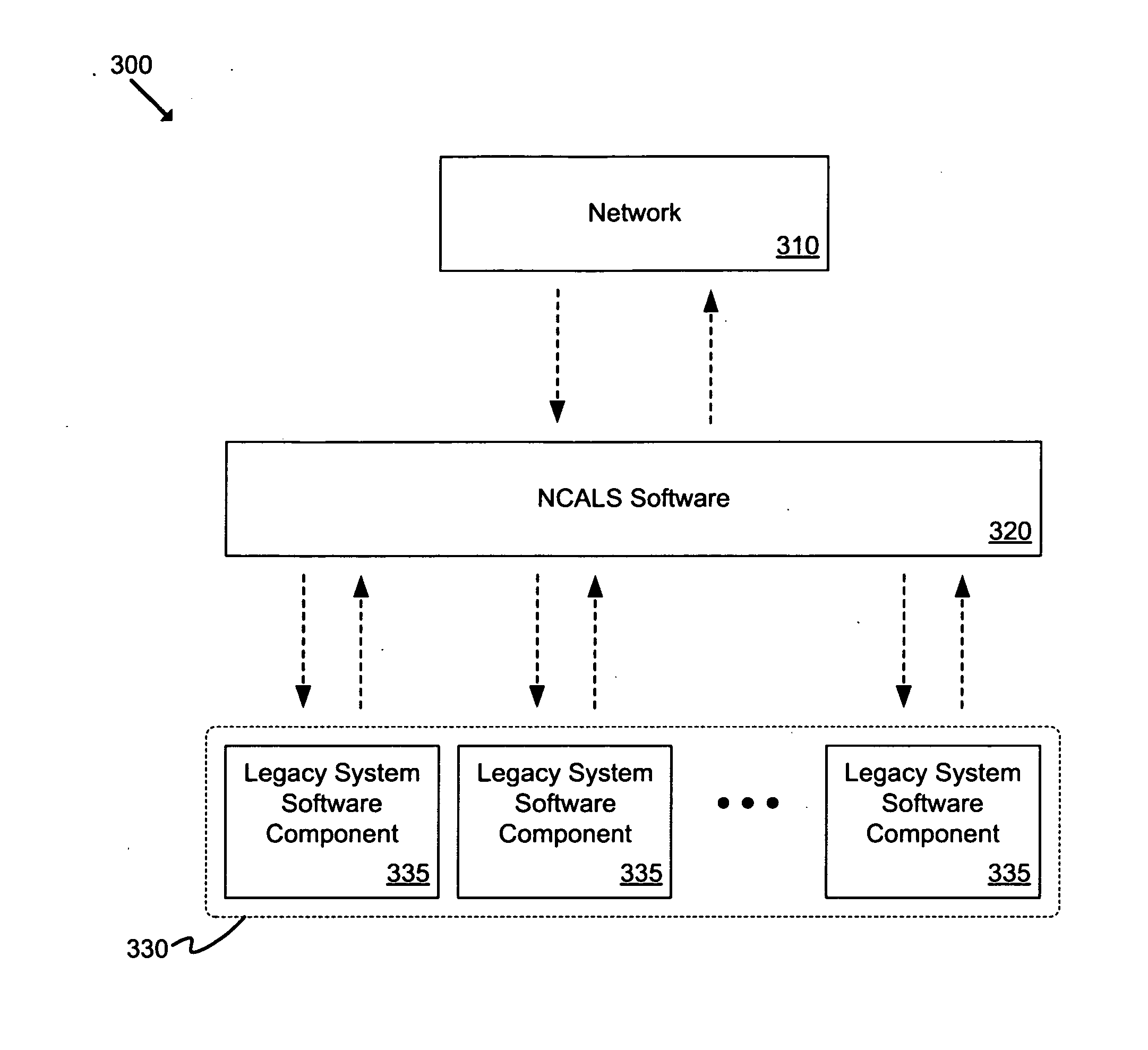
- A system architecture that includes a data reconciliation bus, component wrappers, and a connectivity bus to facilitate bi-directional interaction between legacy and component systems, enabling data integration and functional extension without requiring significant redevelopment, using an object-oriented approach to resolve heterogeneous data formats and platform differences.


Net-centric adapter for interfacing enterprises systems to legacy systems
PatentInactiveUS20140201418A1
Innovation
- A configurable system with multiple adapters that interface with both enterprise and legacy systems, allowing for data translation and integration without requiring uniquely developed components, and enabling rapid creation of customized adapters using a library of standard sub-components, thereby simplifying the development of interfaces and supporting various security constraints.

Industrial Safety Standards for Valve Integration
Industrial safety standards for valve integration represent a critical framework governing the secure incorporation of valve systems into existing industrial infrastructure. These standards encompass comprehensive guidelines that address mechanical integrity, operational safety, and regulatory compliance requirements across various industrial sectors including oil and gas, chemical processing, power generation, and manufacturing facilities.
The foundation of valve integration safety standards rests upon established international frameworks such as API (American Petroleum Institute) standards, ASME (American Society of Mechanical Engineers) codes, and IEC (International Electrotechnical Commission) specifications. These standards mandate rigorous testing protocols, material specifications, and performance criteria that ensure valve systems can withstand operational pressures, temperature variations, and environmental conditions while maintaining fail-safe operation modes.
Pressure integrity standards constitute a fundamental aspect of valve integration safety, requiring comprehensive pressure testing, leak detection protocols, and burst pressure certifications. These requirements become particularly stringent when integrating modern valve technologies into legacy systems that may operate under different pressure classifications or utilize outdated sealing technologies.
Electrical safety standards for valve integration focus on explosion-proof certifications, intrinsic safety ratings, and electromagnetic compatibility requirements. Modern smart valves and actuators must comply with ATEX directives in European markets and NEC classifications in North American applications, ensuring safe operation in potentially hazardous atmospheres where flammable gases or combustible dust may be present.
Functional safety standards, particularly SIL (Safety Integrity Level) requirements defined in IEC 61508 and IEC 61511, establish critical performance benchmarks for valve systems integrated into safety instrumented systems. These standards mandate specific failure rates, diagnostic coverage requirements, and proof test intervals that directly impact system reliability and operational safety margins.
Environmental and cybersecurity standards have emerged as increasingly important considerations for valve integration projects. Modern connected valve systems must comply with industrial cybersecurity frameworks such as IEC 62443, ensuring secure communication protocols and protection against cyber threats that could compromise operational safety or system integrity in legacy industrial environments.
The foundation of valve integration safety standards rests upon established international frameworks such as API (American Petroleum Institute) standards, ASME (American Society of Mechanical Engineers) codes, and IEC (International Electrotechnical Commission) specifications. These standards mandate rigorous testing protocols, material specifications, and performance criteria that ensure valve systems can withstand operational pressures, temperature variations, and environmental conditions while maintaining fail-safe operation modes.
Pressure integrity standards constitute a fundamental aspect of valve integration safety, requiring comprehensive pressure testing, leak detection protocols, and burst pressure certifications. These requirements become particularly stringent when integrating modern valve technologies into legacy systems that may operate under different pressure classifications or utilize outdated sealing technologies.
Electrical safety standards for valve integration focus on explosion-proof certifications, intrinsic safety ratings, and electromagnetic compatibility requirements. Modern smart valves and actuators must comply with ATEX directives in European markets and NEC classifications in North American applications, ensuring safe operation in potentially hazardous atmospheres where flammable gases or combustible dust may be present.
Functional safety standards, particularly SIL (Safety Integrity Level) requirements defined in IEC 61508 and IEC 61511, establish critical performance benchmarks for valve systems integrated into safety instrumented systems. These standards mandate specific failure rates, diagnostic coverage requirements, and proof test intervals that directly impact system reliability and operational safety margins.
Environmental and cybersecurity standards have emerged as increasingly important considerations for valve integration projects. Modern connected valve systems must comply with industrial cybersecurity frameworks such as IEC 62443, ensuring secure communication protocols and protection against cyber threats that could compromise operational safety or system integrity in legacy industrial environments.
Cost-Benefit Analysis of Legacy Valve Modernization
The economic evaluation of legacy valve modernization presents a complex landscape of initial investments versus long-term operational benefits. Traditional valve systems in industrial facilities typically operate for 15-25 years, during which maintenance costs can accumulate to 200-300% of the original equipment value. Modern valve integration solutions require upfront capital expenditures ranging from $50,000 to $500,000 per system, depending on complexity and scale.
Initial investment components include hardware procurement, software licensing, system integration services, and employee training programs. Smart valve actuators with integrated sensors cost approximately 40-60% more than conventional alternatives, while control system upgrades can require additional 20-30% investment in infrastructure modifications. However, these costs must be weighed against substantial operational savings.
Operational benefits manifest through reduced maintenance requirements, improved energy efficiency, and enhanced process control accuracy. Predictive maintenance capabilities can decrease unplanned downtime by 35-50%, translating to significant production continuity improvements. Energy consumption typically reduces by 15-25% through optimized valve positioning and flow control algorithms.
Labor cost reductions represent another significant benefit category. Automated valve monitoring eliminates routine manual inspections, reducing maintenance workforce requirements by 20-30%. Remote diagnostic capabilities minimize on-site troubleshooting time, while centralized control systems enable operators to manage larger facility areas more effectively.
Risk mitigation benefits include reduced safety incidents through automated emergency shutdown systems and improved regulatory compliance through enhanced documentation and monitoring capabilities. Insurance premium reductions of 5-10% are commonly achievable with documented safety system improvements.
Payback periods for comprehensive valve modernization projects typically range from 2.5 to 4.5 years, with net present value calculations showing positive returns over 10-year evaluation periods. Projects focusing on critical process applications or high-maintenance valve clusters often achieve faster payback through concentrated benefit realization.
Initial investment components include hardware procurement, software licensing, system integration services, and employee training programs. Smart valve actuators with integrated sensors cost approximately 40-60% more than conventional alternatives, while control system upgrades can require additional 20-30% investment in infrastructure modifications. However, these costs must be weighed against substantial operational savings.
Operational benefits manifest through reduced maintenance requirements, improved energy efficiency, and enhanced process control accuracy. Predictive maintenance capabilities can decrease unplanned downtime by 35-50%, translating to significant production continuity improvements. Energy consumption typically reduces by 15-25% through optimized valve positioning and flow control algorithms.
Labor cost reductions represent another significant benefit category. Automated valve monitoring eliminates routine manual inspections, reducing maintenance workforce requirements by 20-30%. Remote diagnostic capabilities minimize on-site troubleshooting time, while centralized control systems enable operators to manage larger facility areas more effectively.
Risk mitigation benefits include reduced safety incidents through automated emergency shutdown systems and improved regulatory compliance through enhanced documentation and monitoring capabilities. Insurance premium reductions of 5-10% are commonly achievable with documented safety system improvements.
Payback periods for comprehensive valve modernization projects typically range from 2.5 to 4.5 years, with net present value calculations showing positive returns over 10-year evaluation periods. Projects focusing on critical process applications or high-maintenance valve clusters often achieve faster payback through concentrated benefit realization.
Unlock deeper insights with Patsnap Eureka Quick Research — get a full tech report to explore trends and direct your research. Try now!
Generate Your Research Report Instantly with AI Agent
Supercharge your innovation with Patsnap Eureka AI Agent Platform!