

Optimize VRLA Battery Energy Integration for Telecom Use
MAR 20, 20269 MIN READ
Generate Your Research Report Instantly with AI Agent
PatSnap Eureka helps you evaluate technical feasibility & market potential.
VRLA Battery Telecom Integration Background and Objectives
Valve Regulated Lead Acid (VRLA) batteries have emerged as a cornerstone technology in telecommunications infrastructure, representing a critical evolution from traditional flooded lead-acid systems. The telecommunications industry's exponential growth, driven by 5G deployment, IoT expansion, and increasing data consumption, has created unprecedented demands for reliable, efficient, and scalable backup power solutions. VRLA batteries address these needs through their sealed construction, maintenance-free operation, and superior performance characteristics in confined spaces typical of telecom installations.
The historical development of VRLA technology traces back to the 1970s, with significant advancements in valve regulation mechanisms and electrolyte immobilization techniques. Early implementations focused primarily on uninterruptible power supply applications, but the technology rapidly gained traction in telecommunications due to its inherent advantages over conventional battery systems. The sealed design eliminates acid spillage risks, reduces ventilation requirements, and enables flexible installation orientations, making VRLA batteries particularly suitable for remote cell towers, data centers, and urban telecom facilities.
Current technological evolution in VRLA battery systems emphasizes enhanced energy density, extended cycle life, and improved thermal management capabilities. Advanced grid alloy compositions, optimized separator materials, and sophisticated charging algorithms have collectively pushed the boundaries of what VRLA technology can achieve in telecom applications. The integration of smart monitoring systems and predictive maintenance capabilities represents the latest frontier in VRLA battery optimization.
The primary objective of optimizing VRLA battery energy integration for telecom use centers on achieving maximum system reliability while minimizing total cost of ownership. This encompasses several critical goals: extending battery service life through intelligent charge management, improving energy efficiency to reduce operational costs, enhancing system monitoring capabilities for proactive maintenance, and ensuring seamless integration with existing telecom power infrastructure.
Secondary objectives include reducing the physical footprint of battery installations to accommodate space-constrained telecom sites, improving temperature tolerance to handle diverse environmental conditions, and developing modular architectures that support scalable capacity expansion. The ultimate goal is creating a holistic energy storage solution that not only meets current telecom power requirements but also adapts to future technological demands and regulatory standards.
The historical development of VRLA technology traces back to the 1970s, with significant advancements in valve regulation mechanisms and electrolyte immobilization techniques. Early implementations focused primarily on uninterruptible power supply applications, but the technology rapidly gained traction in telecommunications due to its inherent advantages over conventional battery systems. The sealed design eliminates acid spillage risks, reduces ventilation requirements, and enables flexible installation orientations, making VRLA batteries particularly suitable for remote cell towers, data centers, and urban telecom facilities.
Current technological evolution in VRLA battery systems emphasizes enhanced energy density, extended cycle life, and improved thermal management capabilities. Advanced grid alloy compositions, optimized separator materials, and sophisticated charging algorithms have collectively pushed the boundaries of what VRLA technology can achieve in telecom applications. The integration of smart monitoring systems and predictive maintenance capabilities represents the latest frontier in VRLA battery optimization.
The primary objective of optimizing VRLA battery energy integration for telecom use centers on achieving maximum system reliability while minimizing total cost of ownership. This encompasses several critical goals: extending battery service life through intelligent charge management, improving energy efficiency to reduce operational costs, enhancing system monitoring capabilities for proactive maintenance, and ensuring seamless integration with existing telecom power infrastructure.
Secondary objectives include reducing the physical footprint of battery installations to accommodate space-constrained telecom sites, improving temperature tolerance to handle diverse environmental conditions, and developing modular architectures that support scalable capacity expansion. The ultimate goal is creating a holistic energy storage solution that not only meets current telecom power requirements but also adapts to future technological demands and regulatory standards.
Telecom Energy Storage Market Demand Analysis
The global telecommunications industry is experiencing unprecedented growth in data consumption, driven by the proliferation of 5G networks, IoT devices, and cloud-based services. This expansion has created substantial demand for reliable backup power solutions, particularly VRLA batteries, which serve as critical infrastructure components ensuring uninterrupted service delivery during power outages and grid instabilities.
Telecom operators worldwide are increasingly prioritizing energy storage optimization as network densification accelerates. The deployment of small cells, distributed antenna systems, and edge computing facilities has multiplied the number of sites requiring backup power solutions. Each new installation represents a potential market opportunity for advanced VRLA battery integration systems that can deliver enhanced performance while reducing operational costs.
The shift toward renewable energy integration in telecom infrastructure has further amplified market demand for sophisticated energy storage solutions. Operators are seeking battery systems capable of seamlessly managing hybrid power configurations that combine grid electricity, solar panels, and backup generators. This trend has created specific requirements for VRLA batteries with improved charge acceptance, deeper discharge capabilities, and enhanced cycle life performance.
Emerging markets represent particularly strong growth segments for telecom energy storage solutions. Regions with unreliable grid infrastructure, including parts of Africa, Southeast Asia, and Latin America, demonstrate acute need for robust backup power systems. These markets often experience extended power outages, making battery optimization crucial for maintaining service quality and network availability.
The increasing focus on total cost of ownership has transformed purchasing decisions within the telecom sector. Operators are moving beyond initial capital expenditure considerations to evaluate long-term operational efficiency, maintenance requirements, and replacement cycles. This shift has created demand for VRLA battery solutions that offer predictive monitoring capabilities, remote management features, and extended service life.
Environmental regulations and sustainability commitments are also shaping market demand patterns. Telecom companies are under pressure to reduce their carbon footprint while maintaining operational excellence. This has generated interest in energy storage solutions that maximize efficiency, minimize waste heat generation, and support circular economy principles through improved recyclability and longer operational lifespans.
The competitive landscape continues to evolve as traditional telecom equipment vendors, battery manufacturers, and energy management specialists converge to address these market opportunities. This convergence is driving innovation in integrated solutions that combine advanced battery chemistry, intelligent power management, and predictive analytics capabilities.
Telecom operators worldwide are increasingly prioritizing energy storage optimization as network densification accelerates. The deployment of small cells, distributed antenna systems, and edge computing facilities has multiplied the number of sites requiring backup power solutions. Each new installation represents a potential market opportunity for advanced VRLA battery integration systems that can deliver enhanced performance while reducing operational costs.
The shift toward renewable energy integration in telecom infrastructure has further amplified market demand for sophisticated energy storage solutions. Operators are seeking battery systems capable of seamlessly managing hybrid power configurations that combine grid electricity, solar panels, and backup generators. This trend has created specific requirements for VRLA batteries with improved charge acceptance, deeper discharge capabilities, and enhanced cycle life performance.
Emerging markets represent particularly strong growth segments for telecom energy storage solutions. Regions with unreliable grid infrastructure, including parts of Africa, Southeast Asia, and Latin America, demonstrate acute need for robust backup power systems. These markets often experience extended power outages, making battery optimization crucial for maintaining service quality and network availability.
The increasing focus on total cost of ownership has transformed purchasing decisions within the telecom sector. Operators are moving beyond initial capital expenditure considerations to evaluate long-term operational efficiency, maintenance requirements, and replacement cycles. This shift has created demand for VRLA battery solutions that offer predictive monitoring capabilities, remote management features, and extended service life.
Environmental regulations and sustainability commitments are also shaping market demand patterns. Telecom companies are under pressure to reduce their carbon footprint while maintaining operational excellence. This has generated interest in energy storage solutions that maximize efficiency, minimize waste heat generation, and support circular economy principles through improved recyclability and longer operational lifespans.
The competitive landscape continues to evolve as traditional telecom equipment vendors, battery manufacturers, and energy management specialists converge to address these market opportunities. This convergence is driving innovation in integrated solutions that combine advanced battery chemistry, intelligent power management, and predictive analytics capabilities.
Current VRLA Battery Performance Challenges in Telecom
VRLA batteries in telecom applications face significant performance degradation challenges that directly impact network reliability and operational efficiency. Temperature sensitivity represents one of the most critical issues, as telecom installations often operate in environments with limited climate control. High ambient temperatures accelerate electrolyte evaporation and grid corrosion, reducing battery lifespan from the expected 10-15 years to as little as 3-5 years in harsh conditions.
Capacity fade emerges as another persistent challenge, particularly in float charging scenarios common in telecom backup systems. Studies indicate that VRLA batteries typically lose 20-30% of their initial capacity within the first five years of operation due to sulfation and active material degradation. This capacity reduction compromises backup duration during power outages, creating potential service interruptions.
Thermal runaway incidents pose severe safety and reliability risks in telecom installations. Poor ventilation combined with high charge rates can trigger cascading failures, where individual cell overheating leads to adjacent cell failures. This phenomenon has resulted in complete battery bank replacements and extended network downtime in critical infrastructure applications.
Maintenance complexity significantly impacts operational costs and system reliability. Traditional VRLA monitoring systems provide limited visibility into individual cell performance, making it difficult to identify failing units before they affect overall system performance. The lack of real-time health monitoring leads to reactive maintenance approaches rather than predictive strategies.
Charging inefficiencies further compound performance issues, particularly in installations with frequent shallow discharge cycles. Incomplete charging cycles contribute to sulfation buildup, while overcharging accelerates water loss and grid corrosion. These charging-related problems are exacerbated by legacy power management systems that lack adaptive charging algorithms optimized for VRLA chemistry.
Environmental factors including humidity, vibration, and electromagnetic interference common in telecom environments accelerate battery degradation. Corrosion of terminals and internal components reduces electrical conductivity, while mechanical stress from equipment vibration can damage internal plate structures, leading to premature failure and reduced energy storage capacity.
Capacity fade emerges as another persistent challenge, particularly in float charging scenarios common in telecom backup systems. Studies indicate that VRLA batteries typically lose 20-30% of their initial capacity within the first five years of operation due to sulfation and active material degradation. This capacity reduction compromises backup duration during power outages, creating potential service interruptions.
Thermal runaway incidents pose severe safety and reliability risks in telecom installations. Poor ventilation combined with high charge rates can trigger cascading failures, where individual cell overheating leads to adjacent cell failures. This phenomenon has resulted in complete battery bank replacements and extended network downtime in critical infrastructure applications.
Maintenance complexity significantly impacts operational costs and system reliability. Traditional VRLA monitoring systems provide limited visibility into individual cell performance, making it difficult to identify failing units before they affect overall system performance. The lack of real-time health monitoring leads to reactive maintenance approaches rather than predictive strategies.
Charging inefficiencies further compound performance issues, particularly in installations with frequent shallow discharge cycles. Incomplete charging cycles contribute to sulfation buildup, while overcharging accelerates water loss and grid corrosion. These charging-related problems are exacerbated by legacy power management systems that lack adaptive charging algorithms optimized for VRLA chemistry.
Environmental factors including humidity, vibration, and electromagnetic interference common in telecom environments accelerate battery degradation. Corrosion of terminals and internal components reduces electrical conductivity, while mechanical stress from equipment vibration can damage internal plate structures, leading to premature failure and reduced energy storage capacity.
Existing VRLA Battery Optimization Solutions
01 VRLA battery structure and design optimization
Improvements in valve-regulated lead-acid battery structure focus on optimizing internal components, electrode configurations, and separator designs to enhance energy density and integration capabilities. These structural modifications aim to improve battery performance, reduce internal resistance, and facilitate better energy storage and release characteristics for integration into energy systems.- VRLA battery structure and design optimization: Improvements in valve-regulated lead-acid battery structural design focus on optimizing internal components, electrode configurations, and separator arrangements to enhance energy density and integration capabilities. These structural modifications aim to improve battery performance, reduce internal resistance, and facilitate better energy storage and release characteristics for integration applications.
- Energy management systems for VRLA battery integration: Advanced energy management systems are developed to control and optimize VRLA battery charging, discharging, and monitoring processes. These systems incorporate intelligent algorithms and control strategies to maximize battery lifespan, improve energy efficiency, and enable seamless integration with renewable energy sources or grid systems. The management systems often include real-time monitoring, state-of-charge estimation, and thermal management capabilities.
- Hybrid energy storage systems incorporating VRLA batteries: Integration solutions combine VRLA batteries with other energy storage technologies or power generation systems to create hybrid configurations. These systems leverage the complementary characteristics of different storage methods to achieve improved overall performance, enhanced reliability, and optimized energy utilization. The hybrid approach addresses limitations of individual technologies and provides flexible energy integration options.
- Power conversion and interface technologies for VRLA battery systems: Specialized power conversion equipment and interface circuits are designed to facilitate VRLA battery integration with various electrical systems. These technologies include DC-DC converters, inverters, and bidirectional power flow controllers that enable efficient energy transfer, voltage regulation, and compatibility with different load requirements. The interface solutions ensure stable operation and protect batteries from adverse electrical conditions.
- Modular and scalable VRLA battery integration architectures: Modular design approaches enable flexible scaling and configuration of VRLA battery systems for different energy integration requirements. These architectures support parallel and series connections of battery modules, allowing customization of voltage and capacity specifications. The modular approach simplifies installation, maintenance, and system expansion while improving reliability through redundancy and fault tolerance capabilities.
02 Battery management and monitoring systems
Advanced battery management systems are developed to monitor and control VRLA battery parameters during energy integration applications. These systems include voltage monitoring, temperature control, charge-discharge management, and state-of-health assessment to ensure optimal performance and safety when integrated into larger energy storage systems.Expand Specific Solutions03 Energy storage system integration methods
Technologies for integrating VRLA batteries into comprehensive energy storage systems involve connection configurations, power conversion interfaces, and grid integration solutions. These methods address the challenges of combining multiple battery units, managing power flow, and ensuring compatibility with renewable energy sources and electrical grids.Expand Specific Solutions04 Charging and maintenance optimization
Specialized charging strategies and maintenance protocols are designed to extend VRLA battery lifespan and improve energy integration efficiency. These include pulse charging techniques, equalization charging methods, and preventive maintenance approaches that address issues such as sulfation, stratification, and capacity degradation in integrated energy systems.Expand Specific Solutions05 Thermal management and safety systems
Thermal management solutions are implemented to control temperature during VRLA battery operation in energy integration applications. These systems include cooling mechanisms, heat dissipation structures, and safety features to prevent thermal runaway, ensure stable operation under varying load conditions, and maintain optimal temperature ranges for maximum efficiency and longevity.Expand Specific Solutions
Major Players in Telecom Battery Energy Integration
The VRLA battery energy integration for telecom applications represents a mature market segment within the broader telecommunications infrastructure industry, currently valued at several billion dollars globally and experiencing steady growth driven by 5G deployment and network densification requirements. The competitive landscape features a diverse ecosystem spanning telecommunications equipment manufacturers like Huawei Technologies, Ericsson, and ZTE Corp., specialized battery manufacturers including Zhejiang Narada Power Source and Fengfan Co., component suppliers such as Daramic LLC for separators, and system integrators like Eaton Intelligent Power. Technology maturity varies significantly across players, with established telecom giants leveraging advanced battery management systems and newer entrants like Contemporary Amperex Technology bringing lithium-ion innovations to traditionally lead-acid dominated applications, while research institutions like Commonwealth Scientific & Industrial Research Organisation drive next-generation energy storage solutions.
Huawei Technologies Co., Ltd.
Technical Solution: Huawei has developed comprehensive VRLA battery energy integration solutions specifically designed for telecom infrastructure applications. Their approach focuses on intelligent battery management systems that incorporate advanced monitoring algorithms to optimize charge-discharge cycles and extend battery lifespan in telecom environments. The company's solution includes temperature compensation mechanisms, real-time capacity monitoring, and predictive maintenance capabilities that help prevent unexpected power failures. Their integrated power systems combine VRLA batteries with smart inverters and backup power management units, ensuring seamless power transition during grid outages while maintaining optimal energy efficiency for continuous telecom operations.
Strengths: Advanced BMS technology with AI-driven optimization, extensive telecom infrastructure experience, comprehensive end-to-end solutions. Weaknesses: Higher initial investment costs, complex system integration requirements.
Eaton Intelligent Power Ltd.
Technical Solution: Eaton provides comprehensive VRLA battery energy integration solutions through their intelligent power management systems designed for critical telecom infrastructure. Their approach combines high-quality VRLA battery systems with advanced power distribution units and uninterruptible power supply (UPS) technologies. The company's solution features predictive analytics capabilities that monitor battery health parameters in real-time, enabling proactive maintenance scheduling and preventing unexpected failures. Their integrated platform includes energy optimization algorithms that automatically balance power loads across multiple battery strings, ensuring optimal energy utilization and extending overall system lifespan. The solution also incorporates cloud-based monitoring and management tools for remote system oversight.
Strengths: Comprehensive power management expertise, strong predictive analytics capabilities, robust cloud-based monitoring solutions. Weaknesses: Higher system complexity, requires specialized technical expertise for optimal implementation.
Key Innovations in VRLA Battery Energy Management
Battery float management
PatentActiveUS20070080668A1
Innovation
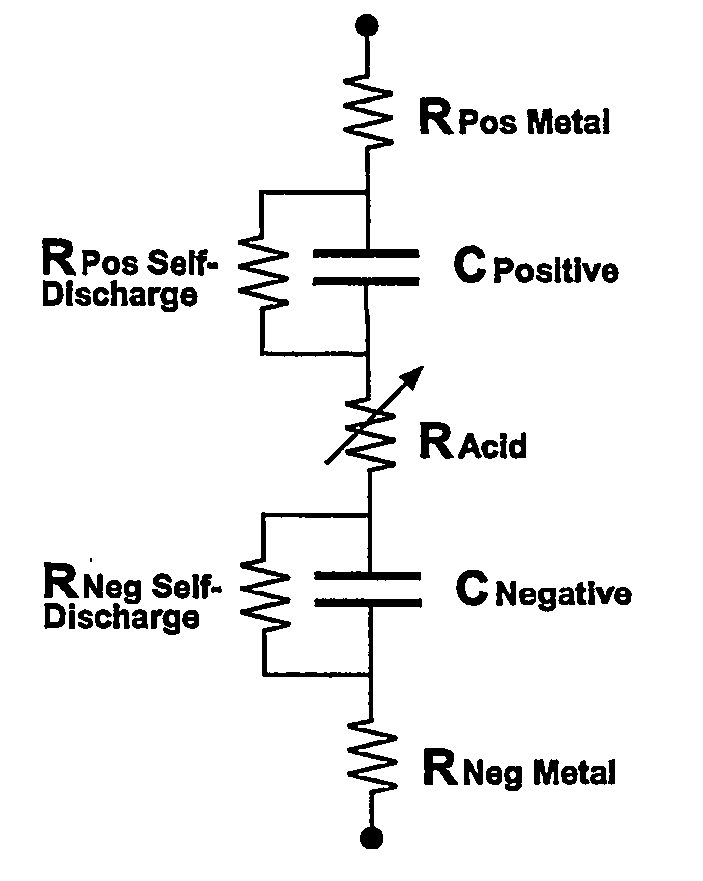
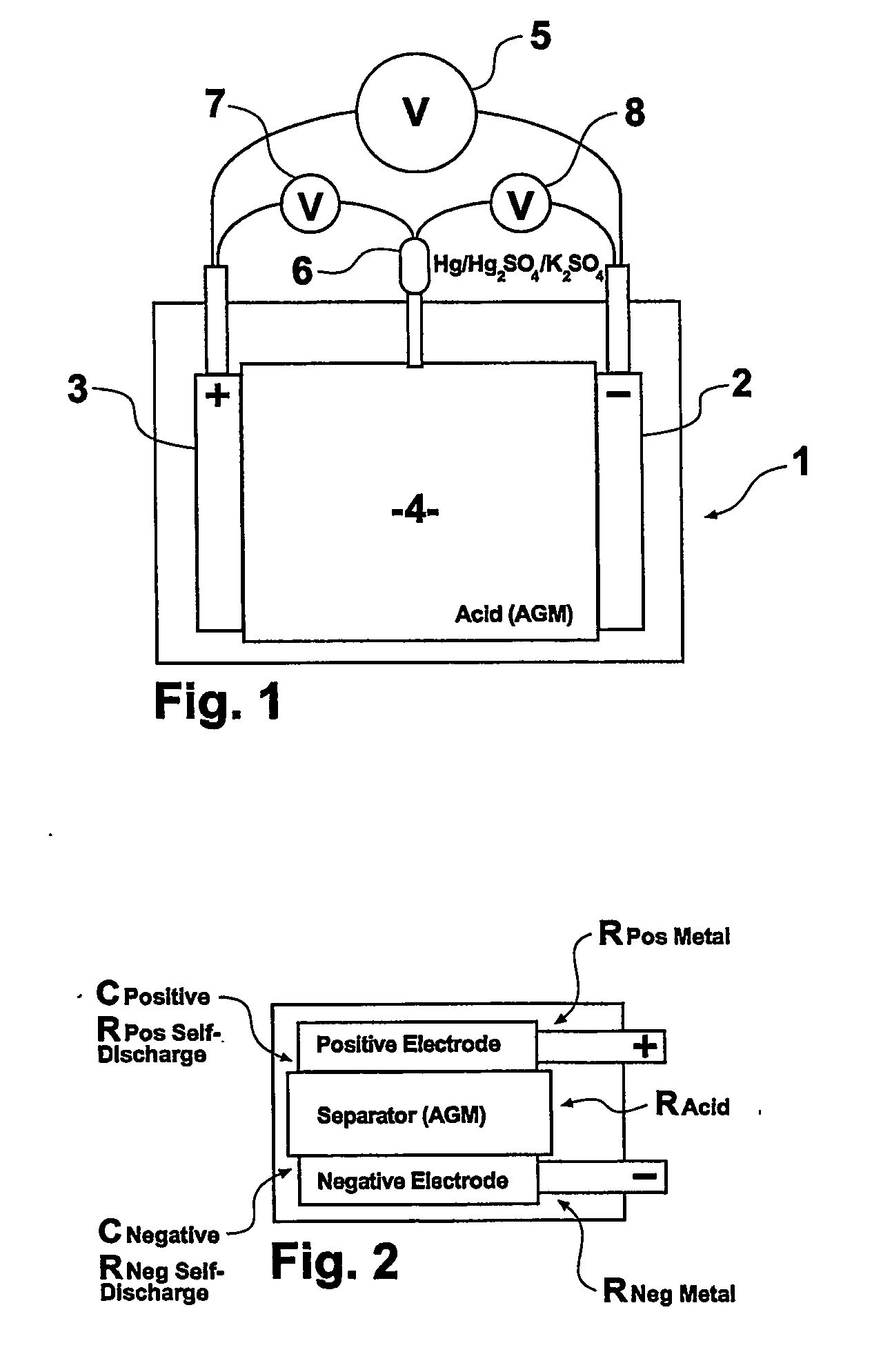
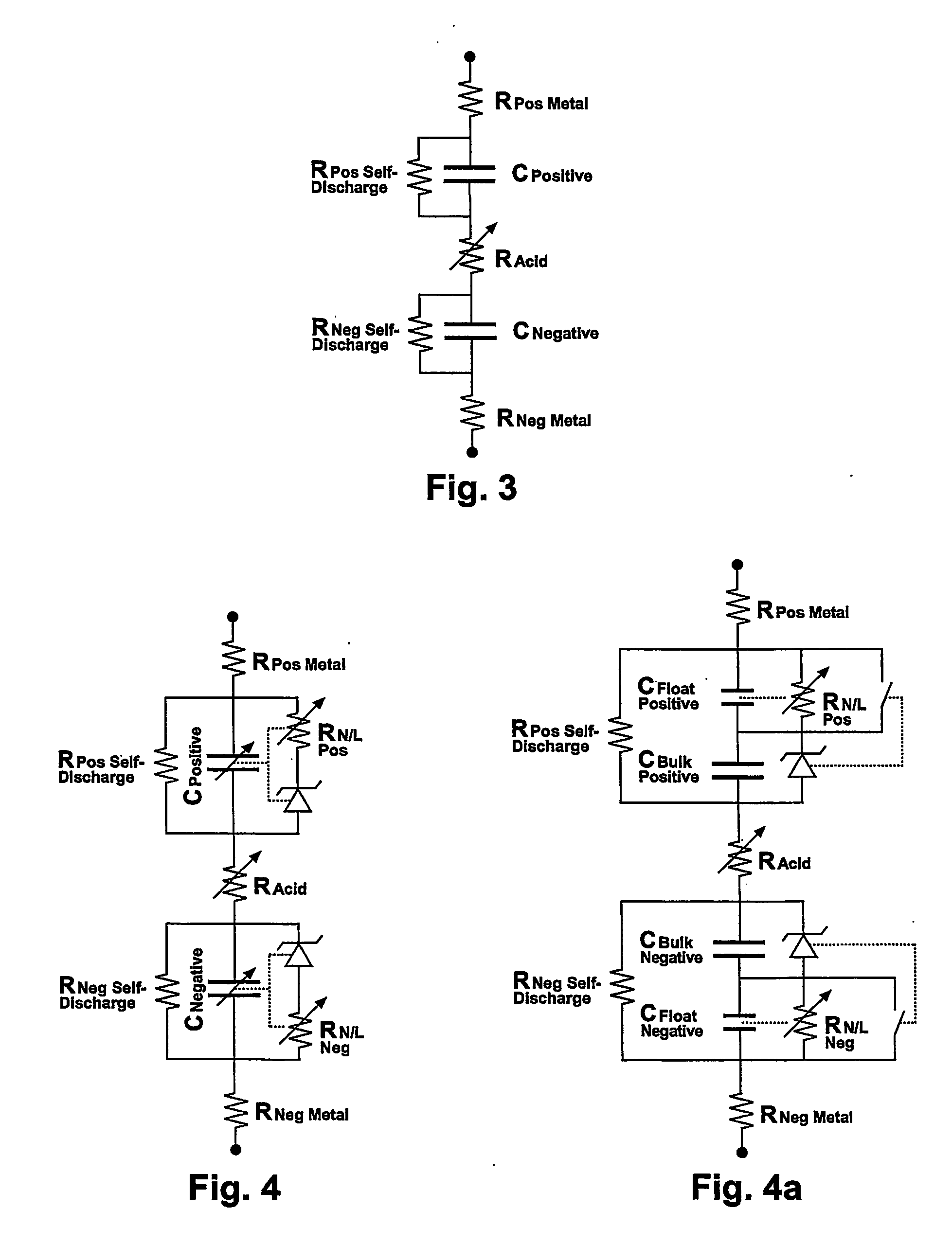
- A method to determine and manage electrode polarization in VRLA batteries by monitoring voltage changes during discharge, allowing for tailored float charge application and modeling of dual-value capacitances to simulate both bulk charge and float regions, enabling balanced charge distribution without the need for additional hardware or reference electrodes.

Charge/Discharge Control Method for Parallel Connected 48V Lead Acid Battery Groups
PatentInactiveTR201508405A3
Innovation
- A modular control method using microprocessor-controlled power electronics to manage each 48V battery group separately, monitoring voltage, temperature, and current, and employing active balancing to ensure each 12V VRLA battery operates within manufacturer-specified conditions, preventing overcharging and overdischarging.


Environmental Regulations for Telecom Battery Systems
Environmental regulations governing telecom battery systems have become increasingly stringent as governments worldwide prioritize sustainable energy practices and environmental protection. The regulatory landscape for VRLA batteries in telecommunications infrastructure encompasses multiple jurisdictions, each with specific requirements for battery manufacturing, deployment, operation, and end-of-life management. These regulations directly impact how telecom operators integrate and optimize VRLA battery energy systems within their networks.
The European Union's Battery Directive 2006/66/EC and its recent updates under the European Green Deal framework establish comprehensive requirements for battery lifecycle management. These regulations mandate minimum recycling rates, restrict hazardous substances like mercury and cadmium, and require detailed labeling for proper disposal. For telecom applications, operators must demonstrate compliance with collection and recycling targets, typically requiring 65% minimum collection rates for industrial batteries including VRLA systems.
In the United States, the Environmental Protection Agency regulates battery systems under the Resource Conservation and Recovery Act, while individual states maintain additional requirements. California's strict environmental standards often serve as de facto national requirements, particularly regarding lead content management and recycling protocols. The Federal Communications Commission also incorporates environmental considerations into telecom infrastructure approvals, requiring environmental impact assessments for major installations.
Asian markets present diverse regulatory environments, with China's National Standards for Communication Power Systems establishing specific requirements for battery room ventilation, temperature control, and emergency response procedures. Japan's industrial waste management laws require detailed tracking of battery installations and disposal, while India's Central Pollution Control Board mandates environmental clearances for large-scale telecom battery deployments.
Emerging regulations focus on carbon footprint reduction and circular economy principles. The EU's proposed Battery Regulation introduces carbon footprint declarations and due diligence requirements for battery supply chains. These developments necessitate comprehensive lifecycle assessments and supply chain transparency, directly influencing VRLA battery selection and integration strategies for telecom operators seeking regulatory compliance while optimizing energy performance.
The European Union's Battery Directive 2006/66/EC and its recent updates under the European Green Deal framework establish comprehensive requirements for battery lifecycle management. These regulations mandate minimum recycling rates, restrict hazardous substances like mercury and cadmium, and require detailed labeling for proper disposal. For telecom applications, operators must demonstrate compliance with collection and recycling targets, typically requiring 65% minimum collection rates for industrial batteries including VRLA systems.
In the United States, the Environmental Protection Agency regulates battery systems under the Resource Conservation and Recovery Act, while individual states maintain additional requirements. California's strict environmental standards often serve as de facto national requirements, particularly regarding lead content management and recycling protocols. The Federal Communications Commission also incorporates environmental considerations into telecom infrastructure approvals, requiring environmental impact assessments for major installations.
Asian markets present diverse regulatory environments, with China's National Standards for Communication Power Systems establishing specific requirements for battery room ventilation, temperature control, and emergency response procedures. Japan's industrial waste management laws require detailed tracking of battery installations and disposal, while India's Central Pollution Control Board mandates environmental clearances for large-scale telecom battery deployments.
Emerging regulations focus on carbon footprint reduction and circular economy principles. The EU's proposed Battery Regulation introduces carbon footprint declarations and due diligence requirements for battery supply chains. These developments necessitate comprehensive lifecycle assessments and supply chain transparency, directly influencing VRLA battery selection and integration strategies for telecom operators seeking regulatory compliance while optimizing energy performance.
Grid Integration Standards for Telecom Energy Storage
The integration of VRLA battery systems into telecom infrastructure requires adherence to comprehensive grid integration standards that ensure operational reliability, safety, and regulatory compliance. Current standards framework encompasses multiple layers of technical specifications, ranging from electrical interconnection protocols to communication interfaces that enable seamless coordination between battery storage systems and grid operations.
IEEE 1547 series standards form the foundational framework for distributed energy resource interconnection, establishing critical requirements for voltage regulation, frequency response, and islanding protection. These standards specifically address how VRLA battery systems must respond to grid disturbances, including voltage and frequency excursions that commonly occur in telecom environments. The standard mandates specific ride-through capabilities and reconnection procedures that directly impact battery management system design.
IEC 61000 electromagnetic compatibility standards play a crucial role in telecom energy storage applications, where sensitive communication equipment operates in close proximity to power conversion systems. These standards define acceptable levels of harmonic distortion, electromagnetic interference, and power quality parameters that VRLA battery integration systems must maintain to prevent disruption of telecom services.
Grid codes and utility interconnection requirements vary significantly across different regions and utility territories, creating complexity for telecom operators deploying standardized battery solutions across multiple locations. Key variations include power factor requirements, reactive power capabilities, and grid support functions such as voltage regulation and frequency response services that battery systems may be required to provide.
Communication protocols represent another critical standardization area, with IEC 61850 and DNP3 emerging as preferred standards for grid-connected energy storage systems. These protocols enable real-time monitoring, control, and coordination between VRLA battery systems and grid operators, facilitating advanced grid services and optimal energy management strategies.
Safety and installation standards, including NFPA 855 for energy storage systems and local electrical codes, establish requirements for fire suppression, ventilation, and electrical protection systems. These standards directly influence the physical integration design and operational procedures for telecom battery installations, particularly in urban environments where space constraints and safety considerations are paramount.
Emerging standards development focuses on advanced grid services capabilities, including fast frequency response and synthetic inertia provision, which may create new opportunities for optimized VRLA battery integration in telecom applications while supporting broader grid stability objectives.
IEEE 1547 series standards form the foundational framework for distributed energy resource interconnection, establishing critical requirements for voltage regulation, frequency response, and islanding protection. These standards specifically address how VRLA battery systems must respond to grid disturbances, including voltage and frequency excursions that commonly occur in telecom environments. The standard mandates specific ride-through capabilities and reconnection procedures that directly impact battery management system design.
IEC 61000 electromagnetic compatibility standards play a crucial role in telecom energy storage applications, where sensitive communication equipment operates in close proximity to power conversion systems. These standards define acceptable levels of harmonic distortion, electromagnetic interference, and power quality parameters that VRLA battery integration systems must maintain to prevent disruption of telecom services.
Grid codes and utility interconnection requirements vary significantly across different regions and utility territories, creating complexity for telecom operators deploying standardized battery solutions across multiple locations. Key variations include power factor requirements, reactive power capabilities, and grid support functions such as voltage regulation and frequency response services that battery systems may be required to provide.
Communication protocols represent another critical standardization area, with IEC 61850 and DNP3 emerging as preferred standards for grid-connected energy storage systems. These protocols enable real-time monitoring, control, and coordination between VRLA battery systems and grid operators, facilitating advanced grid services and optimal energy management strategies.
Safety and installation standards, including NFPA 855 for energy storage systems and local electrical codes, establish requirements for fire suppression, ventilation, and electrical protection systems. These standards directly influence the physical integration design and operational procedures for telecom battery installations, particularly in urban environments where space constraints and safety considerations are paramount.
Emerging standards development focuses on advanced grid services capabilities, including fast frequency response and synthetic inertia provision, which may create new opportunities for optimized VRLA battery integration in telecom applications while supporting broader grid stability objectives.
Unlock deeper insights with PatSnap Eureka Quick Research — get a full tech report to explore trends and direct your research. Try now!
Generate Your Research Report Instantly with AI Agent
Supercharge your innovation with PatSnap Eureka AI Agent Platform!