
Optimize Wafer Level Packaging Reflow Profiles for Higher Yield
JUN 3, 20269 MIN READ
Generate Your Research Report Instantly with AI Agent
Patsnap Eureka helps you evaluate technical feasibility & market potential.
WLP Reflow Optimization Background and Yield Targets
Wafer Level Packaging has emerged as a critical technology in the semiconductor industry, driven by the relentless demand for miniaturization, enhanced performance, and cost-effective manufacturing solutions. This packaging approach enables direct integration of semiconductor devices at the wafer level before dicing, fundamentally transforming traditional packaging paradigms. The evolution from conventional packaging methods to WLP represents a significant technological leap that addresses the growing complexity of modern electronic systems.
The historical development of WLP technology traces back to the late 1990s when the semiconductor industry recognized the limitations of traditional packaging approaches in meeting emerging market demands. Early implementations focused on basic redistribution layer technologies, gradually evolving to incorporate advanced materials, sophisticated thermal management solutions, and multi-layer interconnect structures. This progression has been accelerated by the proliferation of mobile devices, Internet of Things applications, and high-performance computing systems requiring compact, reliable packaging solutions.
Current market dynamics reveal an unprecedented demand for WLP solutions across diverse application domains. Consumer electronics, automotive systems, telecommunications infrastructure, and medical devices increasingly rely on WLP technology to achieve desired form factors and performance characteristics. The global WLP market has experienced substantial growth, with projections indicating continued expansion driven by 5G deployment, artificial intelligence applications, and edge computing requirements.
The reflow process represents a critical manufacturing stage in WLP production, where precise thermal profiles determine the quality and reliability of solder joint formation. Temperature control during reflow directly impacts intermetallic compound formation, void generation, and overall joint integrity. Manufacturing yield optimization through reflow profile enhancement has become a strategic imperative for semiconductor manufacturers seeking competitive advantages in cost-sensitive markets.
Yield improvement targets in WLP reflow optimization typically focus on achieving defect rates below 100 parts per million while maintaining consistent electrical and mechanical performance characteristics. Primary objectives include minimizing solder joint defects, reducing warpage-induced failures, eliminating thermal stress-related cracking, and ensuring uniform heating across diverse component geometries. These targets align with industry requirements for high-volume production environments where even marginal yield improvements translate to significant economic benefits.
The technical challenges associated with WLP reflow optimization stem from the complex interplay between thermal dynamics, material properties, and geometric constraints inherent in wafer-level processing. Achieving optimal reflow profiles requires sophisticated understanding of heat transfer mechanisms, solder alloy behavior, and substrate thermal characteristics across varying package configurations and component densities.
The historical development of WLP technology traces back to the late 1990s when the semiconductor industry recognized the limitations of traditional packaging approaches in meeting emerging market demands. Early implementations focused on basic redistribution layer technologies, gradually evolving to incorporate advanced materials, sophisticated thermal management solutions, and multi-layer interconnect structures. This progression has been accelerated by the proliferation of mobile devices, Internet of Things applications, and high-performance computing systems requiring compact, reliable packaging solutions.
Current market dynamics reveal an unprecedented demand for WLP solutions across diverse application domains. Consumer electronics, automotive systems, telecommunications infrastructure, and medical devices increasingly rely on WLP technology to achieve desired form factors and performance characteristics. The global WLP market has experienced substantial growth, with projections indicating continued expansion driven by 5G deployment, artificial intelligence applications, and edge computing requirements.
The reflow process represents a critical manufacturing stage in WLP production, where precise thermal profiles determine the quality and reliability of solder joint formation. Temperature control during reflow directly impacts intermetallic compound formation, void generation, and overall joint integrity. Manufacturing yield optimization through reflow profile enhancement has become a strategic imperative for semiconductor manufacturers seeking competitive advantages in cost-sensitive markets.
Yield improvement targets in WLP reflow optimization typically focus on achieving defect rates below 100 parts per million while maintaining consistent electrical and mechanical performance characteristics. Primary objectives include minimizing solder joint defects, reducing warpage-induced failures, eliminating thermal stress-related cracking, and ensuring uniform heating across diverse component geometries. These targets align with industry requirements for high-volume production environments where even marginal yield improvements translate to significant economic benefits.
The technical challenges associated with WLP reflow optimization stem from the complex interplay between thermal dynamics, material properties, and geometric constraints inherent in wafer-level processing. Achieving optimal reflow profiles requires sophisticated understanding of heat transfer mechanisms, solder alloy behavior, and substrate thermal characteristics across varying package configurations and component densities.
Market Demand for Advanced WLP Solutions
The semiconductor packaging industry is experiencing unprecedented demand for advanced wafer level packaging solutions, driven by the relentless miniaturization of electronic devices and the proliferation of high-performance applications. Consumer electronics manufacturers are increasingly adopting WLP technologies to achieve thinner form factors while maintaining superior electrical performance. The automotive sector represents a particularly robust growth driver, as electric vehicles and autonomous driving systems require compact, reliable semiconductor packages that can withstand harsh operating conditions.
Mobile device manufacturers continue to push the boundaries of device thickness and functionality, creating substantial market pull for optimized WLP solutions. The integration of multiple functions into single packages, including sensors, processors, and memory components, demands precise reflow profile optimization to ensure consistent yields across diverse component types. This trend is particularly pronounced in flagship smartphones and wearable devices where space constraints are most severe.
The Internet of Things ecosystem has emerged as another significant demand catalyst, with billions of connected devices requiring cost-effective, miniaturized packaging solutions. These applications often operate in challenging environments, necessitating robust thermal management during the reflow process to prevent package warpage and component failure. Industrial IoT applications, in particular, require packaging solutions that can maintain reliability across extended temperature ranges.
Data center and high-performance computing applications are driving demand for advanced WLP solutions capable of handling increased power densities and thermal loads. The transition to artificial intelligence and machine learning workloads has intensified requirements for packaging technologies that can support higher input/output densities while maintaining signal integrity. These applications demand extremely tight tolerances in reflow profile optimization to prevent thermal-induced stress that could compromise long-term reliability.
The 5G infrastructure rollout has created additional market momentum, as base station equipment and mobile devices require packaging solutions that can operate at higher frequencies while managing increased thermal dissipation. This technological shift necessitates more sophisticated reflow profile optimization techniques to accommodate the unique thermal expansion characteristics of advanced materials used in high-frequency applications.
Market demand is further amplified by the growing emphasis on sustainability and resource efficiency in semiconductor manufacturing. Companies are seeking WLP solutions that minimize material waste while maximizing yield rates, making reflow profile optimization a critical competitive differentiator in securing long-term customer relationships and market share.
Mobile device manufacturers continue to push the boundaries of device thickness and functionality, creating substantial market pull for optimized WLP solutions. The integration of multiple functions into single packages, including sensors, processors, and memory components, demands precise reflow profile optimization to ensure consistent yields across diverse component types. This trend is particularly pronounced in flagship smartphones and wearable devices where space constraints are most severe.
The Internet of Things ecosystem has emerged as another significant demand catalyst, with billions of connected devices requiring cost-effective, miniaturized packaging solutions. These applications often operate in challenging environments, necessitating robust thermal management during the reflow process to prevent package warpage and component failure. Industrial IoT applications, in particular, require packaging solutions that can maintain reliability across extended temperature ranges.
Data center and high-performance computing applications are driving demand for advanced WLP solutions capable of handling increased power densities and thermal loads. The transition to artificial intelligence and machine learning workloads has intensified requirements for packaging technologies that can support higher input/output densities while maintaining signal integrity. These applications demand extremely tight tolerances in reflow profile optimization to prevent thermal-induced stress that could compromise long-term reliability.
The 5G infrastructure rollout has created additional market momentum, as base station equipment and mobile devices require packaging solutions that can operate at higher frequencies while managing increased thermal dissipation. This technological shift necessitates more sophisticated reflow profile optimization techniques to accommodate the unique thermal expansion characteristics of advanced materials used in high-frequency applications.
Market demand is further amplified by the growing emphasis on sustainability and resource efficiency in semiconductor manufacturing. Companies are seeking WLP solutions that minimize material waste while maximizing yield rates, making reflow profile optimization a critical competitive differentiator in securing long-term customer relationships and market share.
Current WLP Reflow Challenges and Yield Limitations
Wafer Level Packaging (WLP) reflow processes face significant thermal management challenges that directly impact manufacturing yield. The primary issue stems from the complex thermal dynamics during solder joint formation, where precise temperature control across the entire wafer surface becomes critical. Uneven heating patterns often result in temperature gradients exceeding acceptable tolerances, leading to incomplete solder wetting, void formation, and joint reliability issues.
Package warpage represents another fundamental challenge during reflow operations. As temperatures rise through the reflow profile, differential thermal expansion between various materials creates mechanical stress that can cause substrate bowing and component misalignment. This warpage phenomenon is particularly pronounced in ultra-thin packages where structural rigidity is inherently limited, resulting in open circuits and compromised electrical connections.
Solder joint quality inconsistencies across the wafer surface significantly limit yield performance. Edge effects, where packages located at wafer peripheries experience different thermal conditions compared to center locations, create non-uniform joint formation. These variations manifest as differences in intermetallic compound growth, grain structure formation, and overall joint strength, leading to reliability failures during subsequent testing phases.
Thermal cycling stress during the reflow process introduces additional yield limitations. Rapid temperature transitions can induce thermal shock in sensitive components, particularly affecting low-k dielectric materials and ultra-fine pitch interconnects. The mismatch in coefficient of thermal expansion between different package layers creates interfacial stress concentrations that may result in delamination or crack propagation.
Process window constraints further compound yield challenges in WLP reflow operations. The narrow temperature and time tolerances required for optimal solder joint formation leave minimal margin for process variations. Factors such as conveyor speed fluctuations, zone temperature instabilities, and atmospheric composition changes can push the process outside acceptable parameters, resulting in defective joints and reduced yield rates.
Contamination sensitivity during high-temperature reflow phases poses additional risks to yield optimization. Organic residues, flux decomposition products, and atmospheric contaminants can interfere with proper solder wetting and joint formation. These contamination effects are amplified in WLP applications due to the reduced package size and increased sensitivity to surface conditions, making contamination control critical for maintaining acceptable yield levels.
Package warpage represents another fundamental challenge during reflow operations. As temperatures rise through the reflow profile, differential thermal expansion between various materials creates mechanical stress that can cause substrate bowing and component misalignment. This warpage phenomenon is particularly pronounced in ultra-thin packages where structural rigidity is inherently limited, resulting in open circuits and compromised electrical connections.
Solder joint quality inconsistencies across the wafer surface significantly limit yield performance. Edge effects, where packages located at wafer peripheries experience different thermal conditions compared to center locations, create non-uniform joint formation. These variations manifest as differences in intermetallic compound growth, grain structure formation, and overall joint strength, leading to reliability failures during subsequent testing phases.
Thermal cycling stress during the reflow process introduces additional yield limitations. Rapid temperature transitions can induce thermal shock in sensitive components, particularly affecting low-k dielectric materials and ultra-fine pitch interconnects. The mismatch in coefficient of thermal expansion between different package layers creates interfacial stress concentrations that may result in delamination or crack propagation.
Process window constraints further compound yield challenges in WLP reflow operations. The narrow temperature and time tolerances required for optimal solder joint formation leave minimal margin for process variations. Factors such as conveyor speed fluctuations, zone temperature instabilities, and atmospheric composition changes can push the process outside acceptable parameters, resulting in defective joints and reduced yield rates.
Contamination sensitivity during high-temperature reflow phases poses additional risks to yield optimization. Organic residues, flux decomposition products, and atmospheric contaminants can interfere with proper solder wetting and joint formation. These contamination effects are amplified in WLP applications due to the reduced package size and increased sensitivity to surface conditions, making contamination control critical for maintaining acceptable yield levels.
Existing WLP Reflow Profile Optimization Methods
01 Temperature profile optimization for wafer level packaging
Optimization of temperature profiles during reflow processes is critical for achieving high yield in wafer level packaging. This involves controlling heating and cooling rates, peak temperatures, and dwell times to prevent thermal stress and ensure proper solder joint formation. Advanced thermal management techniques help minimize warpage and improve overall package reliability.- Temperature profile optimization for wafer level packaging: Optimization of temperature profiles during reflow processes is critical for achieving high yield in wafer level packaging. This involves controlling heating and cooling rates, peak temperatures, and dwell times to prevent thermal stress and ensure proper solder joint formation. Advanced temperature profiling techniques help minimize warpage and improve overall package reliability.
- Solder joint formation and reliability enhancement: Proper solder joint formation is essential for maintaining electrical connectivity and mechanical integrity in wafer level packages. This involves controlling solder paste composition, reflow atmosphere, and joint geometry to achieve optimal metallurgical bonds. Enhanced solder joint reliability contributes significantly to overall packaging yield and long-term performance.
- Warpage control and stress management: Managing warpage and thermal stress during reflow processes is crucial for preventing package deformation and maintaining dimensional stability. This includes material selection, substrate design optimization, and process parameter control to minimize coefficient of thermal expansion mismatches. Effective stress management techniques help improve assembly yield and prevent cracking or delamination.
- Process monitoring and yield optimization: Real-time monitoring and control systems are implemented to track critical process parameters during wafer level packaging reflow operations. This includes temperature sensing, atmosphere control, and automated feedback systems to maintain optimal conditions. Statistical process control and yield analysis help identify and eliminate sources of defects to maximize production efficiency.
- Advanced packaging structures and interconnect technologies: Development of novel packaging architectures and interconnect methods to improve reflow process compatibility and yield performance. This encompasses innovative bump structures, redistribution layer designs, and multi-level interconnect schemes that enhance electrical performance while maintaining manufacturability. Advanced packaging technologies enable higher integration density and improved thermal management.
02 Solder joint formation and reliability enhancement
Proper solder joint formation during reflow processes is essential for maintaining electrical connectivity and mechanical integrity in wafer level packages. This includes controlling intermetallic compound formation, void reduction, and ensuring adequate wetting. Techniques focus on optimizing solder alloy compositions and reflow parameters to achieve reliable interconnections.Expand Specific Solutions03 Warpage control and stress management
Managing warpage and thermal stress during reflow processes is crucial for maintaining yield in wafer level packaging. This involves understanding coefficient of thermal expansion mismatches between different materials and implementing design strategies to minimize stress concentration. Proper substrate selection and underfill materials help reduce package deformation.Expand Specific Solutions04 Process monitoring and yield optimization
Real-time monitoring and control systems are implemented to optimize reflow processes and maximize yield. This includes temperature sensing, feedback control mechanisms, and statistical process control methods. Advanced monitoring techniques help identify process variations and enable rapid adjustments to maintain consistent quality and high throughput.Expand Specific Solutions05 Material selection and compatibility for high-yield processing
Selection of compatible materials including substrates, die attach materials, and underfills is critical for achieving high yield in wafer level packaging reflow processes. This involves understanding material properties, thermal characteristics, and chemical compatibility to prevent delamination, cracking, or other failure modes during thermal cycling.Expand Specific Solutions
Key Players in WLP and Reflow Equipment Industry
The wafer level packaging reflow profile optimization market represents a mature segment within the broader semiconductor packaging industry, currently valued at several billion dollars and experiencing steady growth driven by miniaturization demands and advanced chip architectures. The competitive landscape features established semiconductor giants like Taiwan Semiconductor Manufacturing Co., Samsung Electronics, Intel Corp., and Qualcomm leading technology development, while specialized packaging companies such as Advanced Semiconductor Engineering and SJ Semiconductor provide dedicated solutions. Equipment manufacturers including Applied Materials and Veeco Instruments supply critical reflow systems, with emerging players like China Resources Run'an Technology expanding regional capabilities. Technology maturity varies across applications, with companies like Micron Technology and STMicroelectronics driving innovations in memory and mixed-signal devices, while research institutions including Guilin University of Electronic Technology contribute fundamental advancements in thermal profile modeling and process optimization methodologies.
Taiwan Semiconductor Manufacturing Co., Ltd.
Technical Solution: TSMC has developed advanced wafer level packaging (WLP) reflow profile optimization techniques focusing on precise temperature control and thermal gradient management. Their approach utilizes multi-zone reflow ovens with real-time temperature monitoring and feedback control systems to achieve optimal solder joint formation while minimizing warpage and thermal stress. The company employs sophisticated thermal modeling software to predict and optimize reflow profiles for different package types and sizes, ensuring consistent results across various WLP applications. Their reflow optimization methodology includes careful ramp rate control, peak temperature management, and cooling profile adjustment to maximize yield while maintaining reliability standards for advanced semiconductor packaging.
Strengths: Industry-leading manufacturing expertise and advanced process control capabilities. Weaknesses: High capital investment requirements and complex process optimization procedures.
Applied Materials, Inc.
Technical Solution: Applied Materials provides comprehensive WLP reflow optimization solutions through their advanced thermal processing equipment and process control software. Their systems feature precise zone-by-zone temperature control with capability to handle complex thermal profiles required for modern wafer level packages. The company's reflow optimization approach integrates real-time process monitoring, predictive analytics, and machine learning algorithms to continuously improve yield performance. Their equipment supports multiple reflow atmosphere options and can accommodate various package sizes and configurations. The optimization methodology includes automated profile development, statistical process control, and yield correlation analysis to identify optimal processing windows for different WLP applications.
Strengths: Comprehensive equipment solutions and advanced process control technology. Weaknesses: High equipment costs and requires specialized technical expertise for operation.
Core Innovations in Thermal Profile Control Technologies
Packaging method for fan-out wafer-level packaging structure
PatentActiveUS20220077096A1
Innovation
- The method involves forming a dielectric layer, creating vias through photolithography, baking and curing the dielectric layer to mitigate warpage, and forming a patterned metal distribution layer, which improves the topography and electrical connectivity between the redistribution layer and the semiconductor chips.


Wafer level package and method of manufacturing the same and method of reusing chip
PatentInactiveUS20100133680A1
Innovation
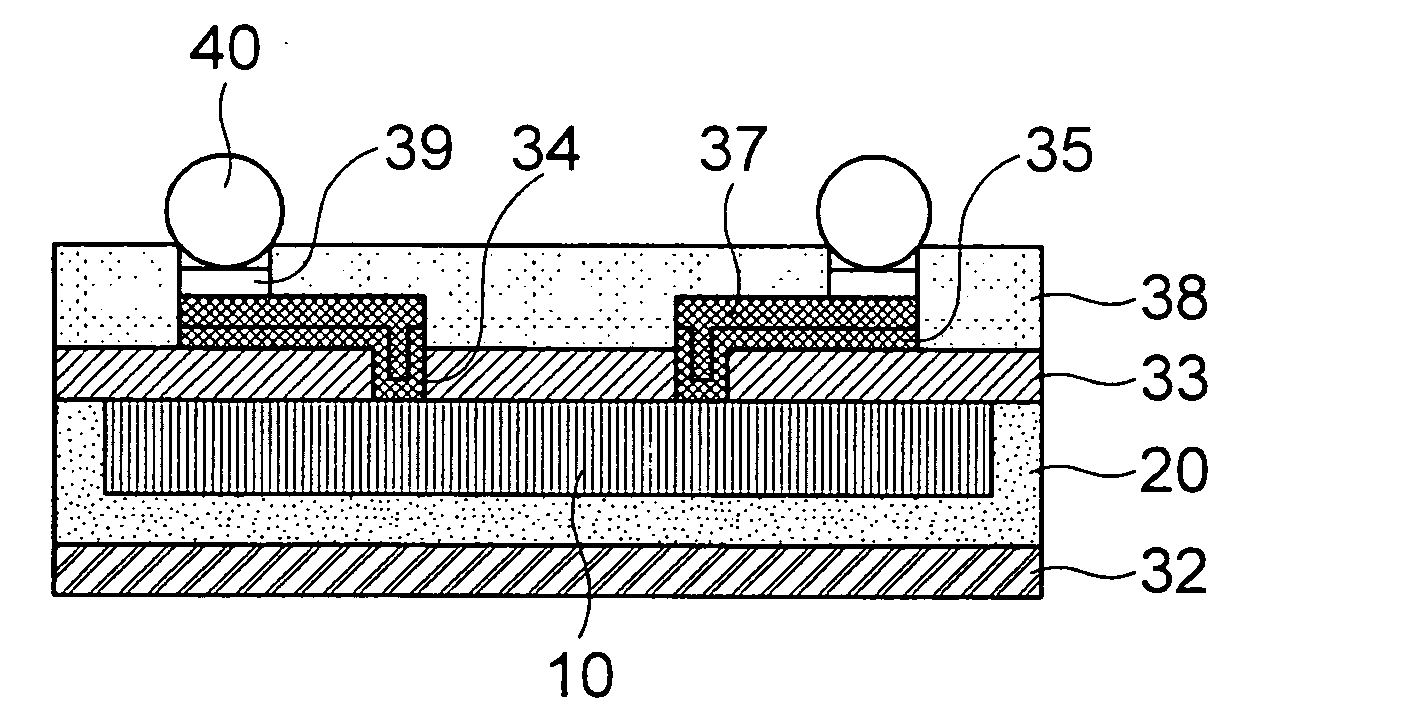
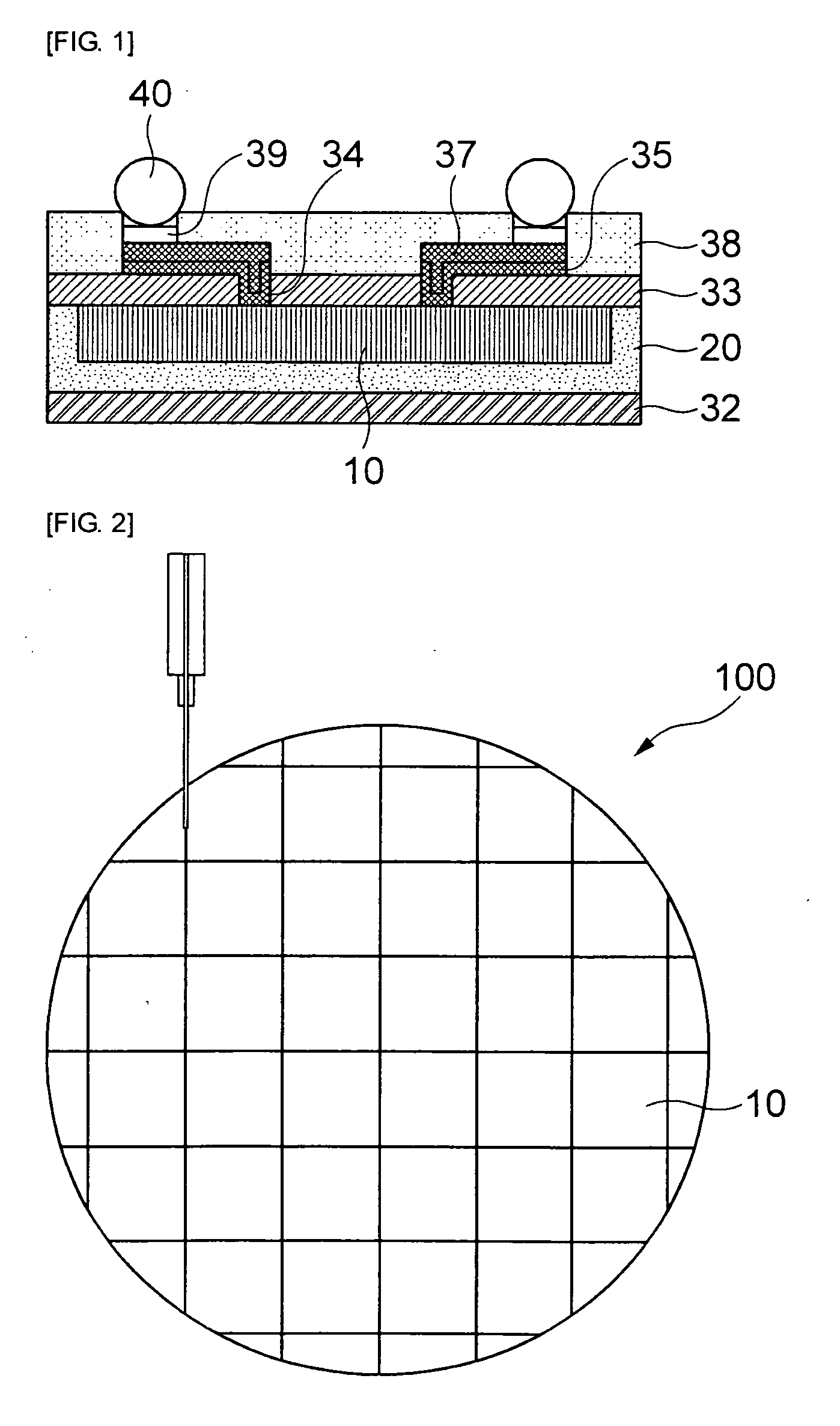
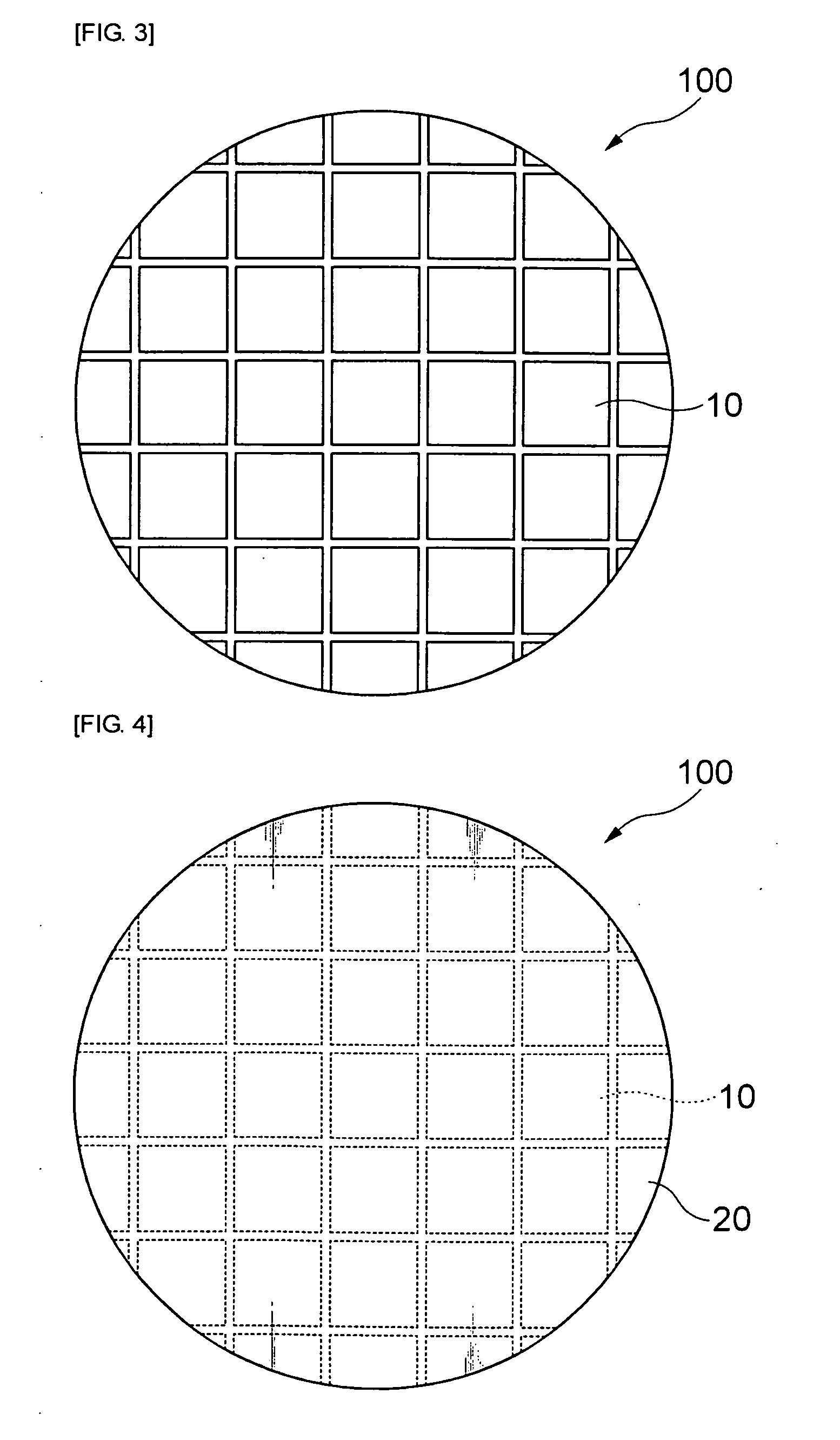
- A method of manufacturing a wafer level package that selects only good chips through a chip failure test and uses a removable resin layer, such as KMPR, to surround and separate chips, allowing for efficient packaging and reuse by removing unnecessary resin and packaging materials.

Industry Standards for WLP Reflow Processes
The wafer level packaging (WLP) industry operates under several established standards that govern reflow processes to ensure consistent quality and reliability across manufacturing facilities. The Joint Electron Device Engineering Council (JEDEC) provides the primary framework through JEDEC Standard JESD20, which defines moisture sensitivity levels and reflow temperature profiles for surface mount devices. This standard establishes critical parameters including peak temperatures, time above liquidus, and heating/cooling rates that directly impact WLP assembly yield.
IPC standards complement JEDEC requirements by providing detailed guidelines for reflow soldering processes. IPC-7530 specifically addresses temperature profiling for surface mount assemblies, while IPC-A-610 defines acceptability criteria for electronic assemblies. These standards establish maximum peak temperatures typically ranging from 245°C to 260°C depending on solder alloy composition, with time above liquidus generally limited to 60-150 seconds to prevent intermetallic compound formation and thermal damage to sensitive components.
The International Electrotechnical Commission (IEC) contributes through IEC 61760 series standards, which address surface mounting technology requirements including thermal stress testing and reflow soldering guidelines. These standards emphasize the importance of controlled heating and cooling rates, typically specifying maximum ramp rates of 3-4°C per second during heating phases and controlled cooling to minimize thermal shock and warpage in thin wafer substrates.
Industry-specific standards from organizations like SEMI (Semiconductor Equipment and Materials International) provide additional guidance for semiconductor packaging processes. SEMI standards address equipment qualification, process control, and statistical process control methodologies essential for maintaining consistent reflow profiles across production lots.
Recent developments in WLP technology have prompted updates to existing standards, particularly regarding ultra-thin packages and advanced substrate materials. The integration of lead-free soldering requirements under RoHS compliance has necessitated revised temperature profiles and process windows, with standards now accommodating higher reflow temperatures while maintaining package integrity and yield optimization objectives.
IPC standards complement JEDEC requirements by providing detailed guidelines for reflow soldering processes. IPC-7530 specifically addresses temperature profiling for surface mount assemblies, while IPC-A-610 defines acceptability criteria for electronic assemblies. These standards establish maximum peak temperatures typically ranging from 245°C to 260°C depending on solder alloy composition, with time above liquidus generally limited to 60-150 seconds to prevent intermetallic compound formation and thermal damage to sensitive components.
The International Electrotechnical Commission (IEC) contributes through IEC 61760 series standards, which address surface mounting technology requirements including thermal stress testing and reflow soldering guidelines. These standards emphasize the importance of controlled heating and cooling rates, typically specifying maximum ramp rates of 3-4°C per second during heating phases and controlled cooling to minimize thermal shock and warpage in thin wafer substrates.
Industry-specific standards from organizations like SEMI (Semiconductor Equipment and Materials International) provide additional guidance for semiconductor packaging processes. SEMI standards address equipment qualification, process control, and statistical process control methodologies essential for maintaining consistent reflow profiles across production lots.
Recent developments in WLP technology have prompted updates to existing standards, particularly regarding ultra-thin packages and advanced substrate materials. The integration of lead-free soldering requirements under RoHS compliance has necessitated revised temperature profiles and process windows, with standards now accommodating higher reflow temperatures while maintaining package integrity and yield optimization objectives.
Cost-Benefit Analysis of WLP Yield Improvements
The economic evaluation of WLP yield improvements through optimized reflow profiles reveals substantial financial benefits that justify the investment in advanced process control technologies. Initial capital expenditure for implementing sophisticated reflow profiling systems, including multi-zone ovens with precise temperature control and real-time monitoring capabilities, typically ranges from $500,000 to $2 million per production line, depending on throughput requirements and automation levels.
Direct cost savings emerge from multiple sources, with defect reduction being the primary driver. Optimized reflow profiles can reduce solder joint defects by 40-60%, translating to yield improvements of 8-15% in typical WLP operations. For a facility processing 100,000 wafers annually with an average selling price of $150 per packaged die, a 10% yield improvement generates approximately $15 million in additional revenue annually.
Material cost reductions constitute another significant benefit stream. Improved reflow control reduces solder paste waste by 15-25% and minimizes substrate scrapping due to thermal damage. Additionally, enhanced process stability decreases the frequency of equipment cleaning cycles and reduces consumption of flux and cleaning solvents, contributing to operational cost savings of $200,000-400,000 annually for medium-scale operations.
Labor cost optimization occurs through reduced rework requirements and decreased inspection overhead. Automated reflow profiling systems eliminate manual profile adjustments, reducing operator intervention by 70-80% and minimizing human error-related defects. This automation typically saves 2-3 full-time equivalent positions per production line while improving process consistency.
The payback period for comprehensive reflow optimization investments typically ranges from 12-18 months, with return on investment exceeding 150% within three years. Long-term benefits include enhanced customer satisfaction through improved product reliability, reduced warranty claims, and strengthened market positioning in high-reliability applications where consistent solder joint quality is critical for product success.
Direct cost savings emerge from multiple sources, with defect reduction being the primary driver. Optimized reflow profiles can reduce solder joint defects by 40-60%, translating to yield improvements of 8-15% in typical WLP operations. For a facility processing 100,000 wafers annually with an average selling price of $150 per packaged die, a 10% yield improvement generates approximately $15 million in additional revenue annually.
Material cost reductions constitute another significant benefit stream. Improved reflow control reduces solder paste waste by 15-25% and minimizes substrate scrapping due to thermal damage. Additionally, enhanced process stability decreases the frequency of equipment cleaning cycles and reduces consumption of flux and cleaning solvents, contributing to operational cost savings of $200,000-400,000 annually for medium-scale operations.
Labor cost optimization occurs through reduced rework requirements and decreased inspection overhead. Automated reflow profiling systems eliminate manual profile adjustments, reducing operator intervention by 70-80% and minimizing human error-related defects. This automation typically saves 2-3 full-time equivalent positions per production line while improving process consistency.
The payback period for comprehensive reflow optimization investments typically ranges from 12-18 months, with return on investment exceeding 150% within three years. Long-term benefits include enhanced customer satisfaction through improved product reliability, reduced warranty claims, and strengthened market positioning in high-reliability applications where consistent solder joint quality is critical for product success.
Unlock deeper insights with Patsnap Eureka Quick Research — get a full tech report to explore trends and direct your research. Try now!
Generate Your Research Report Instantly with AI Agent
Supercharge your innovation with Patsnap Eureka AI Agent Platform!