
Quantify Thermal Expansion Coefficient Mismatch in Wafer Level Packaging
JUN 3, 20269 MIN READ
Generate Your Research Report Instantly with AI Agent
Patsnap Eureka helps you evaluate technical feasibility & market potential.
Thermal Expansion Challenges in WLP Background and Goals
Wafer Level Packaging has emerged as a critical technology in the semiconductor industry, driven by the relentless pursuit of miniaturization, enhanced performance, and cost-effective manufacturing solutions. This packaging approach enables the integration of multiple functions within increasingly compact form factors, making it indispensable for modern electronic devices ranging from smartphones to automotive sensors.
The evolution of WLP technology has been marked by significant milestones since its introduction in the 1990s. Initially developed to address the limitations of traditional packaging methods, WLP has progressed through various generations, incorporating advanced materials and sophisticated manufacturing processes. The technology has evolved from simple redistribution layer implementations to complex multi-layer structures with embedded components and three-dimensional architectures.
Current market demands are pushing WLP technology toward even greater integration densities and improved reliability standards. The proliferation of Internet of Things devices, 5G communications, and artificial intelligence applications requires packaging solutions that can accommodate higher power densities while maintaining thermal stability across diverse operating conditions.
However, one of the most persistent challenges in WLP technology centers on thermal expansion coefficient mismatches between different materials within the package structure. These mismatches create mechanical stresses during temperature cycling, potentially leading to delamination, crack propagation, and ultimate device failure. The complexity increases significantly when considering the interaction between silicon substrates, polymer dielectrics, metal interconnects, and various underfill materials.
The primary technical objective in addressing thermal expansion challenges involves developing comprehensive methodologies to quantify and predict the behavior of multi-material systems under thermal stress. This requires establishing precise measurement techniques for coefficient of thermal expansion values across different material interfaces and understanding how these properties change under various environmental conditions.
Advanced modeling capabilities represent another crucial goal, enabling engineers to simulate thermal-mechanical behavior during the design phase rather than discovering issues during reliability testing. These predictive models must account for material property variations, manufacturing tolerances, and long-term aging effects to ensure robust package designs.
Furthermore, the development of innovative material solutions and structural designs that inherently minimize thermal expansion mismatches remains a key objective. This includes exploring new polymer formulations, optimizing metal layer configurations, and implementing stress-relief structures that can accommodate differential expansion without compromising electrical performance or mechanical integrity.
The evolution of WLP technology has been marked by significant milestones since its introduction in the 1990s. Initially developed to address the limitations of traditional packaging methods, WLP has progressed through various generations, incorporating advanced materials and sophisticated manufacturing processes. The technology has evolved from simple redistribution layer implementations to complex multi-layer structures with embedded components and three-dimensional architectures.
Current market demands are pushing WLP technology toward even greater integration densities and improved reliability standards. The proliferation of Internet of Things devices, 5G communications, and artificial intelligence applications requires packaging solutions that can accommodate higher power densities while maintaining thermal stability across diverse operating conditions.
However, one of the most persistent challenges in WLP technology centers on thermal expansion coefficient mismatches between different materials within the package structure. These mismatches create mechanical stresses during temperature cycling, potentially leading to delamination, crack propagation, and ultimate device failure. The complexity increases significantly when considering the interaction between silicon substrates, polymer dielectrics, metal interconnects, and various underfill materials.
The primary technical objective in addressing thermal expansion challenges involves developing comprehensive methodologies to quantify and predict the behavior of multi-material systems under thermal stress. This requires establishing precise measurement techniques for coefficient of thermal expansion values across different material interfaces and understanding how these properties change under various environmental conditions.
Advanced modeling capabilities represent another crucial goal, enabling engineers to simulate thermal-mechanical behavior during the design phase rather than discovering issues during reliability testing. These predictive models must account for material property variations, manufacturing tolerances, and long-term aging effects to ensure robust package designs.
Furthermore, the development of innovative material solutions and structural designs that inherently minimize thermal expansion mismatches remains a key objective. This includes exploring new polymer formulations, optimizing metal layer configurations, and implementing stress-relief structures that can accommodate differential expansion without compromising electrical performance or mechanical integrity.
Market Demand for Advanced Wafer Level Packaging Solutions
The semiconductor packaging industry is experiencing unprecedented growth driven by the proliferation of mobile devices, Internet of Things applications, and advanced computing systems. Wafer level packaging has emerged as a critical technology to meet the demanding requirements for miniaturization, performance enhancement, and cost reduction in modern electronic devices.
Consumer electronics manufacturers are increasingly demanding packaging solutions that can accommodate higher pin counts while maintaining compact form factors. The automotive electronics sector presents substantial opportunities, particularly with the rise of electric vehicles and autonomous driving systems that require robust packaging solutions capable of withstanding harsh operating environments and thermal cycling conditions.
Data centers and high-performance computing applications represent another significant market driver, where thermal management becomes paramount. These applications require packaging solutions that can effectively manage heat dissipation while maintaining signal integrity and reliability over extended operational periods.
The telecommunications infrastructure upgrade to 5G networks has created substantial demand for advanced packaging technologies. Base station equipment and mobile devices require packaging solutions that can handle higher frequencies and power densities while managing thermal expansion mismatches between different materials.
Medical device manufacturers are increasingly adopting wafer level packaging for implantable devices and diagnostic equipment, where reliability and long-term stability are critical requirements. These applications often involve exposure to biological environments and require packaging solutions with minimal thermal expansion coefficient variations.
Industrial automation and sensor applications continue to expand, driving demand for packaging solutions that can operate reliably across wide temperature ranges. Manufacturing equipment, process control systems, and environmental monitoring devices require packaging technologies that can maintain performance despite thermal cycling and mechanical stress.
The aerospace and defense sectors present specialized market opportunities where thermal expansion coefficient control is essential for mission-critical applications. Satellite systems, avionics, and military electronics require packaging solutions that can withstand extreme temperature variations while maintaining precise dimensional stability.
Emerging applications in artificial intelligence and machine learning hardware accelerators are creating new market segments that demand advanced thermal management capabilities. These applications generate significant heat loads and require packaging solutions that can effectively manage thermal expansion mismatches to ensure reliable operation and prevent performance degradation.
Consumer electronics manufacturers are increasingly demanding packaging solutions that can accommodate higher pin counts while maintaining compact form factors. The automotive electronics sector presents substantial opportunities, particularly with the rise of electric vehicles and autonomous driving systems that require robust packaging solutions capable of withstanding harsh operating environments and thermal cycling conditions.
Data centers and high-performance computing applications represent another significant market driver, where thermal management becomes paramount. These applications require packaging solutions that can effectively manage heat dissipation while maintaining signal integrity and reliability over extended operational periods.
The telecommunications infrastructure upgrade to 5G networks has created substantial demand for advanced packaging technologies. Base station equipment and mobile devices require packaging solutions that can handle higher frequencies and power densities while managing thermal expansion mismatches between different materials.
Medical device manufacturers are increasingly adopting wafer level packaging for implantable devices and diagnostic equipment, where reliability and long-term stability are critical requirements. These applications often involve exposure to biological environments and require packaging solutions with minimal thermal expansion coefficient variations.
Industrial automation and sensor applications continue to expand, driving demand for packaging solutions that can operate reliably across wide temperature ranges. Manufacturing equipment, process control systems, and environmental monitoring devices require packaging technologies that can maintain performance despite thermal cycling and mechanical stress.
The aerospace and defense sectors present specialized market opportunities where thermal expansion coefficient control is essential for mission-critical applications. Satellite systems, avionics, and military electronics require packaging solutions that can withstand extreme temperature variations while maintaining precise dimensional stability.
Emerging applications in artificial intelligence and machine learning hardware accelerators are creating new market segments that demand advanced thermal management capabilities. These applications generate significant heat loads and require packaging solutions that can effectively manage thermal expansion mismatches to ensure reliable operation and prevent performance degradation.
Current CTE Mismatch Issues and Technical Limitations
Wafer level packaging faces significant challenges related to coefficient of thermal expansion (CTE) mismatch between different materials used in the assembly process. The primary issue stems from the fundamental difference in thermal expansion properties between silicon substrates, organic substrates, and various interconnect materials. Silicon typically exhibits a CTE of approximately 2.6 ppm/°C, while organic substrates can range from 14-17 ppm/°C, creating substantial mechanical stress during temperature cycling.
Current quantification methods for CTE mismatch rely heavily on finite element analysis (FEA) simulations and experimental validation through thermal cycling tests. However, these approaches face limitations in accurately predicting real-world performance due to the complex multi-material interfaces and non-linear material behavior under varying thermal conditions. The measurement accuracy is often compromised by the difficulty in isolating individual material contributions to overall package deformation.
Existing characterization techniques include digital image correlation (DIC), moiré interferometry, and strain gauge measurements. These methods struggle with spatial resolution limitations when dealing with microscale features typical in wafer level packages. The temporal resolution of current measurement systems also presents challenges in capturing rapid thermal transients that occur during actual device operation.
Material property variations introduce additional complexity to CTE mismatch quantification. Manufacturing tolerances, moisture absorption, and aging effects can significantly alter the thermal expansion behavior of organic materials, making it difficult to establish consistent baseline measurements. The anisotropic nature of many packaging materials further complicates accurate CTE characterization, as expansion coefficients vary significantly along different crystallographic directions.
Interface delamination and crack propagation represent critical failure modes directly linked to CTE mismatch, yet current quantification methods inadequately predict the onset and progression of these phenomena. The lack of standardized testing protocols for CTE mismatch assessment across different package configurations creates inconsistencies in industry-wide reliability predictions.
Thermal gradient effects within packages add another layer of complexity, as localized heating from active devices creates non-uniform temperature distributions that cannot be accurately captured by simplified uniform heating models. This limitation significantly impacts the reliability of current CTE mismatch quantification approaches for high-power applications.
Current quantification methods for CTE mismatch rely heavily on finite element analysis (FEA) simulations and experimental validation through thermal cycling tests. However, these approaches face limitations in accurately predicting real-world performance due to the complex multi-material interfaces and non-linear material behavior under varying thermal conditions. The measurement accuracy is often compromised by the difficulty in isolating individual material contributions to overall package deformation.
Existing characterization techniques include digital image correlation (DIC), moiré interferometry, and strain gauge measurements. These methods struggle with spatial resolution limitations when dealing with microscale features typical in wafer level packages. The temporal resolution of current measurement systems also presents challenges in capturing rapid thermal transients that occur during actual device operation.
Material property variations introduce additional complexity to CTE mismatch quantification. Manufacturing tolerances, moisture absorption, and aging effects can significantly alter the thermal expansion behavior of organic materials, making it difficult to establish consistent baseline measurements. The anisotropic nature of many packaging materials further complicates accurate CTE characterization, as expansion coefficients vary significantly along different crystallographic directions.
Interface delamination and crack propagation represent critical failure modes directly linked to CTE mismatch, yet current quantification methods inadequately predict the onset and progression of these phenomena. The lack of standardized testing protocols for CTE mismatch assessment across different package configurations creates inconsistencies in industry-wide reliability predictions.
Thermal gradient effects within packages add another layer of complexity, as localized heating from active devices creates non-uniform temperature distributions that cannot be accurately captured by simplified uniform heating models. This limitation significantly impacts the reliability of current CTE mismatch quantification approaches for high-power applications.
Existing CTE Quantification and Mitigation Methods
01 Material selection and composition for thermal expansion matching
Selection of materials with compatible thermal expansion coefficients is crucial for preventing stress and failure in multi-component systems. This involves choosing base materials, fillers, and additives that have similar expansion rates to minimize mismatch-induced stresses during temperature variations.- Material selection and composition optimization for thermal expansion matching: Selecting materials with compatible thermal expansion coefficients or developing composite materials with tailored expansion properties to minimize mismatch. This involves careful consideration of material properties, crystal structures, and chemical compositions to achieve thermal compatibility between different components in multi-material systems.
- Intermediate buffer layers and gradient structures: Implementation of intermediate layers or gradient structures between materials with different thermal expansion coefficients to gradually transition the thermal stress. These buffer layers help distribute thermal stresses over a larger volume and reduce the concentration of stress at interfaces, preventing delamination and cracking.
- Structural design modifications and geometric solutions: Incorporating specific geometric features, flexible joints, or structural modifications that accommodate differential thermal expansion. This includes designing expansion joints, flexible connections, or segmented structures that allow for thermal movement without generating excessive stress concentrations.
- Coating and surface treatment technologies: Application of specialized coatings or surface treatments that either match the thermal expansion of the substrate or provide stress relief mechanisms. These treatments can modify the surface properties to better accommodate thermal cycling and reduce the effects of thermal expansion mismatch at interfaces.
- Manufacturing process control and thermal management: Controlling manufacturing processes and implementing thermal management strategies to minimize thermal expansion mismatch effects. This includes optimizing processing temperatures, cooling rates, and implementing active thermal control systems to reduce temperature gradients and associated thermal stresses during operation.
02 Composite material design for thermal expansion control
Development of composite materials that incorporate multiple phases or reinforcement elements to achieve desired thermal expansion properties. These composites can be engineered to have intermediate expansion coefficients that bridge the gap between dissimilar materials in layered or bonded structures.Expand Specific Solutions03 Interface engineering and bonding techniques
Methods for creating interfaces between materials with different thermal expansion coefficients that can accommodate differential expansion without failure. This includes the use of intermediate layers, gradient materials, or flexible bonding agents that can absorb thermal stresses.Expand Specific Solutions04 Structural design modifications for thermal stress relief
Engineering approaches that modify the geometry or structure of components to accommodate thermal expansion mismatch. These solutions include expansion joints, flexible connections, stress relief features, and geometric configurations that allow for differential movement without compromising functionality.Expand Specific Solutions05 Coating and surface treatment solutions
Application of specialized coatings or surface treatments that either match the thermal expansion of the substrate or provide a buffer layer to manage expansion differences. These treatments can include thermal barrier coatings, graded coatings, or surface modifications that alter local expansion behavior.Expand Specific Solutions
Key Players in Wafer Level Packaging Industry
The wafer level packaging industry addressing thermal expansion coefficient mismatch is in a mature growth phase, driven by increasing demand for miniaturized, high-performance electronic devices. The market demonstrates substantial scale with established foundries like TSMC, Samsung Electronics, and Intel leading advanced packaging solutions. Technology maturity varies significantly across players - while TSMC and Samsung showcase cutting-edge capabilities in heterogeneous integration, companies like Shinko Electric Industries and SJ Semiconductor specialize in specific packaging technologies. Applied Materials provides critical manufacturing equipment, while material suppliers like Shin-Etsu Chemical and AGC develop specialized substrates addressing thermal challenges. The competitive landscape spans from comprehensive foundry services to specialized component manufacturers, indicating a well-established ecosystem with ongoing innovation in thermal management solutions for next-generation semiconductor packaging applications.
Taiwan Semiconductor Manufacturing Co., Ltd.
Technical Solution: TSMC has developed comprehensive thermal management solutions for wafer level packaging that focus on coefficient of thermal expansion (CTE) mismatch quantification. Their approach involves advanced finite element analysis (FEA) modeling combined with real-time thermal characterization using specialized test structures integrated into the wafer. The company employs multi-layer stress analysis techniques to measure CTE differences between silicon substrates, dielectric layers, and metal interconnects. TSMC's methodology includes temperature cycling tests from -40°C to 150°C while monitoring stress evolution through piezoresistive sensors embedded in test dies. They utilize high-resolution thermal imaging and interferometry to quantify thermal-mechanical stress distribution across different packaging materials.
Strengths: Industry-leading manufacturing scale and extensive material characterization database. Weaknesses: Solutions primarily optimized for their specific process nodes and may require adaptation for other foundries.
Intel Corp.
Technical Solution: Intel has developed sophisticated thermal expansion coefficient mismatch quantification techniques specifically for their advanced packaging technologies including EMIB and Foveros. Their approach combines digital image correlation (DIC) with thermal mechanical analysis to measure real-time deformation during temperature excursions. Intel's methodology employs specialized test vehicles with integrated temperature sensors and strain gauges to monitor CTE mismatch effects between different materials in 3D stacked architectures. The company uses advanced simulation tools coupled with machine learning algorithms to predict thermal stress hotspots and optimize material selection. Their quantification process includes accelerated thermal cycling tests with in-situ monitoring of warpage and stress evolution using high-resolution optical metrology systems.
Strengths: Advanced 3D packaging expertise and comprehensive simulation capabilities. Weaknesses: Proprietary solutions may have limited applicability outside Intel's specific technology platforms.
Core Innovations in Thermal Expansion Measurement
Electrical inspection substrate unit and manufacturing method therefore
PatentActiveUS20090321114A1
Innovation
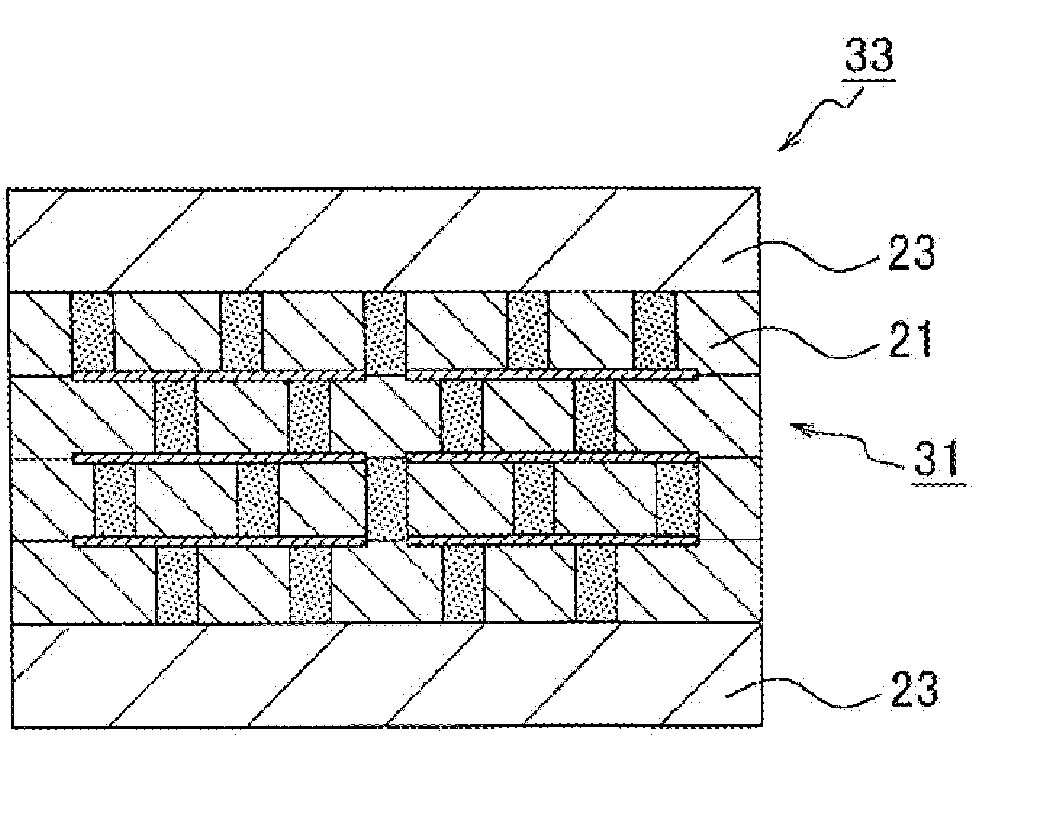
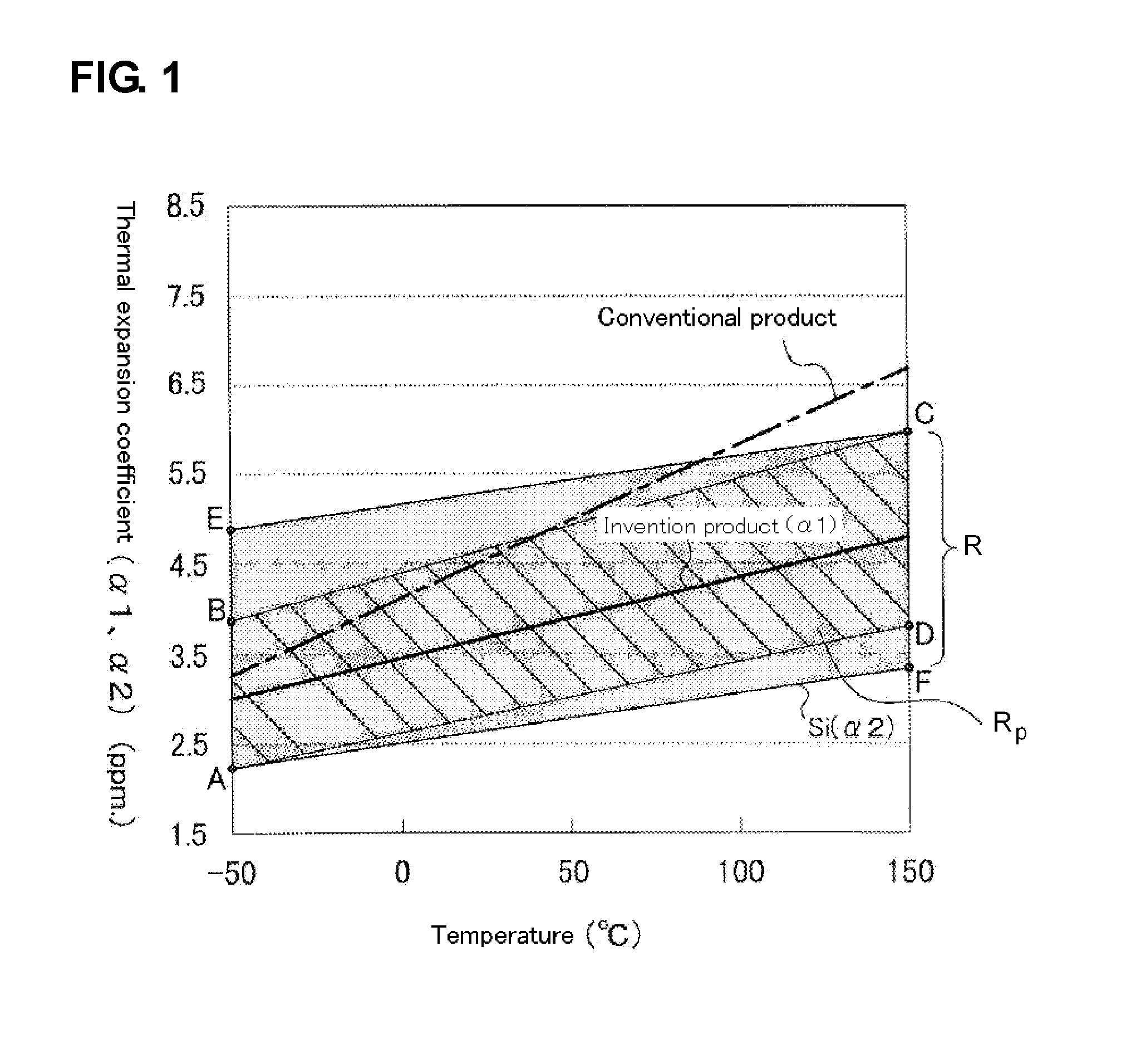
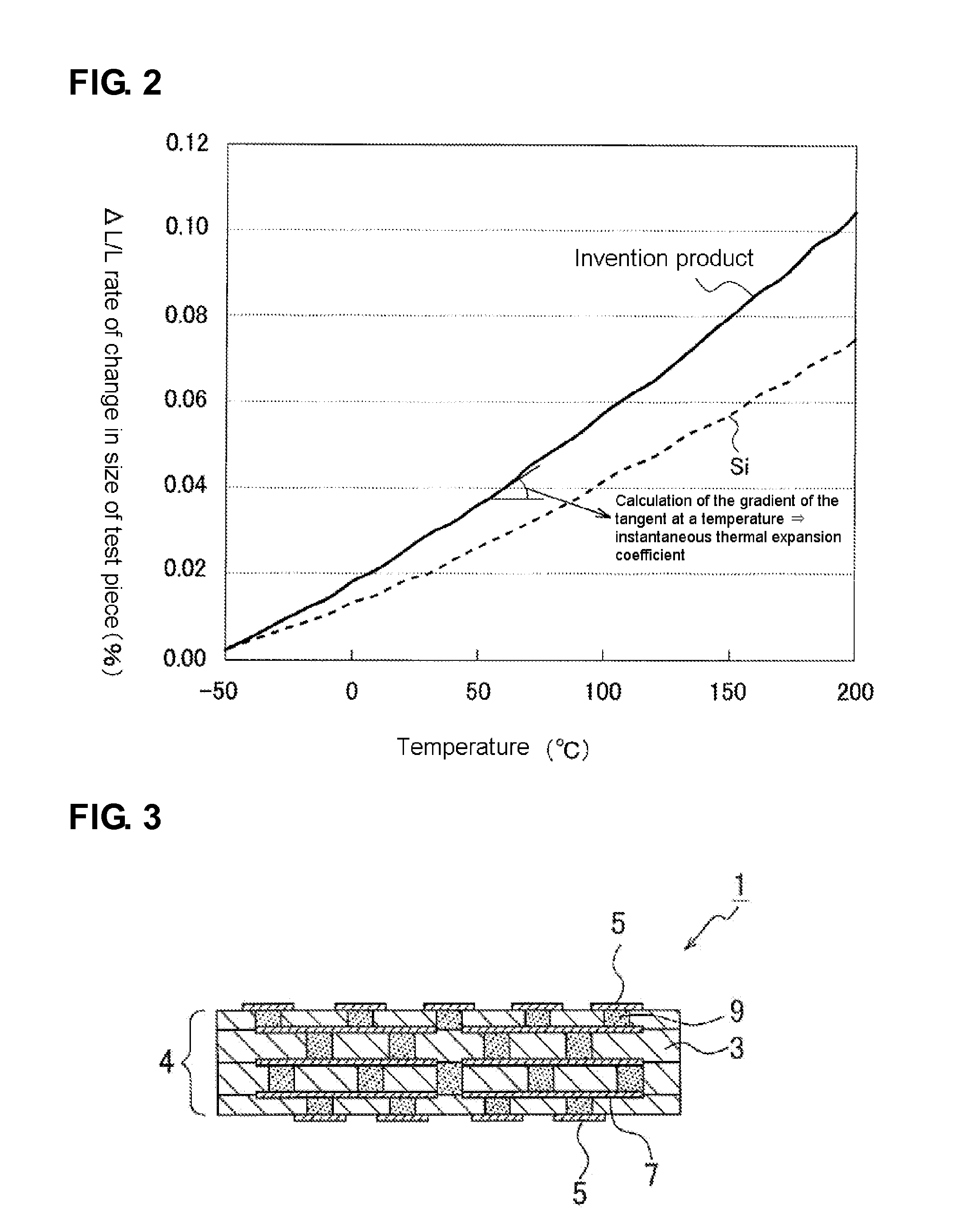
- A multi-layer ceramic substrate with a thermal expansion coefficient of 3.0 to 4.0 ppm/°C, formed using mullite and borosilicate glass, is developed to match the thermal expansion behavior of silicon wafers, ensuring consistent contact and alignment across a temperature range of -50°C to 150°C, and is manufactured using a constrained sintering process under pressure to achieve high dimensional accuracy.

Full area temperature controlled electrostatic chuck and method of fabricating same
PatentInactiveUS6853533B2
Innovation
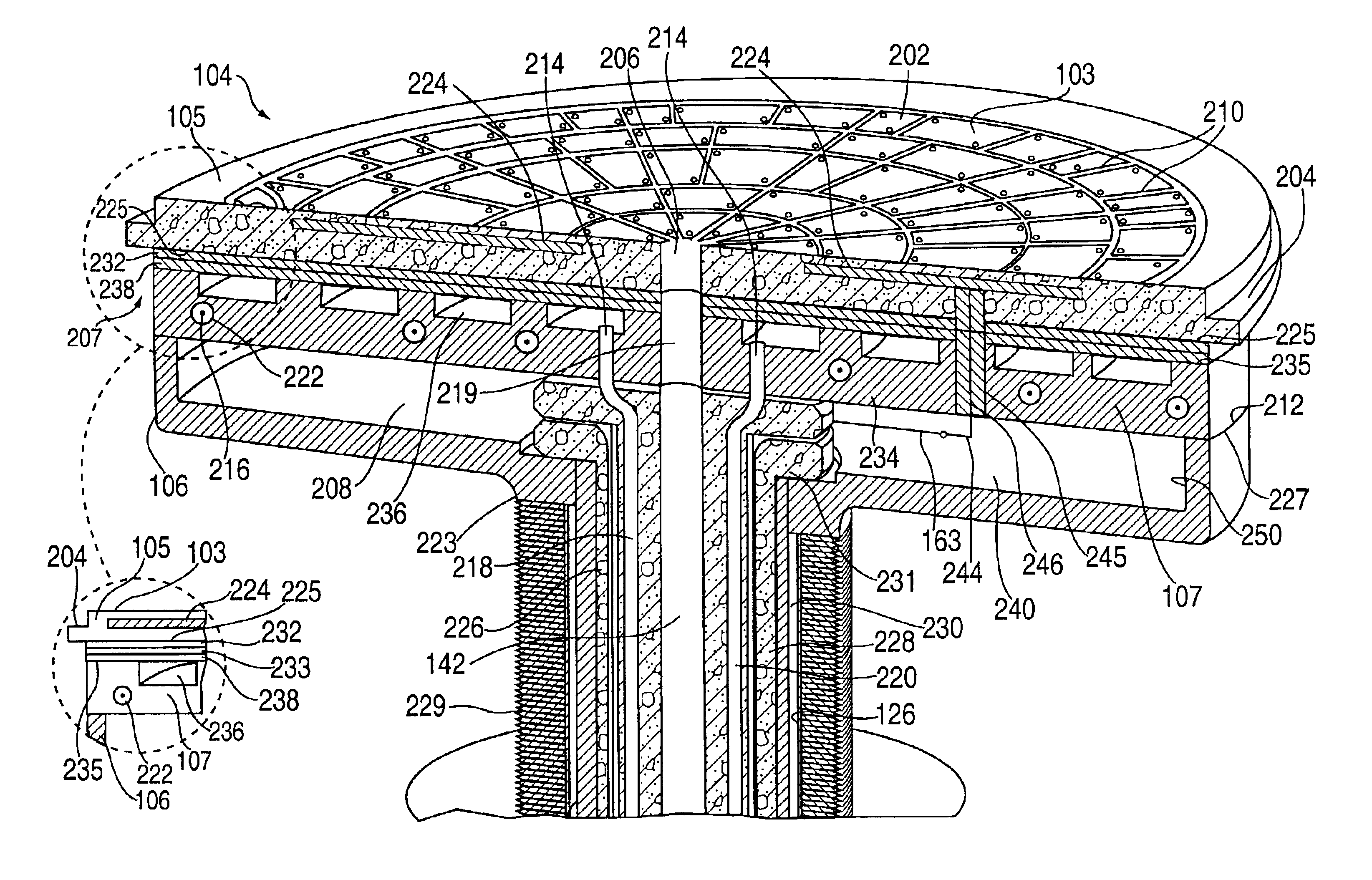
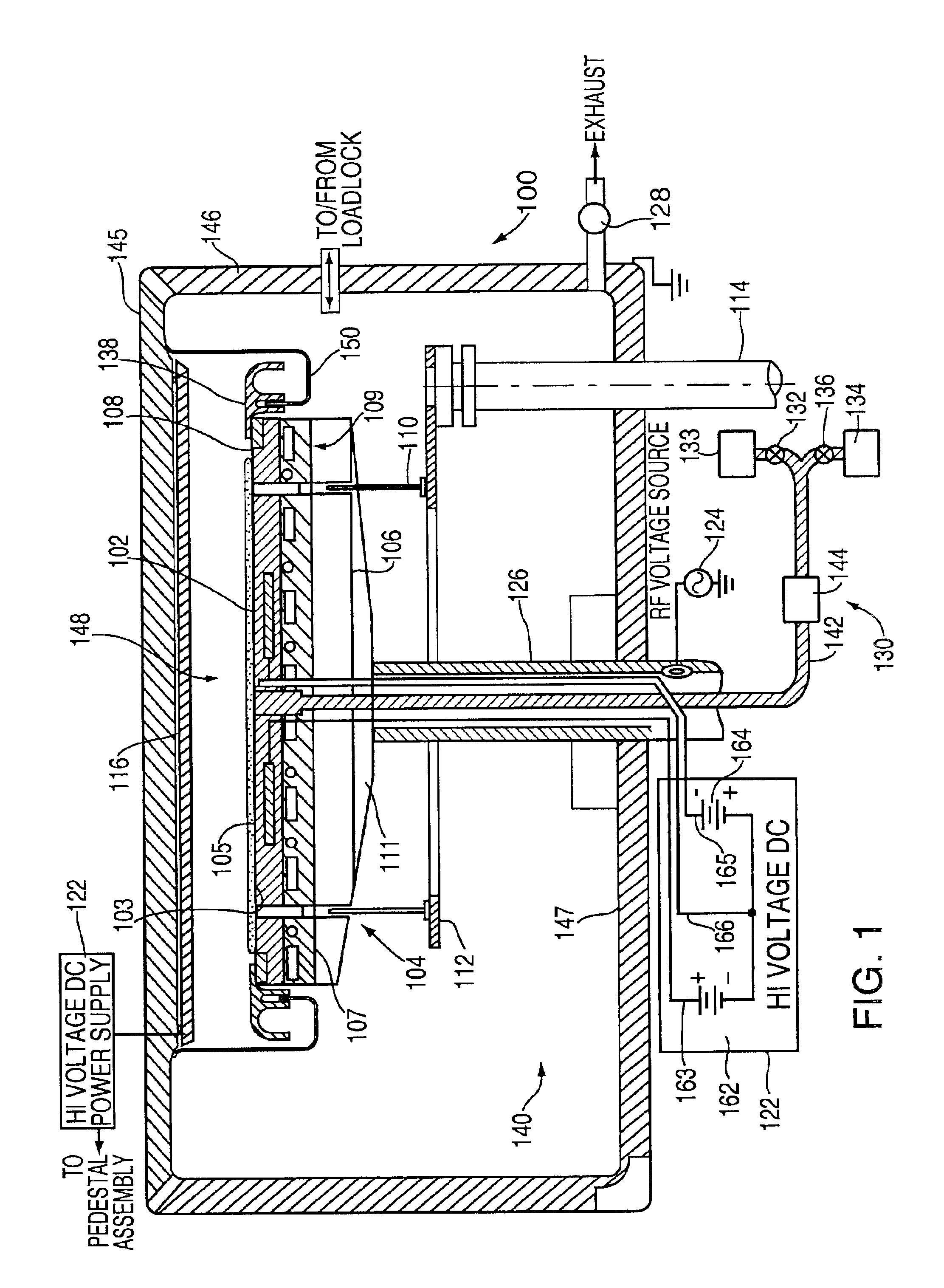
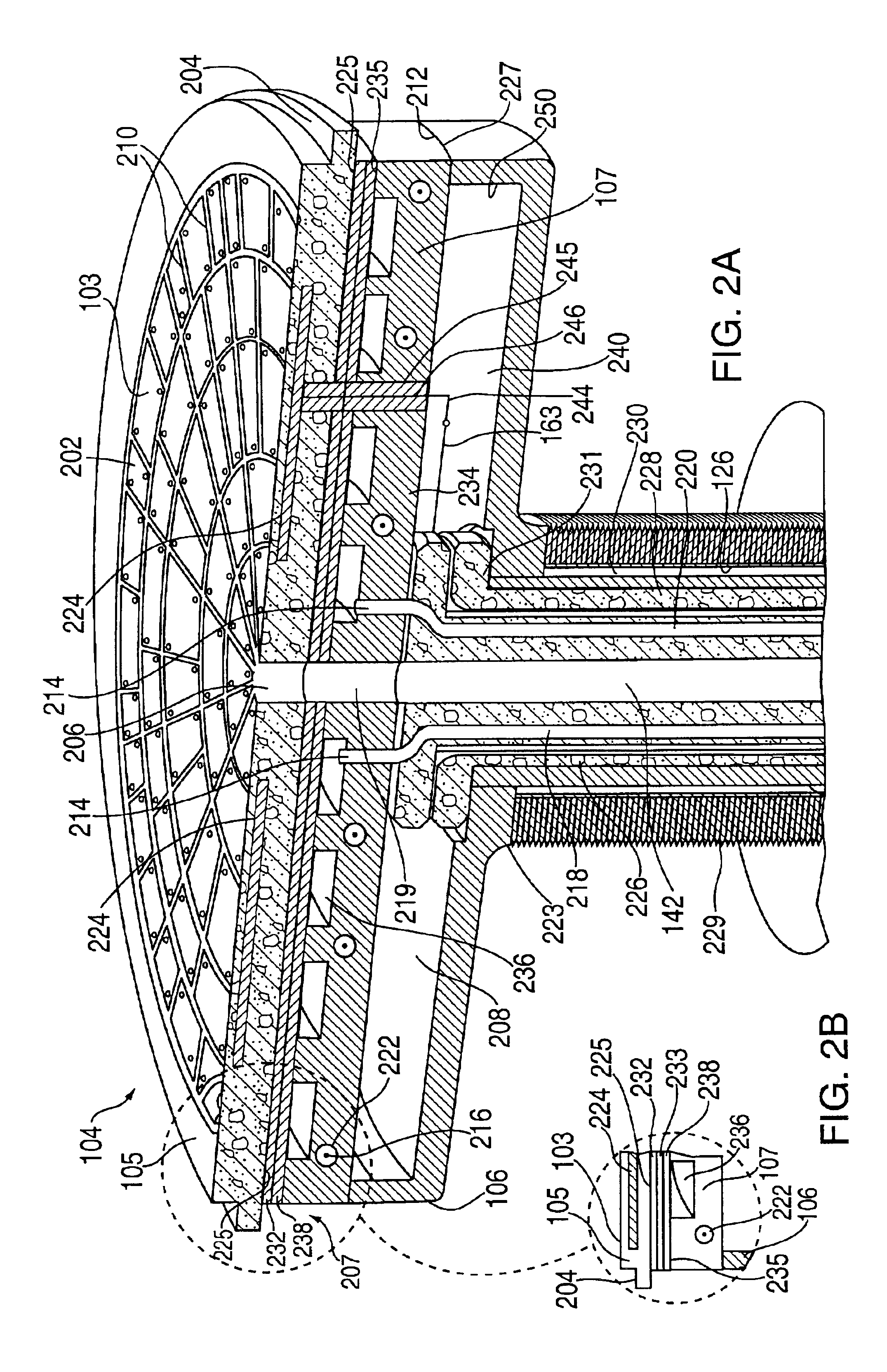
- A three-piece wafer support assembly is developed, where a ceramic puck is low-temperature brazed to a composite cooling plate structure, and a pedestal is electron-beam welded to a pedestal joining-ring, ensuring secure and uniform temperature control across the wafer surface.

Material Standards and Testing Protocols for WLP
The establishment of comprehensive material standards for wafer level packaging requires rigorous characterization of thermal expansion coefficients across all constituent materials. Current industry standards primarily reference JEDEC specifications, particularly JESD22-B112 for temperature cycling and JESD22-A104 for temperature shock testing, which provide foundational frameworks for thermal behavior assessment. However, these standards often lack the precision required for quantifying CTE mismatches at the microscale level typical in WLP applications.
Material characterization protocols must encompass substrate materials, die attach adhesives, underfill compounds, redistribution layer metals, and protective coatings. Each material category requires specific testing methodologies due to their distinct thermal properties and operational temperature ranges. Thermomechanical analysis using dynamic mechanical analyzers and thermogravimetric analysis systems provides essential data for establishing baseline CTE values across temperature ranges from -55°C to 150°C, representing typical operational extremes.
Testing protocols for CTE mismatch quantification should incorporate both static and dynamic thermal loading conditions. Static protocols involve controlled temperature ramping at rates of 1-5°C per minute while monitoring dimensional changes through high-resolution optical measurement systems or strain gauge arrays. Dynamic protocols simulate real-world thermal cycling conditions with rapid temperature transitions, enabling assessment of time-dependent thermal stress accumulation and material relaxation behaviors.
Standardized sample preparation procedures are critical for ensuring reproducible results across different testing facilities. Sample geometries must be optimized to minimize edge effects while maintaining sufficient size for accurate measurement. Typical test structures include bi-material cantilever beams, shadow moiré specimens, and custom WLP test vehicles that replicate actual packaging configurations with embedded temperature sensors and strain measurement capabilities.
Quality assurance protocols should establish acceptable tolerance ranges for CTE measurements, typically within ±2 ppm/°C for critical applications. Calibration standards using materials with well-characterized thermal properties, such as fused silica or single-crystal silicon, ensure measurement accuracy across different testing equipment and environmental conditions.
Material characterization protocols must encompass substrate materials, die attach adhesives, underfill compounds, redistribution layer metals, and protective coatings. Each material category requires specific testing methodologies due to their distinct thermal properties and operational temperature ranges. Thermomechanical analysis using dynamic mechanical analyzers and thermogravimetric analysis systems provides essential data for establishing baseline CTE values across temperature ranges from -55°C to 150°C, representing typical operational extremes.
Testing protocols for CTE mismatch quantification should incorporate both static and dynamic thermal loading conditions. Static protocols involve controlled temperature ramping at rates of 1-5°C per minute while monitoring dimensional changes through high-resolution optical measurement systems or strain gauge arrays. Dynamic protocols simulate real-world thermal cycling conditions with rapid temperature transitions, enabling assessment of time-dependent thermal stress accumulation and material relaxation behaviors.
Standardized sample preparation procedures are critical for ensuring reproducible results across different testing facilities. Sample geometries must be optimized to minimize edge effects while maintaining sufficient size for accurate measurement. Typical test structures include bi-material cantilever beams, shadow moiré specimens, and custom WLP test vehicles that replicate actual packaging configurations with embedded temperature sensors and strain measurement capabilities.
Quality assurance protocols should establish acceptable tolerance ranges for CTE measurements, typically within ±2 ppm/°C for critical applications. Calibration standards using materials with well-characterized thermal properties, such as fused silica or single-crystal silicon, ensure measurement accuracy across different testing equipment and environmental conditions.
Reliability Assessment Methods for Thermal Cycling
Thermal cycling reliability assessment represents a critical evaluation methodology for understanding the long-term performance of wafer level packaging under temperature fluctuations. This assessment directly addresses the challenges posed by thermal expansion coefficient mismatches between different materials in the packaging stack, providing quantitative insights into potential failure mechanisms and reliability margins.
The primary assessment approach involves accelerated thermal cycling tests, typically conducted according to JEDEC standards such as JESD22-A104. These tests subject packaged devices to repeated temperature excursions, commonly ranging from -40°C to +125°C, with controlled ramp rates and dwell times. The cycling parameters are specifically designed to accelerate stress accumulation caused by CTE mismatches while maintaining relevance to real-world operating conditions.
Finite element analysis serves as a complementary assessment tool, enabling predictive modeling of thermal stress distribution and strain accumulation during cycling. Advanced simulation frameworks incorporate temperature-dependent material properties and can predict crack initiation sites, delamination progression, and solder joint fatigue. These models utilize Coffin-Manson relationships and Paris law crack growth equations to correlate cycling conditions with expected lifetime performance.
In-situ monitoring techniques enhance assessment accuracy by providing real-time feedback during thermal cycling. Resistance monitoring of daisy-chain structures enables detection of interconnect degradation, while acoustic emission sensors can identify delamination events. Digital image correlation and interferometry techniques allow direct measurement of package warpage and strain evolution throughout cycling sequences.
Statistical analysis frameworks transform raw cycling data into reliability metrics. Weibull distribution analysis provides failure rate predictions and confidence intervals, while physics-of-failure models enable extrapolation to use conditions. These methodologies account for the stochastic nature of thermomechanical failures and provide quantitative risk assessments for different packaging configurations and material combinations.
The primary assessment approach involves accelerated thermal cycling tests, typically conducted according to JEDEC standards such as JESD22-A104. These tests subject packaged devices to repeated temperature excursions, commonly ranging from -40°C to +125°C, with controlled ramp rates and dwell times. The cycling parameters are specifically designed to accelerate stress accumulation caused by CTE mismatches while maintaining relevance to real-world operating conditions.
Finite element analysis serves as a complementary assessment tool, enabling predictive modeling of thermal stress distribution and strain accumulation during cycling. Advanced simulation frameworks incorporate temperature-dependent material properties and can predict crack initiation sites, delamination progression, and solder joint fatigue. These models utilize Coffin-Manson relationships and Paris law crack growth equations to correlate cycling conditions with expected lifetime performance.
In-situ monitoring techniques enhance assessment accuracy by providing real-time feedback during thermal cycling. Resistance monitoring of daisy-chain structures enables detection of interconnect degradation, while acoustic emission sensors can identify delamination events. Digital image correlation and interferometry techniques allow direct measurement of package warpage and strain evolution throughout cycling sequences.
Statistical analysis frameworks transform raw cycling data into reliability metrics. Weibull distribution analysis provides failure rate predictions and confidence intervals, while physics-of-failure models enable extrapolation to use conditions. These methodologies account for the stochastic nature of thermomechanical failures and provide quantitative risk assessments for different packaging configurations and material combinations.
Unlock deeper insights with Patsnap Eureka Quick Research — get a full tech report to explore trends and direct your research. Try now!
Generate Your Research Report Instantly with AI Agent
Supercharge your innovation with Patsnap Eureka AI Agent Platform!