
Optimizing Anode Configuration for Better Chrome Plating Distribution
APR 8, 20268 MIN READ
Generate Your Research Report Instantly with AI Agent
Patsnap Eureka helps you evaluate technical feasibility & market potential.
Chrome Plating Anode Tech Background and Goals
Chrome plating technology has evolved significantly since its commercial introduction in the early 20th century, transforming from a purely decorative process to a critical industrial application spanning automotive, aerospace, electronics, and manufacturing sectors. The electroplating process relies on the controlled deposition of chromium ions onto substrate surfaces through electrochemical reactions, where anode configuration plays a pivotal role in determining the quality and uniformity of the final coating.
The fundamental challenge in chrome plating lies in achieving uniform current density distribution across complex geometries and varying surface areas. Traditional anode arrangements often result in uneven plating thickness, with high-current-density areas receiving excessive deposition while recessed or distant regions suffer from inadequate coverage. This non-uniformity leads to premature coating failure, reduced corrosion resistance, and compromised functional performance.
Historical development of chrome plating technology has progressed through several distinct phases, beginning with basic lead anodes in chromic acid baths, advancing to lead-tin alloy configurations, and eventually incorporating sophisticated auxiliary electrode systems. Each evolutionary step addressed specific limitations in current distribution and plating efficiency, yet the fundamental challenge of optimizing anode geometry for complex part configurations remains a critical research focus.
The primary technical objectives for optimizing anode configuration center on achieving uniform thickness distribution within ±10% variation across all plated surfaces, minimizing edge effects and current concentration phenomena, and reducing overall processing time while maintaining coating quality standards. Secondary goals include improving current efficiency to reduce energy consumption, extending anode service life, and developing scalable solutions applicable to diverse part geometries.
Modern chrome plating operations demand increasingly stringent quality requirements driven by advanced applications in precision manufacturing and high-performance components. The integration of computational modeling, real-time monitoring systems, and adaptive control mechanisms represents the current frontier in anode optimization technology, promising unprecedented levels of plating uniformity and process control.
Contemporary research focuses on developing intelligent anode systems capable of dynamic current redistribution, incorporating advanced materials with superior electrochemical properties, and implementing predictive algorithms for optimal electrode positioning based on part geometry analysis.
The fundamental challenge in chrome plating lies in achieving uniform current density distribution across complex geometries and varying surface areas. Traditional anode arrangements often result in uneven plating thickness, with high-current-density areas receiving excessive deposition while recessed or distant regions suffer from inadequate coverage. This non-uniformity leads to premature coating failure, reduced corrosion resistance, and compromised functional performance.
Historical development of chrome plating technology has progressed through several distinct phases, beginning with basic lead anodes in chromic acid baths, advancing to lead-tin alloy configurations, and eventually incorporating sophisticated auxiliary electrode systems. Each evolutionary step addressed specific limitations in current distribution and plating efficiency, yet the fundamental challenge of optimizing anode geometry for complex part configurations remains a critical research focus.
The primary technical objectives for optimizing anode configuration center on achieving uniform thickness distribution within ±10% variation across all plated surfaces, minimizing edge effects and current concentration phenomena, and reducing overall processing time while maintaining coating quality standards. Secondary goals include improving current efficiency to reduce energy consumption, extending anode service life, and developing scalable solutions applicable to diverse part geometries.
Modern chrome plating operations demand increasingly stringent quality requirements driven by advanced applications in precision manufacturing and high-performance components. The integration of computational modeling, real-time monitoring systems, and adaptive control mechanisms represents the current frontier in anode optimization technology, promising unprecedented levels of plating uniformity and process control.
Contemporary research focuses on developing intelligent anode systems capable of dynamic current redistribution, incorporating advanced materials with superior electrochemical properties, and implementing predictive algorithms for optimal electrode positioning based on part geometry analysis.
Market Demand for Uniform Chrome Plating Solutions
The global chrome plating industry faces increasing pressure to deliver uniform coating distribution across complex geometries and large-scale components. Traditional chrome plating processes often result in uneven thickness distribution, leading to premature wear, corrosion susceptibility, and aesthetic defects that compromise product quality and longevity. This challenge has created substantial market demand for advanced solutions that can achieve consistent chrome deposition across diverse substrate configurations.
Automotive manufacturers represent the largest segment driving demand for uniform chrome plating solutions. Engine components, hydraulic cylinders, and decorative trim pieces require precise thickness control to meet stringent performance specifications. The aerospace sector similarly demands exceptional uniformity for landing gear components, actuator rods, and critical flight hardware where coating inconsistencies can lead to catastrophic failures.
Industrial machinery manufacturers increasingly seek uniform chrome plating for hydraulic equipment, printing rollers, and precision tooling applications. The growing emphasis on equipment reliability and extended service intervals has intensified requirements for consistent coating properties. Mining and construction equipment sectors also contribute significant demand, as uniform chrome layers directly impact component durability in harsh operating environments.
The electronics and semiconductor industries present emerging opportunities for uniform chrome plating solutions. Precision components in manufacturing equipment require extremely consistent surface properties to maintain tight tolerances and prevent contamination. Medical device manufacturers similarly require uniform chrome coatings for surgical instruments and implantable components where surface consistency affects biocompatibility and performance.
Market drivers include stricter quality standards, environmental regulations promoting process efficiency, and cost pressures to reduce rework and scrap rates. Companies increasingly recognize that optimized anode configurations can significantly improve first-pass yield rates and reduce material waste, creating strong economic incentives for adoption.
Regional demand patterns show particular strength in established manufacturing hubs including North America, Europe, and Asia-Pacific regions. Emerging markets demonstrate growing interest as local manufacturing capabilities expand and quality requirements increase. The trend toward reshoring manufacturing activities has further amplified demand for advanced chrome plating technologies that can compete with offshore alternatives through superior quality and consistency.
Automotive manufacturers represent the largest segment driving demand for uniform chrome plating solutions. Engine components, hydraulic cylinders, and decorative trim pieces require precise thickness control to meet stringent performance specifications. The aerospace sector similarly demands exceptional uniformity for landing gear components, actuator rods, and critical flight hardware where coating inconsistencies can lead to catastrophic failures.
Industrial machinery manufacturers increasingly seek uniform chrome plating for hydraulic equipment, printing rollers, and precision tooling applications. The growing emphasis on equipment reliability and extended service intervals has intensified requirements for consistent coating properties. Mining and construction equipment sectors also contribute significant demand, as uniform chrome layers directly impact component durability in harsh operating environments.
The electronics and semiconductor industries present emerging opportunities for uniform chrome plating solutions. Precision components in manufacturing equipment require extremely consistent surface properties to maintain tight tolerances and prevent contamination. Medical device manufacturers similarly require uniform chrome coatings for surgical instruments and implantable components where surface consistency affects biocompatibility and performance.
Market drivers include stricter quality standards, environmental regulations promoting process efficiency, and cost pressures to reduce rework and scrap rates. Companies increasingly recognize that optimized anode configurations can significantly improve first-pass yield rates and reduce material waste, creating strong economic incentives for adoption.
Regional demand patterns show particular strength in established manufacturing hubs including North America, Europe, and Asia-Pacific regions. Emerging markets demonstrate growing interest as local manufacturing capabilities expand and quality requirements increase. The trend toward reshoring manufacturing activities has further amplified demand for advanced chrome plating technologies that can compete with offshore alternatives through superior quality and consistency.
Current Anode Config Challenges and Limitations
Chrome plating operations face significant challenges in achieving uniform coating distribution across complex geometries, with current anode configurations representing a primary bottleneck in process optimization. Traditional anode arrangements often result in uneven current density distribution, leading to thickness variations that compromise both aesthetic quality and functional performance of plated components.
Conventional fixed anode systems struggle with geometric limitations, particularly when processing parts with recessed areas, sharp corners, or irregular surfaces. These configurations typically employ static positioning that cannot adapt to varying part geometries, resulting in current density concentrations at protruding features while leaving recessed areas under-plated. The inability to dynamically adjust current distribution creates persistent quality issues that require extensive post-processing or result in part rejection.
Current density management presents another critical limitation in existing anode configurations. Standard systems often rely on uniform spacing and fixed electrical connections that fail to account for the complex electrochemical dynamics occurring during the plating process. This approach leads to localized over-plating in high-field areas and insufficient deposition in shielded regions, creating thickness variations that can exceed acceptable tolerances by significant margins.
Thermal management within existing anode systems poses additional constraints on plating performance. Heat generation from electrical resistance and electrochemical reactions creates temperature gradients that affect solution conductivity and plating kinetics. Current configurations lack adequate thermal control mechanisms, leading to process instabilities that manifest as surface defects, poor adhesion, and inconsistent coating properties across the substrate surface.
The scalability limitations of traditional anode designs become particularly evident in high-volume production environments. Fixed configurations optimized for specific part geometries cannot efficiently accommodate product mix variations without significant setup modifications. This inflexibility results in extended changeover times, reduced throughput, and increased operational complexity that impacts overall manufacturing efficiency.
Maintenance and operational challenges further compound the limitations of current anode systems. Conventional designs often incorporate components that are difficult to access for cleaning, replacement, or adjustment, leading to extended downtime periods. The accumulation of plating by-products and solution contaminants on anode surfaces creates performance degradation over time, requiring frequent maintenance interventions that disrupt production schedules and increase operational costs.
Conventional fixed anode systems struggle with geometric limitations, particularly when processing parts with recessed areas, sharp corners, or irregular surfaces. These configurations typically employ static positioning that cannot adapt to varying part geometries, resulting in current density concentrations at protruding features while leaving recessed areas under-plated. The inability to dynamically adjust current distribution creates persistent quality issues that require extensive post-processing or result in part rejection.
Current density management presents another critical limitation in existing anode configurations. Standard systems often rely on uniform spacing and fixed electrical connections that fail to account for the complex electrochemical dynamics occurring during the plating process. This approach leads to localized over-plating in high-field areas and insufficient deposition in shielded regions, creating thickness variations that can exceed acceptable tolerances by significant margins.
Thermal management within existing anode systems poses additional constraints on plating performance. Heat generation from electrical resistance and electrochemical reactions creates temperature gradients that affect solution conductivity and plating kinetics. Current configurations lack adequate thermal control mechanisms, leading to process instabilities that manifest as surface defects, poor adhesion, and inconsistent coating properties across the substrate surface.
The scalability limitations of traditional anode designs become particularly evident in high-volume production environments. Fixed configurations optimized for specific part geometries cannot efficiently accommodate product mix variations without significant setup modifications. This inflexibility results in extended changeover times, reduced throughput, and increased operational complexity that impacts overall manufacturing efficiency.
Maintenance and operational challenges further compound the limitations of current anode systems. Conventional designs often incorporate components that are difficult to access for cleaning, replacement, or adjustment, leading to extended downtime periods. The accumulation of plating by-products and solution contaminants on anode surfaces creates performance degradation over time, requiring frequent maintenance interventions that disrupt production schedules and increase operational costs.
Existing Anode Configuration Optimization Methods
01 Optimized anode positioning and geometry for uniform chrome distribution
The configuration and positioning of anodes in chrome plating systems significantly affects the uniformity of chrome distribution on the workpiece surface. Strategic placement of anodes at specific distances and angles relative to the cathode ensures even current distribution and consistent plating thickness. Geometric optimization of anode shapes, including curved or contoured designs, helps achieve uniform coating on complex part geometries by maintaining consistent current density across all surfaces.- Optimized anode positioning and geometry for uniform chrome plating: The configuration and positioning of anodes relative to the cathode workpiece is critical for achieving uniform chrome plating distribution. Strategic placement of anodes at specific distances and angles, along with optimized geometric shapes such as curved or contoured anodes, helps ensure even current distribution across complex workpiece surfaces. This approach minimizes thickness variations and improves coating quality on irregular geometries.
- Multiple anode arrays and segmented electrode systems: Utilizing multiple anodes arranged in arrays or segmented configurations allows for better control of current density distribution during chrome plating. These systems can be independently controlled or positioned to compensate for varying workpiece geometries and ensure uniform coating thickness. The segmented approach enables targeted plating on specific areas while maintaining overall distribution uniformity.
- Auxiliary electrodes and shielding devices for current distribution control: The incorporation of auxiliary electrodes, shields, or current distribution devices helps regulate the electric field and current flow patterns in chrome plating baths. These components can be strategically positioned to redirect current away from high-current-density areas or enhance plating in recessed regions. Such configurations improve uniformity by compensating for edge effects and geometric irregularities in the workpiece.
- Rotating or movable anode systems for dynamic plating distribution: Dynamic anode configurations involving rotation, oscillation, or movement during the plating process help achieve more uniform chrome distribution. These systems continuously vary the relative position between anode and cathode, averaging out current density variations over time. This approach is particularly effective for complex three-dimensional parts where static anode positioning cannot provide adequate coverage.
- Conformable and flexible anode designs for complex geometries: Specialized anode configurations using flexible, conformable, or custom-shaped electrodes are designed to match the contours of complex workpiece geometries. These anodes maintain consistent spacing from the cathode surface regardless of shape variations, ensuring uniform current distribution and chrome plating thickness. Such designs are particularly valuable for plating internal surfaces, cylinders, and irregularly shaped components.
02 Multi-anode array systems for enhanced plating uniformity
Multiple anode configurations arranged in arrays or specific patterns improve chrome plating distribution by providing multiple current sources. These systems utilize several anodes positioned around the workpiece to eliminate shadowing effects and ensure complete coverage. The arrangement may include adjustable anode positions that can be modified based on workpiece geometry, allowing for customized plating solutions for different part configurations.Expand Specific Solutions03 Auxiliary electrode and shielding techniques
Implementation of auxiliary electrodes and shielding devices helps control current distribution and improve chrome plating uniformity. These components redirect current flow to areas that would otherwise receive insufficient plating, while shielding prevents excessive buildup on high-current-density regions. The use of non-conductive barriers and conductive auxiliary elements creates a more balanced electrical field throughout the plating bath.Expand Specific Solutions04 Rotating and moving anode systems
Dynamic anode configurations that incorporate rotation or movement mechanisms enhance chrome distribution by continuously varying the relative position between anode and cathode. These systems prevent localized over-plating and ensure all surfaces receive adequate exposure to the plating current. Movement patterns can be programmed to accommodate specific workpiece geometries and achieve optimal coating thickness uniformity.Expand Specific Solutions05 Conforming anode designs for complex geometries
Specially designed conforming anodes that match or complement the shape of complex workpieces improve chrome plating distribution on intricate parts. These anodes maintain consistent spacing from the cathode surface regardless of geometric variations, ensuring uniform current density. Custom-shaped anodes are particularly effective for internal surfaces, recesses, and irregular contours where standard flat anodes would produce uneven results.Expand Specific Solutions
Key Players in Chrome Plating Equipment Industry
The chrome plating optimization market represents a mature industrial sector experiencing steady growth driven by automotive, aerospace, and electronics applications. The industry is in a consolidation phase with established players dominating through technological expertise and manufacturing scale. Market size reflects consistent demand from traditional sectors while emerging applications in semiconductors create new opportunities. Technology maturity varies significantly across segments, with companies like Applied Materials and Atotech Deutschland leading advanced semiconductor plating solutions, while traditional players such as Arlington Plating and NEO Industries focus on conventional chrome plating services. Automotive giants like Nissan and Bosch drive demand for high-quality surface treatments, while precision equipment manufacturers like Ebara Corp. and BoardTek Electronics push technological boundaries in specialized applications, creating a competitive landscape characterized by both specialized niche players and integrated solution providers.
Atotech Deutschland GmbH & Co. KG
Technical Solution: Atotech specializes in advanced electroplating solutions with optimized anode configurations for chrome plating applications. Their technology focuses on pulse plating techniques combined with specially designed conforming anodes that adapt to complex geometries. The system utilizes auxiliary anodes positioned strategically around the cathode to ensure uniform current distribution, achieving thickness variations within ±5% across complex surfaces. Their proprietary electrolyte management system maintains optimal chrome ion concentration while minimizing hexavalent chrome usage through advanced recycling processes.
Strengths: Industry-leading expertise in electroplating chemistry and equipment design, proven track record in automotive and aerospace applications. Weaknesses: High initial investment costs and complex system maintenance requirements.
Applied Materials, Inc.
Technical Solution: Applied Materials develops semiconductor-grade electroplating systems with precision anode arrays for chrome deposition in microelectronics manufacturing. Their approach employs segmented anode designs with individual current control for each segment, enabling real-time adjustment of current density distribution. The system integrates advanced process monitoring with feedback control algorithms that automatically optimize anode positioning and current parameters based on real-time thickness measurements. This technology achieves uniformity specifications better than ±3% across 300mm wafers while maintaining high throughput rates exceeding 100 wafers per hour.
Strengths: Cutting-edge automation and process control capabilities, excellent uniformity performance for precision applications. Weaknesses: Limited to high-tech applications, requires specialized technical expertise for operation.
Core Innovations in Anode Design and Positioning
Multi-anode system for uniform plating of alloys
PatentActiveUS20080179192A1
Innovation
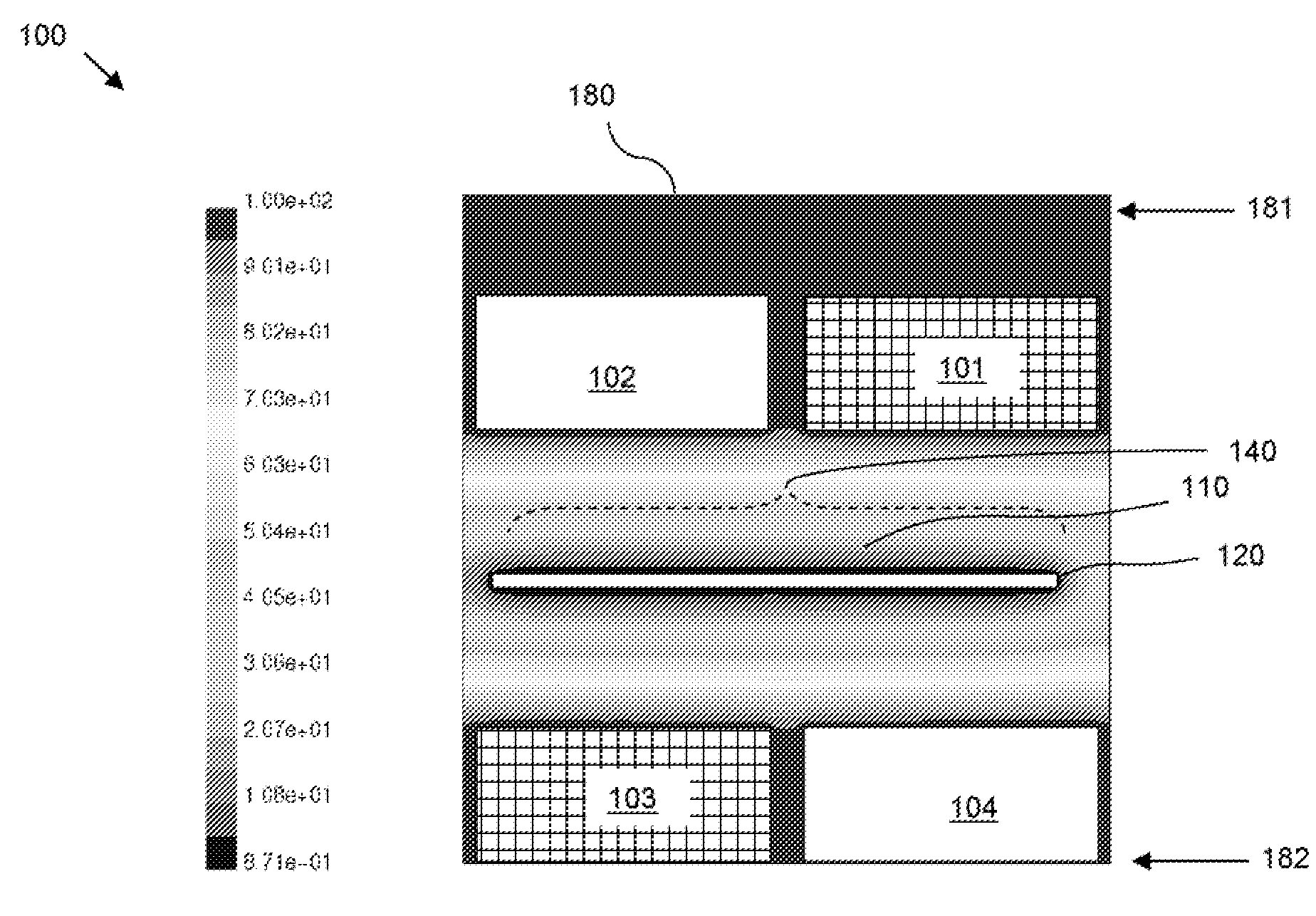
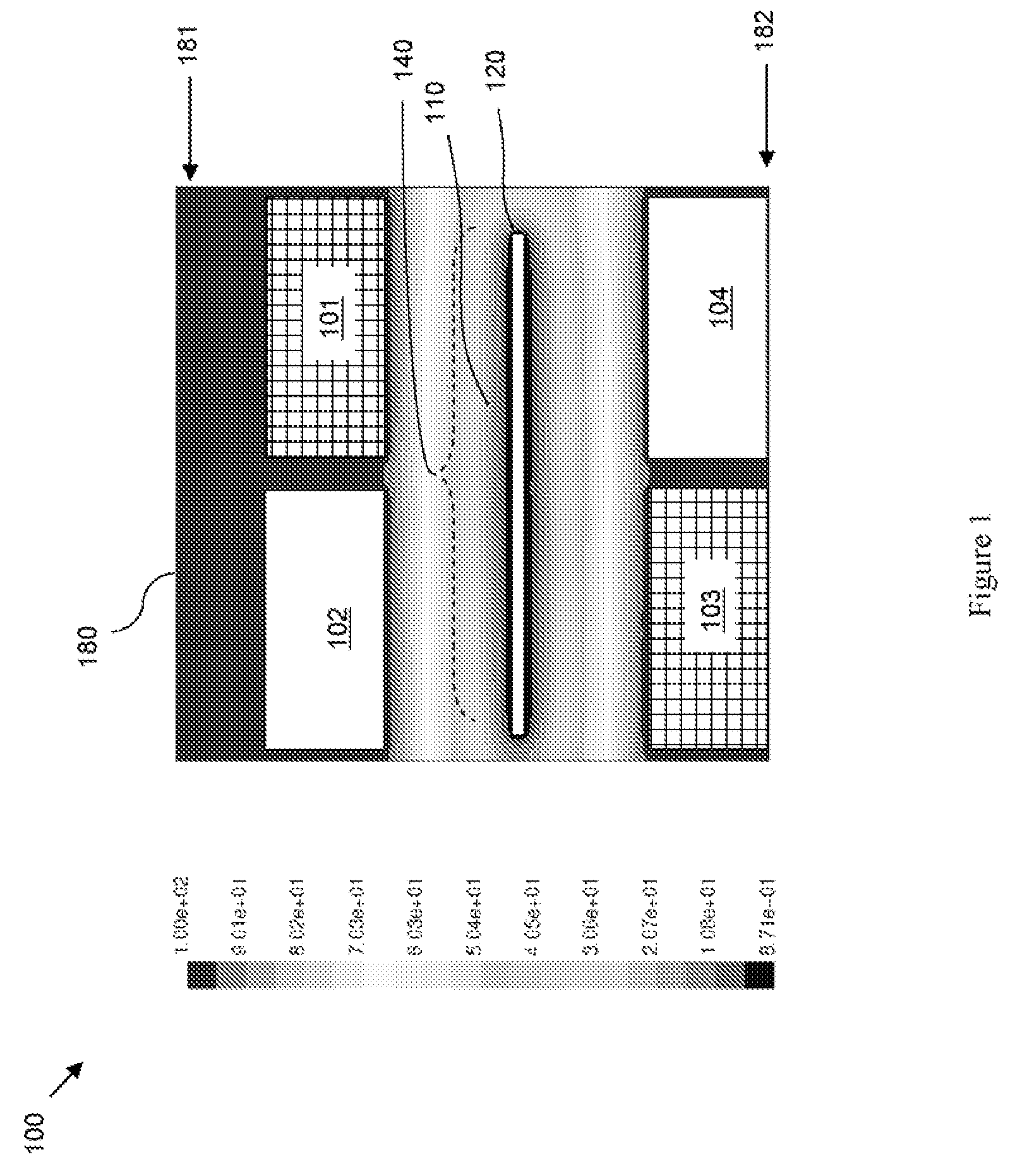
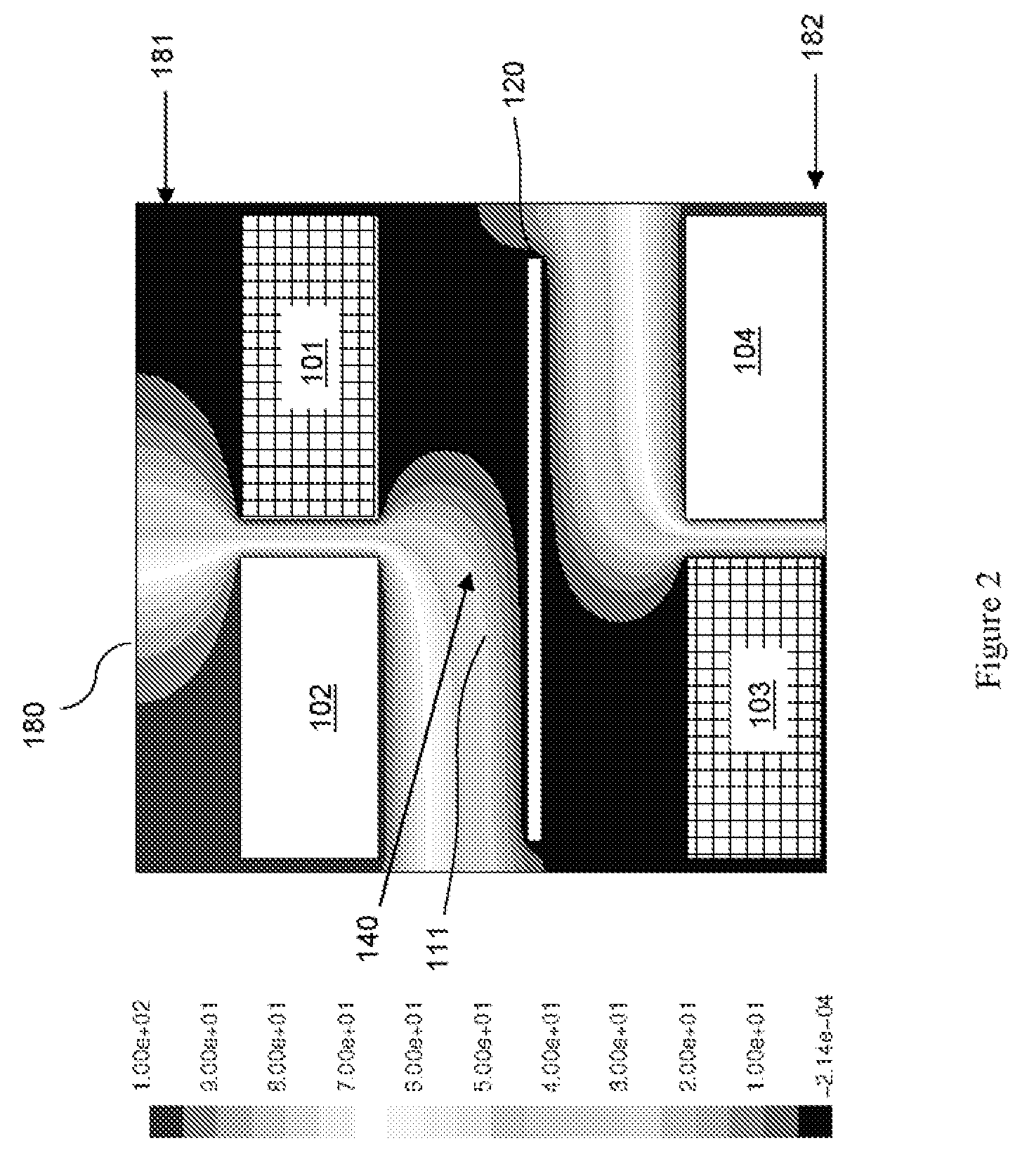
- A multi-anode system with varying sizes, shapes, and placements of anodes connected to different power sources, allowing dynamic control of alloy composition and uniform current density, eliminating the need for bath replacement and enabling fine-tuning of plating thickness using electrically insulating baffles.

Plating apparatus and plating method
PatentInactiveUS20100163408A1
Innovation
- A plating apparatus with a high-resistance anode and a contact member having through-holes is used, where the anode has feeding points both centrally and peripherally to distribute current evenly, and the contact member facilitates columnar film growth to ease CMP processing.


Environmental Regulations for Chrome Plating
The chrome plating industry operates under increasingly stringent environmental regulations worldwide, driven by growing concerns about hexavalent chromium's carcinogenic properties and environmental impact. The European Union's REACH regulation has significantly restricted the use of chromium trioxide, requiring authorization for continued use and mandating comprehensive risk assessments. Similarly, the United States Environmental Protection Agency has established strict National Emission Standards for Hazardous Air Pollutants (NESHAP) specifically targeting chromium emissions from electroplating operations.
Current regulatory frameworks focus primarily on emission control and worker safety standards. The Occupational Safety and Health Administration (OSHA) has set permissible exposure limits for hexavalent chromium at 5 micrograms per cubic meter as an 8-hour time-weighted average. These regulations directly impact anode configuration optimization, as improved current distribution can reduce the formation of chromium mist and minimize waste generation, thereby supporting compliance efforts.
Waste discharge regulations present another critical compliance area. The Clean Water Act in the United States and similar legislation globally impose strict limits on chromium concentrations in industrial wastewater. Optimized anode configurations that enhance plating efficiency can significantly reduce dragout losses and minimize the chromium content in rinse waters, supporting facilities in meeting discharge requirements.
Emerging regulatory trends indicate a shift toward more comprehensive lifecycle assessments and circular economy principles. The European Green Deal and similar initiatives worldwide are pushing for reduced chemical consumption and improved resource efficiency. These developments favor advanced anode configurations that maximize material utilization and minimize waste generation.
Regional variations in regulatory approaches create additional complexity for global operations. While some jurisdictions focus on emission controls, others emphasize waste minimization or worker protection. This regulatory landscape diversity necessitates flexible anode design strategies that can adapt to varying compliance requirements while maintaining operational efficiency across different markets.
Current regulatory frameworks focus primarily on emission control and worker safety standards. The Occupational Safety and Health Administration (OSHA) has set permissible exposure limits for hexavalent chromium at 5 micrograms per cubic meter as an 8-hour time-weighted average. These regulations directly impact anode configuration optimization, as improved current distribution can reduce the formation of chromium mist and minimize waste generation, thereby supporting compliance efforts.
Waste discharge regulations present another critical compliance area. The Clean Water Act in the United States and similar legislation globally impose strict limits on chromium concentrations in industrial wastewater. Optimized anode configurations that enhance plating efficiency can significantly reduce dragout losses and minimize the chromium content in rinse waters, supporting facilities in meeting discharge requirements.
Emerging regulatory trends indicate a shift toward more comprehensive lifecycle assessments and circular economy principles. The European Green Deal and similar initiatives worldwide are pushing for reduced chemical consumption and improved resource efficiency. These developments favor advanced anode configurations that maximize material utilization and minimize waste generation.
Regional variations in regulatory approaches create additional complexity for global operations. While some jurisdictions focus on emission controls, others emphasize waste minimization or worker protection. This regulatory landscape diversity necessitates flexible anode design strategies that can adapt to varying compliance requirements while maintaining operational efficiency across different markets.
Process Control and Monitoring Technologies
Process control and monitoring technologies play a crucial role in optimizing anode configuration for enhanced chrome plating distribution uniformity. Advanced real-time monitoring systems enable precise tracking of current density distribution across the plating surface, providing immediate feedback on anode positioning effectiveness. These systems typically employ sensor arrays that measure electrical field strength, temperature gradients, and electrolyte flow patterns throughout the plating bath.
Modern process control platforms integrate multiple monitoring technologies to create comprehensive oversight of the chrome plating operation. Electrochemical impedance spectroscopy systems continuously assess the resistance characteristics at different points along the cathode surface, identifying areas where current distribution may be suboptimal due to anode positioning. This data enables dynamic adjustment of anode configurations during the plating process.
Digital twin technology has emerged as a powerful tool for predictive process control in chrome plating operations. By creating virtual models of the plating system, operators can simulate various anode configurations and predict their impact on current distribution before implementing physical changes. These models incorporate real-time data from multiple sensors to maintain accuracy and relevance to actual operating conditions.
Automated feedback control systems represent the next evolution in process monitoring, utilizing machine learning algorithms to optimize anode positioning based on historical performance data and real-time measurements. These systems can automatically adjust auxiliary anodes, modify current distribution patterns, and recommend configuration changes to maintain optimal plating uniformity.
Advanced imaging technologies, including thermal imaging and optical measurement systems, provide visual confirmation of plating uniformity and help validate the effectiveness of anode configuration adjustments. Integration of these monitoring technologies with process control systems creates a comprehensive framework for maintaining consistent chrome plating quality while optimizing production efficiency and reducing material waste.
Modern process control platforms integrate multiple monitoring technologies to create comprehensive oversight of the chrome plating operation. Electrochemical impedance spectroscopy systems continuously assess the resistance characteristics at different points along the cathode surface, identifying areas where current distribution may be suboptimal due to anode positioning. This data enables dynamic adjustment of anode configurations during the plating process.
Digital twin technology has emerged as a powerful tool for predictive process control in chrome plating operations. By creating virtual models of the plating system, operators can simulate various anode configurations and predict their impact on current distribution before implementing physical changes. These models incorporate real-time data from multiple sensors to maintain accuracy and relevance to actual operating conditions.
Automated feedback control systems represent the next evolution in process monitoring, utilizing machine learning algorithms to optimize anode positioning based on historical performance data and real-time measurements. These systems can automatically adjust auxiliary anodes, modify current distribution patterns, and recommend configuration changes to maintain optimal plating uniformity.
Advanced imaging technologies, including thermal imaging and optical measurement systems, provide visual confirmation of plating uniformity and help validate the effectiveness of anode configuration adjustments. Integration of these monitoring technologies with process control systems creates a comprehensive framework for maintaining consistent chrome plating quality while optimizing production efficiency and reducing material waste.
Unlock deeper insights with Patsnap Eureka Quick Research — get a full tech report to explore trends and direct your research. Try now!
Generate Your Research Report Instantly with AI Agent
Supercharge your innovation with Patsnap Eureka AI Agent Platform!