
Optimizing Camshaft Control for Variable Compression Engines
FEB 28, 20269 MIN READ
Generate Your Research Report Instantly with AI Agent
Patsnap Eureka helps you evaluate technical feasibility & market potential.
Variable Compression Engine Camshaft Control Background and Objectives
Variable compression ratio (VCR) engines represent a paradigm shift in internal combustion engine technology, addressing the fundamental trade-off between fuel efficiency and power output that has constrained conventional engines for decades. The concept emerged from the recognition that optimal compression ratios vary significantly across different operating conditions, with lower ratios favoring high-load performance and higher ratios enhancing fuel economy during light-load operation.
The evolution of VCR technology traces back to early 20th-century experimental engines, but practical implementation remained elusive due to mechanical complexity and reliability concerns. Modern developments have been driven by increasingly stringent emissions regulations and fuel economy standards, particularly the Corporate Average Fuel Economy (CAFE) standards and European Union emissions directives. These regulatory pressures have accelerated research into advanced engine technologies capable of delivering both performance and efficiency.
Contemporary VCR engines utilize sophisticated mechanical systems to dynamically adjust compression ratios during operation, typically ranging from 8:1 to 14:1. This capability enables optimization across diverse operating scenarios, from high-performance acceleration requiring lower compression ratios to steady-state cruising conditions where higher ratios maximize thermal efficiency. The technology promises fuel economy improvements of 15-25% compared to conventional engines while maintaining equivalent power output.
Central to VCR engine functionality is the precise coordination between compression ratio adjustments and valve timing control through advanced camshaft systems. Traditional fixed camshaft profiles become inadequate when compression ratios vary dynamically, as optimal valve timing strategies must adapt correspondingly. This creates complex interdependencies between mechanical compression adjustment mechanisms and variable valve timing systems.
The primary objective of optimizing camshaft control for VCR engines centers on developing integrated control strategies that harmonize compression ratio changes with valve timing adjustments. This requires real-time coordination algorithms capable of managing multiple actuator systems while maintaining engine stability, emissions compliance, and drivability standards. Key technical targets include minimizing transition times between compression states, preventing knock occurrence across all operating conditions, and maximizing thermal efficiency gains through coordinated optimization.
Secondary objectives encompass durability enhancement of mechanical components subjected to variable loading conditions, cost reduction through simplified actuation mechanisms, and integration with existing engine management systems. The ultimate goal involves creating seamless, transparent operation where compression and valve timing adjustments occur imperceptibly to drivers while delivering measurable improvements in fuel economy and emissions performance across real-world driving cycles.
The evolution of VCR technology traces back to early 20th-century experimental engines, but practical implementation remained elusive due to mechanical complexity and reliability concerns. Modern developments have been driven by increasingly stringent emissions regulations and fuel economy standards, particularly the Corporate Average Fuel Economy (CAFE) standards and European Union emissions directives. These regulatory pressures have accelerated research into advanced engine technologies capable of delivering both performance and efficiency.
Contemporary VCR engines utilize sophisticated mechanical systems to dynamically adjust compression ratios during operation, typically ranging from 8:1 to 14:1. This capability enables optimization across diverse operating scenarios, from high-performance acceleration requiring lower compression ratios to steady-state cruising conditions where higher ratios maximize thermal efficiency. The technology promises fuel economy improvements of 15-25% compared to conventional engines while maintaining equivalent power output.
Central to VCR engine functionality is the precise coordination between compression ratio adjustments and valve timing control through advanced camshaft systems. Traditional fixed camshaft profiles become inadequate when compression ratios vary dynamically, as optimal valve timing strategies must adapt correspondingly. This creates complex interdependencies between mechanical compression adjustment mechanisms and variable valve timing systems.
The primary objective of optimizing camshaft control for VCR engines centers on developing integrated control strategies that harmonize compression ratio changes with valve timing adjustments. This requires real-time coordination algorithms capable of managing multiple actuator systems while maintaining engine stability, emissions compliance, and drivability standards. Key technical targets include minimizing transition times between compression states, preventing knock occurrence across all operating conditions, and maximizing thermal efficiency gains through coordinated optimization.
Secondary objectives encompass durability enhancement of mechanical components subjected to variable loading conditions, cost reduction through simplified actuation mechanisms, and integration with existing engine management systems. The ultimate goal involves creating seamless, transparent operation where compression and valve timing adjustments occur imperceptibly to drivers while delivering measurable improvements in fuel economy and emissions performance across real-world driving cycles.
Market Demand for Advanced Engine Efficiency Technologies
The automotive industry is experiencing unprecedented pressure to enhance engine efficiency while maintaining performance standards, driven by increasingly stringent environmental regulations and evolving consumer expectations. Global emission standards, including Euro 7 in Europe, Tier 3 in North America, and China VI regulations, are compelling manufacturers to develop advanced powertrain technologies that significantly reduce fuel consumption and emissions output.
Variable compression ratio engines represent a critical technological advancement in meeting these regulatory demands, offering the potential to optimize combustion efficiency across diverse operating conditions. The market demand for such technologies has intensified as automakers seek solutions that can deliver both improved fuel economy and reduced carbon footprint without compromising vehicle performance characteristics.
Consumer preferences are shifting toward vehicles that demonstrate superior environmental credentials while maintaining driving dynamics and reliability. This trend is particularly pronounced in premium automotive segments, where buyers increasingly prioritize advanced engineering solutions that deliver measurable efficiency gains. The growing awareness of environmental impact among consumers has created substantial market pull for innovative engine technologies.
The commercial vehicle sector presents another significant demand driver, where operational cost reduction through improved fuel efficiency directly impacts profitability. Fleet operators are actively seeking powertrain technologies that can deliver substantial fuel savings over vehicle lifecycles, making variable compression engines an attractive proposition for this market segment.
Hybrid and electrified powertrains are creating additional opportunities for variable compression technologies, as these systems require highly efficient internal combustion engines to maximize overall system performance. The integration of variable compression capabilities with hybrid architectures represents a growing market opportunity as manufacturers develop next-generation electrified vehicles.
Market research indicates strong demand growth for advanced engine efficiency technologies across multiple automotive segments, with particular emphasis on solutions that can be integrated into existing manufacturing processes. The economic viability of variable compression systems depends heavily on their ability to deliver measurable efficiency improvements while maintaining cost competitiveness compared to conventional engine technologies.
The aftermarket sector also presents emerging opportunities, as existing vehicle owners seek retrofit solutions to improve fuel efficiency and reduce operating costs, creating additional market channels for advanced camshaft control technologies.
Variable compression ratio engines represent a critical technological advancement in meeting these regulatory demands, offering the potential to optimize combustion efficiency across diverse operating conditions. The market demand for such technologies has intensified as automakers seek solutions that can deliver both improved fuel economy and reduced carbon footprint without compromising vehicle performance characteristics.
Consumer preferences are shifting toward vehicles that demonstrate superior environmental credentials while maintaining driving dynamics and reliability. This trend is particularly pronounced in premium automotive segments, where buyers increasingly prioritize advanced engineering solutions that deliver measurable efficiency gains. The growing awareness of environmental impact among consumers has created substantial market pull for innovative engine technologies.
The commercial vehicle sector presents another significant demand driver, where operational cost reduction through improved fuel efficiency directly impacts profitability. Fleet operators are actively seeking powertrain technologies that can deliver substantial fuel savings over vehicle lifecycles, making variable compression engines an attractive proposition for this market segment.
Hybrid and electrified powertrains are creating additional opportunities for variable compression technologies, as these systems require highly efficient internal combustion engines to maximize overall system performance. The integration of variable compression capabilities with hybrid architectures represents a growing market opportunity as manufacturers develop next-generation electrified vehicles.
Market research indicates strong demand growth for advanced engine efficiency technologies across multiple automotive segments, with particular emphasis on solutions that can be integrated into existing manufacturing processes. The economic viability of variable compression systems depends heavily on their ability to deliver measurable efficiency improvements while maintaining cost competitiveness compared to conventional engine technologies.
The aftermarket sector also presents emerging opportunities, as existing vehicle owners seek retrofit solutions to improve fuel efficiency and reduce operating costs, creating additional market channels for advanced camshaft control technologies.
Current Camshaft Control Challenges in Variable Compression Systems
Variable compression ratio (VCR) engines represent a significant advancement in internal combustion engine technology, offering the potential to optimize performance across different operating conditions. However, the integration of camshaft control systems with variable compression mechanisms presents numerous technical challenges that must be addressed to achieve optimal engine performance and reliability.
The primary challenge lies in the precise synchronization between compression ratio adjustments and camshaft timing variations. Traditional camshaft control systems operate independently of compression ratio changes, but VCR engines require real-time coordination to maintain optimal combustion characteristics. This synchronization becomes particularly complex during transient operating conditions where both compression ratio and valve timing must be adjusted simultaneously to prevent knock, maintain fuel efficiency, and ensure proper exhaust gas recirculation.
Mechanical complexity represents another significant hurdle in current VCR camshaft control systems. The additional hardware required for variable compression mechanisms creates packaging constraints that limit the design flexibility of camshaft positioning systems. Variable cam timing (VCT) actuators must operate within tighter spatial constraints while maintaining their precision and response characteristics. This mechanical integration often results in increased system weight and manufacturing costs.
Control algorithm sophistication poses substantial challenges for current systems. The interdependence between compression ratio and valve timing requires advanced predictive control strategies that can anticipate optimal settings based on driver demand, engine load, and environmental conditions. Existing control units often struggle with the computational complexity required to process multiple variables simultaneously while maintaining real-time response capabilities.
Durability concerns emerge from the increased mechanical stress placed on camshaft control components in VCR applications. The variable compression mechanism introduces additional vibrations and load variations that can accelerate wear in cam phasers and timing chain systems. Current lubrication systems may not adequately address the unique requirements of these integrated systems, leading to premature component failure.
Calibration complexity represents a fundamental challenge in optimizing camshaft control for variable compression engines. The expanded parameter space created by variable compression ratios exponentially increases the number of calibration points required for optimal performance. Traditional mapping approaches become insufficient, necessitating adaptive control strategies that can learn and optimize performance parameters during operation.
Sensor integration and feedback control present additional technical obstacles. Current camshaft position sensors may lack the precision required for the tight tolerances demanded by VCR systems. The need for additional sensors to monitor compression ratio position, combustion pressure, and knock detection creates challenges in signal processing and system integration while maintaining cost-effectiveness and reliability standards.
The primary challenge lies in the precise synchronization between compression ratio adjustments and camshaft timing variations. Traditional camshaft control systems operate independently of compression ratio changes, but VCR engines require real-time coordination to maintain optimal combustion characteristics. This synchronization becomes particularly complex during transient operating conditions where both compression ratio and valve timing must be adjusted simultaneously to prevent knock, maintain fuel efficiency, and ensure proper exhaust gas recirculation.
Mechanical complexity represents another significant hurdle in current VCR camshaft control systems. The additional hardware required for variable compression mechanisms creates packaging constraints that limit the design flexibility of camshaft positioning systems. Variable cam timing (VCT) actuators must operate within tighter spatial constraints while maintaining their precision and response characteristics. This mechanical integration often results in increased system weight and manufacturing costs.
Control algorithm sophistication poses substantial challenges for current systems. The interdependence between compression ratio and valve timing requires advanced predictive control strategies that can anticipate optimal settings based on driver demand, engine load, and environmental conditions. Existing control units often struggle with the computational complexity required to process multiple variables simultaneously while maintaining real-time response capabilities.
Durability concerns emerge from the increased mechanical stress placed on camshaft control components in VCR applications. The variable compression mechanism introduces additional vibrations and load variations that can accelerate wear in cam phasers and timing chain systems. Current lubrication systems may not adequately address the unique requirements of these integrated systems, leading to premature component failure.
Calibration complexity represents a fundamental challenge in optimizing camshaft control for variable compression engines. The expanded parameter space created by variable compression ratios exponentially increases the number of calibration points required for optimal performance. Traditional mapping approaches become insufficient, necessitating adaptive control strategies that can learn and optimize performance parameters during operation.
Sensor integration and feedback control present additional technical obstacles. Current camshaft position sensors may lack the precision required for the tight tolerances demanded by VCR systems. The need for additional sensors to monitor compression ratio position, combustion pressure, and knock detection creates challenges in signal processing and system integration while maintaining cost-effectiveness and reliability standards.
Existing Camshaft Control Solutions for Variable Compression
01 Variable valve timing control systems
Camshaft control optimization can be achieved through variable valve timing (VVT) systems that adjust the timing of valve opening and closing relative to the crankshaft position. These systems use hydraulic actuators or electric motors to rotate the camshaft phaser, allowing for optimal engine performance across different operating conditions. The control algorithms monitor engine parameters such as speed, load, and temperature to determine the ideal camshaft position for improved fuel efficiency, reduced emissions, and enhanced power output.- Variable valve timing control systems: Camshaft control optimization can be achieved through variable valve timing (VVT) systems that adjust the timing of valve opening and closing relative to the crankshaft position. These systems use hydraulic actuators or electric motors to rotate the camshaft phaser, allowing for optimal engine performance across different operating conditions. The control algorithms monitor engine parameters such as speed, load, and temperature to determine the ideal camshaft position for improved fuel efficiency, reduced emissions, and enhanced power output.
- Camshaft phasing control mechanisms: Advanced phasing control mechanisms utilize hydraulic or electromechanical systems to precisely adjust camshaft position. These mechanisms incorporate feedback control loops that continuously monitor actual versus desired camshaft position and make real-time adjustments. The control strategies employ proportional-integral-derivative controllers or model-based predictive control algorithms to minimize phase errors and optimize valve timing for various engine operating conditions, resulting in improved combustion efficiency and reduced fuel consumption.
- Electronic control unit optimization for camshaft systems: Electronic control units play a critical role in camshaft control optimization by processing sensor data and executing control algorithms. These systems integrate inputs from crankshaft position sensors, camshaft position sensors, and engine management systems to calculate optimal valve timing. Advanced control strategies include adaptive learning algorithms that adjust control parameters based on engine wear and operating history, ensuring consistent performance throughout the engine's lifecycle.
- Dual camshaft control coordination: Optimization of engines with dual camshafts requires coordinated control of both intake and exhaust camshafts to achieve optimal valve overlap and timing. Control systems manage the phase relationship between multiple camshafts to optimize cylinder charging, exhaust gas recirculation, and engine breathing characteristics. The coordination strategies consider the interaction effects between intake and exhaust valve events to maximize volumetric efficiency and minimize pumping losses across the engine operating range.
- Diagnostic and fault detection systems for camshaft control: Robust diagnostic systems monitor camshaft control performance and detect faults such as actuator failures, sensor malfunctions, or mechanical wear. These systems employ model-based fault detection algorithms that compare expected versus actual camshaft behavior to identify anomalies. Advanced diagnostic features include predictive maintenance capabilities that analyze performance trends to anticipate component failures before they occur, ensuring reliable engine operation and reducing maintenance costs.
02 Electro-hydraulic camshaft adjustment mechanisms
Optimization of camshaft control can be implemented through electro-hydraulic adjustment mechanisms that provide precise and responsive control of camshaft positioning. These systems combine electronic control units with hydraulic actuators to enable rapid adjustment of valve timing. The hydraulic pressure is modulated by electronically controlled valves, allowing for fine-tuned control of the camshaft phase angle. This approach offers improved response time and accuracy compared to purely mechanical systems.Expand Specific Solutions03 Sensor-based feedback control strategies
Advanced camshaft control optimization utilizes multiple sensors to provide real-time feedback for precise control. These strategies incorporate crankshaft position sensors, camshaft position sensors, and other engine parameter sensors to continuously monitor and adjust valve timing. The control system processes sensor data to calculate optimal camshaft positions and implements closed-loop control algorithms to minimize timing errors and compensate for system variations, wear, and environmental factors.Expand Specific Solutions04 Dual camshaft phasing systems
Camshaft control can be optimized through dual phasing systems that independently control intake and exhaust camshafts. This configuration allows for greater flexibility in valve timing optimization by enabling independent adjustment of intake and exhaust valve events. The dual system provides enhanced control over valve overlap, enabling improved engine breathing, better combustion efficiency, and reduced pumping losses across a wider range of operating conditions.Expand Specific Solutions05 Adaptive control algorithms for camshaft optimization
Modern camshaft control systems employ adaptive algorithms that learn and adjust to changing engine conditions over time. These algorithms use machine learning techniques or adaptive parameter estimation to optimize valve timing based on historical performance data and current operating conditions. The adaptive approach accounts for engine aging, fuel quality variations, and environmental factors to maintain optimal performance throughout the engine's lifecycle. The control strategy continuously refines timing parameters to maximize efficiency and minimize emissions.Expand Specific Solutions
Key Players in Variable Compression Engine Development
The variable compression engine camshaft control technology represents a rapidly evolving segment within the automotive powertrain industry, currently in its growth phase as manufacturers transition toward more efficient internal combustion engines. The market demonstrates significant potential, driven by stringent emissions regulations and fuel economy standards globally. Technology maturity varies considerably across key players, with established automotive suppliers like BorgWarner, Robert Bosch GmbH, and DENSO Corp leading in advanced actuator and control systems development. Premium automakers including Mercedes-Benz Group AG, BMW AG, and Audi AG are pioneering commercial implementations, while component specialists such as Schaeffler Technologies AG and MAHLE International GmbH provide critical enabling technologies. Asian manufacturers like Hyundai Motor, Kia Corp, and Chinese companies including Chery Automobile and Weichai Power are rapidly advancing their capabilities. The competitive landscape shows a clear division between technology developers, system integrators, and end-users, with collaboration essential for successful market penetration.
BorgWarner, Inc.
Technical Solution: BorgWarner has developed advanced Variable Cam Timing (VCT) systems specifically designed for variable compression ratio engines. Their technology integrates electro-hydraulic actuators with sophisticated control algorithms to optimize camshaft timing in real-time based on compression ratio changes. The system utilizes dual independent cam phasers for intake and exhaust valves, allowing precise control over valve overlap and timing events. BorgWarner's solution incorporates predictive control strategies that anticipate compression ratio changes and pre-adjust camshaft positions to maintain optimal combustion efficiency. The technology features rapid response capabilities with adjustment speeds up to 720 degrees per second, ensuring seamless coordination between compression ratio variations and valve timing optimization for enhanced fuel economy and reduced emissions.
Strengths: Industry-leading response speed and proven reliability in high-performance applications. Weaknesses: Higher cost compared to mechanical systems and complexity in integration with existing engine management systems.
Schaeffler Technologies AG & Co. KG
Technical Solution: Schaeffler has developed the UniAir system specifically adapted for variable compression ratio engines, featuring electro-hydraulic valve train control integrated with intelligent camshaft timing optimization. Their technology employs advanced hydraulic switching elements that can rapidly adjust camshaft phase angles in response to compression ratio changes within milliseconds. The system utilizes sophisticated control algorithms that coordinate valve timing, lift, and duration with real-time compression ratio adjustments to maximize thermodynamic efficiency. Schaeffler's approach incorporates predictive modeling based on engine operating conditions to pre-position camshafts for optimal performance during compression ratio transitions. The technology features modular design architecture allowing seamless integration with existing variable compression ratio mechanisms while providing independent control over intake and exhaust valve events for enhanced combustion optimization and emission reduction.
Strengths: Rapid response times and modular design for flexible integration across different engine platforms. Weaknesses: Complex hydraulic system requiring precise maintenance and potential reliability concerns in extreme operating conditions.
Core Patents in Variable Compression Camshaft Technologies
Method for adapting a detected camshaft position, control device for carrying out the method, combustion engine and vehicle
PatentActiveEP3783215A1
Innovation
- A method that involves detecting an actual gas signal, processing it into a criterion, modeling simulated criteria for different camshaft positions, comparing these with the actual criterion to determine the smallest deviation, and applying a correction value to adjust the camshaft position, ensuring precise gas exchange control.


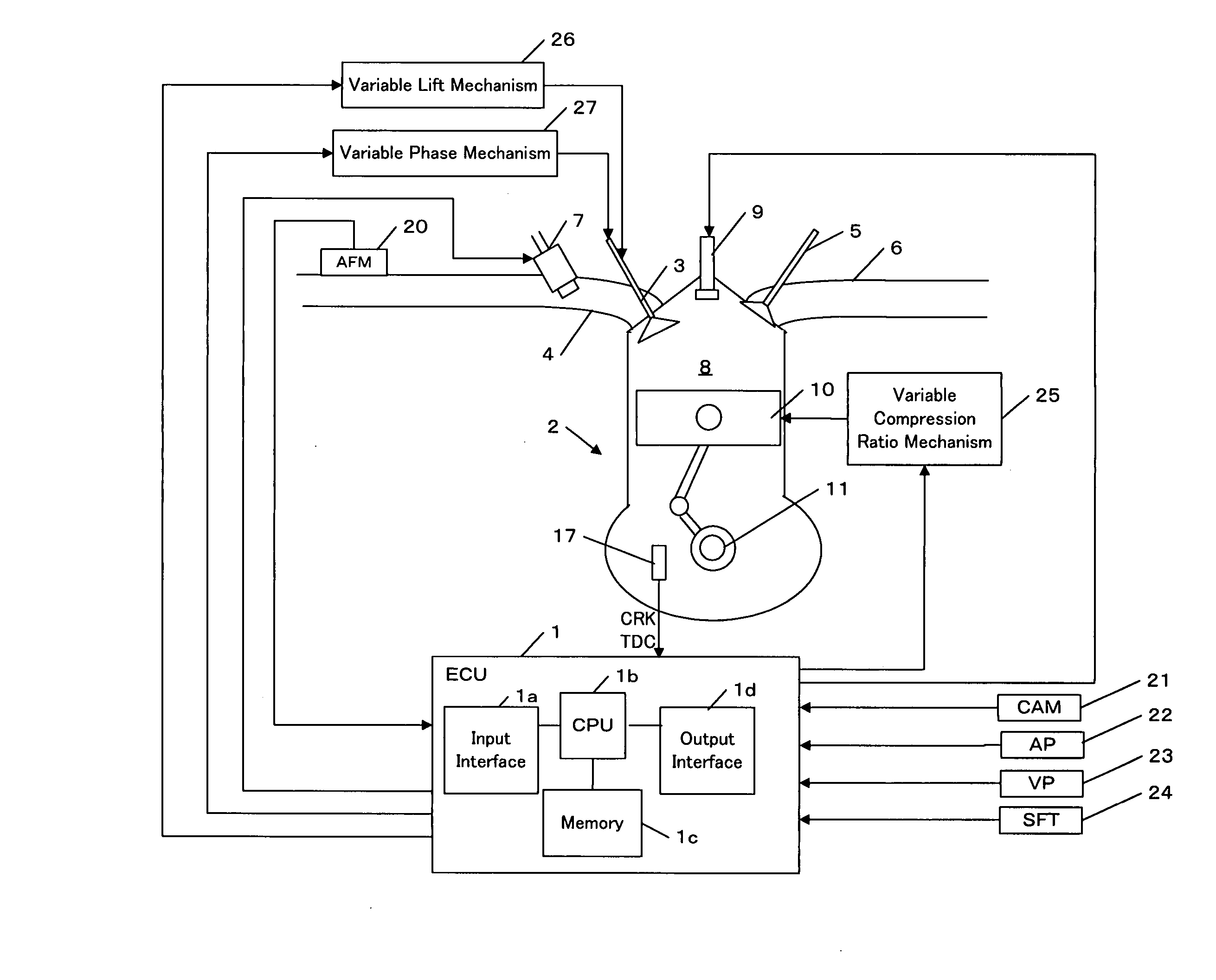
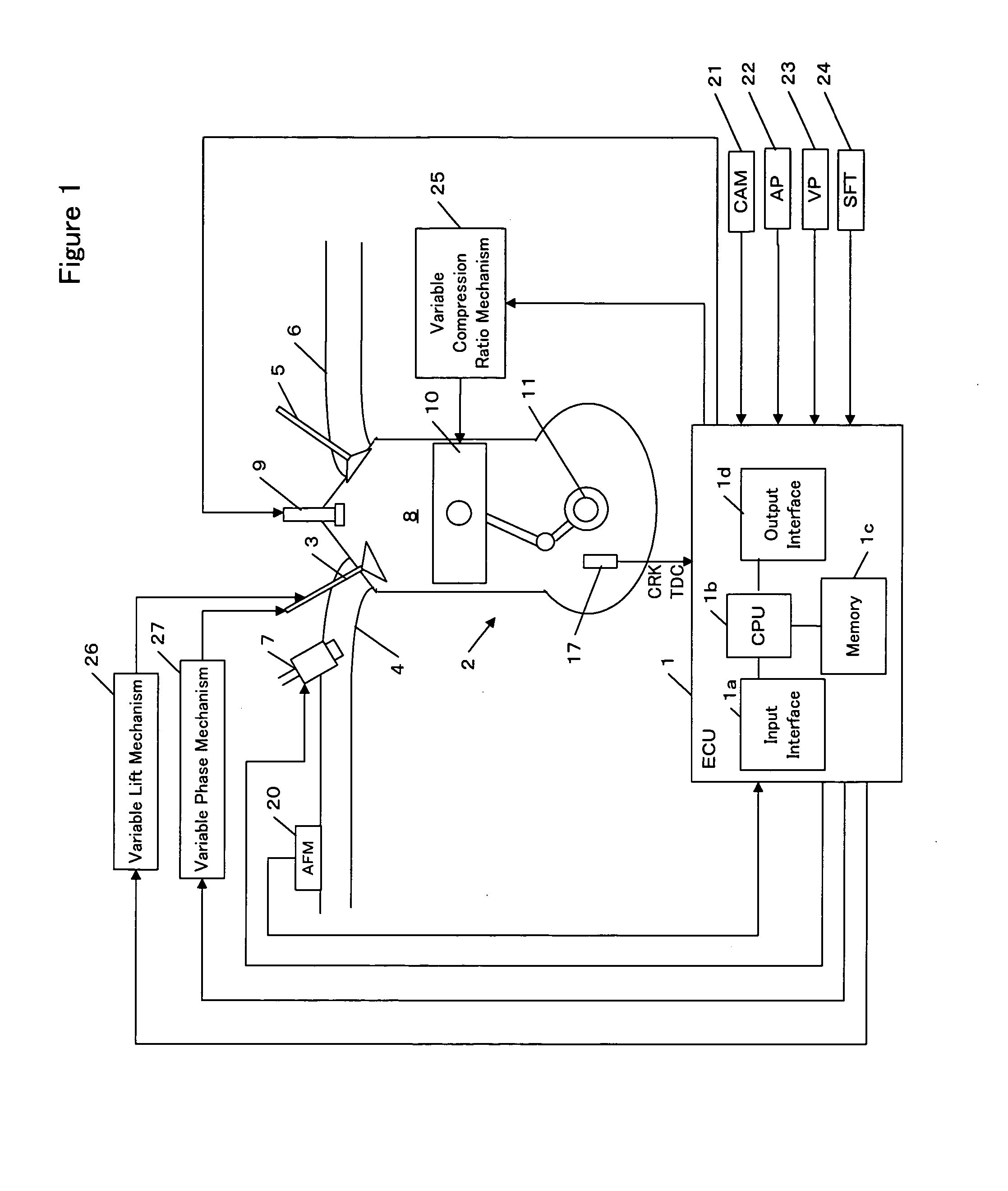
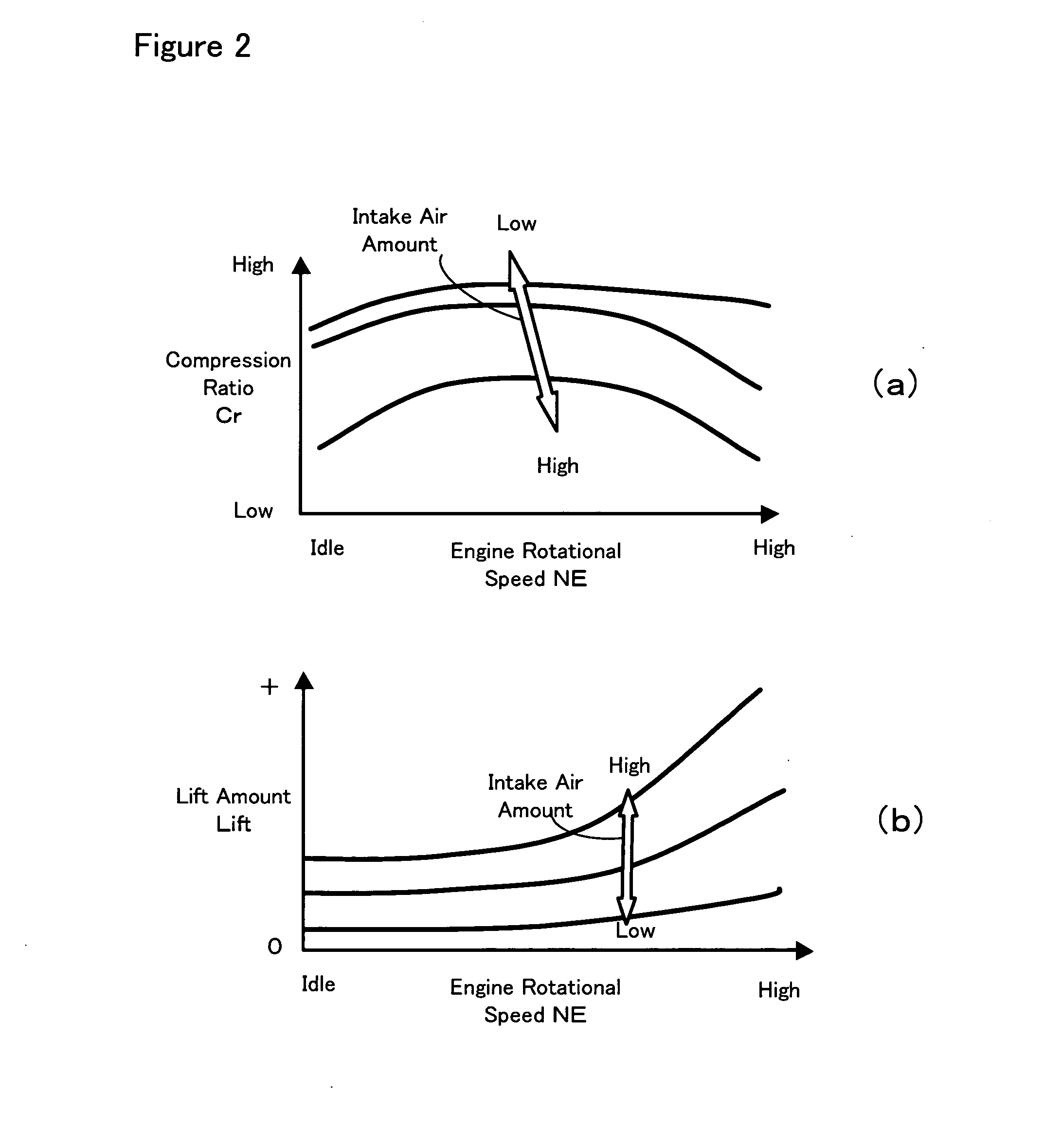
Device and Method for Controlling Internal Combustion Engine with Universal Valve Gear System and Variable Compressing Mechanism
PatentInactiveUS20070266974A1
Innovation
- A control apparatus that dynamically adjusts the lift amount and compression ratio of the engine's valves and pistons to ensure the compression ratio decreases faster than the lift amount increases during output increases, and vice versa, using a master-slave switching mechanism to prioritize control parameters based on engine load and output requests, thereby preventing collisions while maintaining desired intake air amounts.

Emission Standards Impact on Variable Compression Engines
The implementation of stringent emission standards worldwide has created unprecedented pressure on variable compression ratio (VCR) engine development, fundamentally reshaping design priorities and technological approaches. Regulatory frameworks such as Euro 7, China VI, and upcoming U.S. Tier 3 standards demand substantial reductions in nitrogen oxides (NOx), particulate matter, and carbon dioxide emissions, forcing engineers to optimize camshaft control systems for compliance rather than purely performance-oriented objectives.
Traditional camshaft control strategies in VCR engines must now accommodate complex emission control requirements that often conflict with optimal compression ratio selection. The challenge lies in balancing the engine's ability to achieve maximum thermal efficiency through high compression ratios while maintaining emissions within regulatory limits across diverse operating conditions. This has led to the development of sophisticated control algorithms that prioritize emission compliance over peak performance in specific operating regions.
Modern emission standards have accelerated the integration of advanced exhaust gas recirculation (EGR) systems with variable camshaft timing, creating new optimization challenges for VCR engines. The camshaft control system must now coordinate with EGR valve positioning and compression ratio adjustments to minimize NOx formation while preventing excessive particulate emissions. This three-way optimization problem requires real-time computational capabilities that exceed traditional engine management system capacities.
The introduction of real driving emissions (RDE) testing protocols has particularly impacted VCR engine calibration strategies. Unlike laboratory-based testing, RDE requirements force camshaft control systems to maintain emission compliance across unpredictable driving patterns, ambient conditions, and load variations. This has necessitated the development of predictive control algorithms that anticipate emission-critical operating conditions and preemptively adjust compression ratios and valve timing.
Future emission regulations targeting ultra-low NOx levels below 30 mg/km will likely require VCR engines to operate at suboptimal compression ratios for extended periods, fundamentally challenging the technology's efficiency advantages. Advanced camshaft control systems must therefore incorporate machine learning capabilities to identify narrow operating windows where high compression ratios remain viable while meeting increasingly restrictive emission thresholds.
Traditional camshaft control strategies in VCR engines must now accommodate complex emission control requirements that often conflict with optimal compression ratio selection. The challenge lies in balancing the engine's ability to achieve maximum thermal efficiency through high compression ratios while maintaining emissions within regulatory limits across diverse operating conditions. This has led to the development of sophisticated control algorithms that prioritize emission compliance over peak performance in specific operating regions.
Modern emission standards have accelerated the integration of advanced exhaust gas recirculation (EGR) systems with variable camshaft timing, creating new optimization challenges for VCR engines. The camshaft control system must now coordinate with EGR valve positioning and compression ratio adjustments to minimize NOx formation while preventing excessive particulate emissions. This three-way optimization problem requires real-time computational capabilities that exceed traditional engine management system capacities.
The introduction of real driving emissions (RDE) testing protocols has particularly impacted VCR engine calibration strategies. Unlike laboratory-based testing, RDE requirements force camshaft control systems to maintain emission compliance across unpredictable driving patterns, ambient conditions, and load variations. This has necessitated the development of predictive control algorithms that anticipate emission-critical operating conditions and preemptively adjust compression ratios and valve timing.
Future emission regulations targeting ultra-low NOx levels below 30 mg/km will likely require VCR engines to operate at suboptimal compression ratios for extended periods, fundamentally challenging the technology's efficiency advantages. Advanced camshaft control systems must therefore incorporate machine learning capabilities to identify narrow operating windows where high compression ratios remain viable while meeting increasingly restrictive emission thresholds.
Integration Challenges with Hybrid Powertrain Systems
The integration of optimized camshaft control systems with hybrid powertrain architectures presents multifaceted technical challenges that require careful consideration of mechanical, electrical, and software interfaces. Variable compression engines equipped with advanced camshaft control mechanisms must seamlessly coordinate with electric motor systems, battery management units, and power electronics to achieve optimal performance across diverse operating conditions.
Mechanical integration challenges primarily stem from packaging constraints and thermal management requirements. The additional hardware components required for variable compression ratio adjustment, including actuators, sensors, and control mechanisms, must coexist within the limited engine bay space alongside hybrid system components such as electric motors, inverters, and high-voltage wiring harnesses. The proximity of these systems creates potential interference issues and requires sophisticated thermal management strategies to prevent overheating and ensure reliable operation.
Control system synchronization represents another critical challenge, as the camshaft control algorithms must interface with hybrid powertrain control units through standardized communication protocols. The real-time coordination between engine compression ratio adjustments and electric motor torque delivery demands precise timing and robust data exchange mechanisms. Latency issues in communication networks can significantly impact the system's ability to respond to rapid load changes and optimize fuel efficiency.
Power management complexity increases substantially when integrating these systems, as the camshaft control actuators require additional electrical power that must be carefully managed alongside the hybrid system's energy demands. The 12V and high-voltage electrical architectures must be designed to accommodate the power requirements of variable compression mechanisms without compromising the hybrid system's performance or efficiency targets.
Software integration challenges encompass the development of unified control strategies that can optimize both compression ratio and hybrid powertrain operation simultaneously. The control algorithms must account for the interdependencies between engine breathing characteristics, combustion efficiency, and electric motor assistance to achieve global optimization rather than sub-system level optimization.
Calibration and validation processes become significantly more complex due to the increased number of variables and operating modes. The interaction between variable compression settings and hybrid operating strategies requires extensive testing across multiple drive cycles and environmental conditions to ensure robust performance and emissions compliance.
Mechanical integration challenges primarily stem from packaging constraints and thermal management requirements. The additional hardware components required for variable compression ratio adjustment, including actuators, sensors, and control mechanisms, must coexist within the limited engine bay space alongside hybrid system components such as electric motors, inverters, and high-voltage wiring harnesses. The proximity of these systems creates potential interference issues and requires sophisticated thermal management strategies to prevent overheating and ensure reliable operation.
Control system synchronization represents another critical challenge, as the camshaft control algorithms must interface with hybrid powertrain control units through standardized communication protocols. The real-time coordination between engine compression ratio adjustments and electric motor torque delivery demands precise timing and robust data exchange mechanisms. Latency issues in communication networks can significantly impact the system's ability to respond to rapid load changes and optimize fuel efficiency.
Power management complexity increases substantially when integrating these systems, as the camshaft control actuators require additional electrical power that must be carefully managed alongside the hybrid system's energy demands. The 12V and high-voltage electrical architectures must be designed to accommodate the power requirements of variable compression mechanisms without compromising the hybrid system's performance or efficiency targets.
Software integration challenges encompass the development of unified control strategies that can optimize both compression ratio and hybrid powertrain operation simultaneously. The control algorithms must account for the interdependencies between engine breathing characteristics, combustion efficiency, and electric motor assistance to achieve global optimization rather than sub-system level optimization.
Calibration and validation processes become significantly more complex due to the increased number of variables and operating modes. The interaction between variable compression settings and hybrid operating strategies requires extensive testing across multiple drive cycles and environmental conditions to ensure robust performance and emissions compliance.
Unlock deeper insights with Patsnap Eureka Quick Research — get a full tech report to explore trends and direct your research. Try now!
Generate Your Research Report Instantly with AI Agent
Supercharge your innovation with Patsnap Eureka AI Agent Platform!